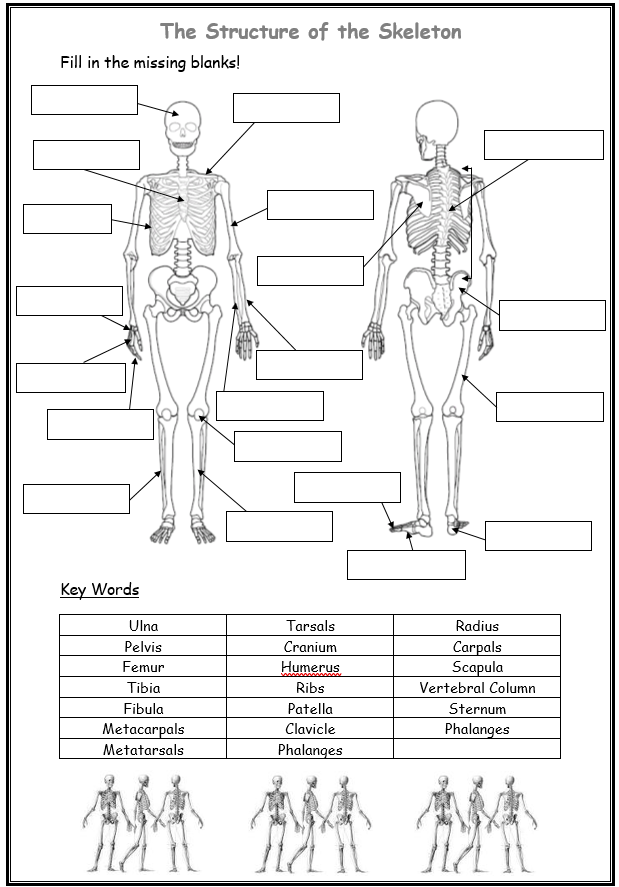
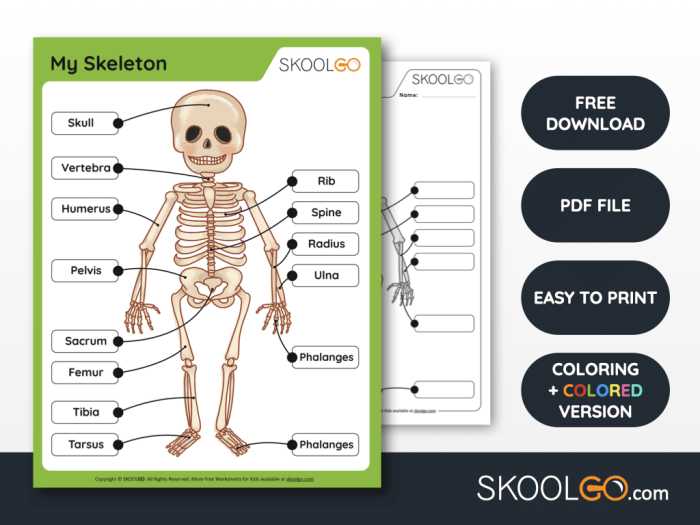
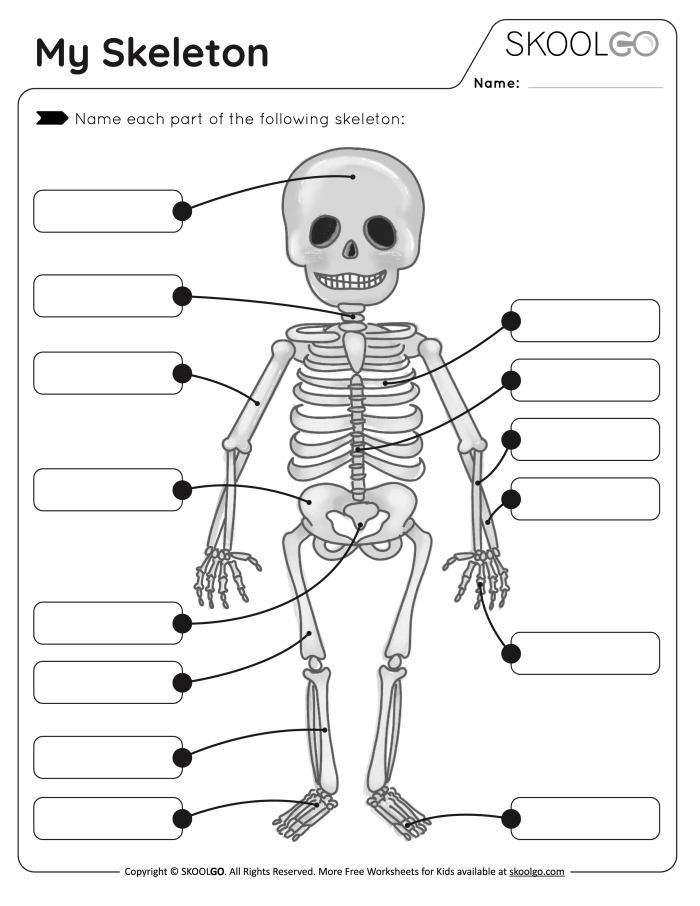
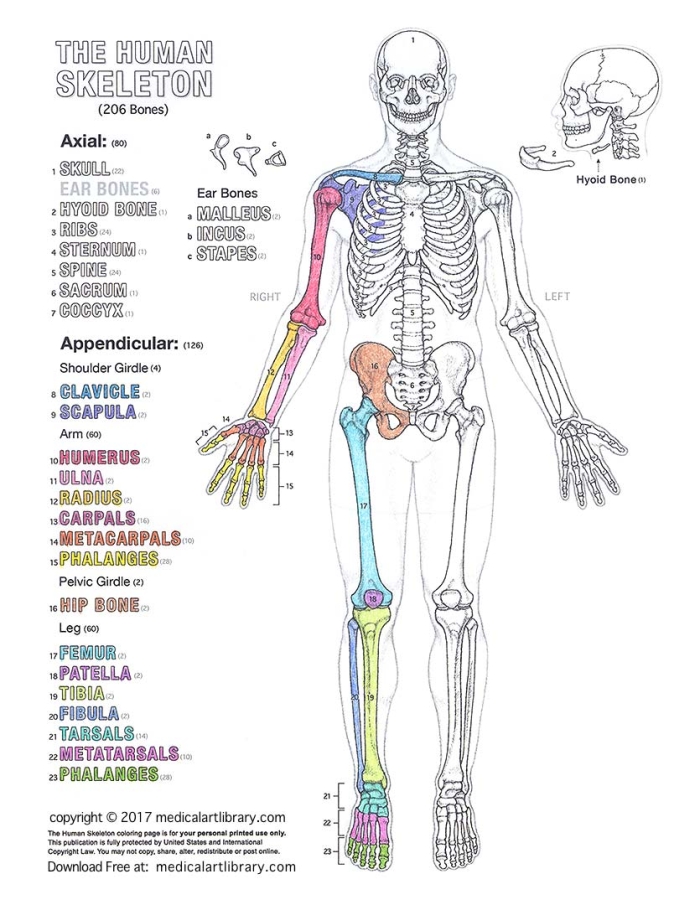
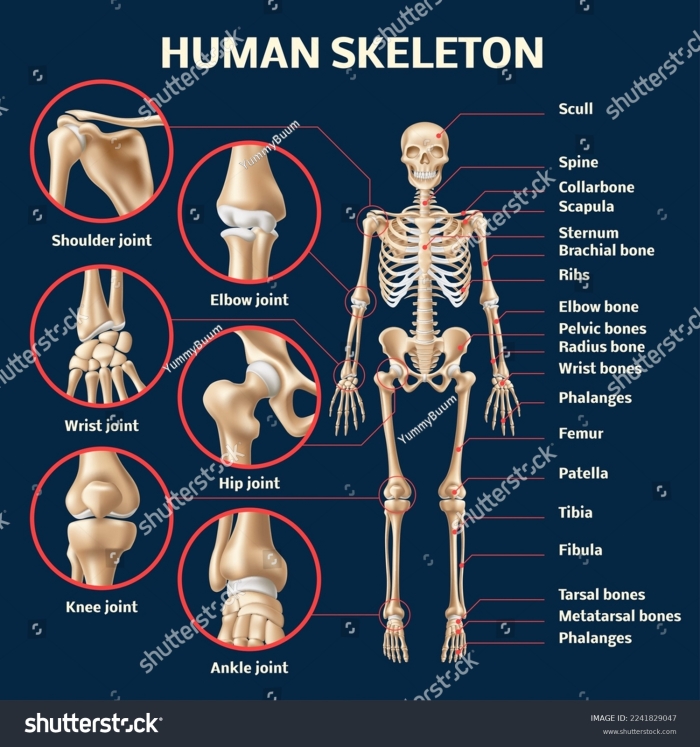
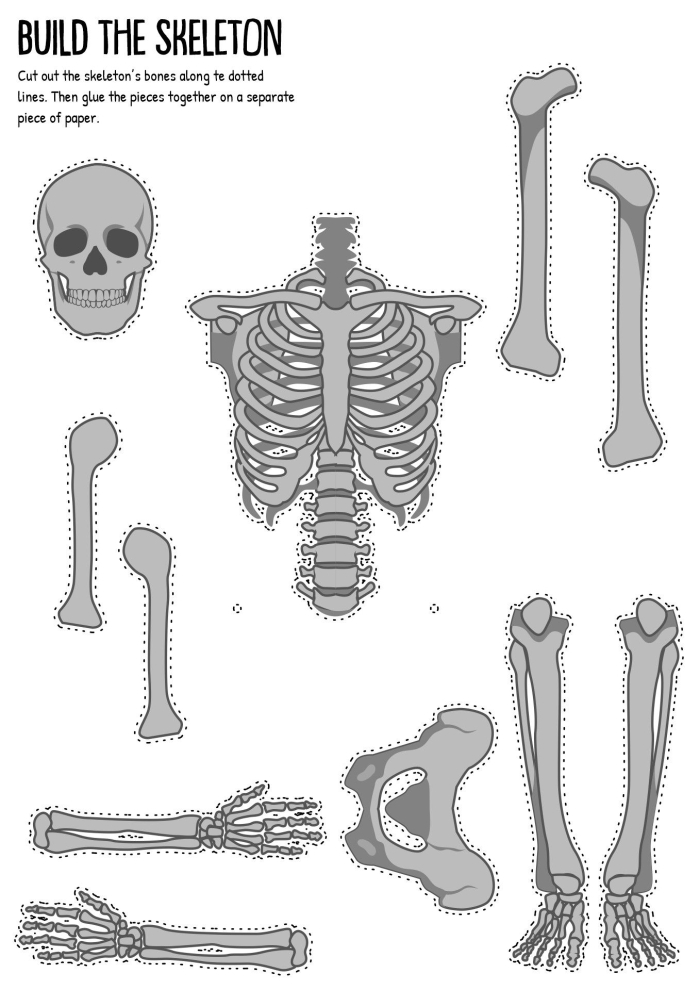
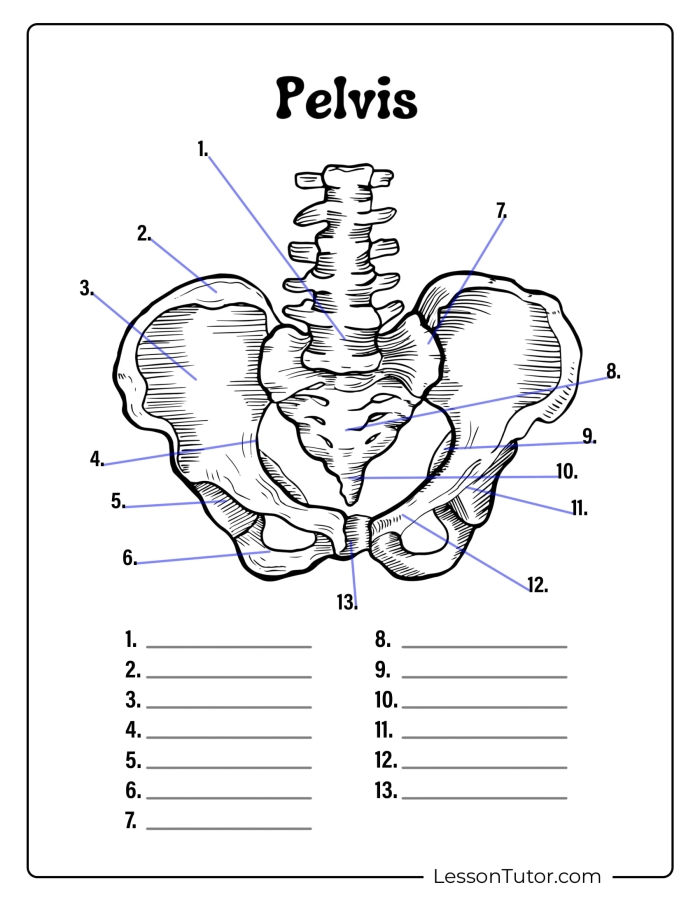
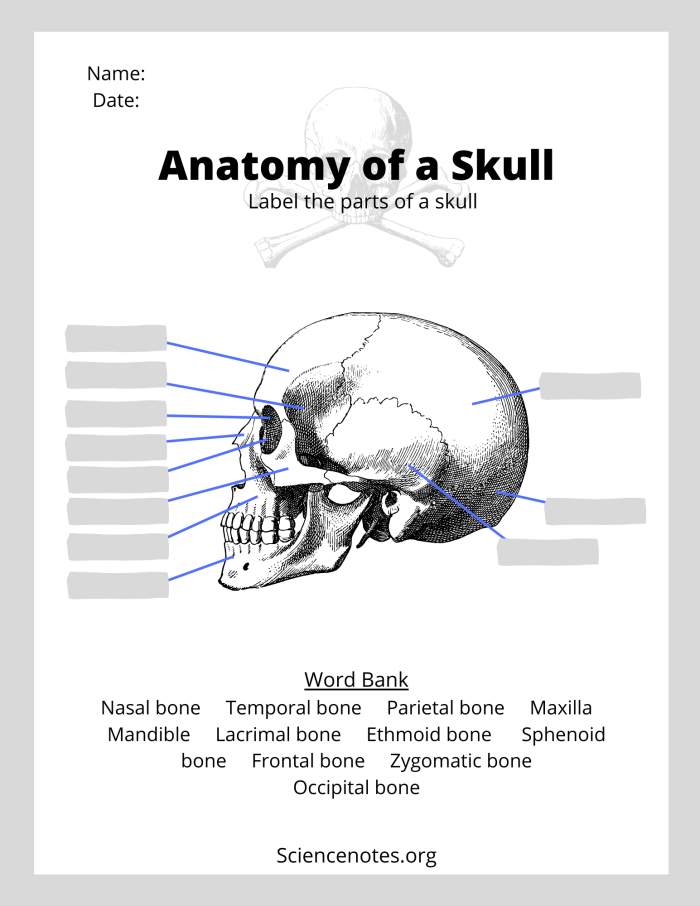
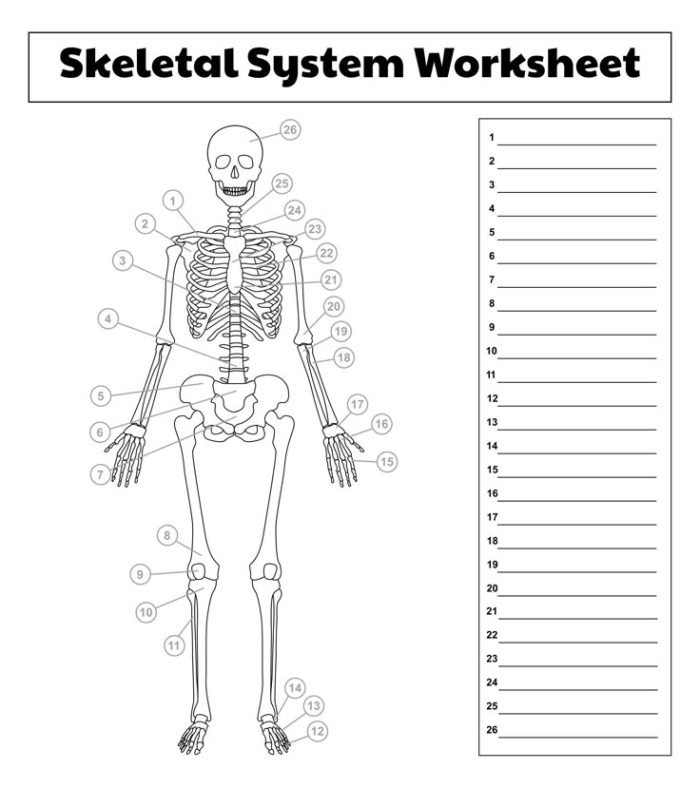
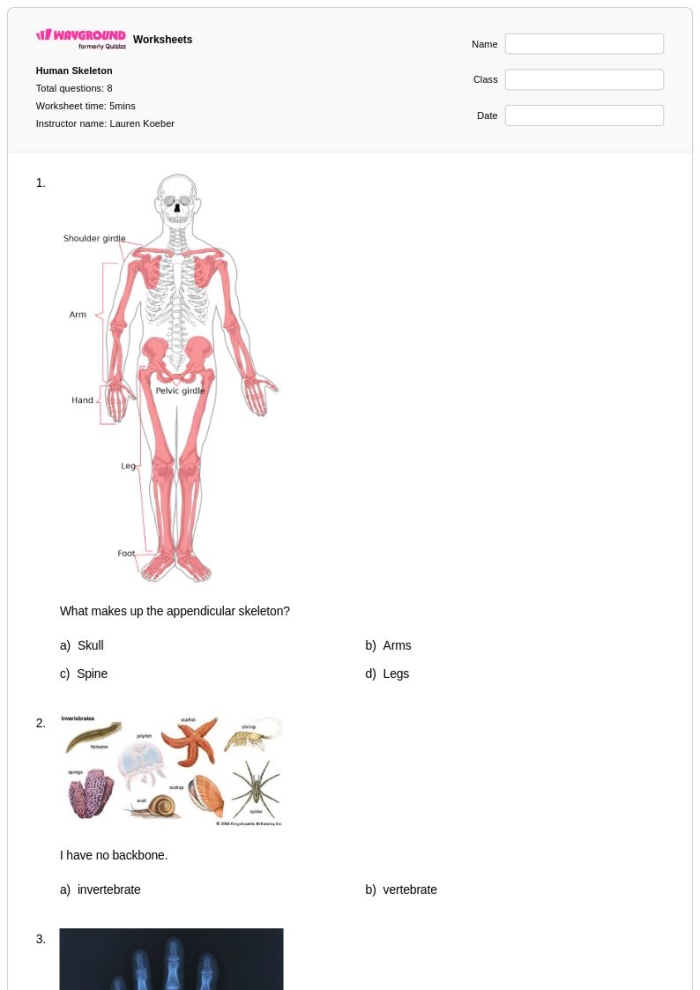
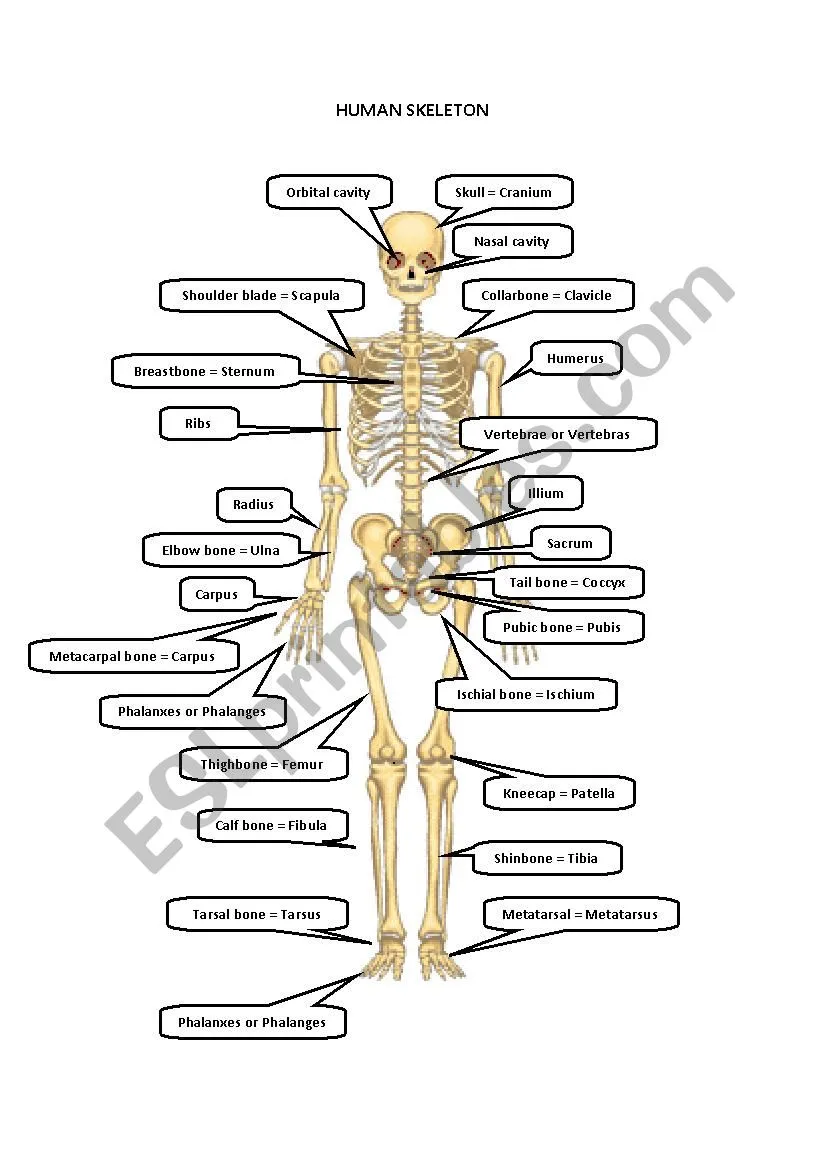
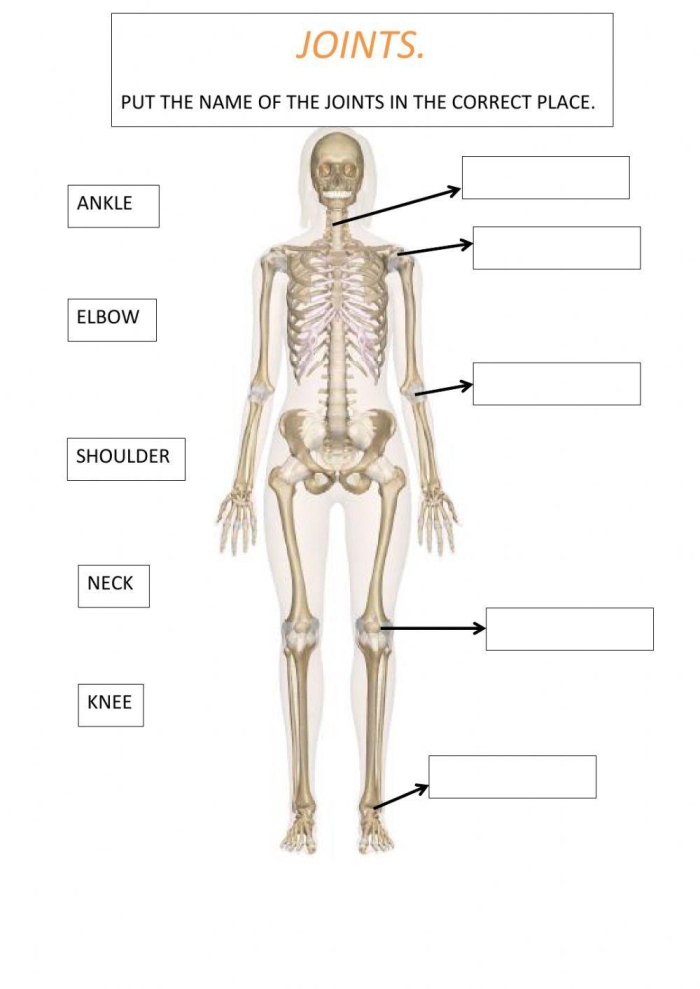
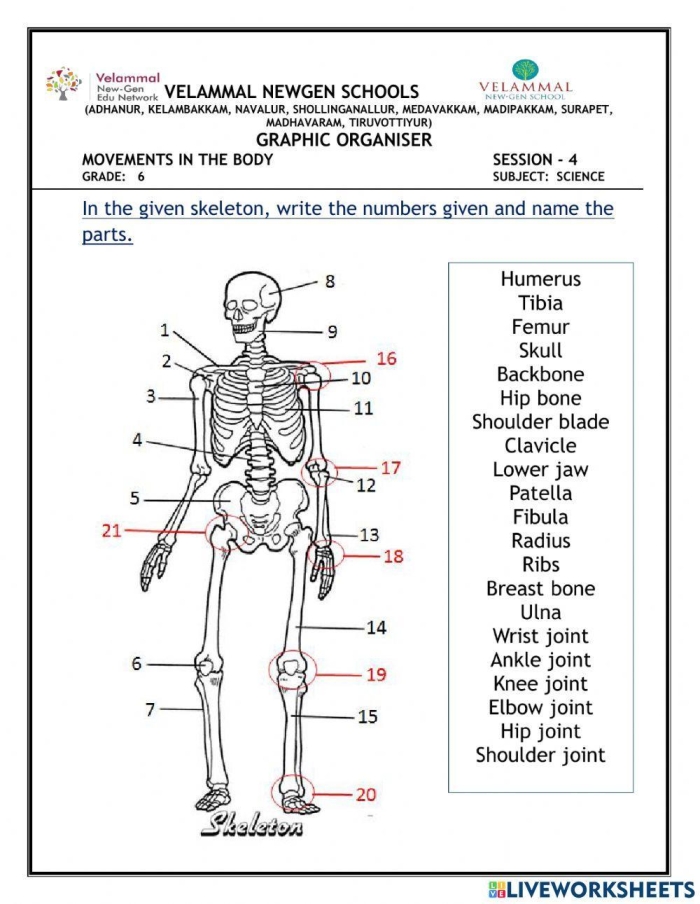
The human skeleton is a remarkable structure, serving as the framework for our bodies. Understanding its components is essential, especially for fifth graders studying anatomy and geometry. A labeled diagram of the human skeleton highlights 12 major bones, starting from the skull and extending down to the fibula. Each of these bones plays a crucial role in maintaining our physical form and enabling movement.
The skull, for instance, protects the brain while providing structure for the face. Moving down, the vertebrae form the spine, which supports the upper body’s weight and allows for flexibility. The ribcage, composed of ribs and the sternum, safeguards vital organs like the heart and lungs. These bones not only provide protection but also assist in respiratory mechanics, showcasing the interconnectedness of our anatomy.
As students explore the skeletal system, they can engage with printable worksheets that enhance their learning experience. For example, worksheets on human lungs can complement their understanding of how the skeletal and respiratory systems work together. Similarly, practicing mixed and improper fractions can help in visualizing the geometric shapes formed by bones and joints in the body.
Continuing down, the humerus connects the shoulder to the elbow, allowing for a wide range of arm movement. The radius and ulna then extend to the wrist, showcasing the complexity of our limb structure. Finally, the fibula, located alongside the tibia, contributes to lower leg stability and mobility. This intricate arrangement of bones illustrates how our anatomy is designed for both form and function.
Understanding the human skeleton goes beyond mere memorization. It invites students to appreciate the beauty of their own bodies and how each bone plays a role in their everyday activities. Engaging with resources such as worksheets on adding decimals can further enrich their mathematical skills while reinforcing concepts related to anatomy.
Grab These Worksheets Now