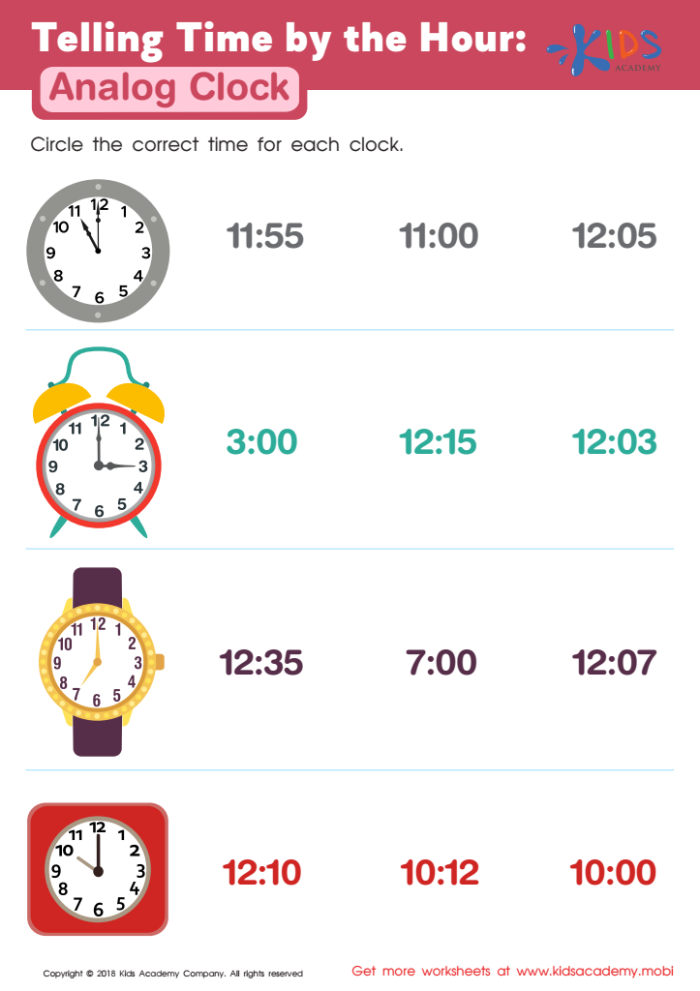
Teaching a kindergarten child to read an analog clock is one of those skills that feels simple until you actually try it. Kids need to understand that the short hand shows hours while the long hand shows minutes, and whole hours are the perfect starting point. A printable worksheet focused on whole hours removes the confusion of minutes and lets children build confidence with the basics.
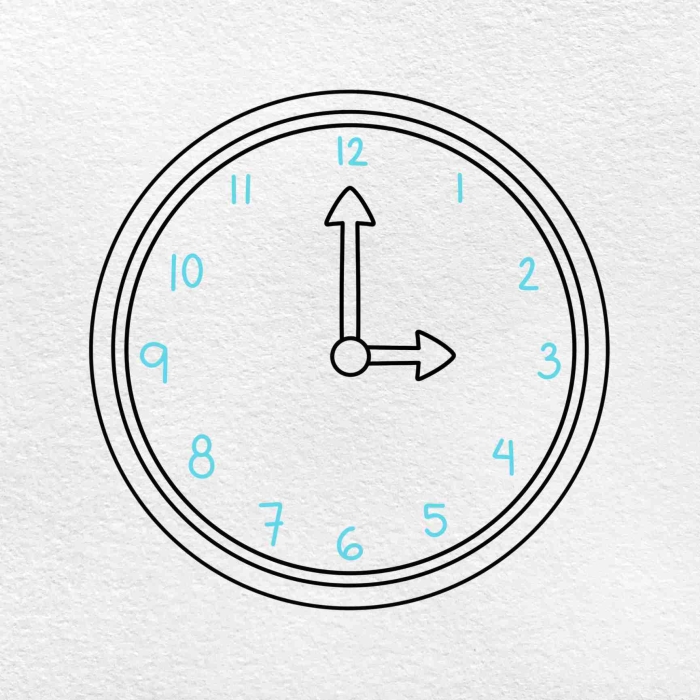
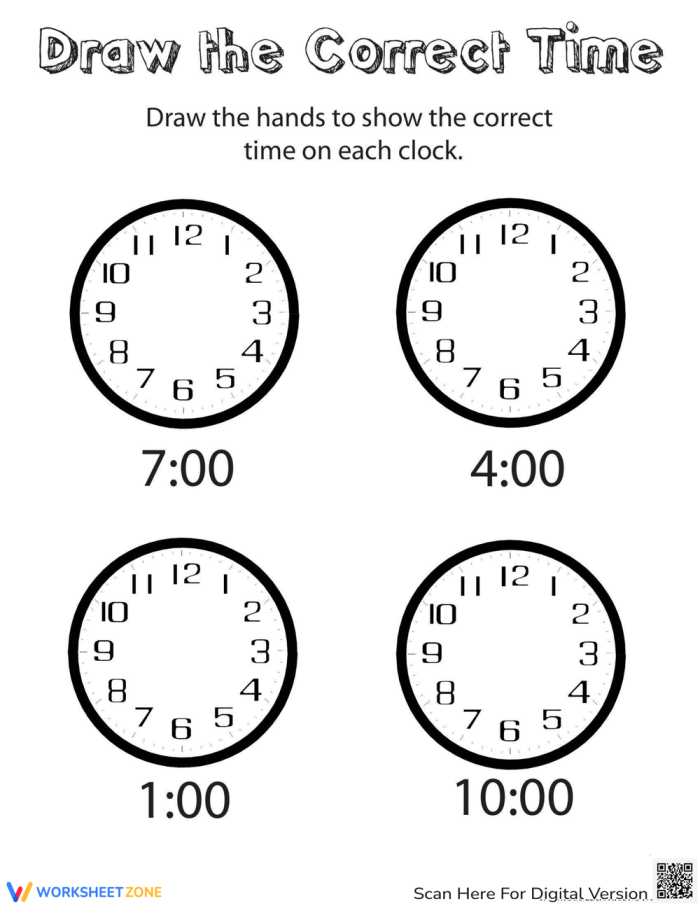
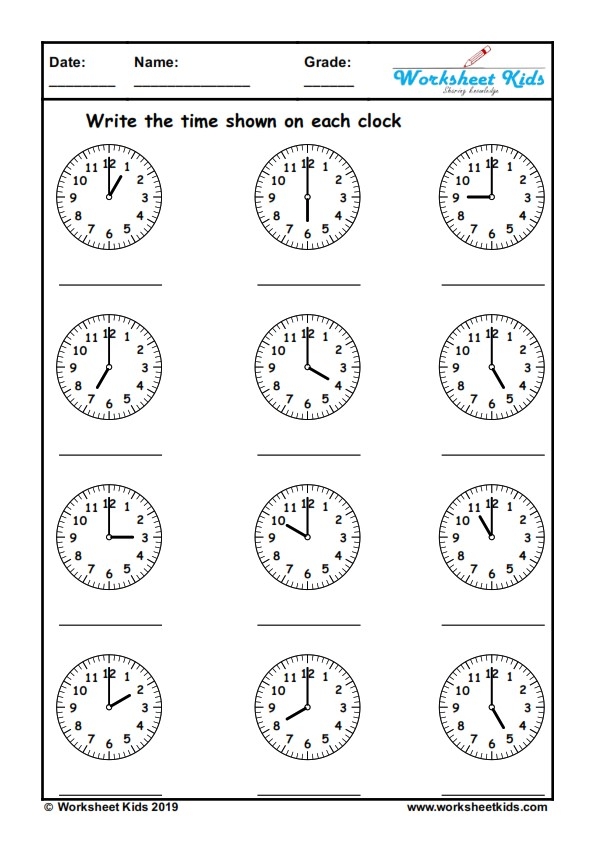
When children first encounter a clock face, they’re looking at a circle divided into twelve sections with numbers they recognize but don’t yet understand in this context. Worksheets that focus exclusively on whole hours let kids practice identifying when the long hand points straight up at twelve. This single, clear position becomes their anchor point. Once they grasp that concept, the short hand’s position becomes the only variable they need to track.
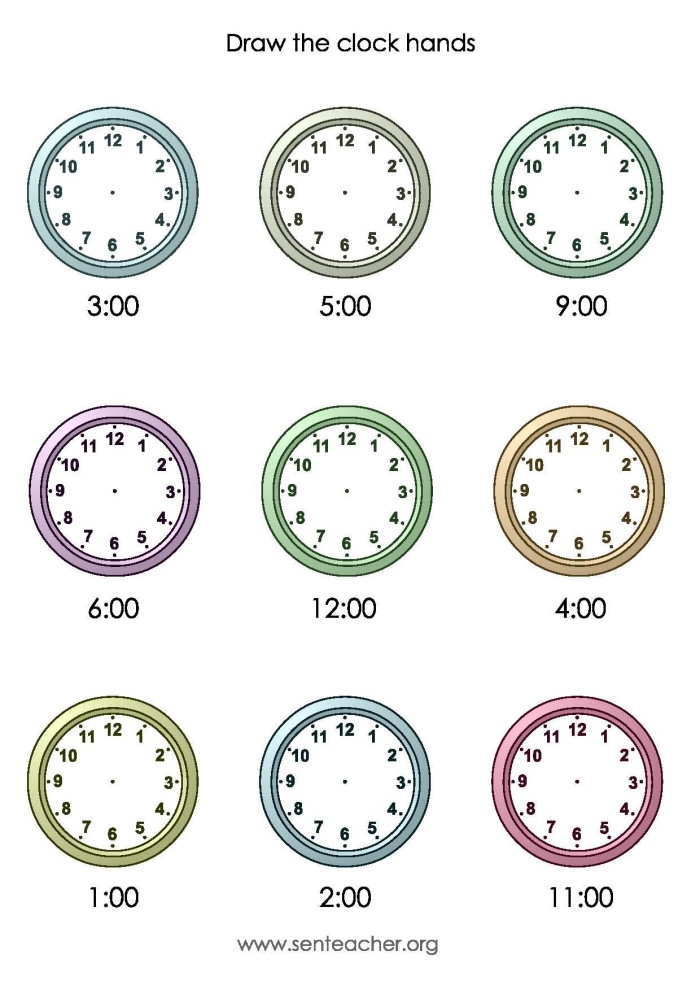
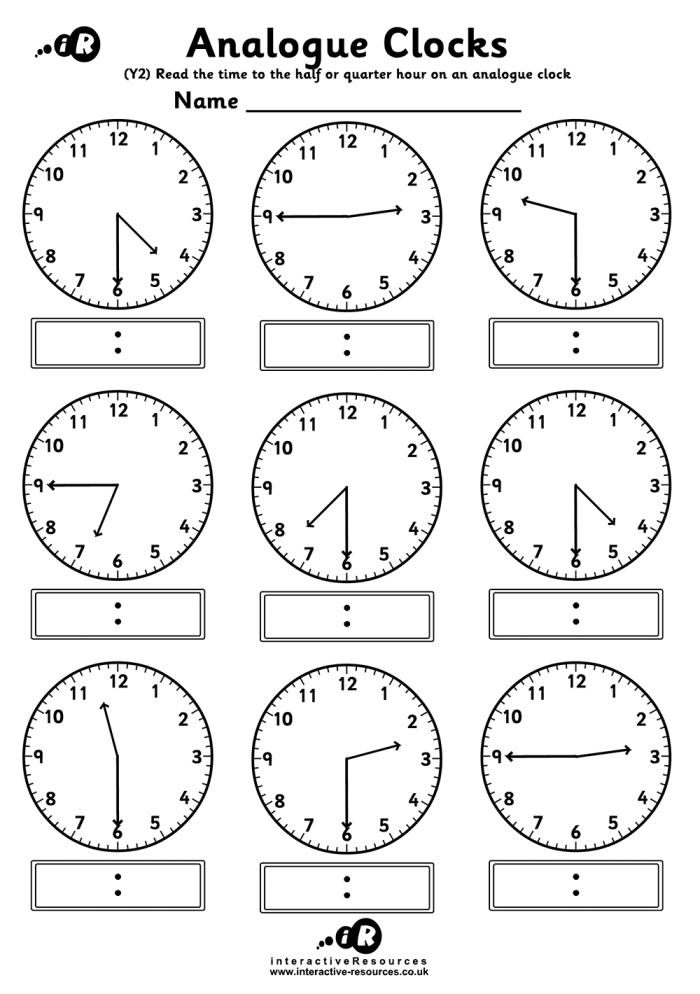
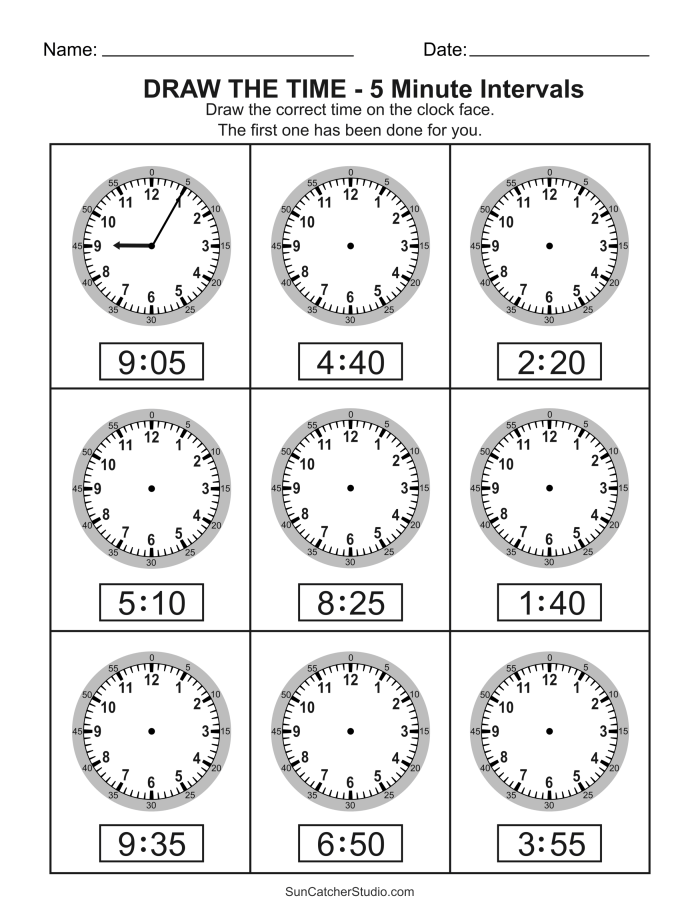
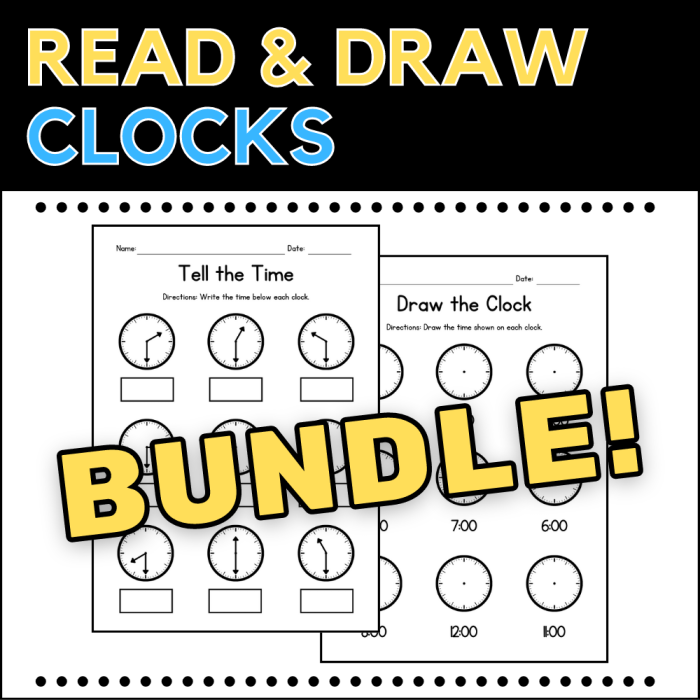
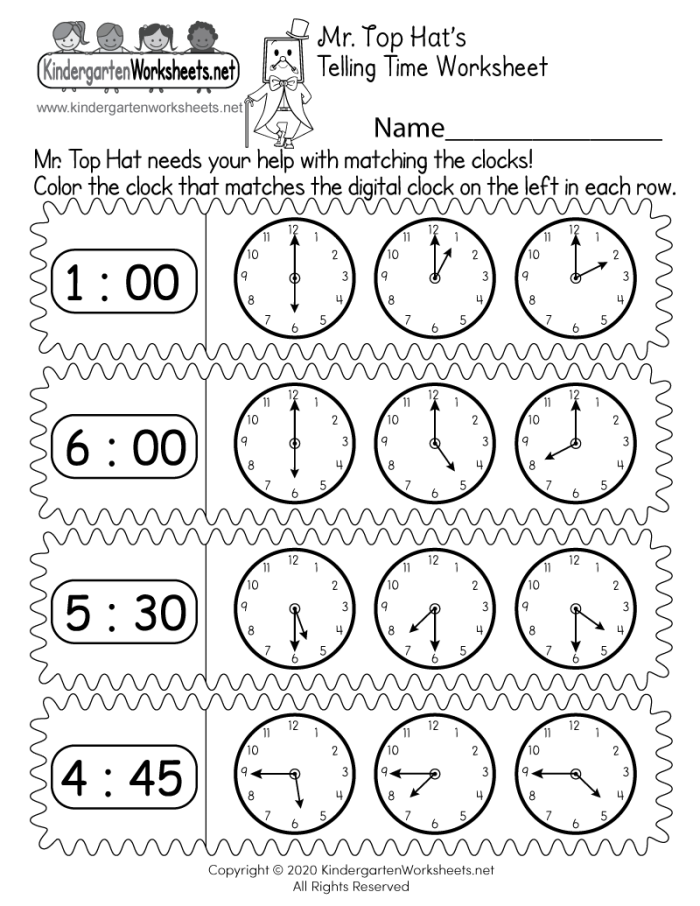
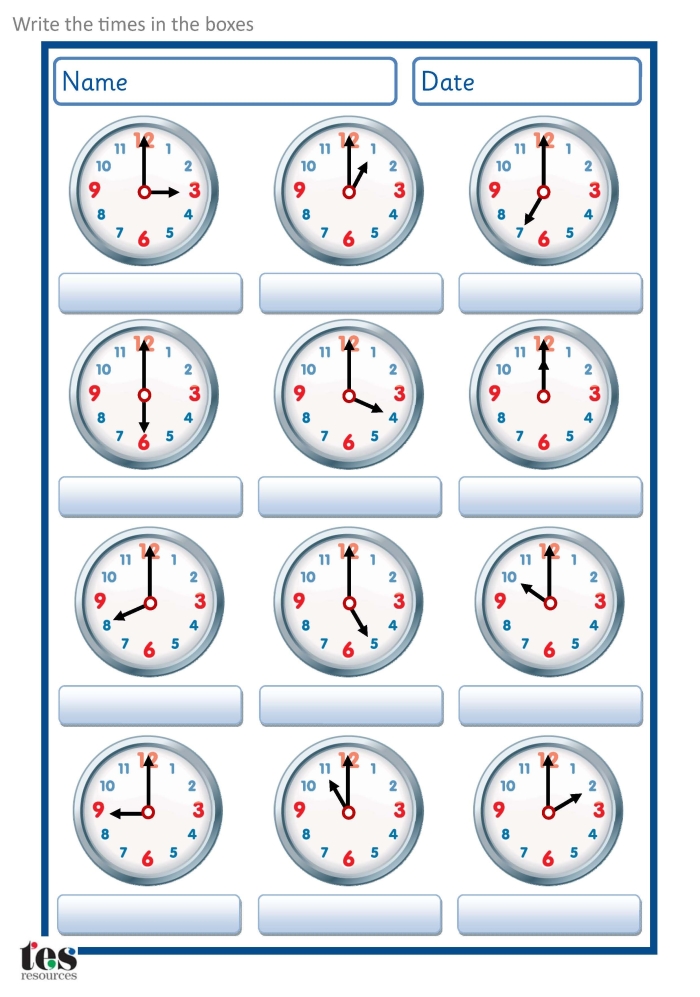
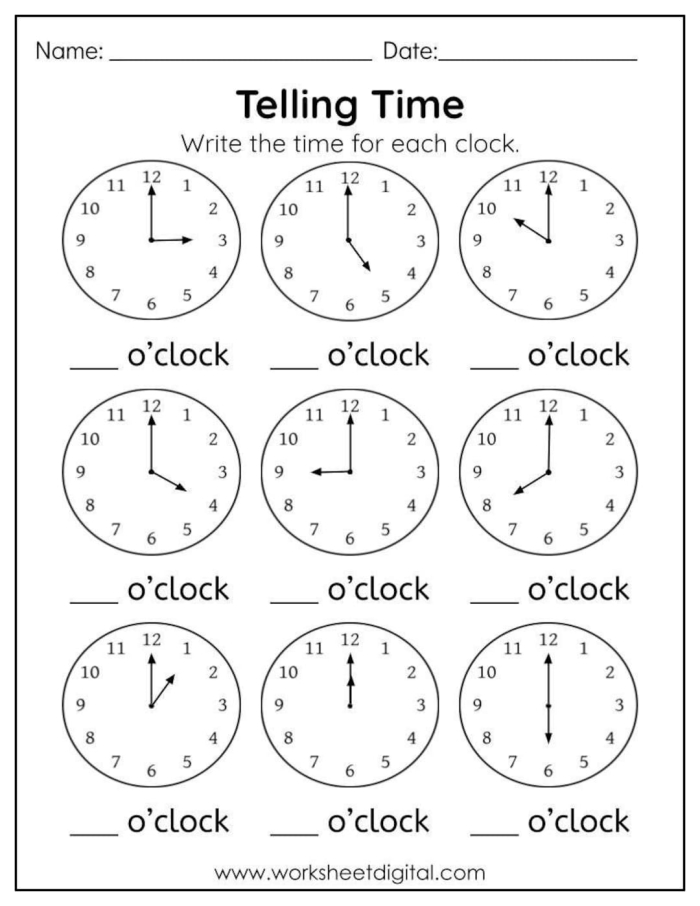
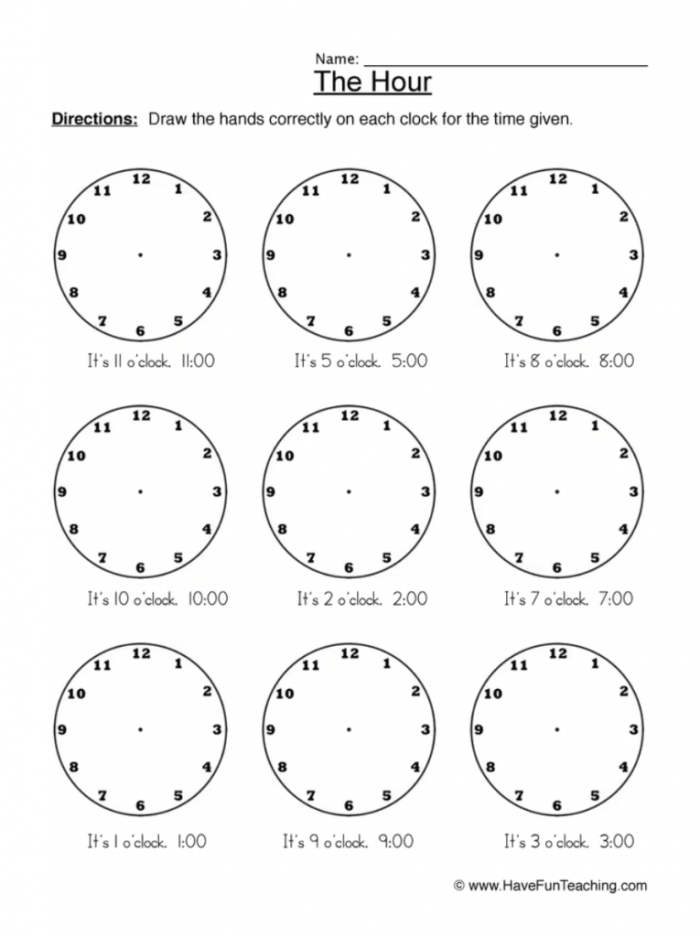
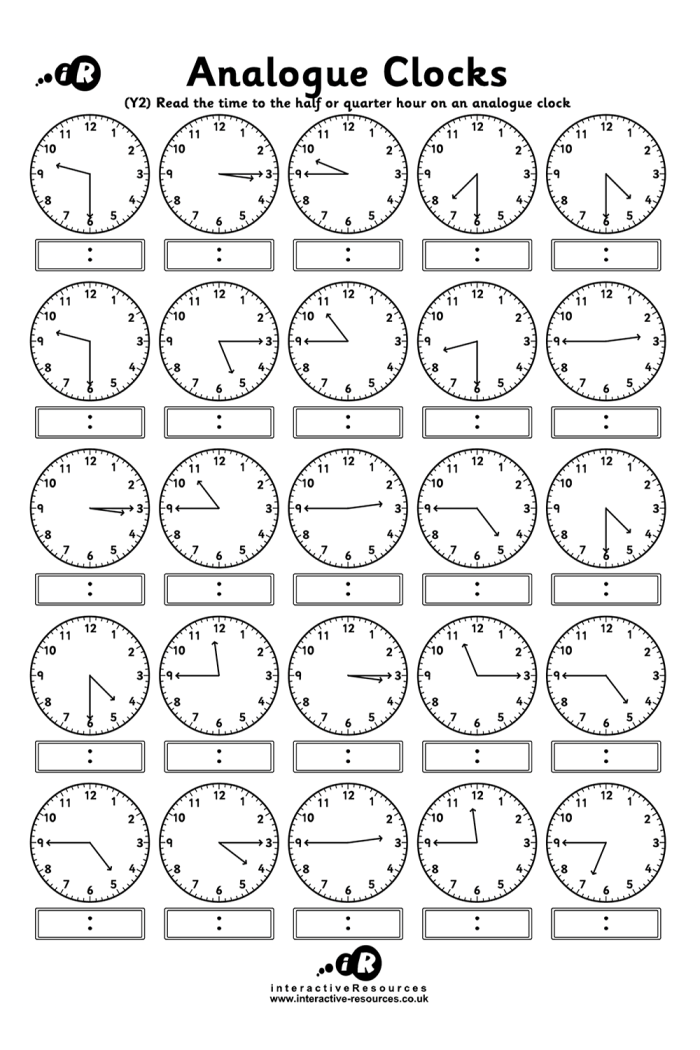
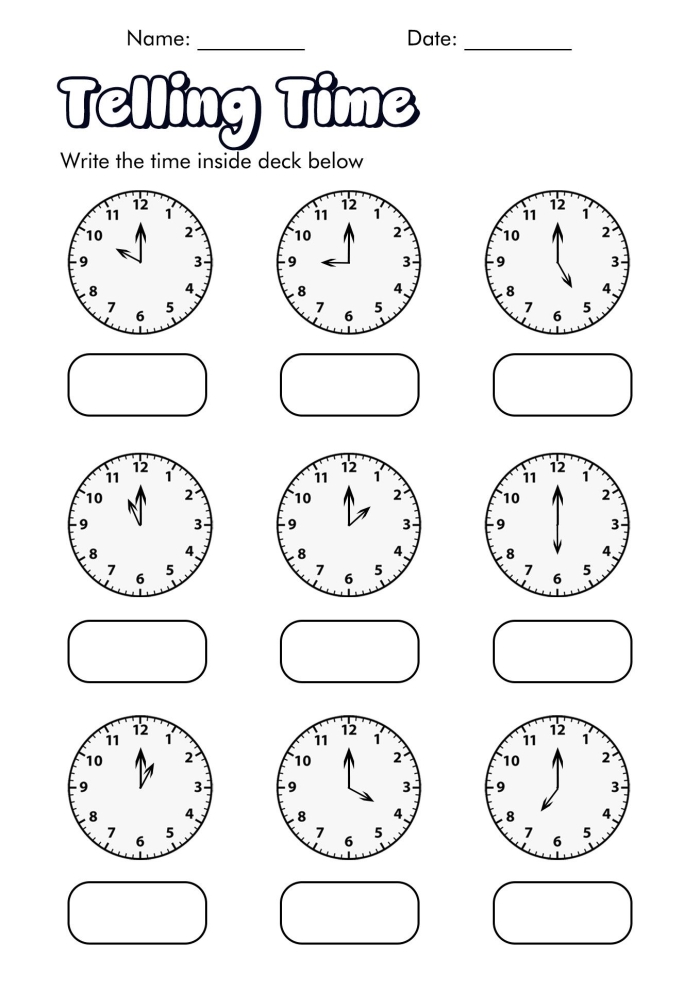
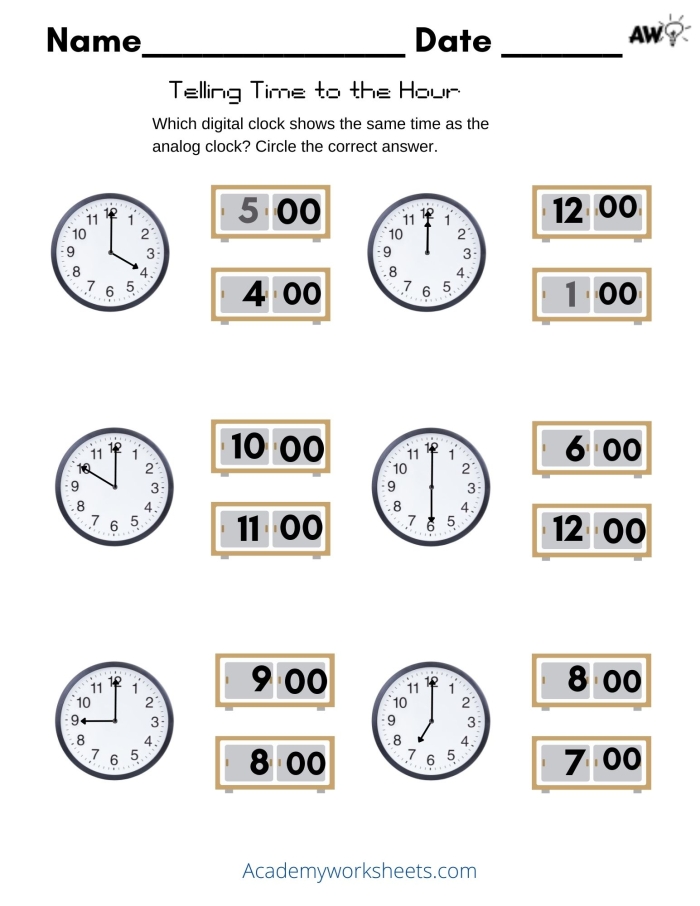
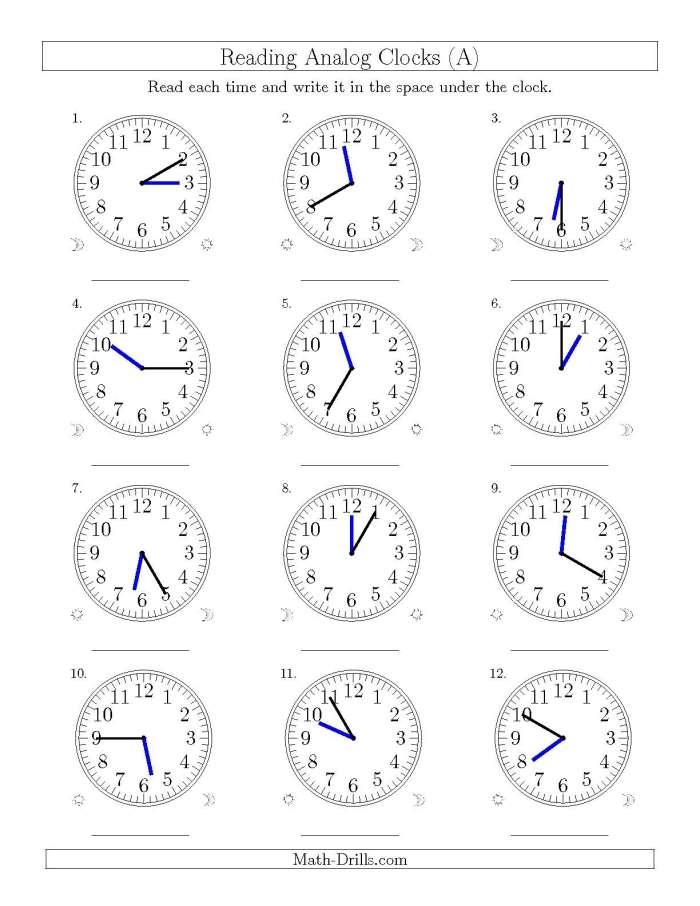
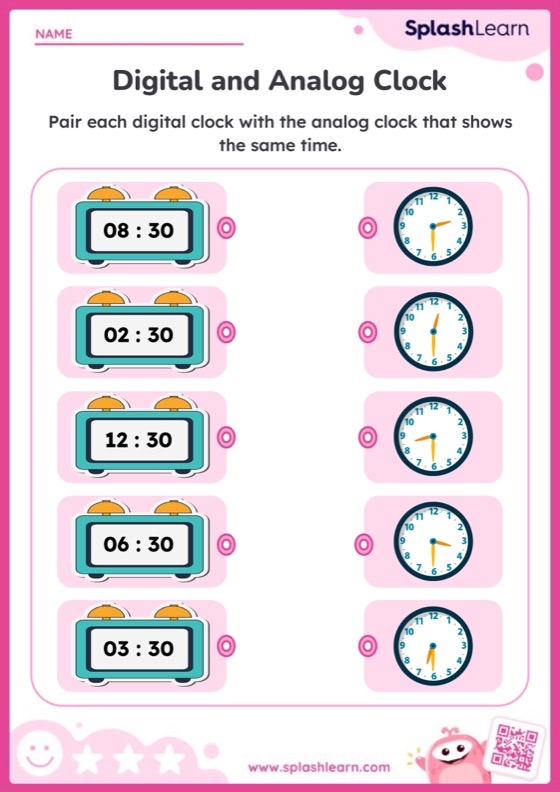
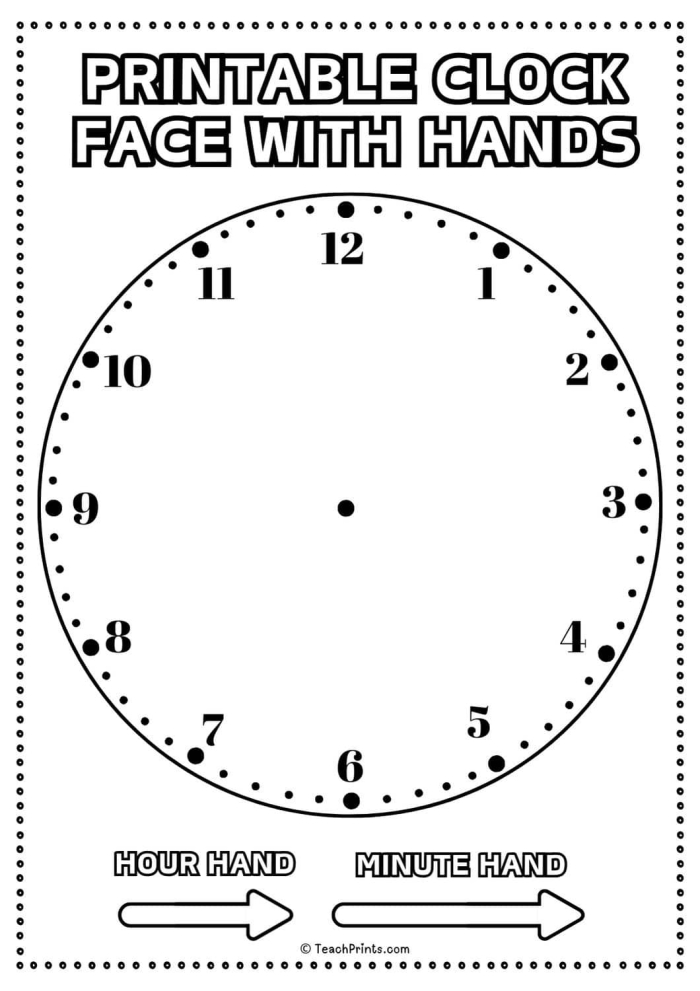
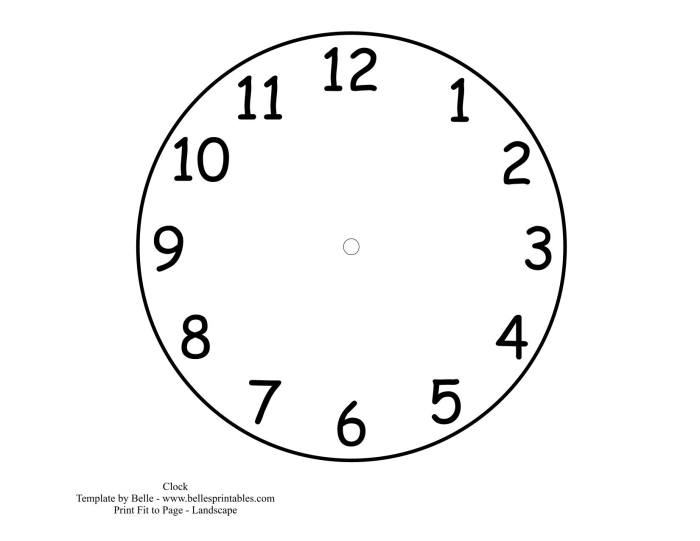
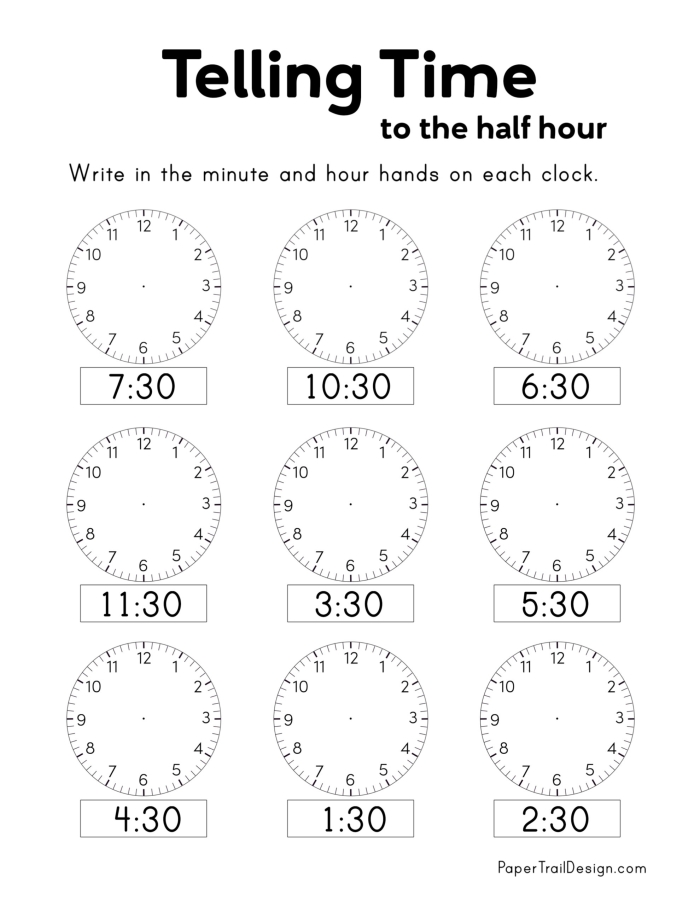
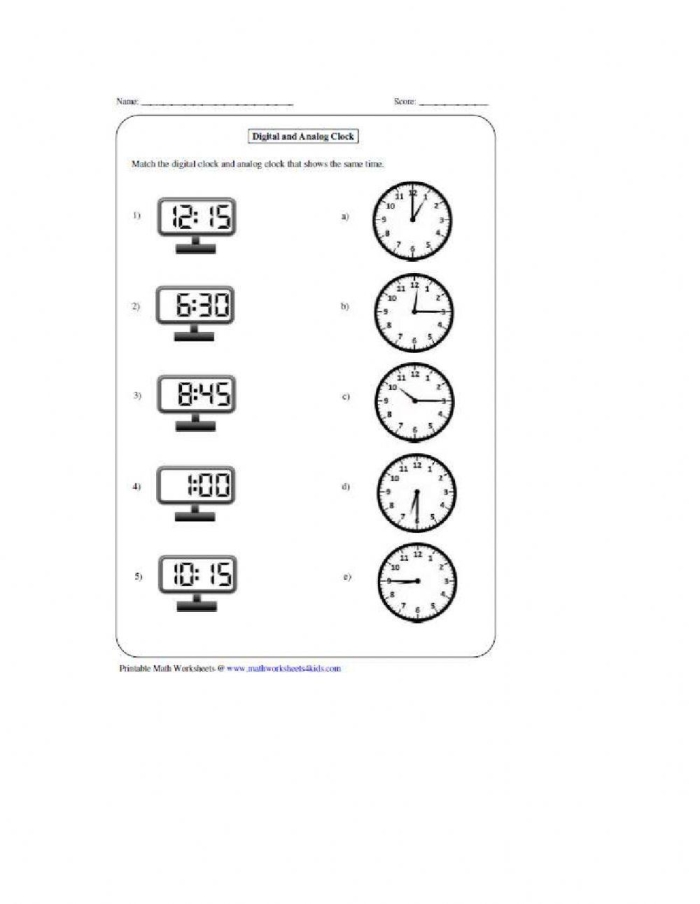
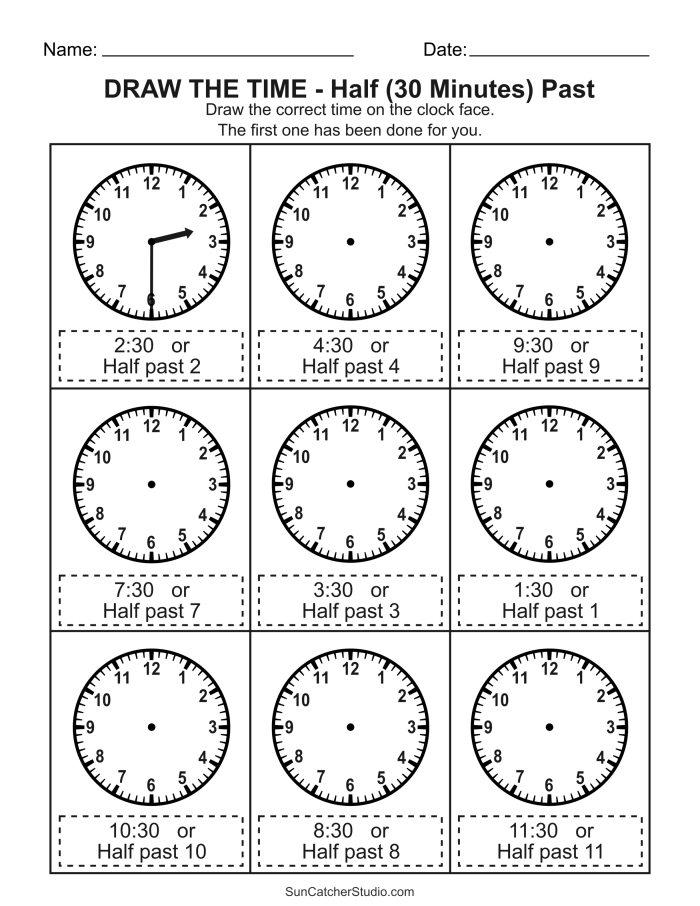
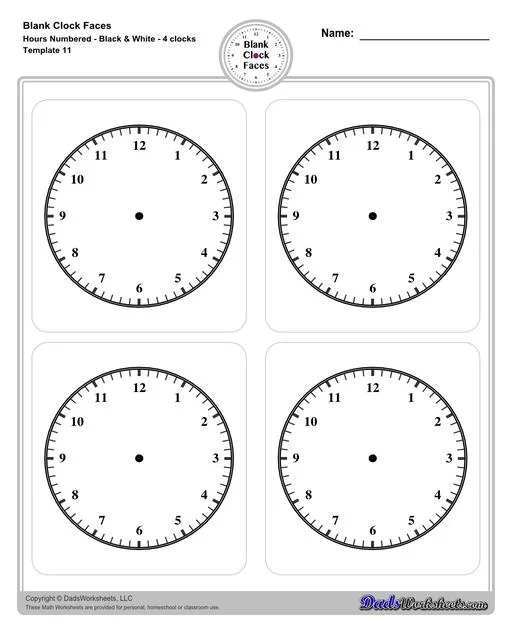
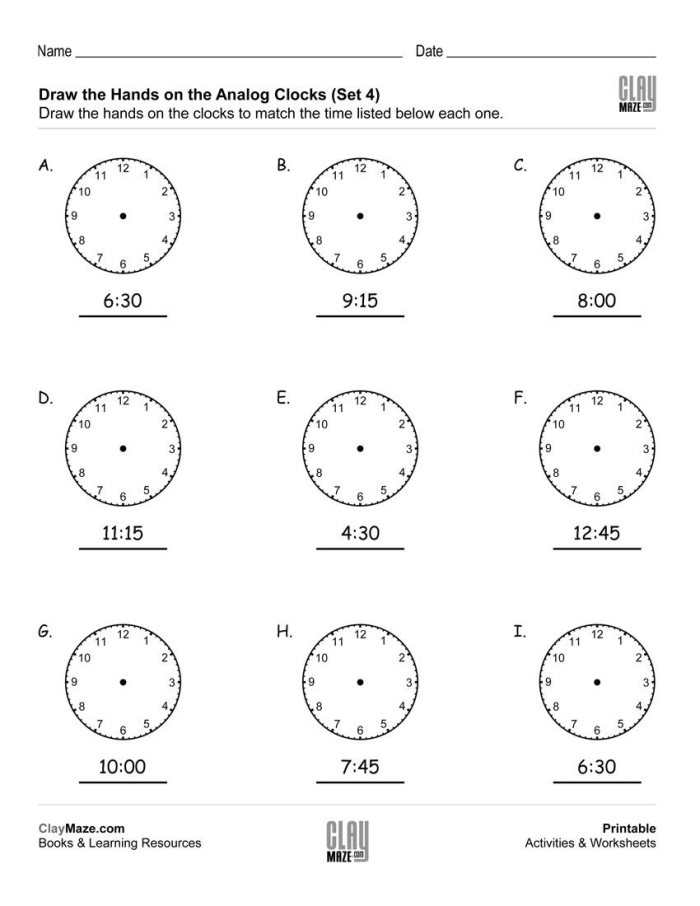
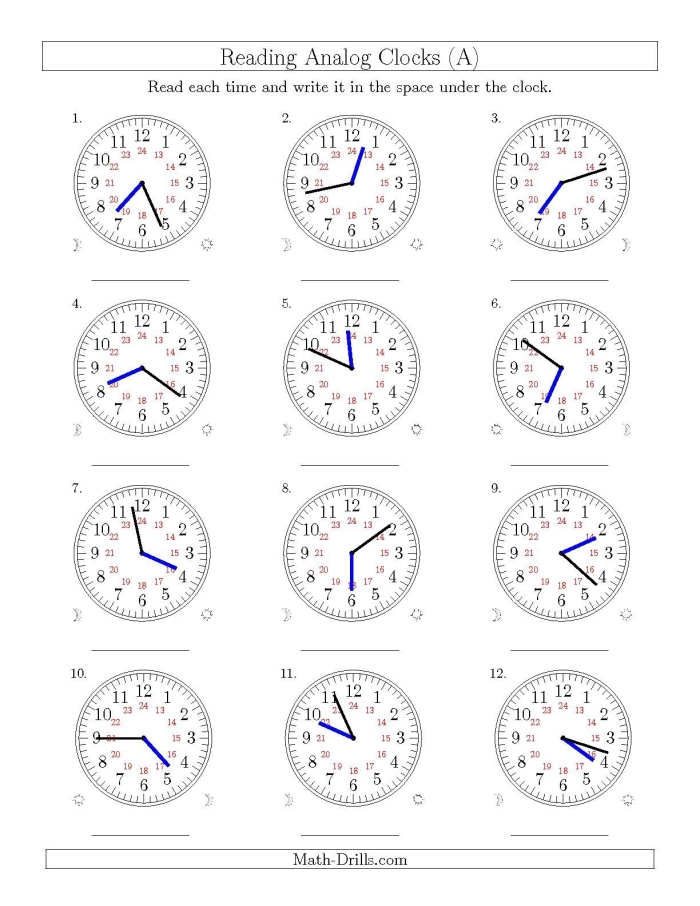
The practical benefit of using a printable worksheet is that your child can work at their own pace without pressure. They can draw clock hands to match a given time, or read times shown on clock faces and write them down. Repetition through these exercises builds the neural pathways that make time reading automatic rather than something they have to think through step by step.
Many parents find that pairing these worksheets with real-world observation helps too. Point out the hour hand on your kitchen clock when it’s three o’clock, then have them practice the same concept on paper. The connection between the abstract worksheet and the actual clock on the wall makes the learning stick.
For kindergarten students working on grammar and mechanics skills, these worksheets also reinforce number recognition and writing. If the worksheet asks them to write out the time in words or numerals, they’re practicing handwriting and number formation simultaneously. You might also consider supplementing with other kindergarten worksheets that combine drawing and mechanics to keep learning varied and engaging.
Download These Worksheets for Practice