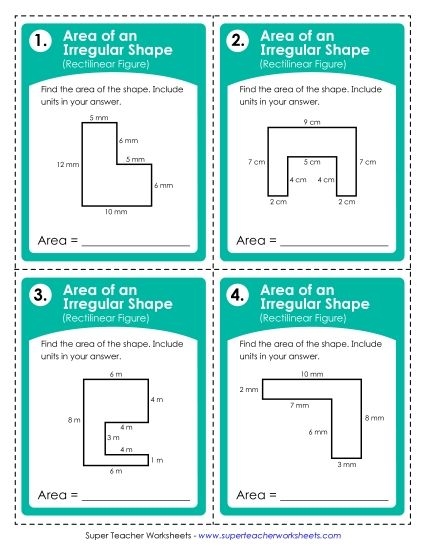
Understanding the concept of area is fundamental for third graders, and it opens the door to many mathematical applications. Area measures the amount of space within a shape, and grasping this concept can enhance students’ spatial reasoning skills. When introduced to area, students can engage with various geometric shapes like squares, rectangles, and triangles, making learning both fun and interactive.
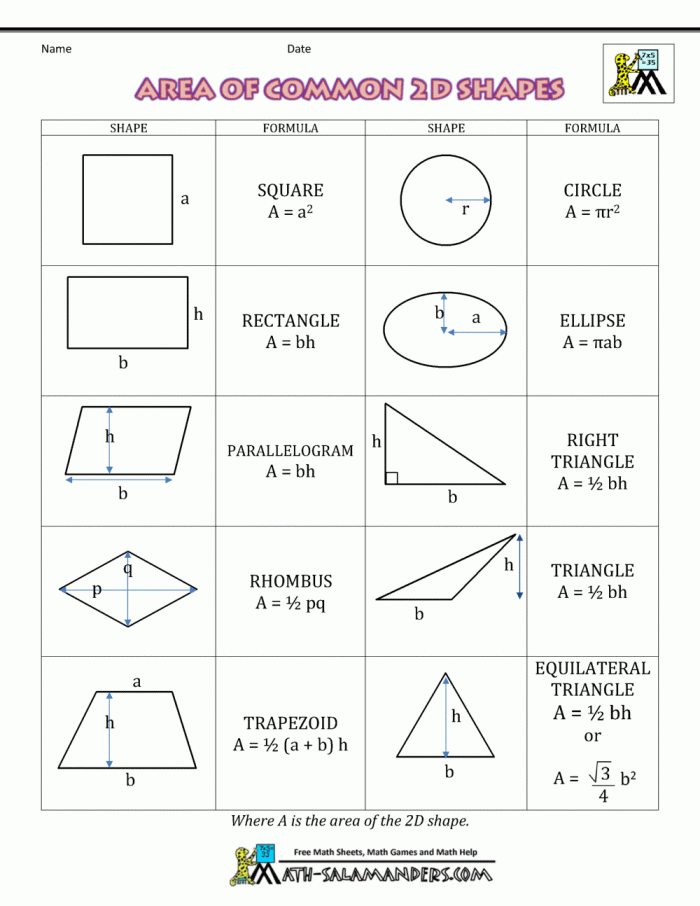
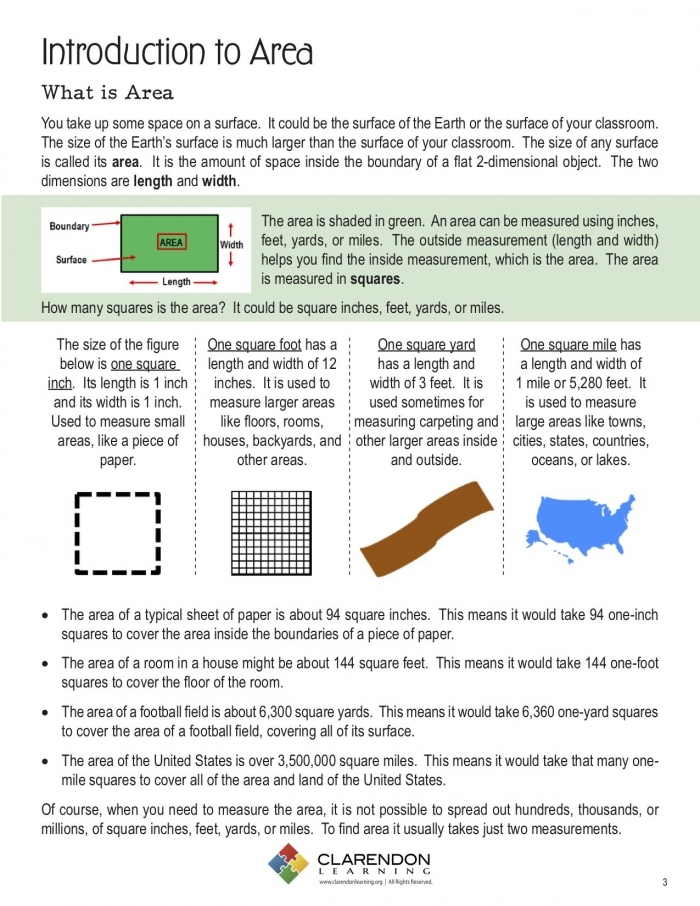
Start by defining area in simple terms: it is the space contained within a shape. For example, when teaching about squares, you can explain that if one side is 4 units long, the area is calculated by multiplying the length by itself, resulting in 16 square units. This straightforward approach helps solidify the concept without overwhelming them with complex formulas.
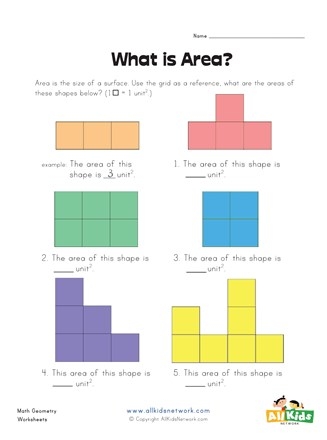
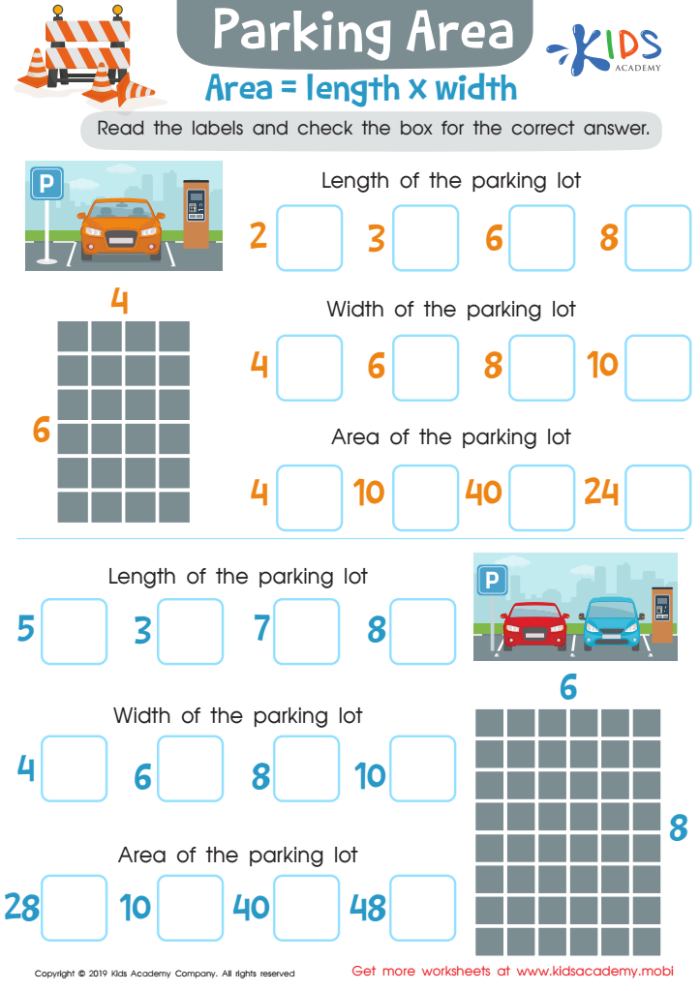
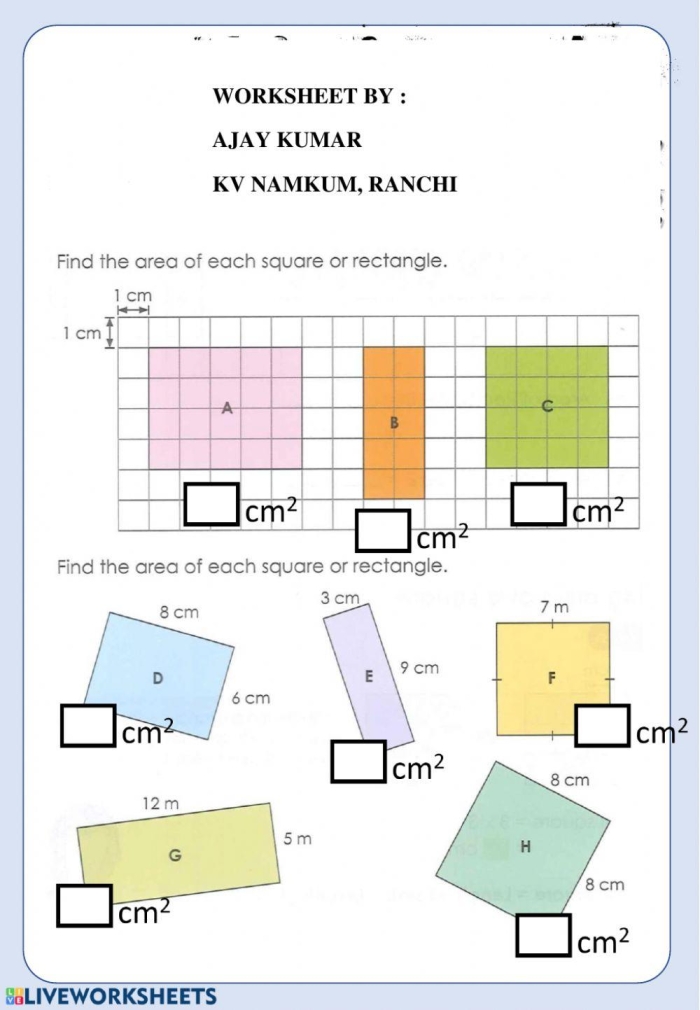
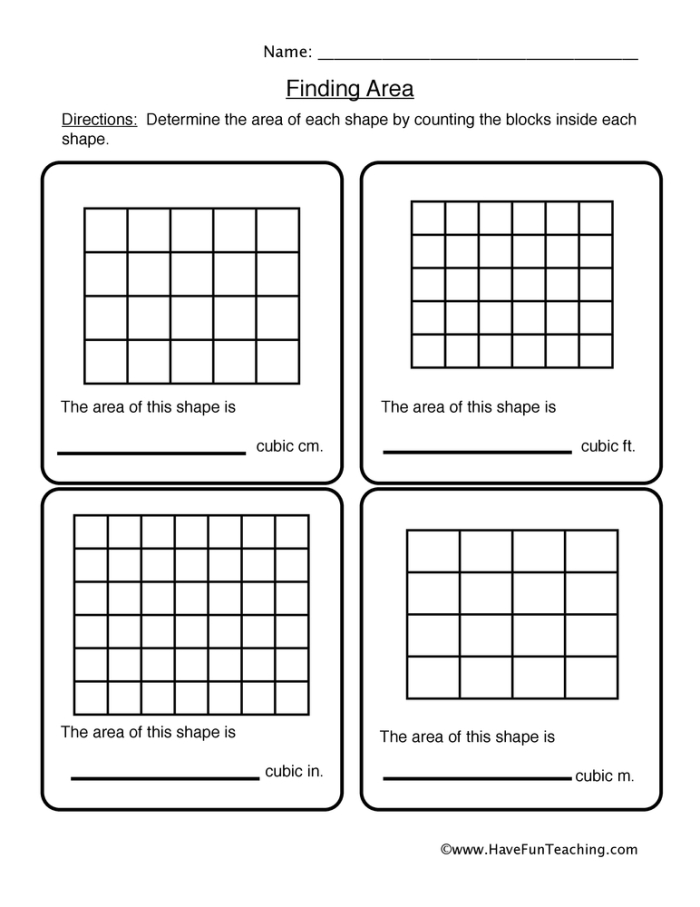
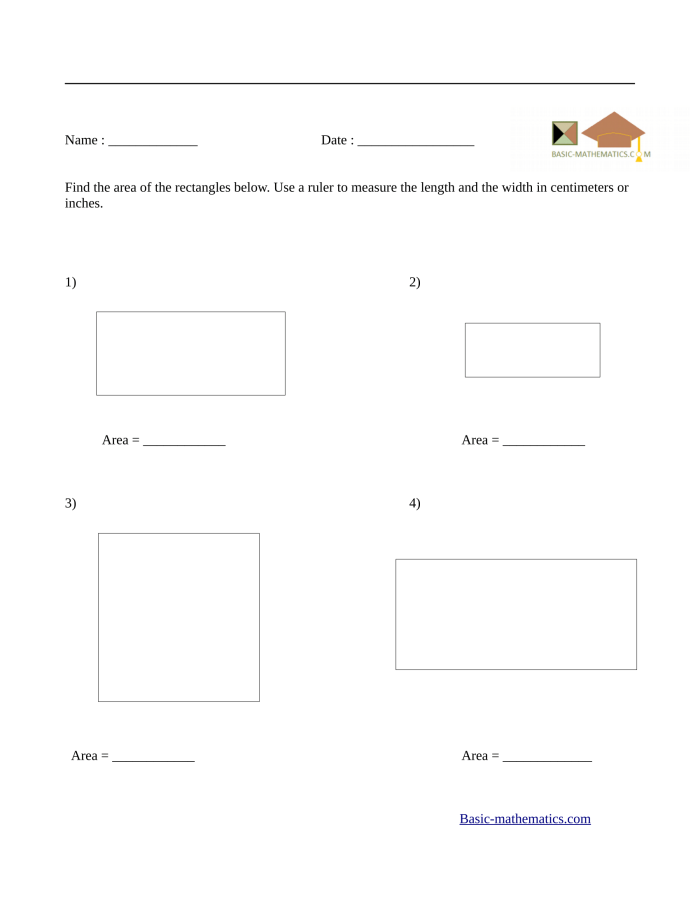
Incorporating hands-on activities can be incredibly beneficial. Consider using graph paper to have students draw different shapes and calculate their areas. This visual representation aids in understanding how area relates to real-world objects. Encourage students to measure the length and width of their desks or classroom items, and then calculate the area based on their findings. Such activities not only reinforce the concept but also make learning engaging and practical.
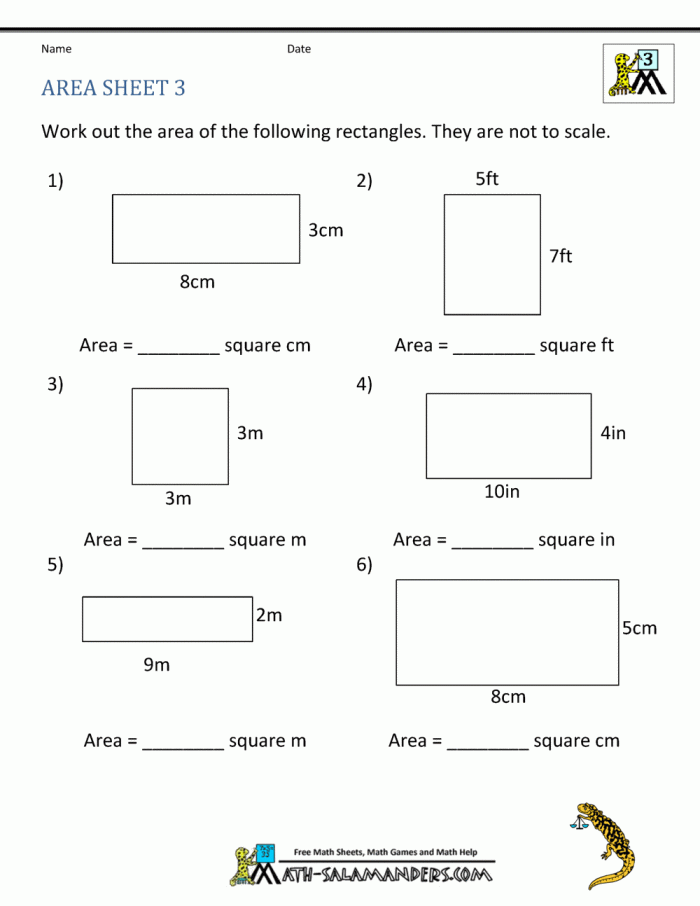
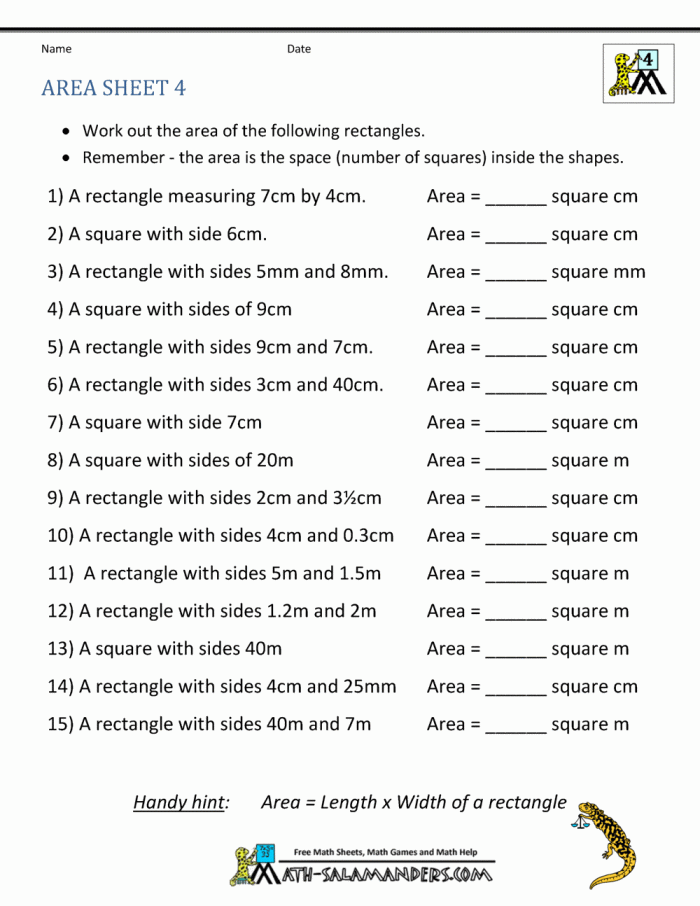
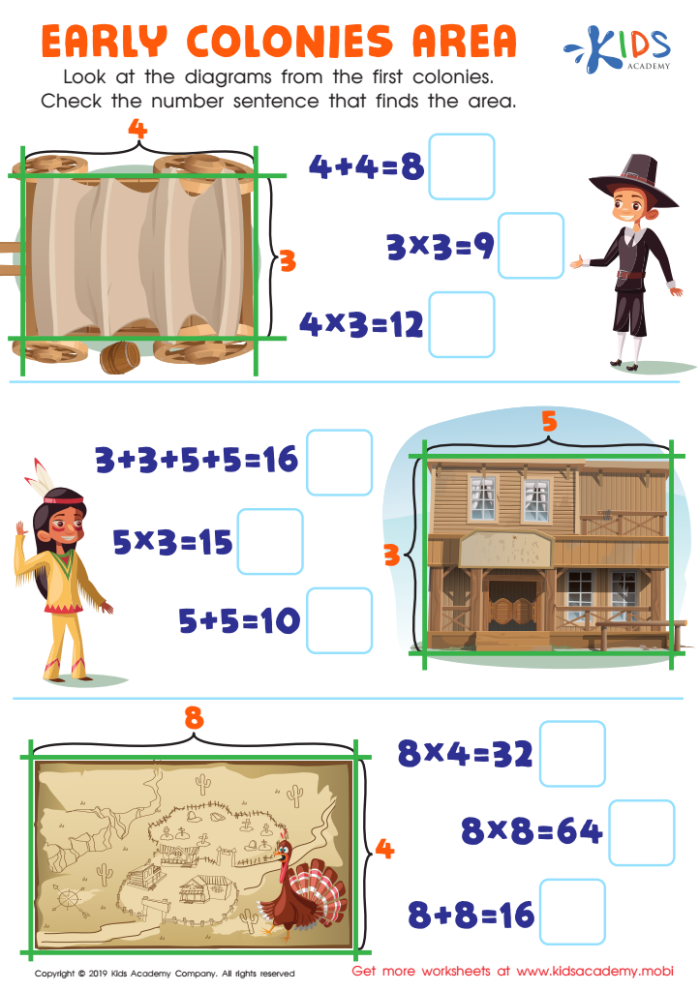
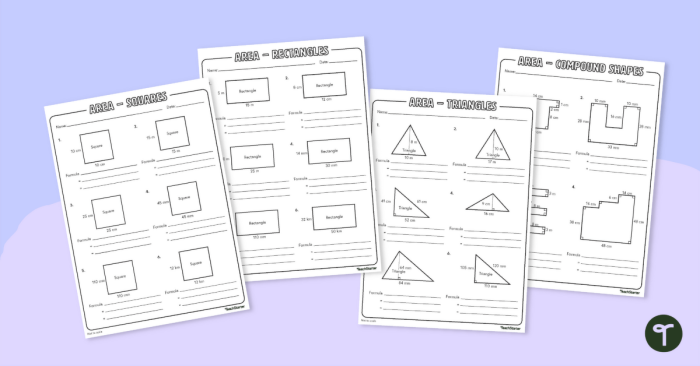
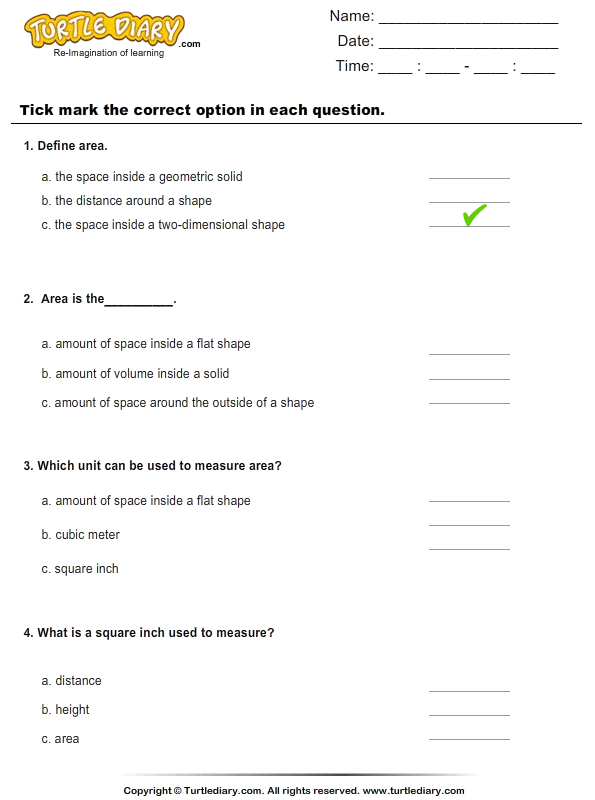
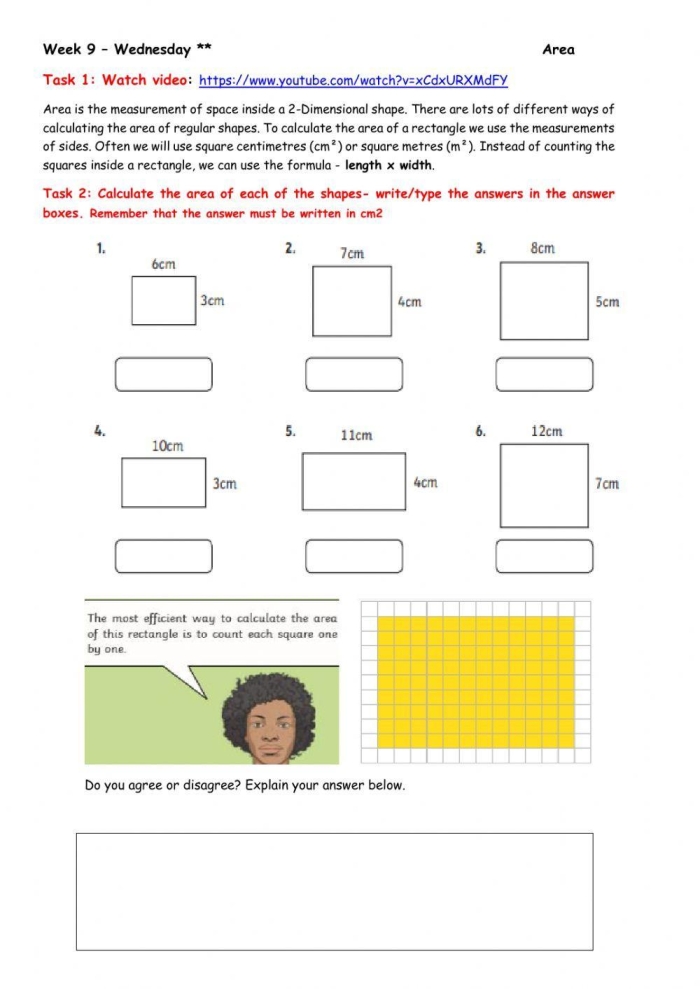
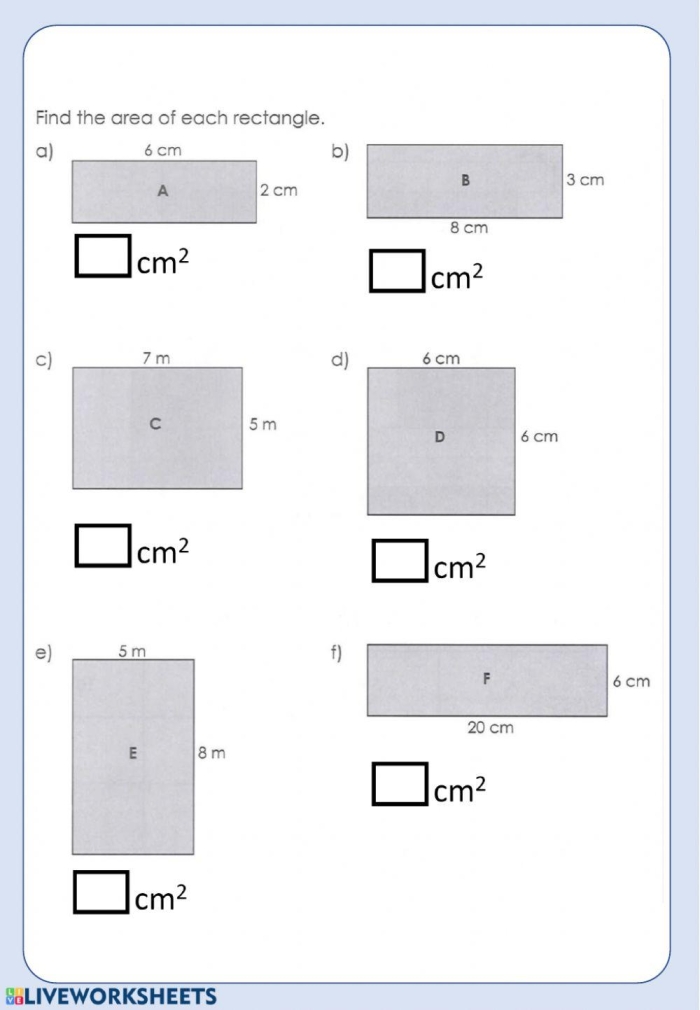
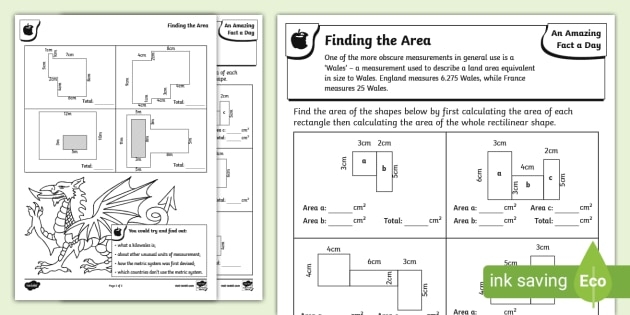
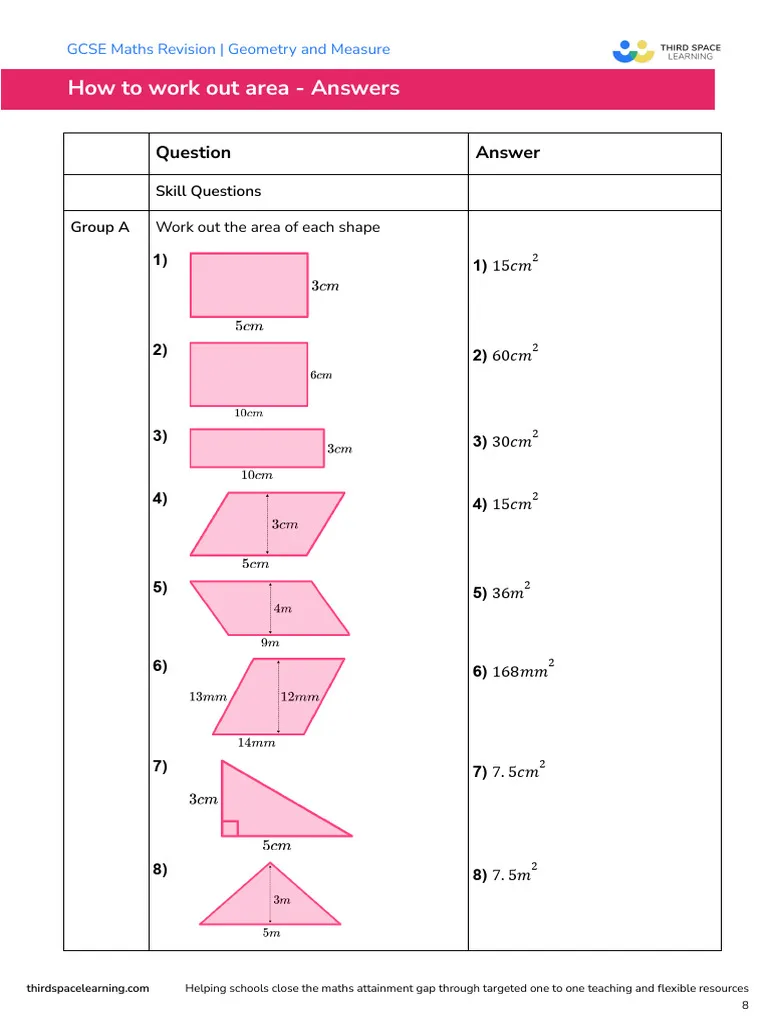
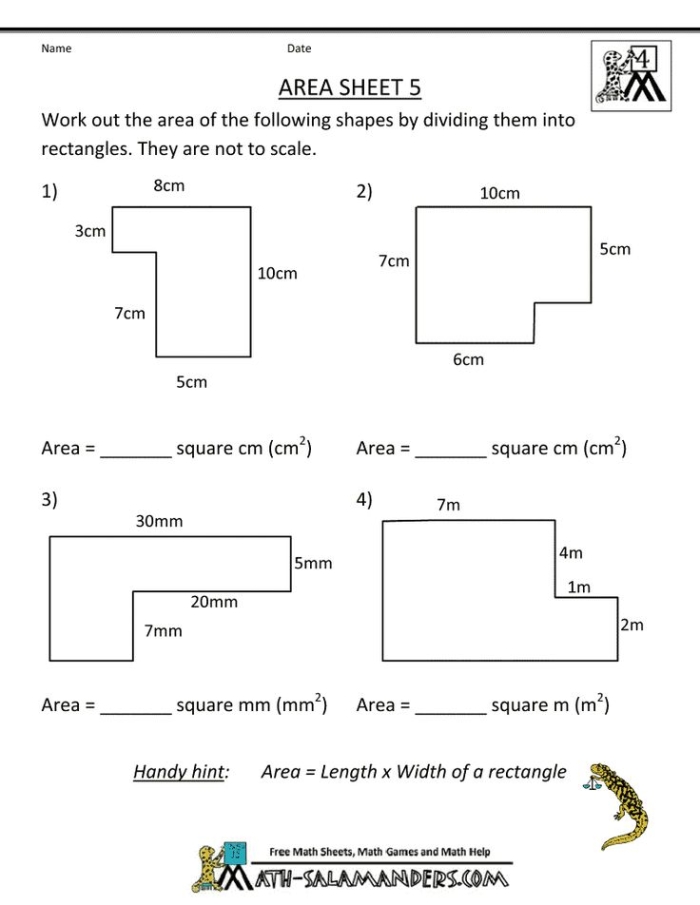
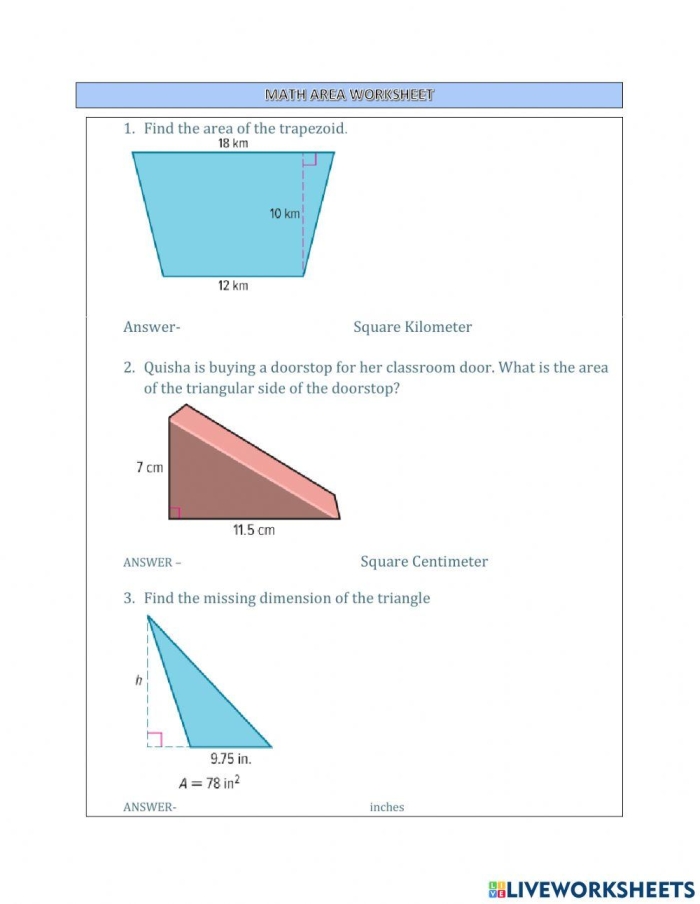
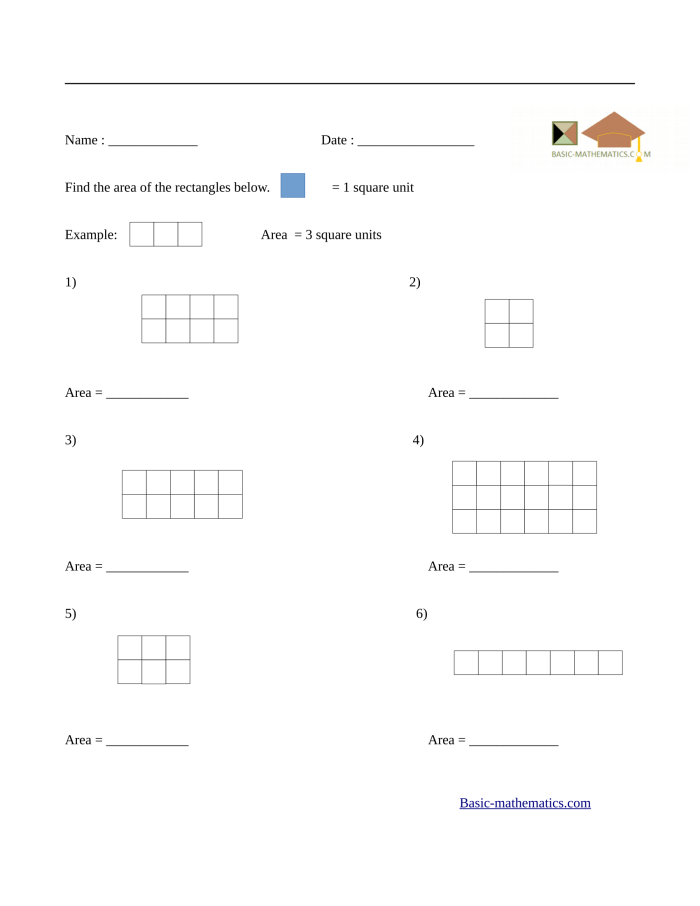
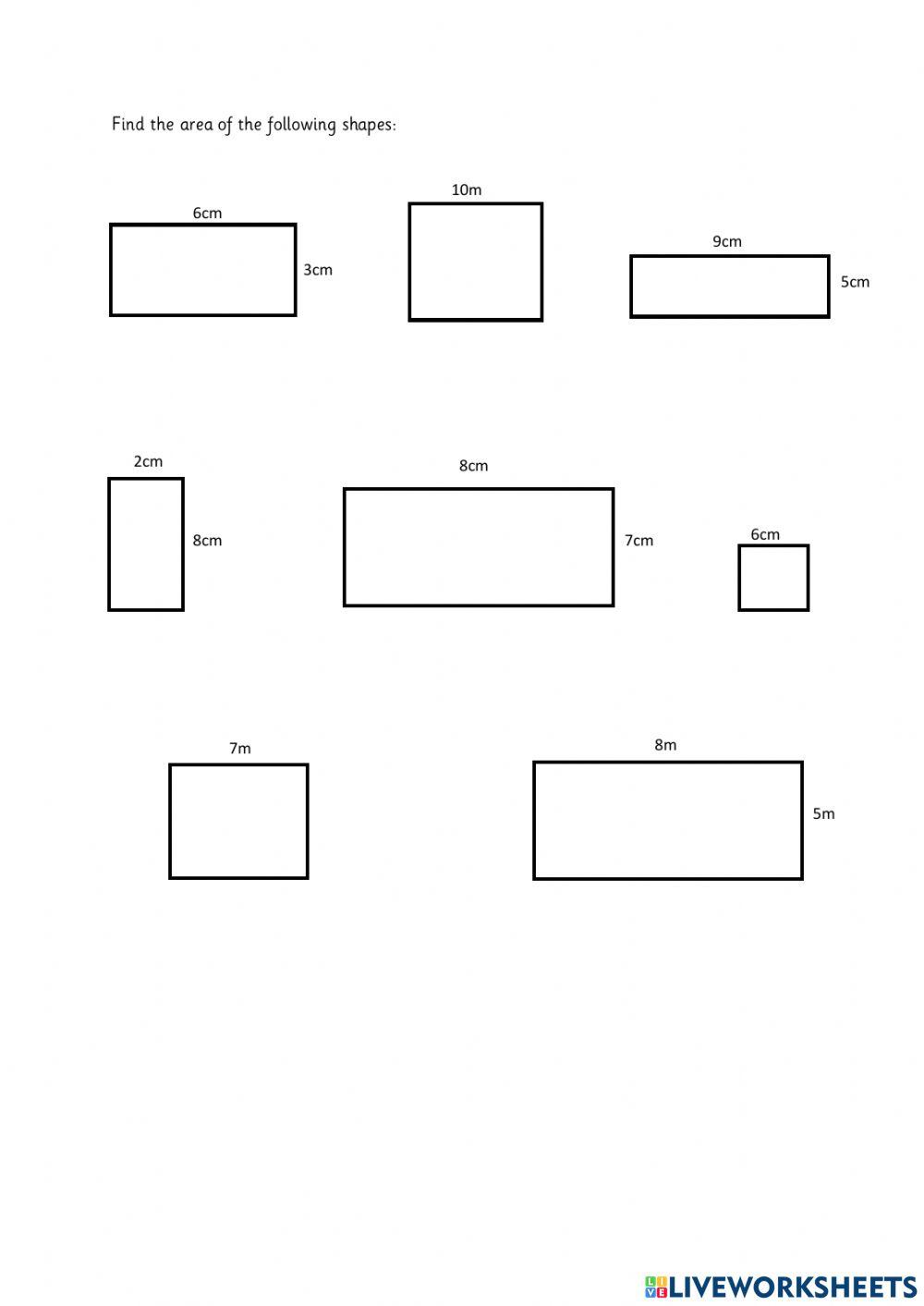
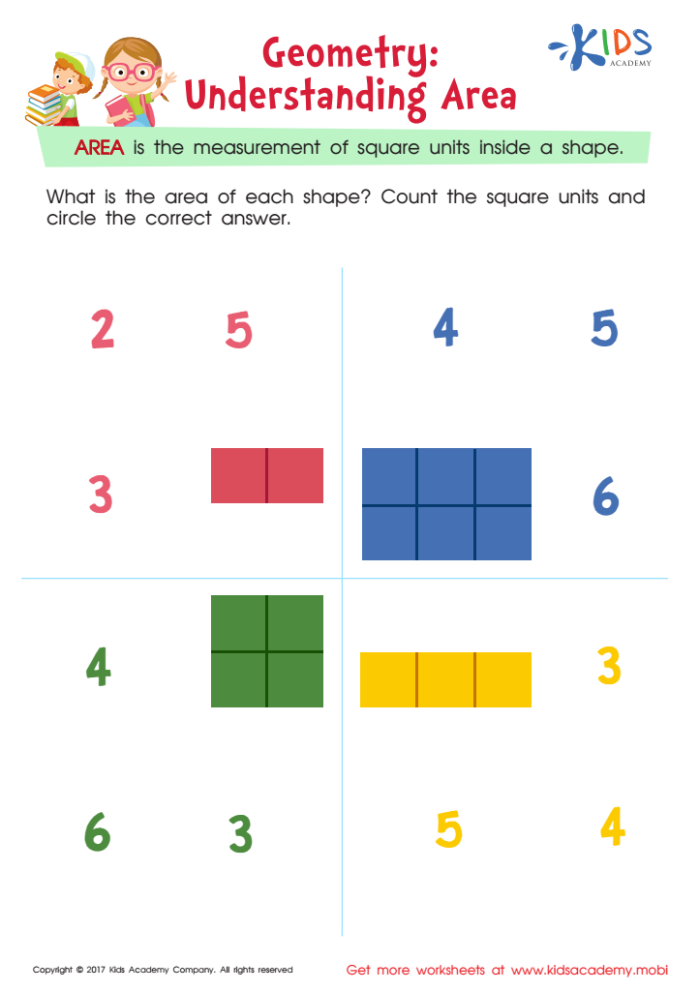
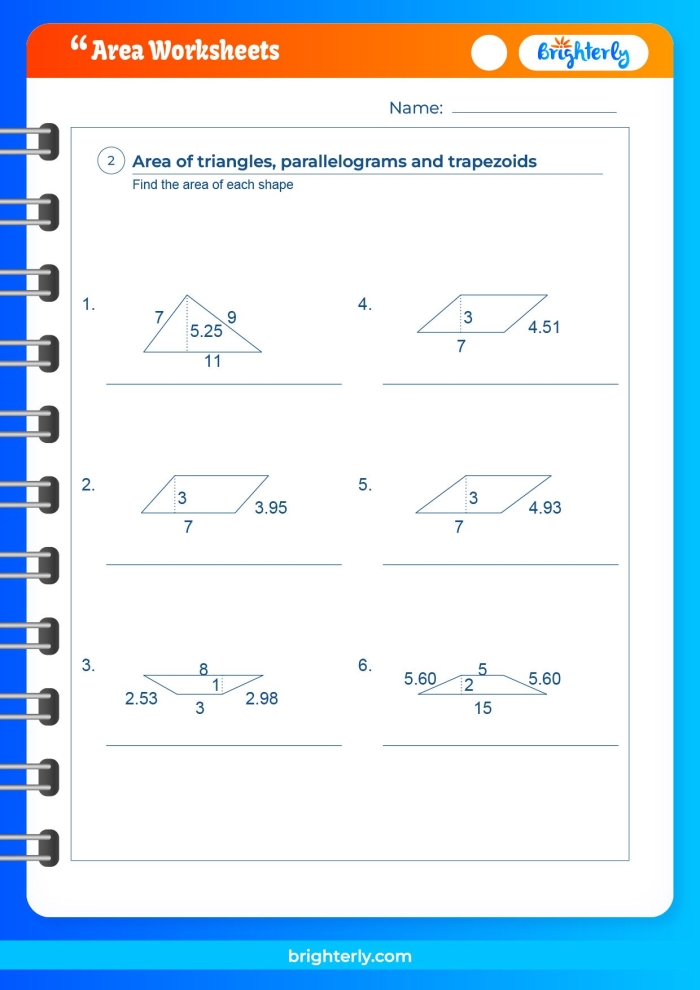
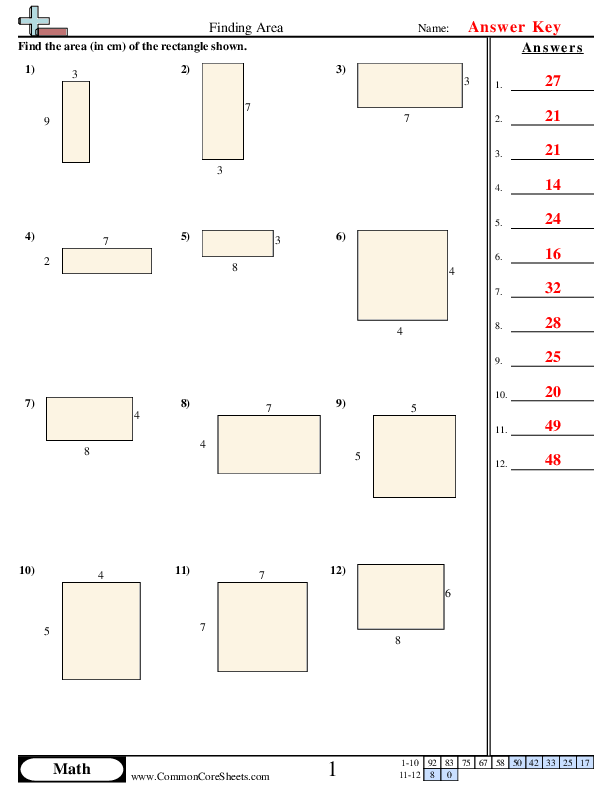
To supplement your lessons, printable resources can be invaluable. For example, you can find printable worksheets on area that offer a variety of exercises tailored for third graders. These worksheets can provide additional practice and reinforce the concepts taught in class.
As students progress, it’s essential to connect the concept of area with decimals. This can be introduced through more complex shapes or by exploring the area of rectangles with decimal dimensions, which is a crucial skill as they advance in their studies. By introducing area effectively, you lay a strong foundation for future mathematical learning.
Worksheet Practice Section