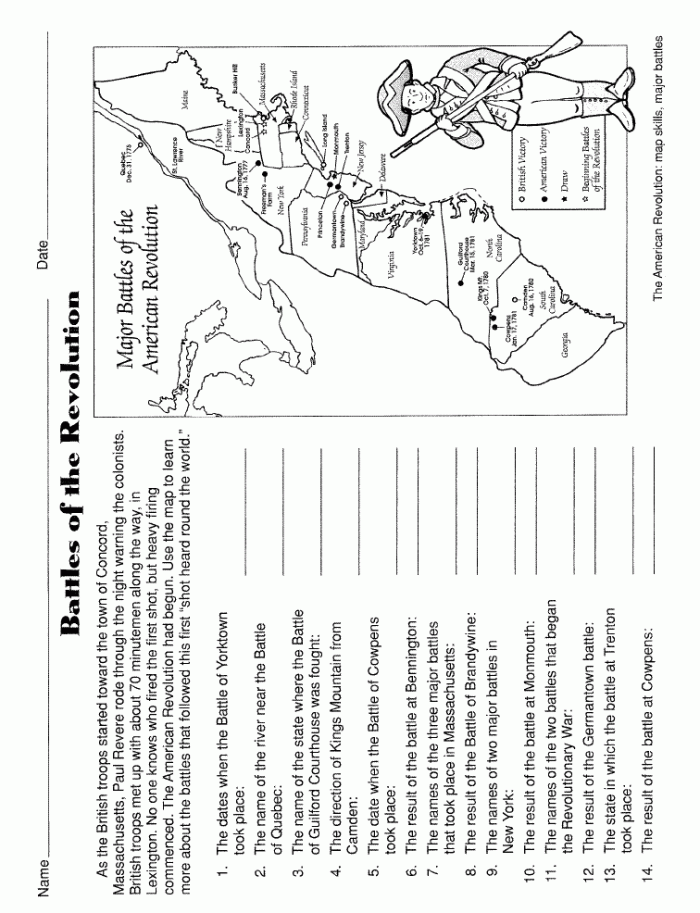
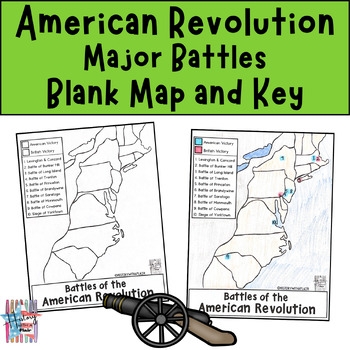
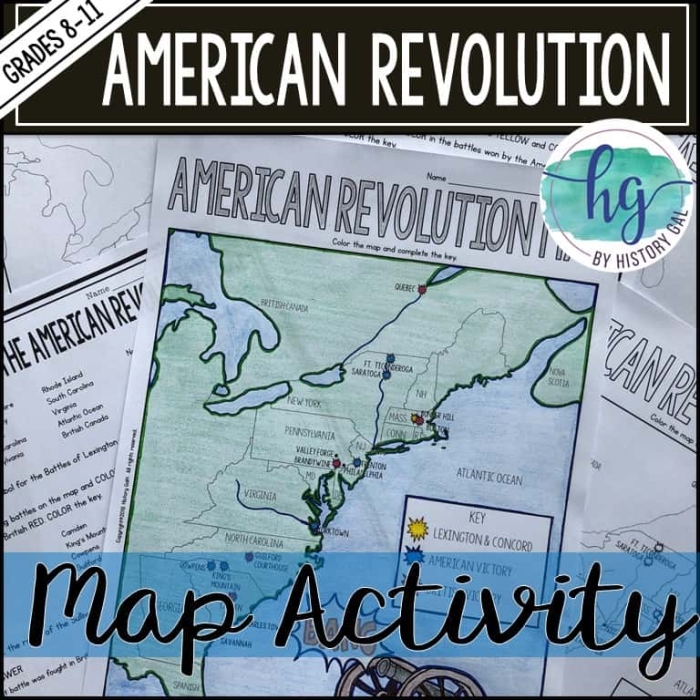
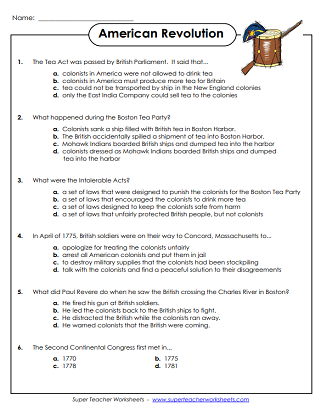
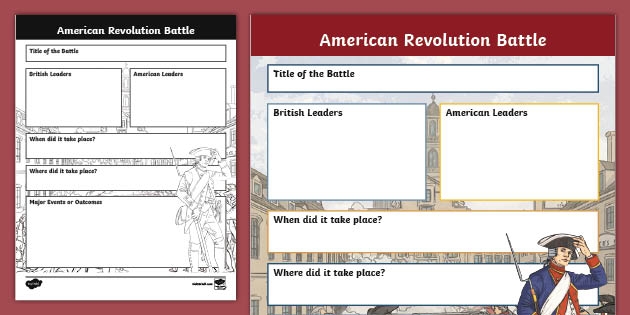
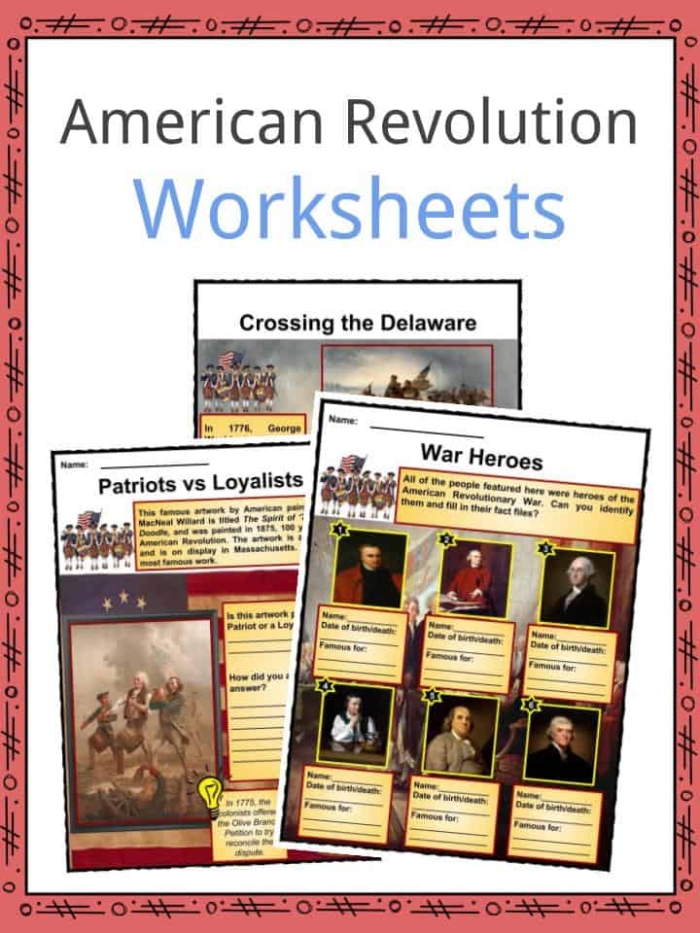
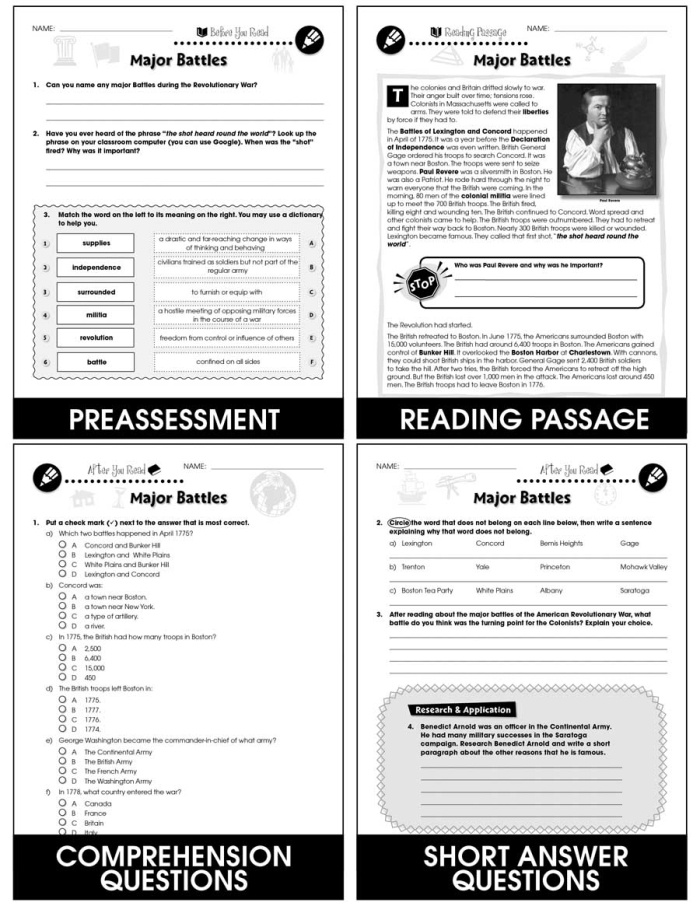
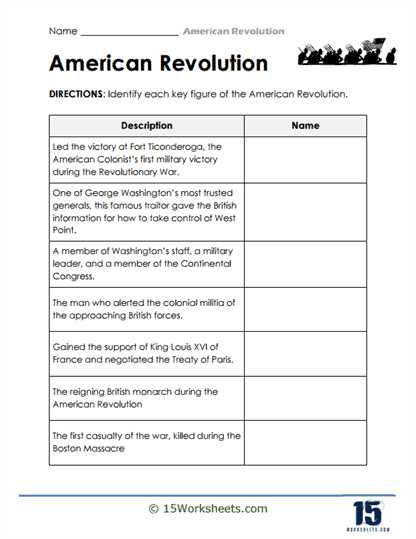
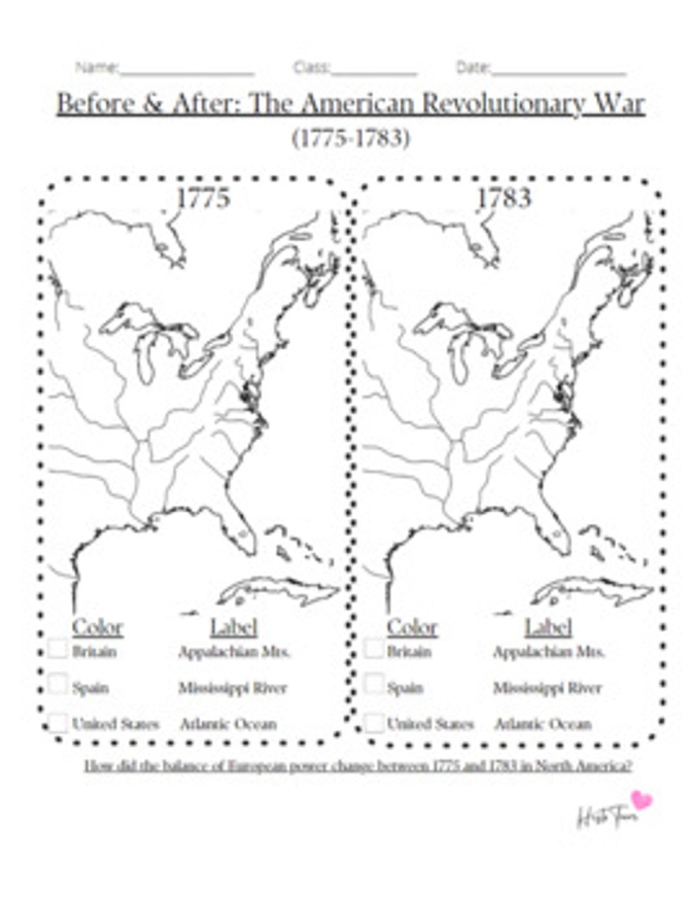
When fifth graders study the American Revolution, knowing the dates and locations of major battles transforms abstract history into concrete events. Testing your child’s knowledge of these battles does more than check memorization, it builds a timeline of how the war actually unfolded and which moments turned the tide toward independence.
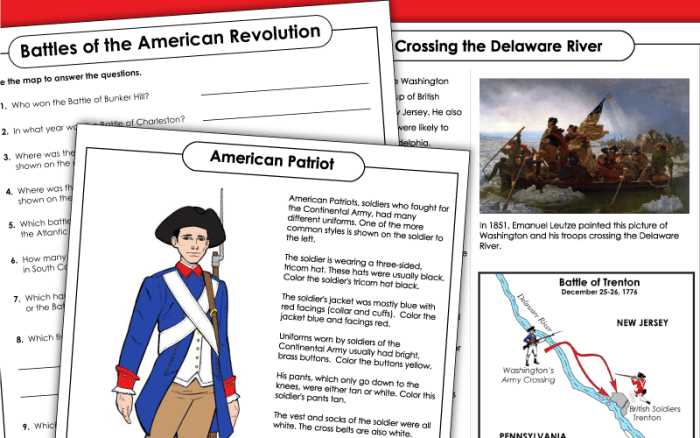
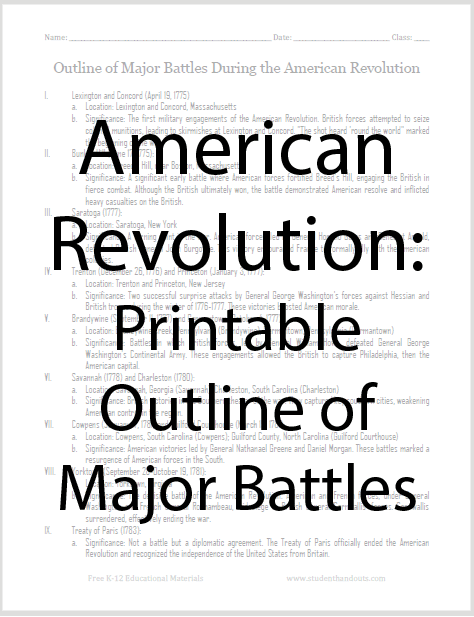
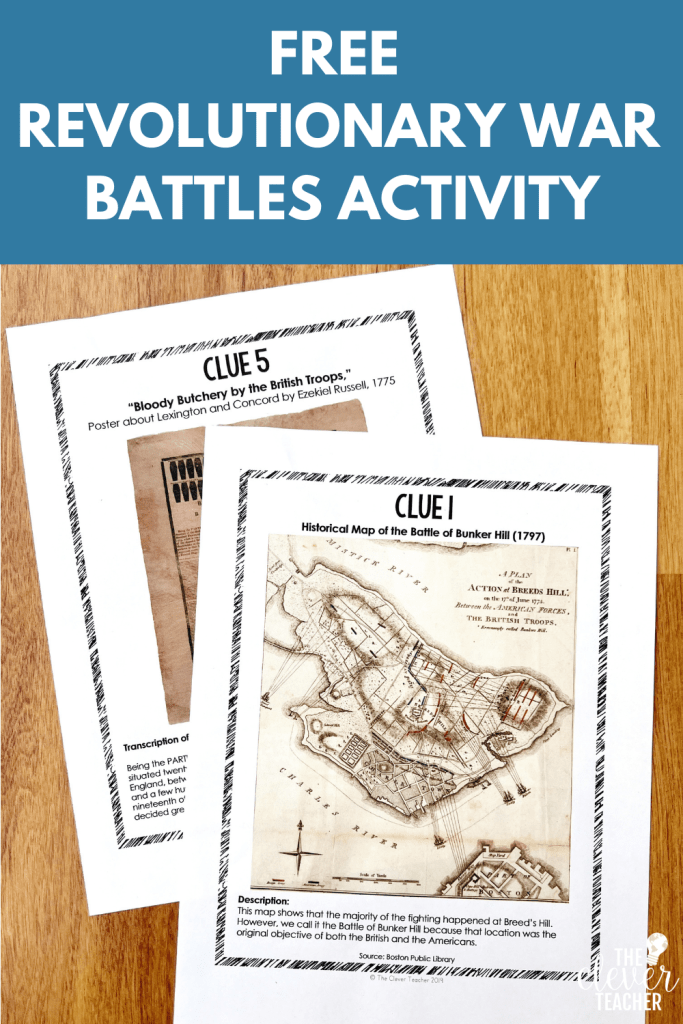
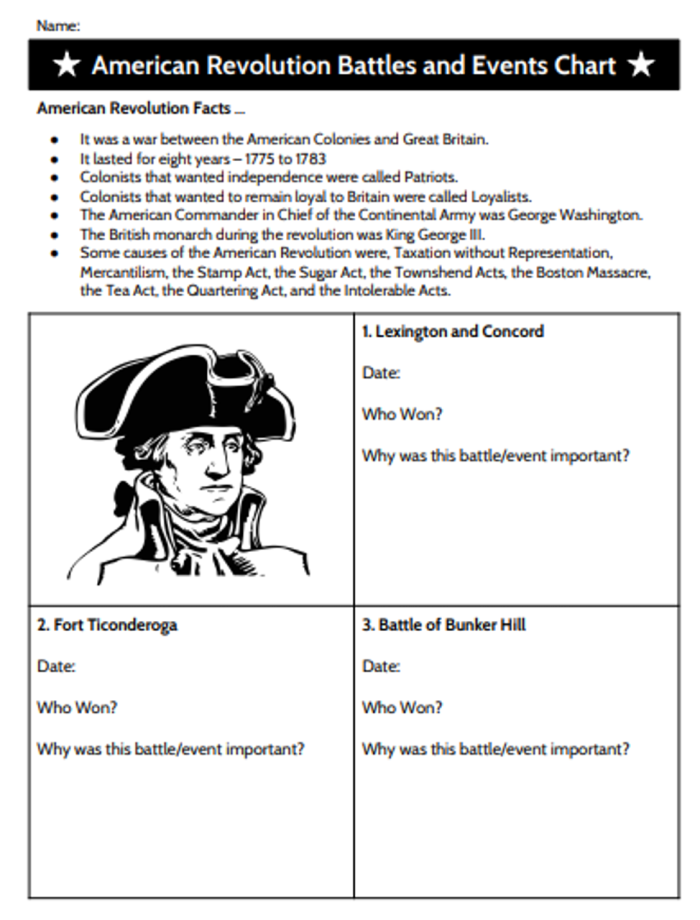
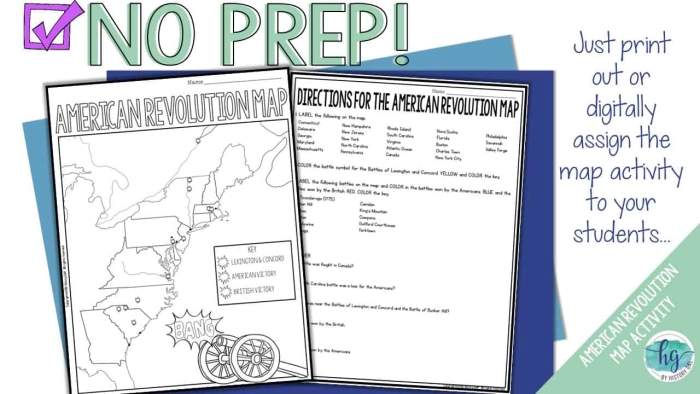
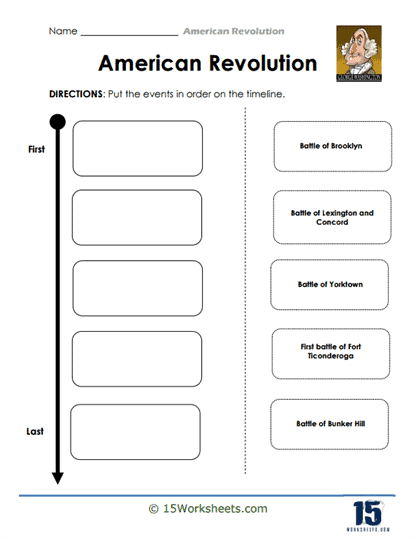
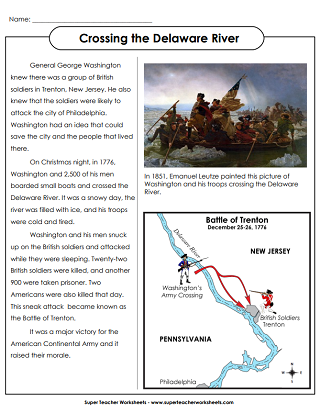
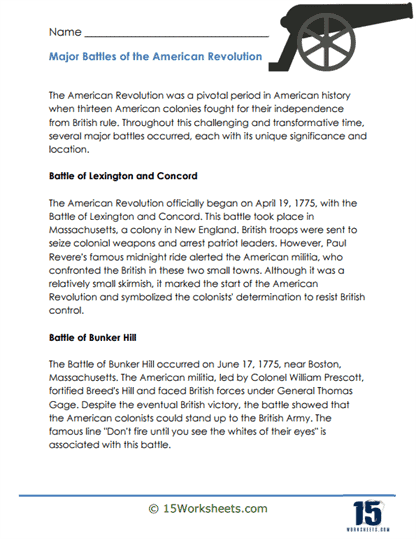
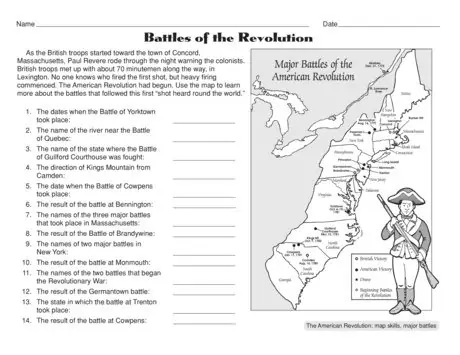
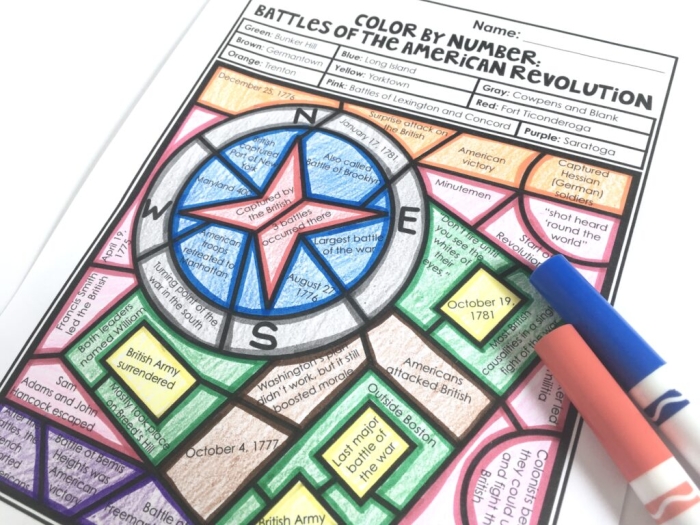
The key battles span from 1775 to 1781, each one critical to understanding the war’s progression. Lexington and Concord in April 1775 marked the first armed clashes, where colonial militia confronted British troops attempting to seize weapons. Bunker Hill in June 1775 proved that colonial forces could stand against professional soldiers, even though they ultimately lost the battle. Trenton in December 1776 became the turning point many students remember, when George Washington’s desperate army crossed the Delaware River and defeated Hessian troops, restoring hope to the revolutionary cause.
Moving through 1777 and 1778, Saratoga in September 1777 demonstrated American strength in the north and convinced France to enter the war as an ally. Charleston fell in May 1780, representing the British’s most significant victory in the southern campaign. Finally, Yorktown in October 1781 sealed British defeat when French and American forces trapped British General Cornwallis, effectively ending major combat operations.
When teaching these battles to fifth graders, pairing dates with mixed operations math problems reinforces both subjects simultaneously. For instance, calculating the time between Lexington and Yorktown involves subtraction, while determining how many years passed between specific engagements connects history to practical mathematics.
Consider using resources that combine historical knowledge with academic skills. Worksheets covering mixed improper fractions and exponents can be adapted to include battle dates and calculations. Similarly, root words and fractions activities help students decode battle names while practicing math skills.
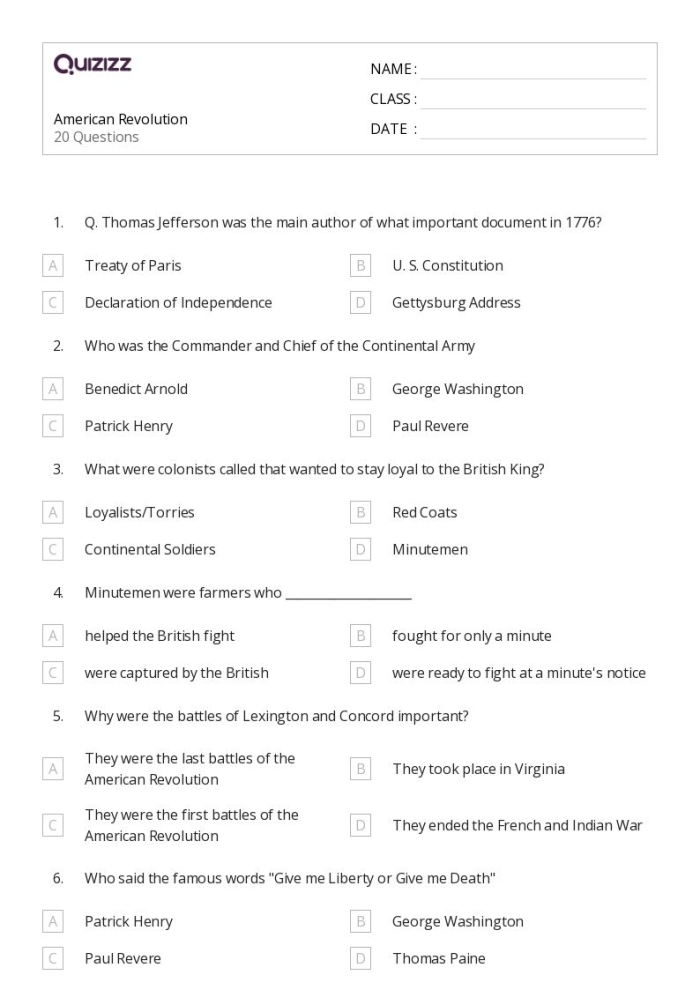
Your child’s ability to recall these dates and battles, combined with understanding why each mattered, creates a foundation for deeper historical thinking that extends far beyond the classroom.
Use These Worksheets Today