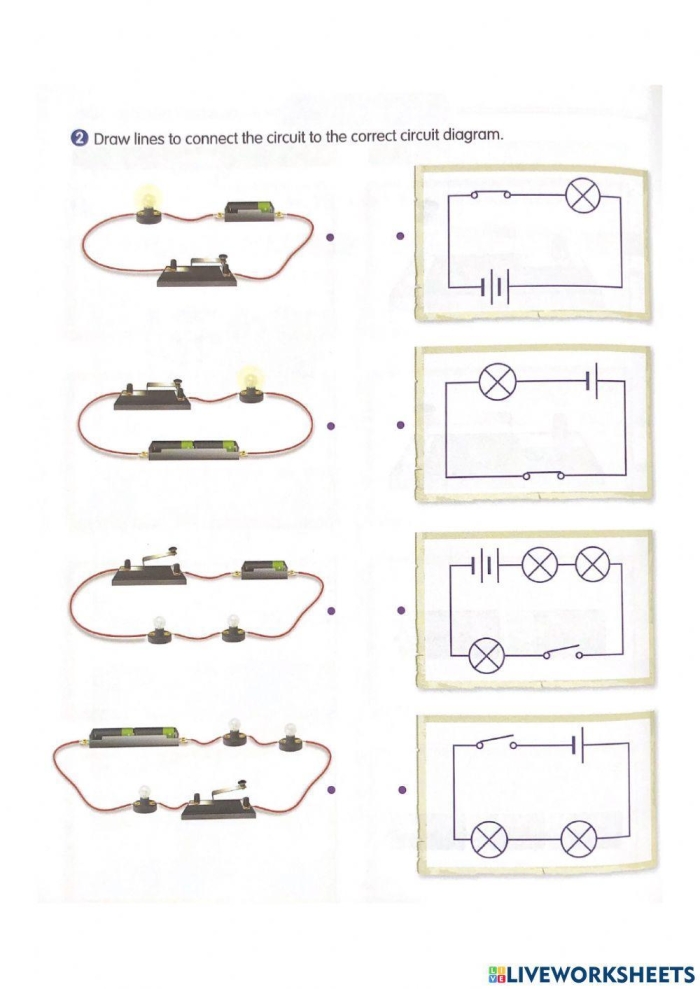
Understanding electricity can be a thrilling adventure for fourth graders, especially when it comes to learning about circuits. If your child is diving into this topic, a worksheet focused on circuits can be a valuable tool. It not only tests their skills but also reinforces the essential concepts behind how circuits work.
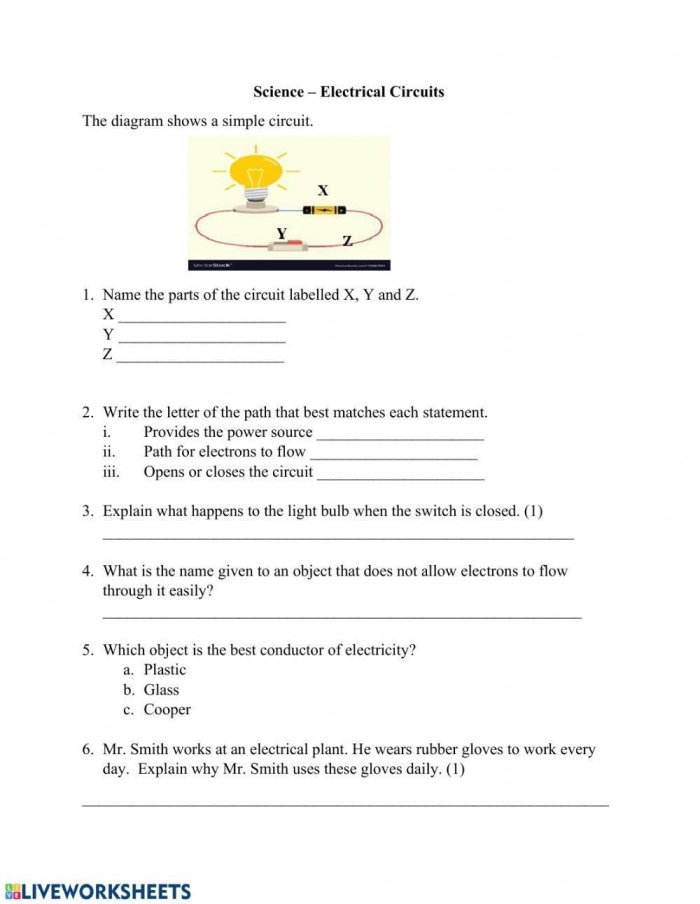
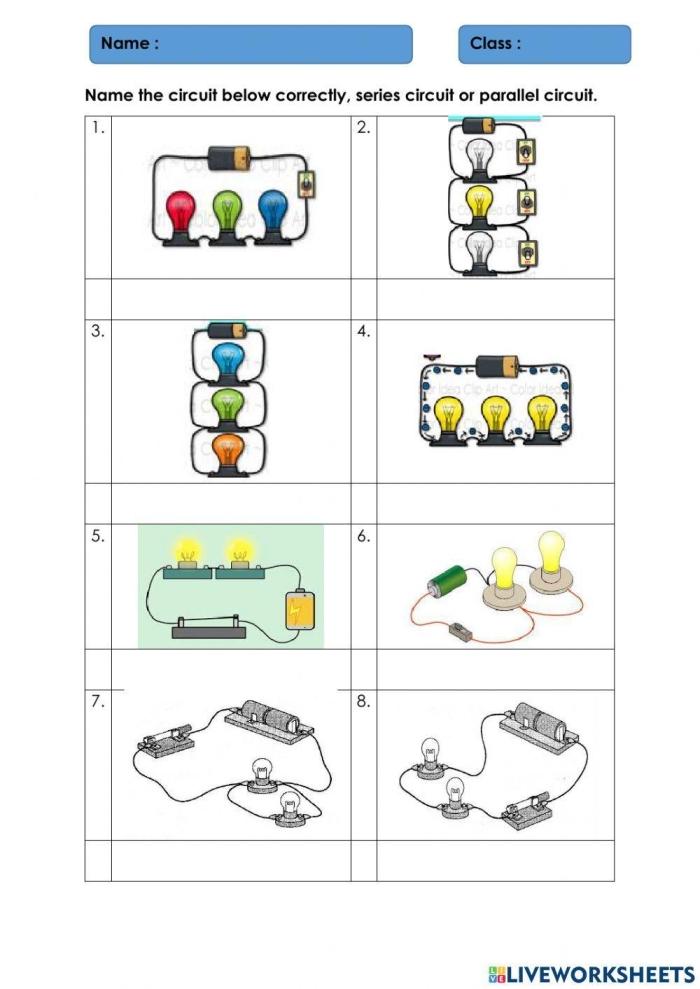
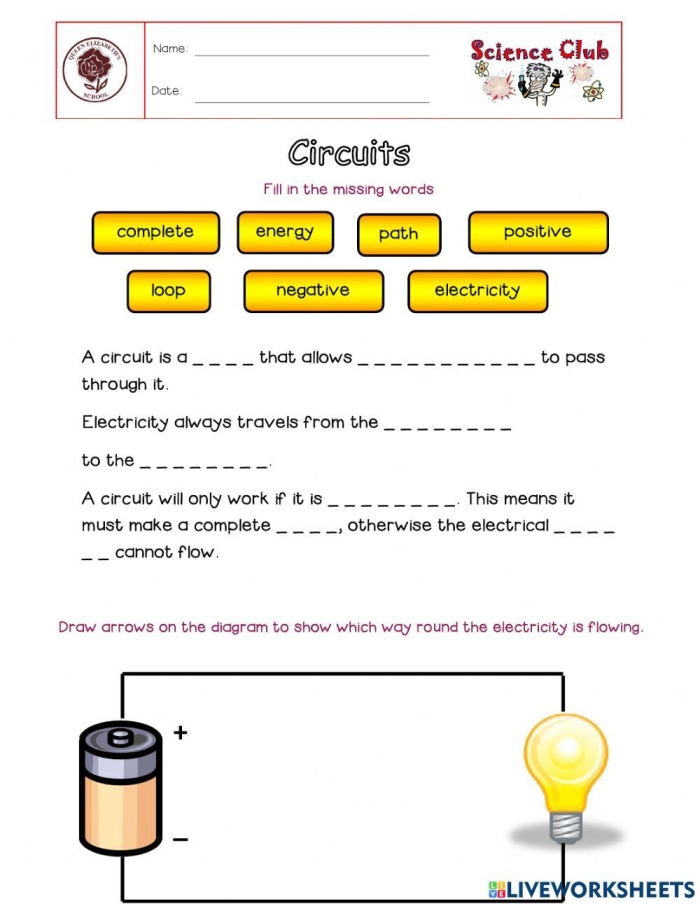
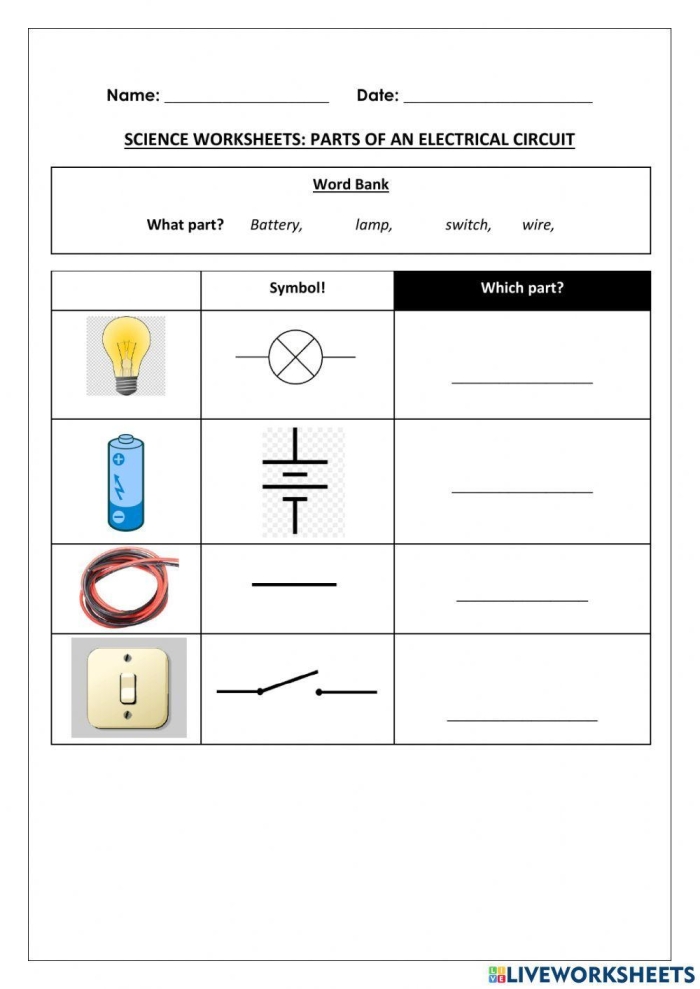
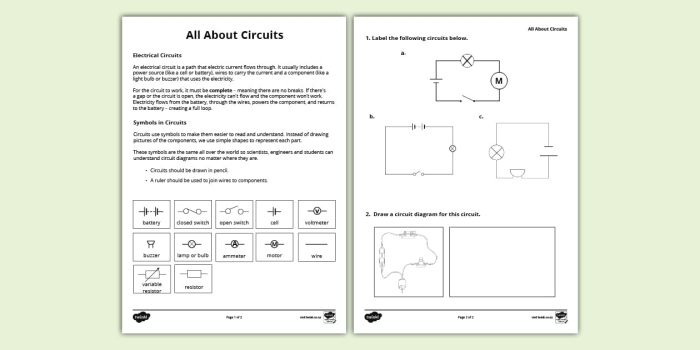
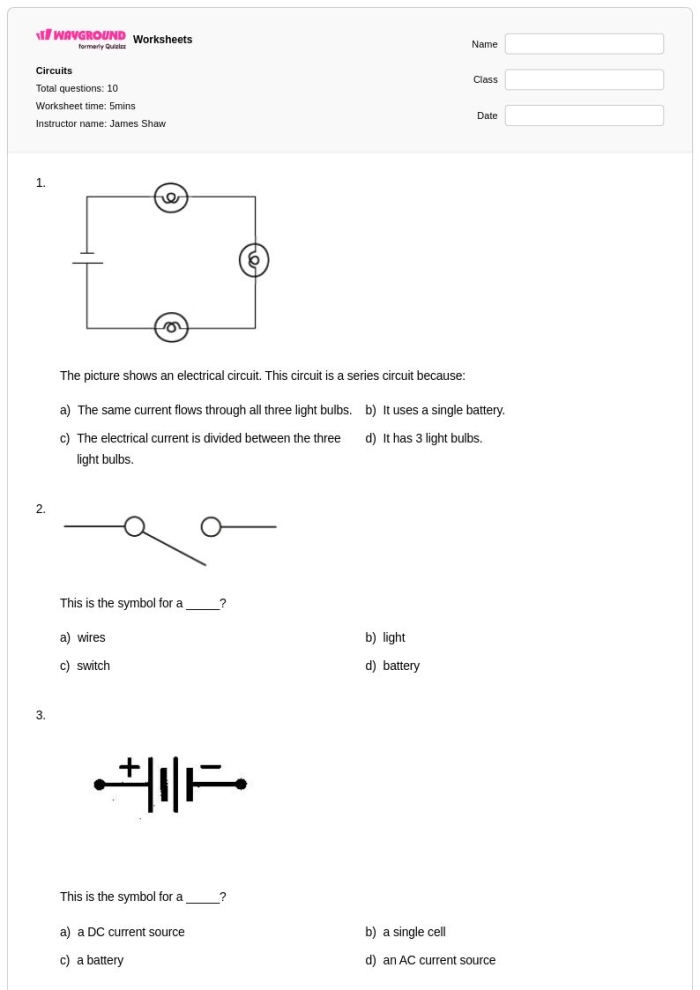
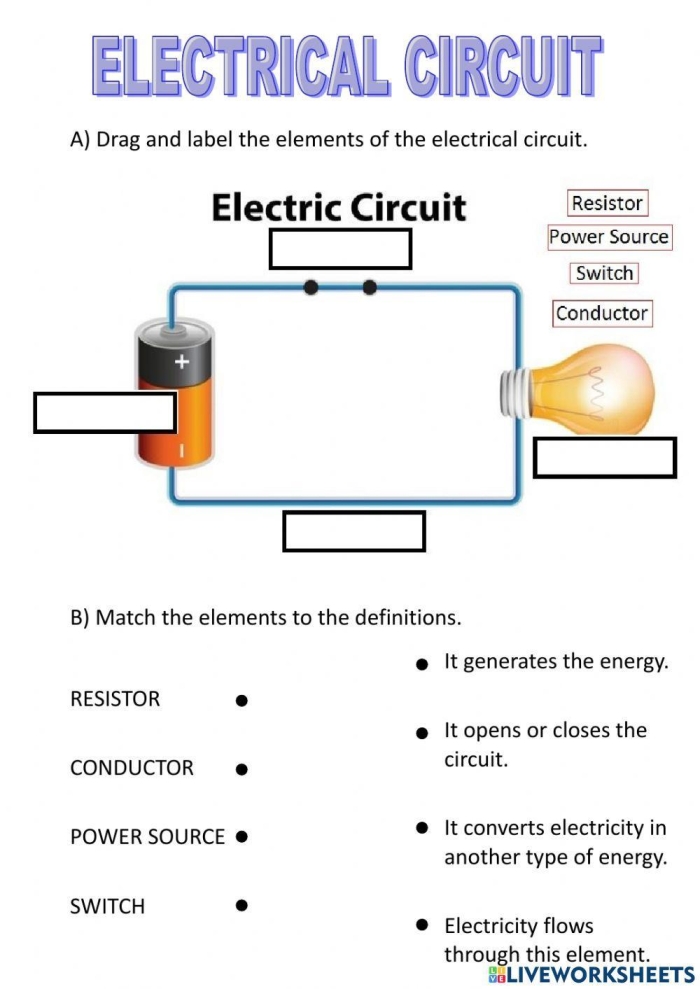
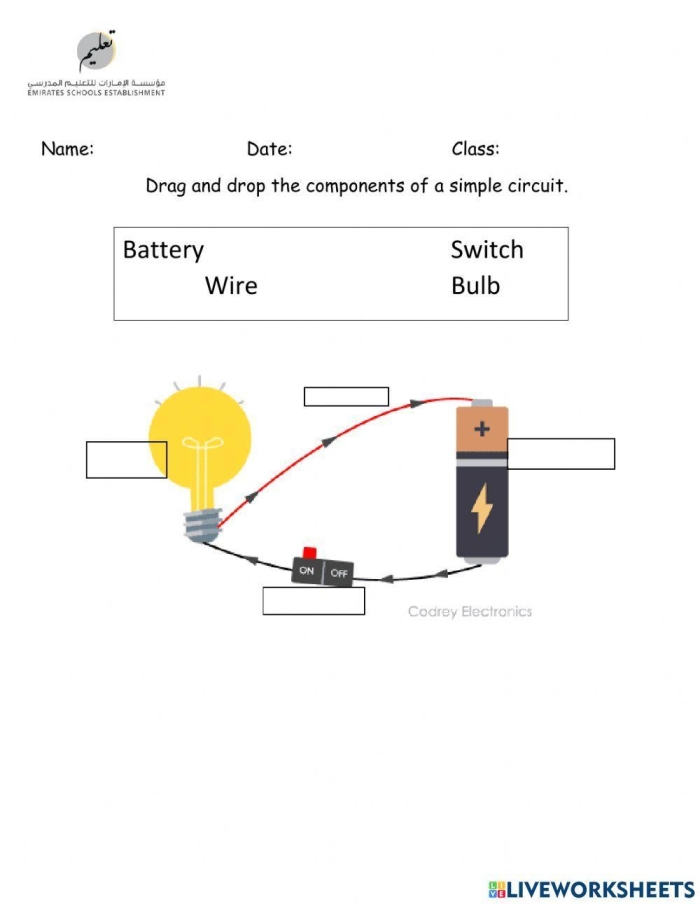
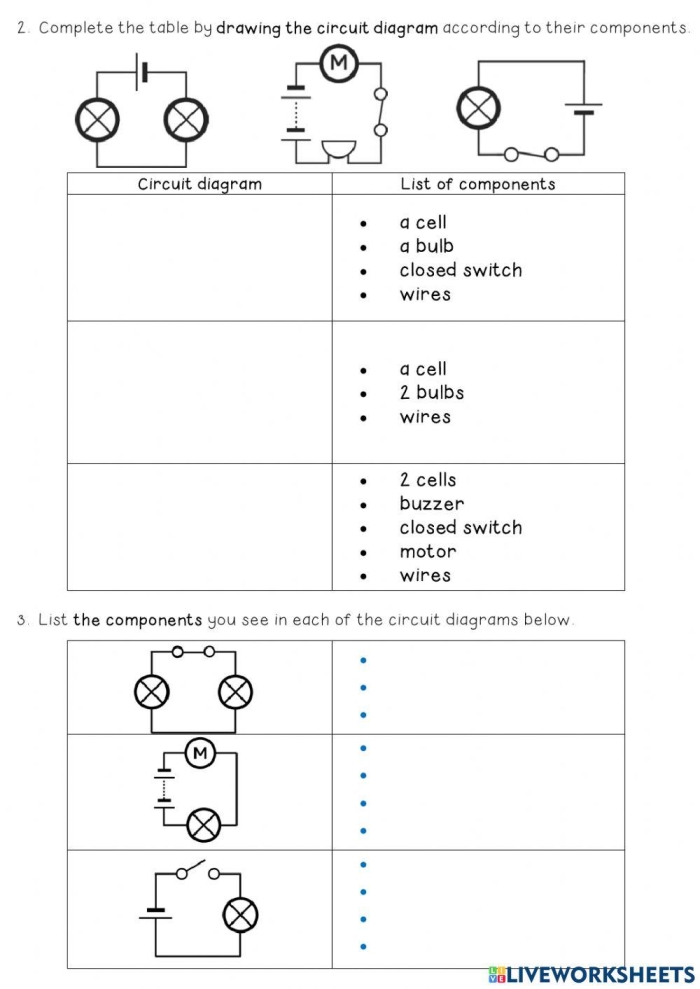
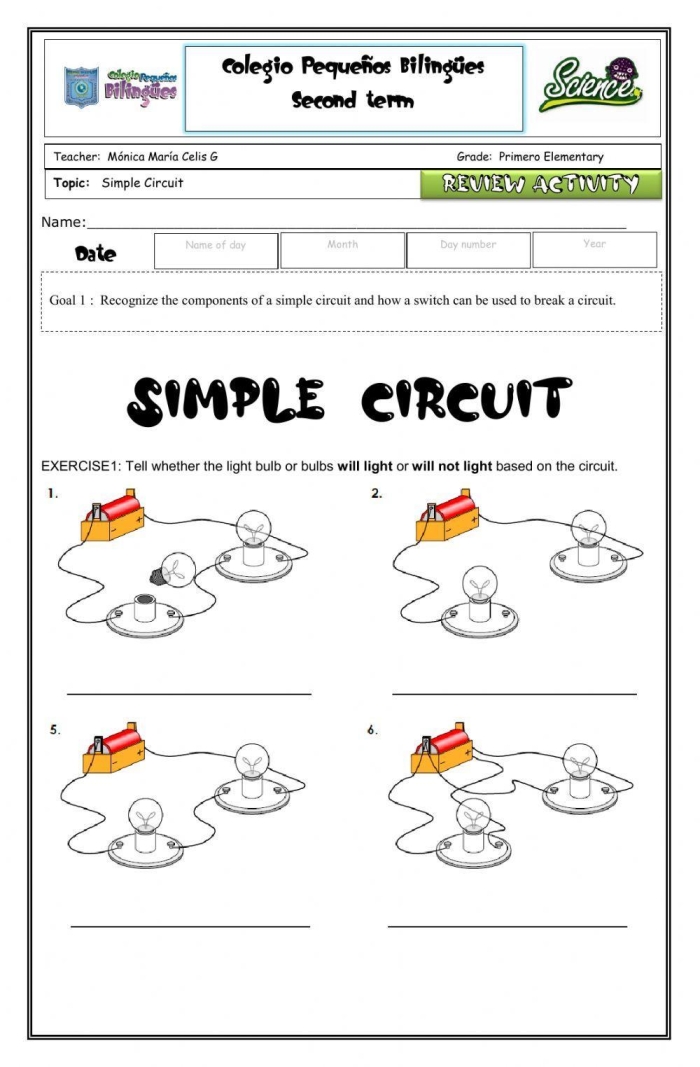
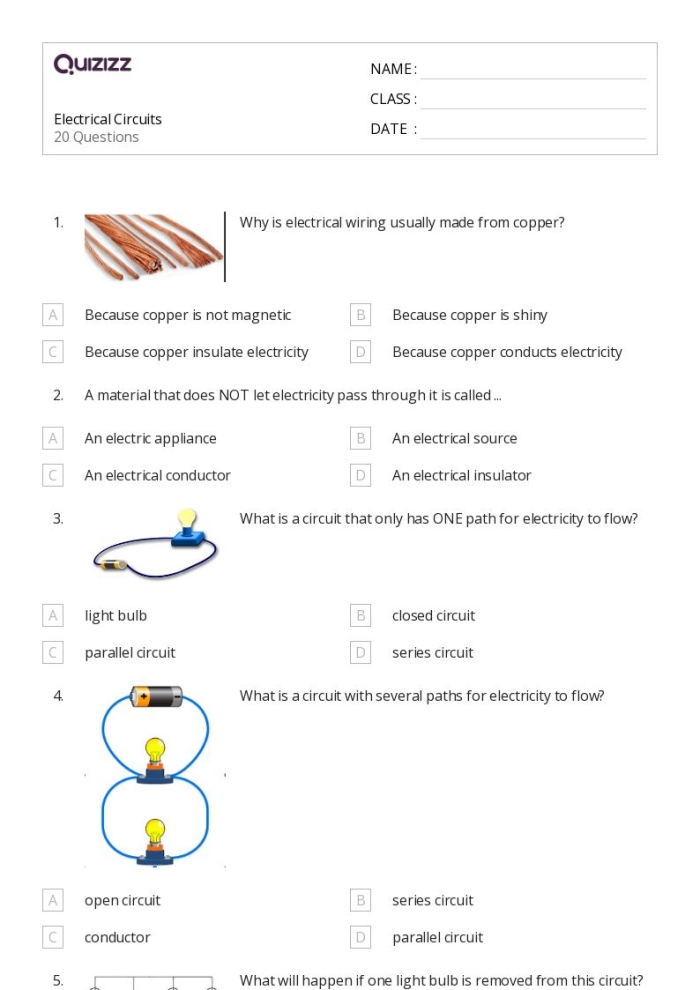
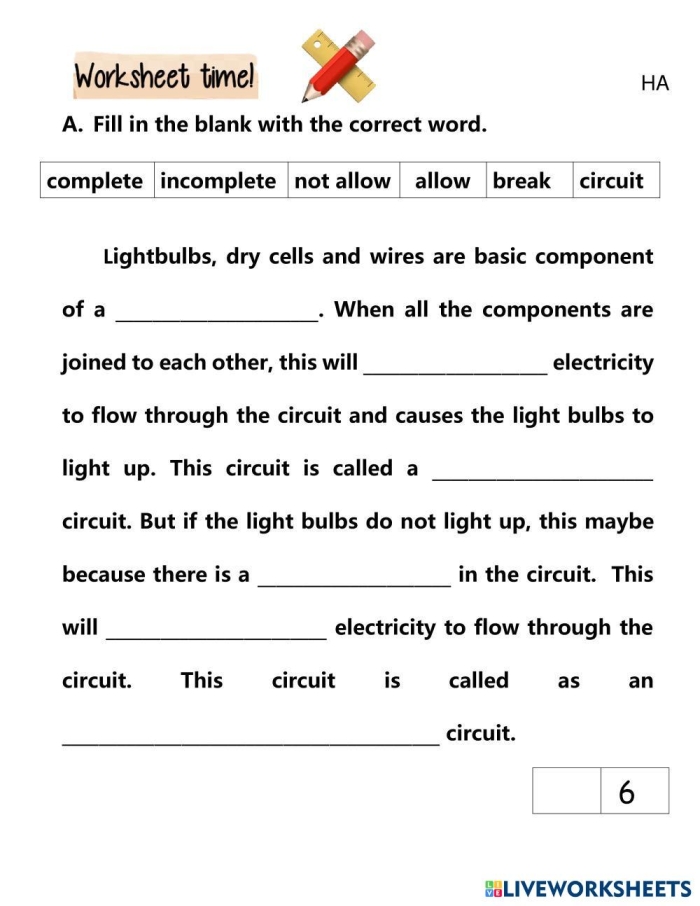
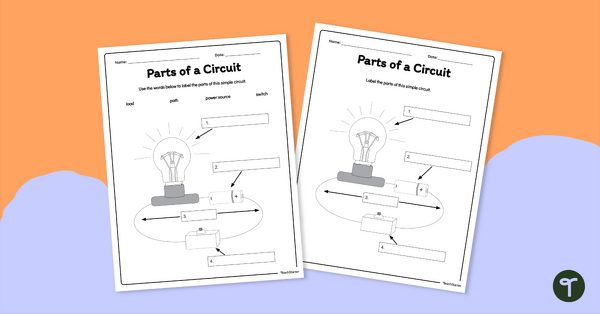
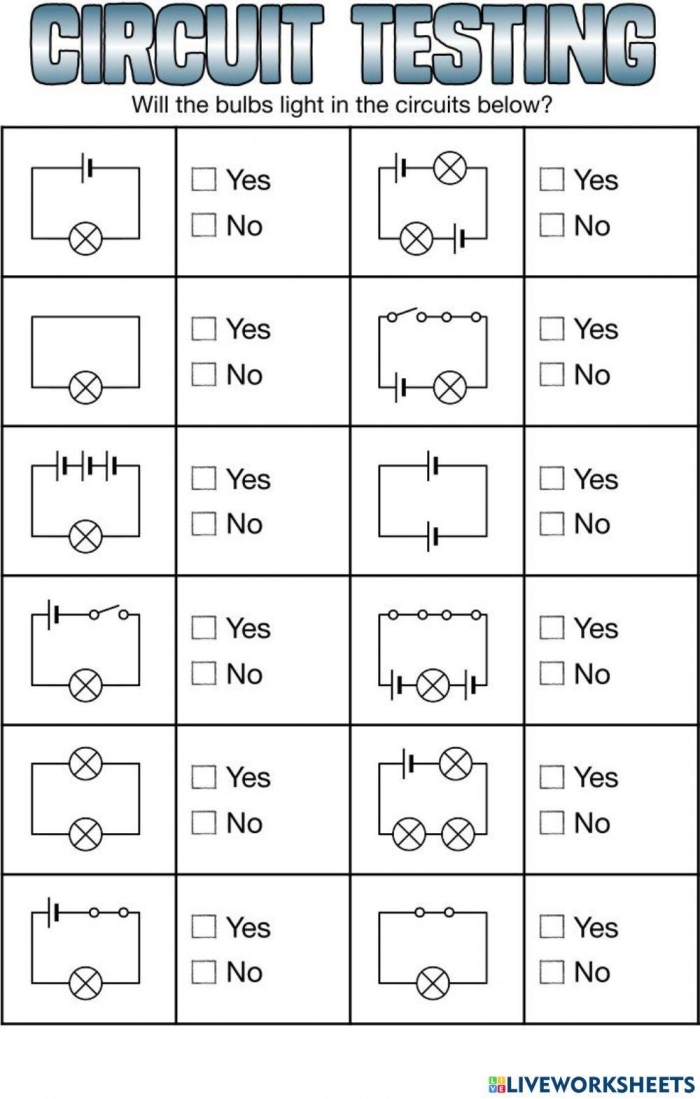
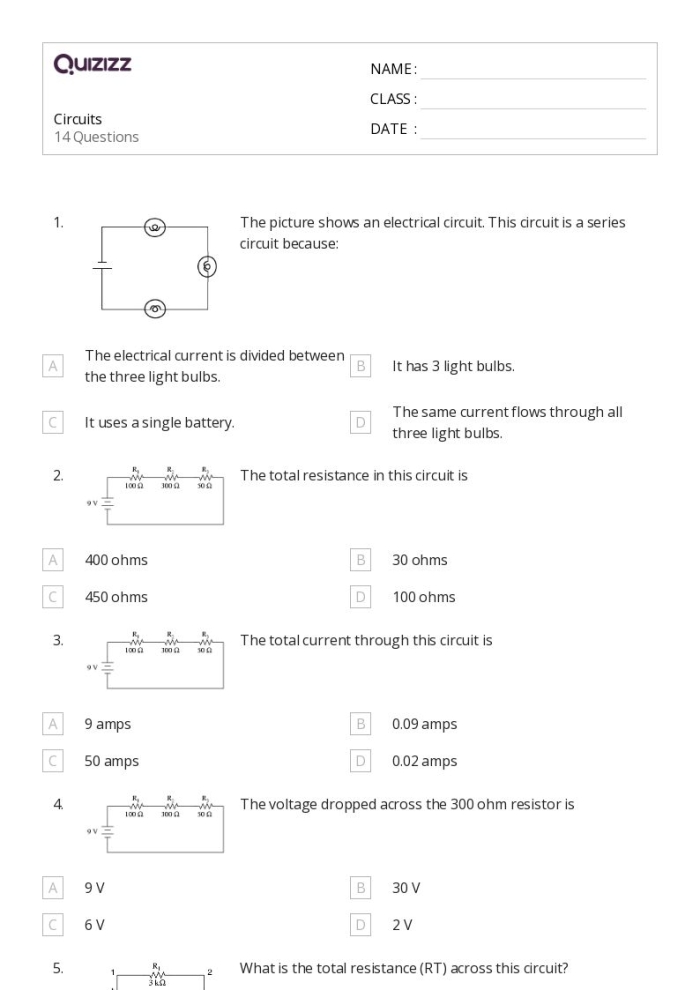
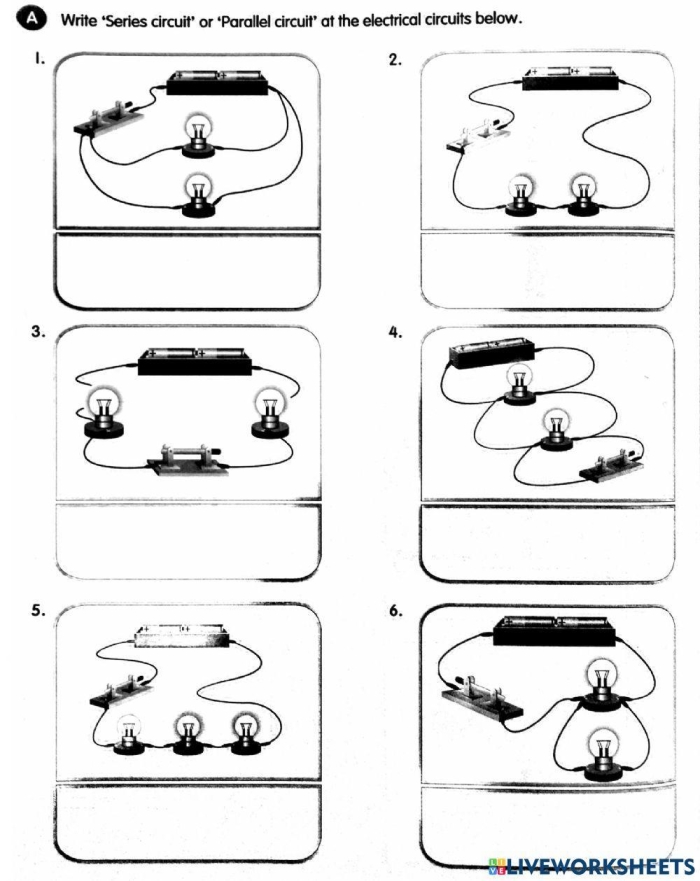
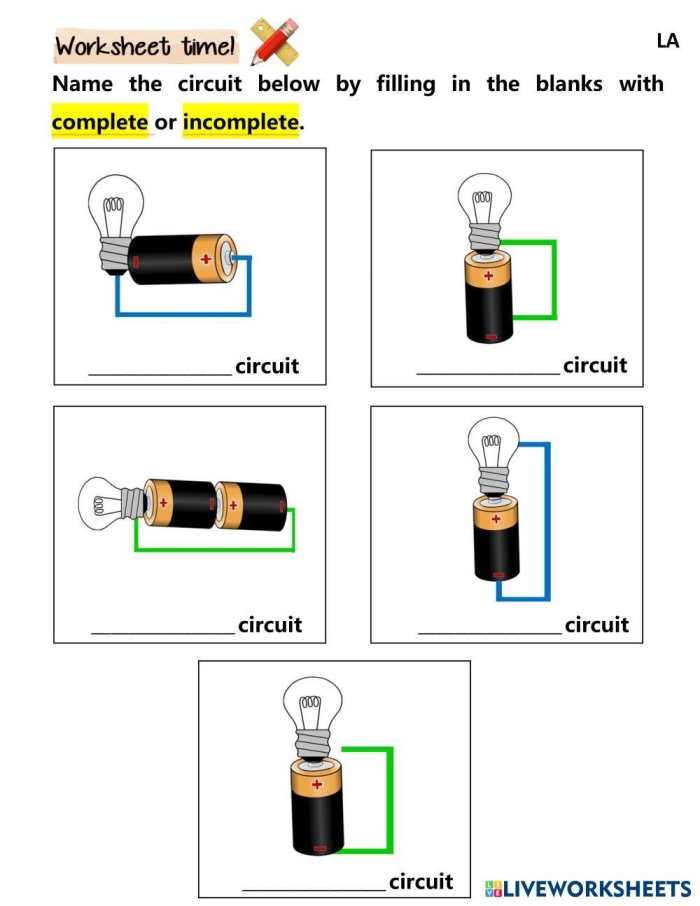
Circuits are fundamental to our everyday lives, as they power everything from our home appliances to our mobile devices. A circuit is essentially a pathway that allows electricity to flow. This flow is created by a source, such as a battery, and can be interrupted by switches or broken components. By using a worksheet that emphasizes these concepts, students can visualize and practice the principles of circuits. For instance, they may be asked to identify parts of a circuit, such as the power source, connectors, and loads like light bulbs or motors.
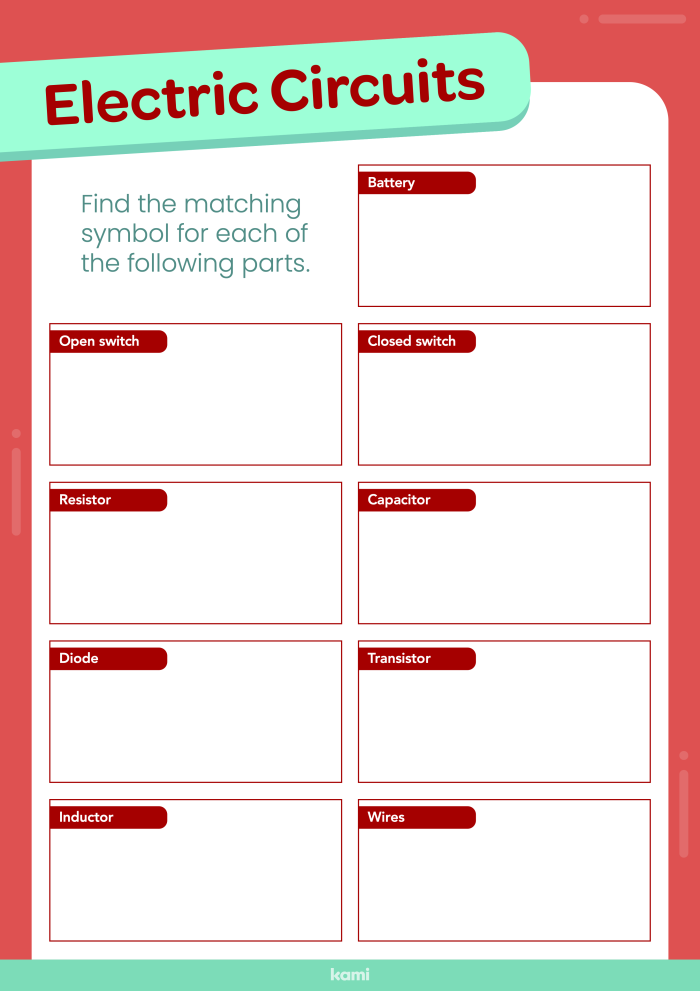
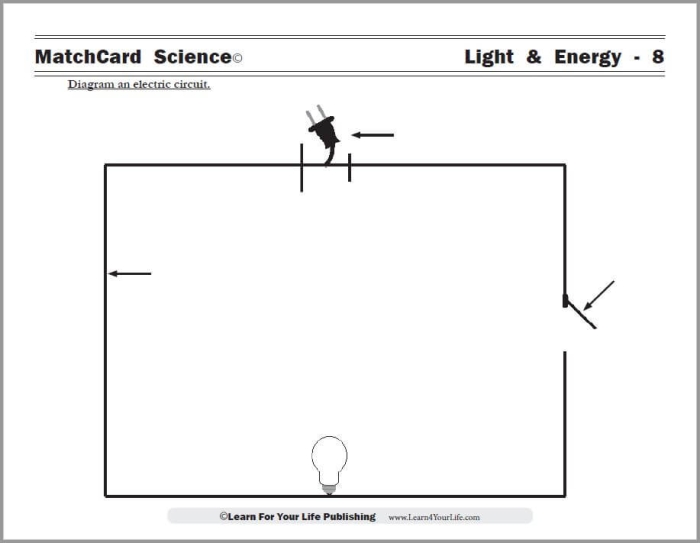
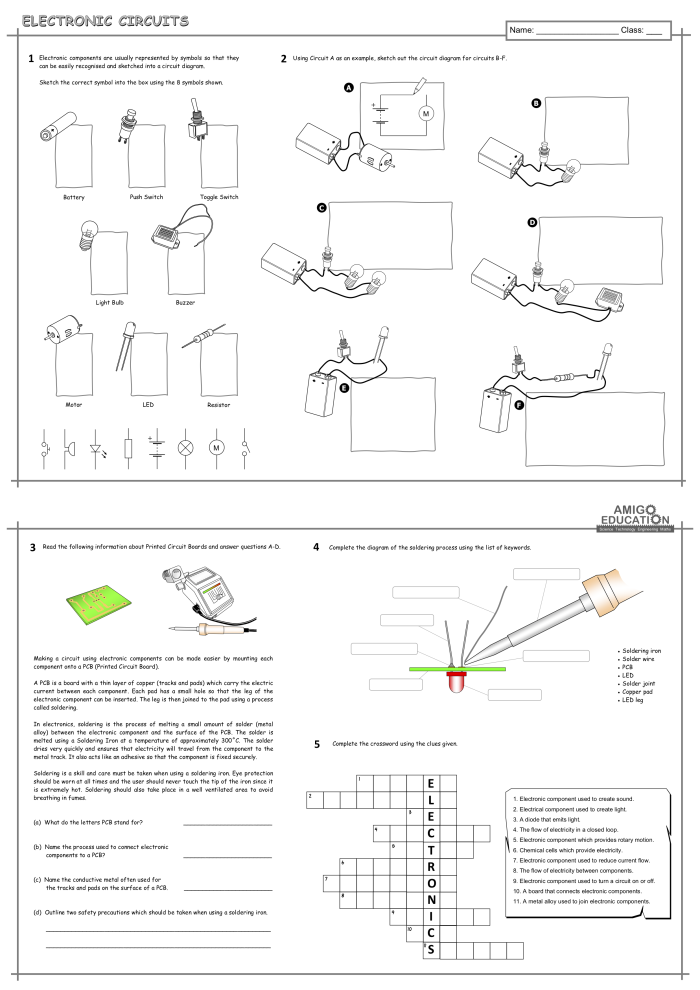
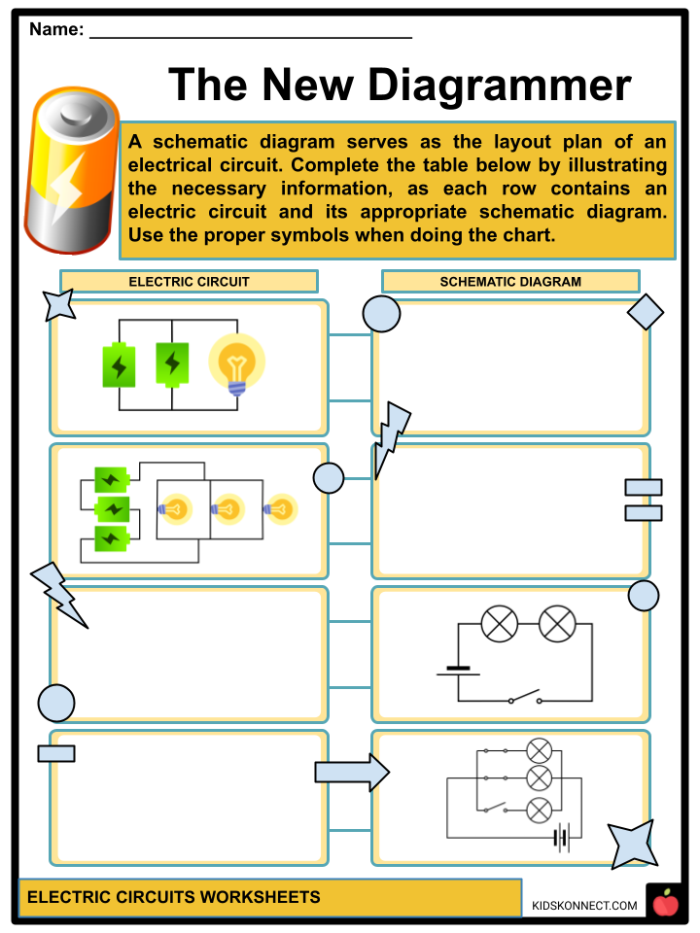
Worksheets designed for fourth graders often include fun and engaging activities. Your child might encounter diagrams where they need to label different components or even create their own circuit diagrams. These exercises help solidify their understanding of how electricity moves through a circuit and the importance of each part in making it function properly.
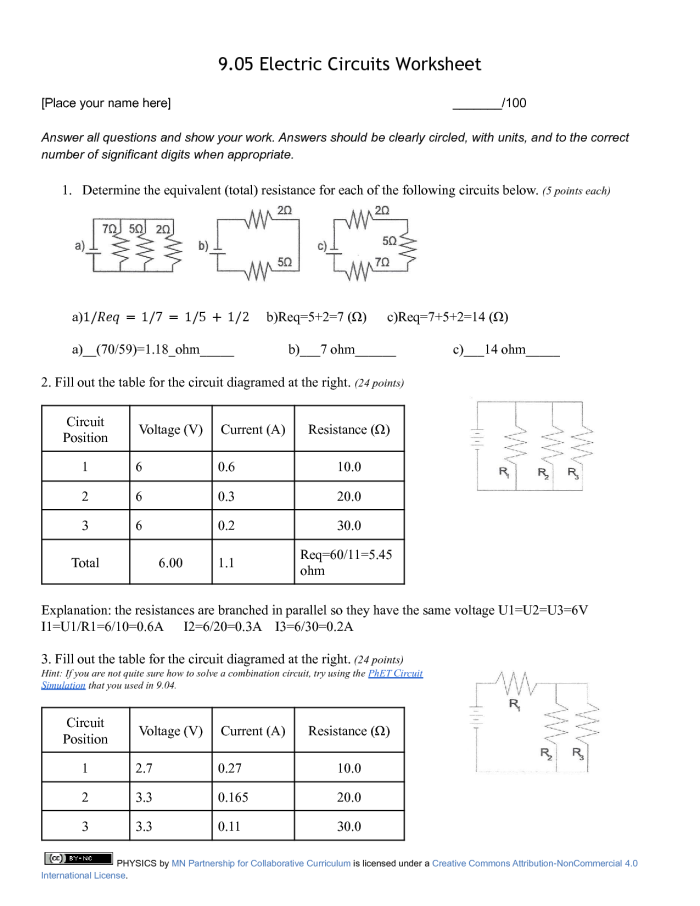
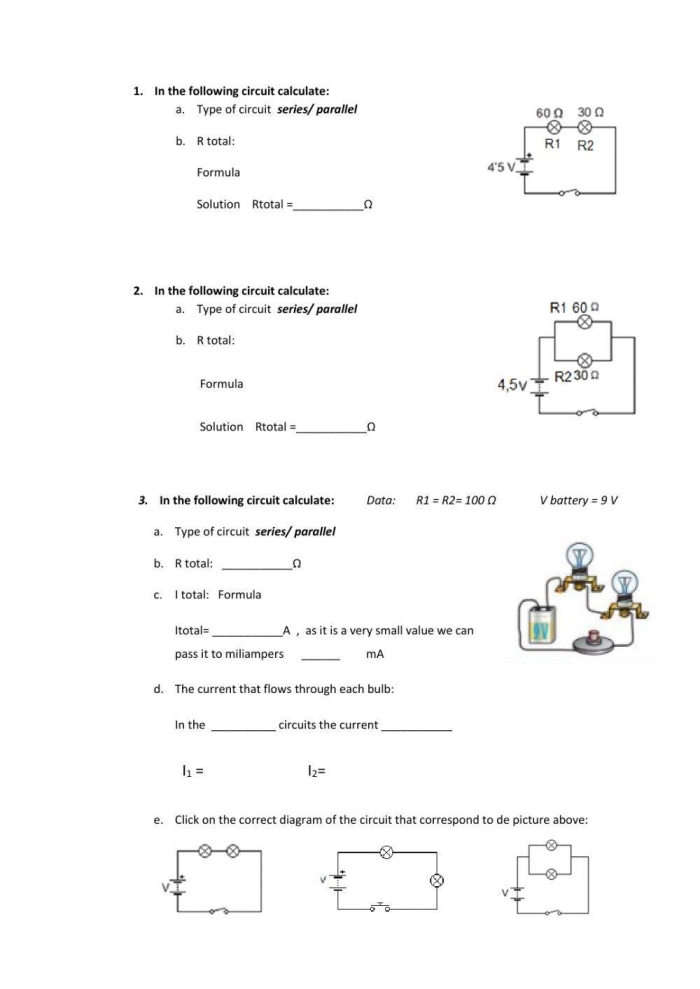
Incorporating worksheets like this into your child’s learning routine can also enhance their confidence in science and phonics. As they work through problems and see real-world applications of their knowledge, they develop critical thinking skills that are essential for their academic growth. For example, they might need to calculate how much voltage is required for different components, which ties in basic math skills.
If your fourth grader enjoys these types of activities, consider exploring additional resources. For instance, worksheets on topics such as the Pythagorean theorem or writing history can further expand their learning horizons. The more they practice, the more proficient they will become, not just in understanding circuits but in all areas of their education.
Worksheet Practice Section