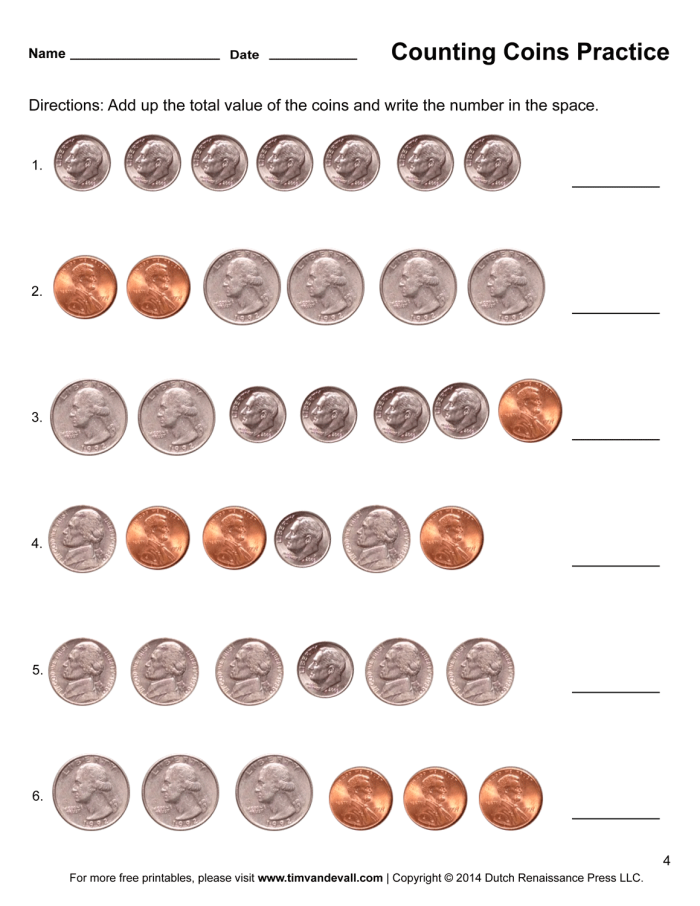
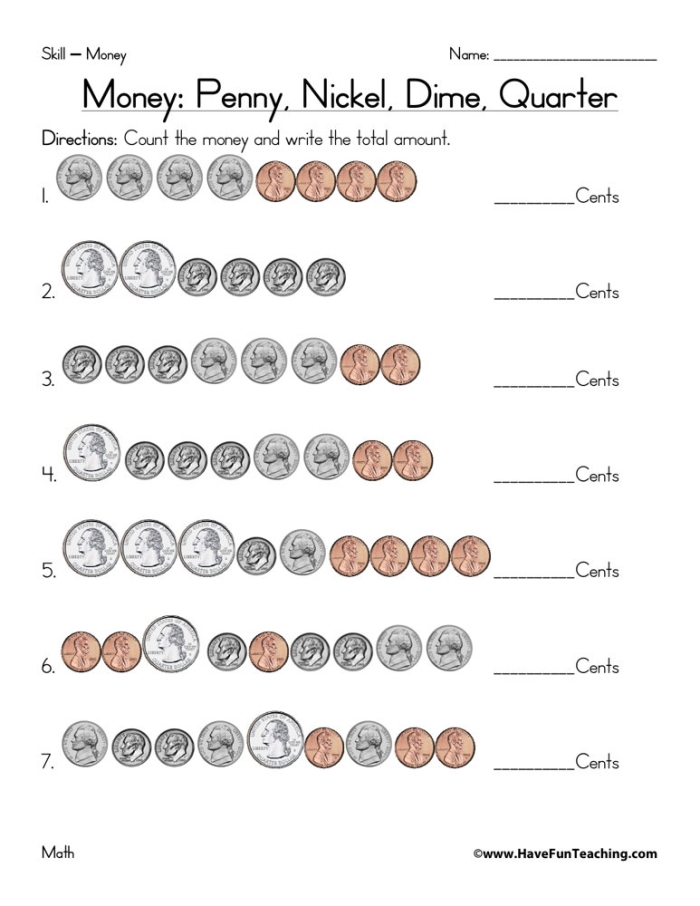
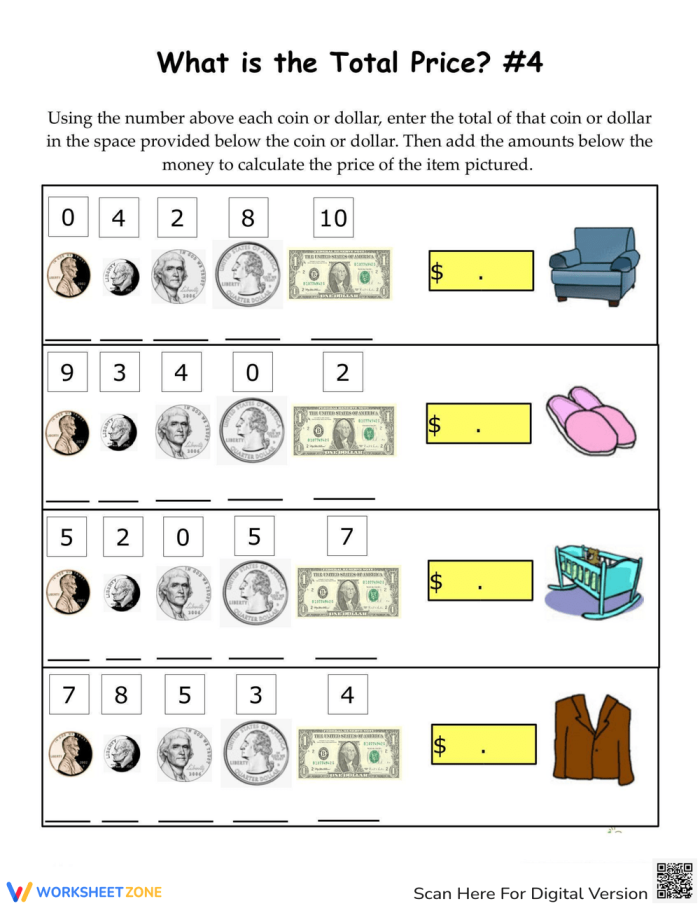
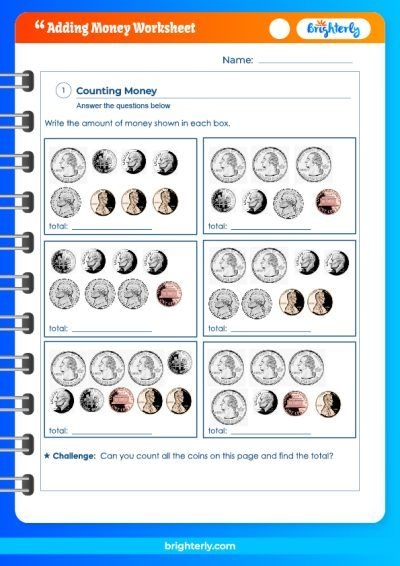
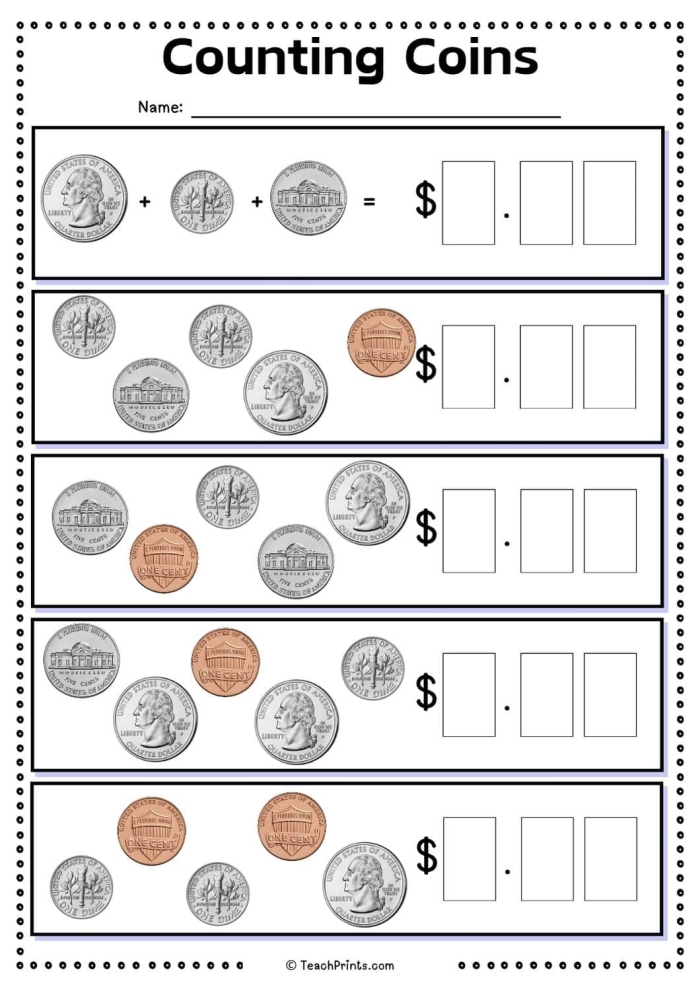
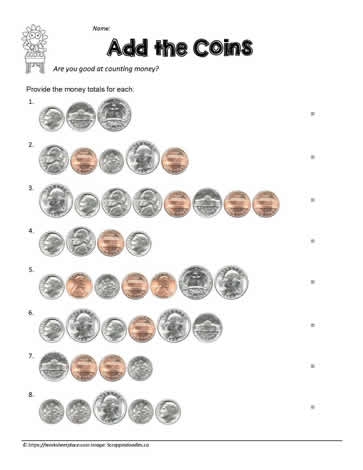
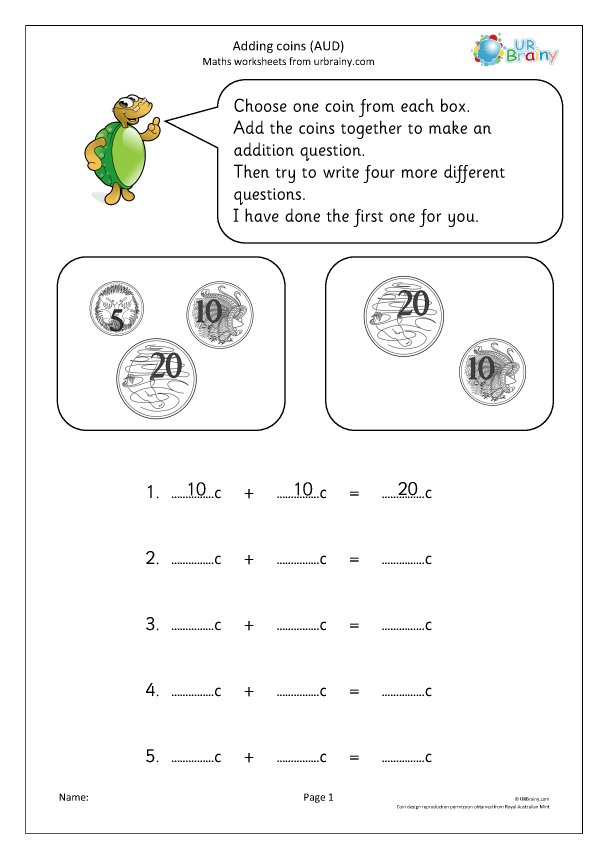
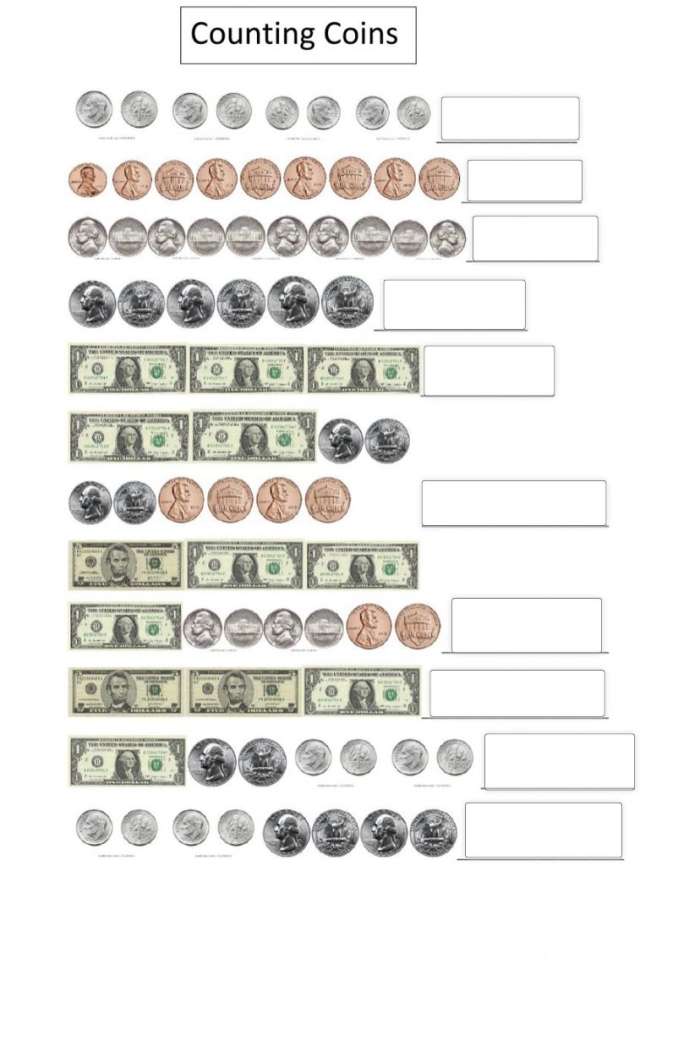
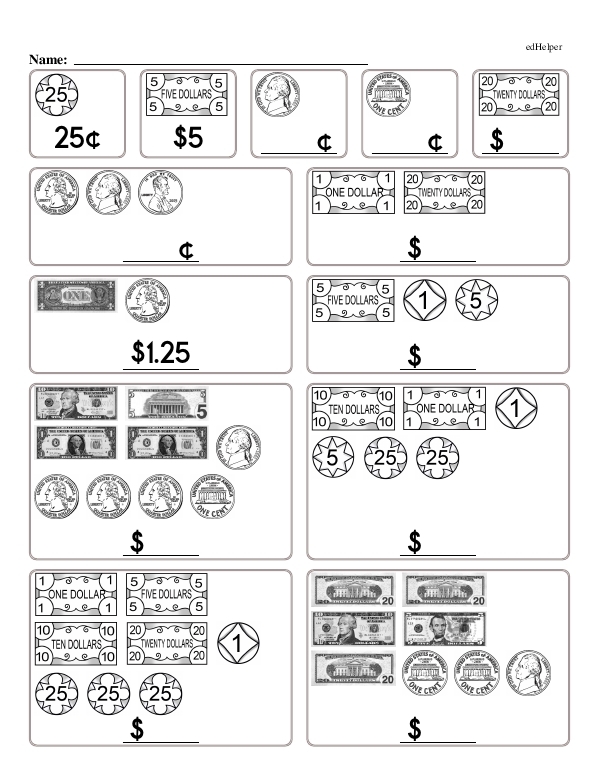
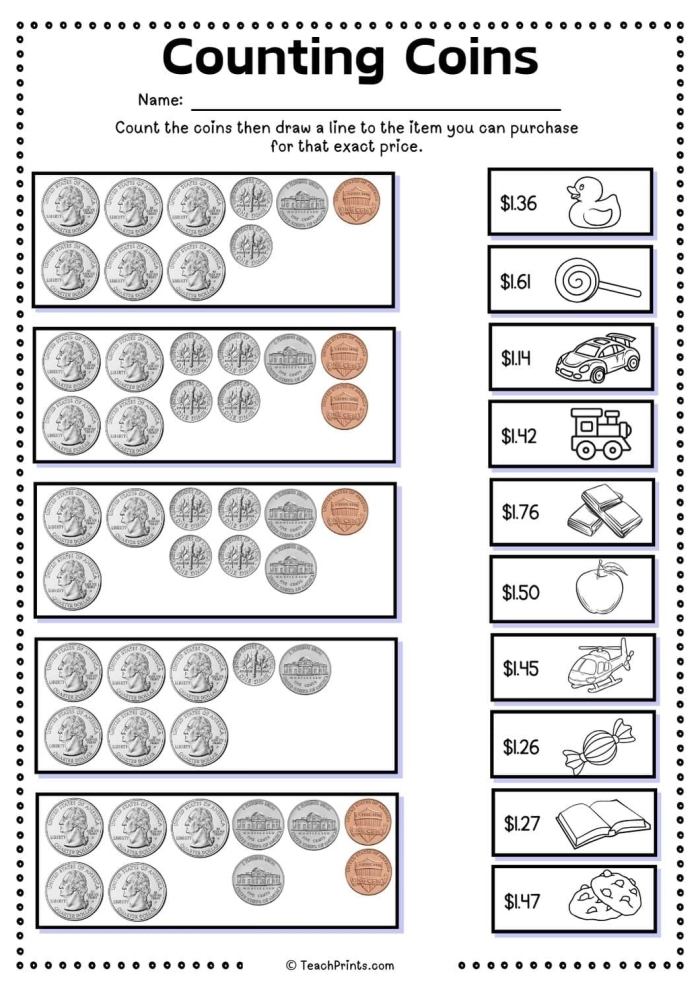
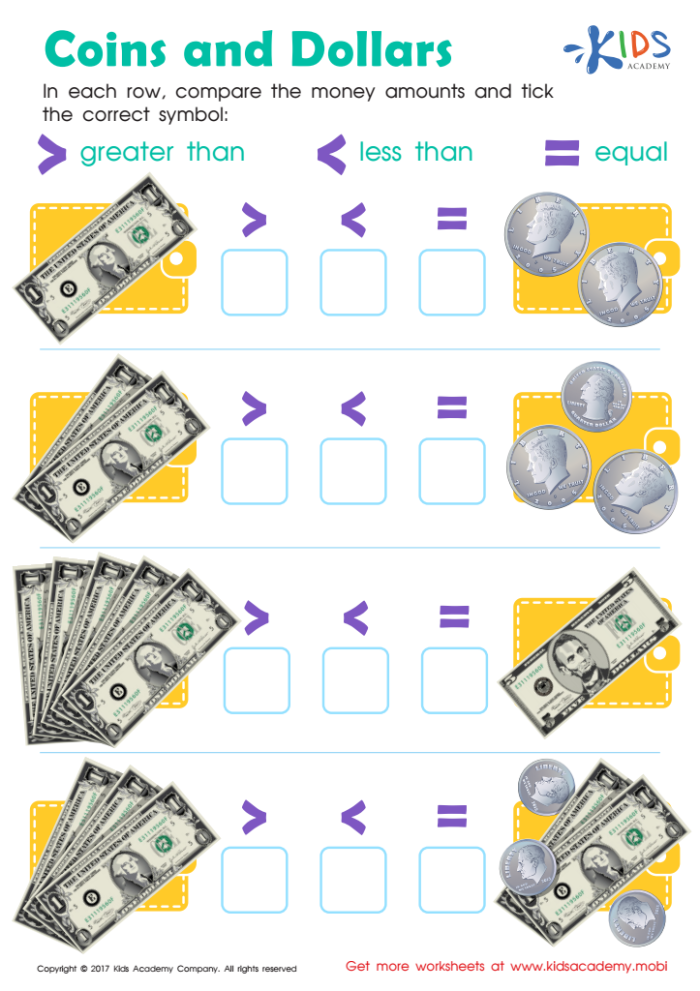
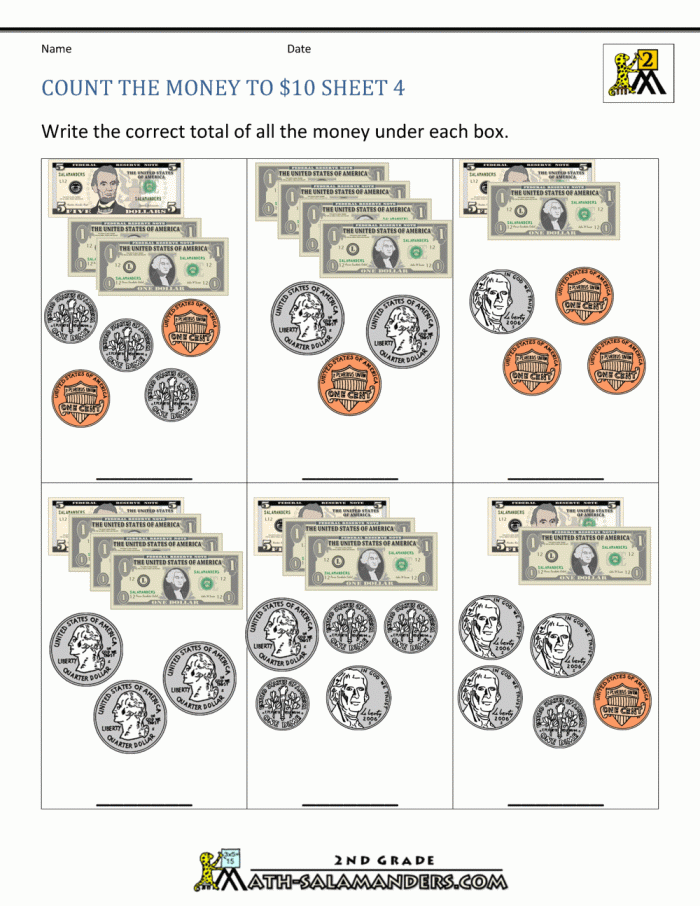
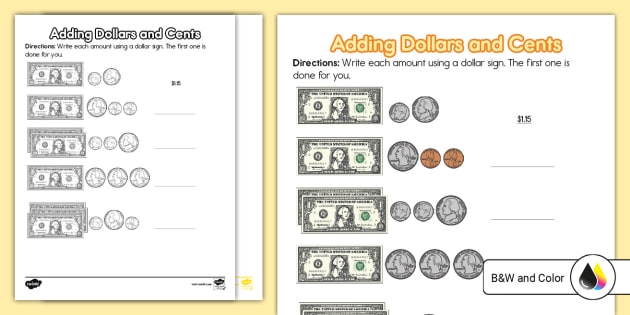
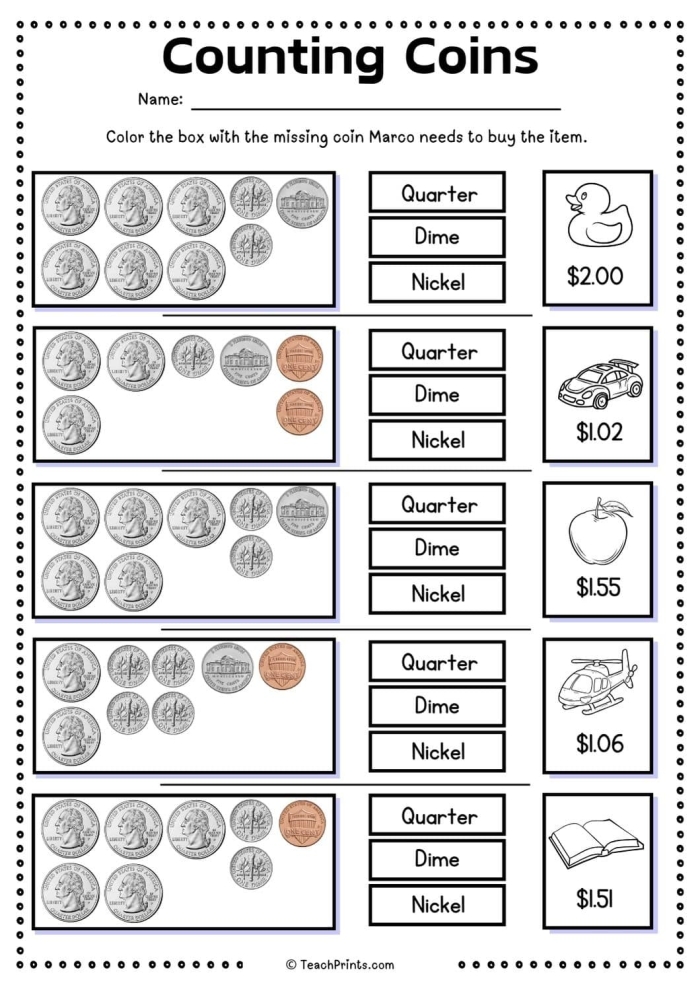
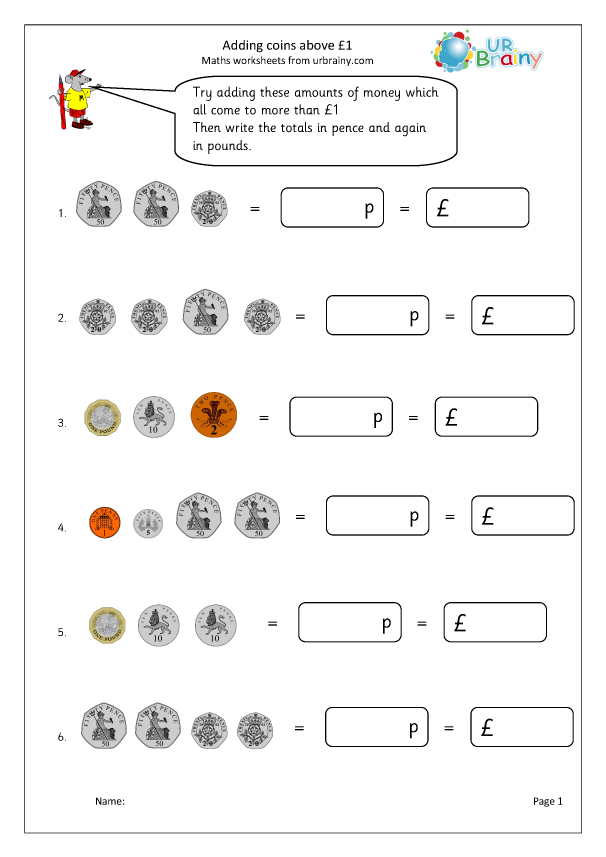
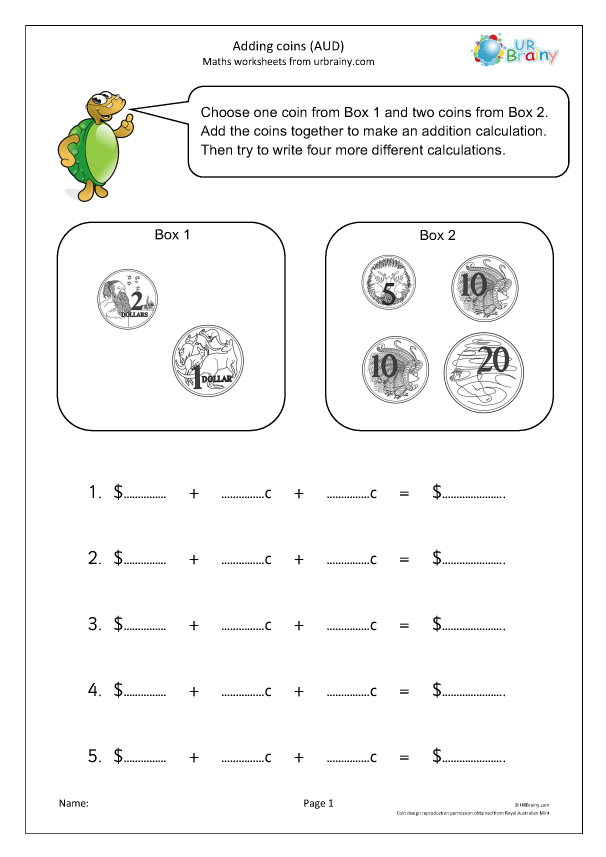
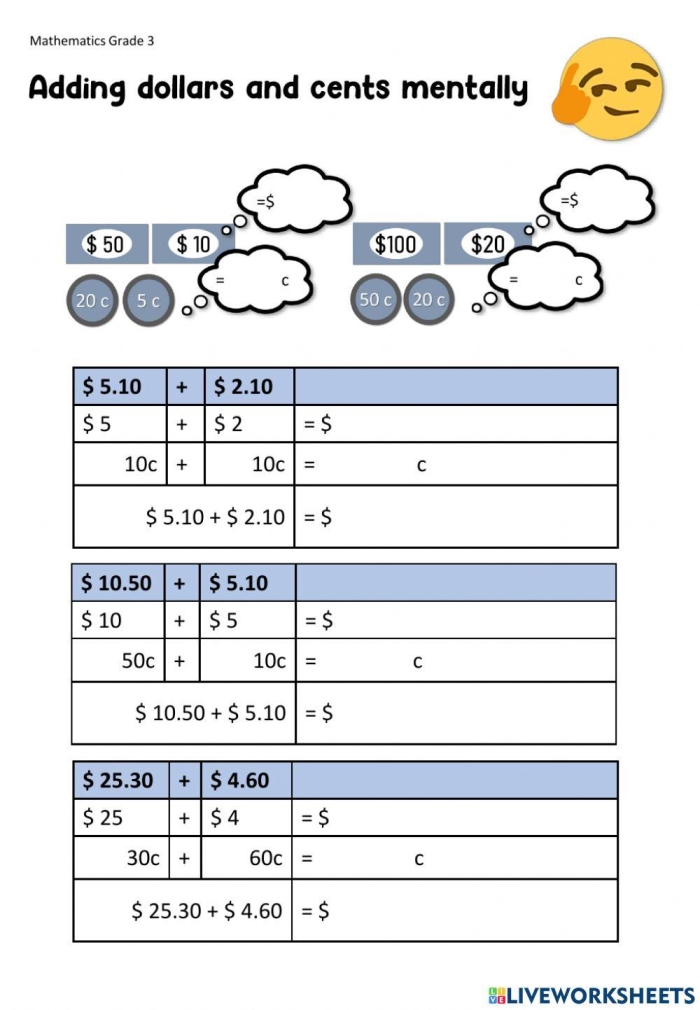
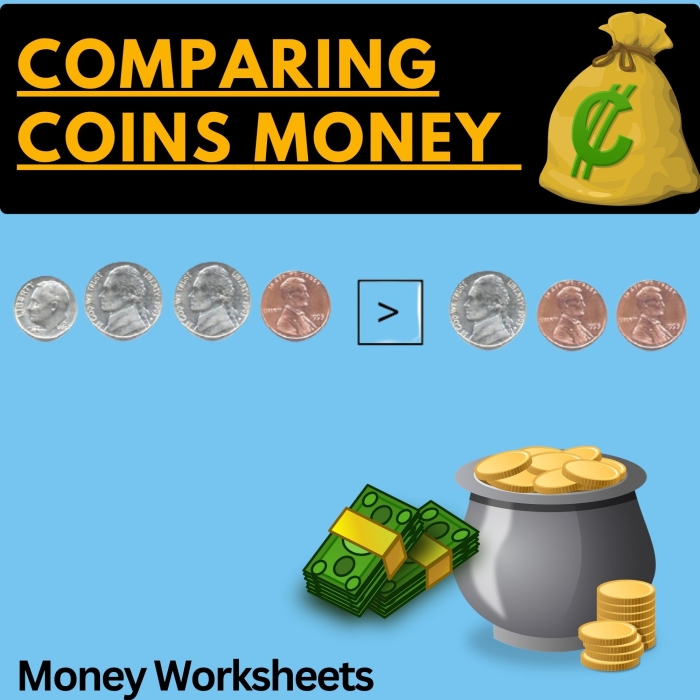
When you ask your second grader “How much does that jacket cost?” you’re opening a door to real-world math that actually matters. This simple question becomes the foundation for a worksheet activity where children add up coins and dollars to determine prices on everyday items.
The beauty of this exercise lies in its practicality. Rather than abstract number problems, kids work with tangible currency amounts. They see a picture of a jacket, a pair of shoes, or a toy, and they need to figure out the total cost by combining pennies, nickels, dimes, quarters, and dollar bills. This approach helps second graders understand that math isn’t just about numbers on a page—it’s about real purchases and real decisions.
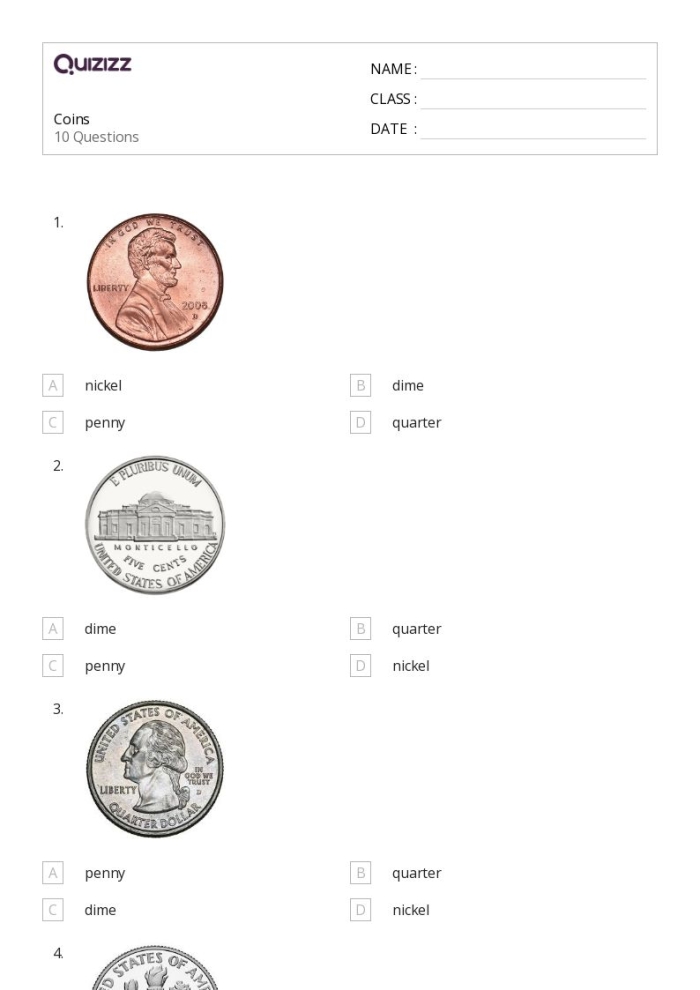
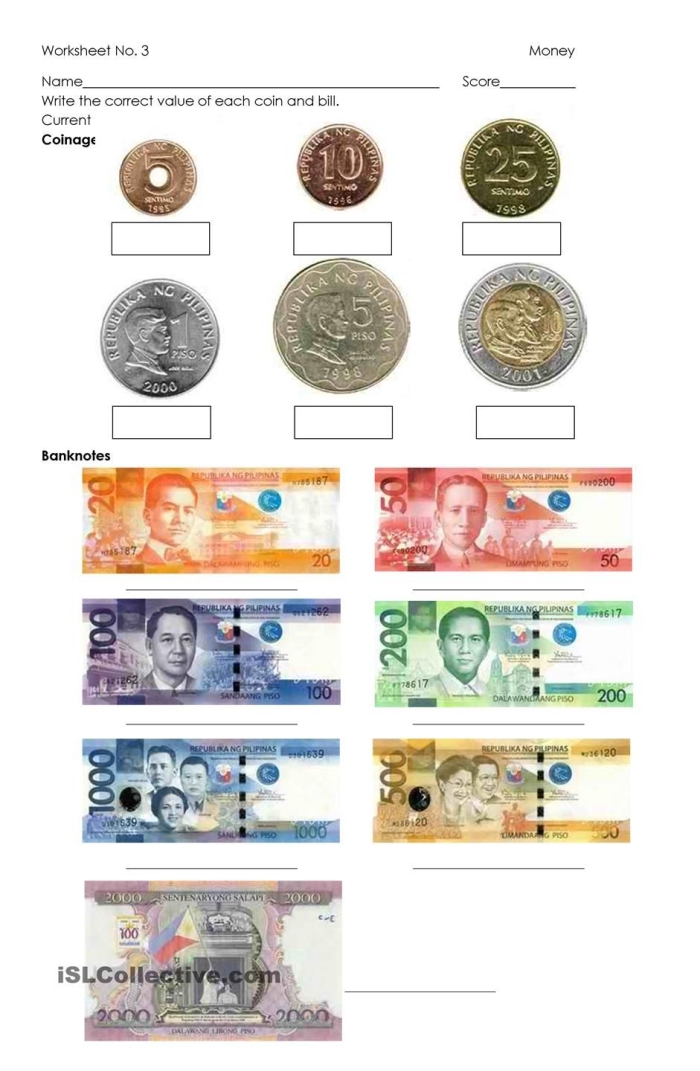
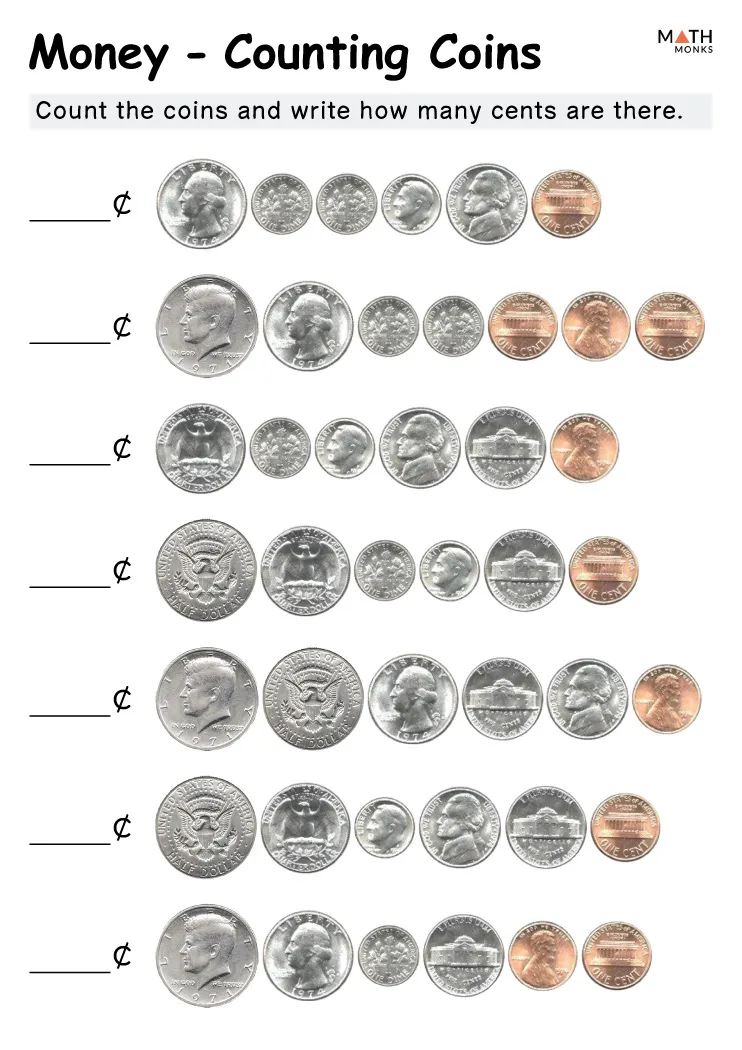
When children practice adding dollars and cents through worksheets, they develop several skills at once. They learn to recognize different coin values, understand place value, and practice basic addition. The visual component is crucial at this age. Seeing actual coin and bill illustrations helps kids internalize the relationships between different denominations.
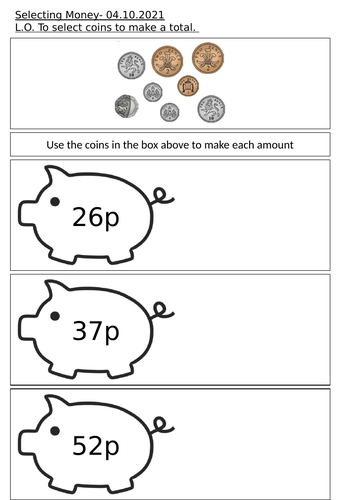
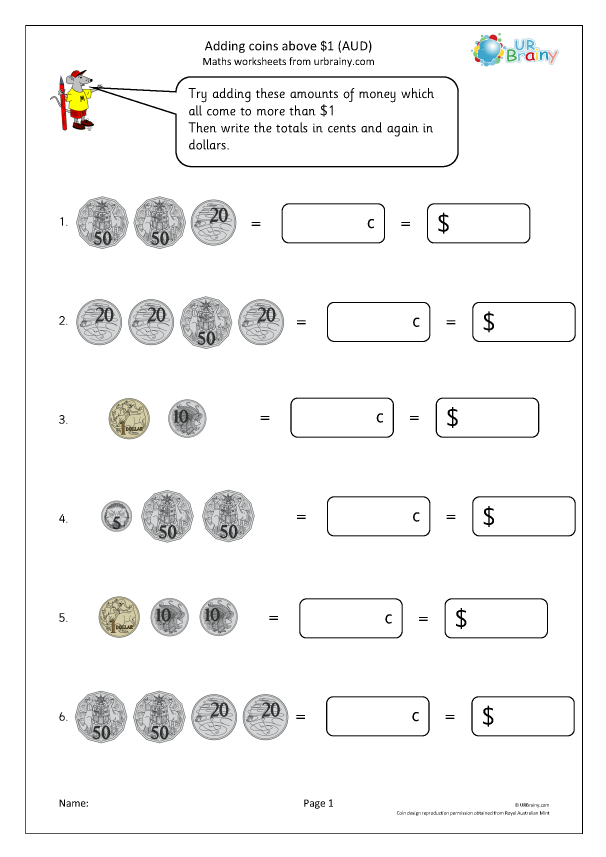
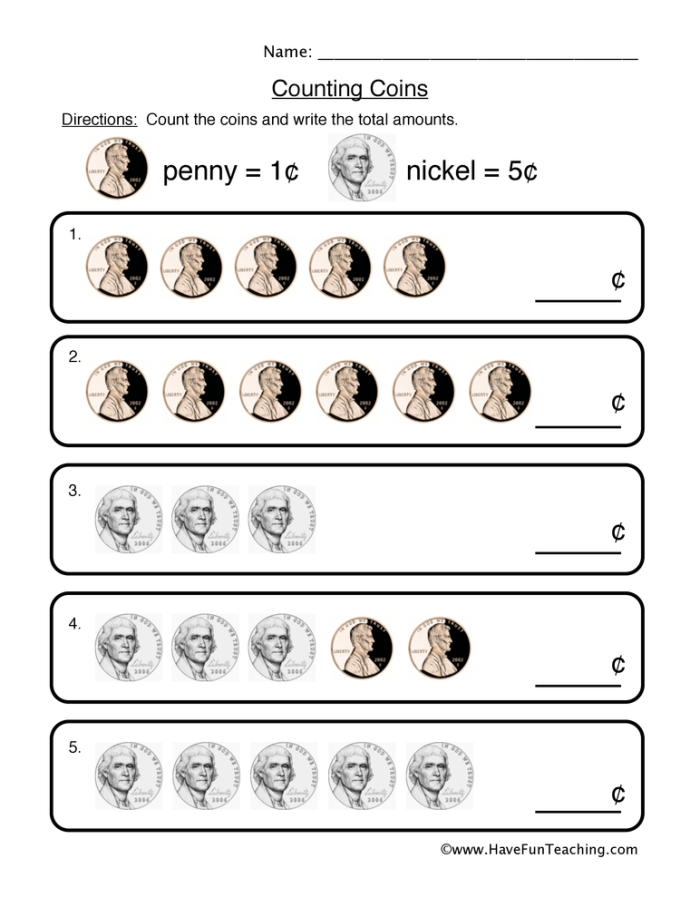
These worksheets typically present items with their prices displayed as collections of coins and bills. Your child counts each denomination separately, then combines them to find the total. Some worksheets progress in difficulty, starting with simple combinations of just coins, then introducing dollar bills alongside coins.
Beyond the numerical skills, this activity teaches money awareness early. Second graders begin to understand that items have different values and that understanding cost matters in daily life. You can extend this learning at home by having your child practice adding up change during actual shopping trips, making the worksheet skills come alive in real situations.
Worksheet Practice Section