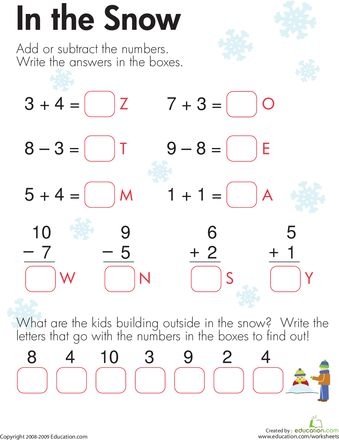
Mystery word worksheets turn routine math practice into a puzzle-solving adventure that keeps first grade students engaged. Instead of working through isolated problems, kids solve addition and subtraction problems with one- and two-digit numbers to unlock a hidden word, one letter at a time.
The mechanics are straightforward but effective. Each problem corresponds to a letter of the alphabet. When a child solves 7 + 5, they might get 12, which maps to the letter L. Solve the next problem correctly, and they get another letter. By the end of the worksheet, they’ve cracked the code and discovered the mystery word waiting at the bottom.
What makes this approach work is the immediate feedback loop. Kids know right away if they’ve solved a problem correctly because the answer either matches the code key or it doesn’t. There’s no ambiguity, no waiting for a teacher to check their work later. This instant verification keeps motivation high, especially for students who struggle with traditional math drills.
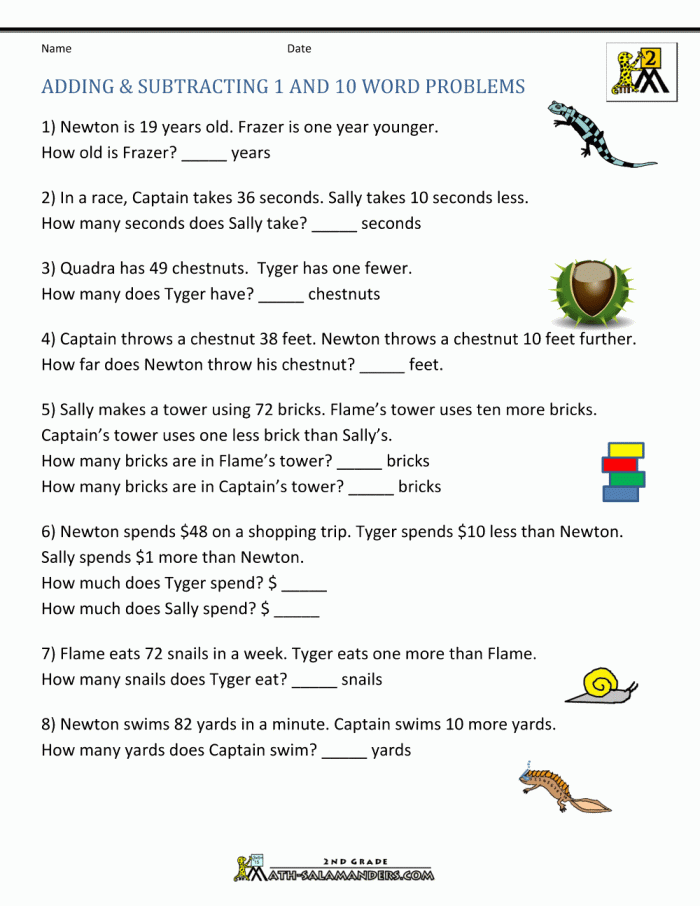
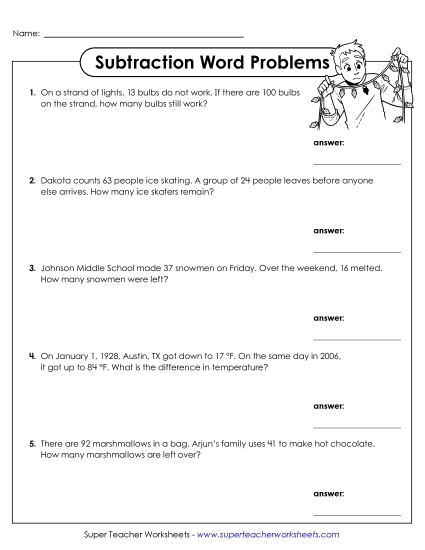
The range of problems matters too. By mixing one-digit and two-digit addition alongside subtraction, the worksheet builds computational flexibility rather than drilling a single skill. A child might add 8 + 9, then subtract 15 – 7, then add 12 + 8. This variety mirrors how math actually gets used in real situations.
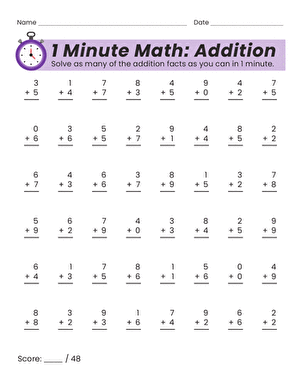
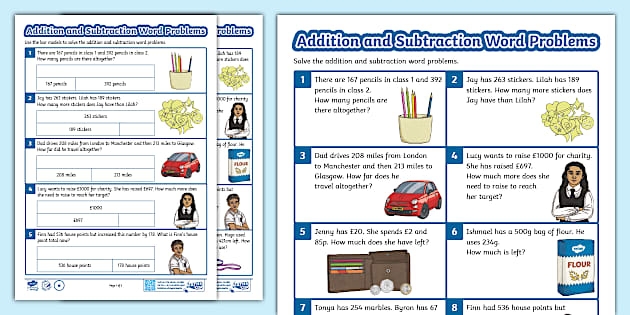
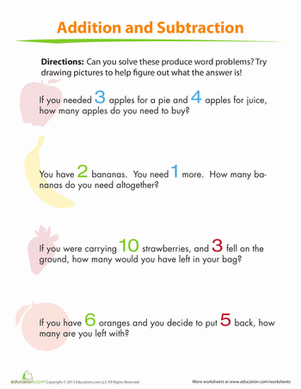
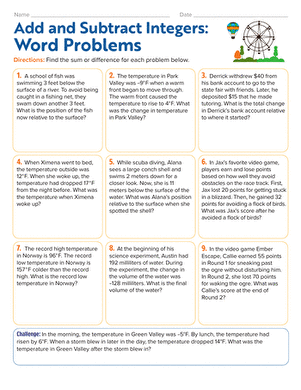
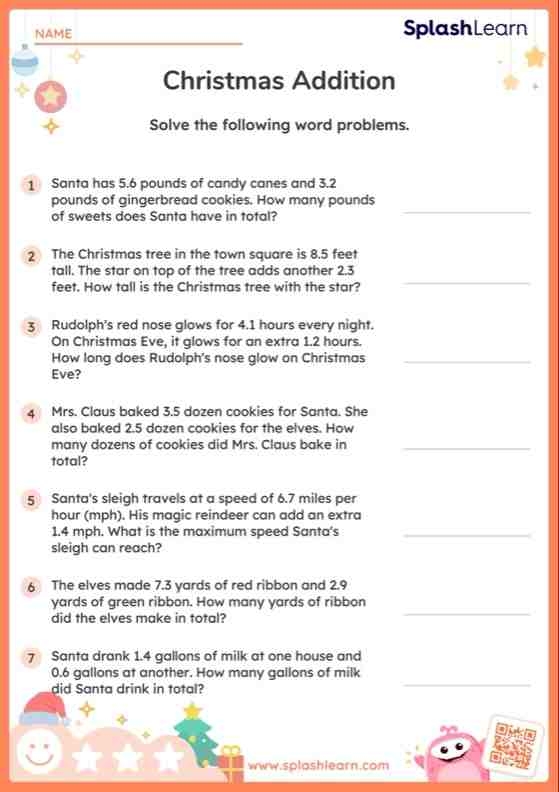
First grade teachers often pair these worksheets with other resources to build a complete addition program. Some combine them with more straightforward addition and subtraction practice, while others use them as rewards after foundational work. A few teachers integrate them with timed addition activities to develop both accuracy and speed.
The mystery word format works particularly well for students who find standard worksheets tedious. The promise of discovering a hidden word transforms what could feel like busywork into something with purpose and a satisfying conclusion.
Practice with These Worksheets