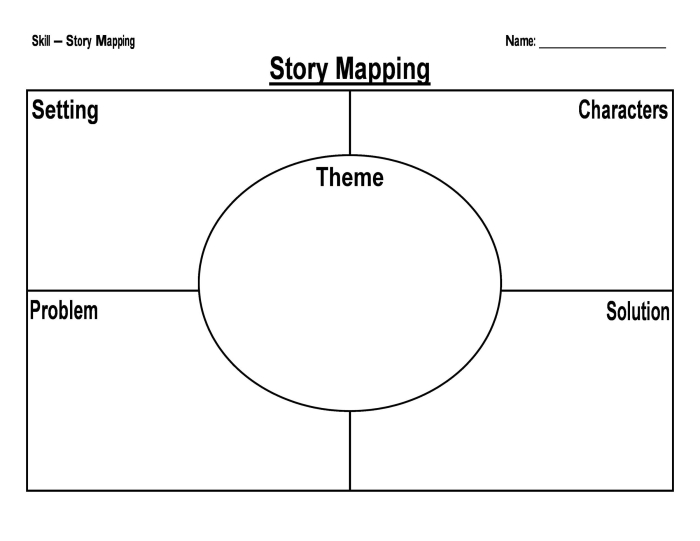
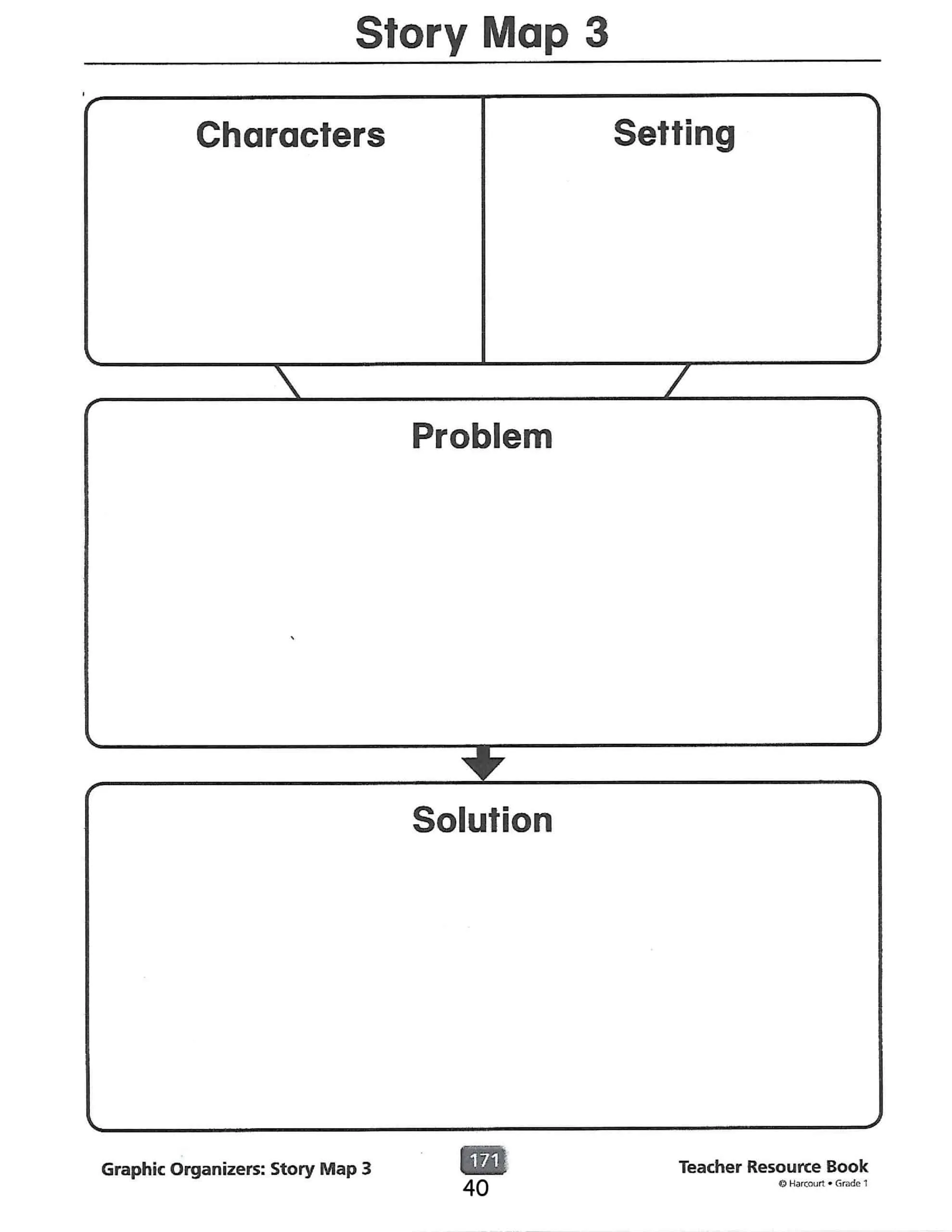
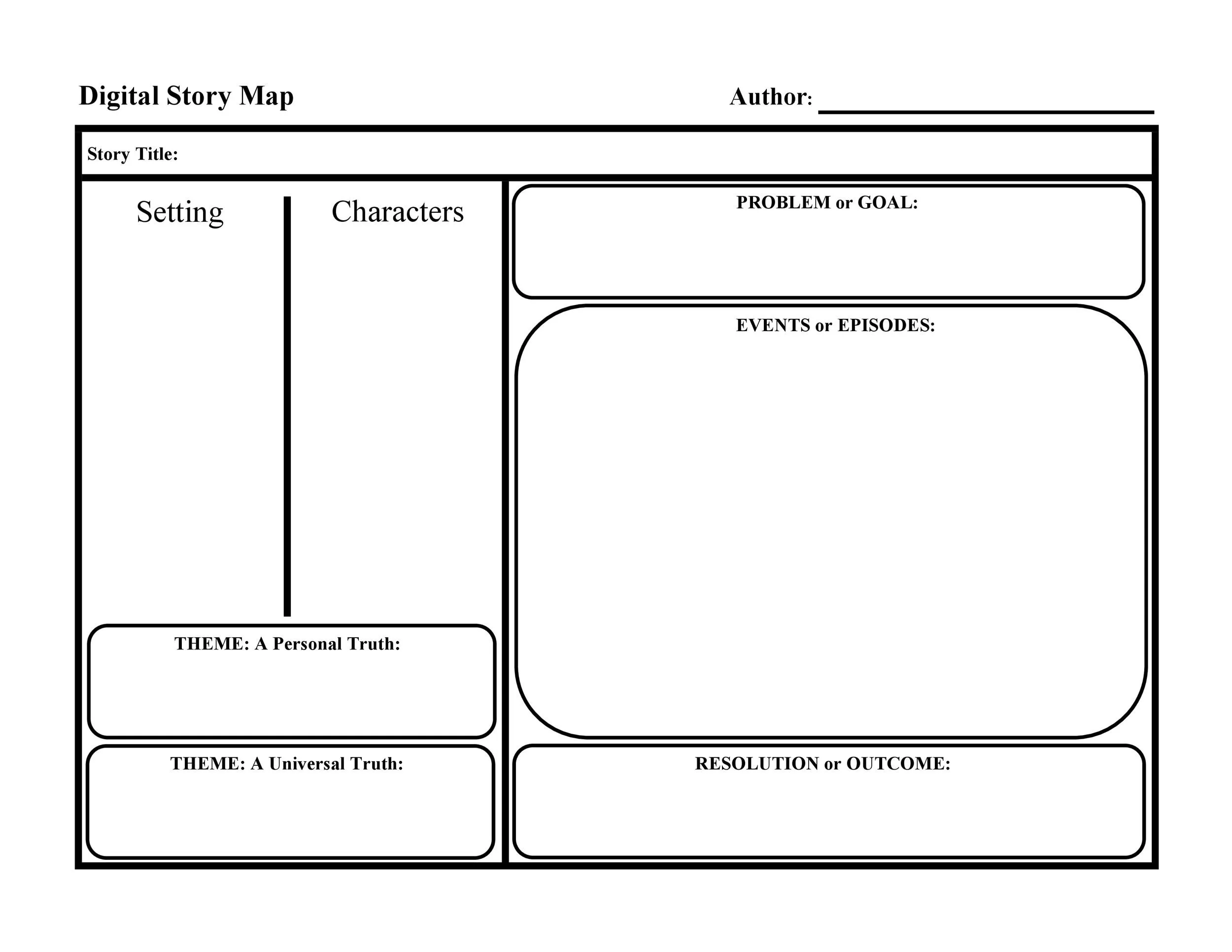
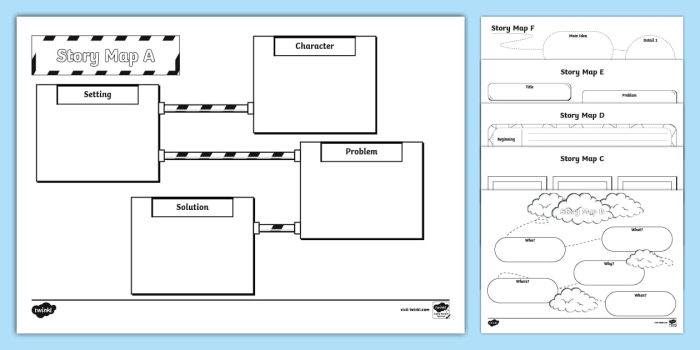
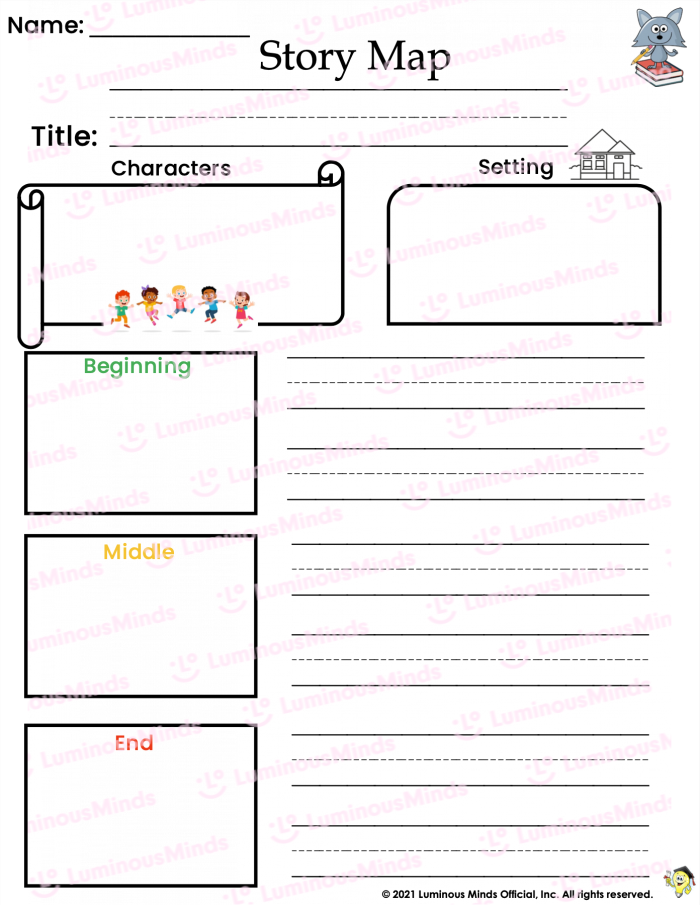
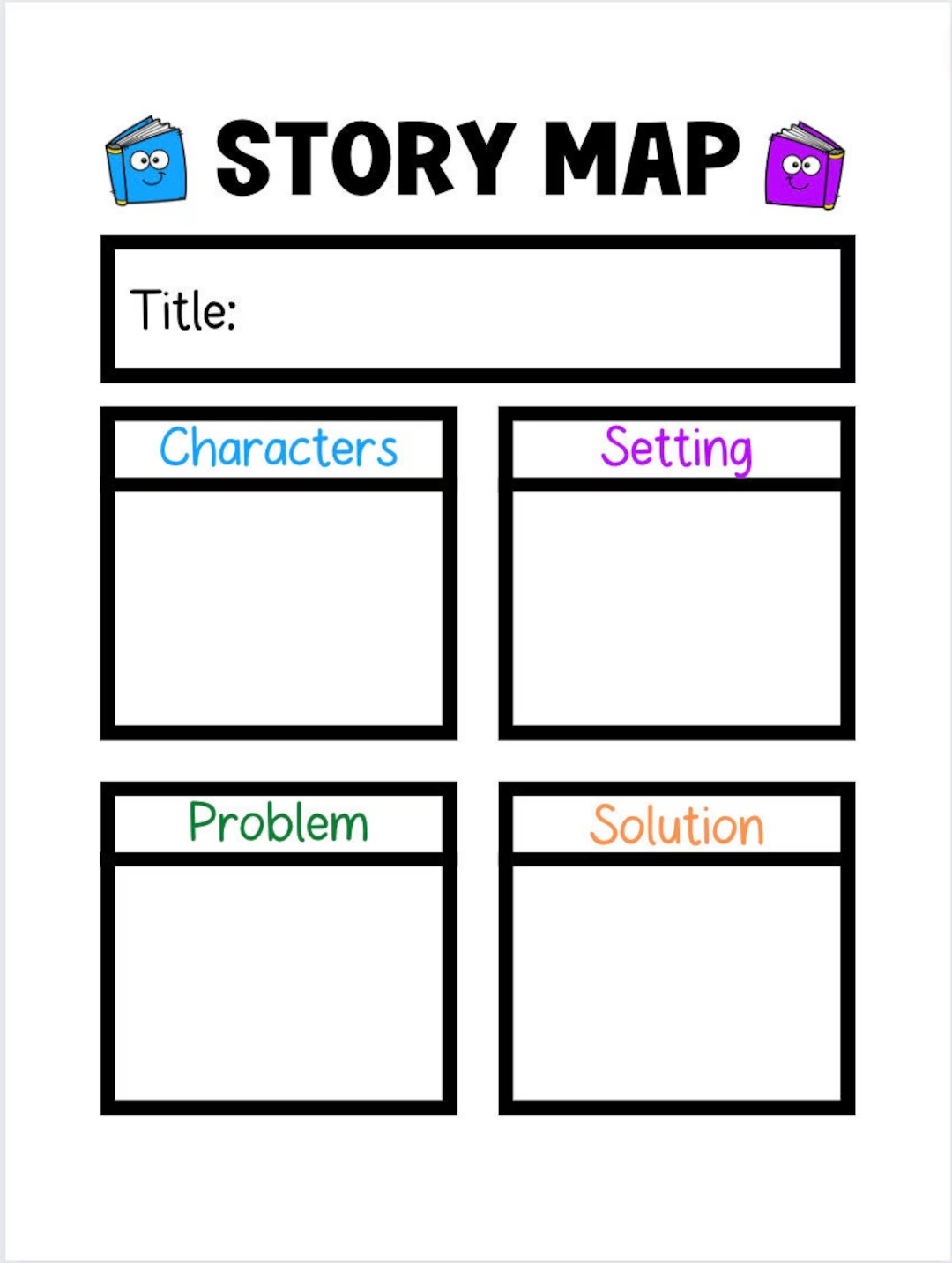
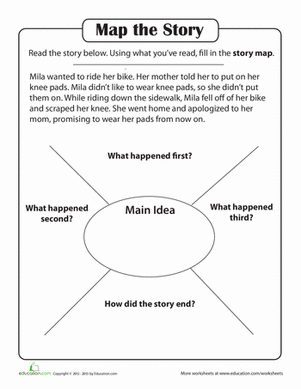
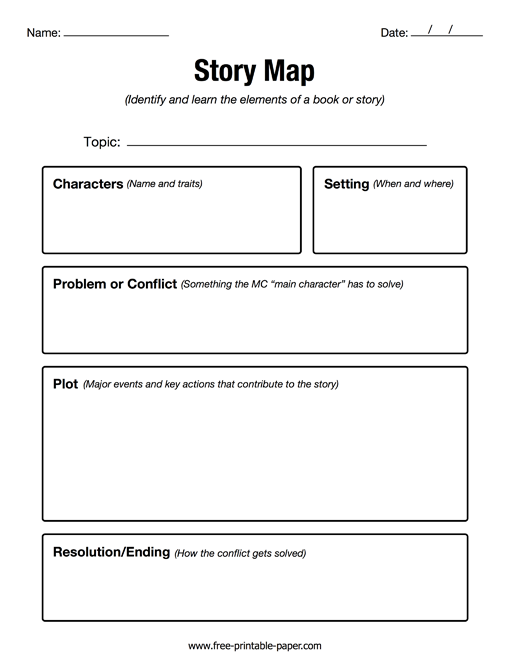
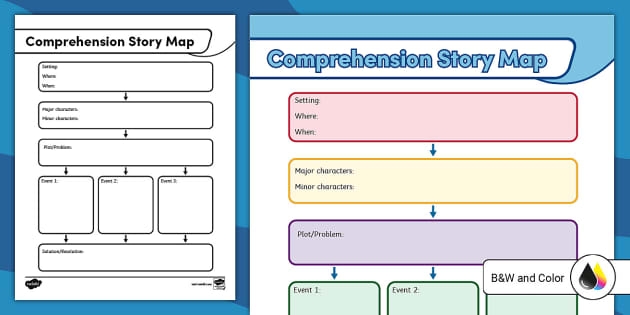
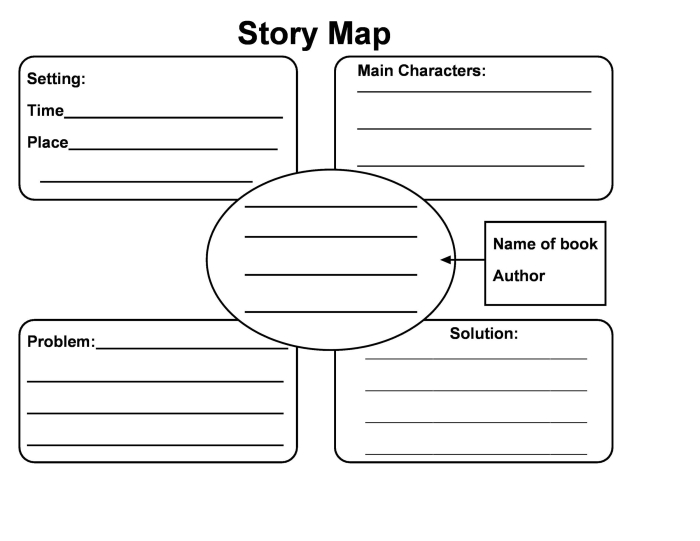
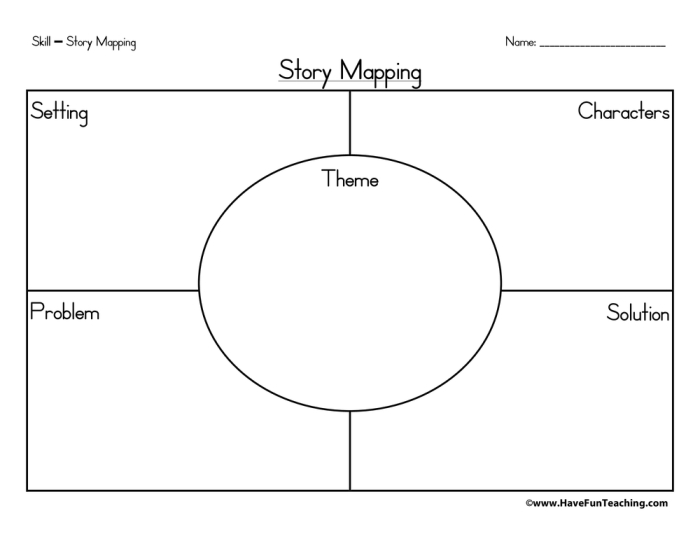
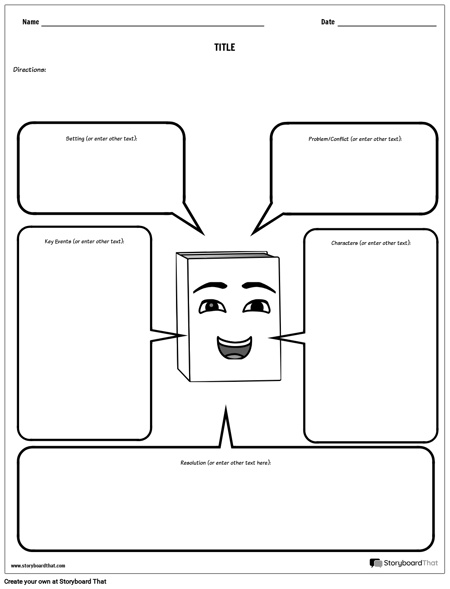
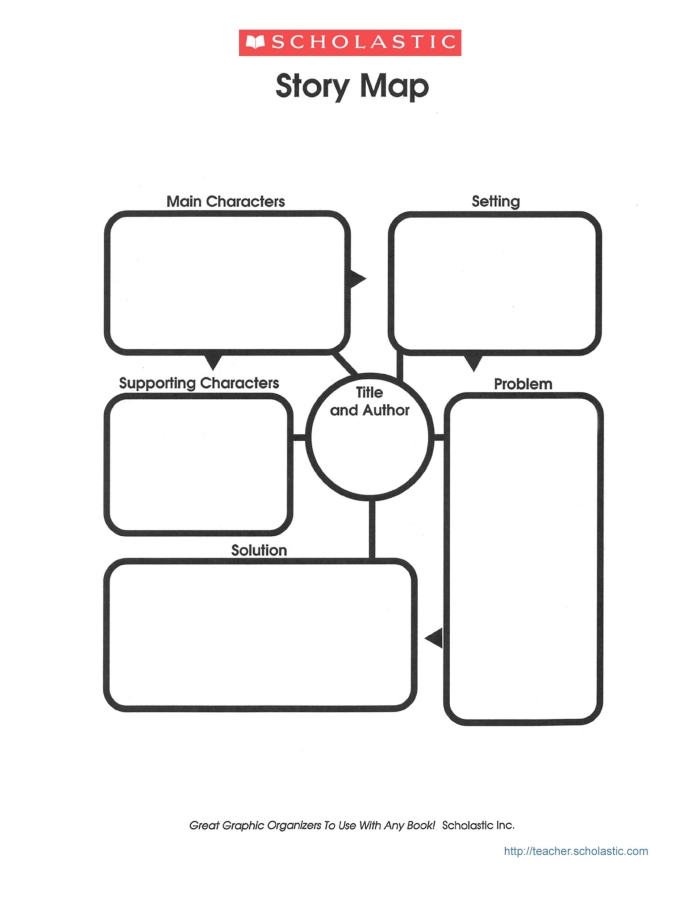
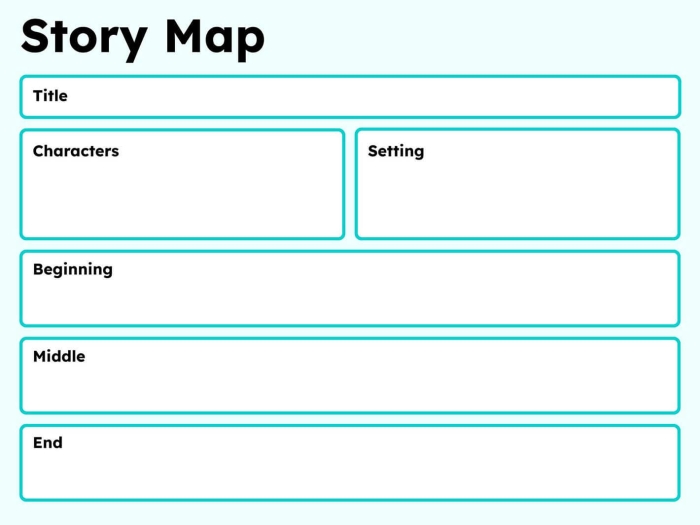
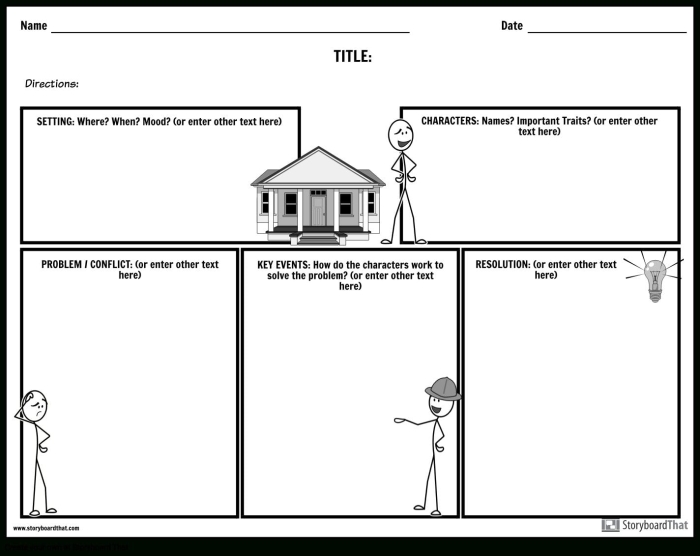
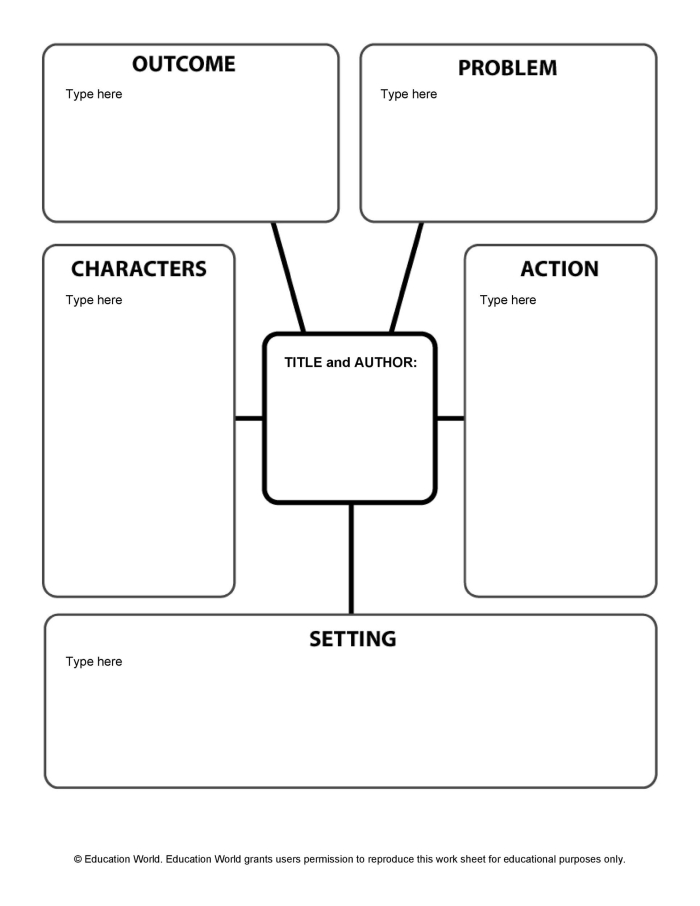
Using a story map can significantly enhance your first grader’s reading comprehension by providing a visual outline of a story. This tool helps young learners organize their thoughts and understand the elements of a narrative in a structured way. Story maps break down stories into key components such as characters, settings, events, and conclusions, allowing children to see how these elements interact.
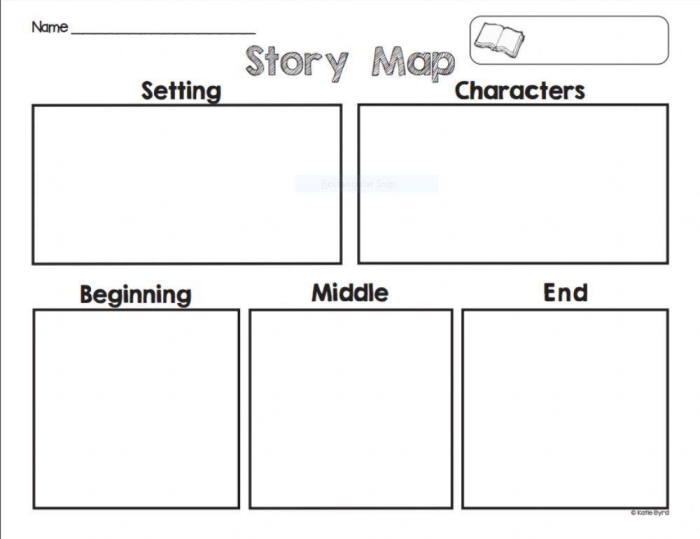
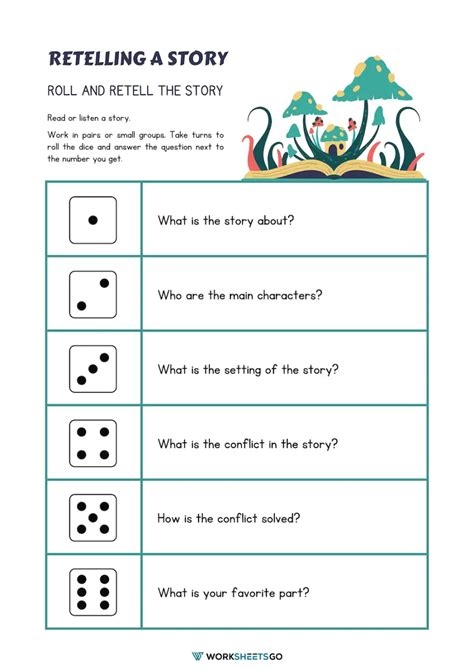
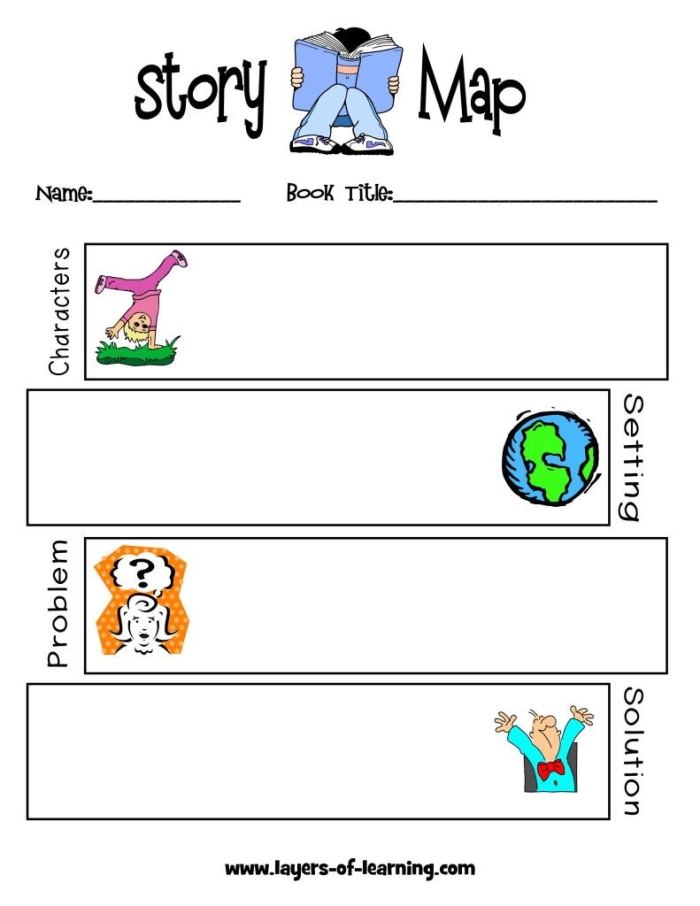
When you create a story map with your child, you engage them in a fun and interactive learning experience. For instance, after reading a story, sit together with a blank story map template. Ask your child about the main character of the story. Who are they? What do they want? Next, discuss the setting—where and when does the story take place? Once you establish these elements, move onto the events of the story. What happens first? What challenges does the character face? Finally, summarize how the story concludes. This process not only fosters comprehension but also encourages critical thinking as children analyze the structure of the narrative.
Research shows that visual aids can enhance learning, particularly in early education. A study published in the Journal of Educational Psychology highlighted that students who use graphic organizers like story maps outperform their peers on reading comprehension tests. By incorporating this method into your routine, you can help your first grader build essential skills that will benefit them in both reading and math, as they learn to categorize and analyze information effectively.
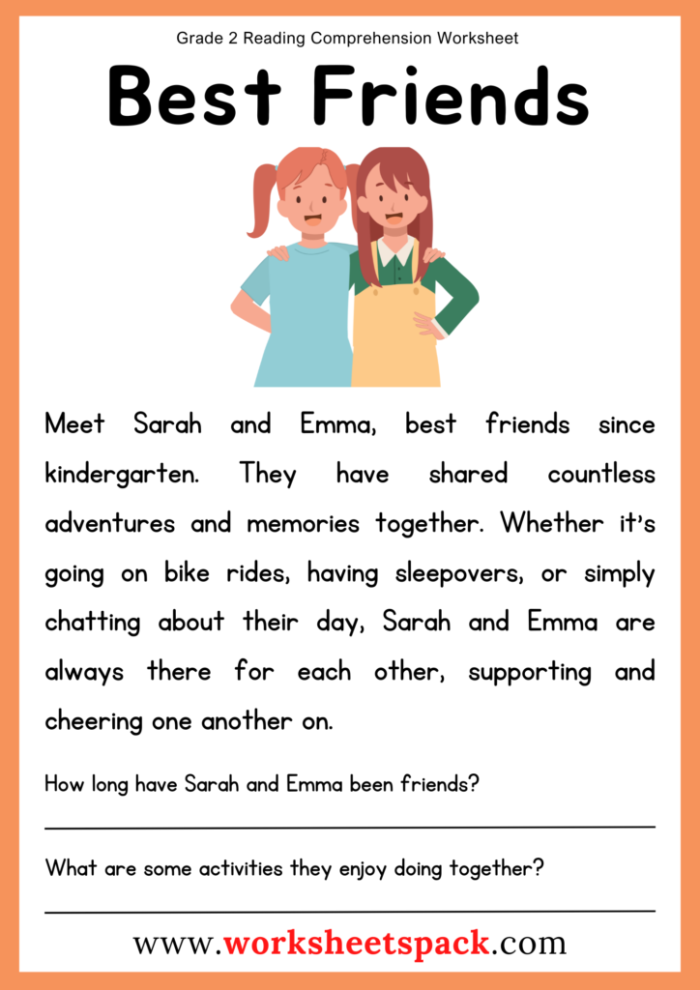
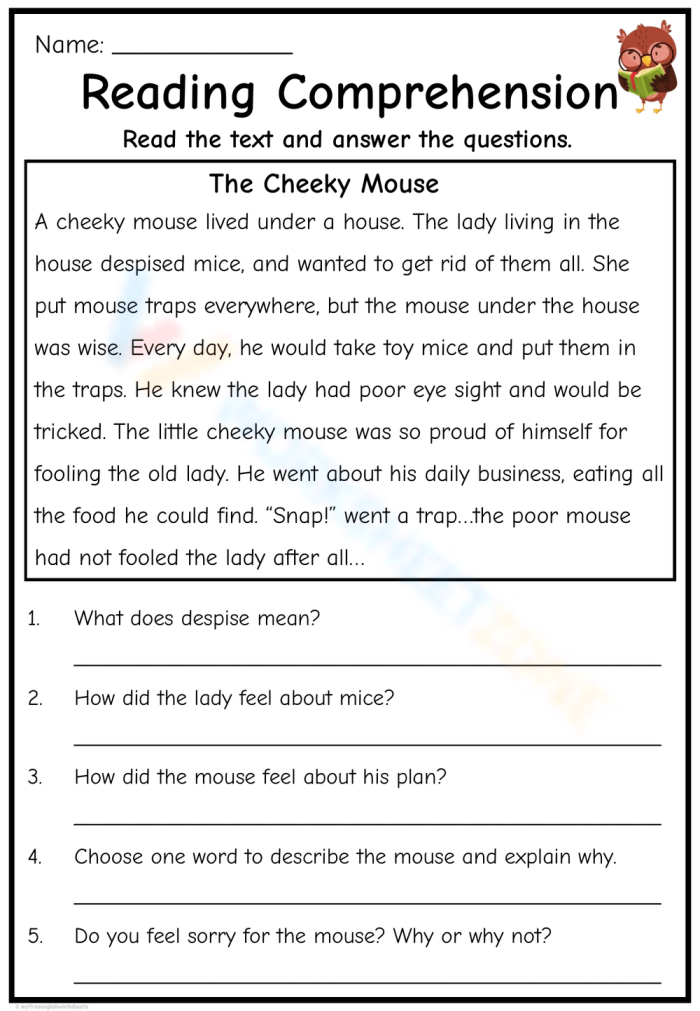
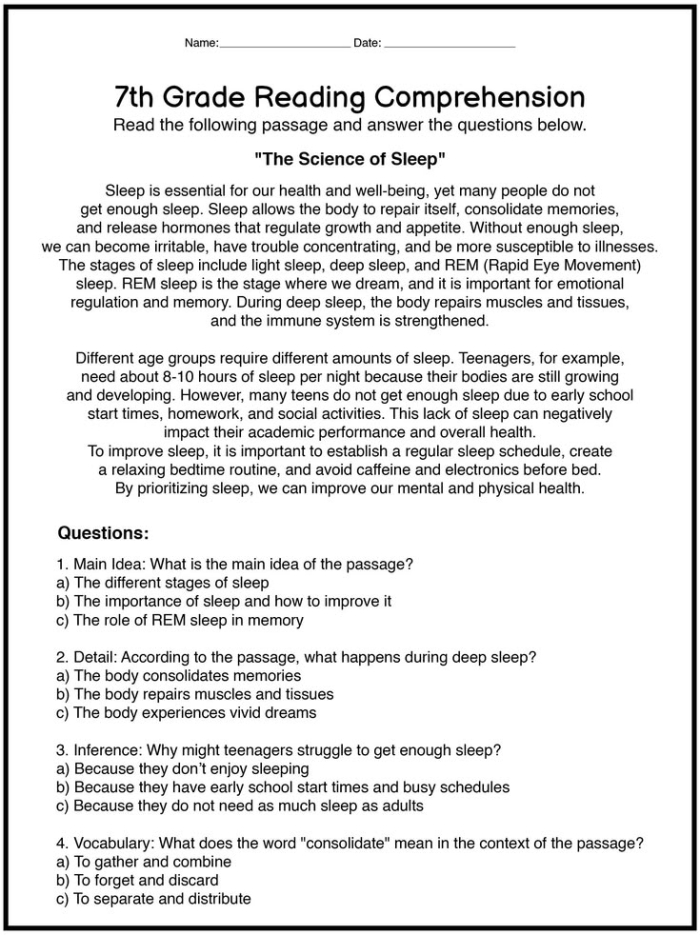
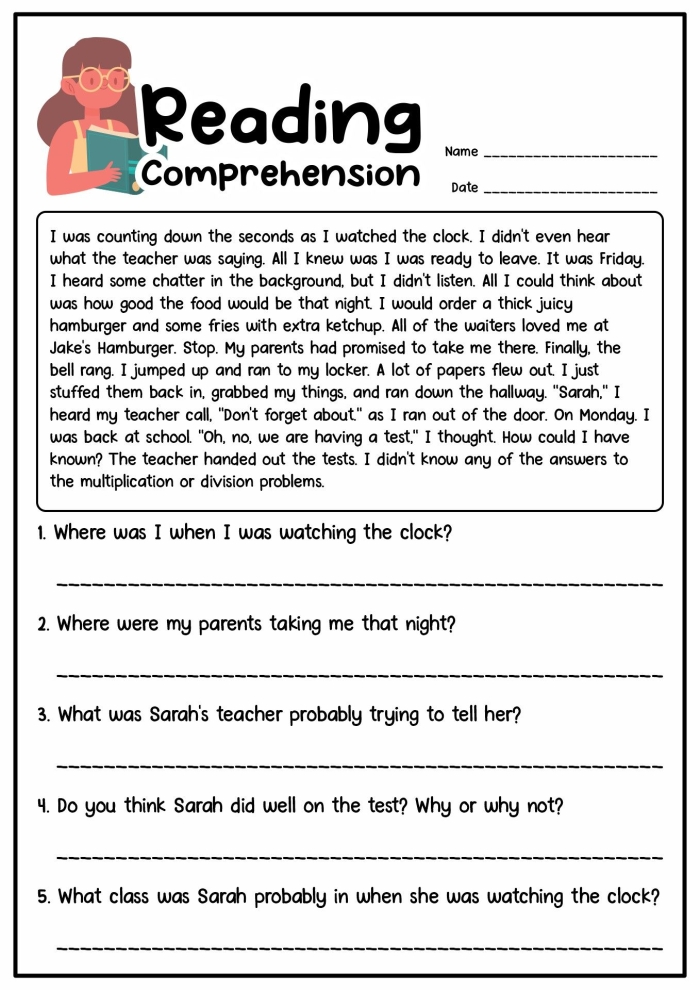
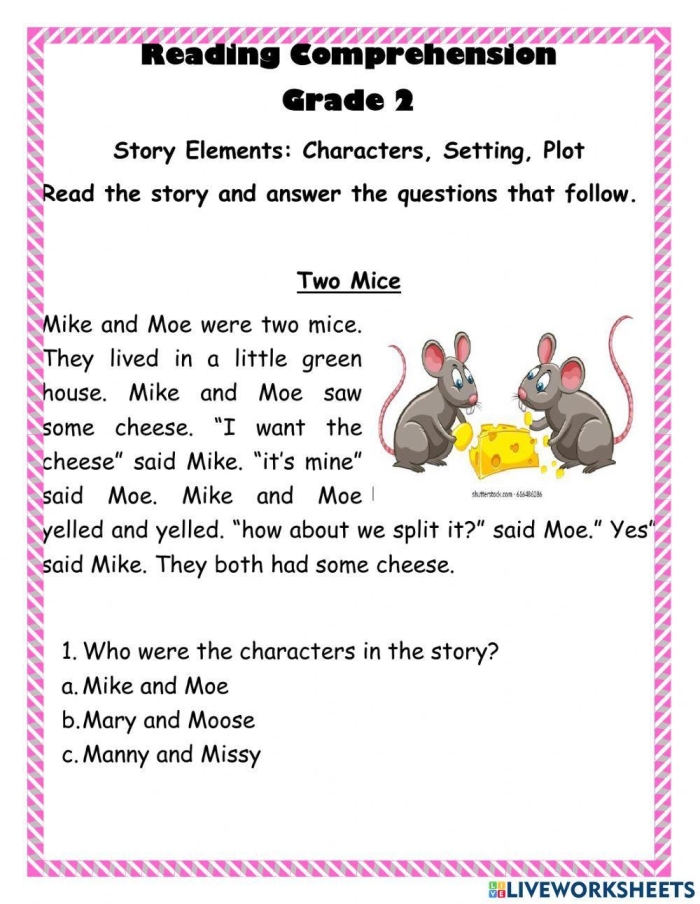
For those looking for additional resources, there are many printable story comprehension worksheets available that provide structured story maps. These worksheets can serve as a great starting point to help your child practice this technique at home.
Start Practicing with These Worksheets