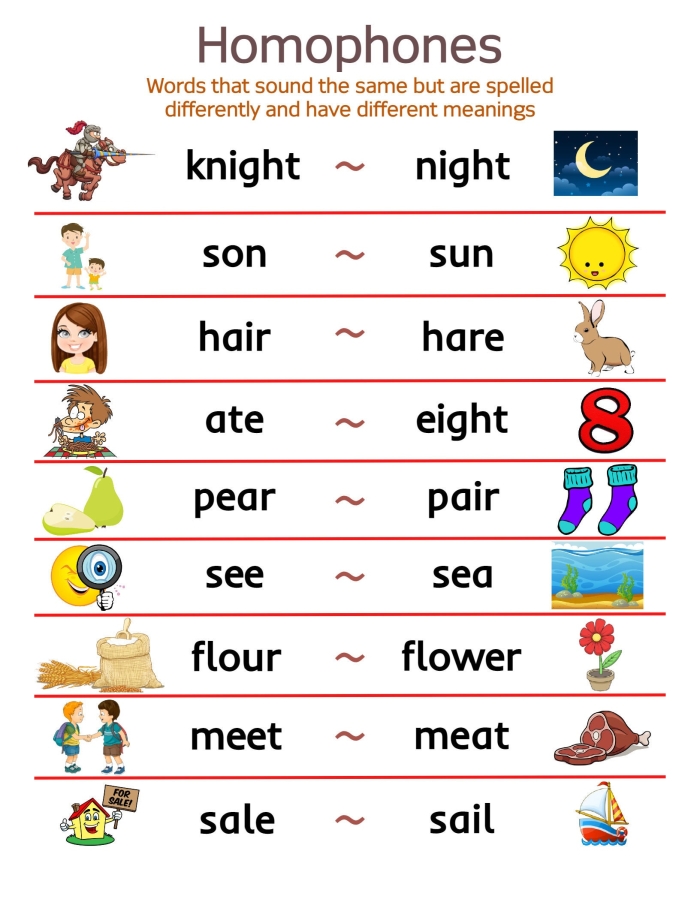
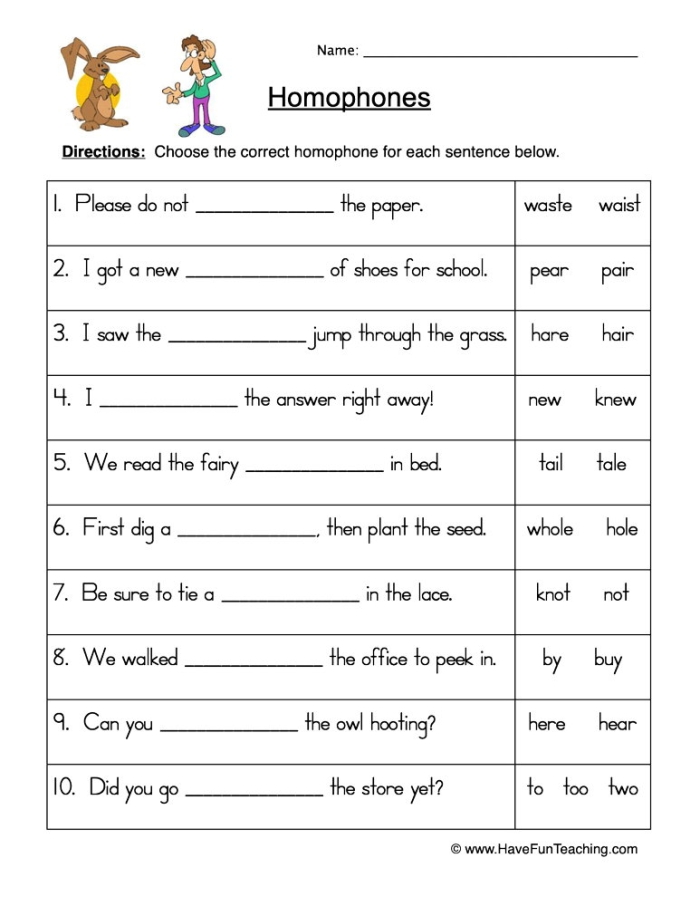
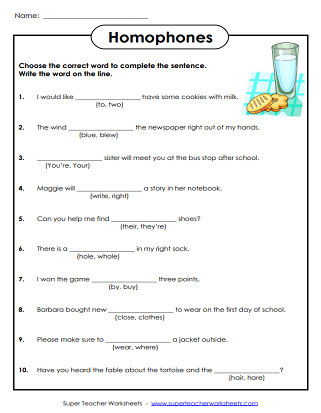
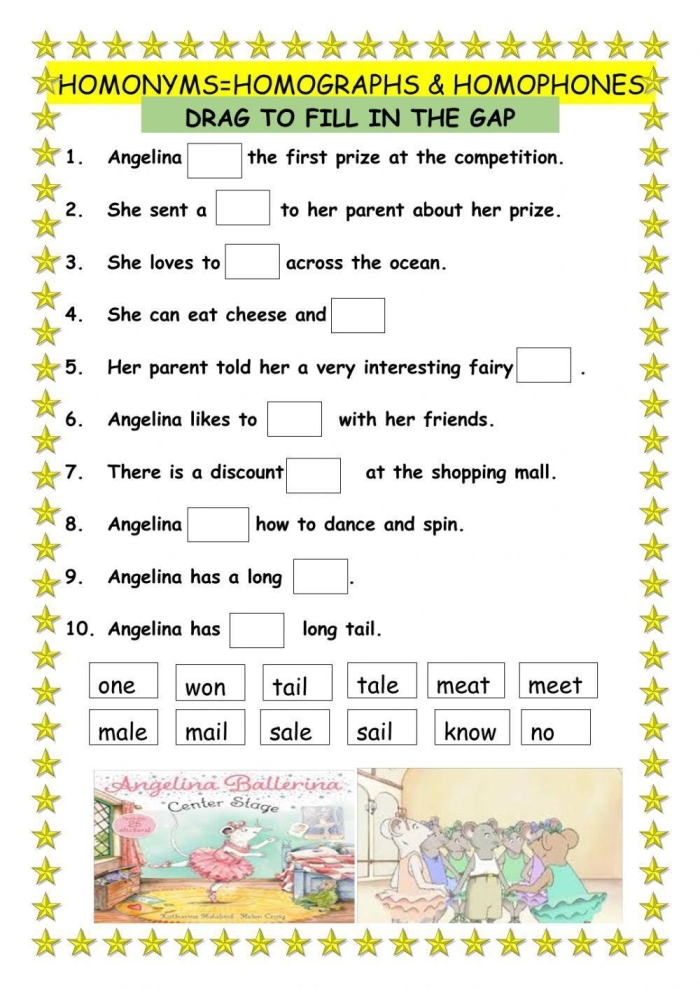
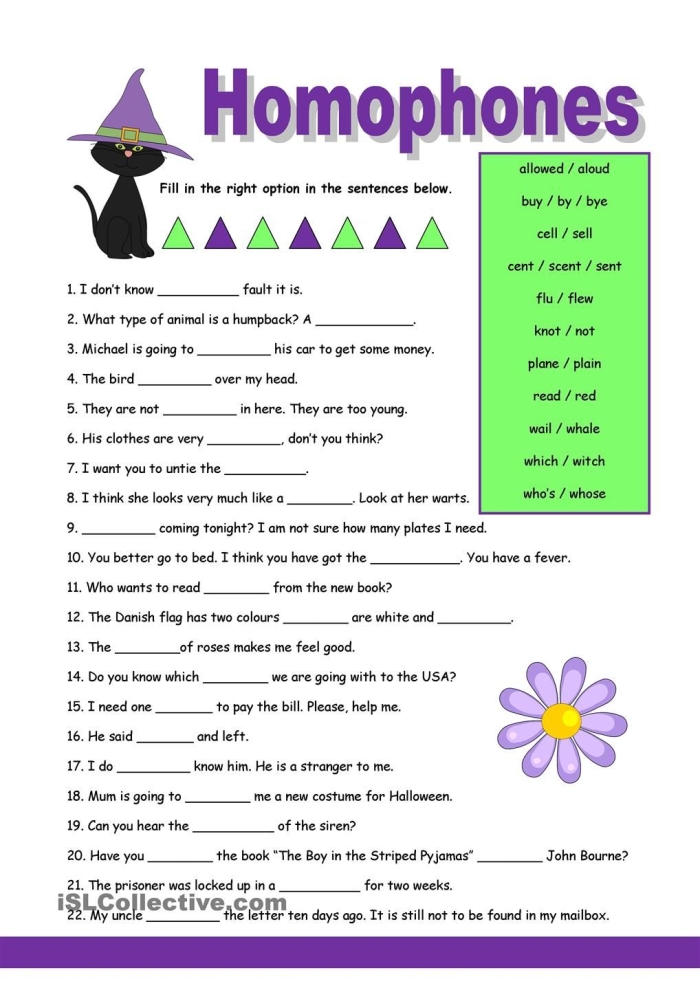
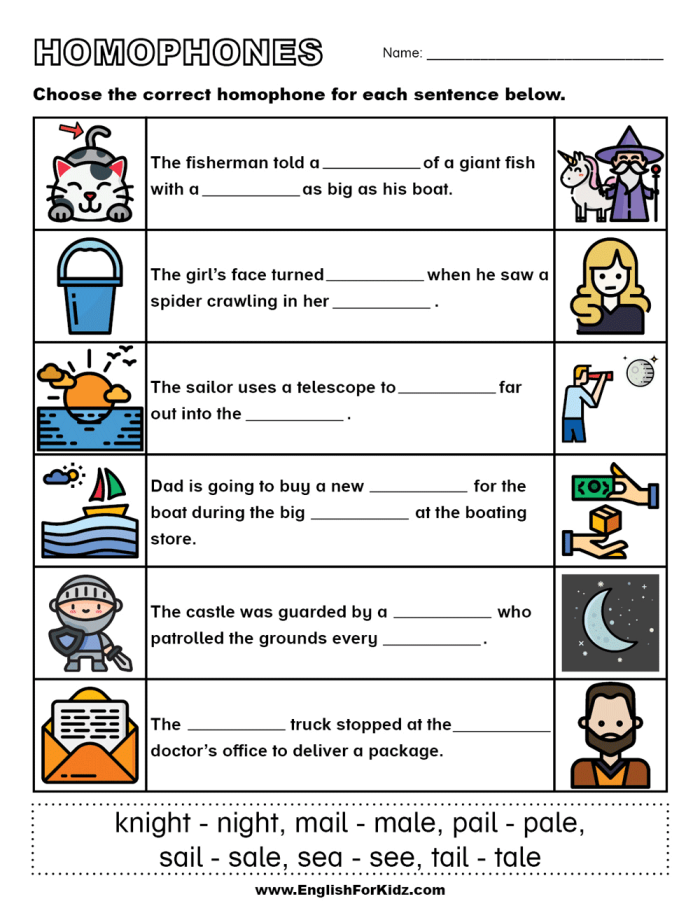
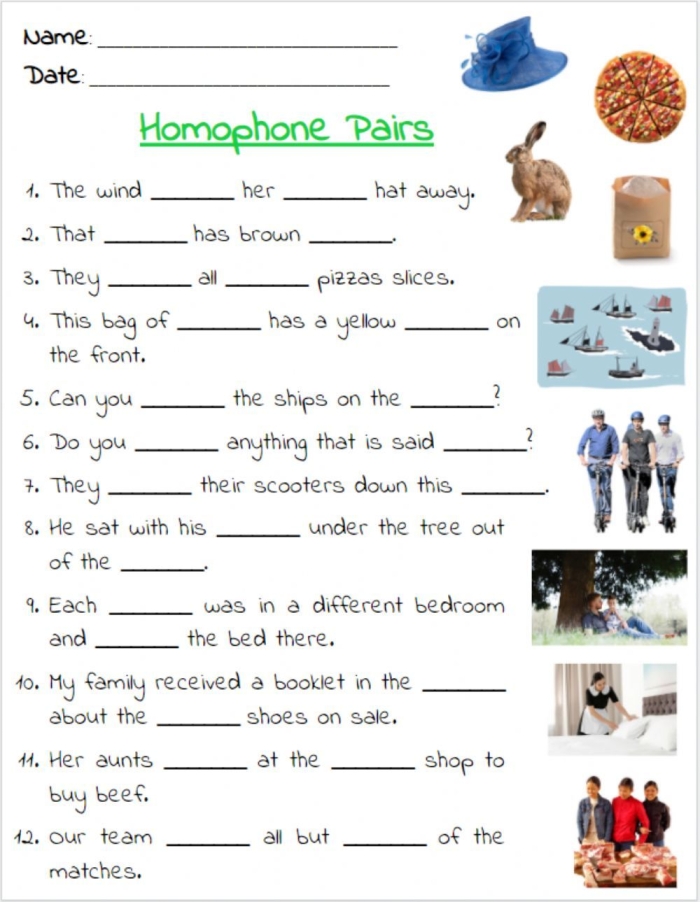
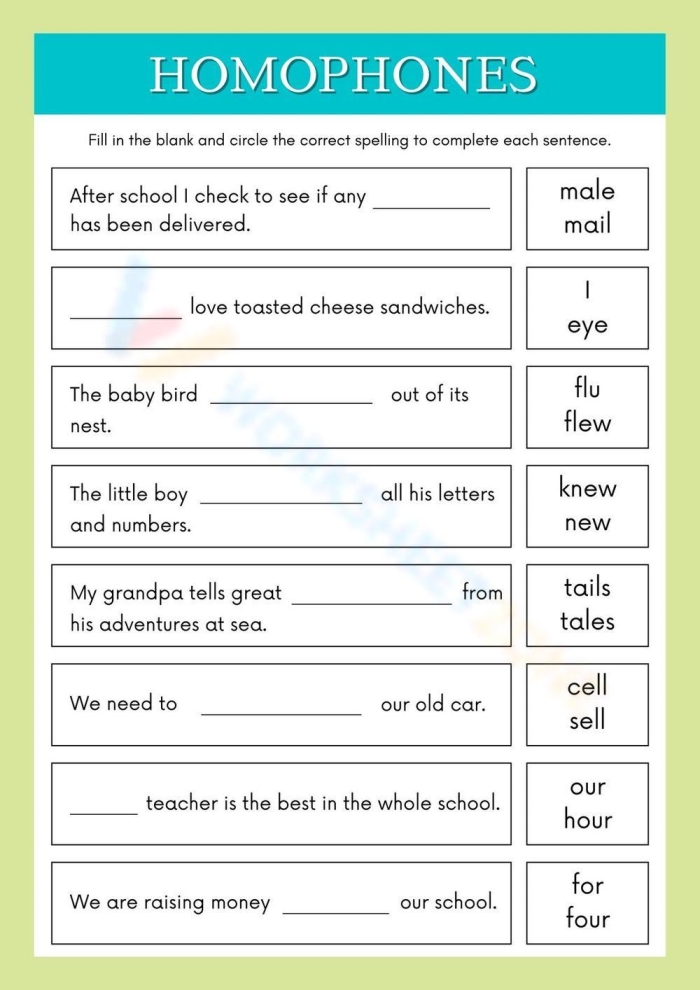
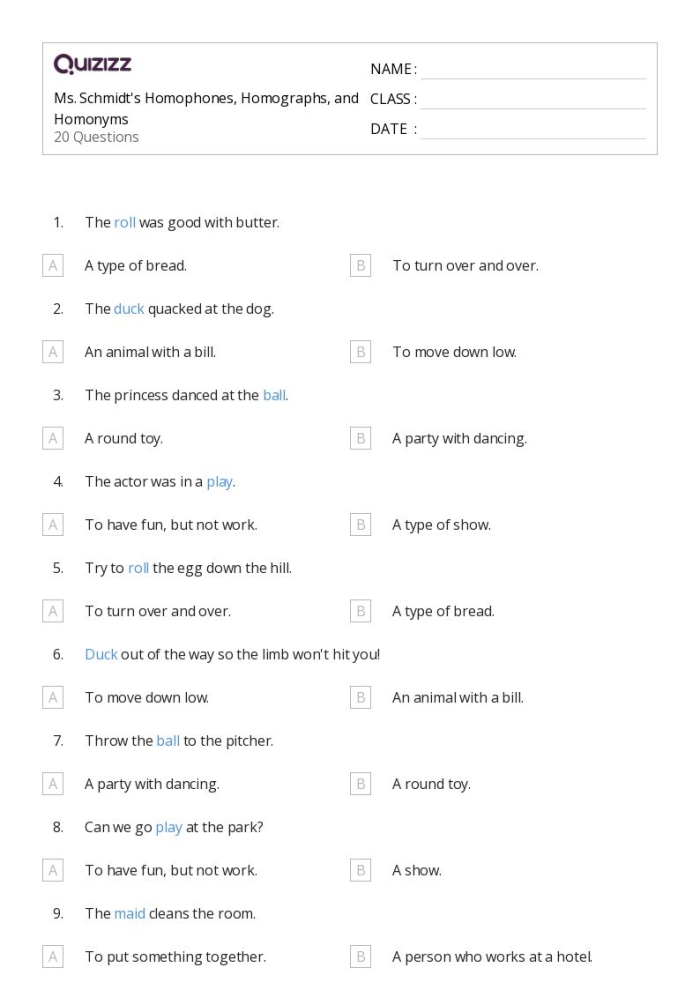
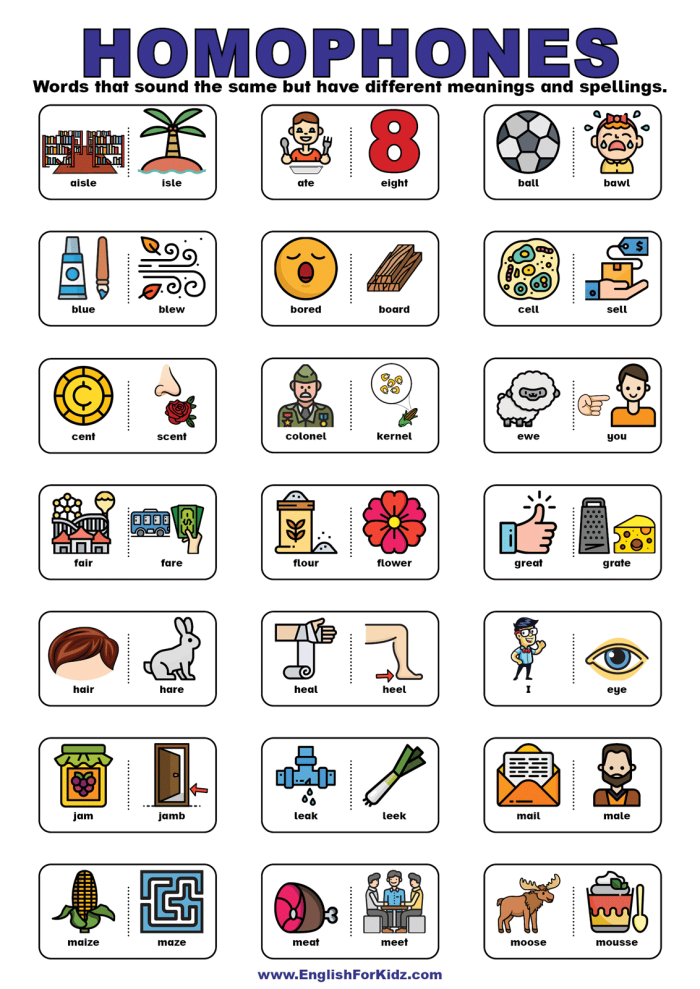
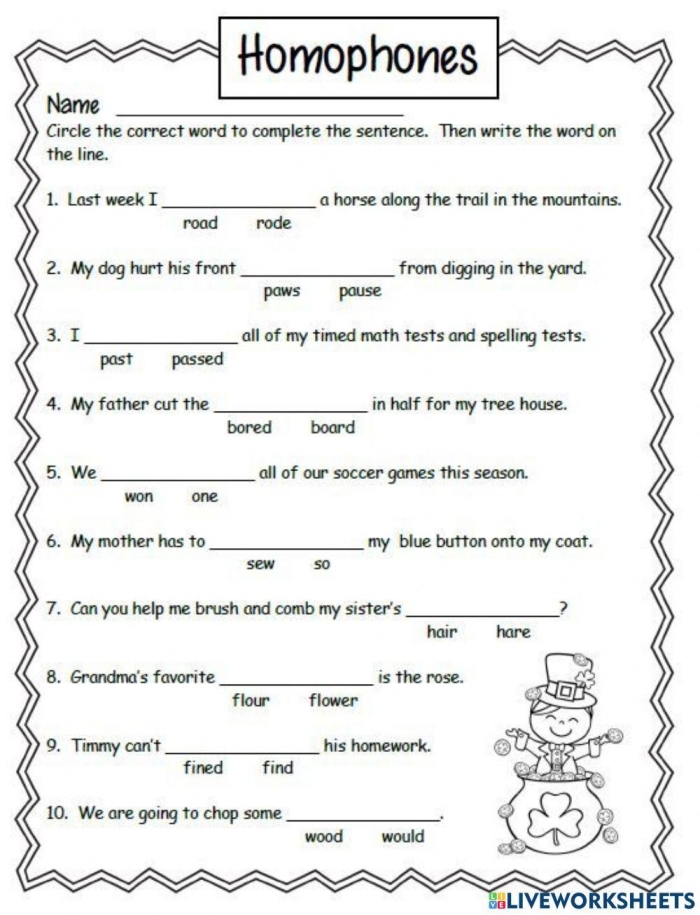
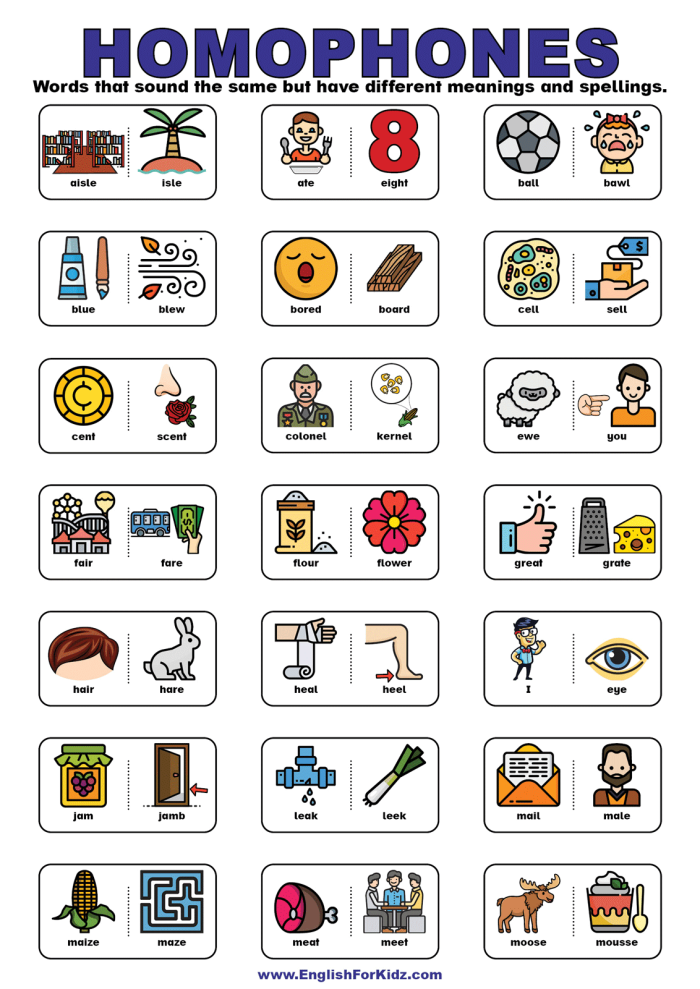
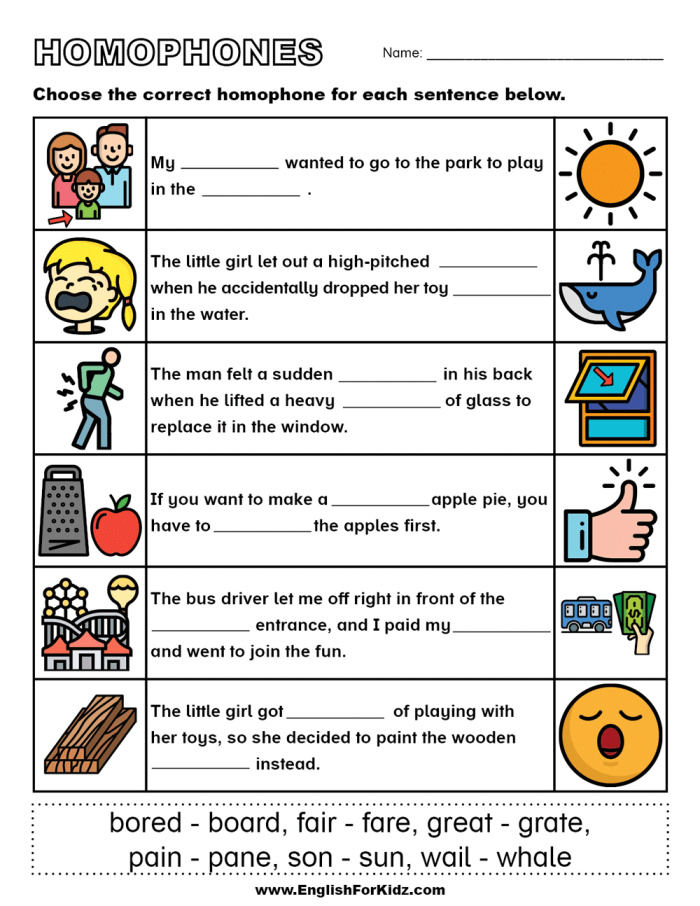
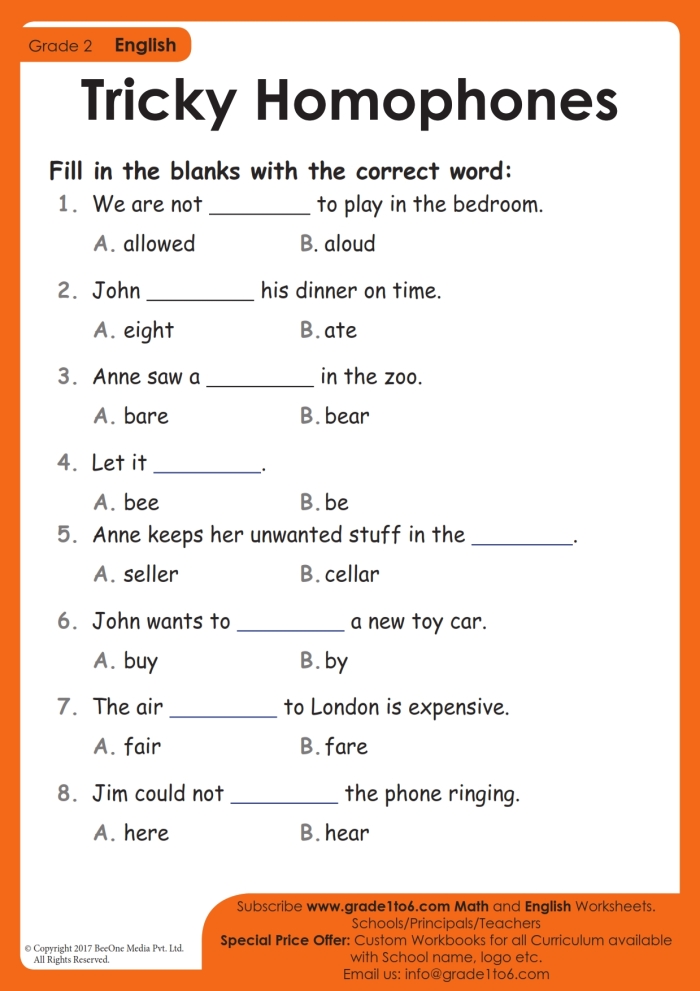
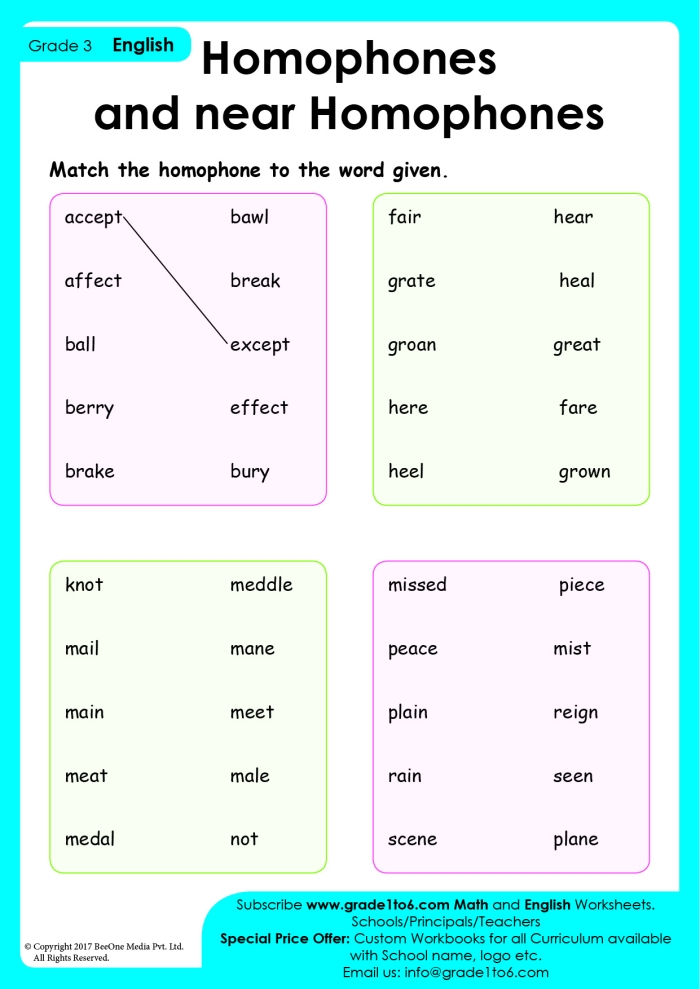
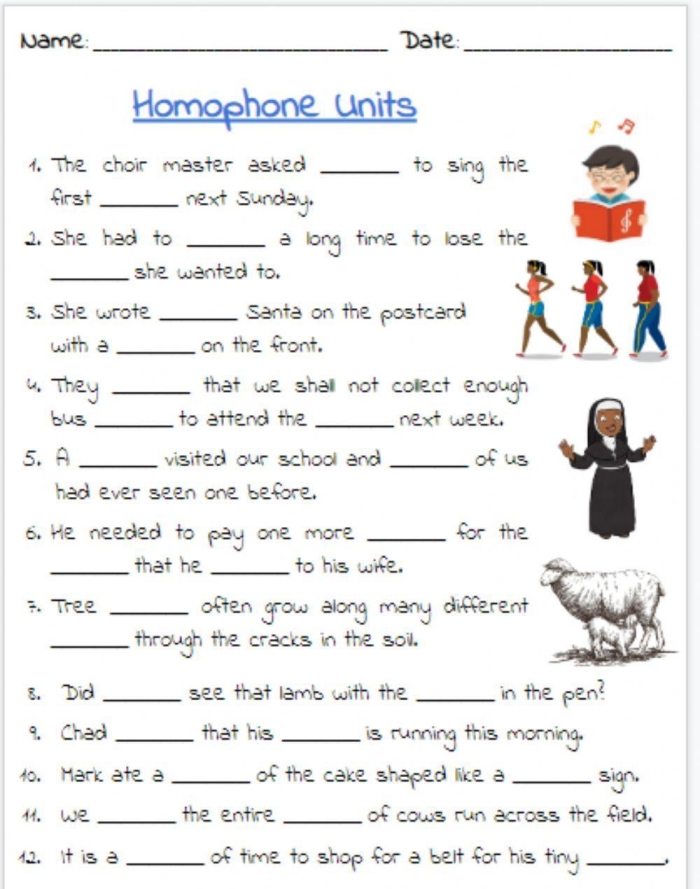
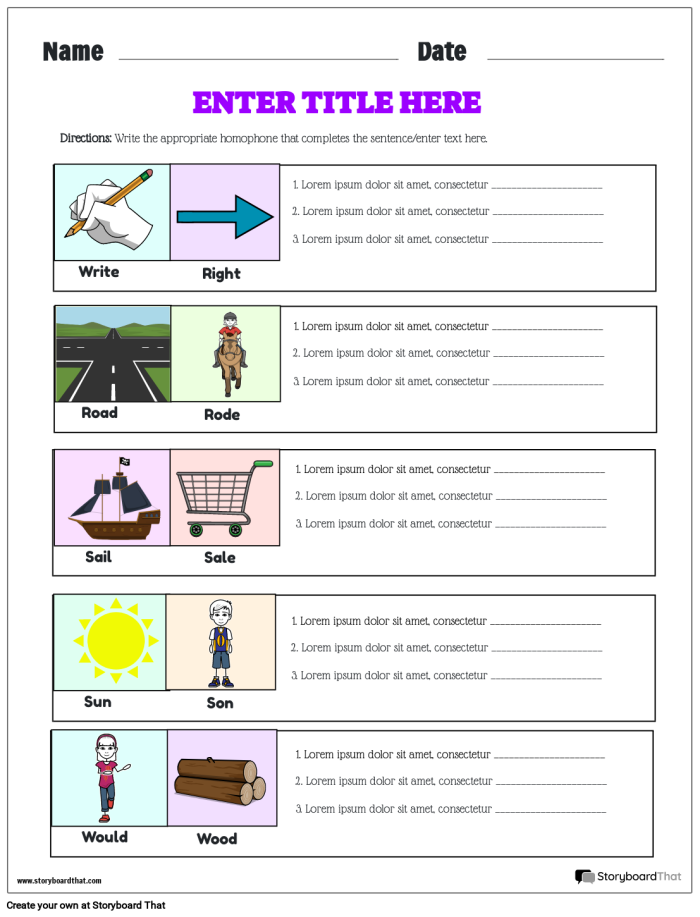
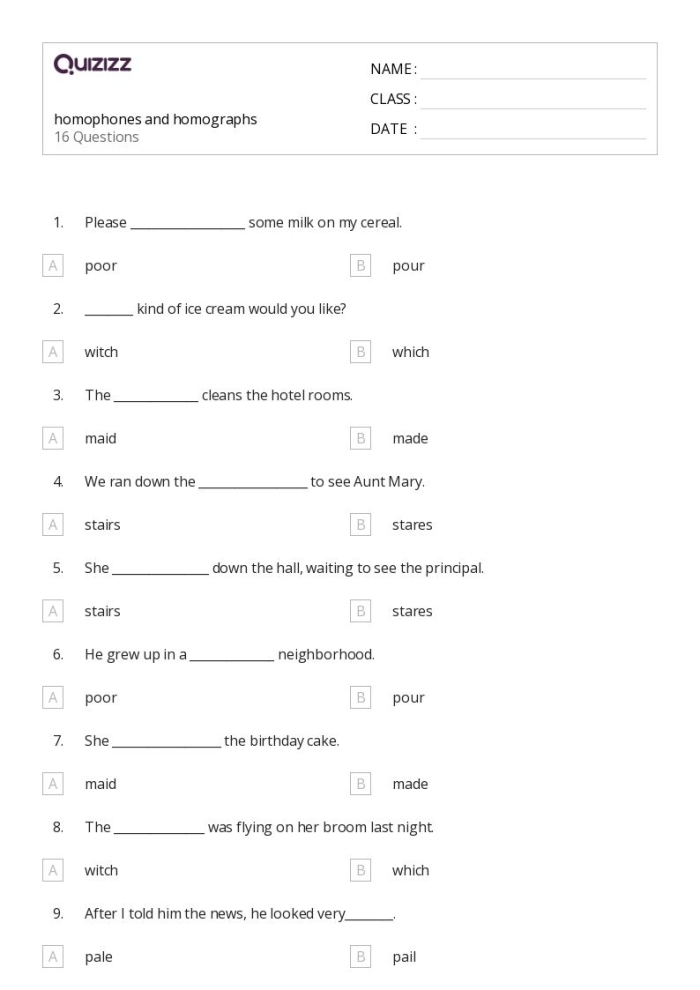
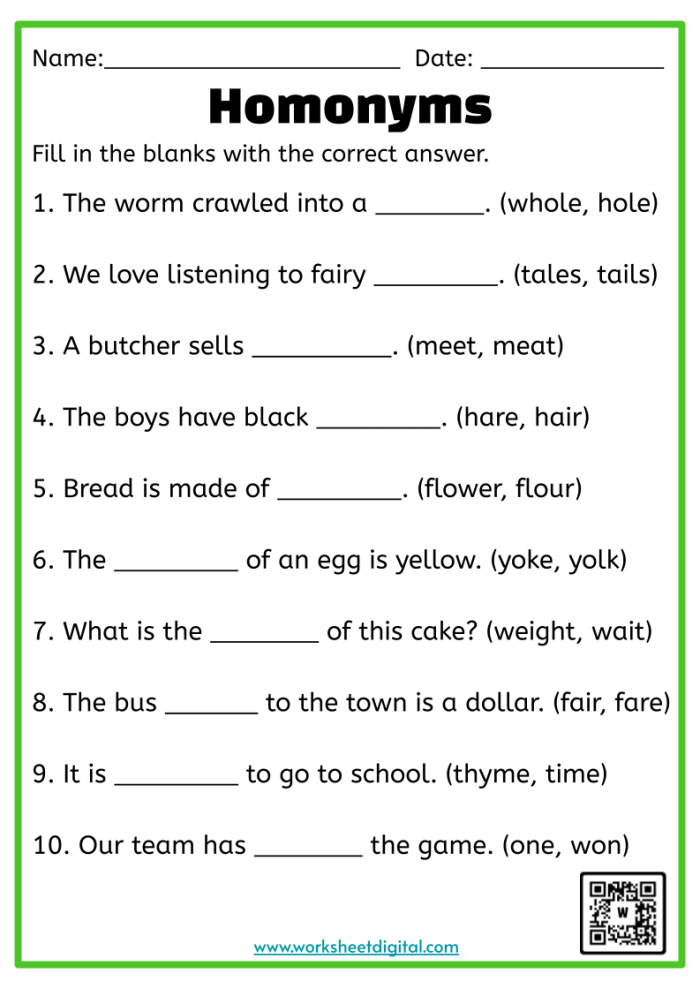
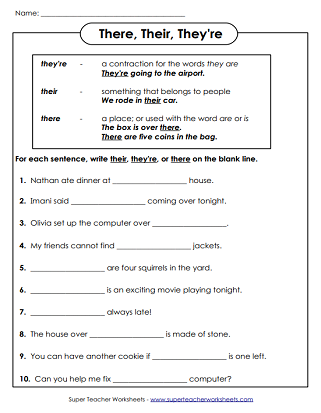
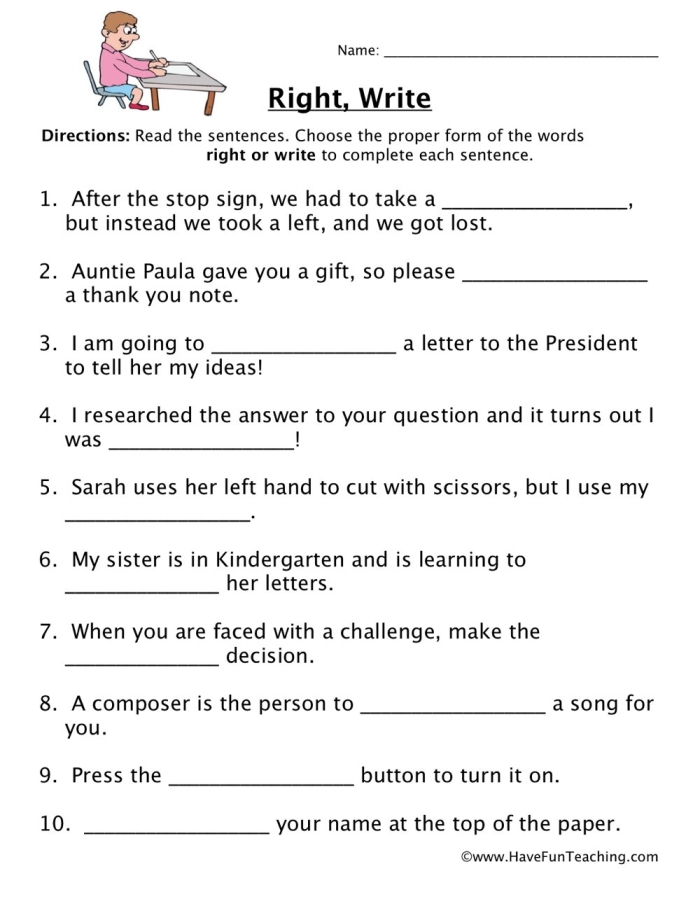
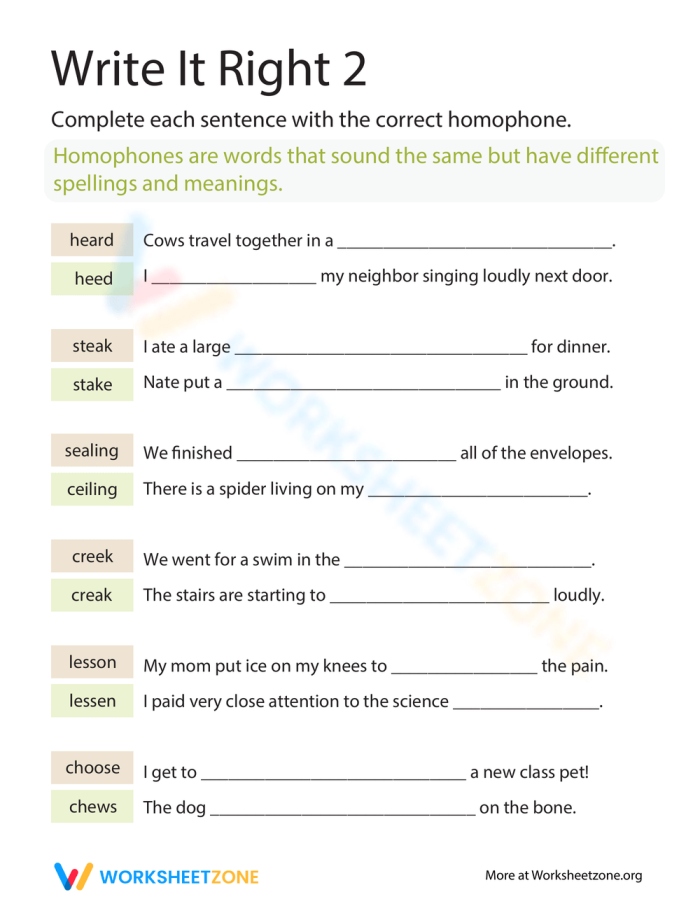
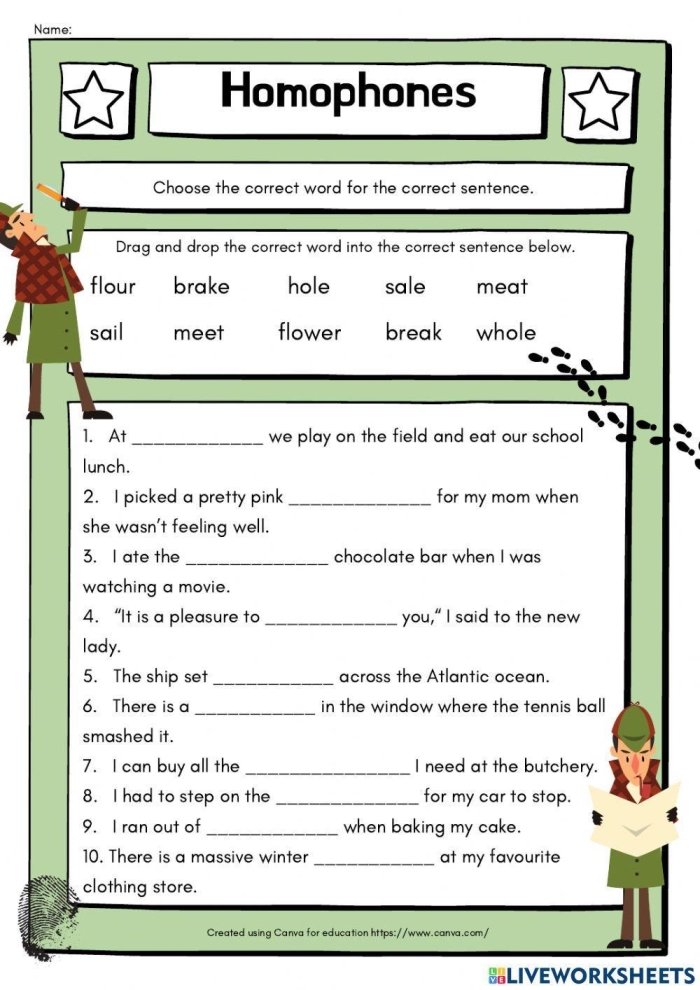
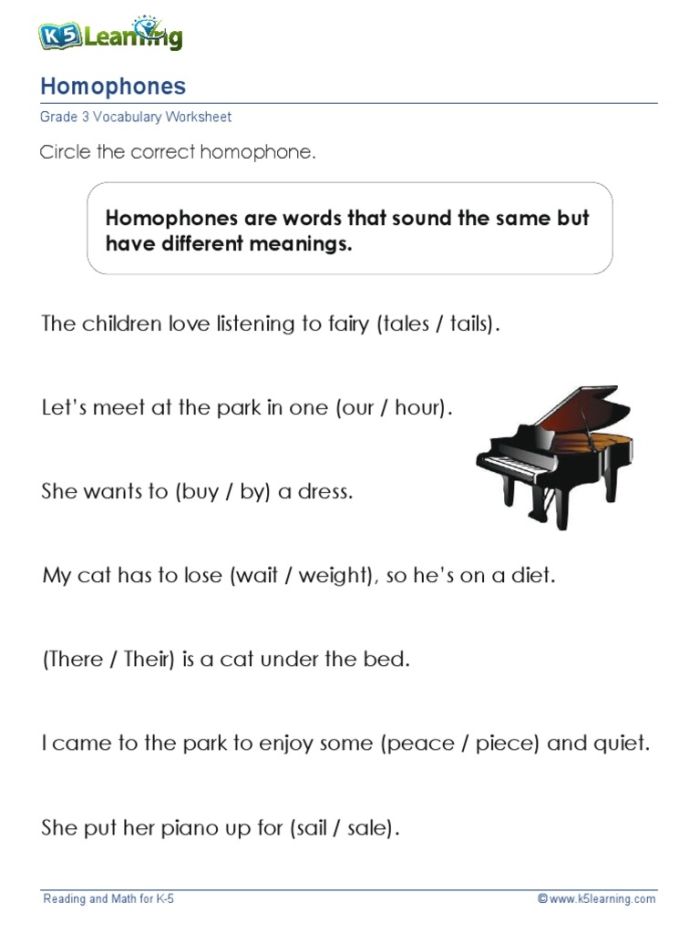
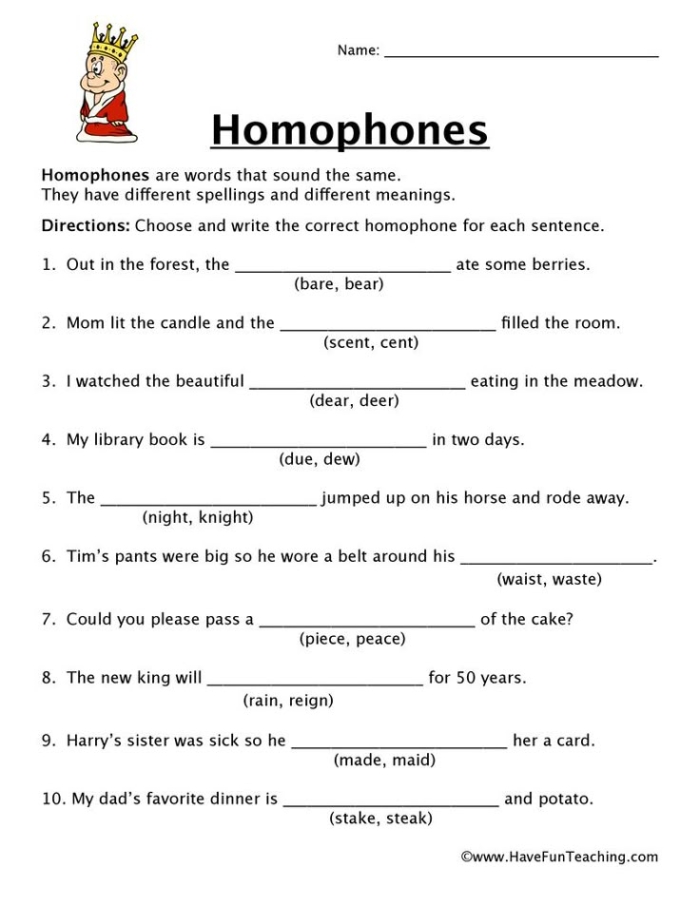
Homophones can be a fun and challenging aspect of language for third graders to explore. In a recent reading worksheet titled “Homophones: Write It Right 1,” students engage with words that sound alike but have different meanings and spellings. This exercise not only enhances their vocabulary but also sharpens their understanding of context, a crucial skill in reading comprehension.
Imagine a sentence where a child might write, “The bare tree was covered in snow.” Here, “bare” means uncovered, while “bear” refers to the animal. Such examples highlight the importance of choosing the correct homophone to convey the intended message. When children complete sentences with the right words, they gain confidence in their writing abilities and develop a keener sense of language.
Using worksheets like these is particularly beneficial in the third grade, where students are transitioning from learning to read to reading to learn. By incorporating homophones into their practice, children can improve their spelling and expand their vocabulary in an engaging way. The worksheets encourage them to think critically about word choice, which is essential for effective communication.
Additionally, homophones can be tied into other subjects, such as measurement. For instance, while completing a homophone worksheet, a student might encounter phrases like “the weight of the cake” and “the wait for it to bake.” This dual focus on language and measurement helps reinforce learning across different subjects, making it a versatile tool in the classroom.
For educators seeking more resources, there are various options available, such as animal word searches, simple sentence writing exercises, and times table practice. Incorporating these diverse activities can enhance students’ learning experiences while solidifying their understanding of homophones.
Grab These Worksheets Now