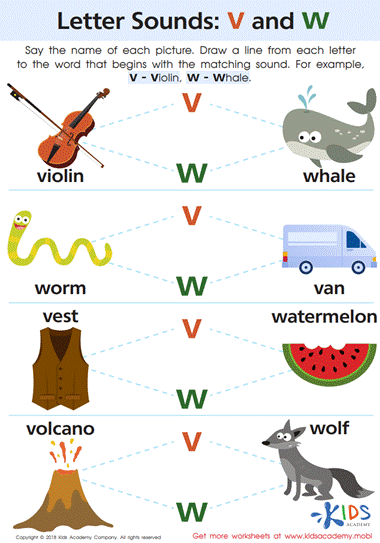
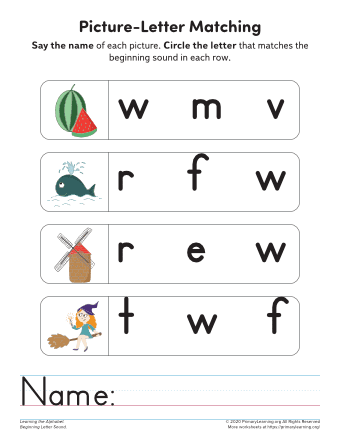
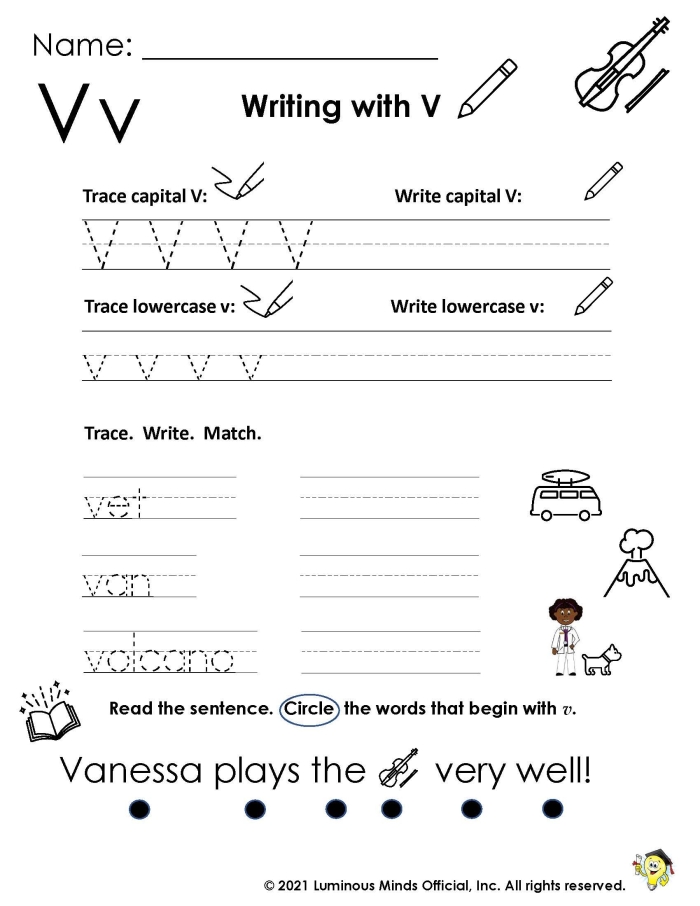
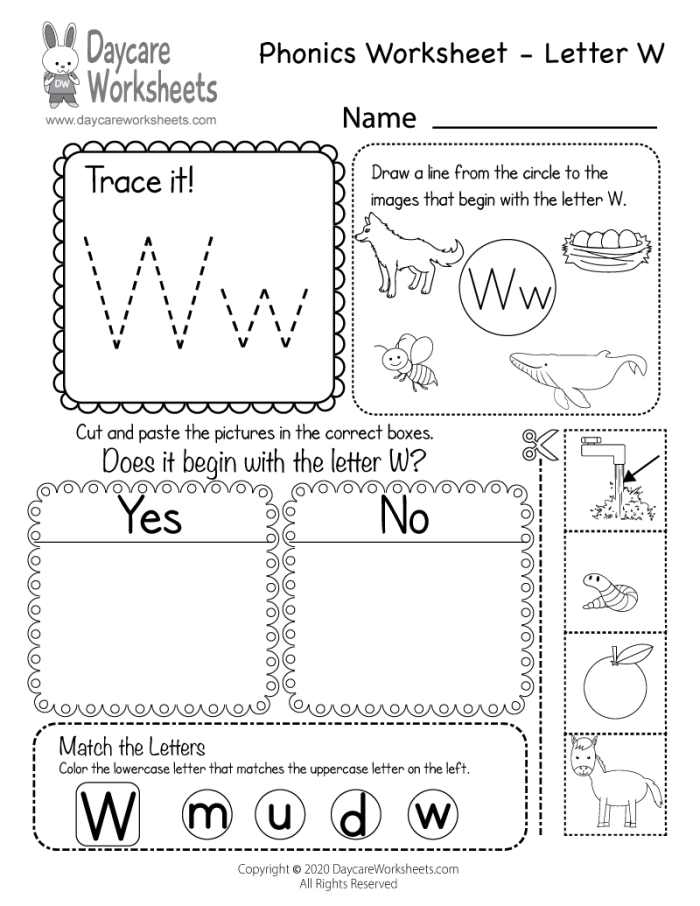
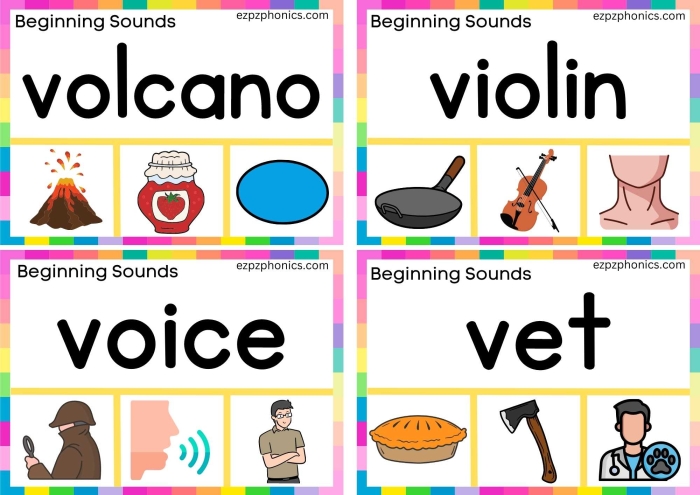
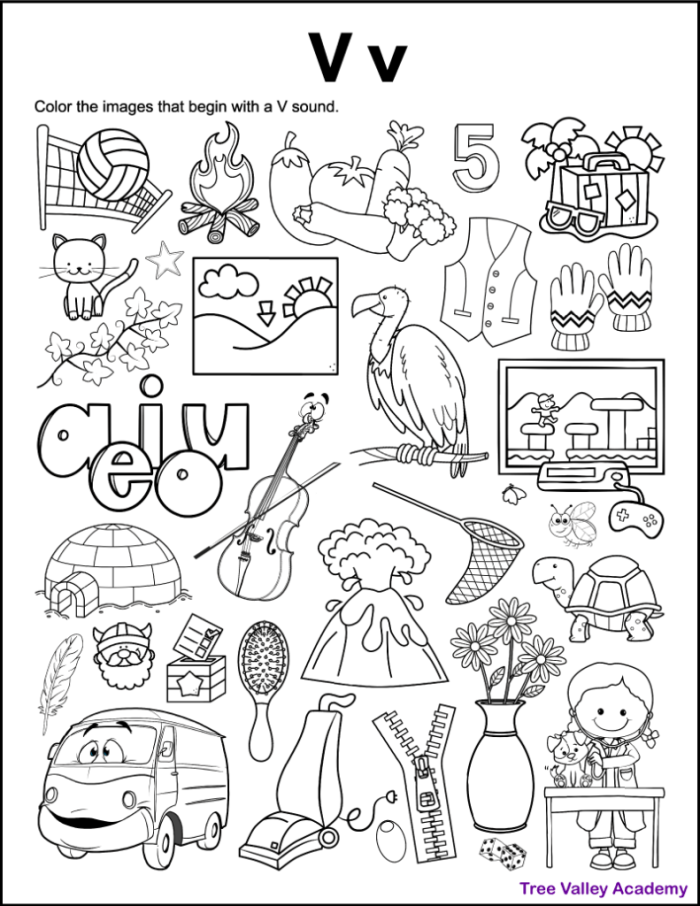
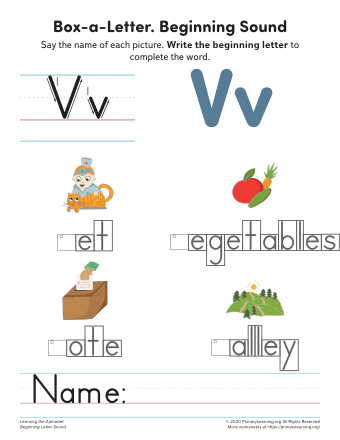
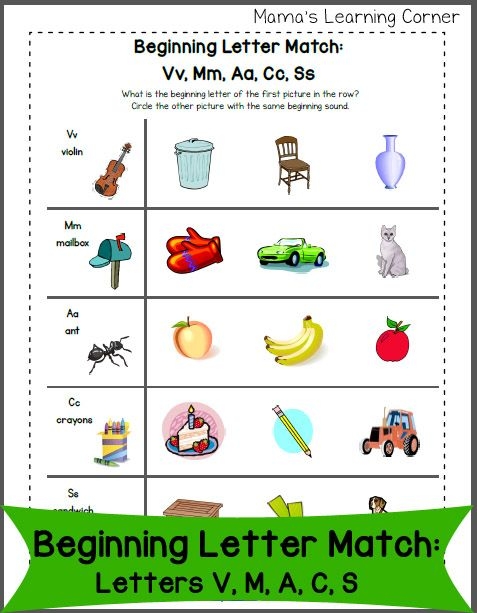
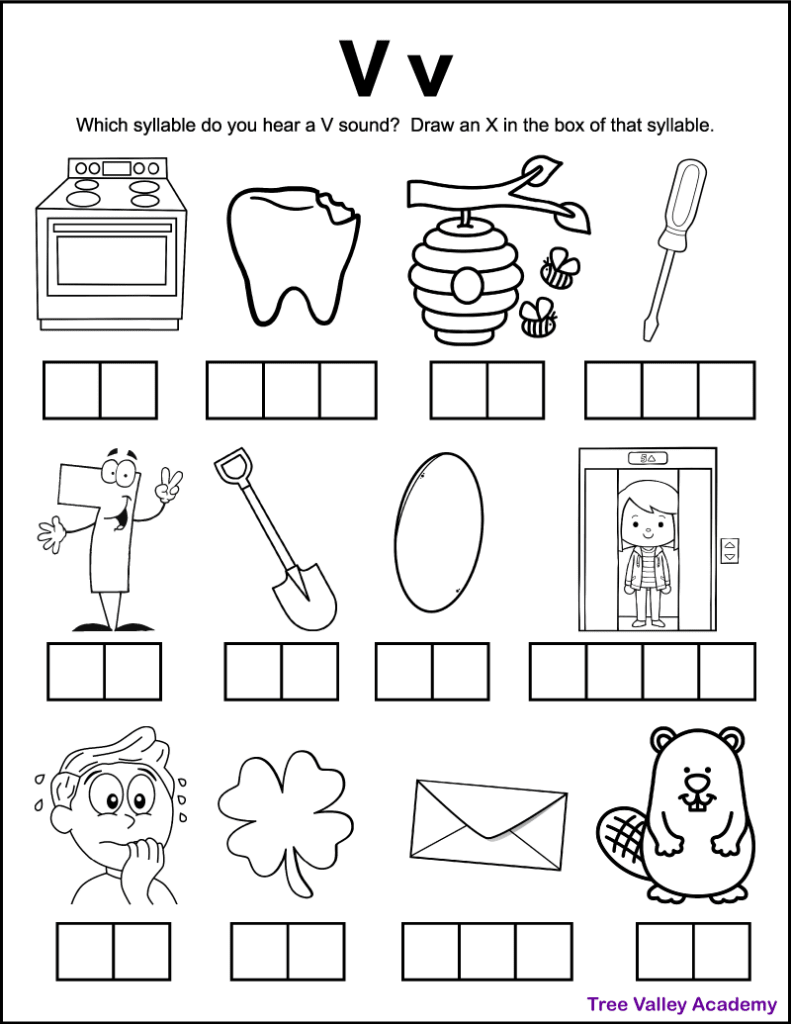
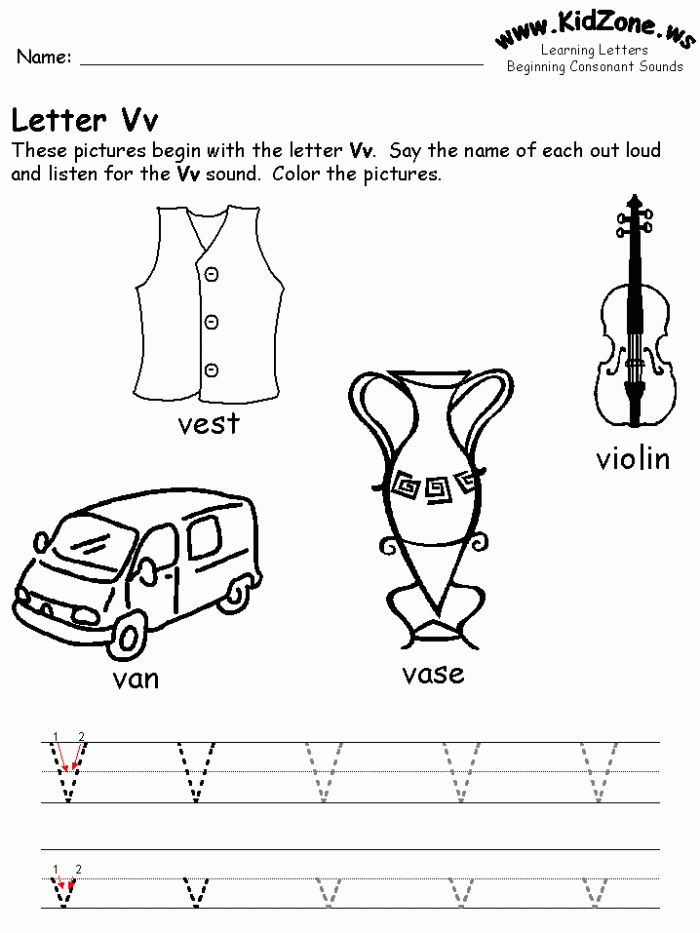
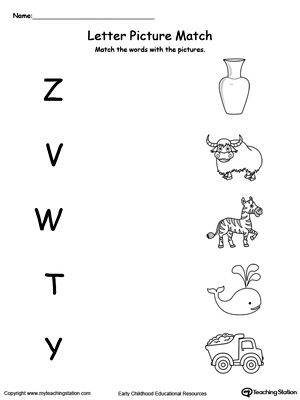
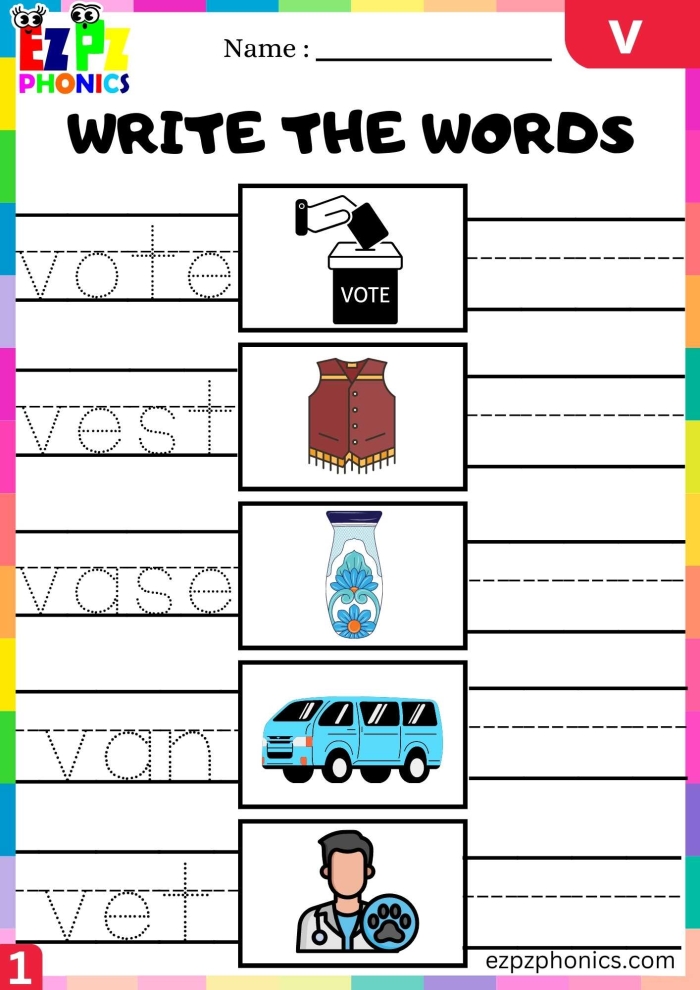
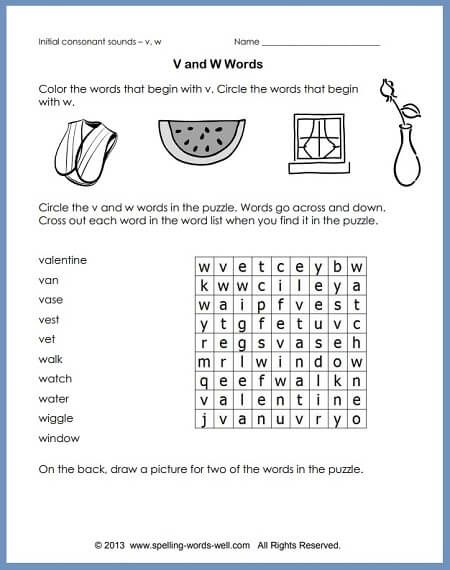
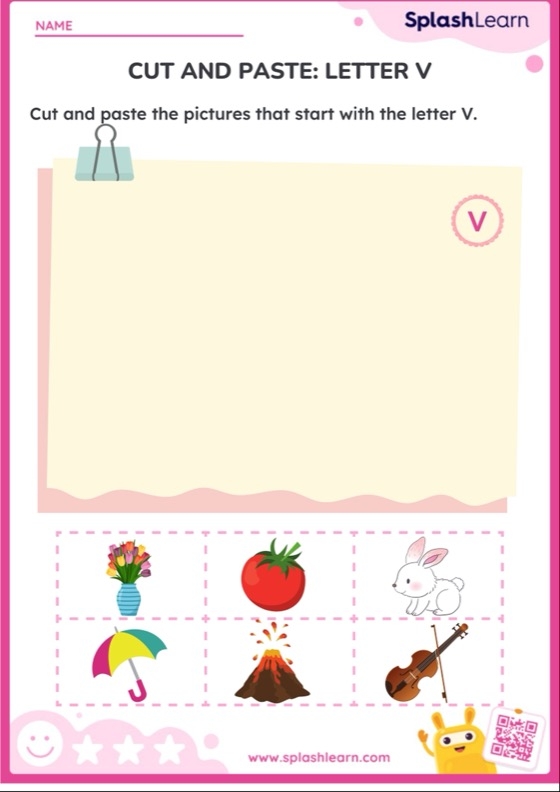
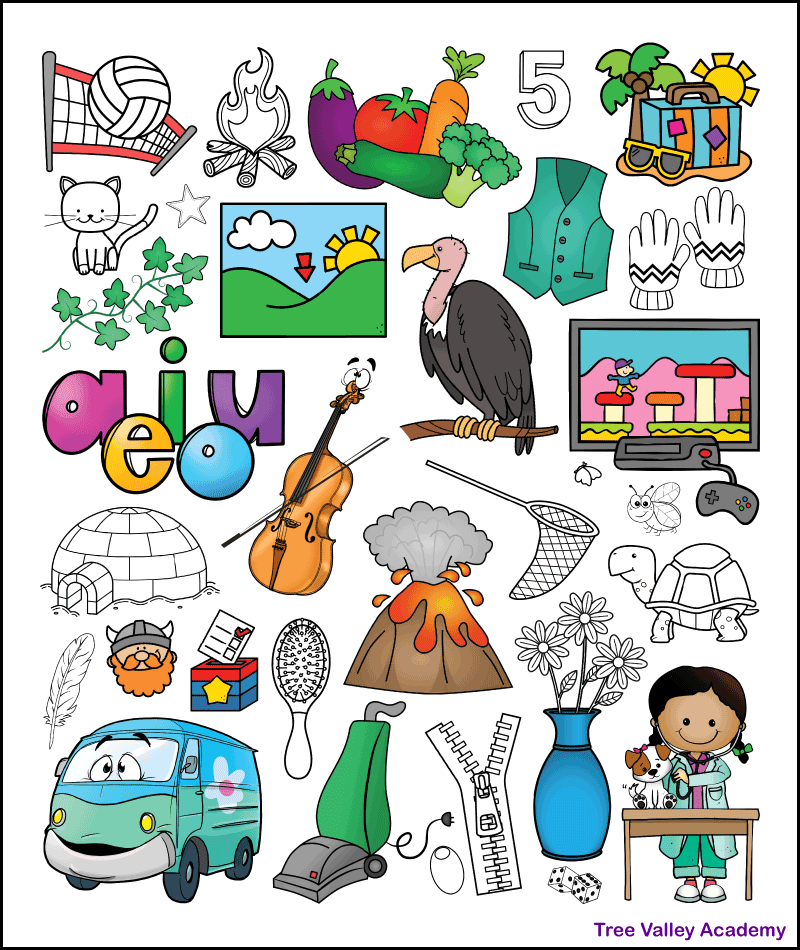
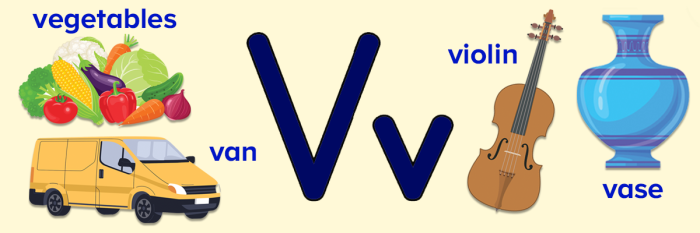
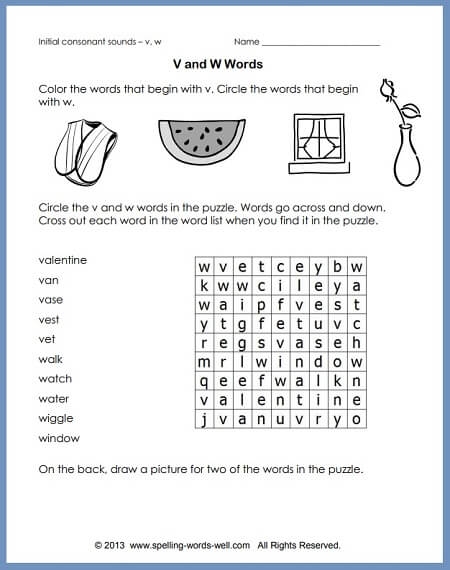
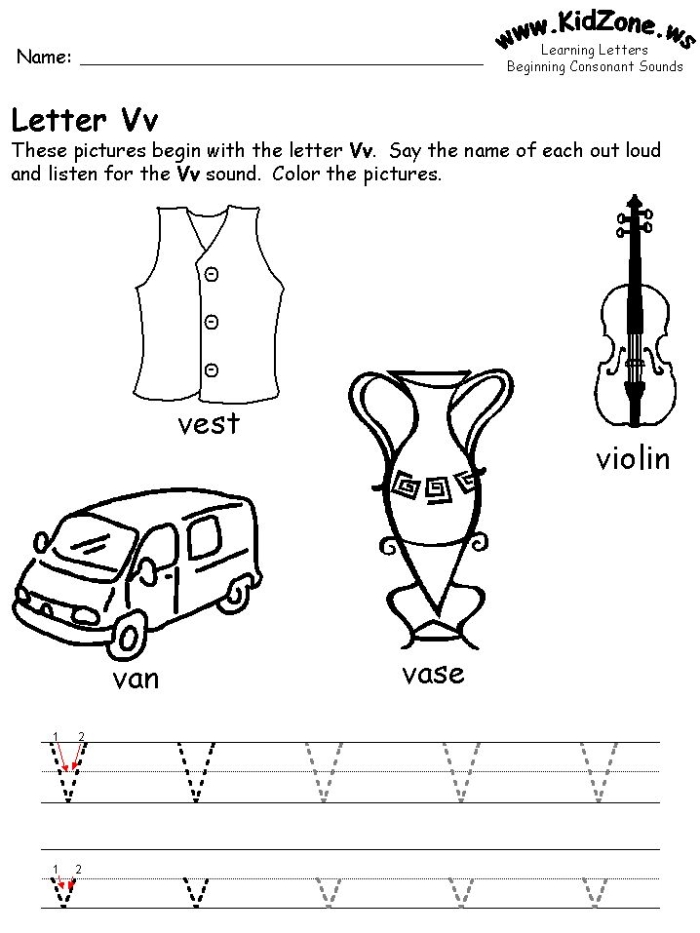
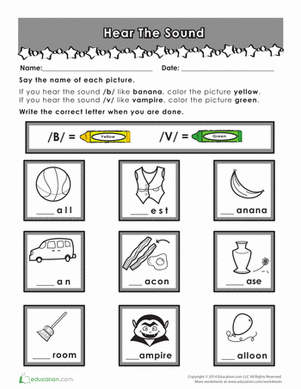
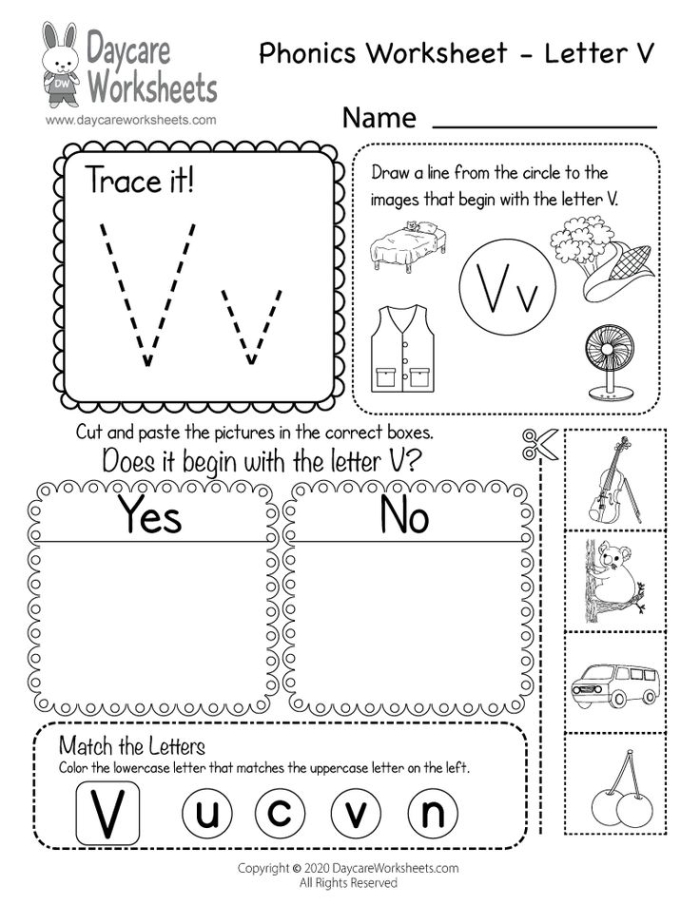
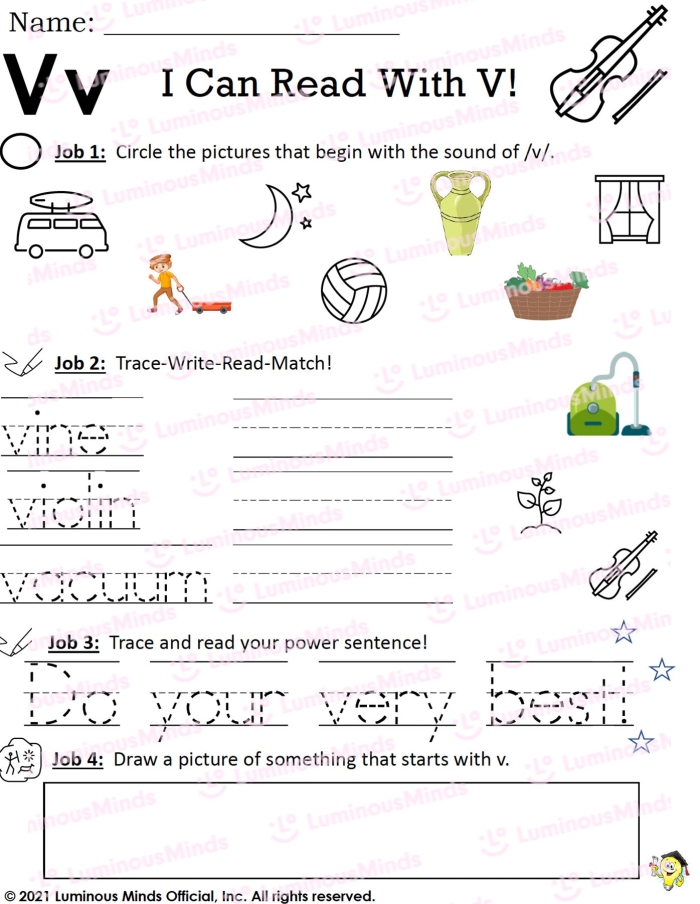
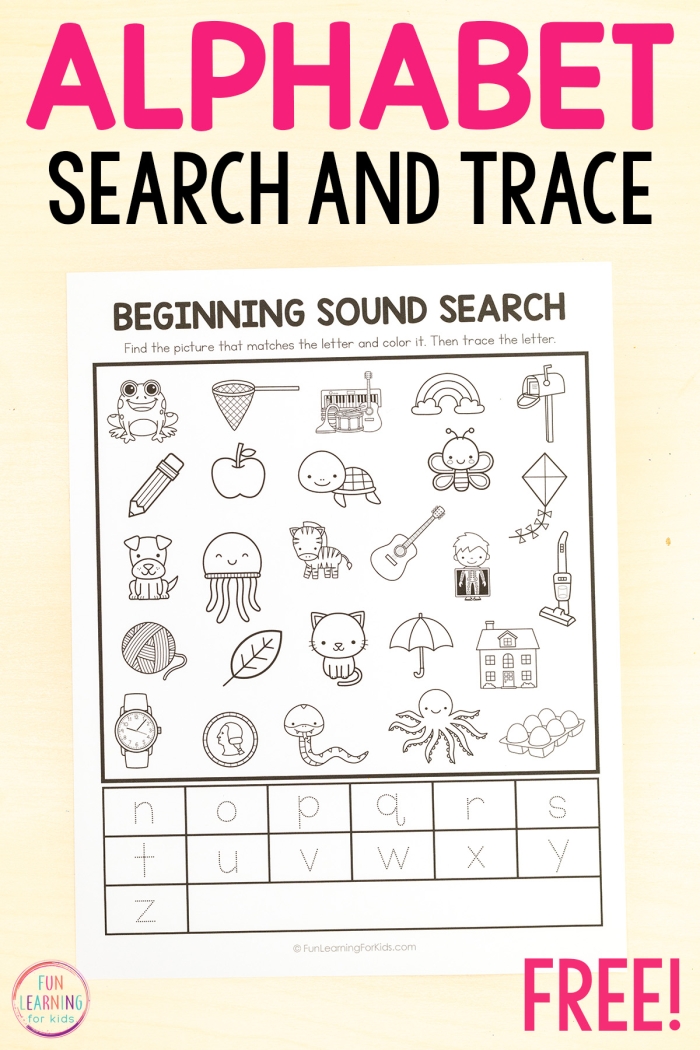
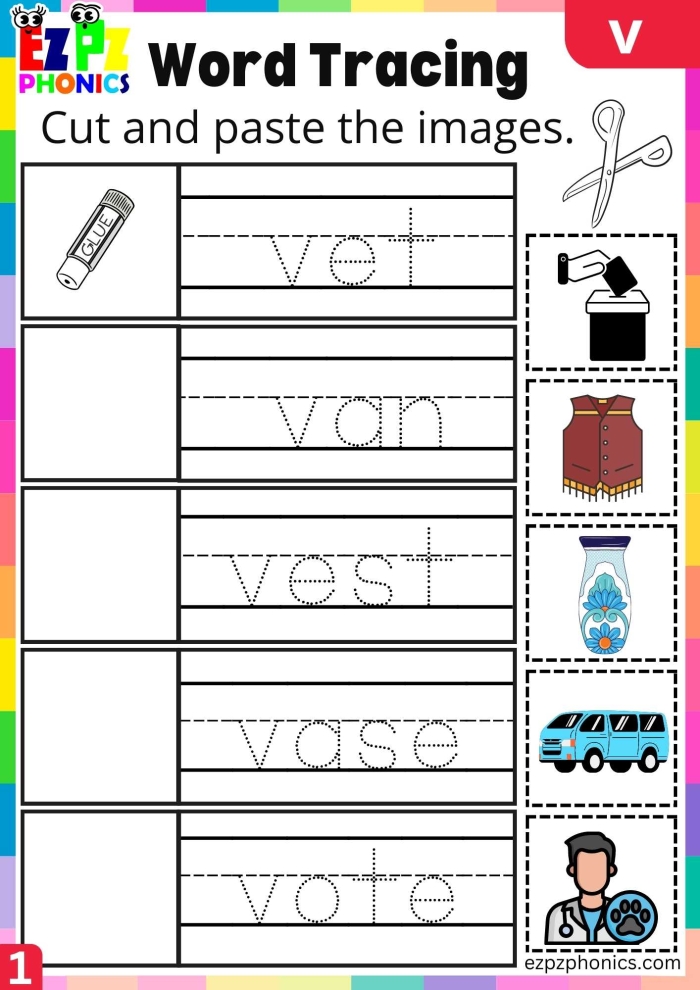
When young learners first encounter the words walrus, weasel, and vulture, they’re stepping into one of phonics’ most practical lessons: recognizing that different letters can sound completely different at the start of a word. This distinction between W and V sounds forms the foundation of early reading skills, and a simple coloring activity makes it stick.
The W sound, as in walrus and weasel, comes from rounded lips creating a soft, flowing noise. Children naturally feel this when they say the words aloud. The V sound, found in vulture, requires the top teeth to rest gently on the lower lip, producing a sharper, more defined beginning. When kids physically say these words while looking at pictures, they discover the sounds live in different places in their mouth.
Coloring activities work because they combine visual learning with motor skill practice. As children color all W words red and V words blue, they’re not just filling space. They’re sorting sounds into categories, which trains their brain to recognize patterns. A Pre-K student coloring a red walrus and a blue vulture is doing phonics work without feeling like work at all.
Teachers and parents often pair these activities with related resources. Students exploring words that start with F or words that start with I benefit from the same approach. Some learners also benefit from exploring things that start with U to build broader consonant awareness, or diving deeper with comprehensive letter U lessons.
The real magic happens when children answer the original question themselves. Does walrus match weasel or vulture? Once they say the words aloud, the answer becomes obvious. That moment of discovery, where a child recognizes the pattern independently, builds confidence in their emerging reading abilities.
Try These Printable Worksheets