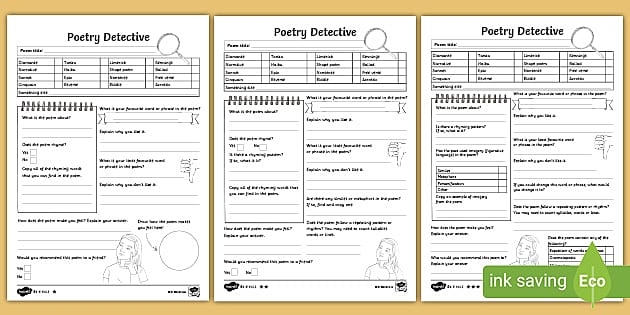
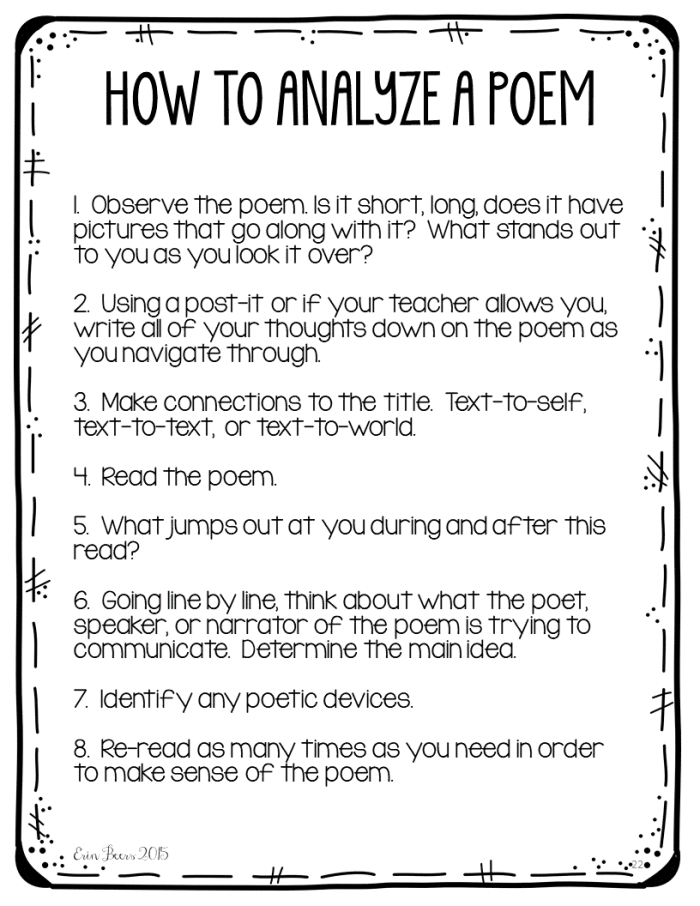
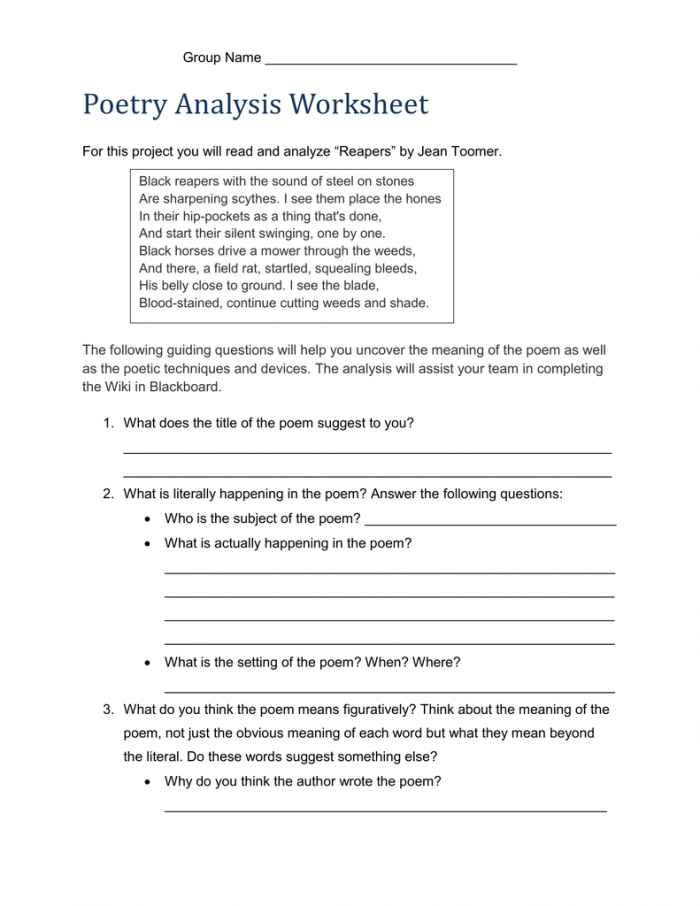
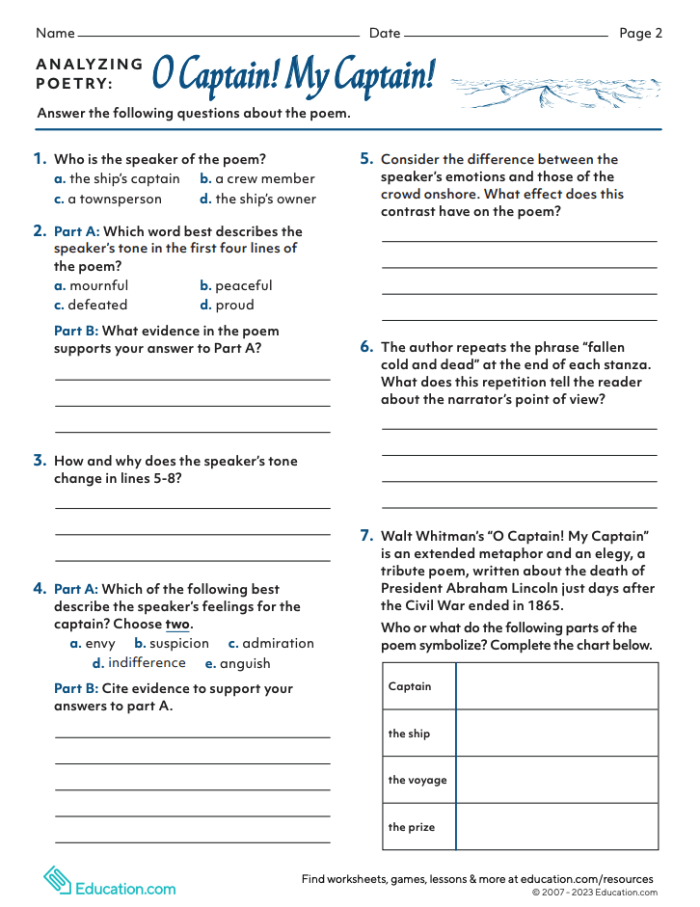
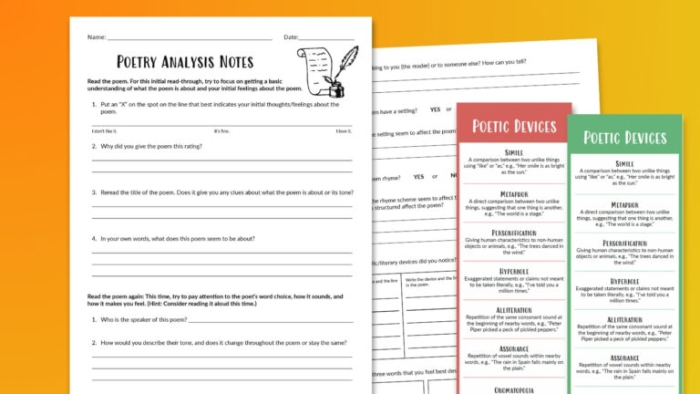
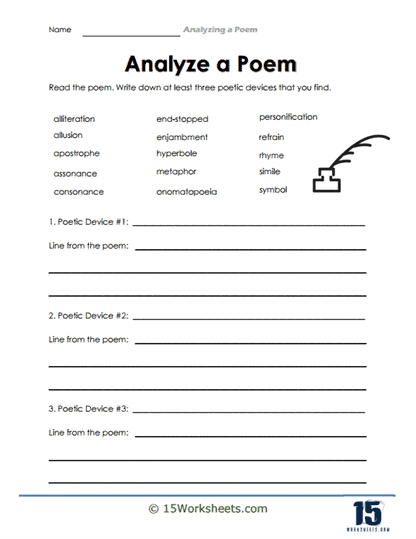
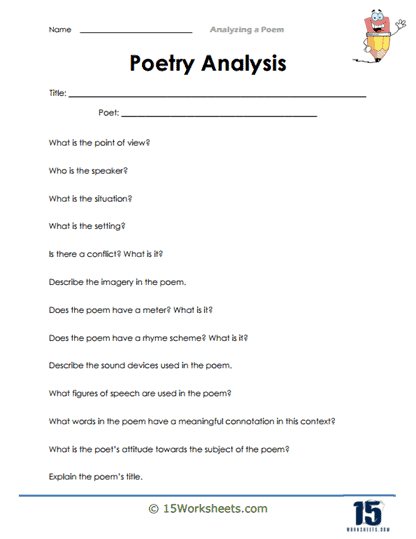
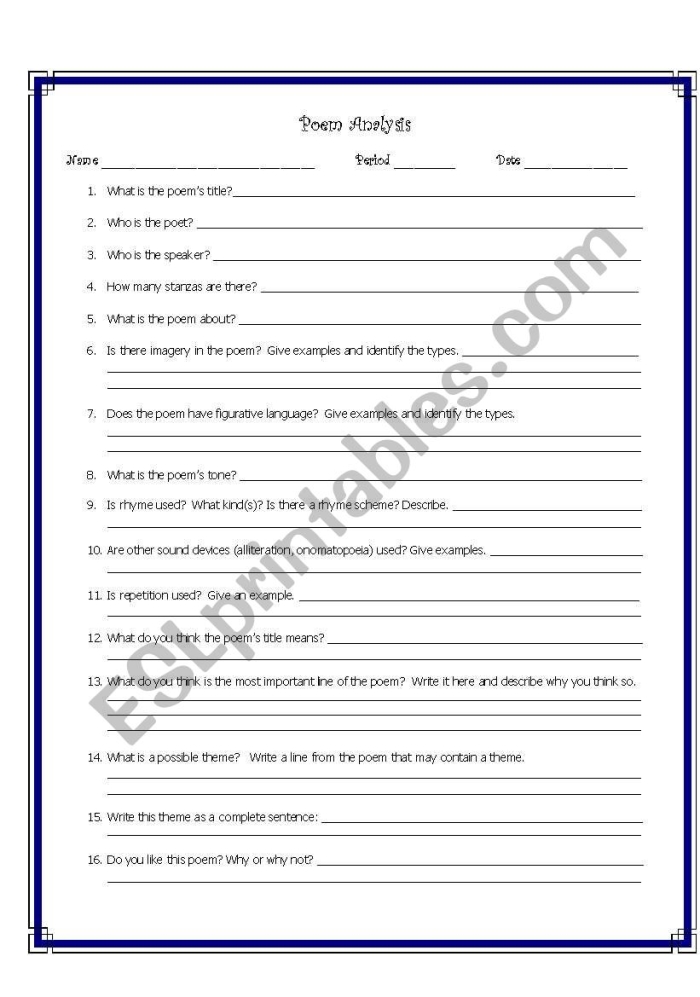
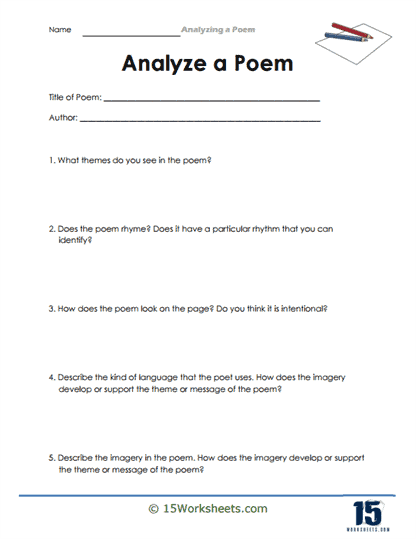
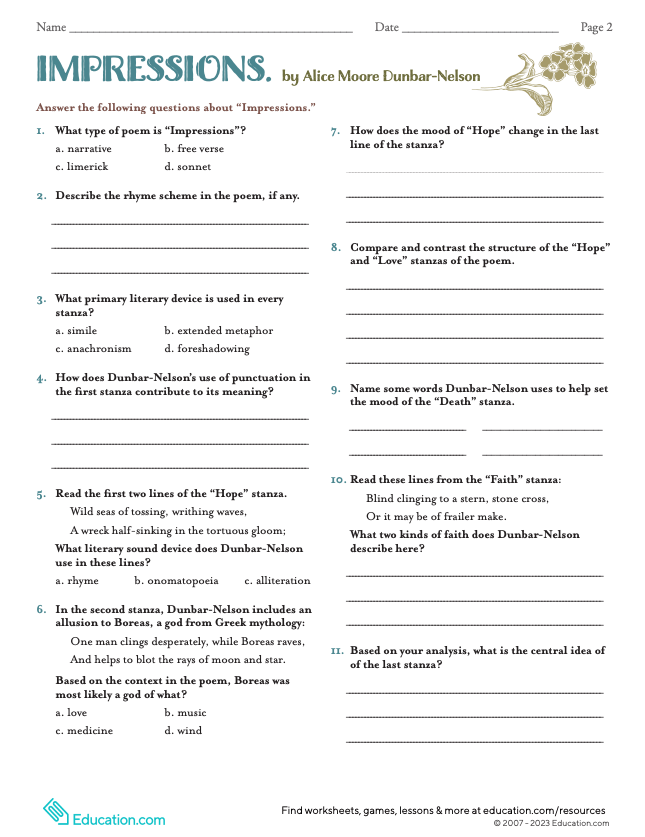
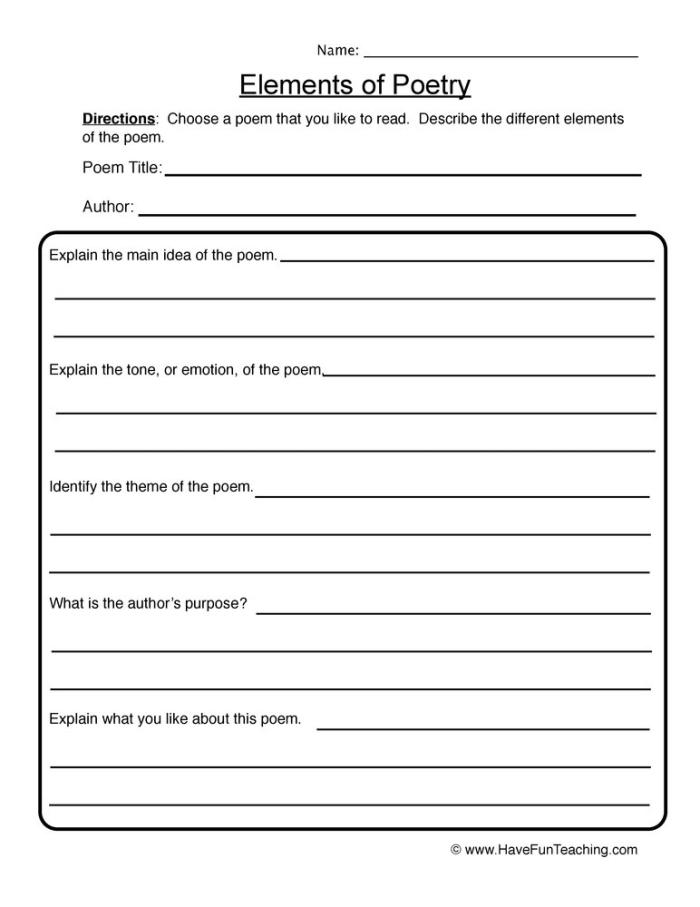
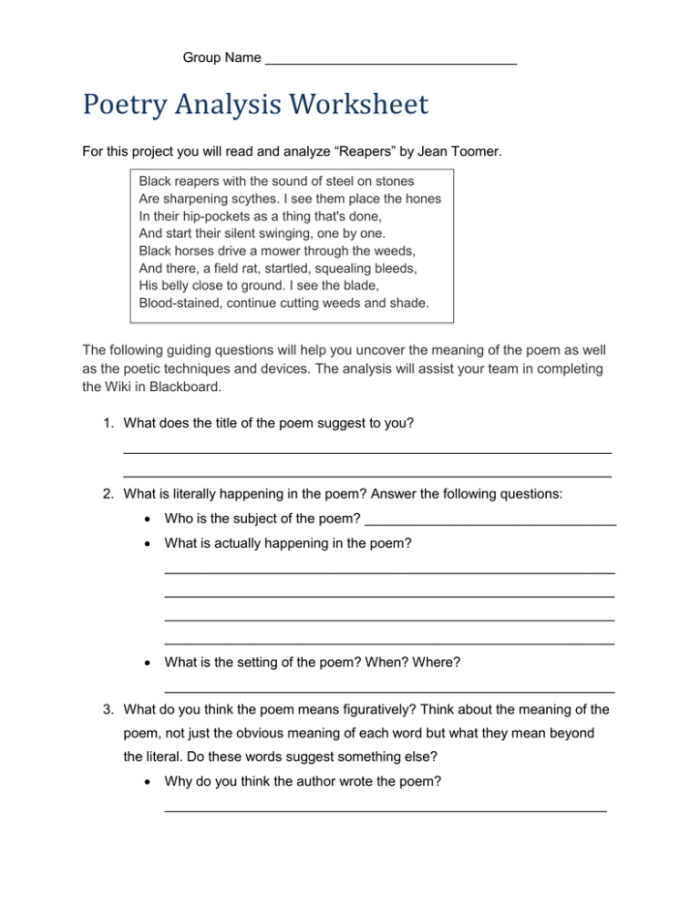
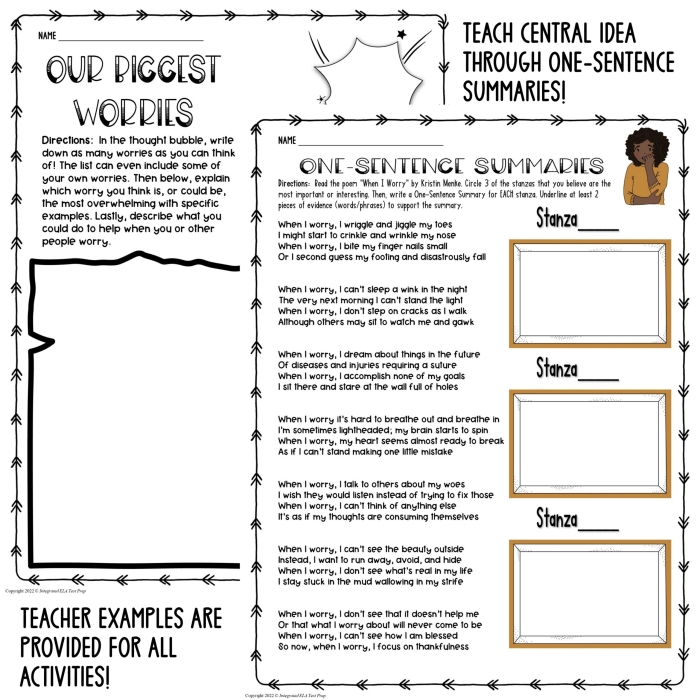
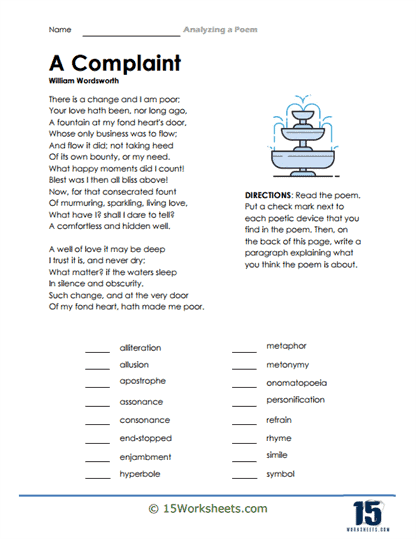
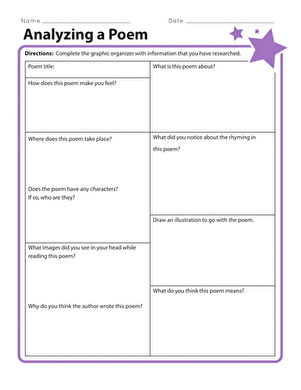
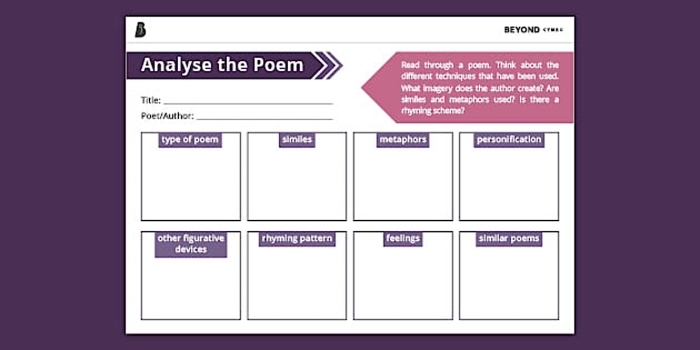
Reading poetry can be a rewarding yet challenging experience for third graders. Many students find it difficult to grasp the meaning behind the words and the emotions conveyed in a poem. This is where the Analyzing a Poem graphic organizer comes into play. Designed specifically for young learners, this tool provides a structured approach to understanding poetry through targeted questions.
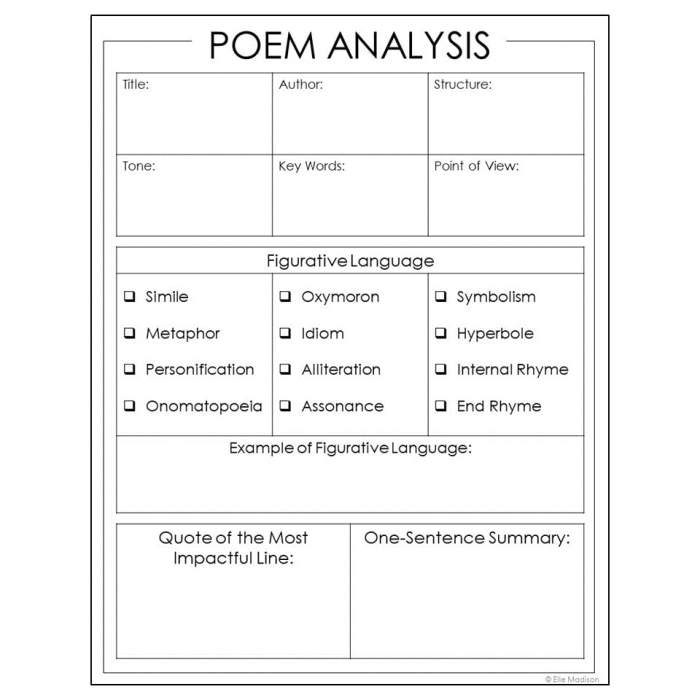
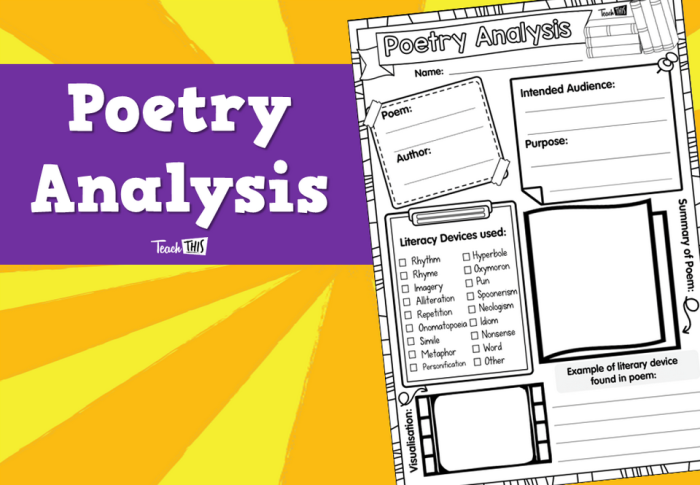
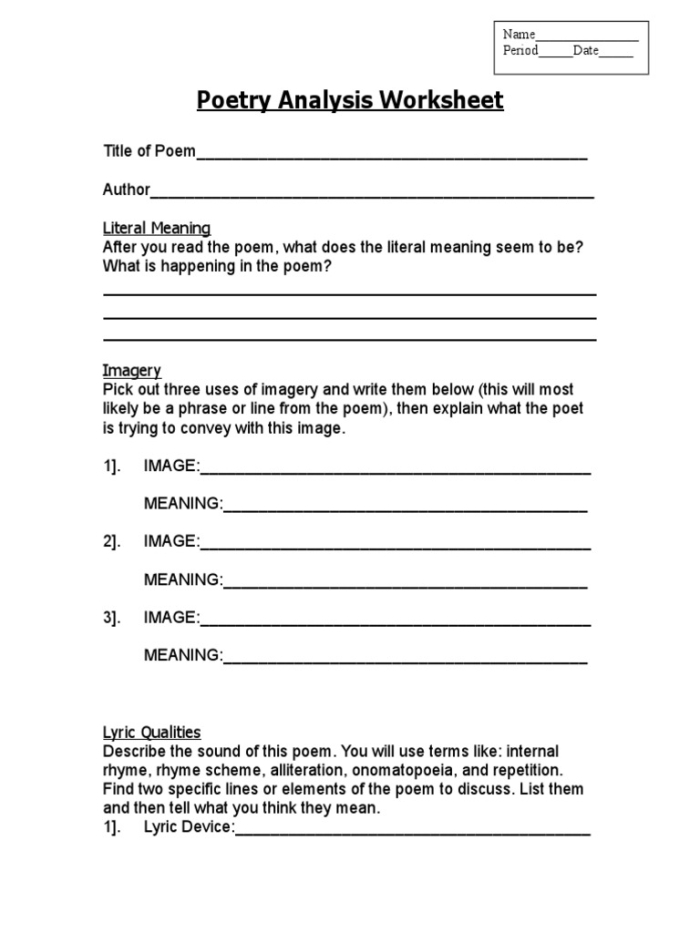
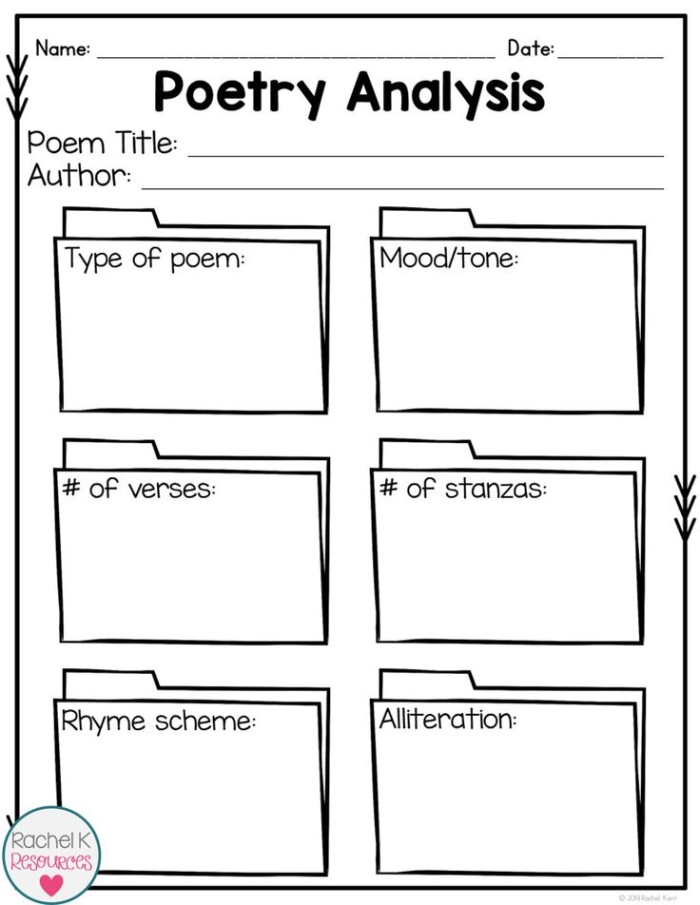
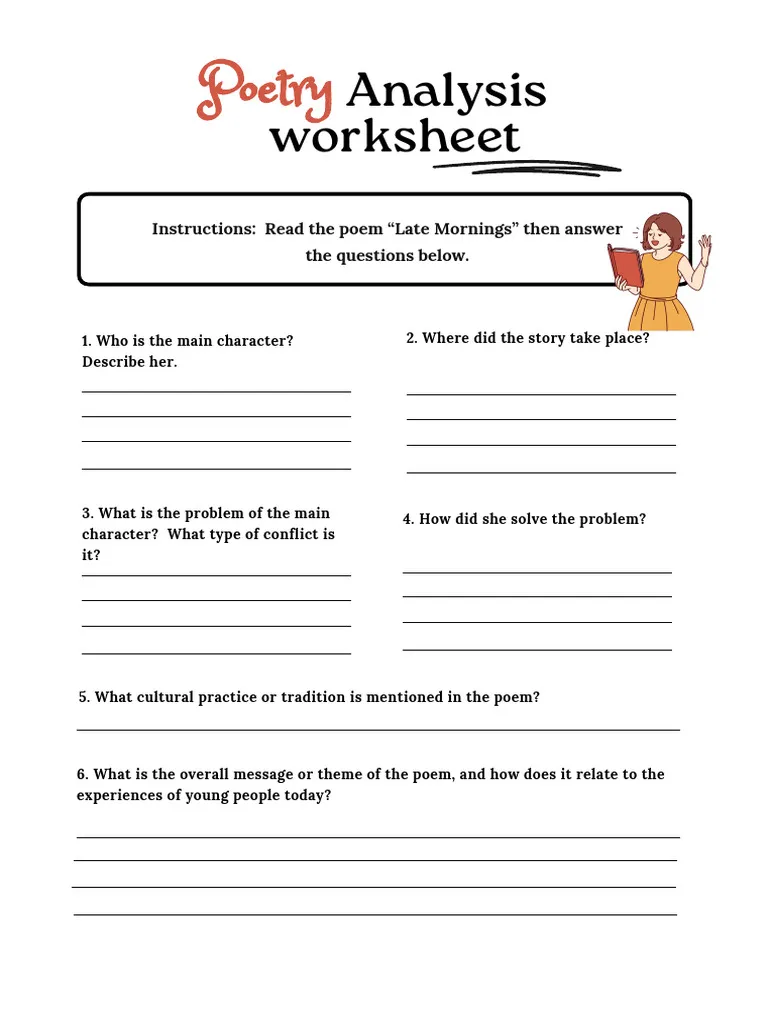
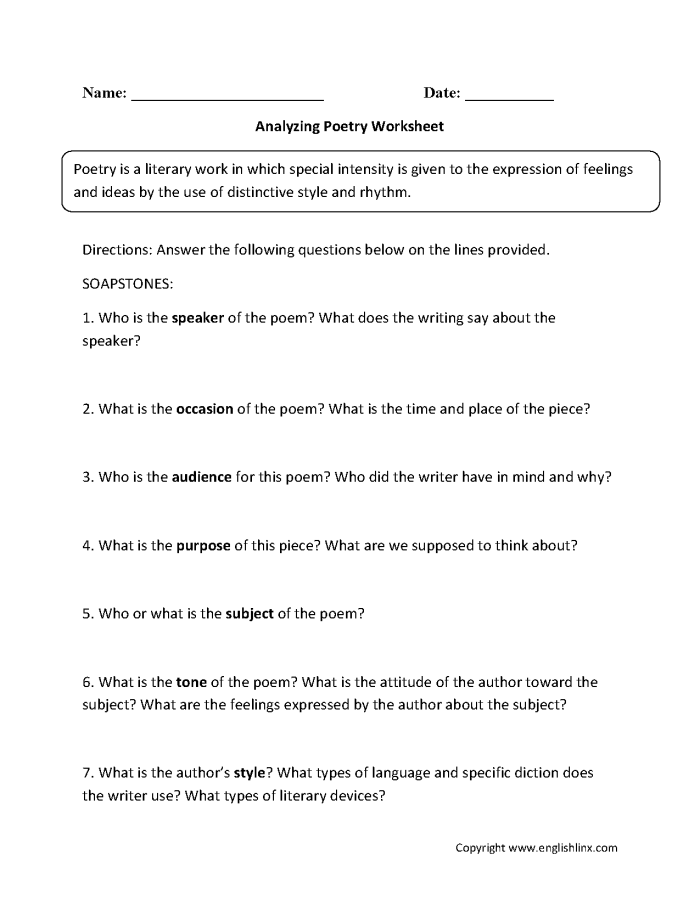
The graphic organizer breaks down the elements of a poem, guiding students to consider various aspects such as the poem’s theme, imagery, and tone. For example, one question might ask students to identify the main feeling expressed in the poem. This not only encourages deeper thinking but also helps them connect more personally with the text.
By using specific prompts, third graders can explore the meaning behind each line, making the process less overwhelming. They might analyze the use of metaphors or similes and how these literary devices enhance the poem’s message. This method fosters critical thinking and allows students to engage with the poem in a meaningful way.
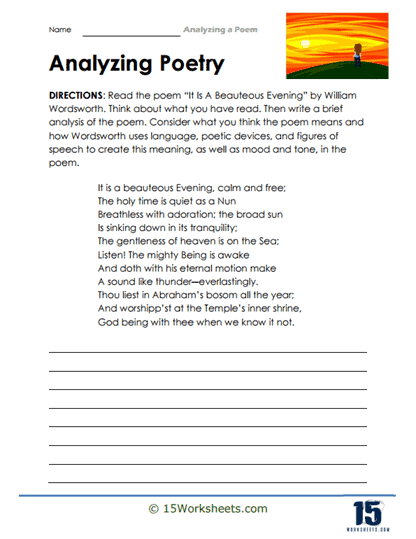
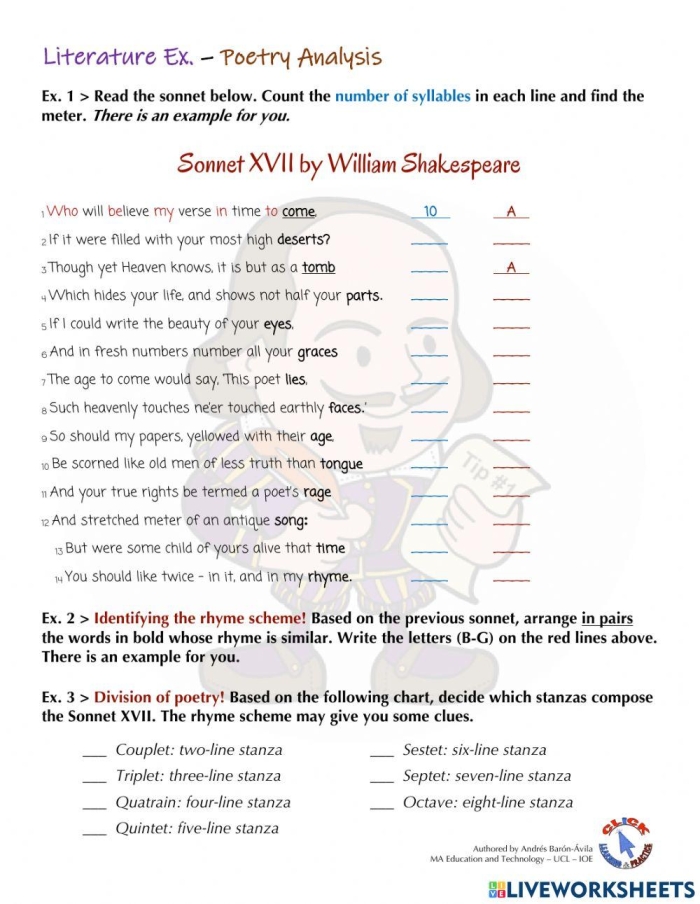
Moreover, incorporating graphic organizers into poetry lessons can lead to increased enthusiasm for reading. When students successfully interpret a poem, it builds their confidence and encourages them to tackle more complex texts in the future. For teachers, the Printable Analyzing a Poem Worksheets can serve as an excellent resource, offering a variety of questions tailored for third-grade students.
In addition to analyzing poems, educators can also explore other engaging activities that align with their curriculum. For instance, worksheets on winter synonyms or planets in our solar system can complement poetry studies by broadening vocabulary and comprehension skills. This holistic approach not only enhances understanding but also fosters a love for literature in young learners.
Worksheet Practice Section