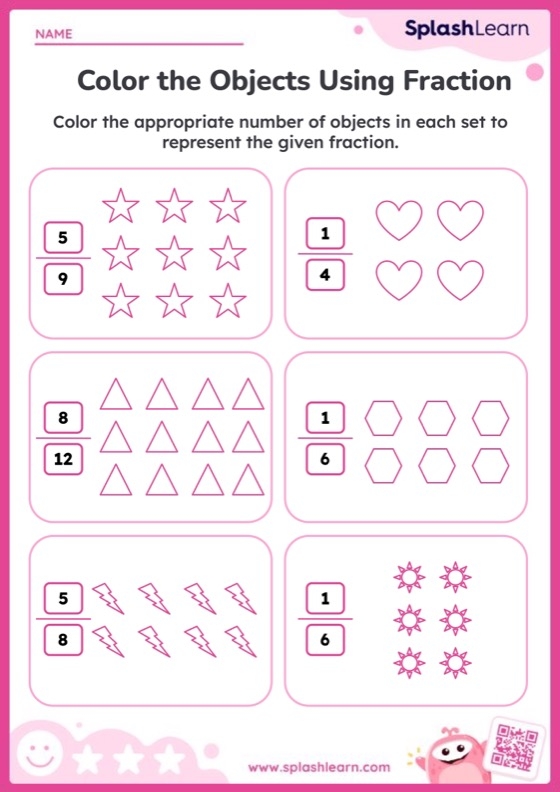
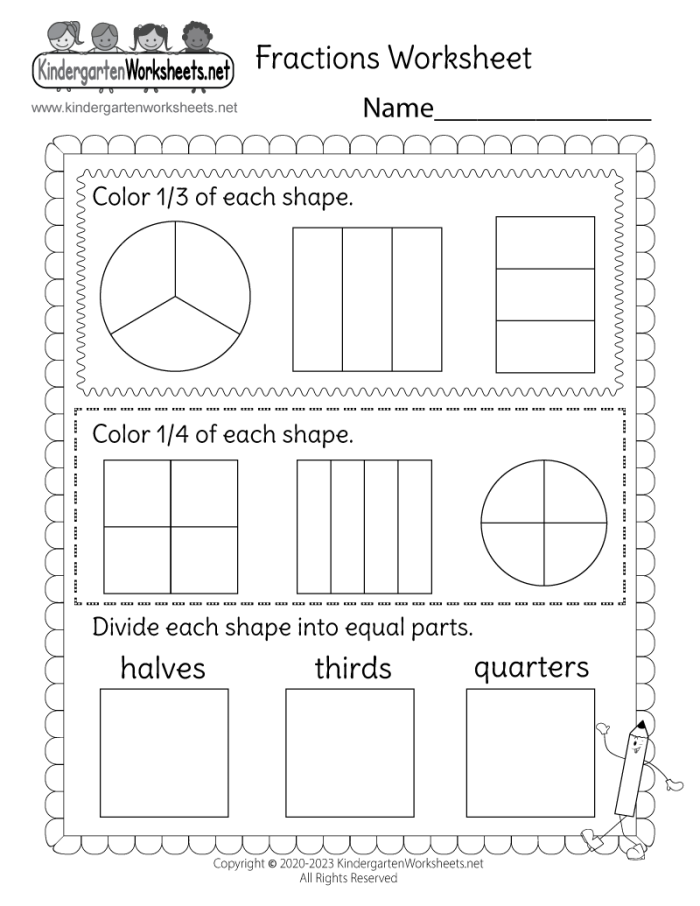
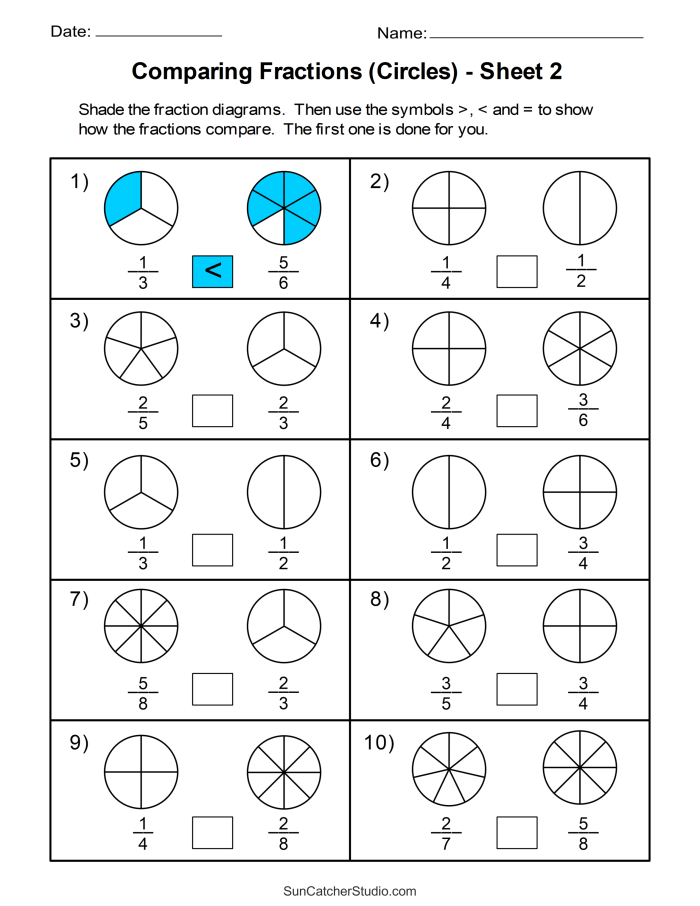
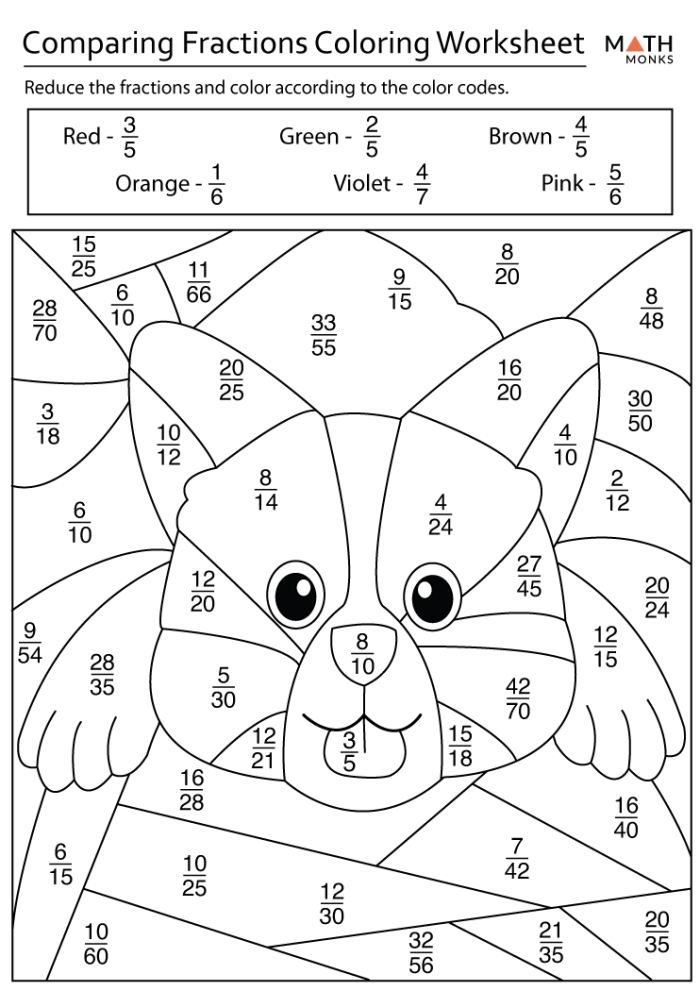
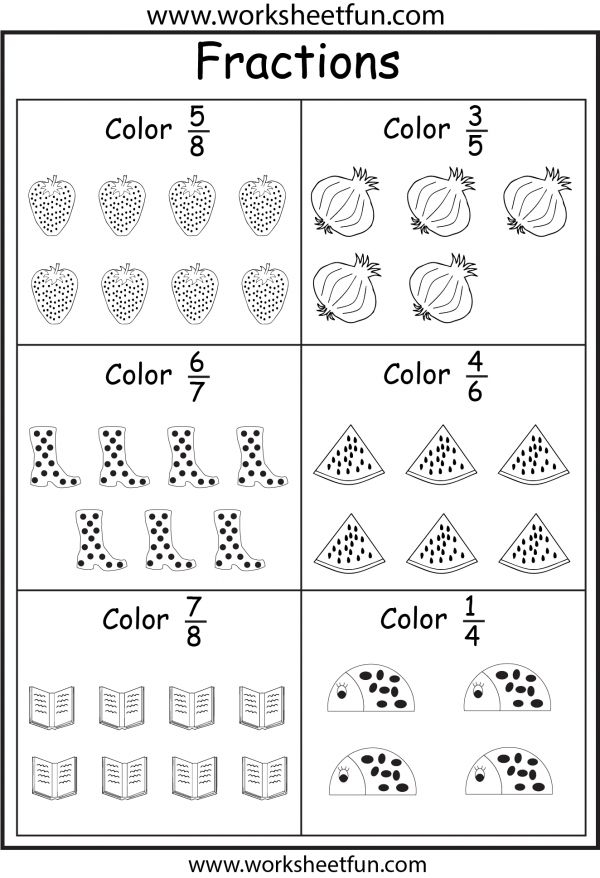
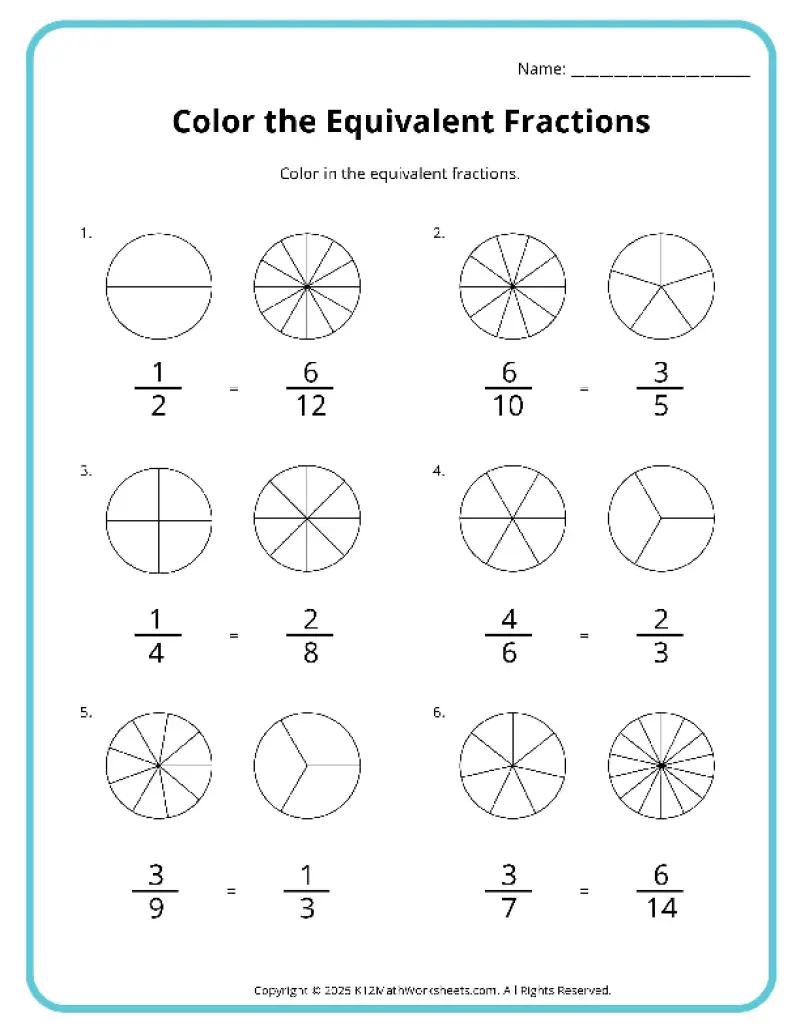
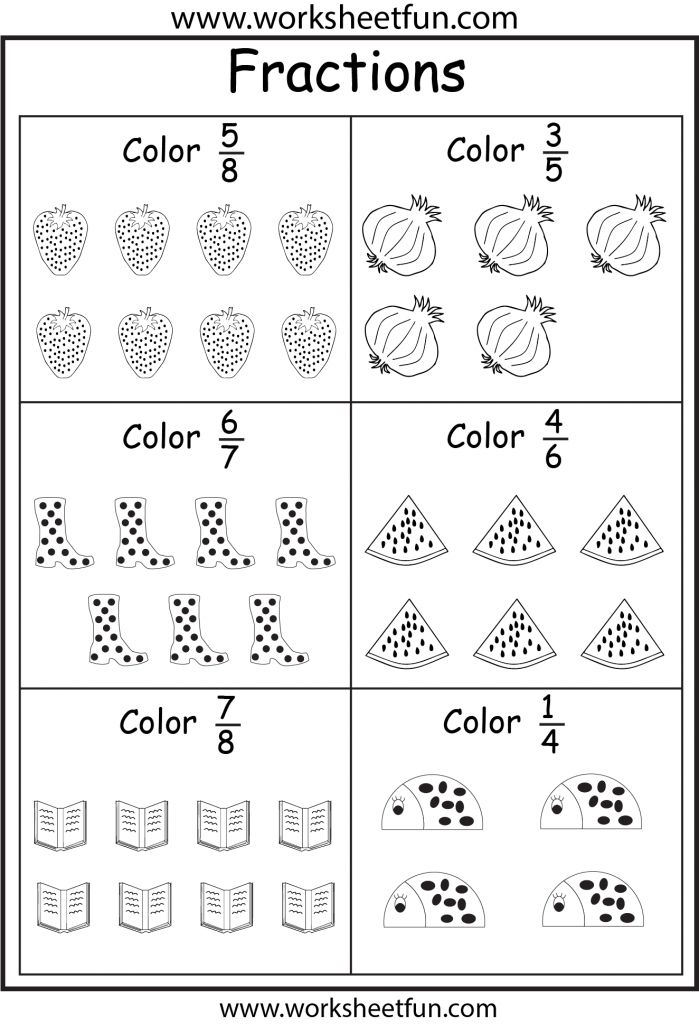
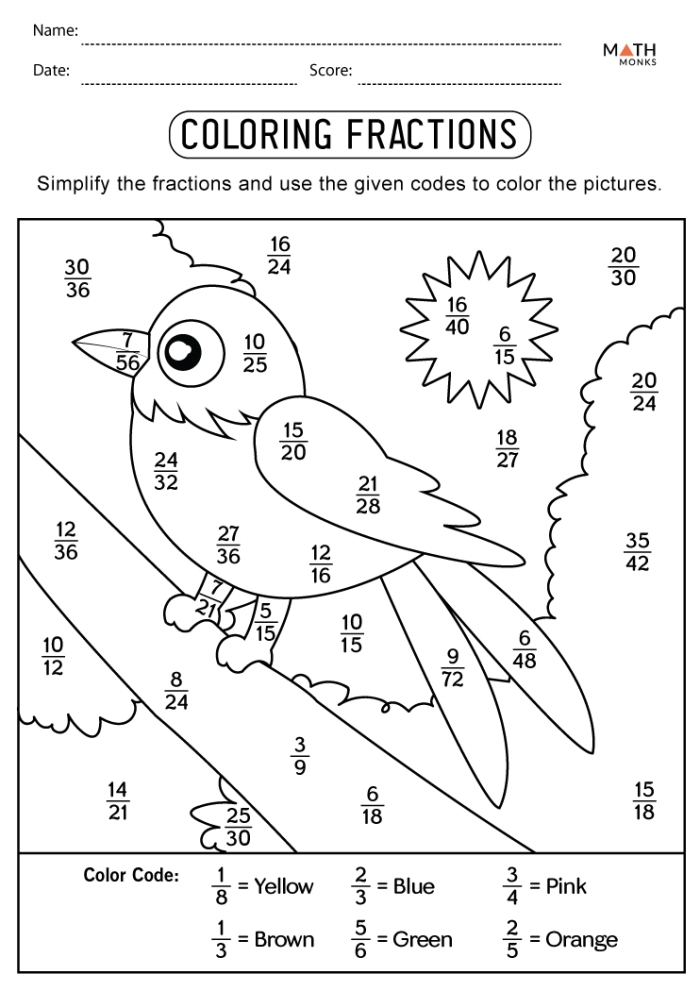
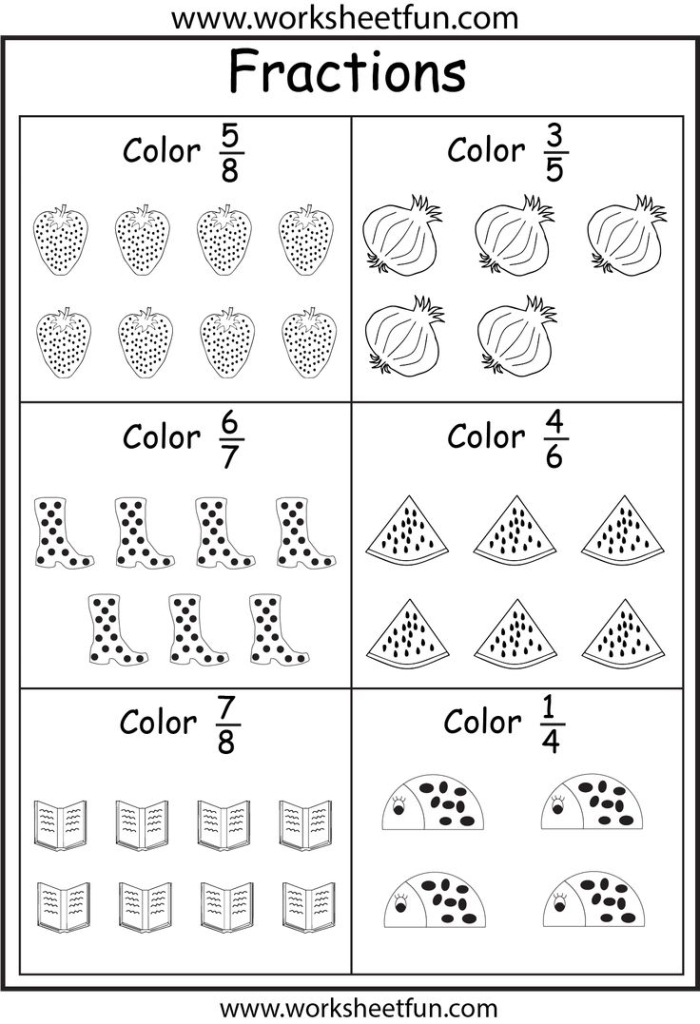
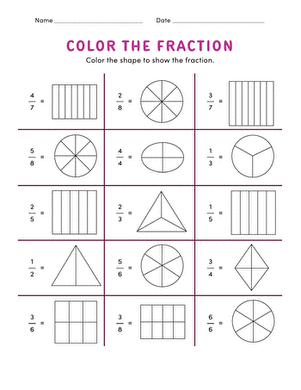
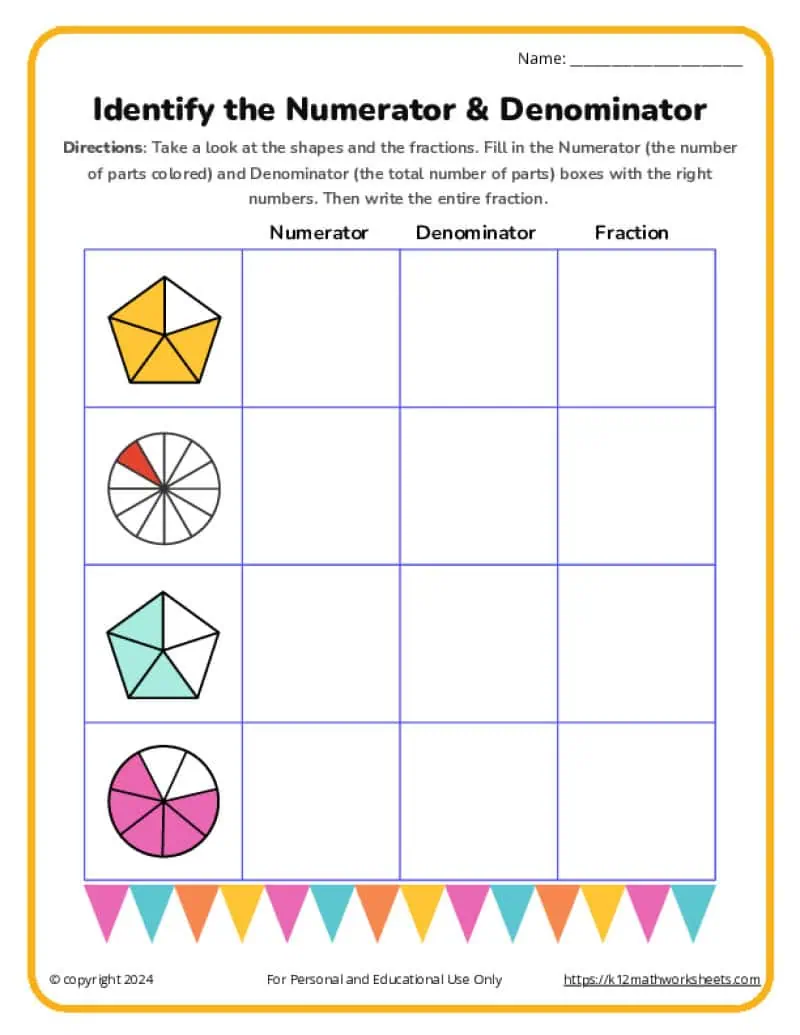
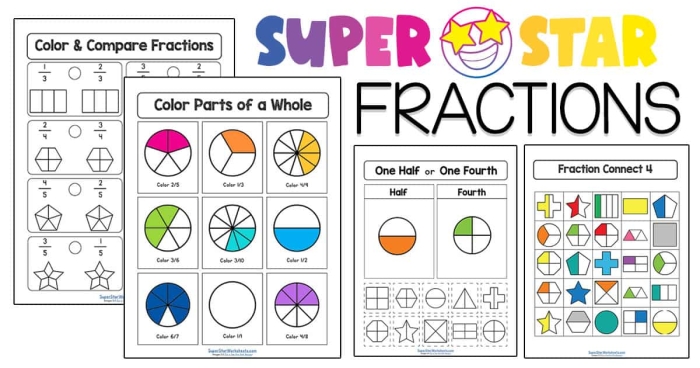
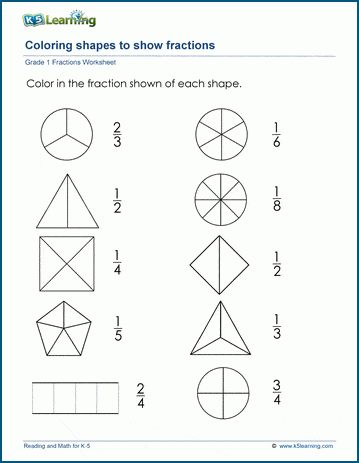
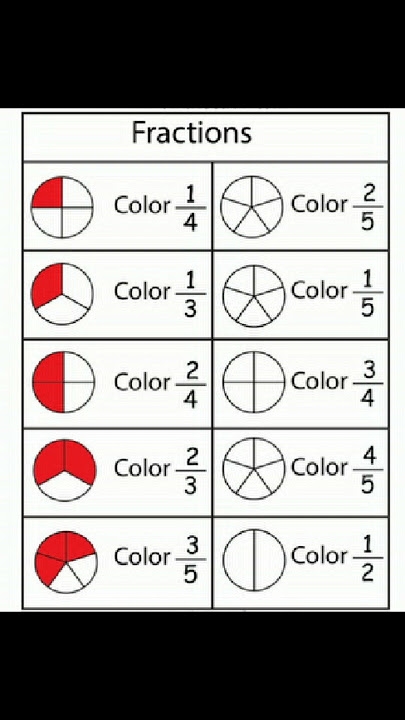
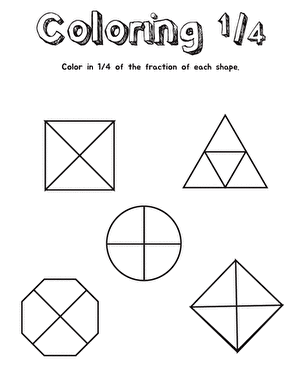
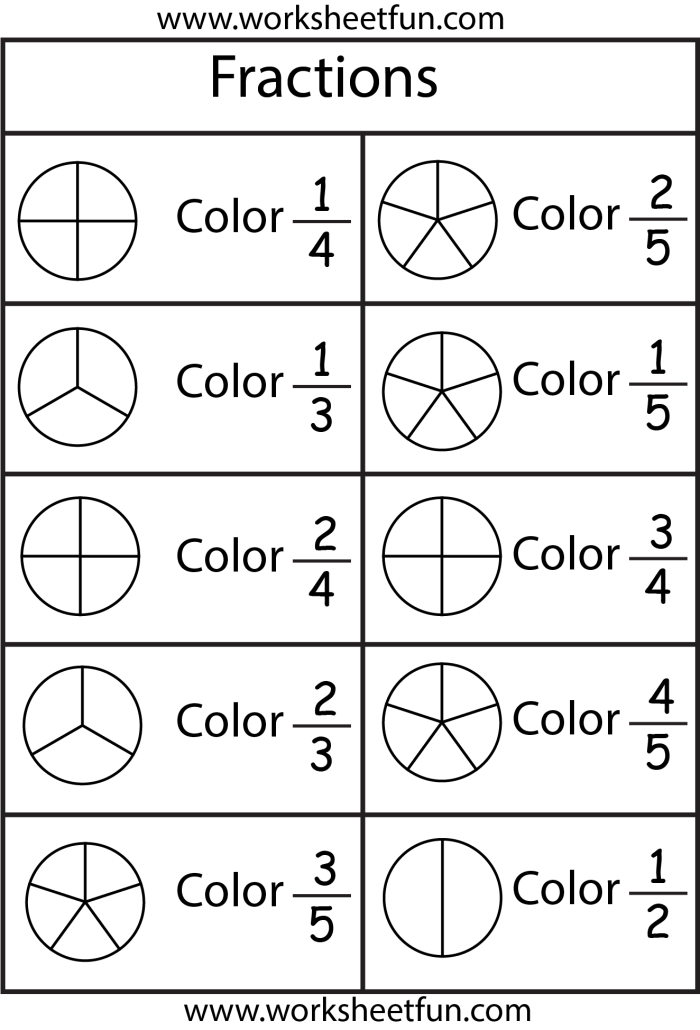
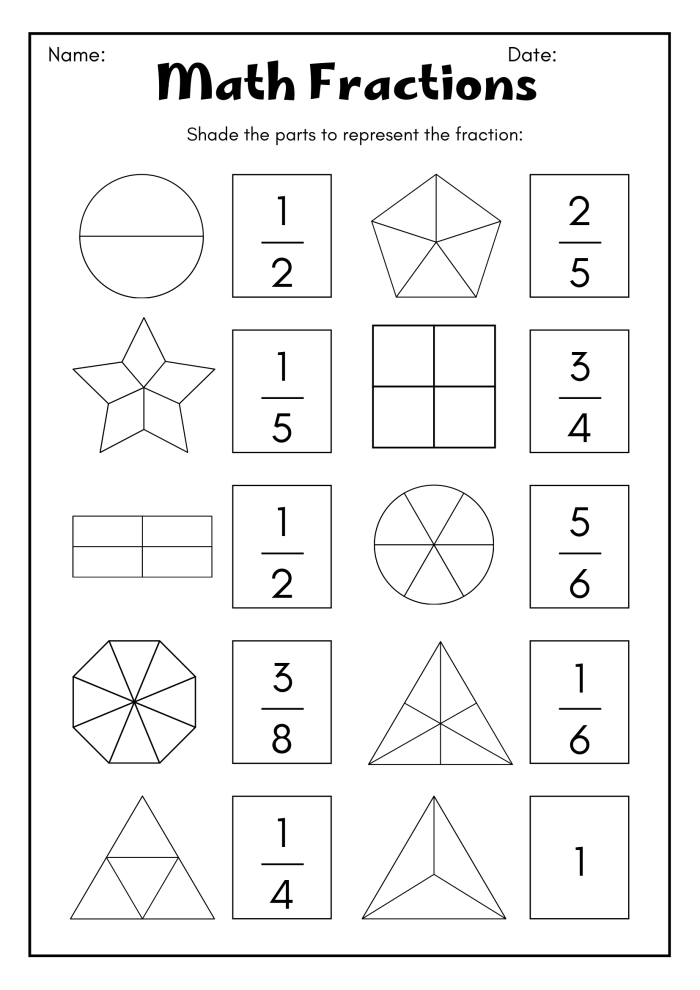
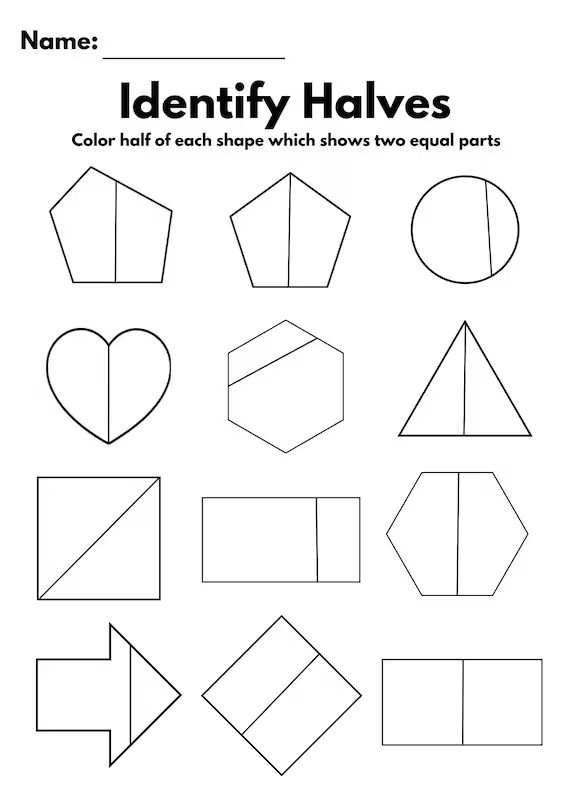
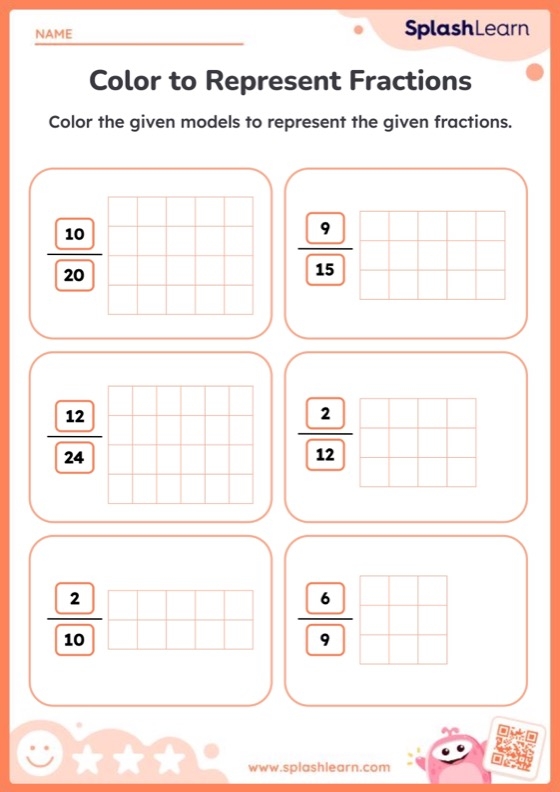
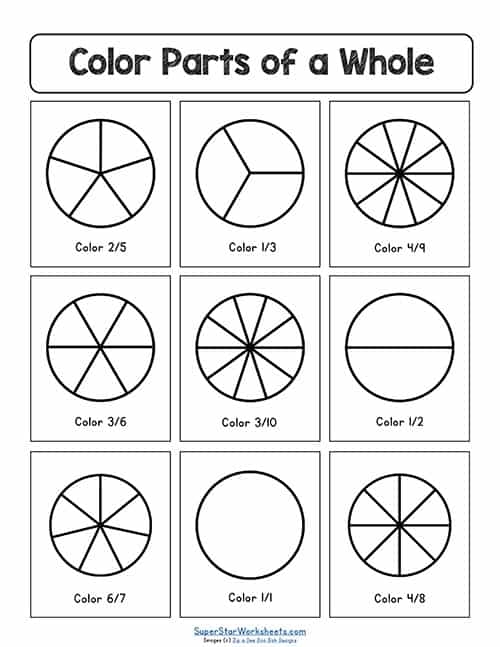
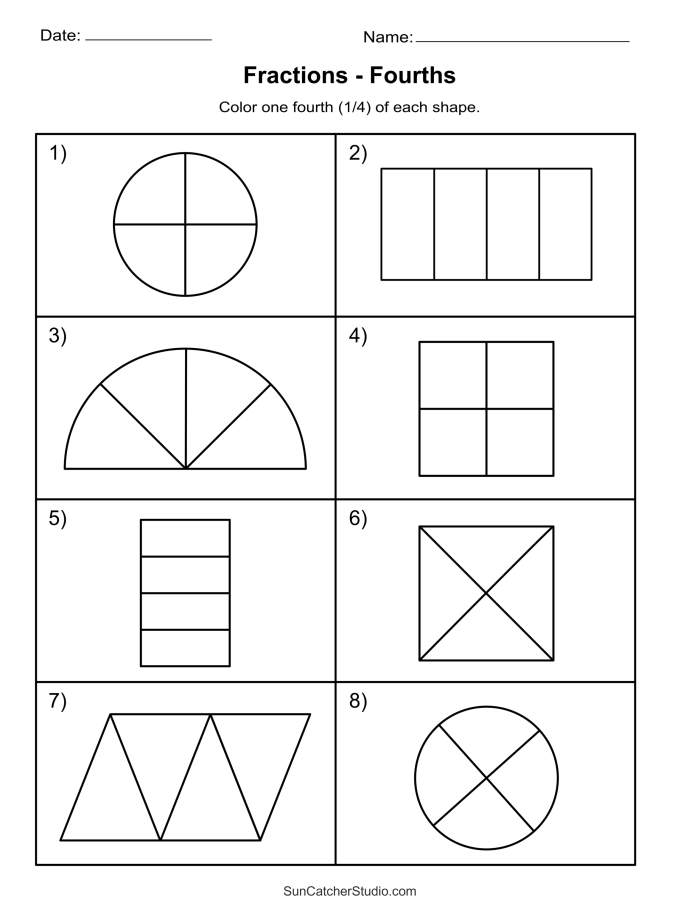
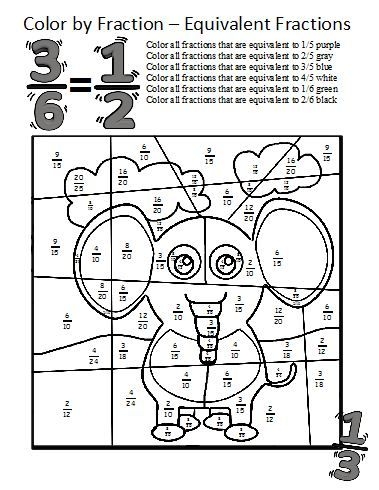
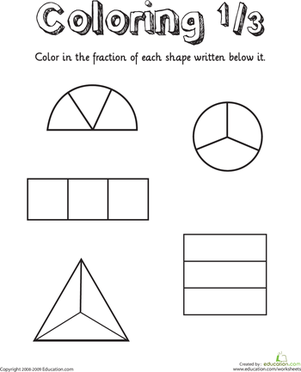
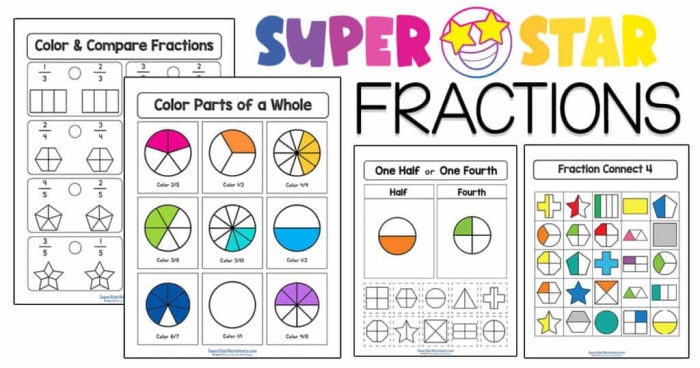
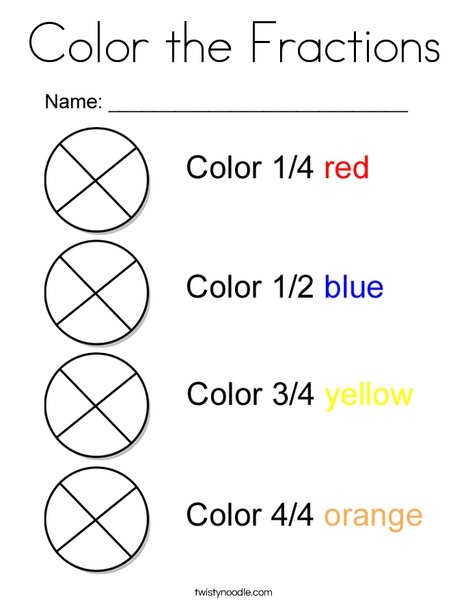
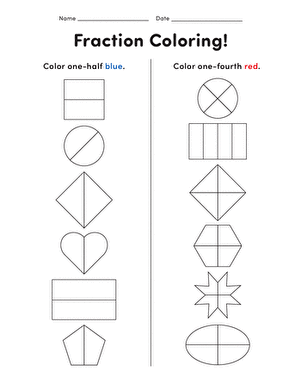
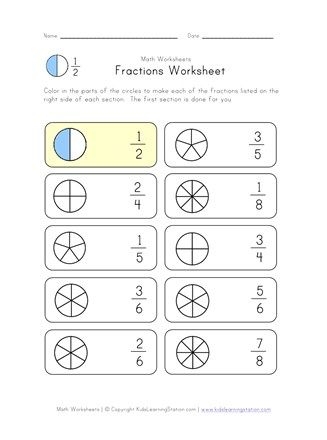
Coloring shapes to represent fractions is one of the most direct ways third grade students begin to understand what a fraction actually means. When kids color in a specific portion of a shape, they’re not just following instructions, they’re building a visual mental model of how fractions work as parts of a whole.
The process is straightforward but powerful. A student receives a circle divided into four equal sections and is told to color two of them. In that moment, they see 2/4 not as an abstract symbol, but as something concrete: two pieces out of four total pieces. The act of coloring forces them to count carefully, understand the denominator (total parts), and identify the numerator (parts being colored). This hands-on approach works because it engages multiple senses and creates a lasting mental image.
What makes this strategy effective for third graders is that it removes the intimidation factor. Fractions can feel overwhelming when introduced only through numbers and symbols. But when a child picks up a crayon and colors shapes, they’re doing something familiar and comfortable. The math becomes secondary to the activity itself.
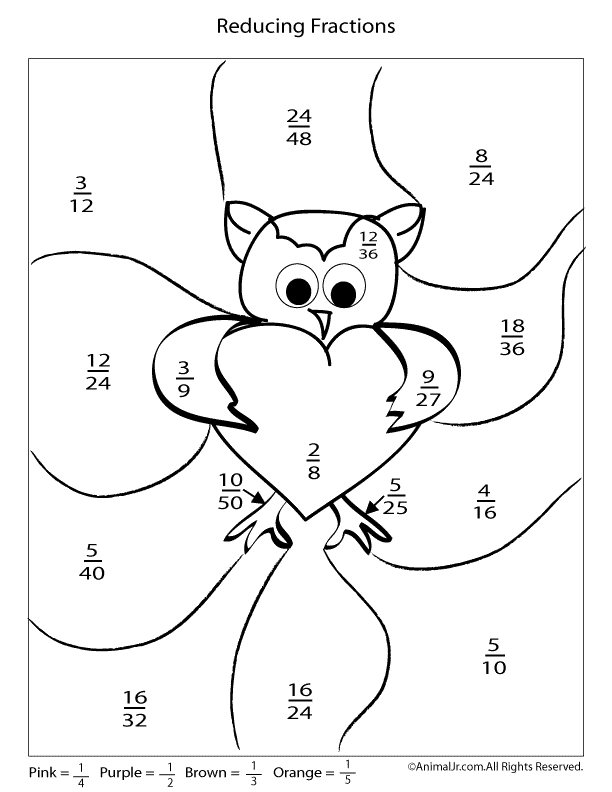
Different worksheets offer variety in this practice. Some focus on seasonal themes, like coloring fractions related to favorite seasons, while others connect to different subjects. You might find worksheets featuring transportation and fact families, book characters, or even the moon’s phases. This variety keeps students engaged while reinforcing the same core concept across multiple contexts.
The repetition across different shapes and fraction amounts is essential. A student who colors halves, thirds, and fourths in multiple contexts begins to recognize patterns and relationships between fractions naturally. By the time they move toward comparing fractions or adding them, they already have a solid visual foundation that makes those abstract operations make sense.
Start Practicing with These Worksheets