Have you ever been the new kid? That feeling of stepping into a classroom full of unfamiliar faces can be daunting. For many, it brings back memories of uncertainty and the desire to fit in. This experience can resonate deeply with students, making it a perfect way to explore the concept of point of view in literature.
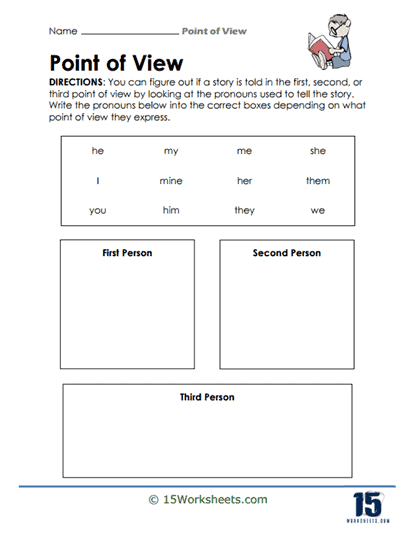
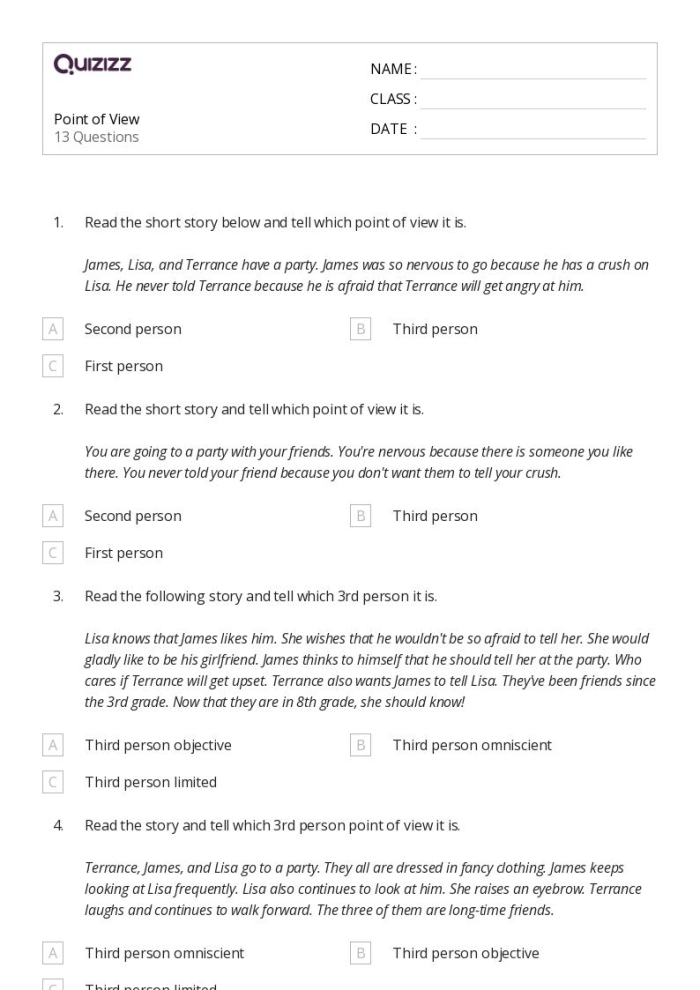
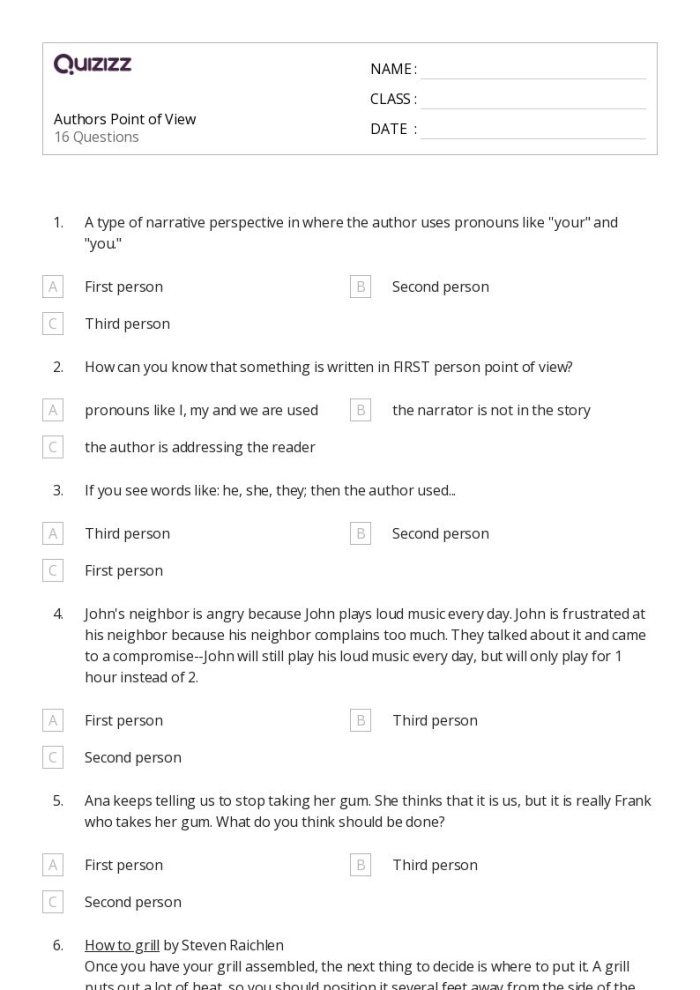
When teaching third graders about point of view, it’s essential to connect the material to their own experiences. Using stories that feature a new character entering a well-established group can help students empathize with that character’s perspective. For example, consider a story where a new student navigates the complexities of making friends and finding their place. Through this lens, students can practice identifying the character’s opinions and emotions, allowing for a richer understanding of the narrative.
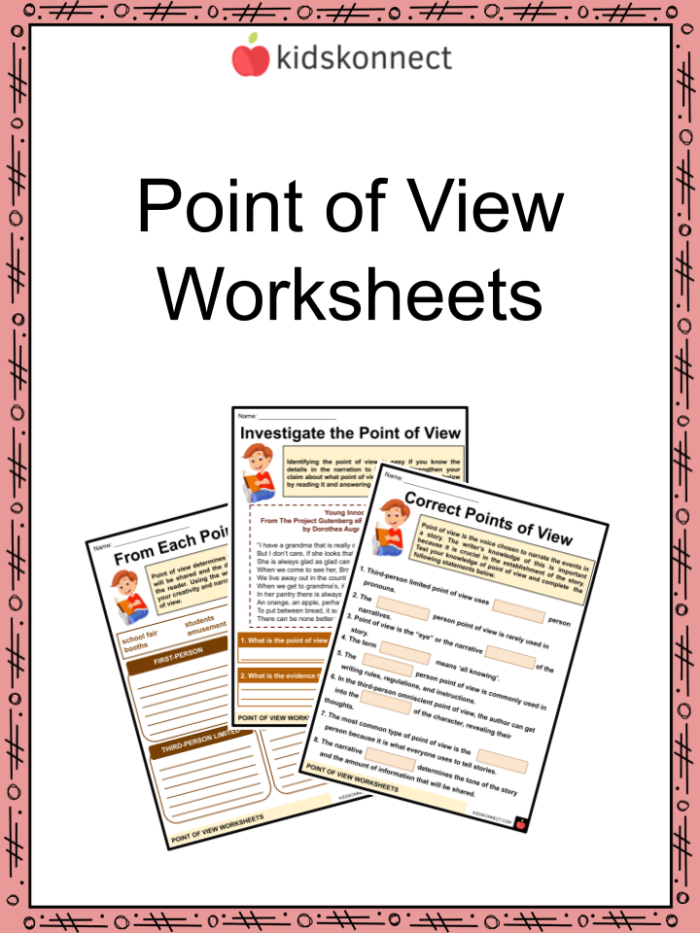
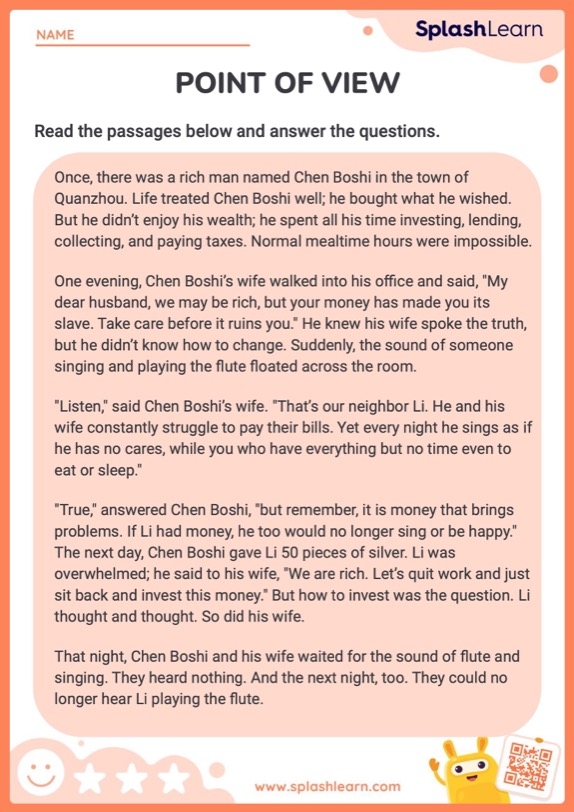
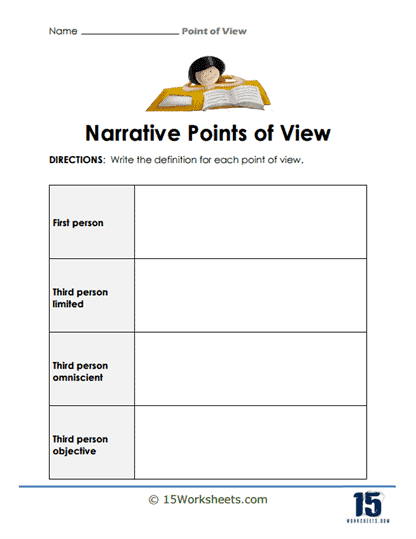
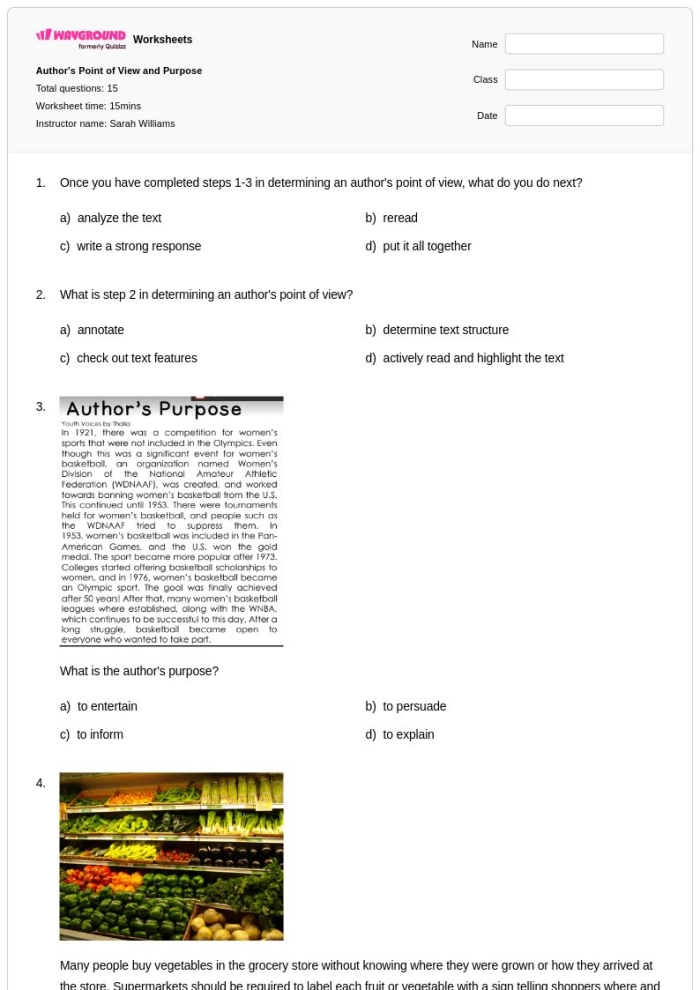
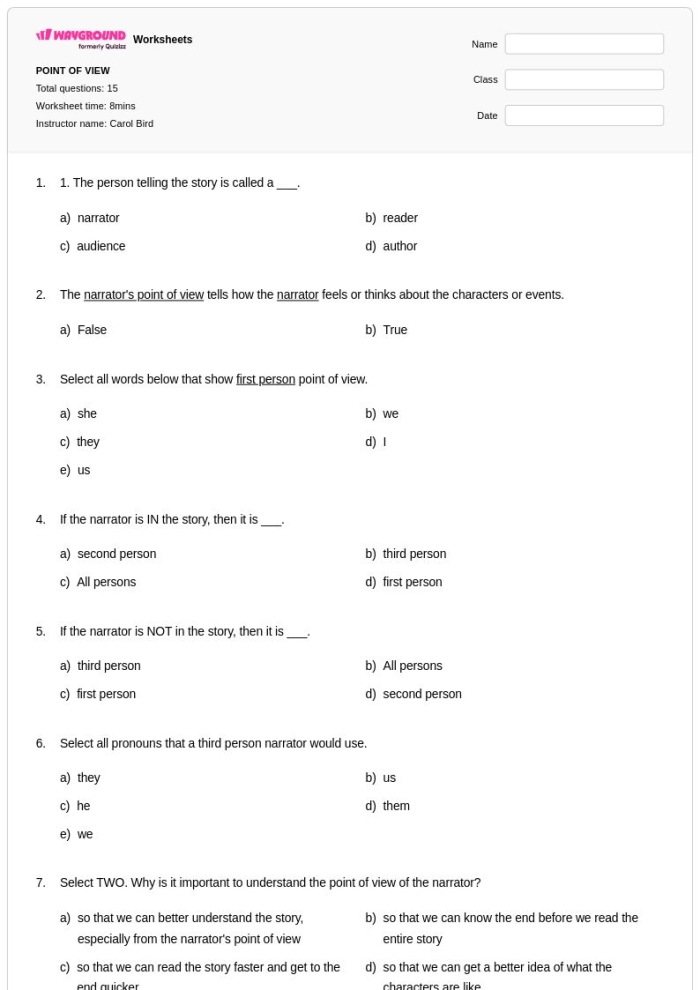
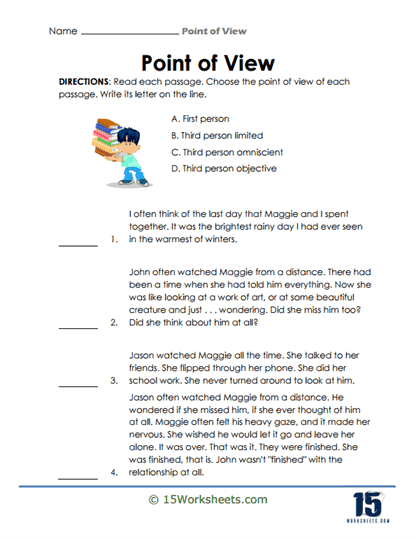
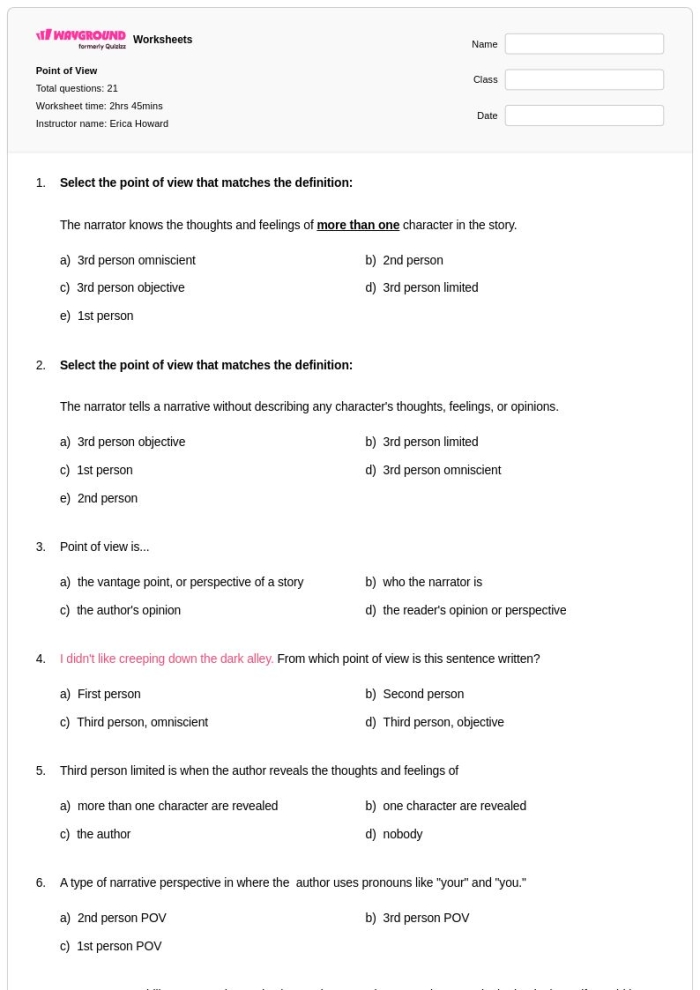
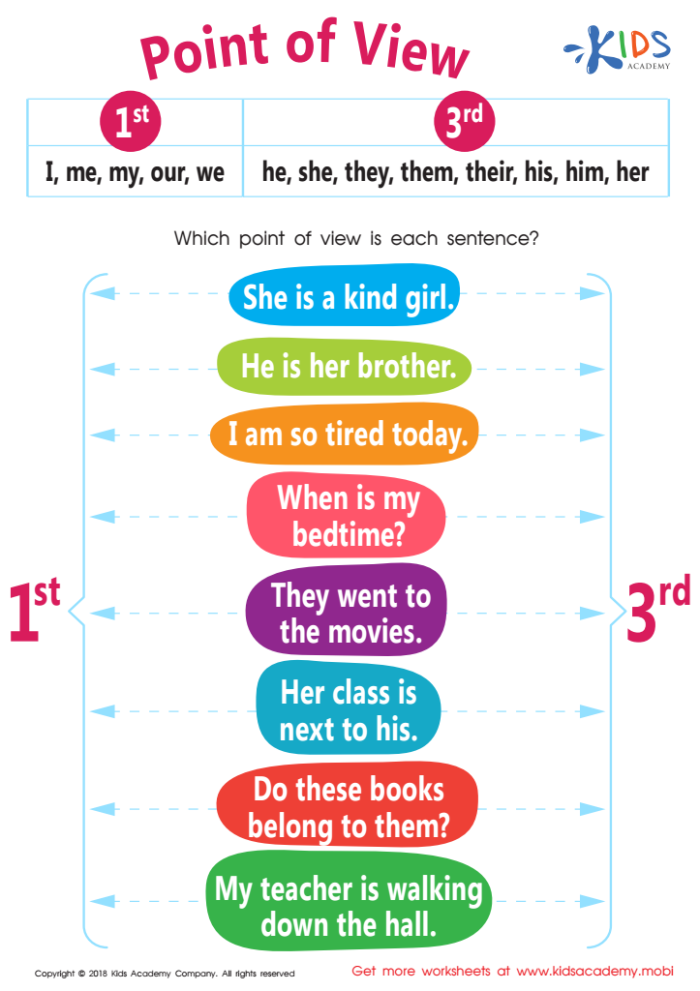
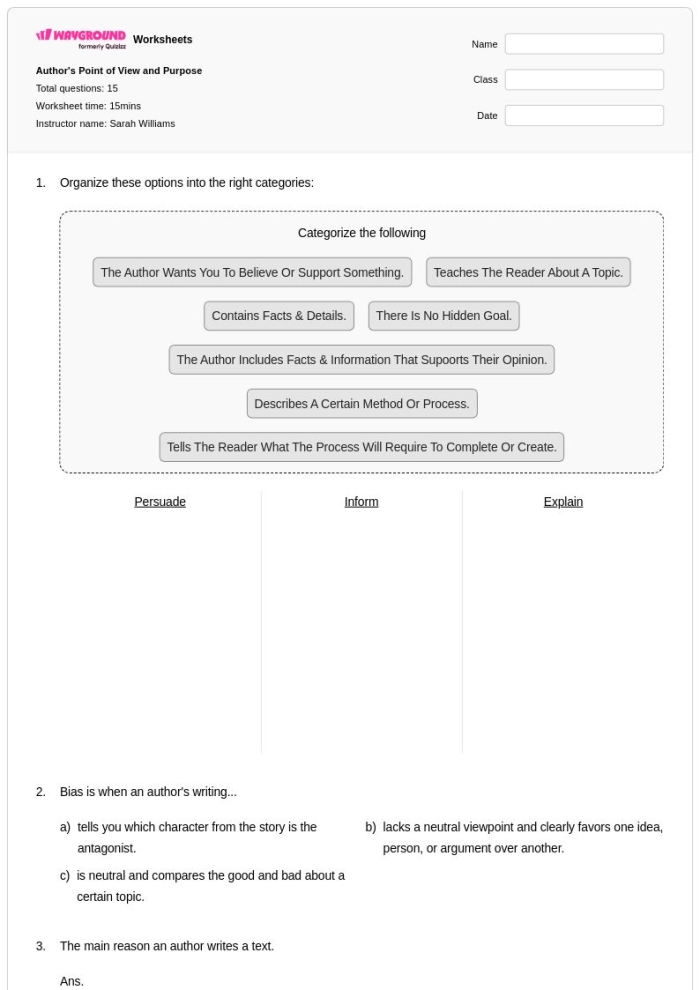
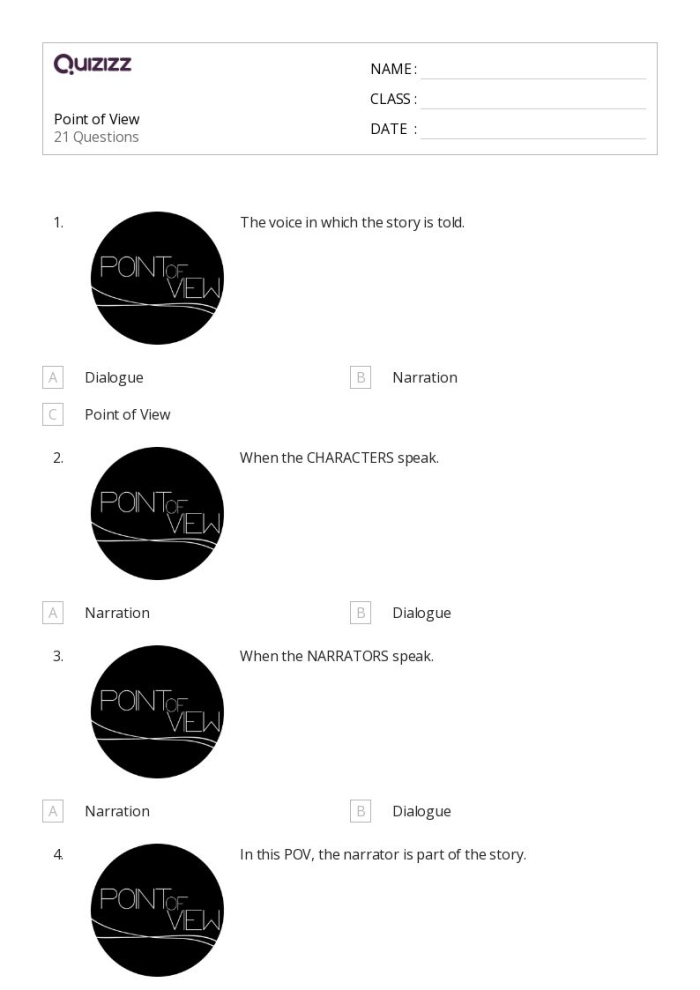
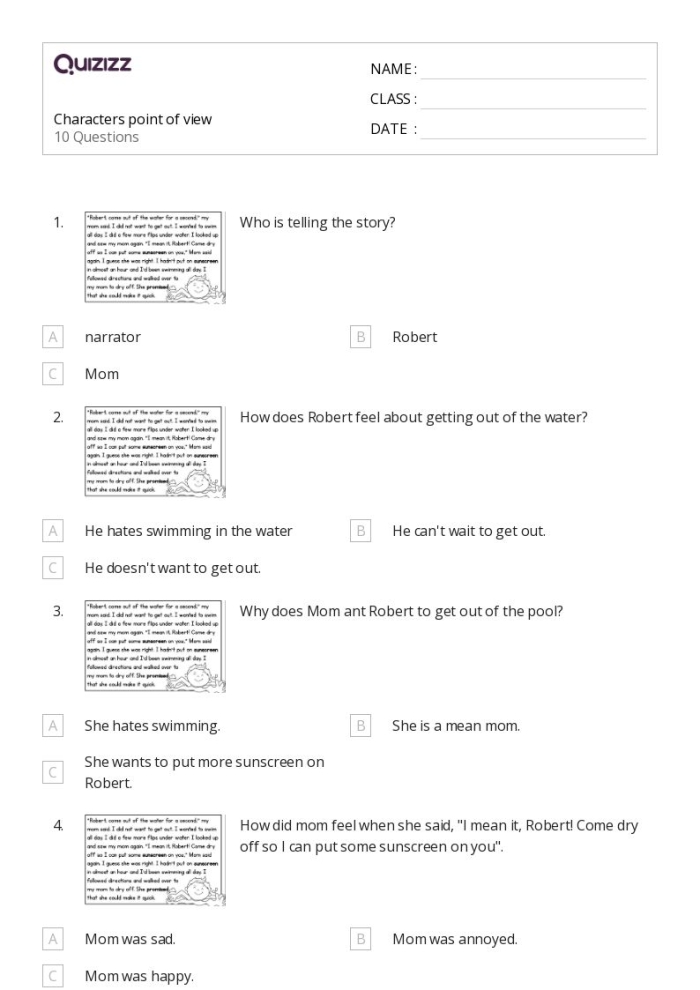
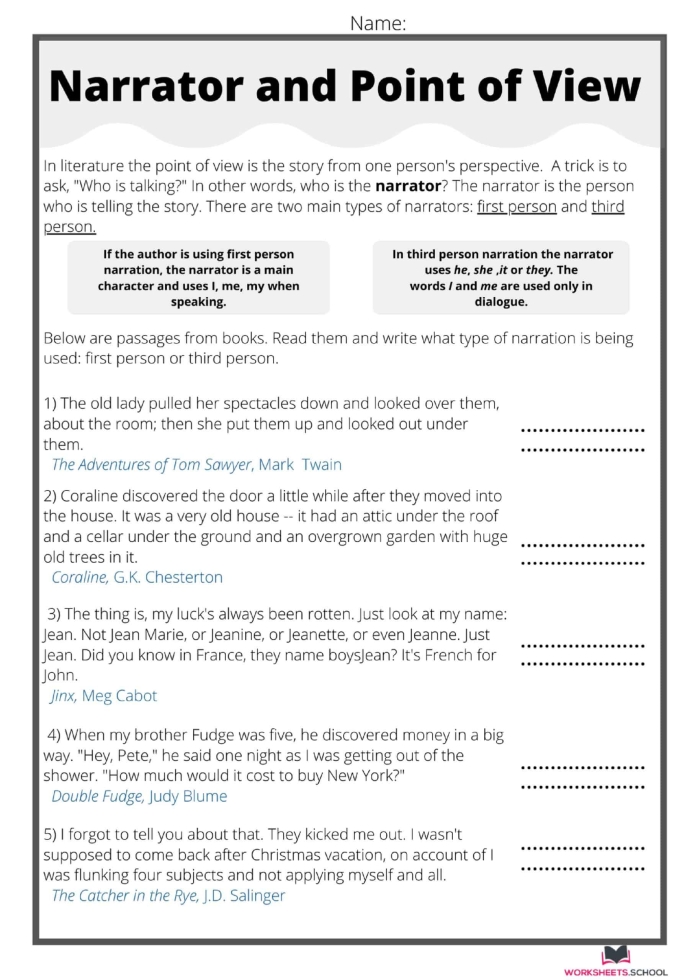
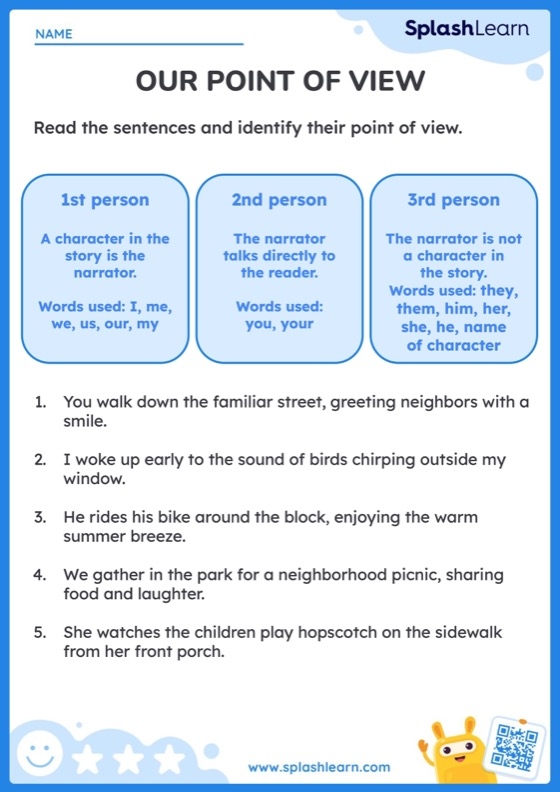
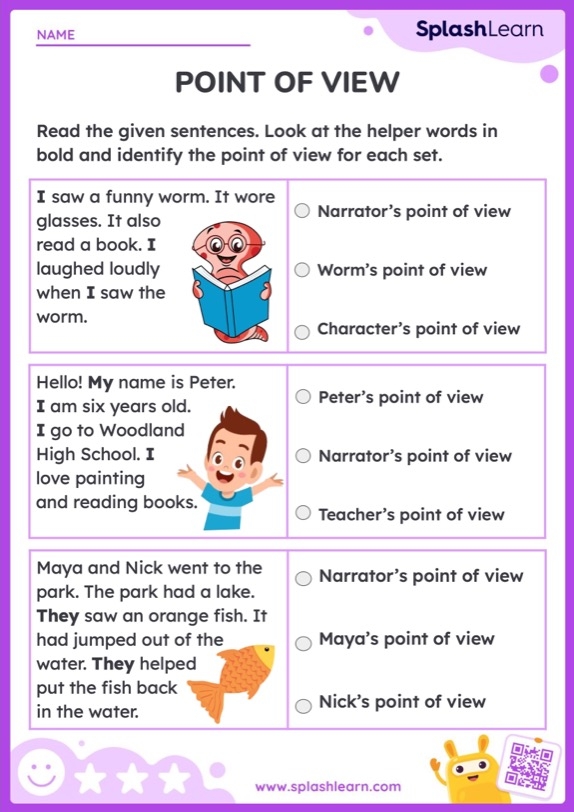
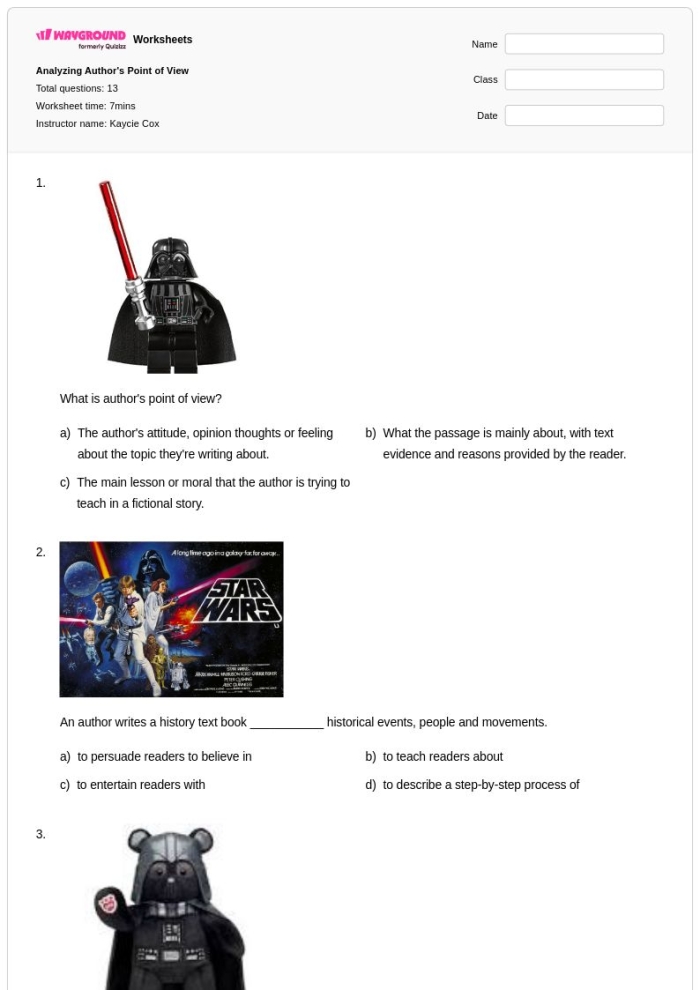
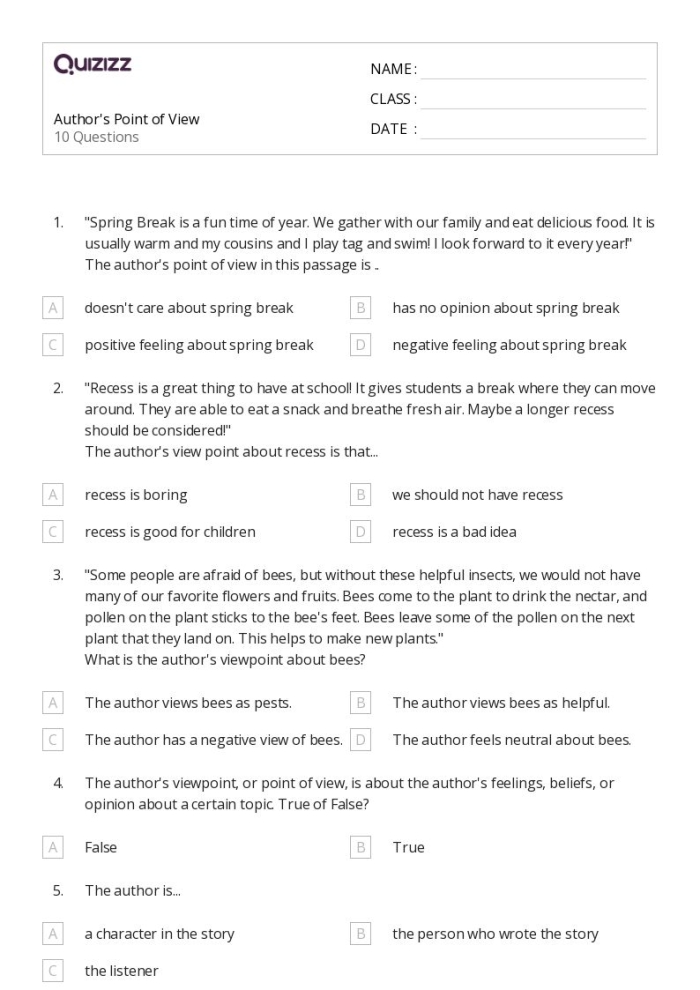
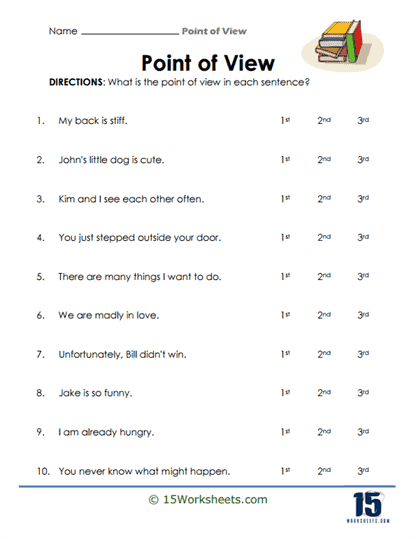
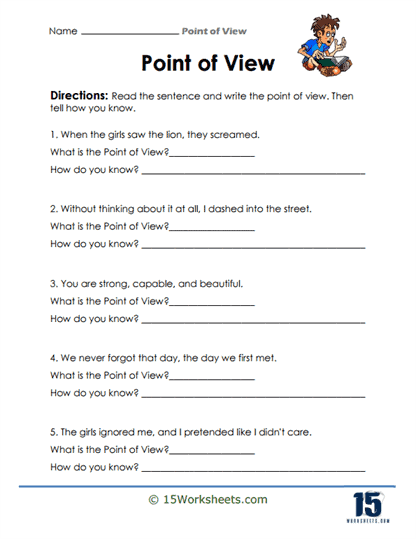
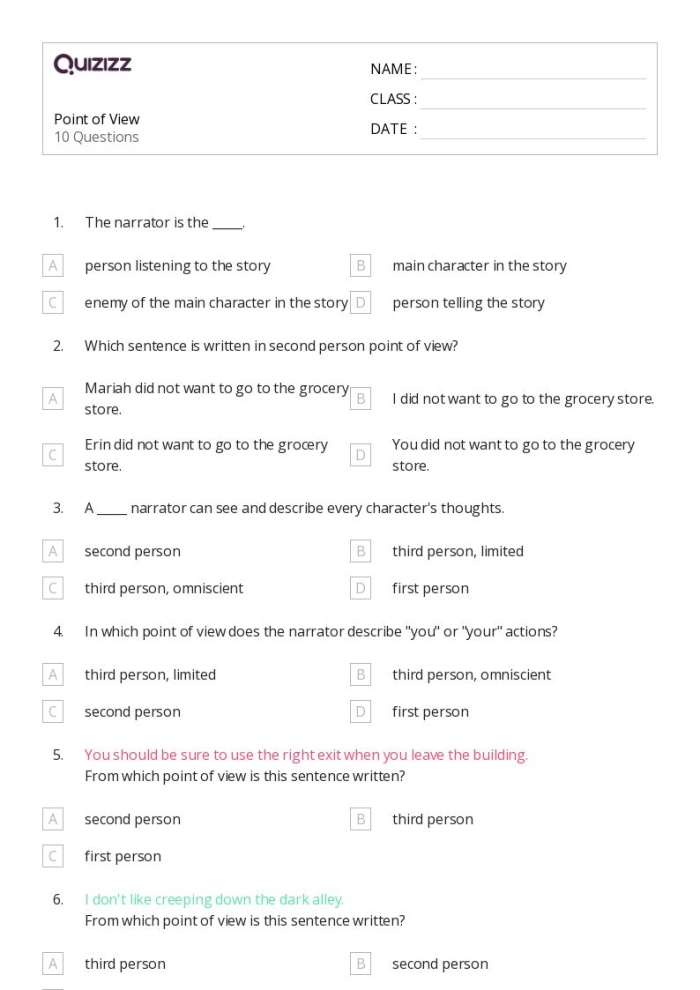
Engaging students in this way not only enhances their reading skills but also fosters empathy. As they discuss the character’s thoughts and feelings, they can relate them back to their own experiences. This can lead to discussions about how it feels to be the newcomer and how they might support someone in that situation. Connecting these lessons to printable worksheets, like those found in the Exploring Point of View worksheets, can reinforce their understanding and provide structured practice.
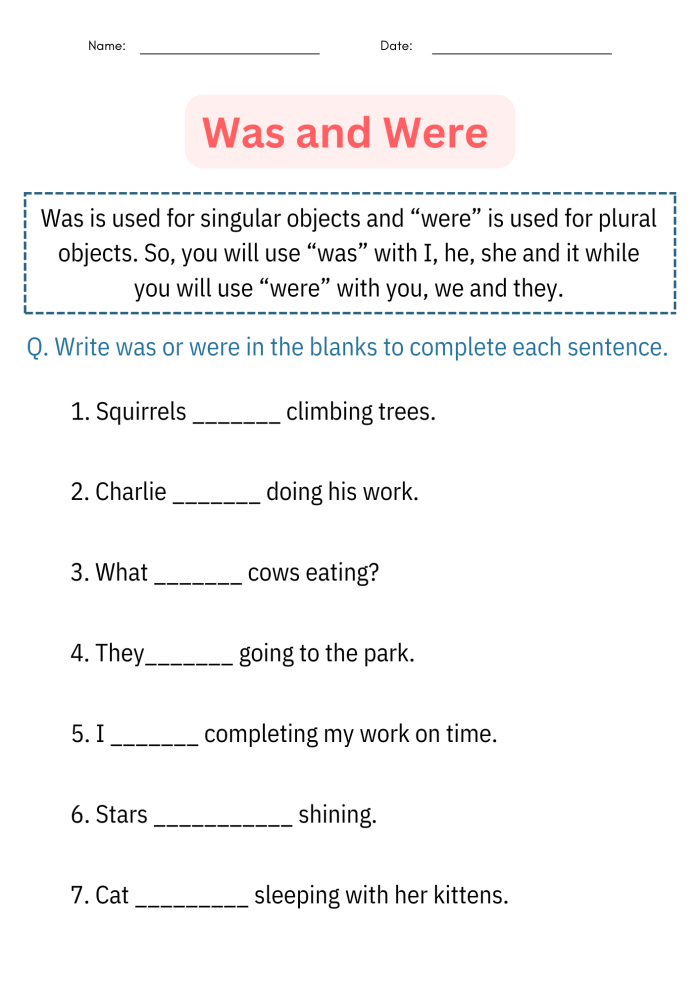
Moreover, these activities can help students articulate their thoughts. By explaining the character’s viewpoint, they develop critical thinking skills essential for reading comprehension. They learn that understanding a story goes beyond just knowing what happens; it’s also about grasping why characters feel the way they do. This can be particularly beneficial when discussing other topics, such as metaphors or grammar concepts. For instance, combining point of view lessons with metaphor worksheets can deepen their analytical skills.
Incorporating discussions about being the new kid into the curriculum not only enriches the students’ reading experience but also cultivates a classroom atmosphere of kindness and understanding. This approach makes reading more relatable and meaningful, encouraging students to draw connections between literature and their lives.
Grab These Worksheets Now