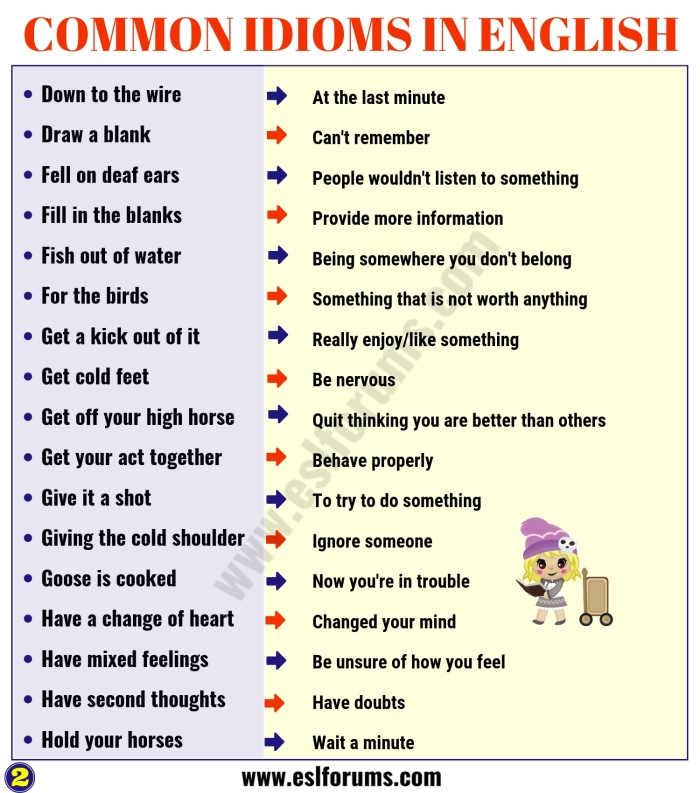
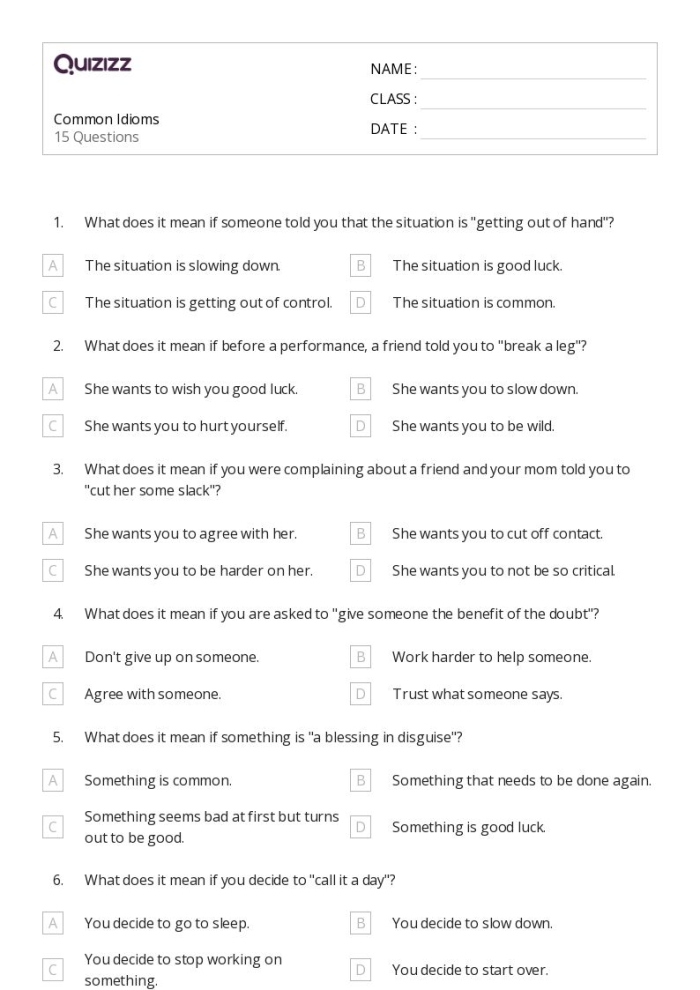
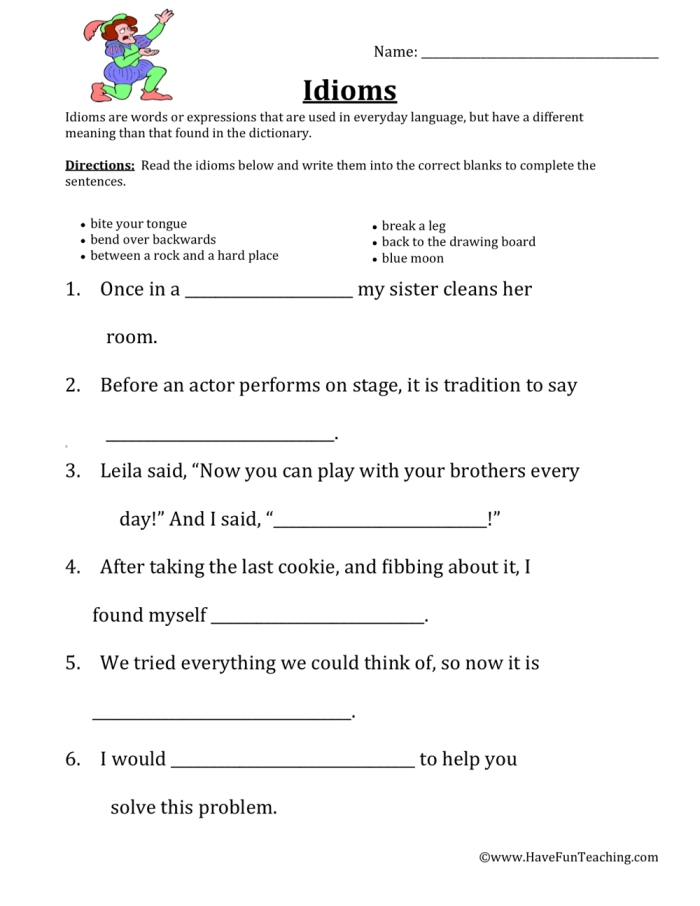
Idioms enrich the English language, adding color and depth to conversations. Introducing your third-grade students to some common English idioms can make their learning experience both fun and memorable. These phrases, often not taken literally, can spark curiosity and encourage creativity in language use.
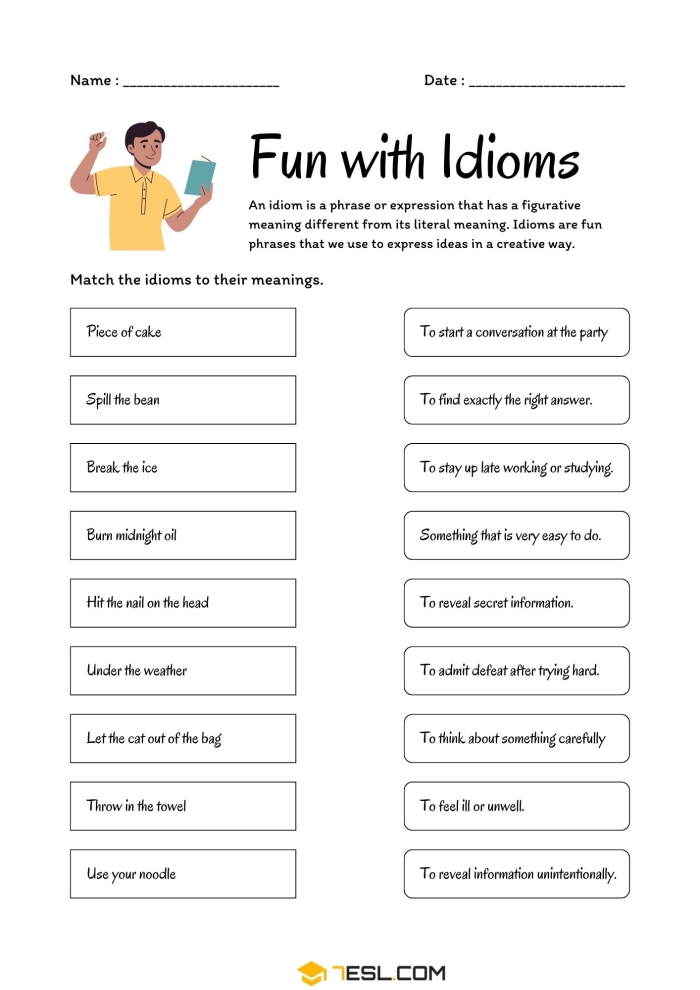
For instance, consider the idiom “break the ice.” This expression refers to the act of initiating conversation in a social setting, easing tension or discomfort between people. You can explain to your students how this idiom originated from the idea of breaking the ice that forms on a body of water, allowing boats to pass through. It’s a great way to teach them how language evolves and how idioms can reflect cultural practices.
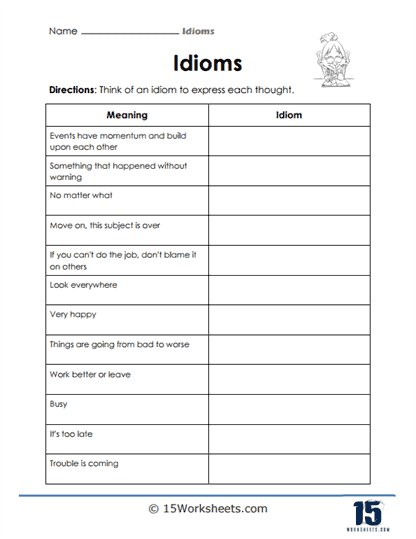
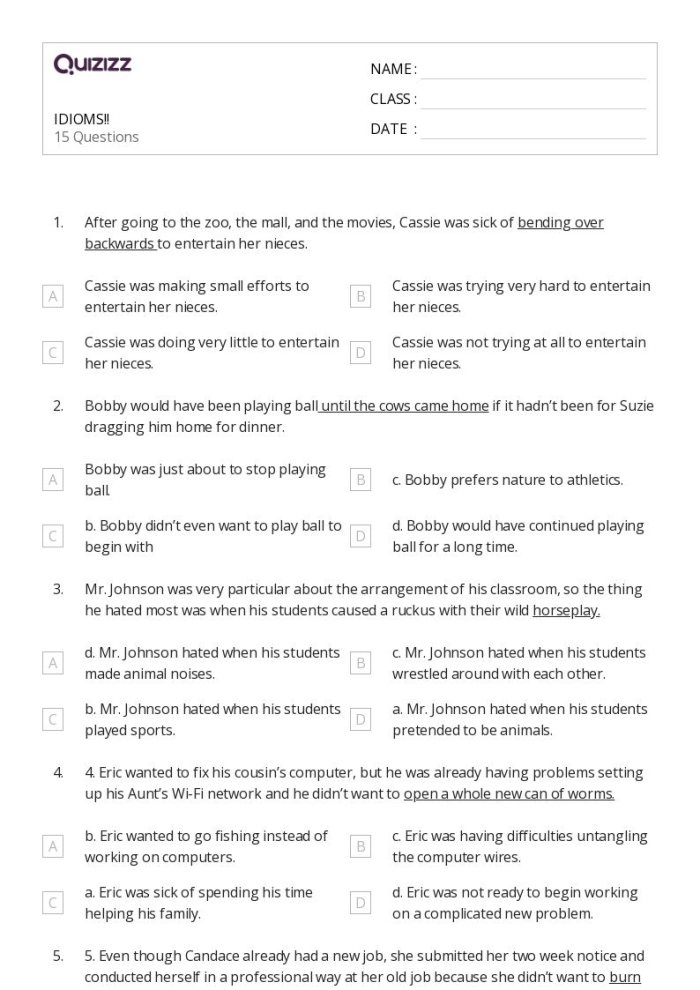
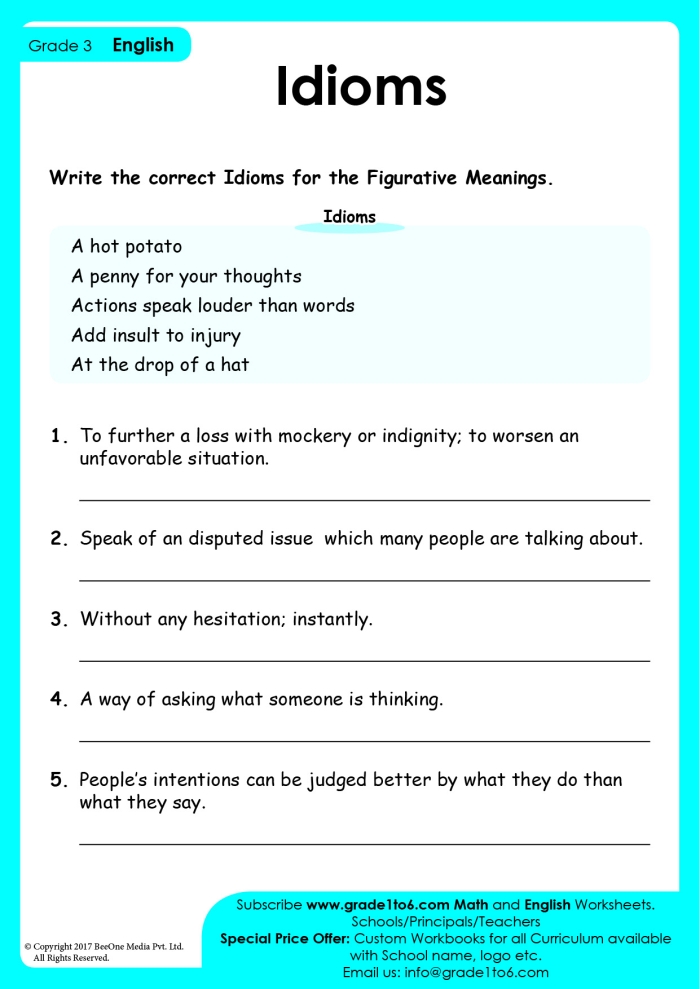
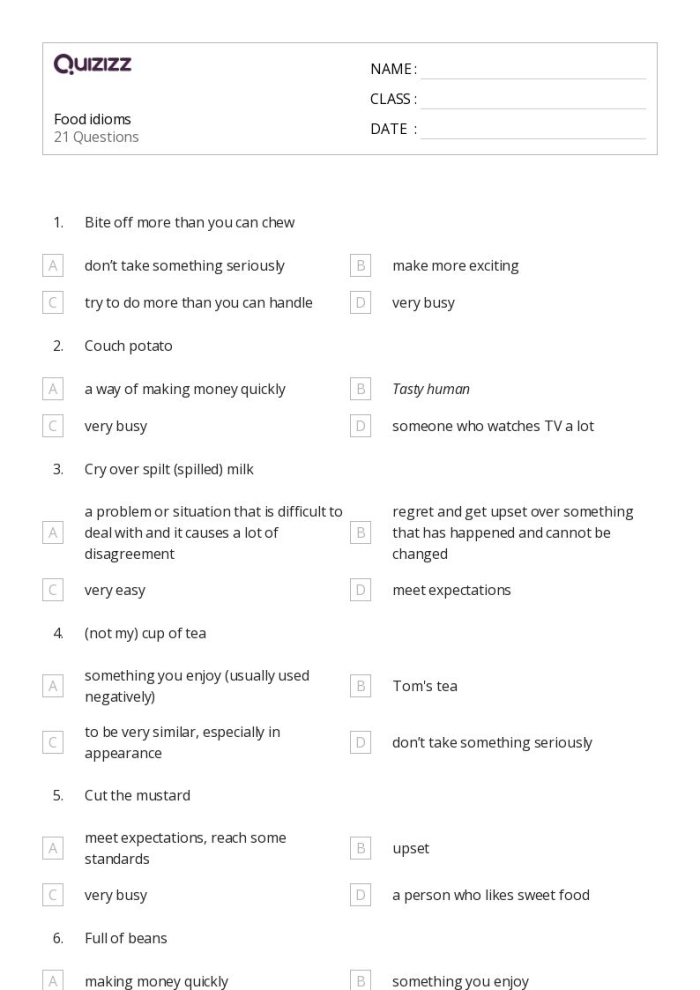
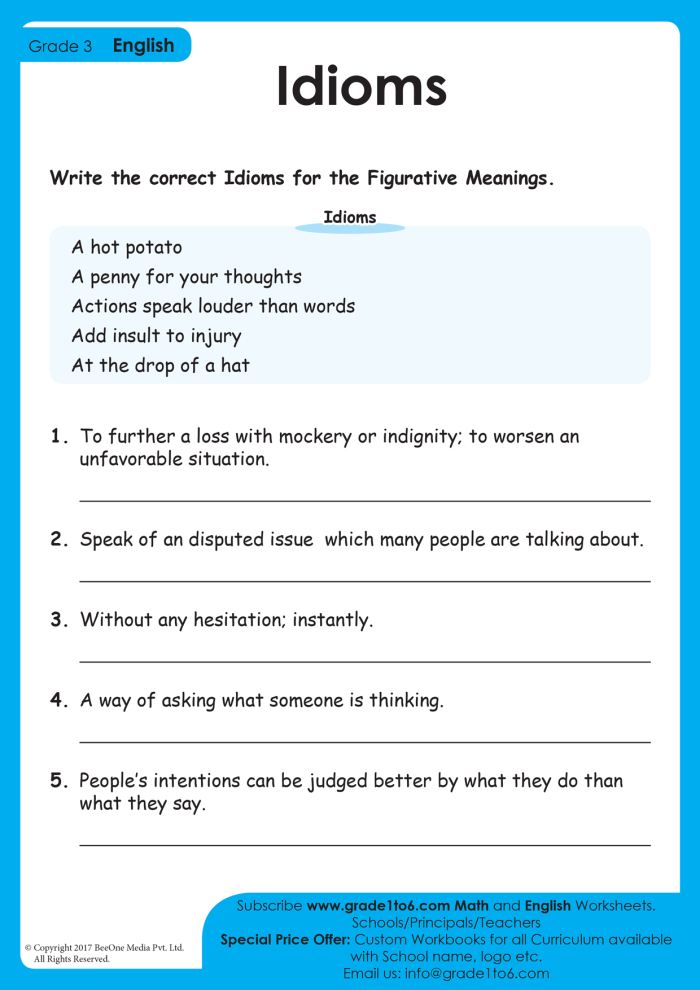
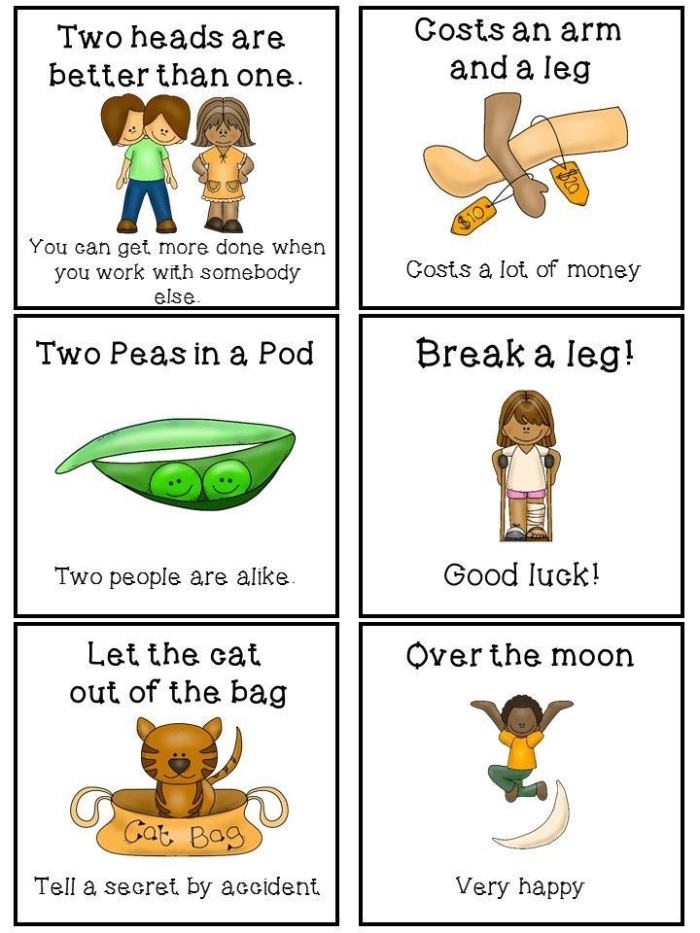
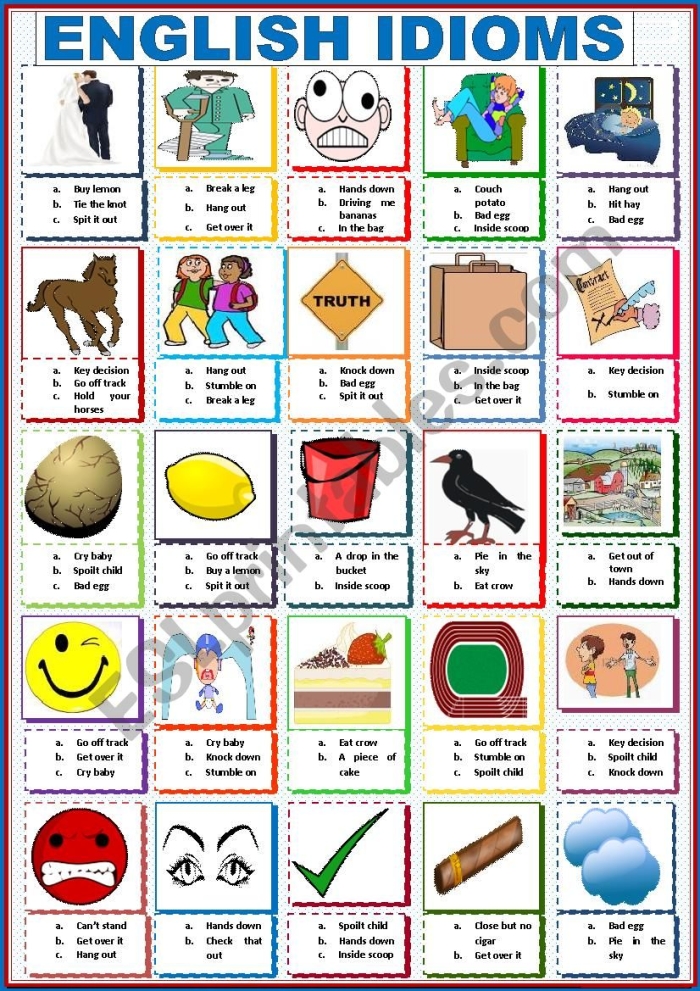
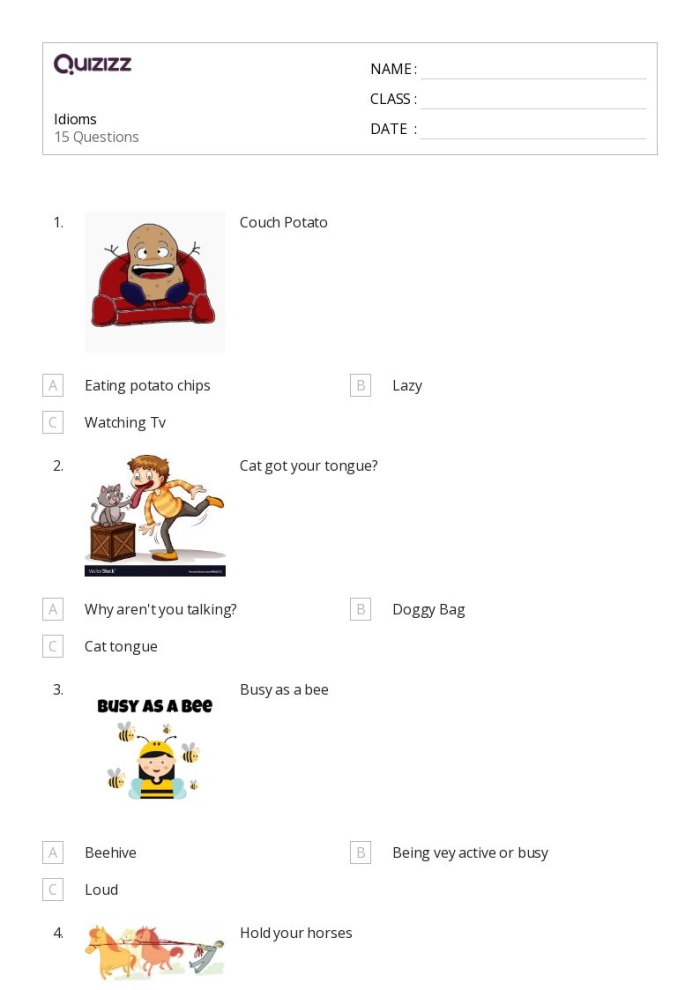
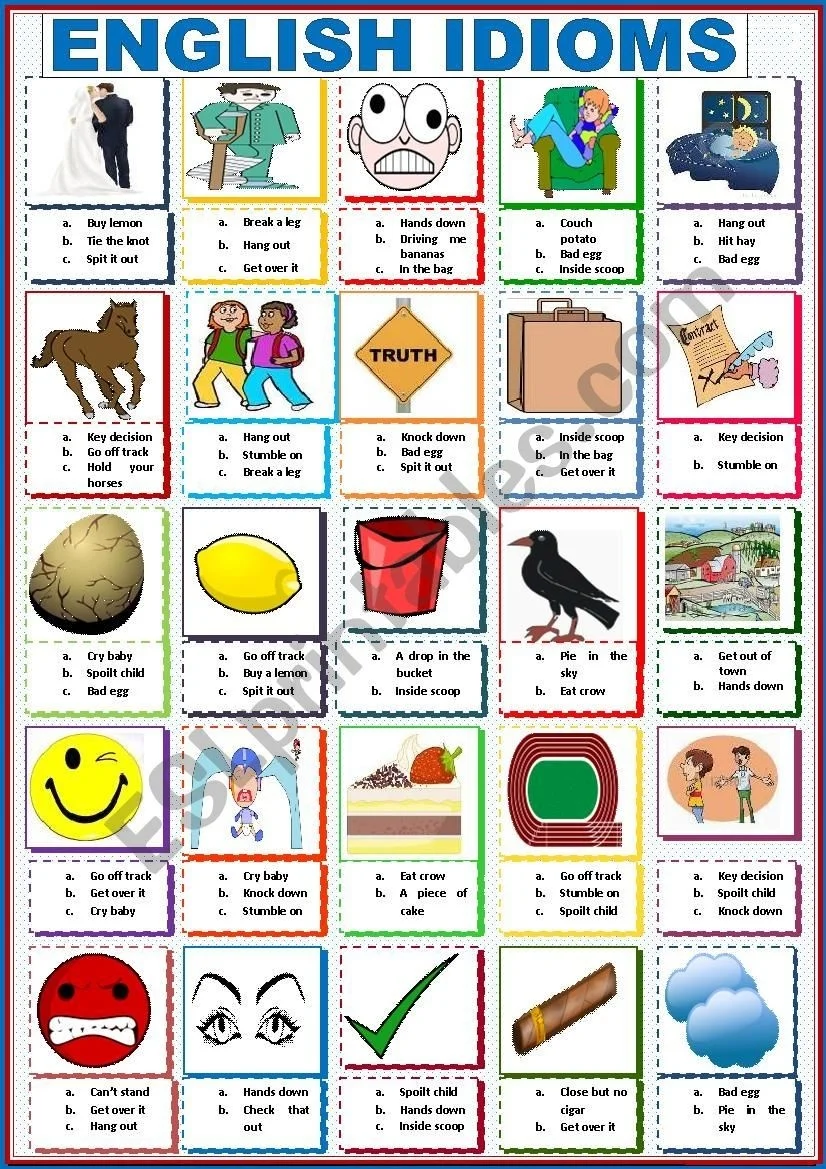
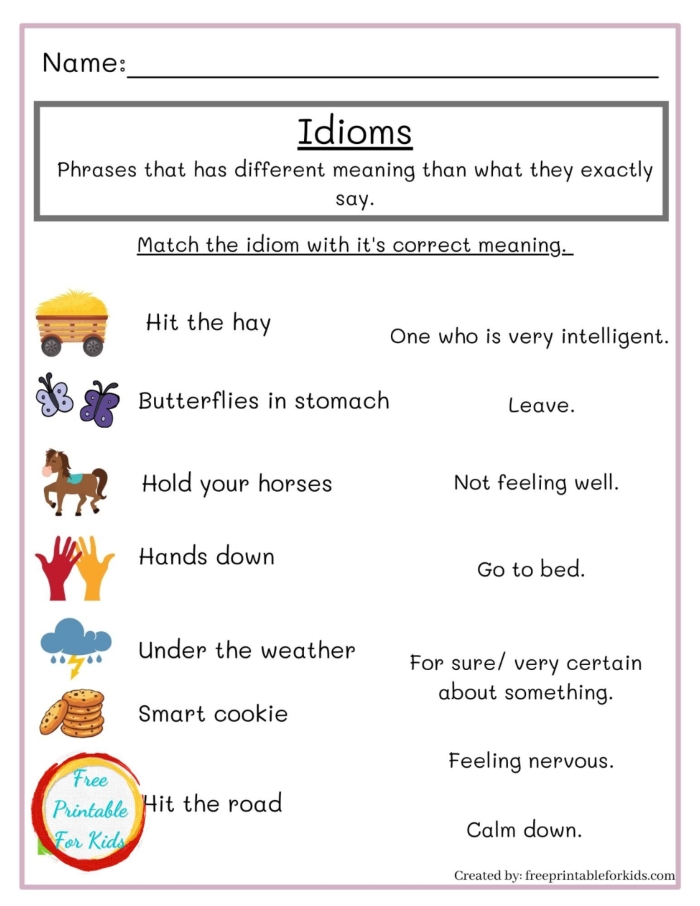
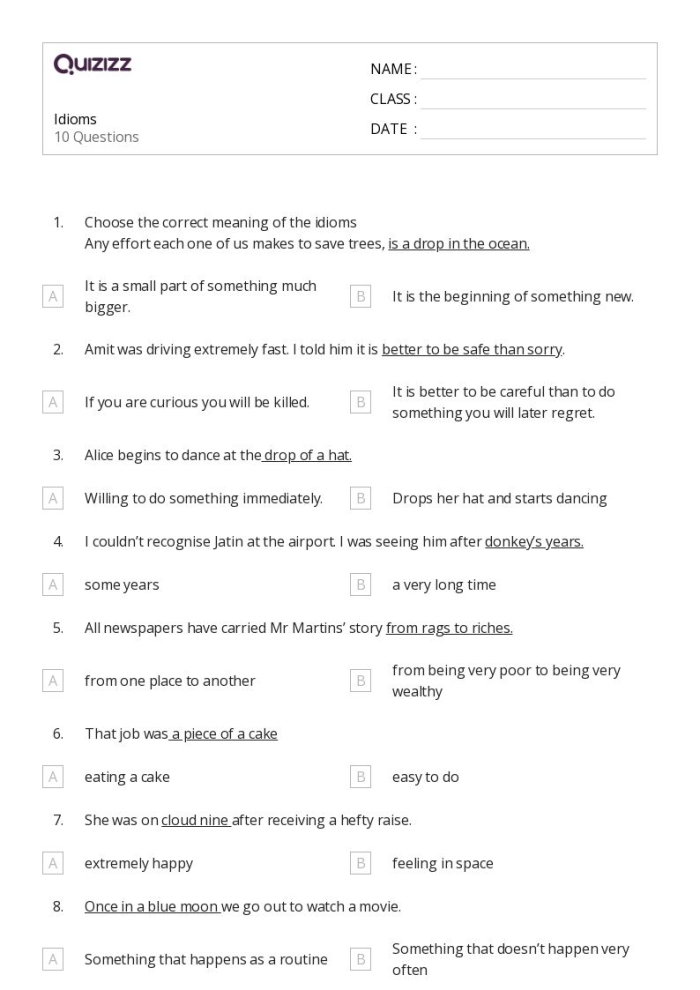
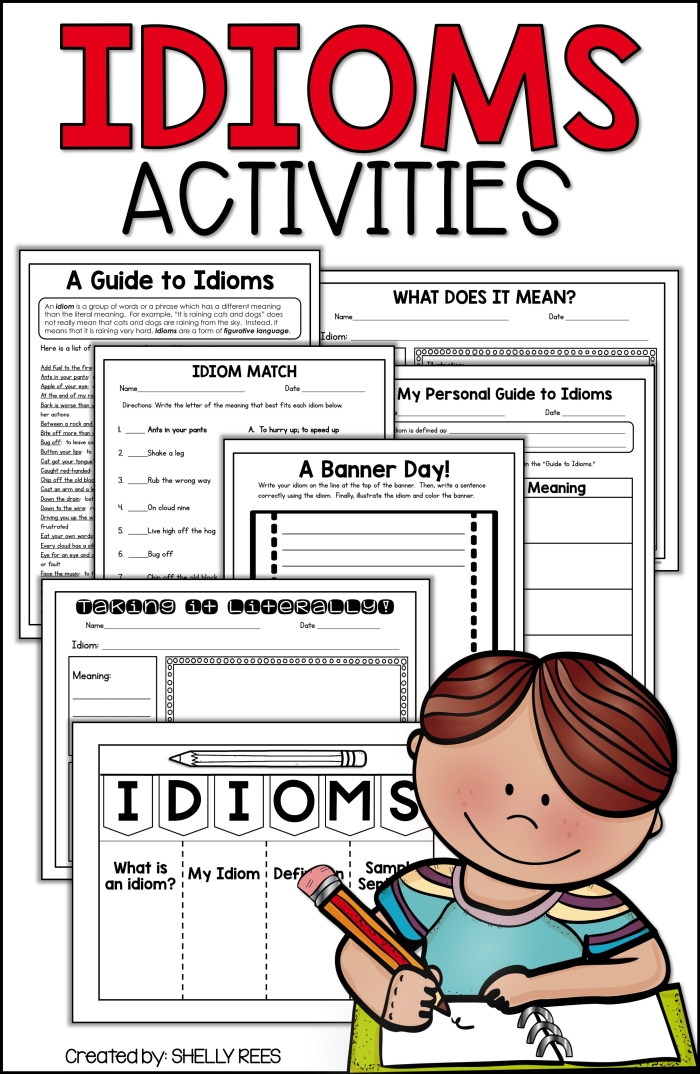
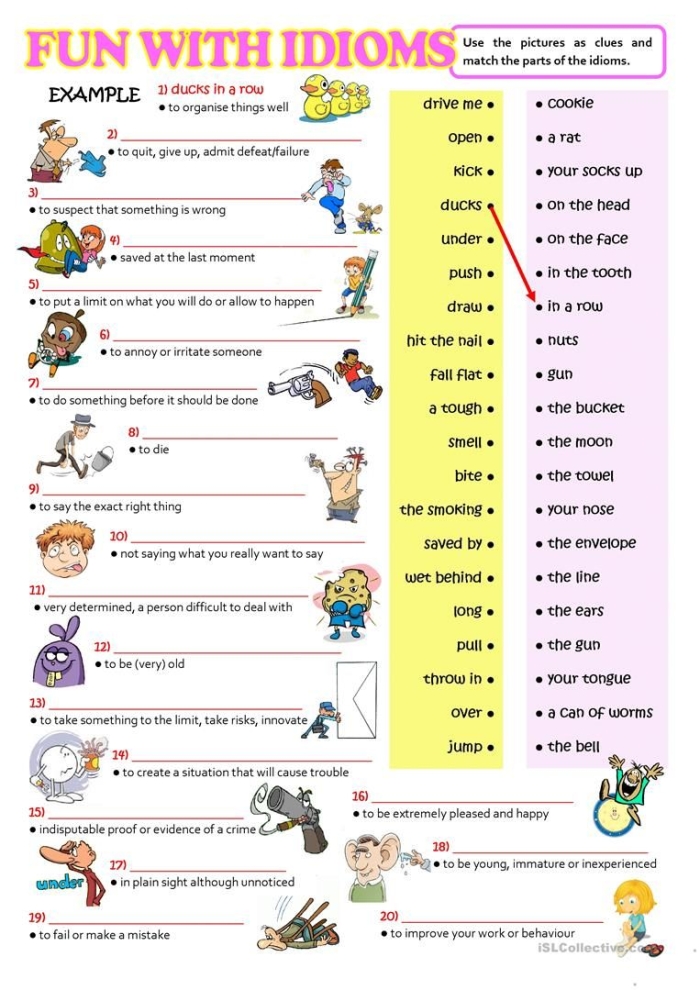
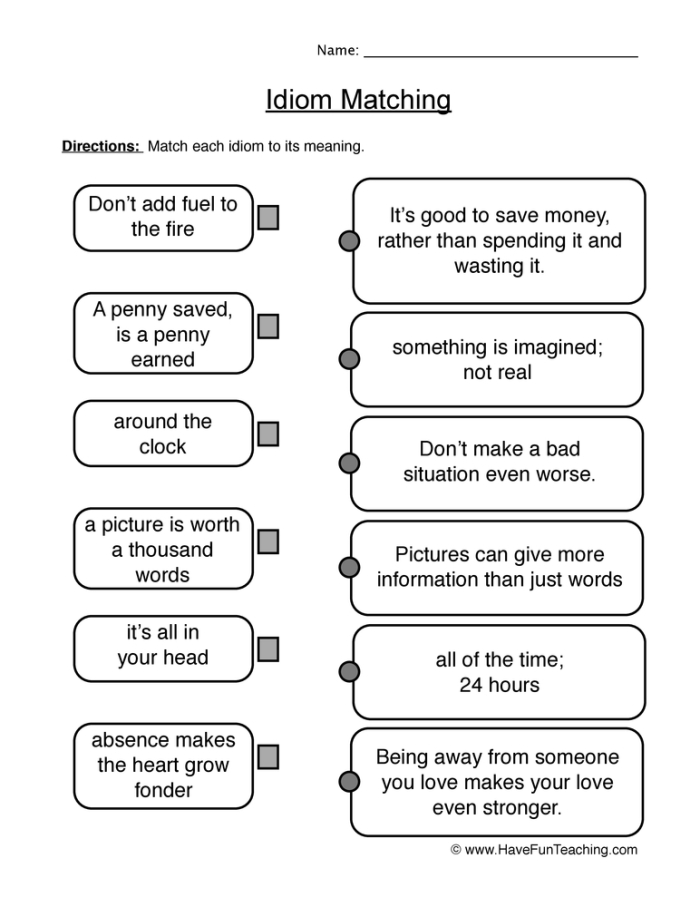
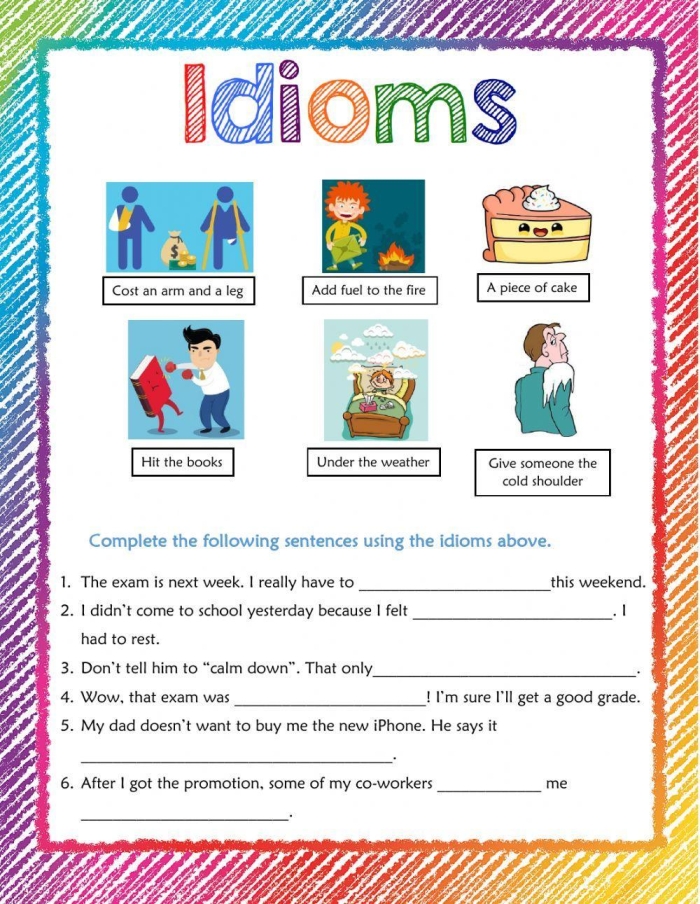
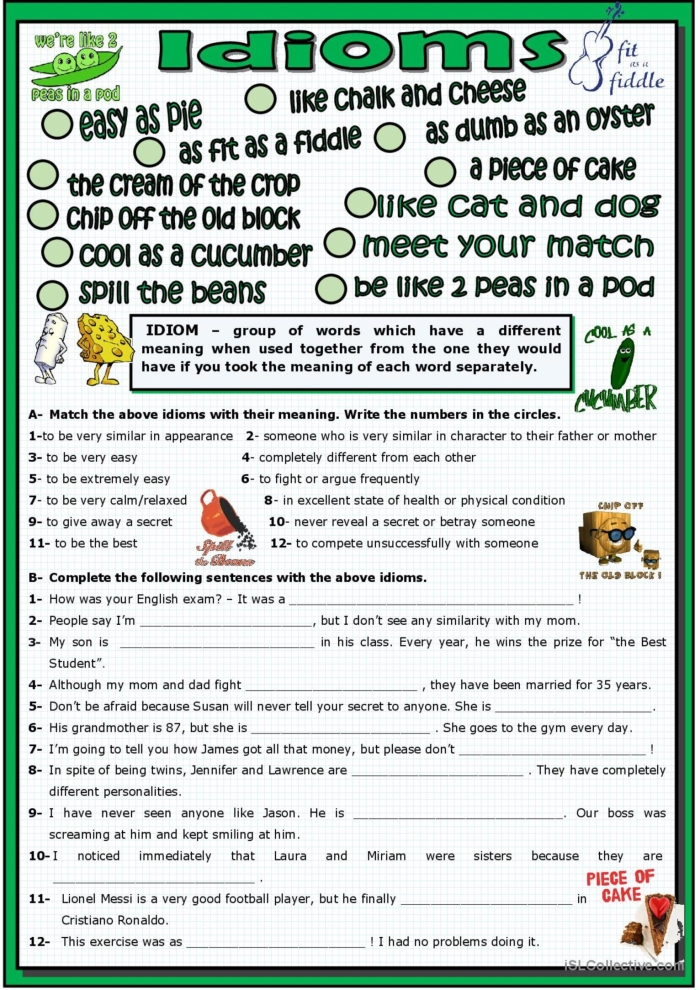
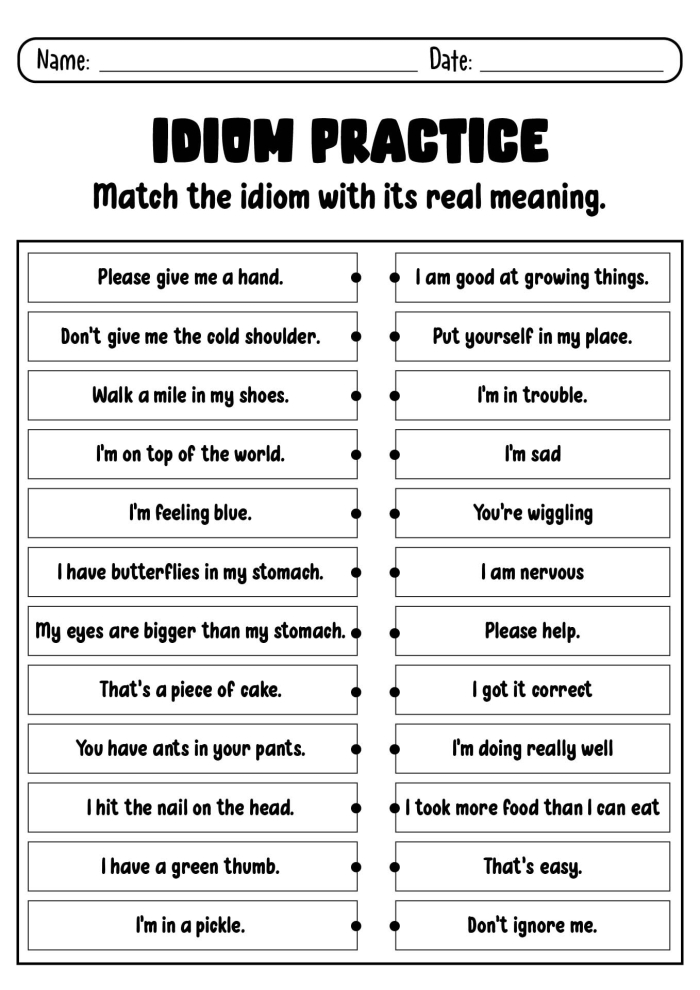
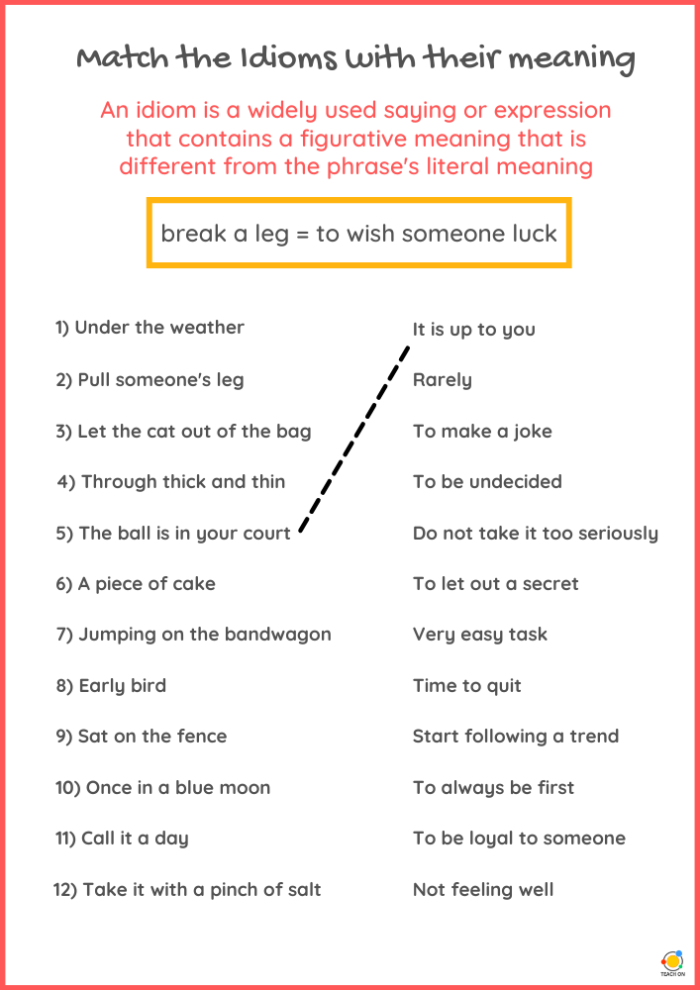
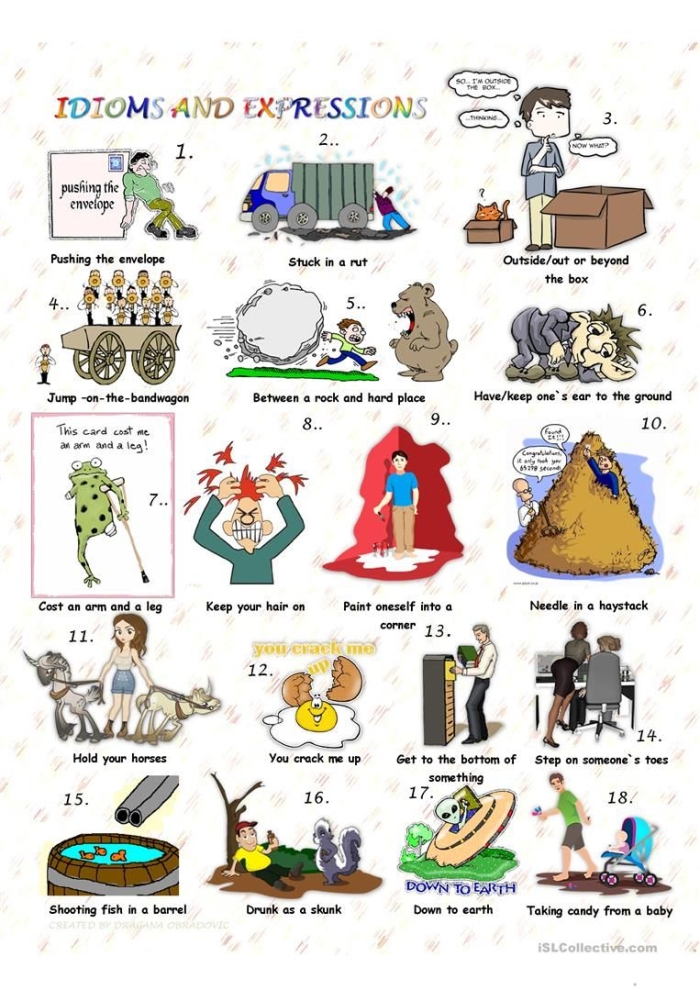
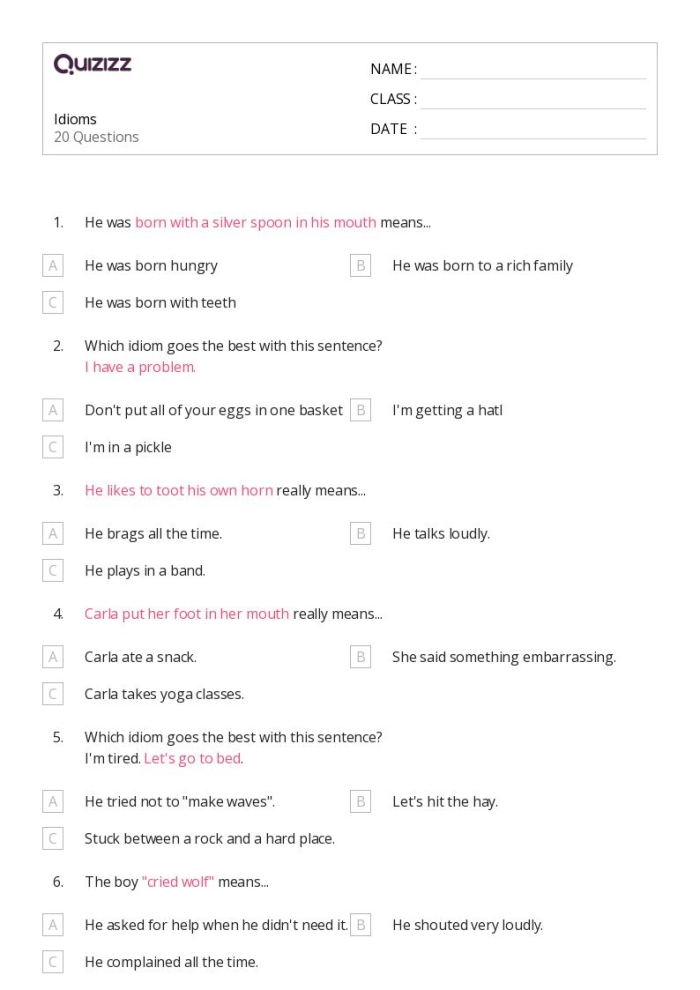
Another popular idiom is “spill the beans,” which means to reveal a secret. This phrase can lead to discussions about trust and sharing information, making it relatable for young learners. You might consider using printable idioms worksheets like Printable Idioms: Picture This! Worksheets to help students visualize these phrases. Engaging them with illustrations can deepen their understanding and retention of these idioms.
Incorporating idioms into your lessons can also enhance their vocabulary and comprehension skills. For example, when discussing numbers and counting, you might use the idiom “count your blessings.” This phrase encourages gratitude and can be tied back to lessons on positive thinking. By connecting idioms with real-life contexts, you help students see the value in learning them.
Ultimately, teaching idioms not only enriches language skills but also fosters a sense of community in the classroom. By sharing these phrases, students can relate to one another through language, making learning an enjoyable experience. Whether using worksheets, group discussions, or storytelling, the exploration of idioms can be a delightful adventure in understanding the nuances of English.
Hands-On Worksheet Activities