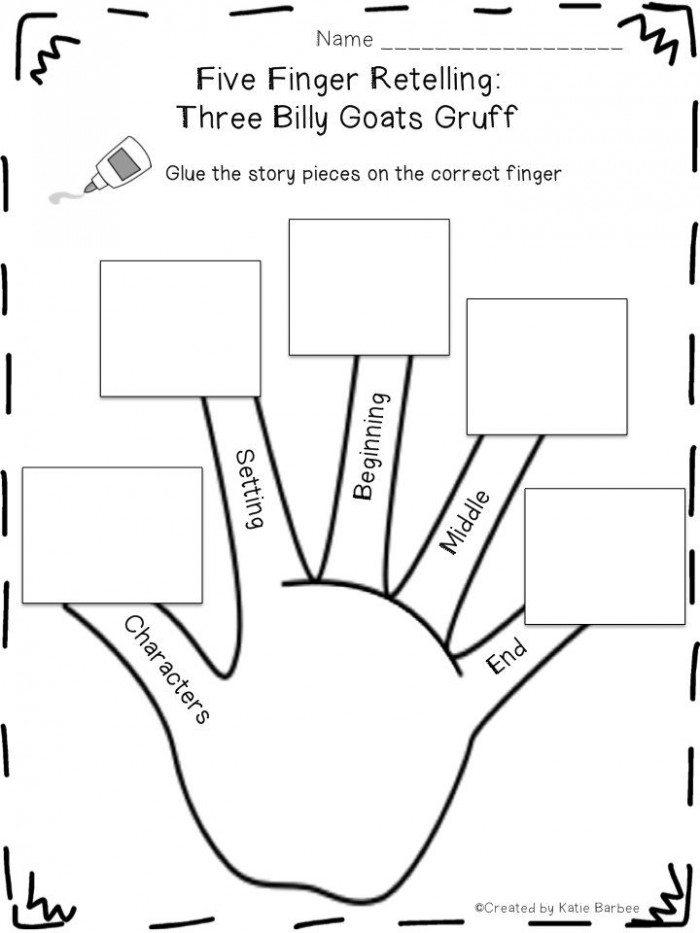
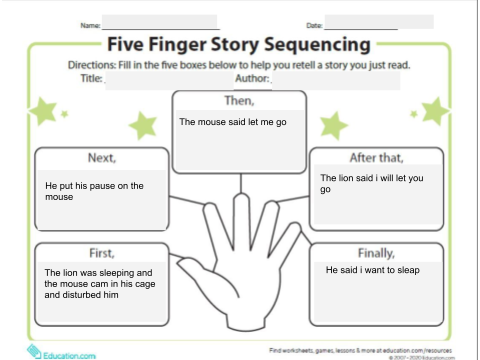
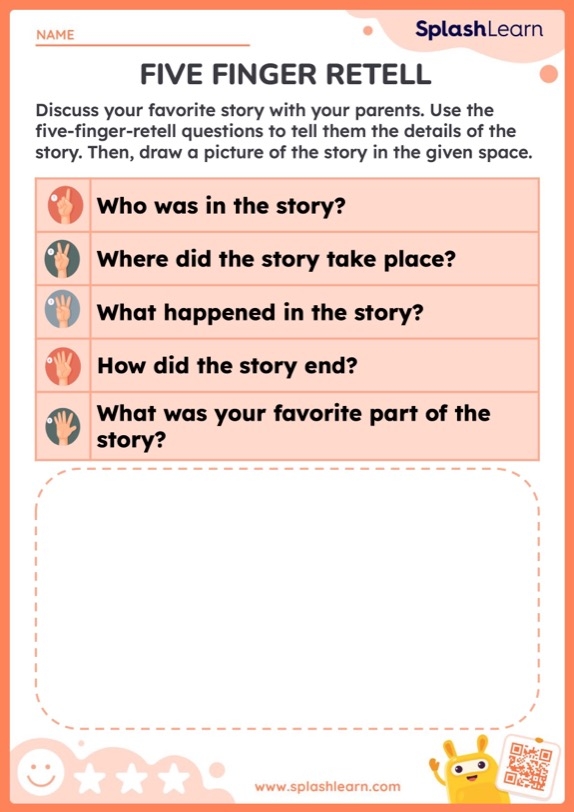
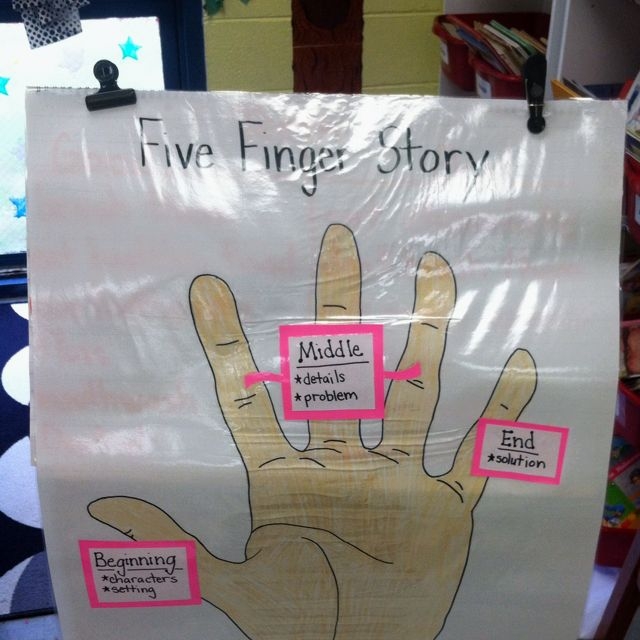
Sequencing stories can often feel like a formulaic exercise, but they don’t have to be boring. With the Five Finger Story Sequencing method, students can explore narratives in a more engaging way. This graphic organizer transforms the traditional beginning, middle, and end format into a dynamic framework that encourages deeper understanding and creativity.
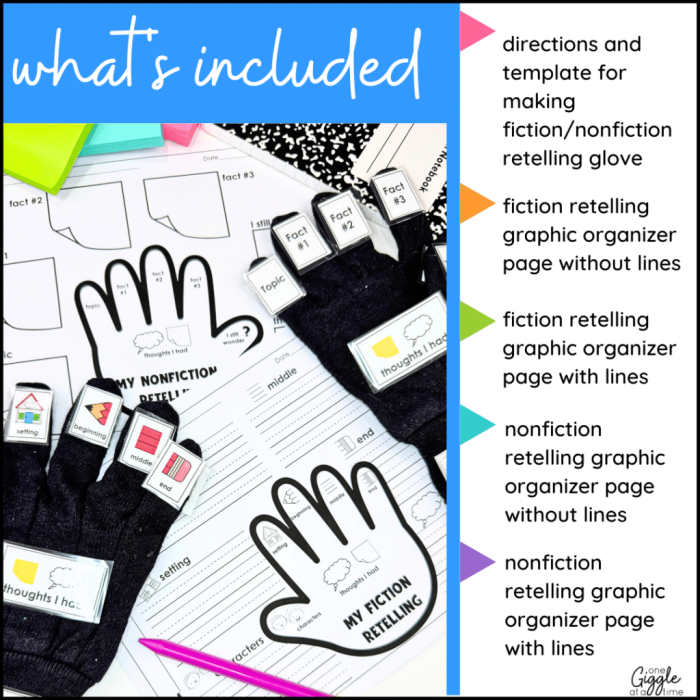
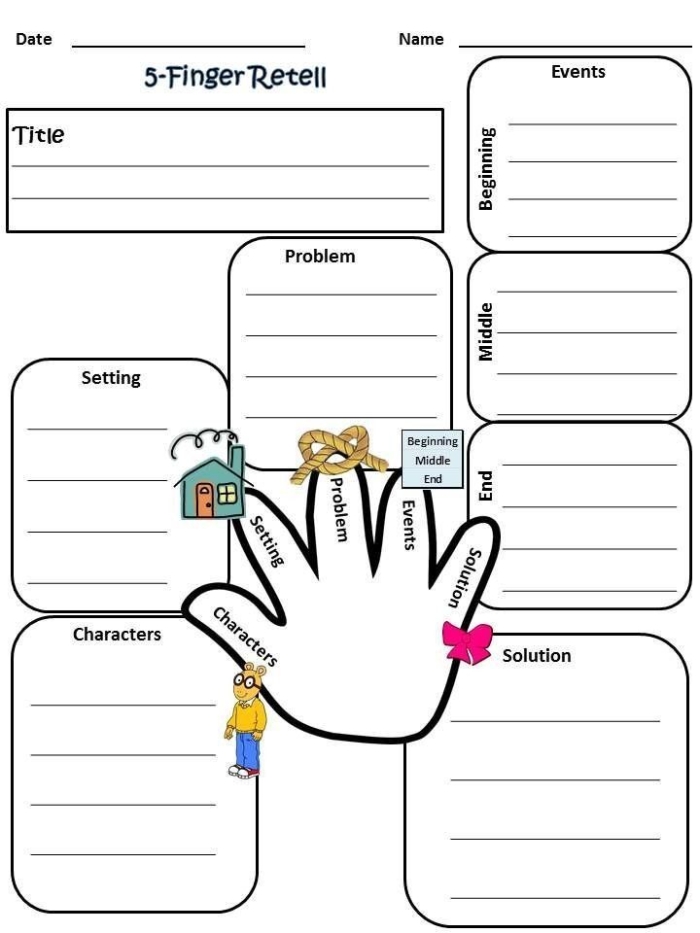
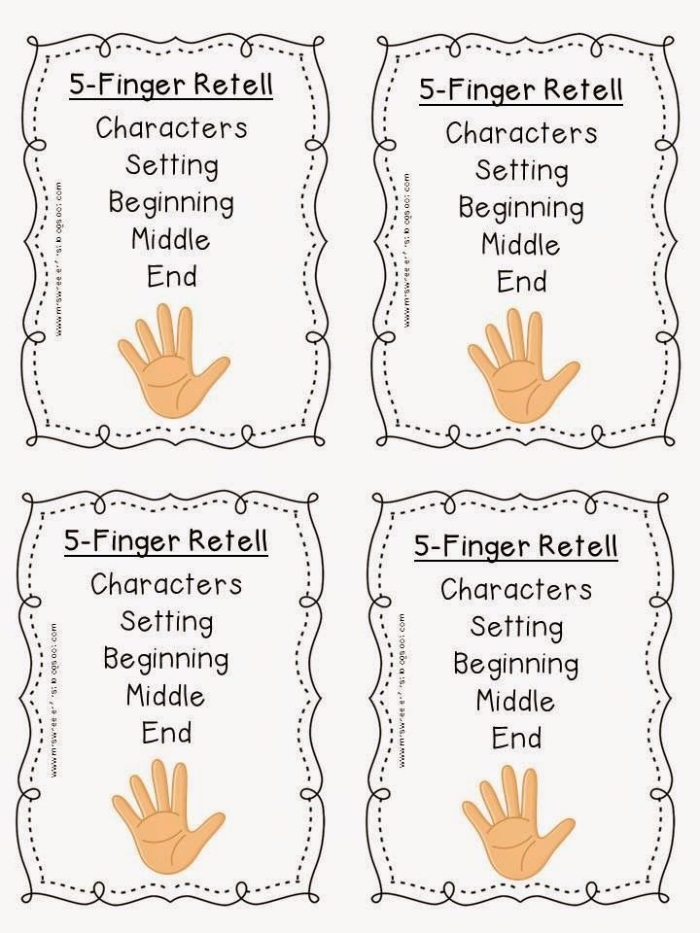
The Five Finger strategy is simple yet effective. Each finger represents a different part of the story: the thumb for the title, the index finger for the characters, the middle finger for the setting, the ring finger for the conflict, and the pinky for the resolution. By breaking down the story in this manner, second graders can create a concise but thorough summary that captures the essence of the narrative while also enhancing their comprehension skills.
Using this method, students can easily identify key elements in any fiction they read. For instance, when reading a story about a chicken’s life cycle, they can use the Five Finger organizer to pinpoint the main characters—like the hen and her chicks—along with the setting of a farm. This makes the process of summarizing not just educational but also fun, as they get to visualize the story in a structured way.
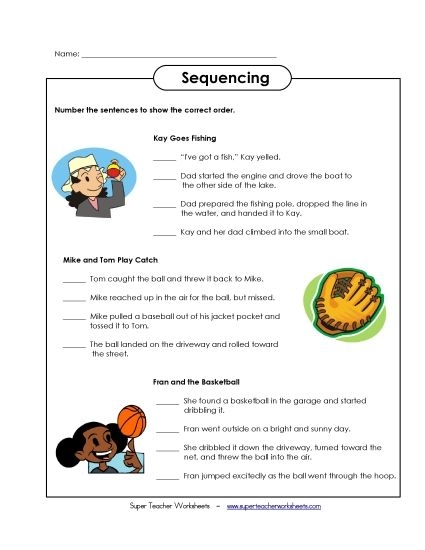
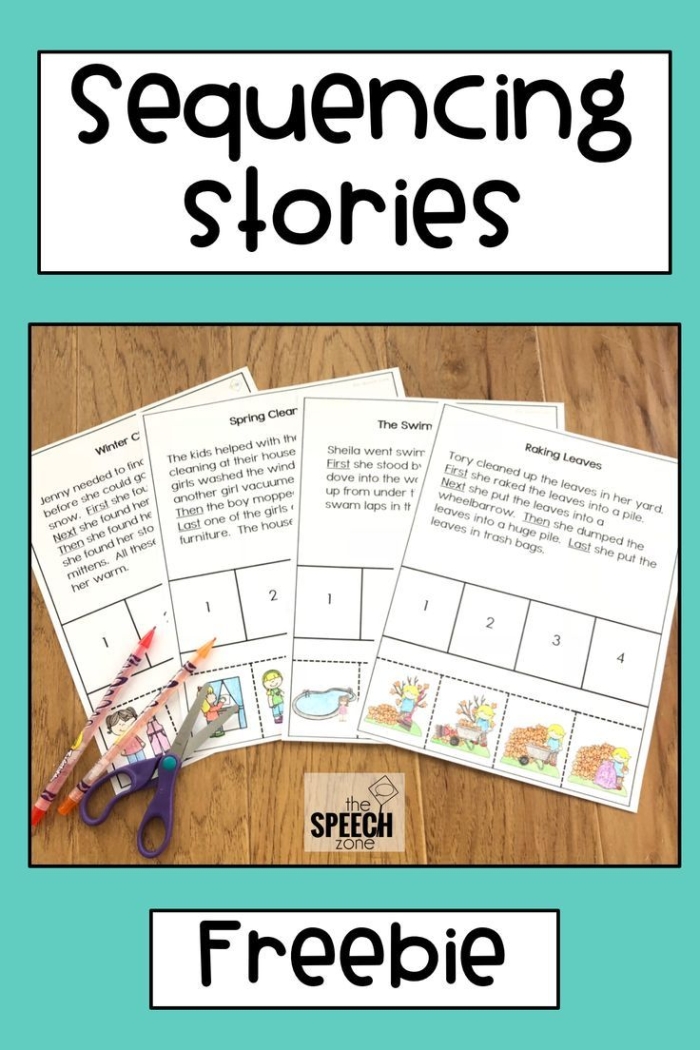
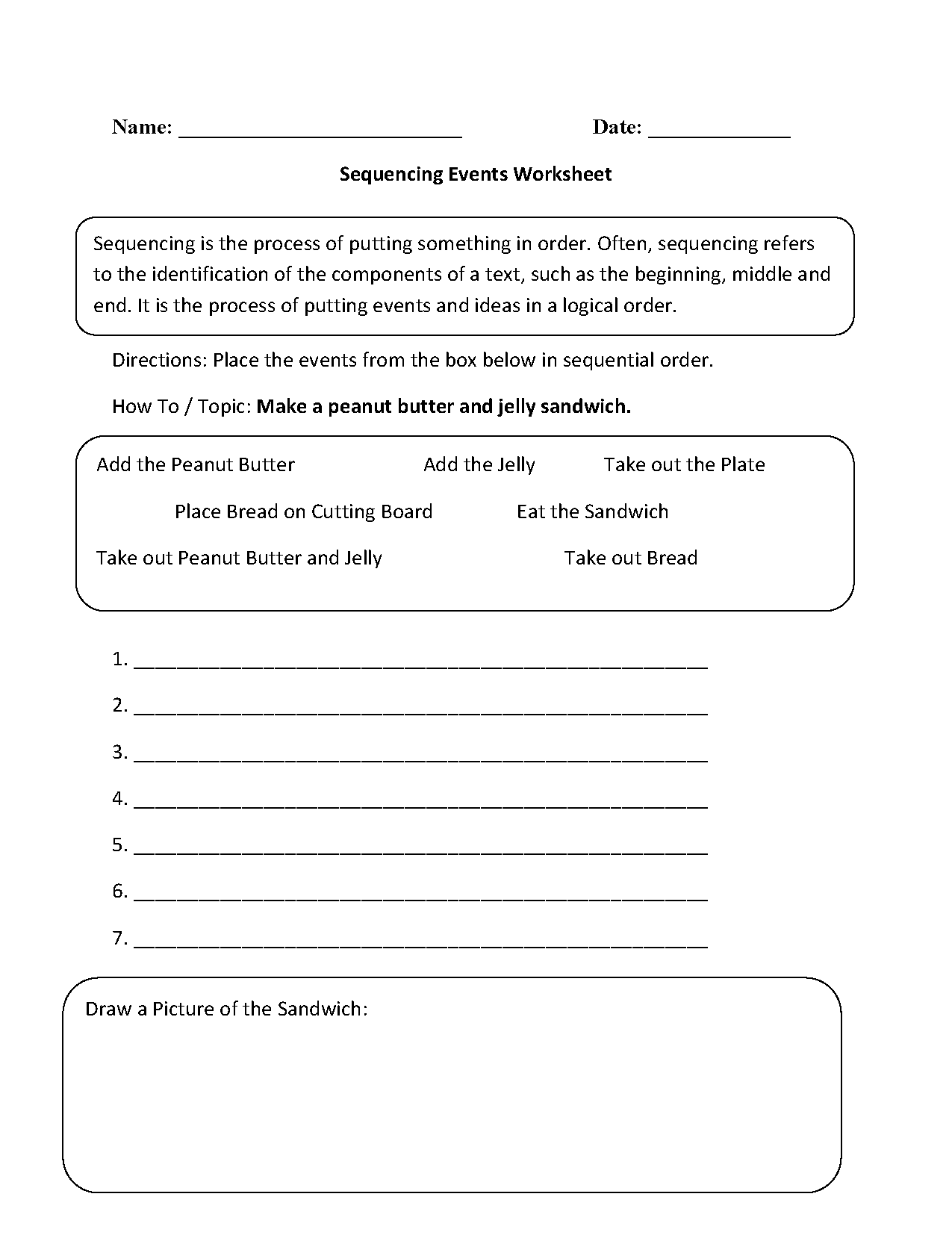
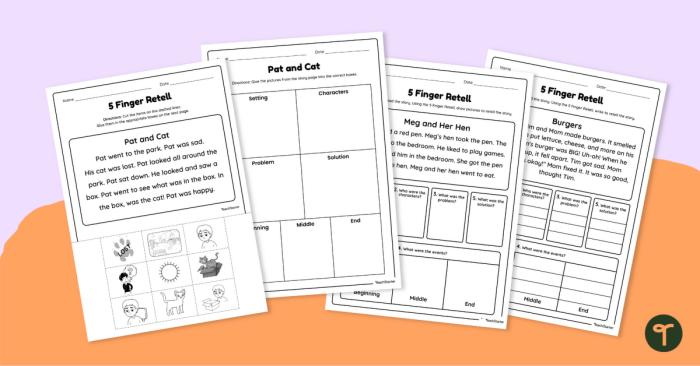
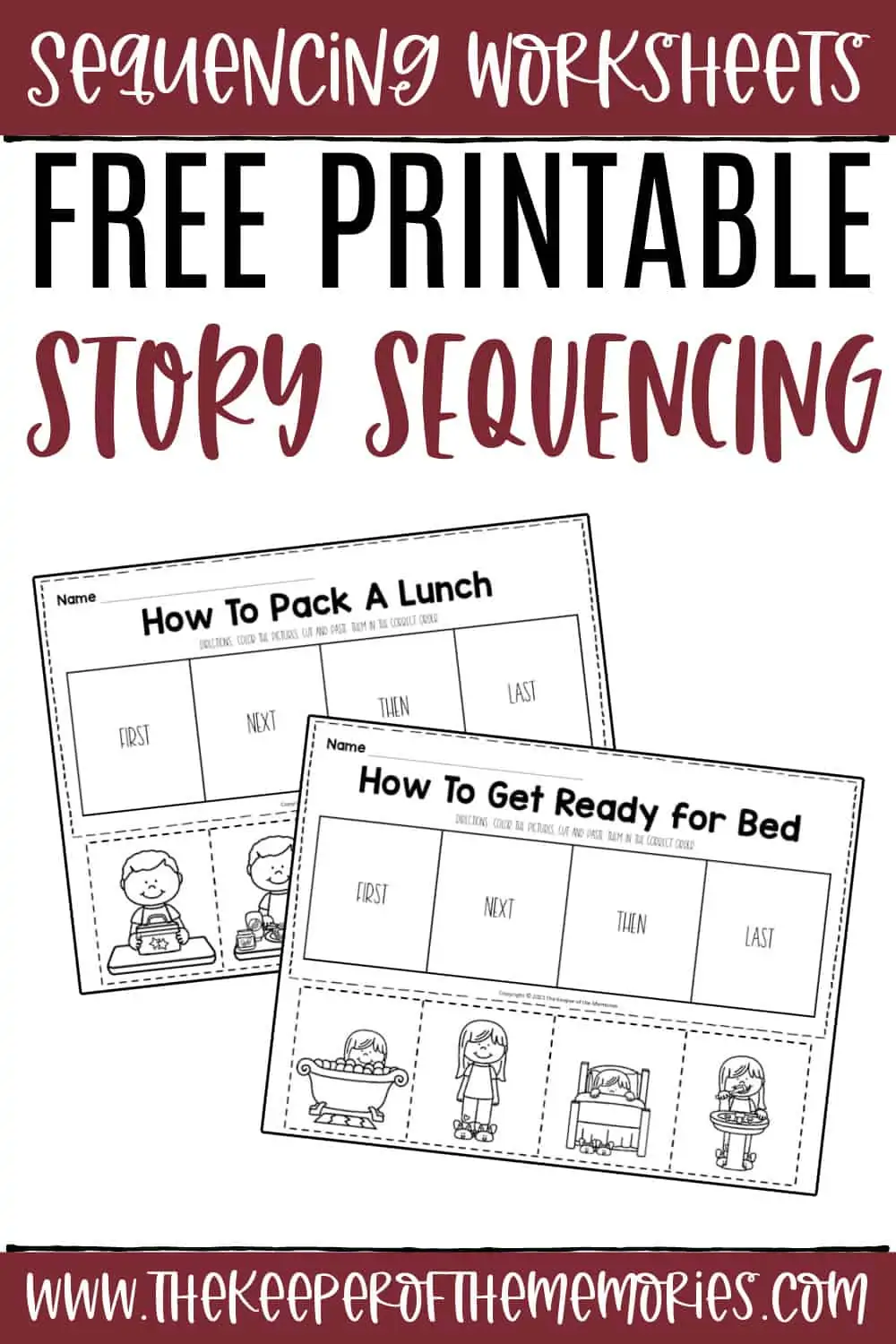
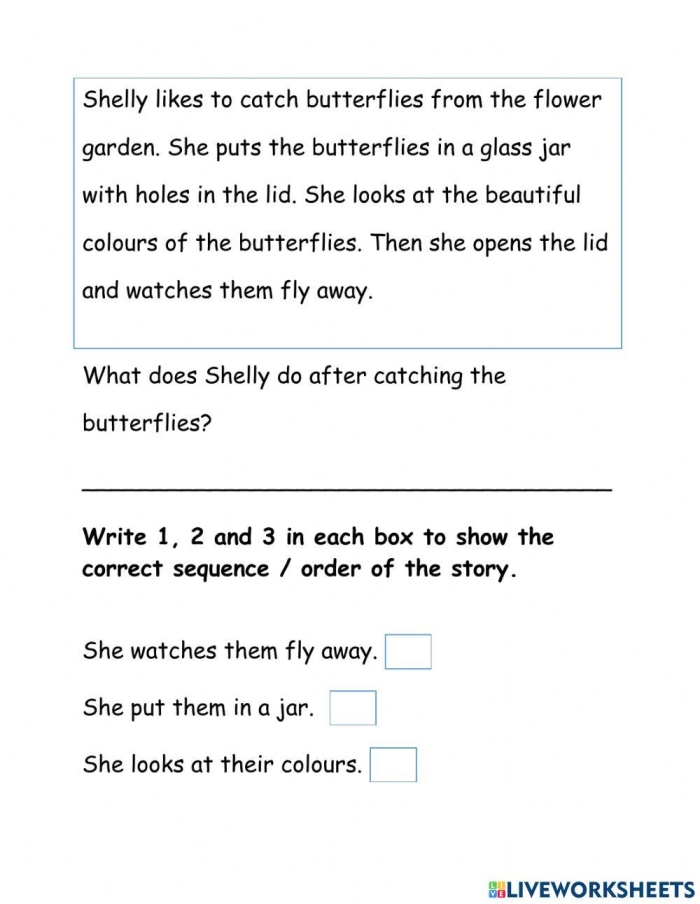
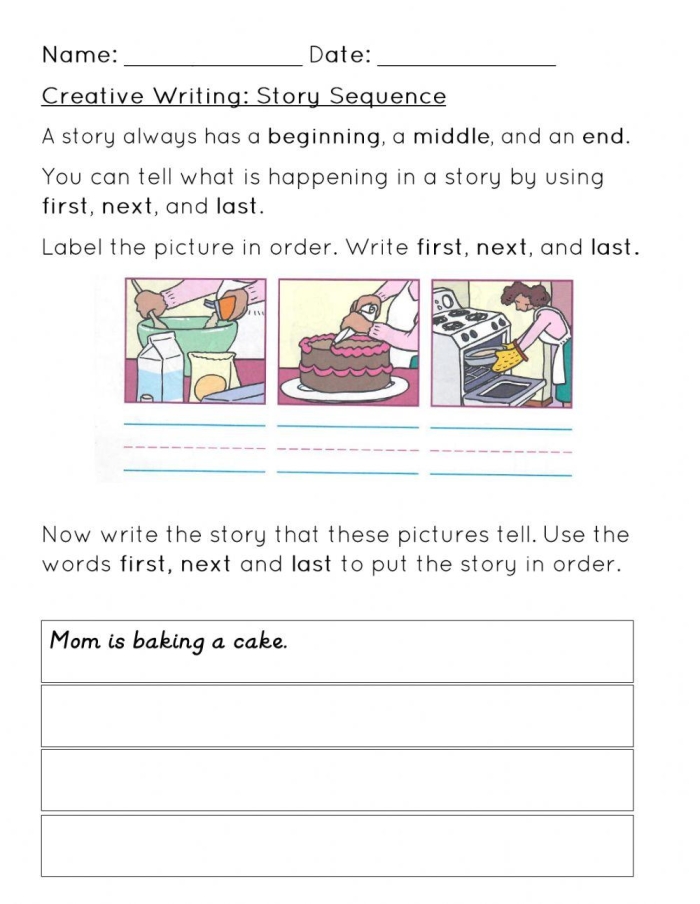
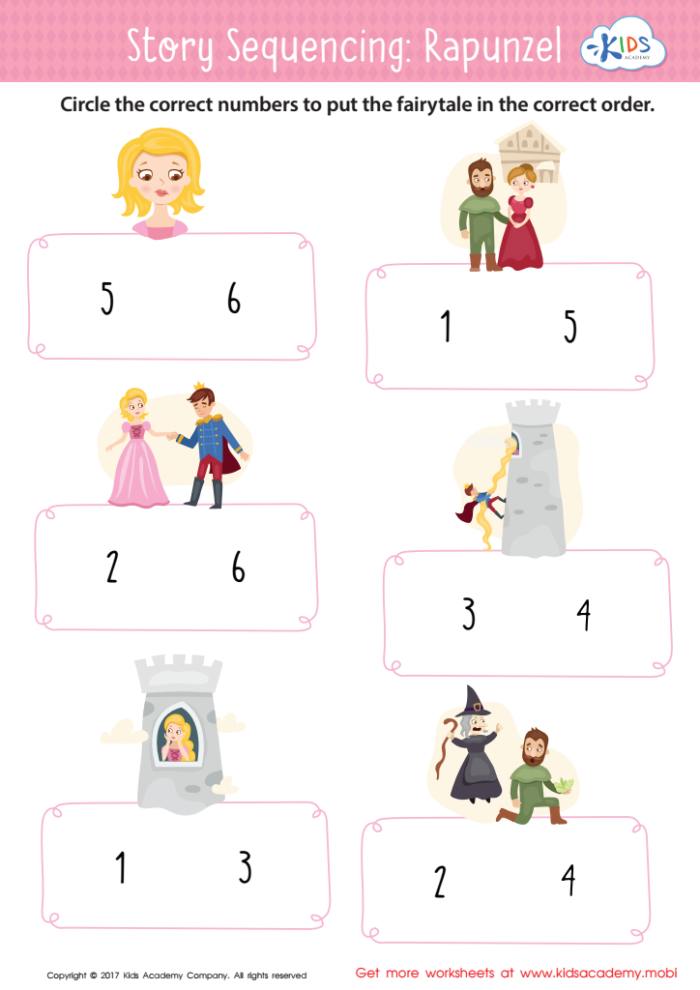
Teachers and parents can find printable Five Finger Story Sequencing worksheets that offer additional support for this strategy. These worksheets can be a great tool to facilitate discussions about different narratives, allowing children to practice their summarization skills across various texts.
Incorporating this graphic organizer into lessons not only encourages kids in second grade to think critically about the stories they read but also helps them develop a love for literature. By making sequencing stories more interesting than just a linear approach, educators can ignite a passion for storytelling that lasts a lifetime.
Try These Printable Worksheets