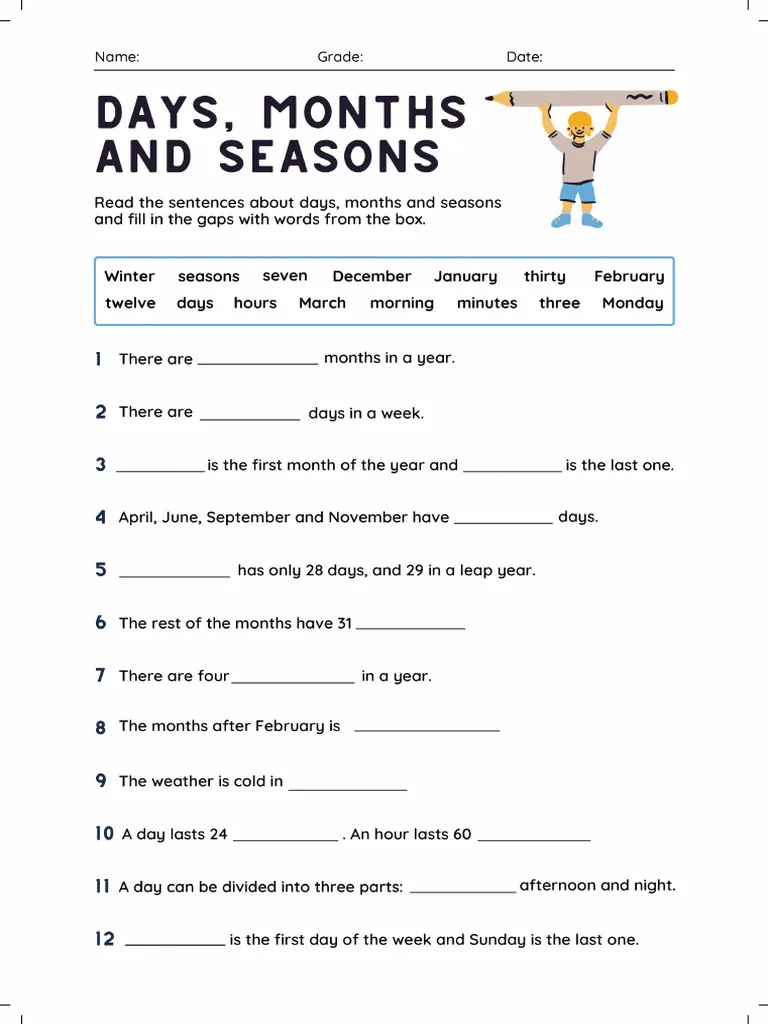
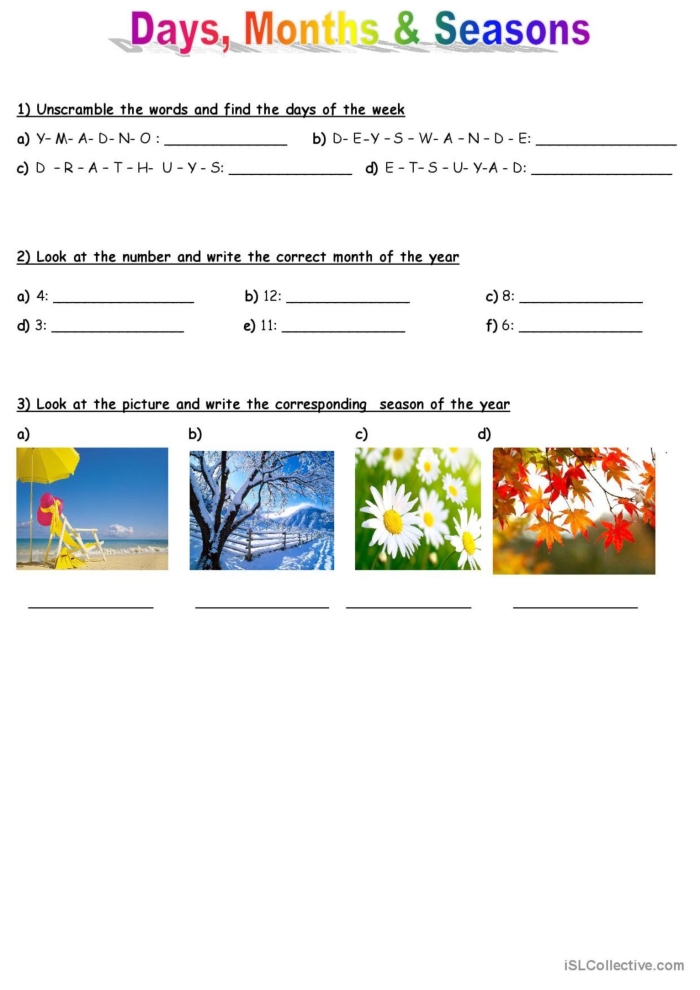
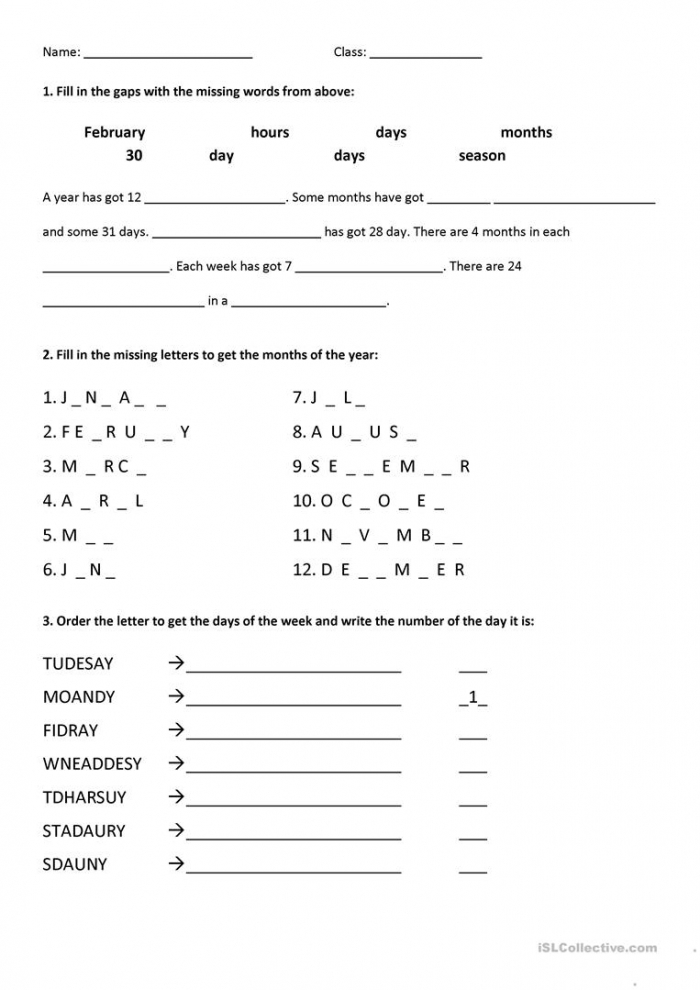
Understanding the days of the week, the months of the year, and the changing seasons is crucial for young learners. These concepts lay the groundwork for time management and help children connect with their environment. For Pre-K students, grasping these fundamental ideas is not just an academic exercise; it enriches their daily lives and routines.
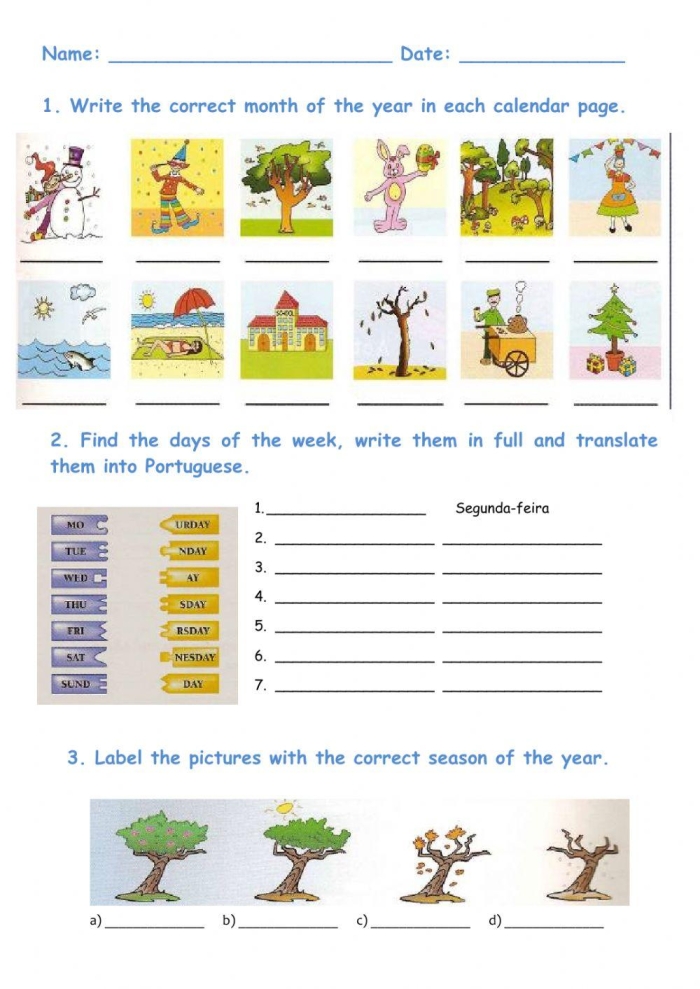
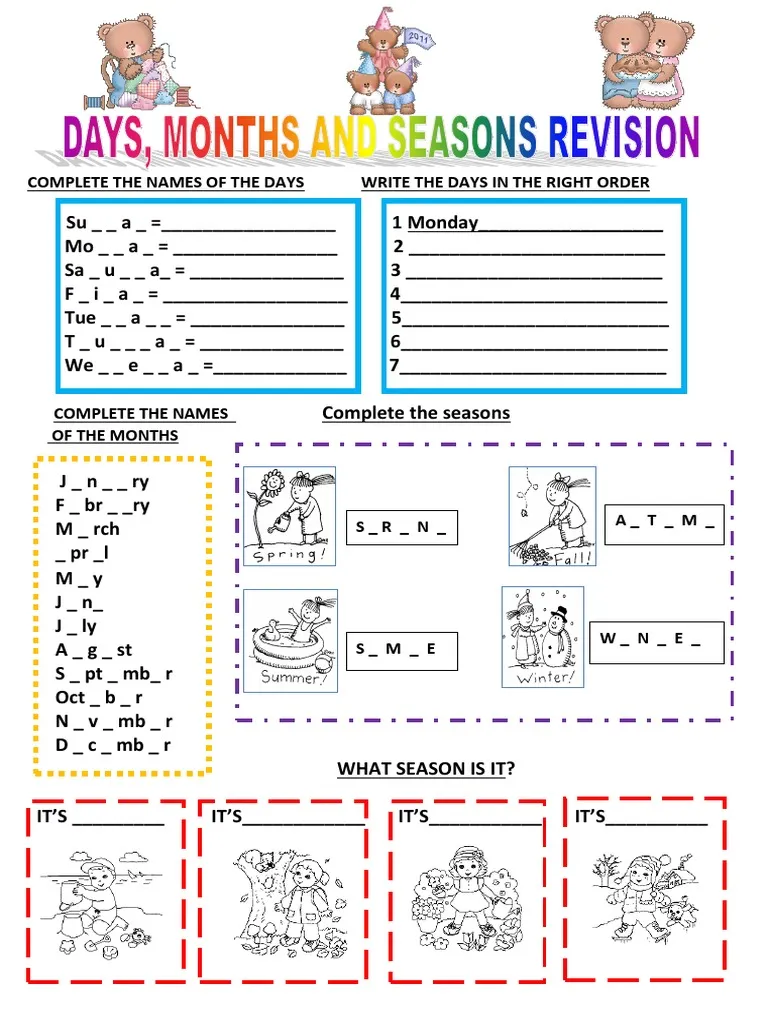
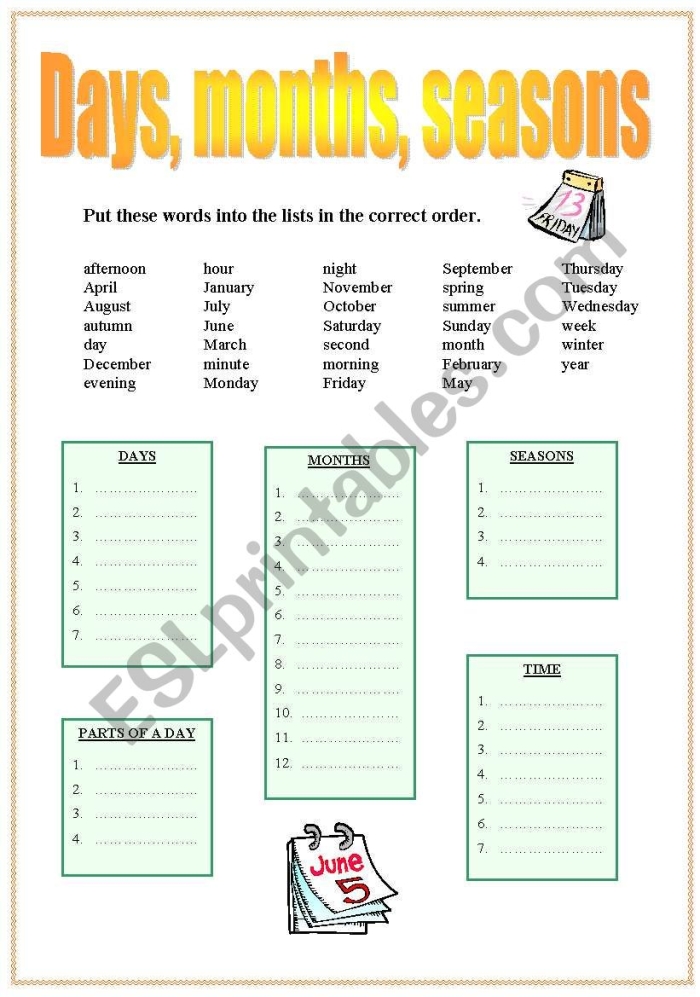
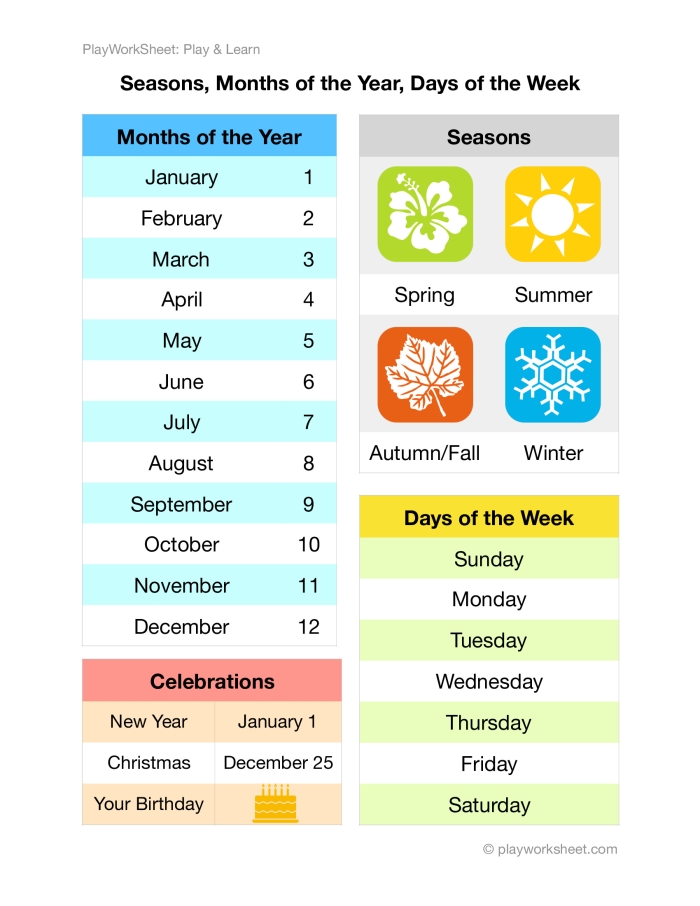
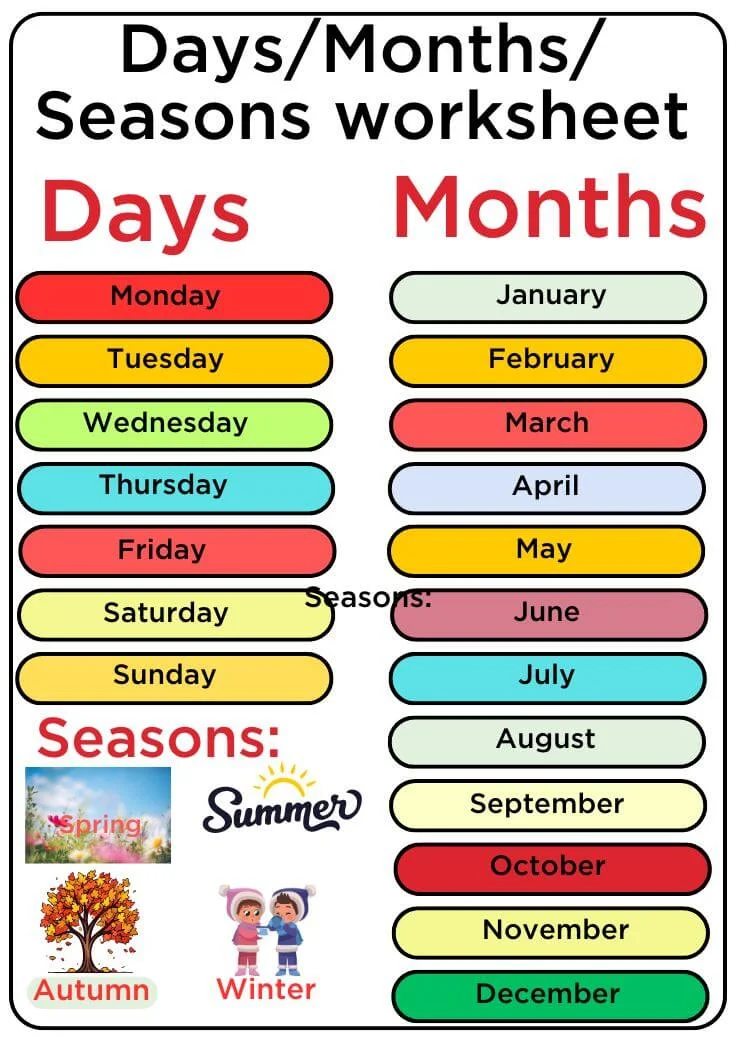
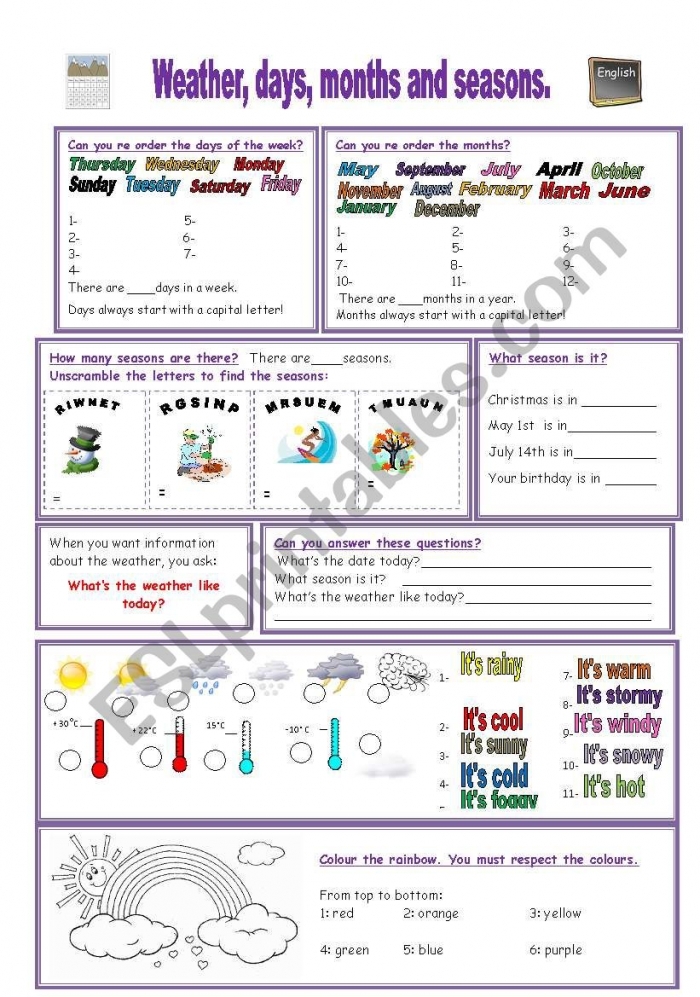
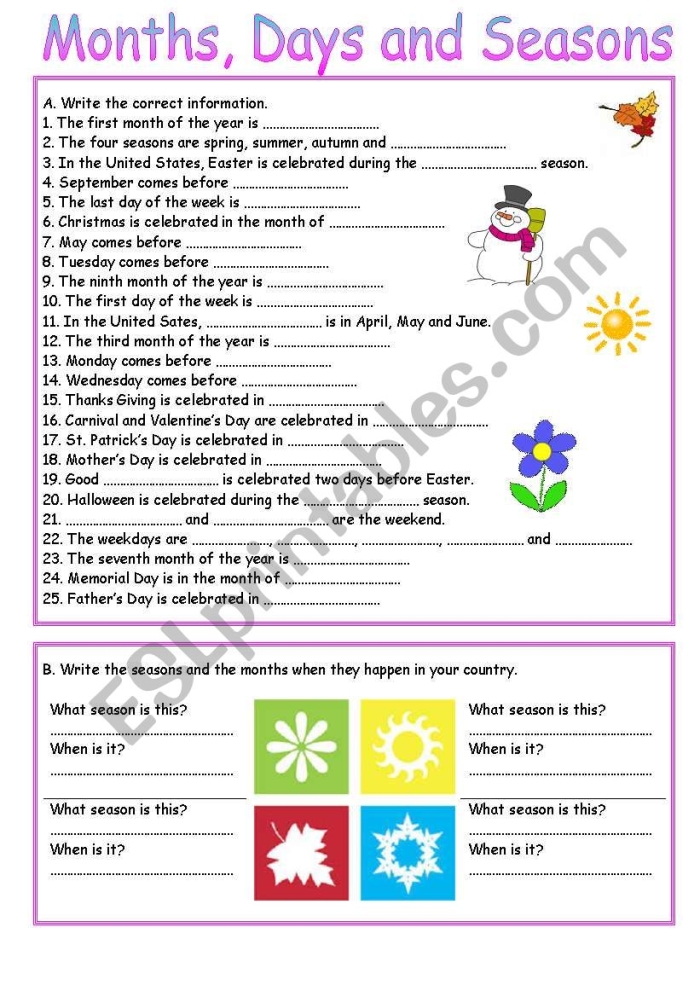
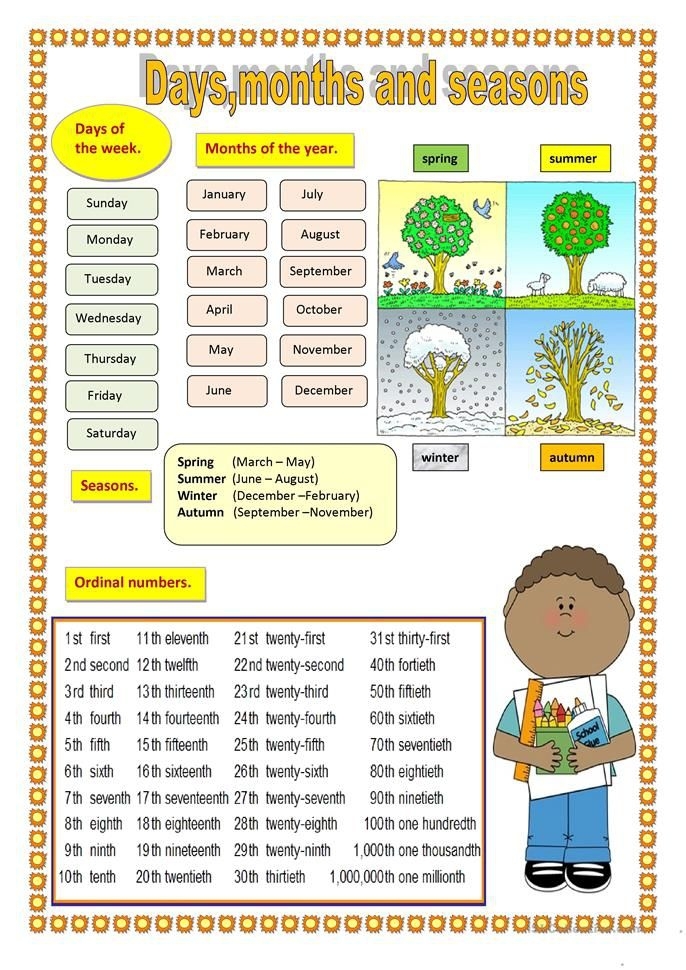
Start by introducing the days of the week. Use songs or rhymes that make learning fun. For instance, a simple tune can help children remember that there are seven days: Sunday, Monday, Tuesday, Wednesday, Thursday, Friday, and Saturday. Incorporating visuals like a colorful calendar can also engage young minds. You can encourage students to mark their favorite days or special events, helping them see how each day fits into their week.
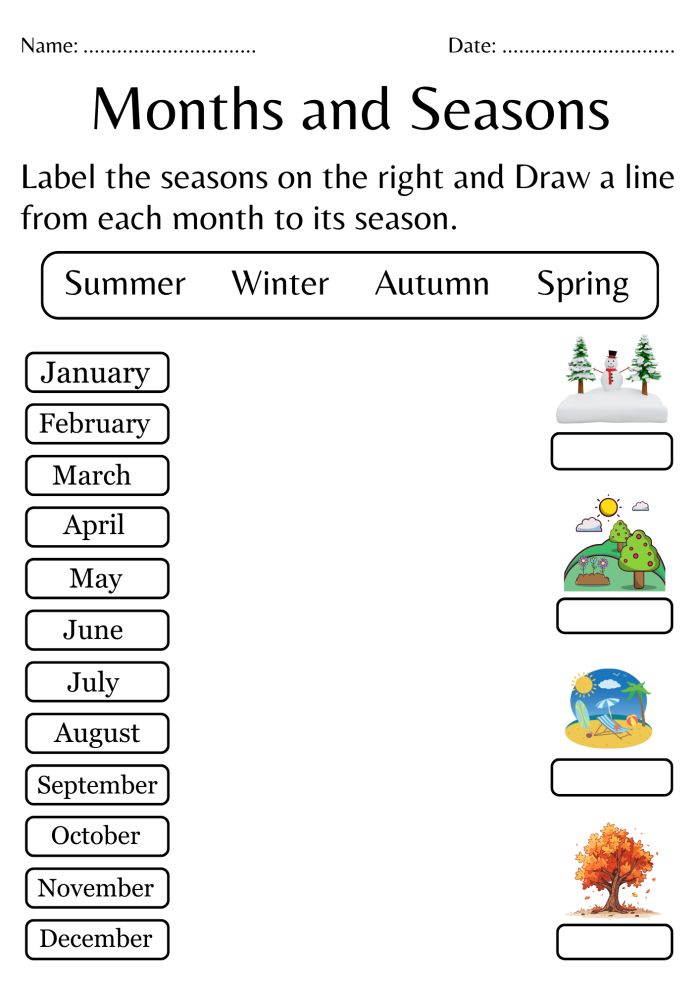
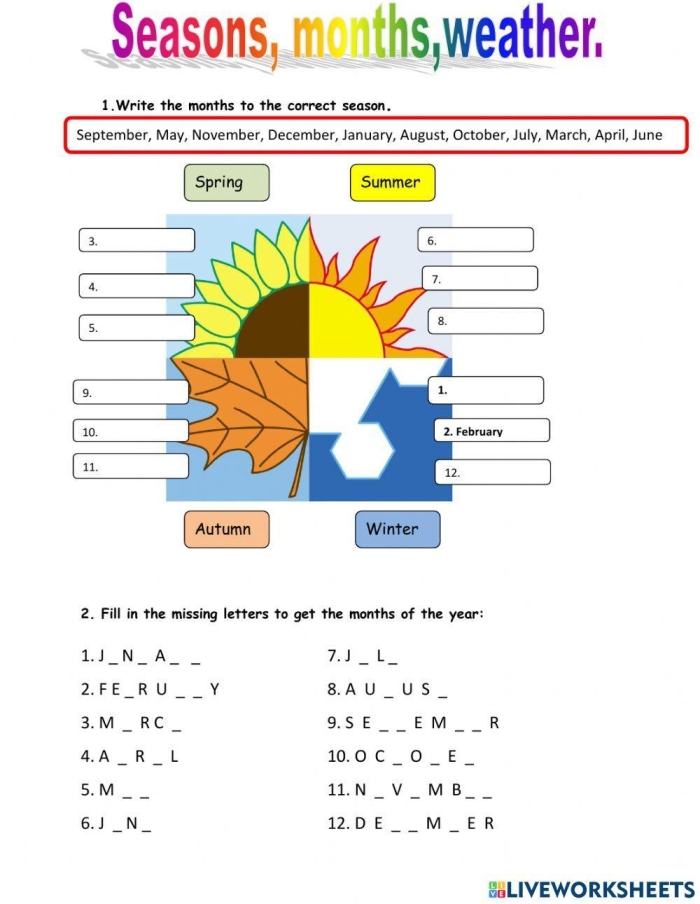
Next, shift focus to the months of the year. A great way to teach this is through a seasonal approach. Explain how each month corresponds to specific seasons, and use visuals like pictures of seasonal activities. For example, December might bring snow or holiday decorations, while June is often associated with beaches and sunshine. This connection makes the concept of time more relatable and exciting.
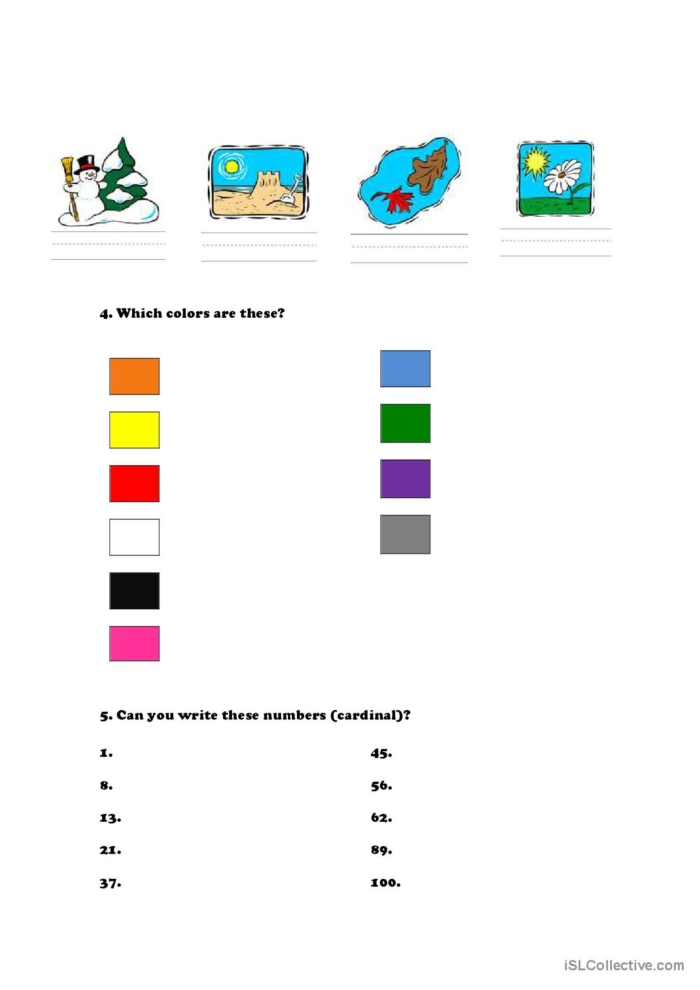
Finally, discussing the seasons can be an engaging way to help children understand the passage of time. Help them identify the four seasons: spring, summer, autumn, and winter. Activities like nature walks can enhance their learning experience, allowing them to observe changes in weather, plants, and animals. A hands-on approach, such as creating a seasonal chart, will reinforce their knowledge.
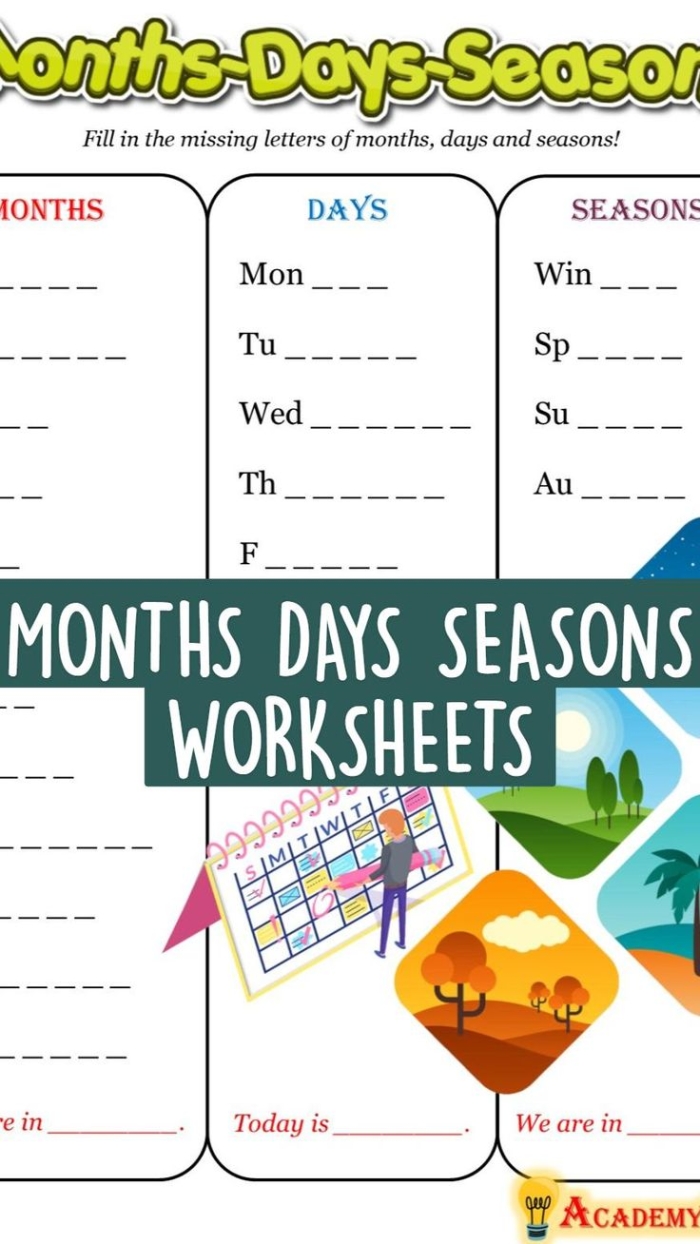
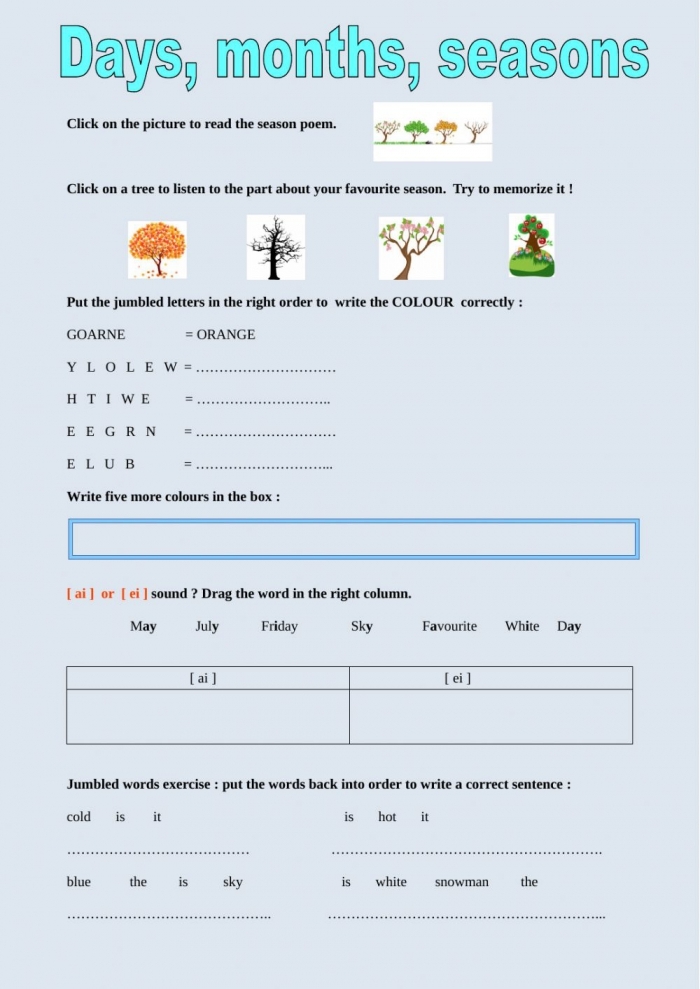
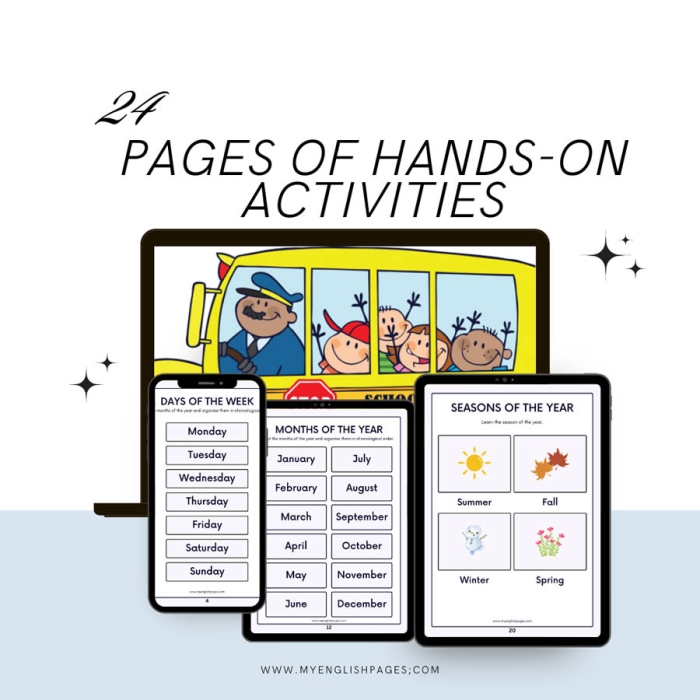
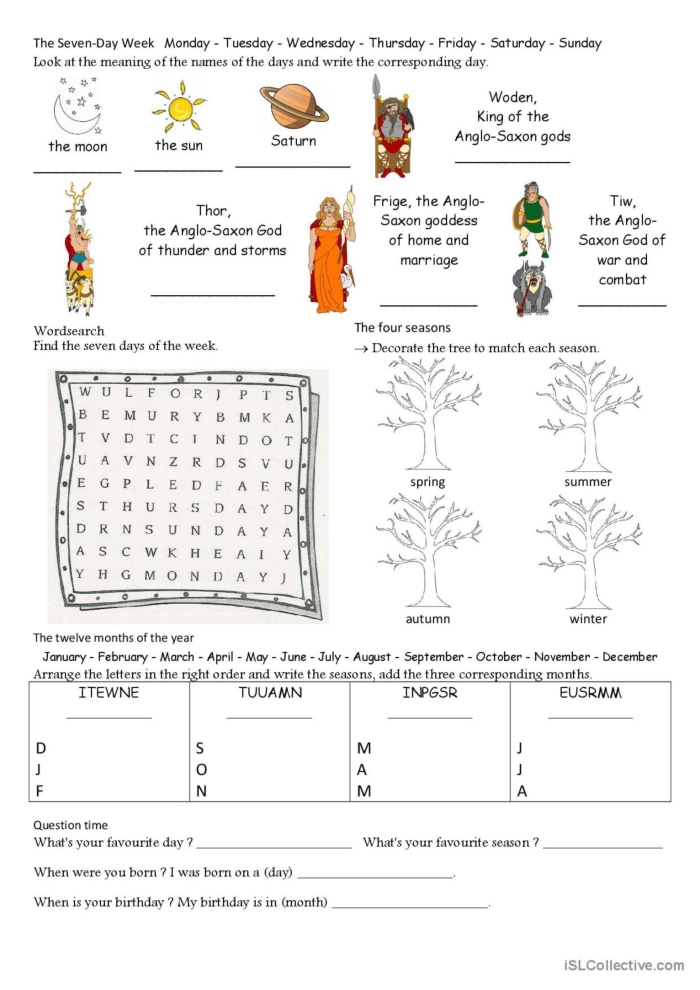
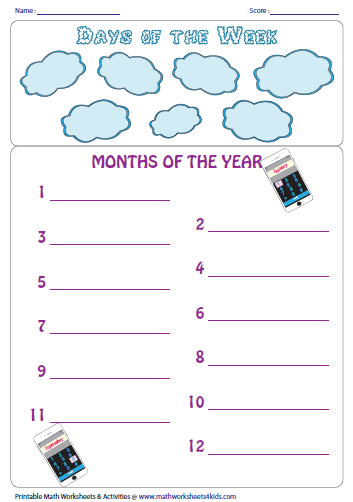
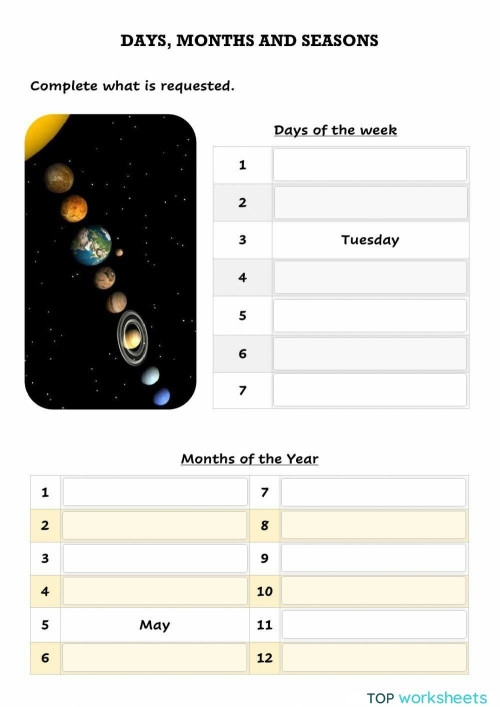
For further practice, consider using printable worksheets designed specifically for Pre-K students. These resources can provide structured activities that make learning about days, months, and seasons both fun and educational. Engaging with these concepts early on fosters a sense of time awareness that will benefit them throughout their lives.
Grab These Worksheets Now