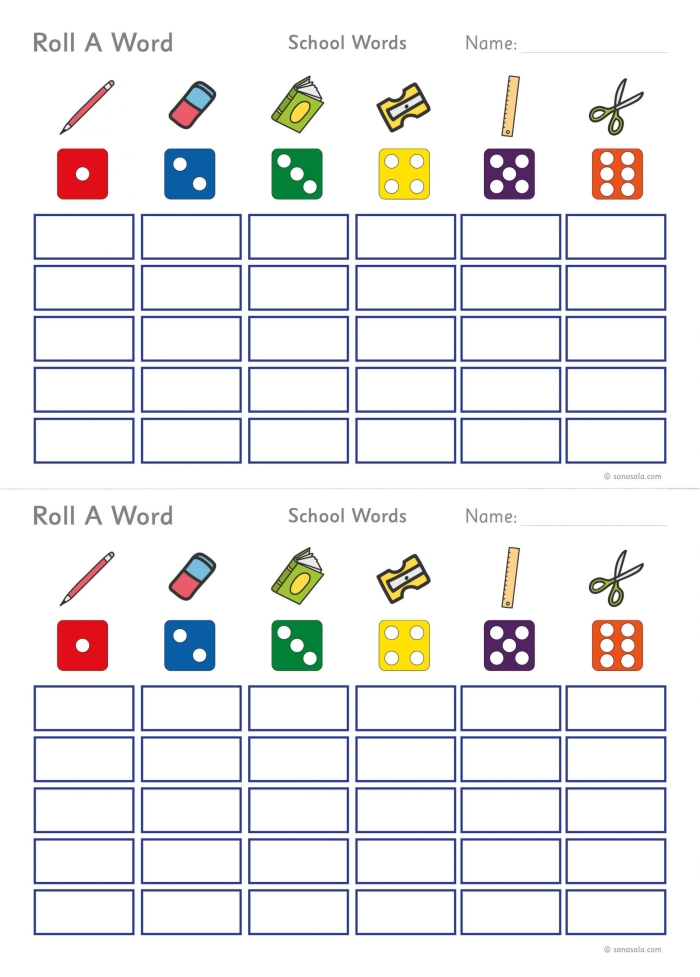
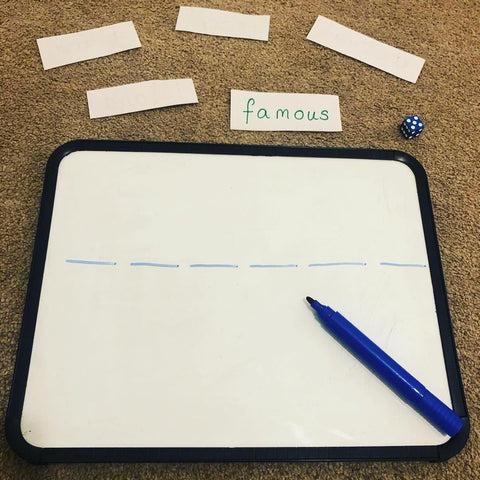
Dice rolling might seem like pure entertainment, but it can actually be one of the most effective ways to build reading confidence in young learners. I discovered this approach while looking for ways to make phonics practice feel less like a chore and more like genuine play. The magic happens when you combine the randomness of dice with structured word patterns, creating a game that keeps kids engaged while their brains absorb critical reading skills.
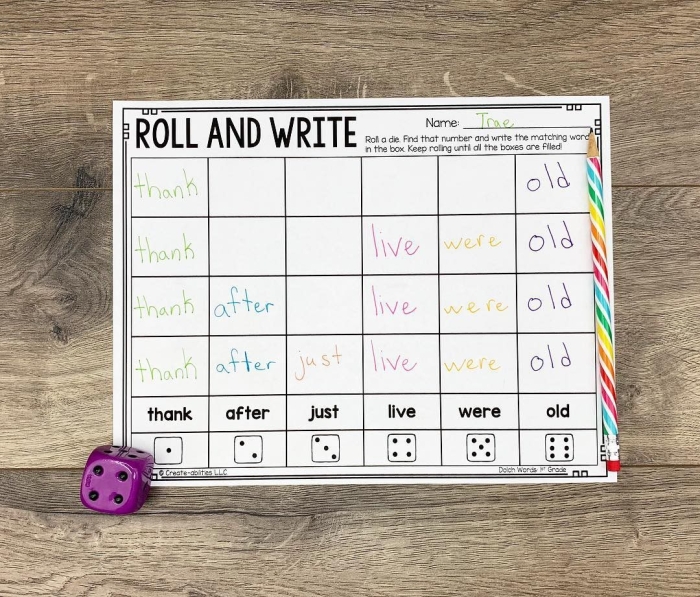
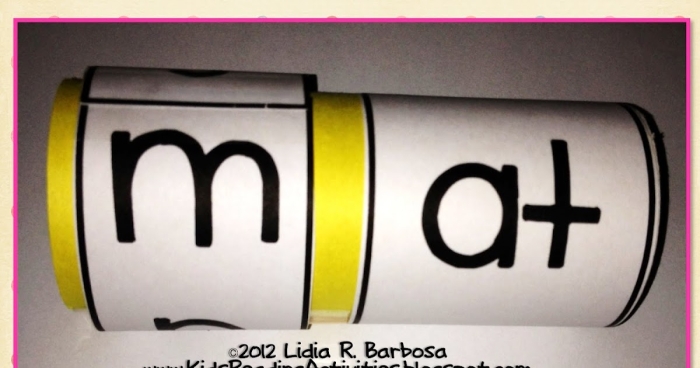
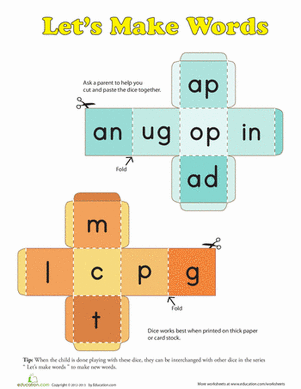
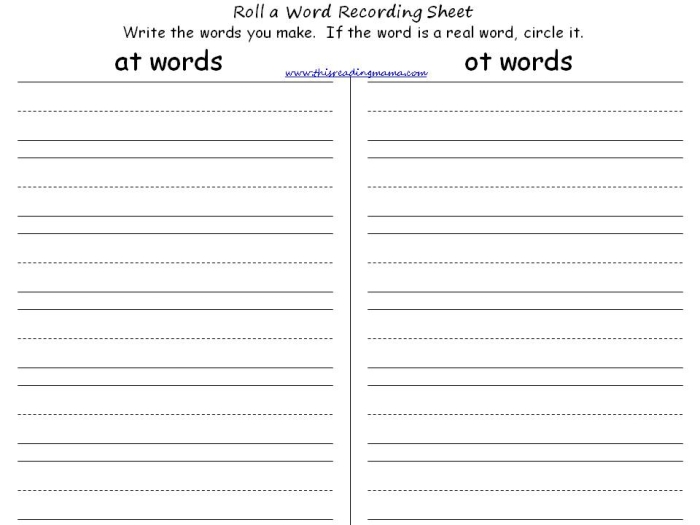
The concept is straightforward: you roll dice to generate letters or letter combinations, then use those results to build words. For first grade students, this works particularly well with word families, those groups of words that share the same ending sound and pattern. When a child rolls dice and lands on “at,” they can create cat, bat, mat, and rat. The physical act of rolling creates anticipation, and the immediate feedback from forming real words builds momentum.
What makes this approach stick is the repetition without monotony. Traditional flashcard drills can feel tedious, but rolling dice feels like winning something each time. Kids want to keep rolling, which means they’re naturally practicing the same word patterns multiple times without realizing they’re drilling.
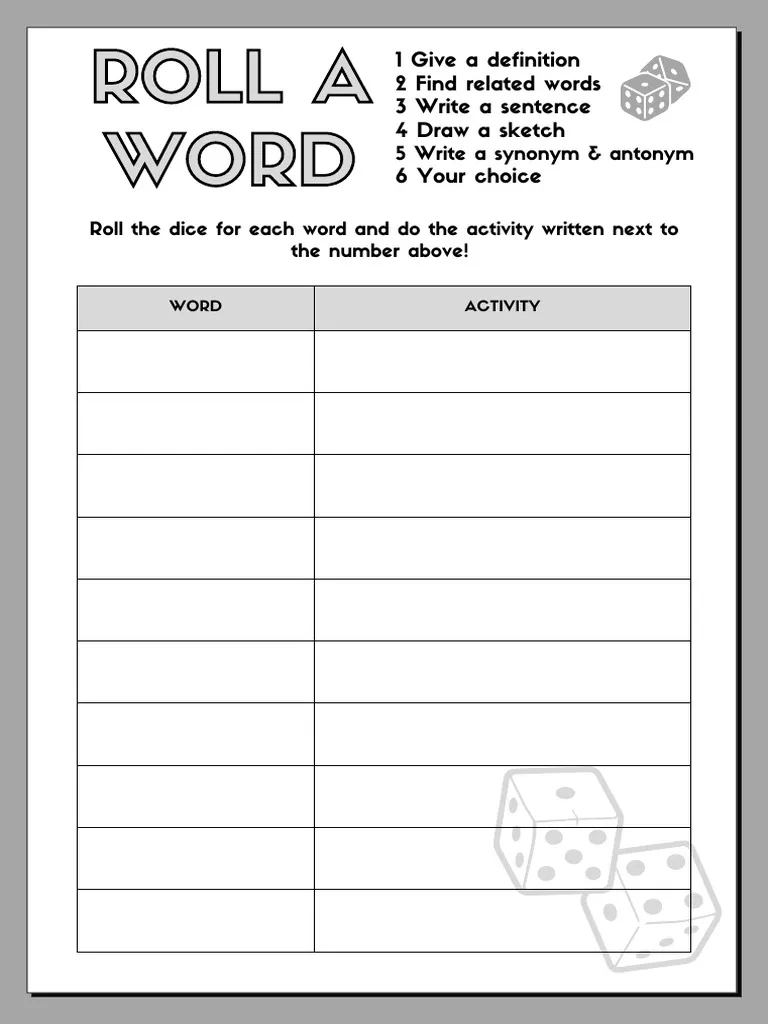
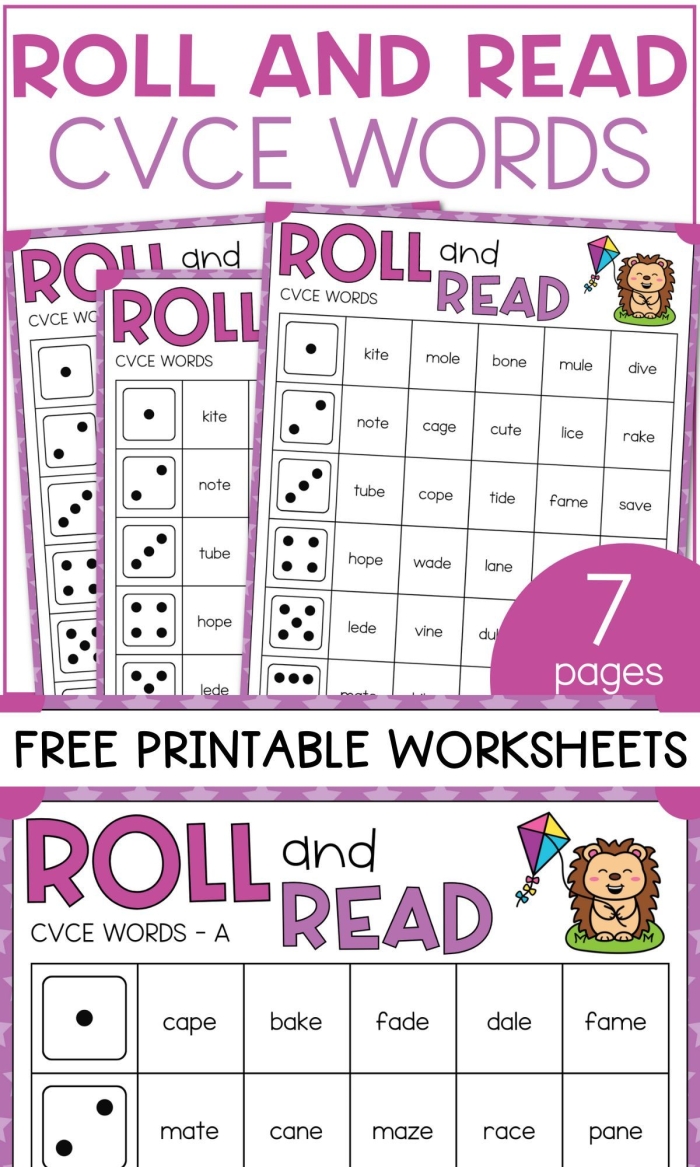
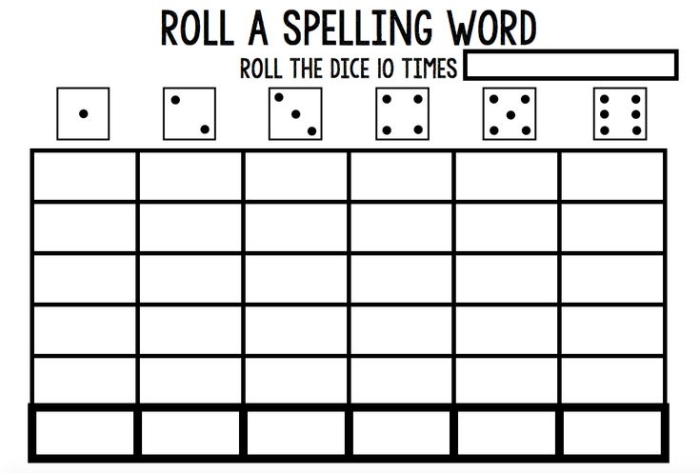
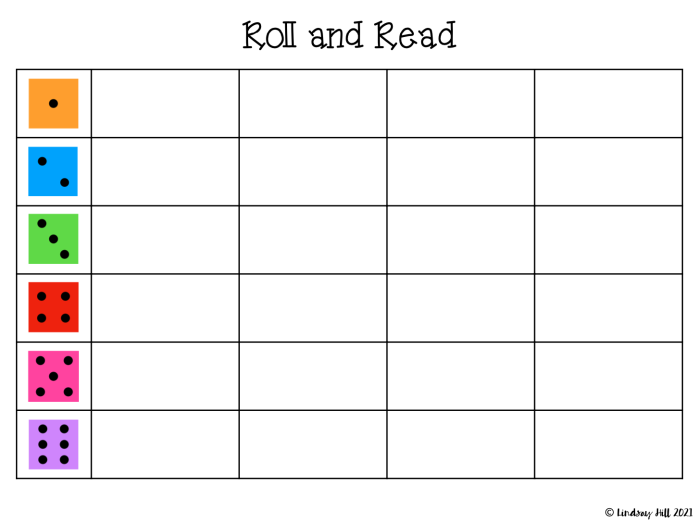
The beauty of this game is its flexibility. You can adjust difficulty by changing which letter combinations appear on your dice. For first grade learners just beginning to decode, focusing on simple word families keeps frustration low and success high. Printable Roll a Word worksheets designed for word families give you ready-made templates so you don’t have to create dice games from scratch.
Your child will be rolling toward better reading skills almost before you finish explaining the rules. The combination of chance, immediate word-building, and the satisfaction of creating something readable makes this one of the most effective games for early literacy development.
Start Practicing with These Worksheets