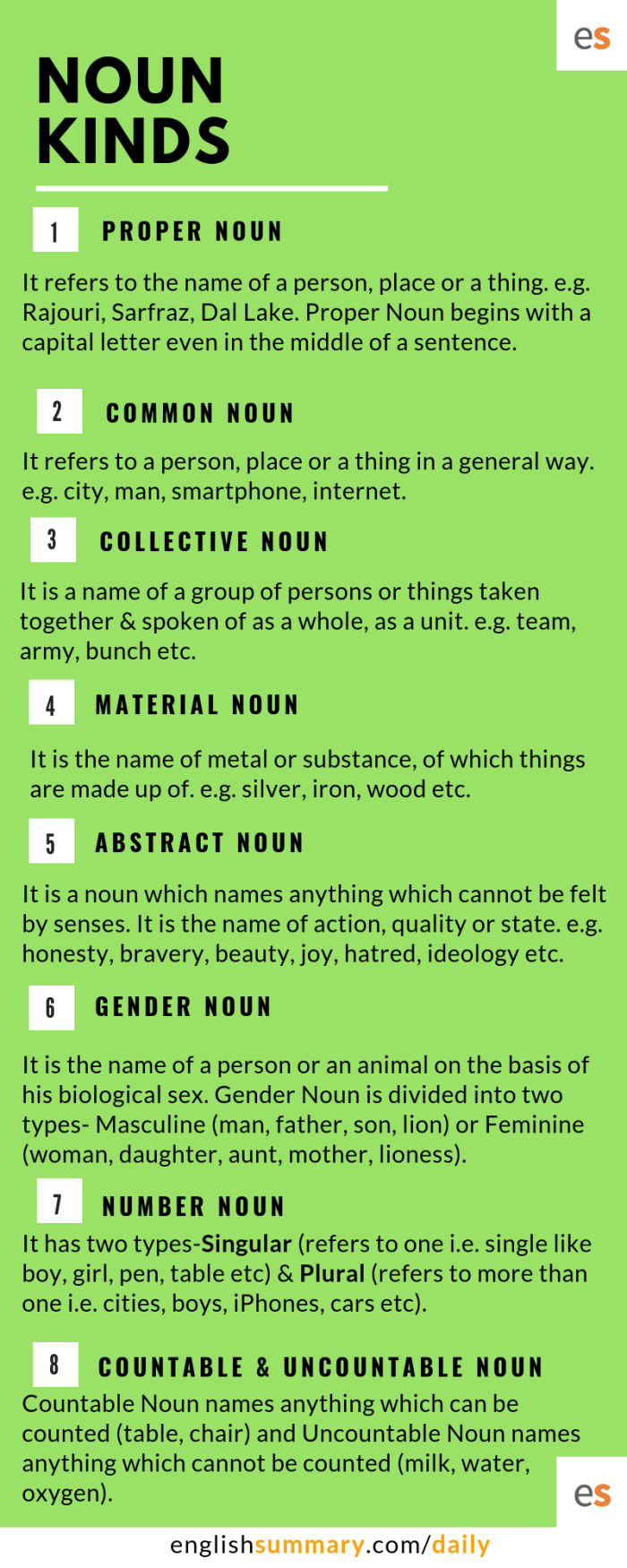
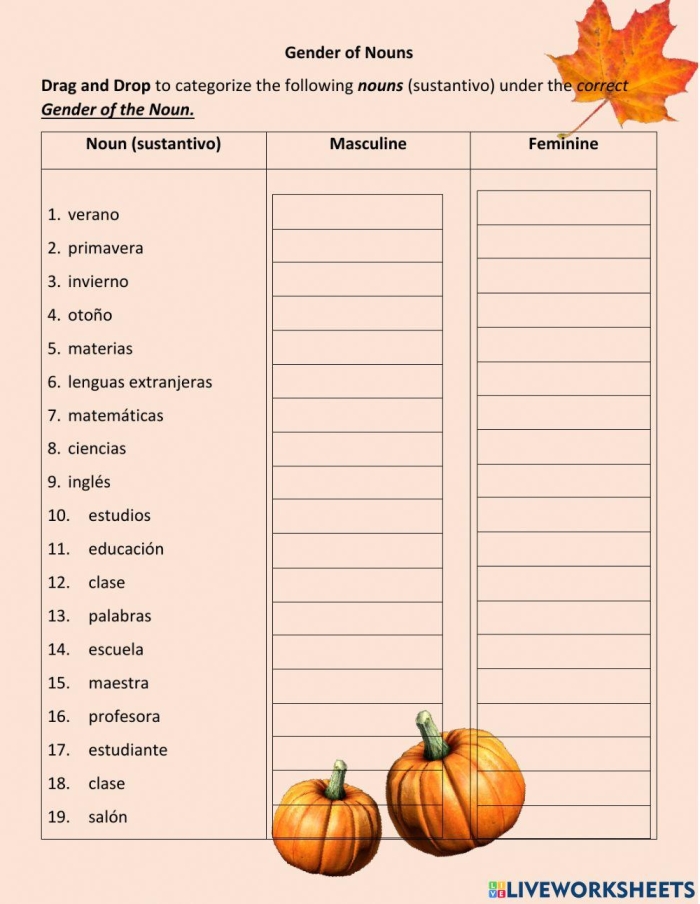
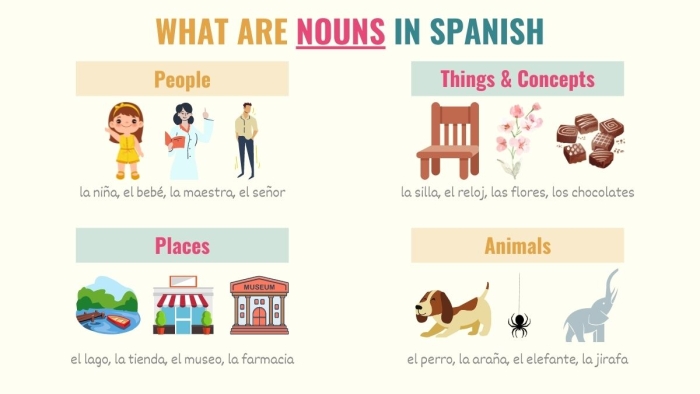
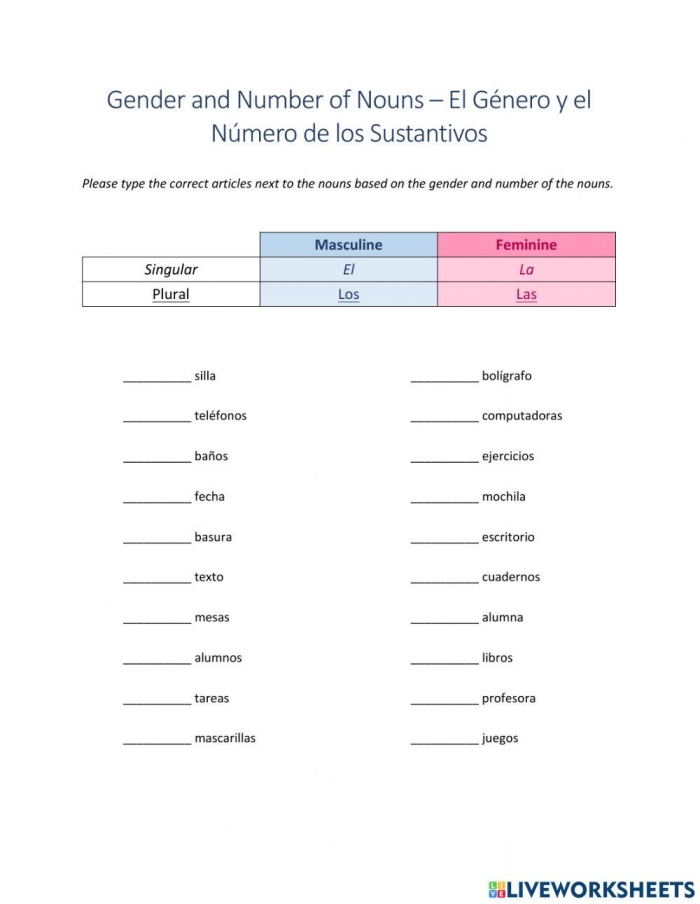
Did you know that in the Spanish language, nouns have a gender? This means that every noun is classified as either masculine or feminine, which may seem daunting at first, but understanding this concept is essential for mastering Spanish. The articles “el” and “la” are used to indicate the gender of a noun. “El” is used with masculine nouns, while “la” is associated with feminine nouns. This simple rule can significantly enhance your communication skills in Spanish.
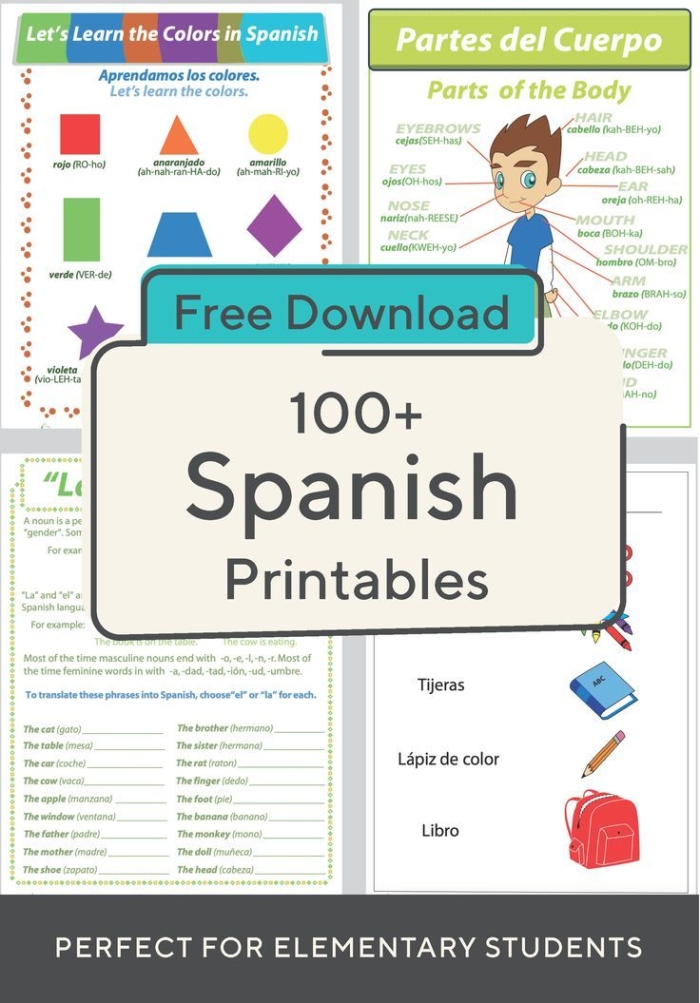
For example, the word for “book” is “el libro,” making it masculine. On the other hand, “la mesa,” which means “the table,” is feminine. Remembering these gender rules can be tricky, but there are patterns that can help. Many nouns ending in “-o” are typically masculine, while those ending in “-a” are often feminine. However, exceptions do exist, so it’s important to learn nouns along with their articles.
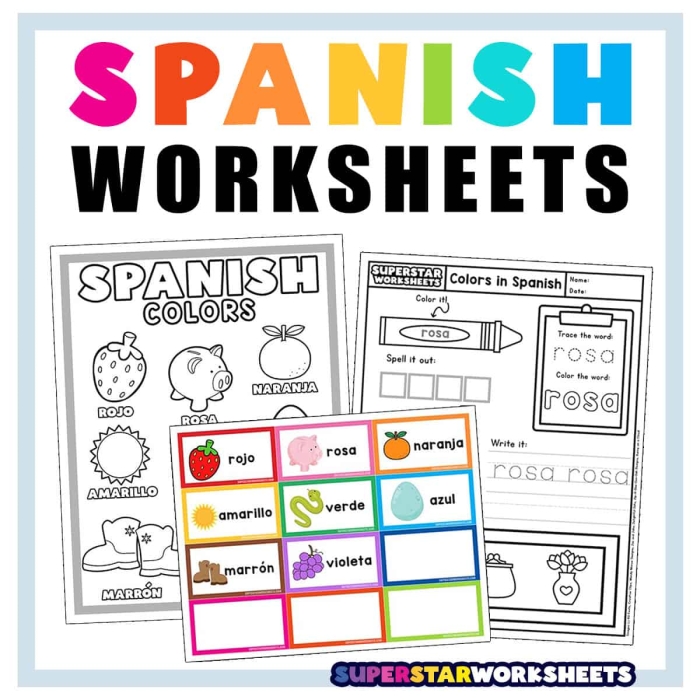
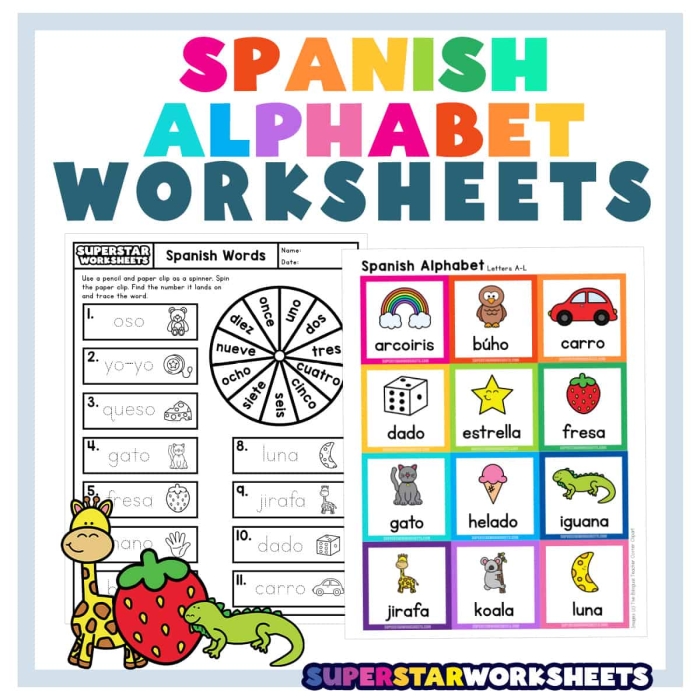
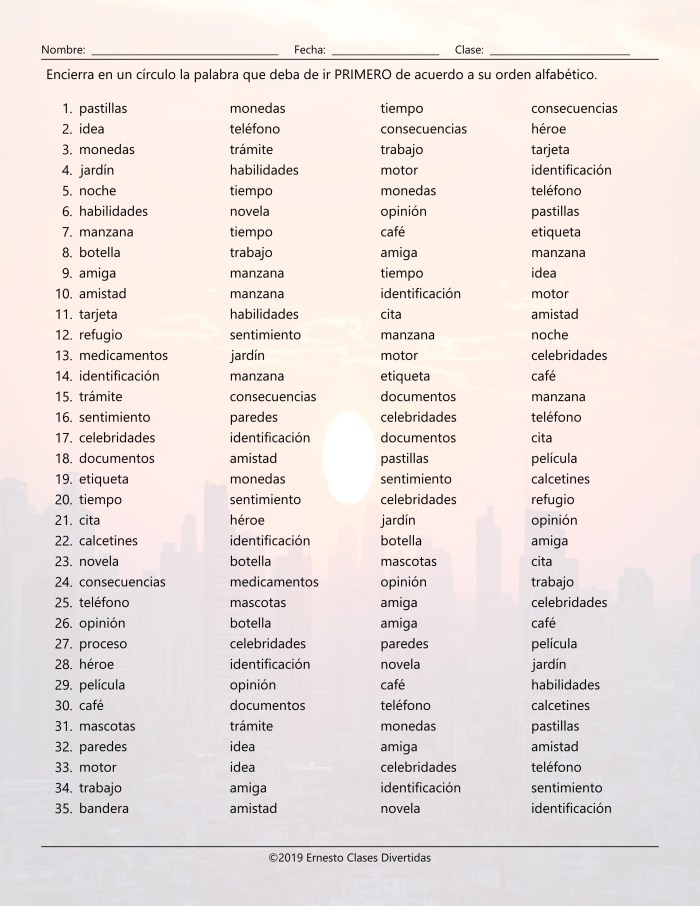
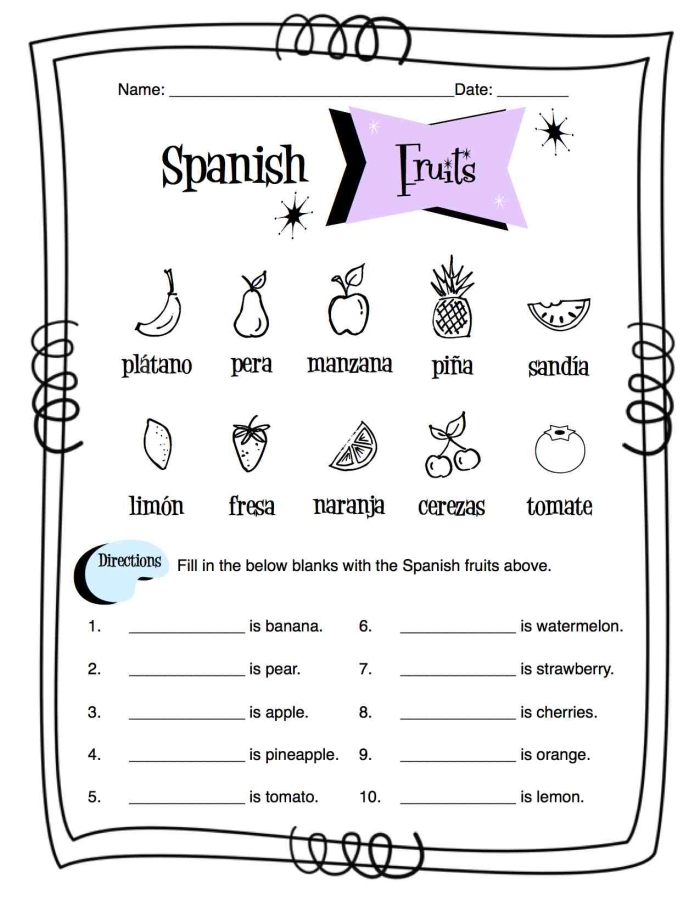
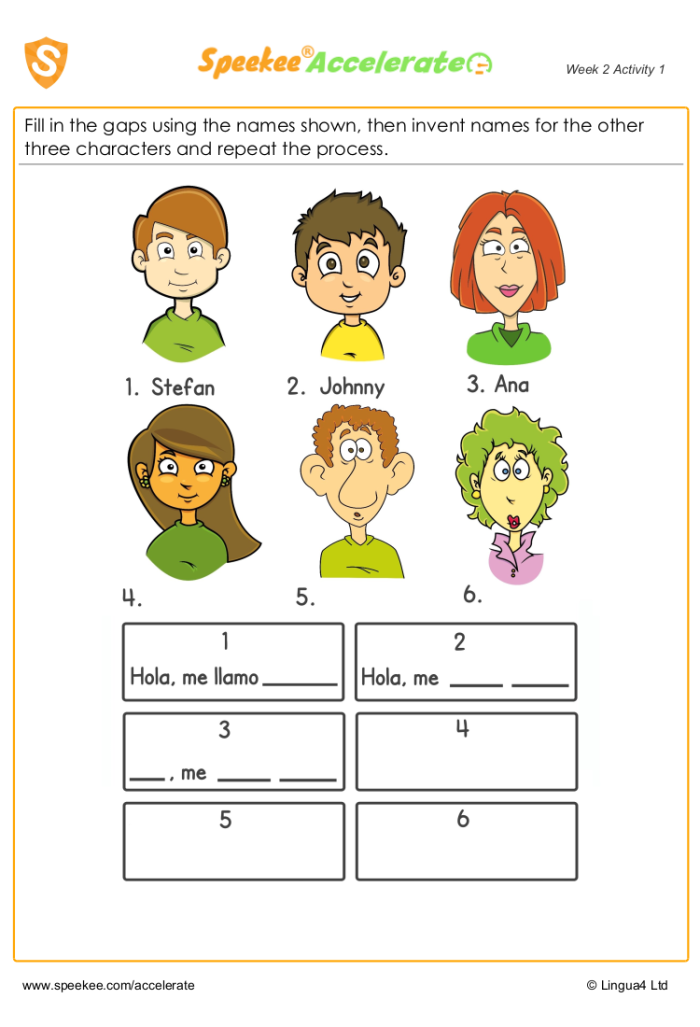
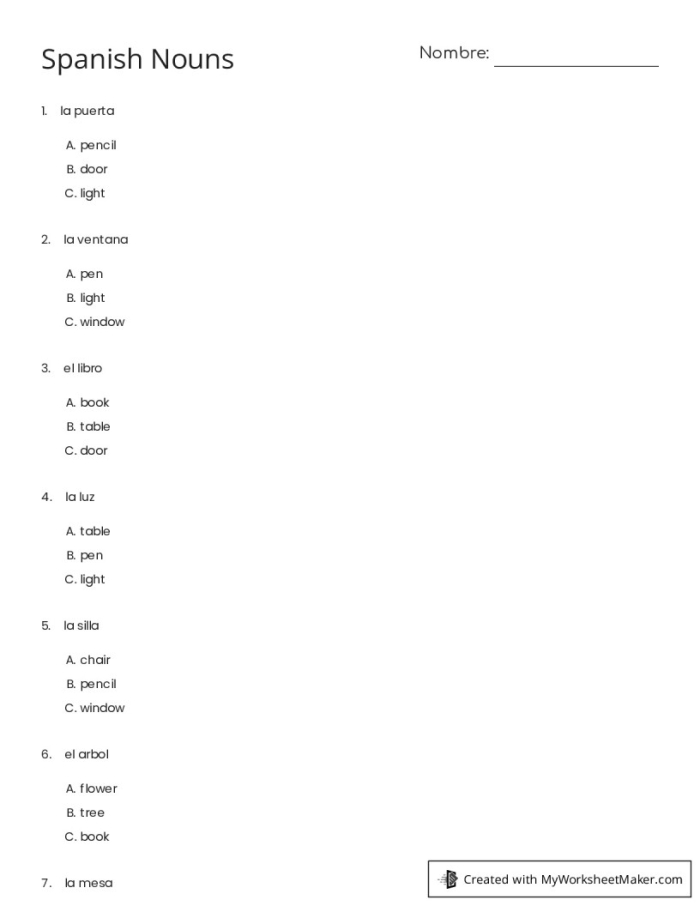
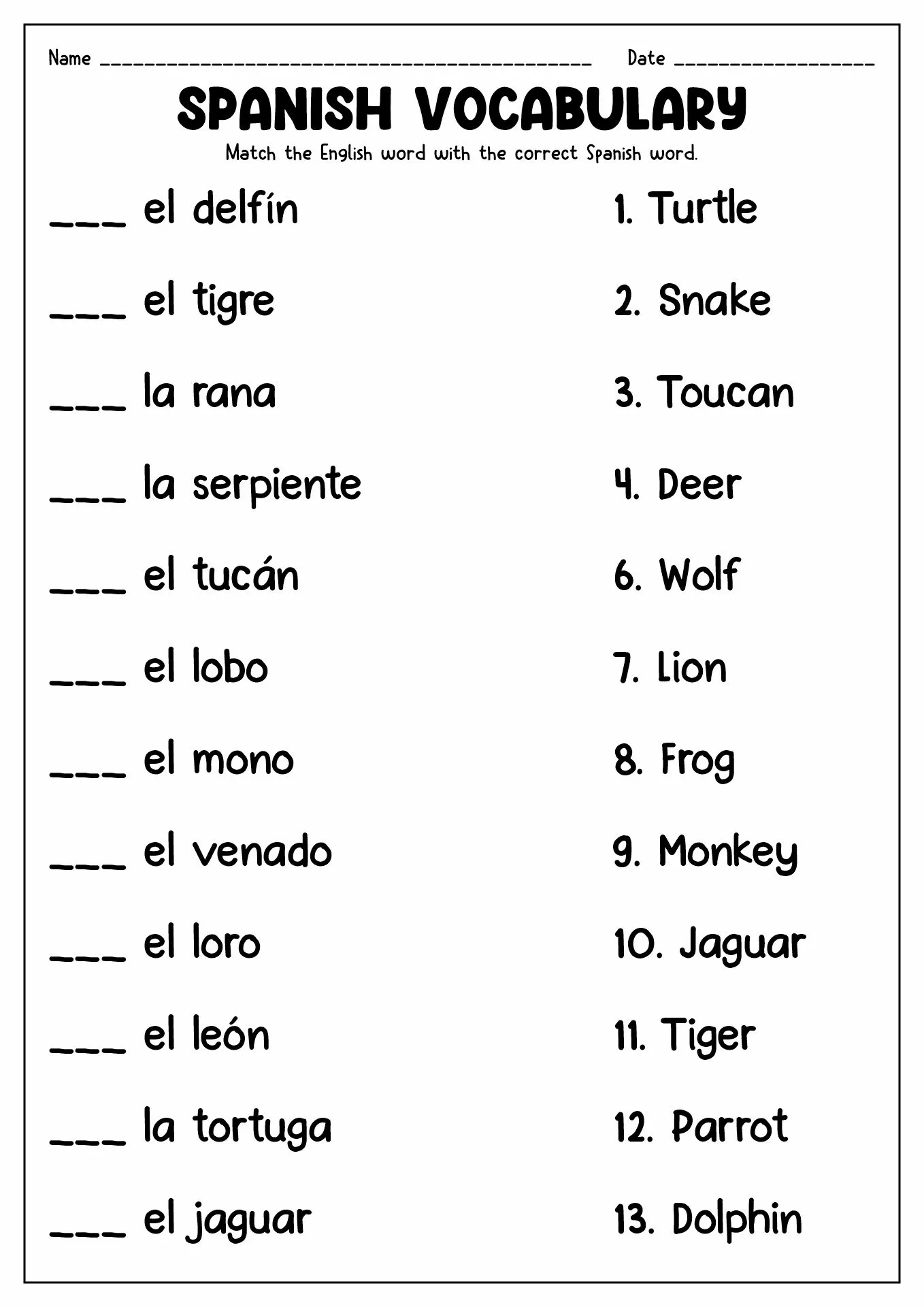
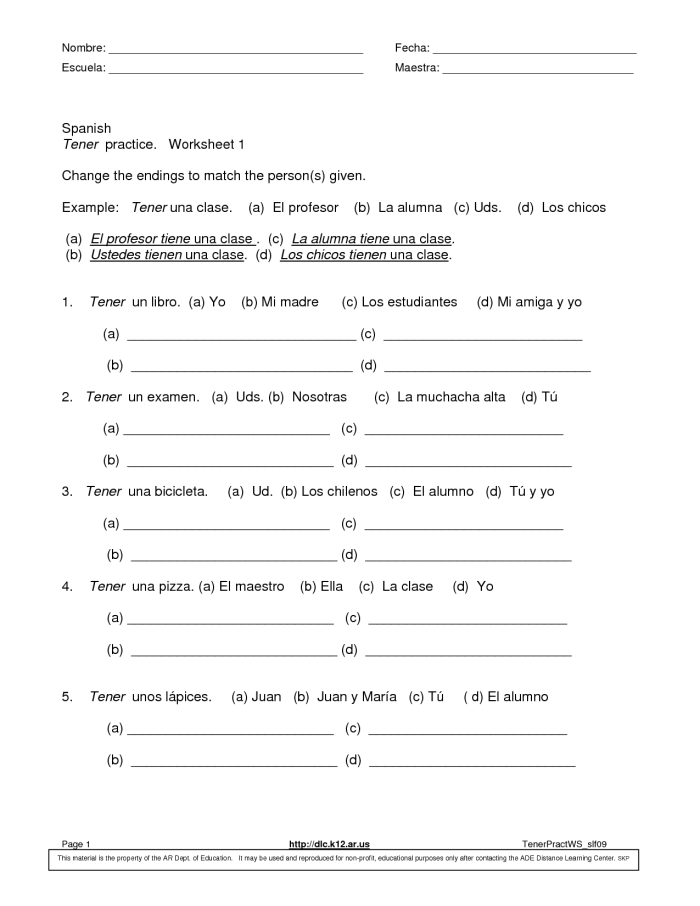
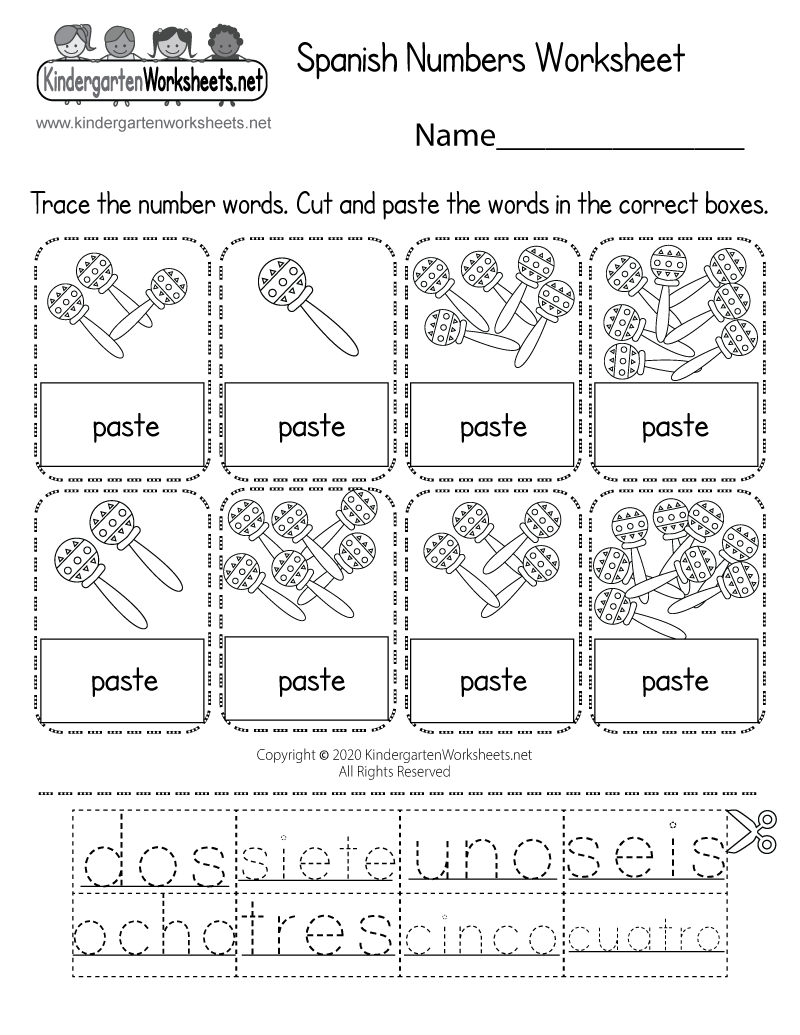
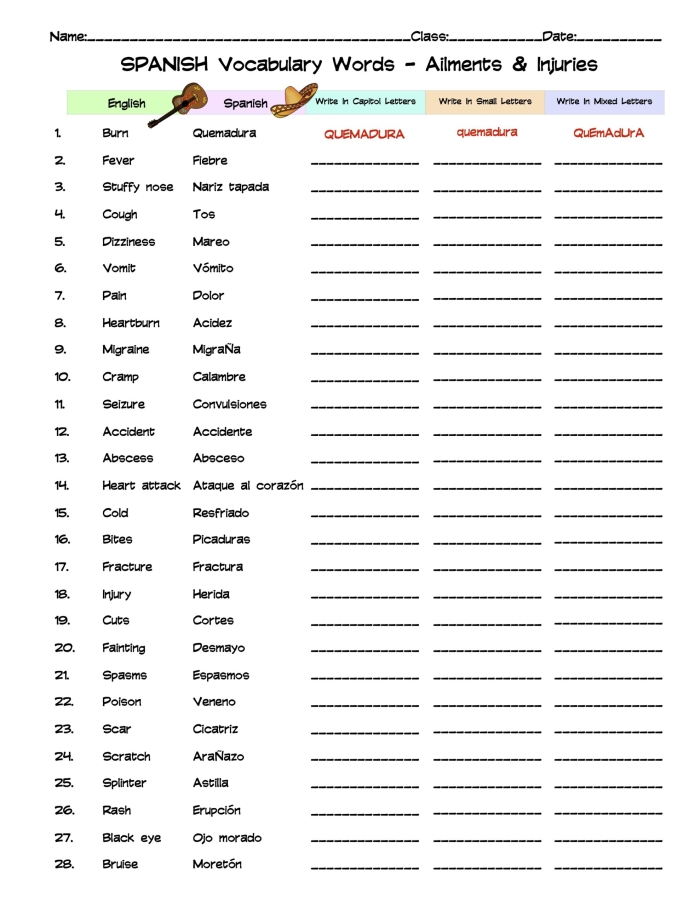
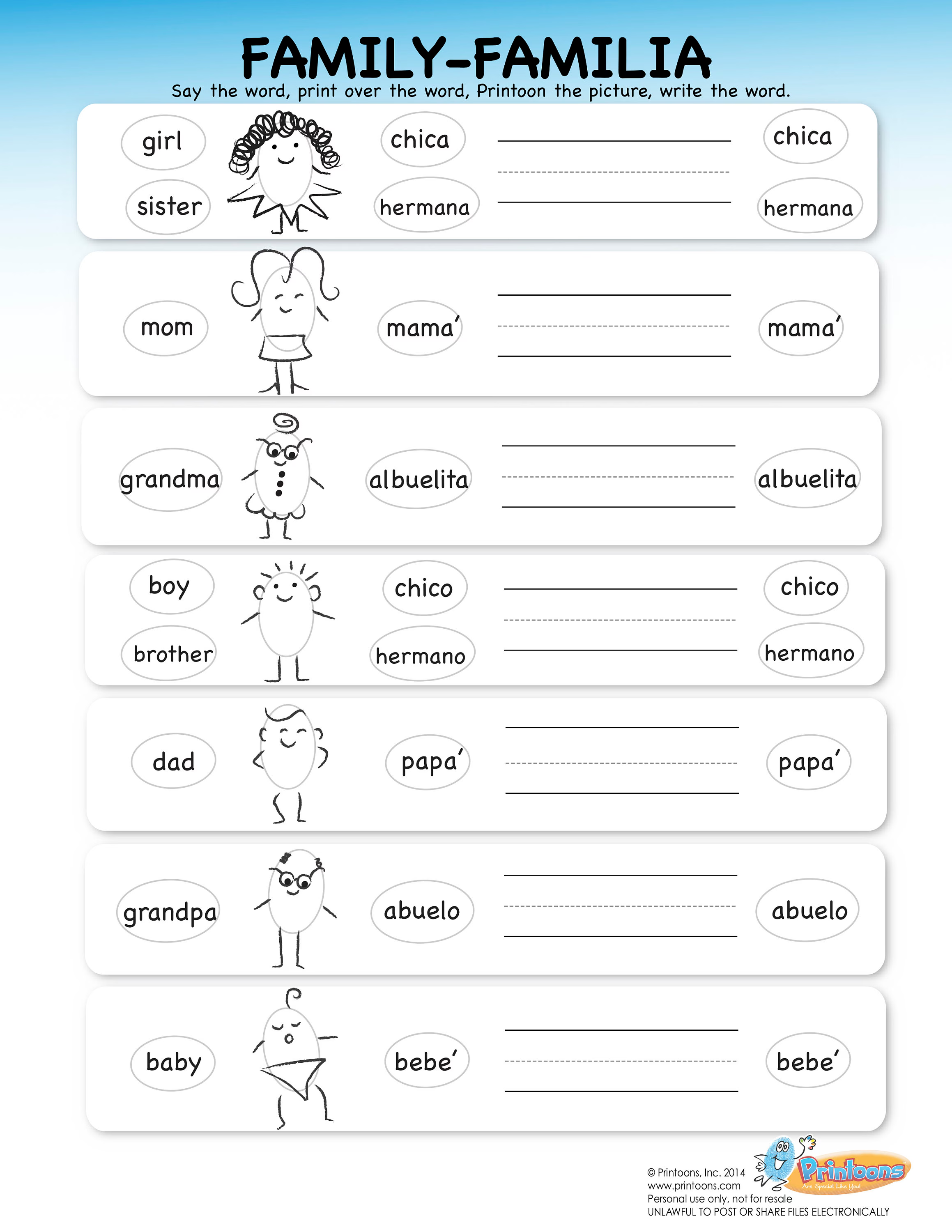
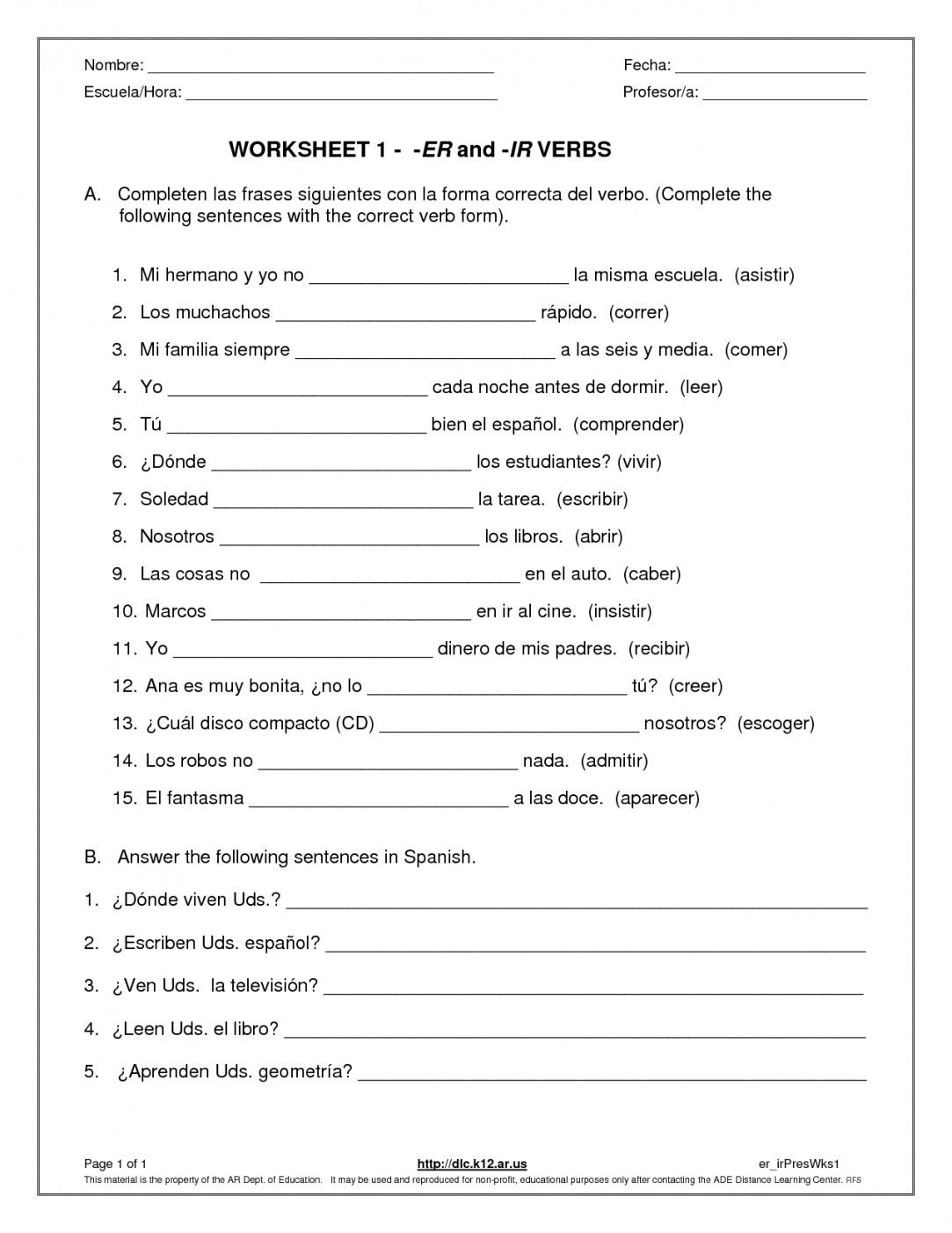
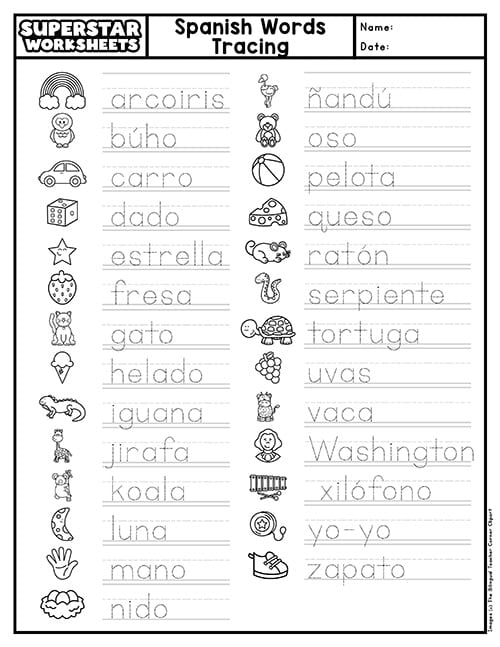
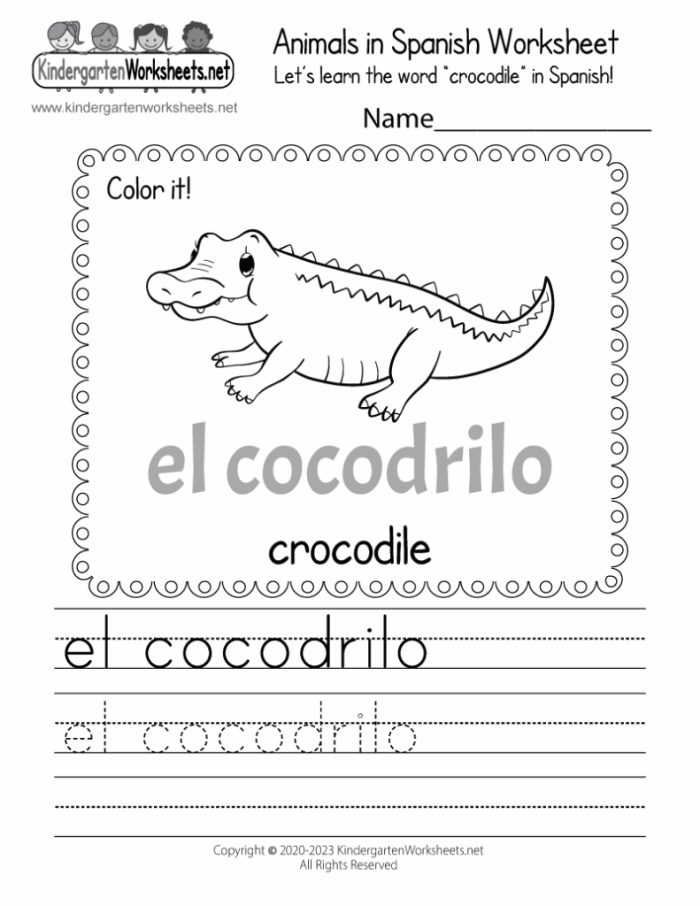
In fourth grade, students begin to explore these concepts in more detail. Engaging with printable worksheets can provide valuable practice and reinforce the understanding of nouns in Spanish. These worksheets often include exercises that require students to match nouns with the correct articles, making learning interactive and enjoyable.
Additionally, practicing with common phrases can solidify this knowledge. For instance, using phrases like “el perro” (the dog) or “la casa” (the house) in everyday conversation helps reinforce the gender-noun association. It’s a practical way to build confidence in speaking and writing.
As you navigate the world of Spanish nouns, remember that practice is key. Incorporating fun activities, such as playing games or using phonics worksheets that explore nouns and their articles, can make the learning process seamless and enjoyable. With time and practice, you’ll find that recognizing the gender of nouns in Spanish becomes second nature.
Boost Skills with These Worksheets