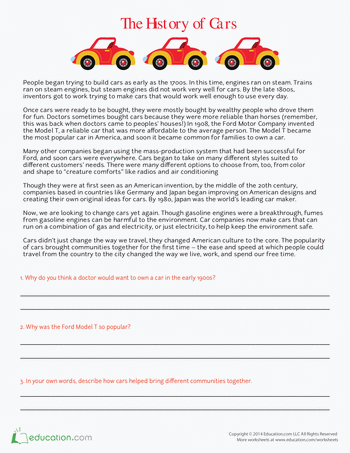
The history of the automobile in America is a captivating journey that begins as early as the 1700s. Children today can explore this remarkable evolution, gaining insight into how the vehicles they see on the road came to be. Imagine a time when the concept of a car was merely a dream, a vision held by inventive minds who dared to think beyond the horse and carriage.
In the late 18th century, the groundwork for modern automobiles was laid by inventors like Nicolas-Joseph Cugnot, who built the first full-scale working steam vehicle in 1769. Although it was not practical for everyday use, this invention sparked interest and paved the way for future innovations. By the 1800s, other inventors were experimenting with various power sources, including electricity and gasoline, which would eventually lead to the development of the internal combustion engine.
Fast forward to the early 20th century, when Henry Ford revolutionized the automobile industry with the assembly line production method. This allowed cars to be produced faster and more affordably, bringing the dream of car ownership within reach for many Americans. Children learning about this era can appreciate how Ford’s Model T transformed society, enabling families to travel further than ever before. The ability to drive changed not only transportation but also the way communities were structured.
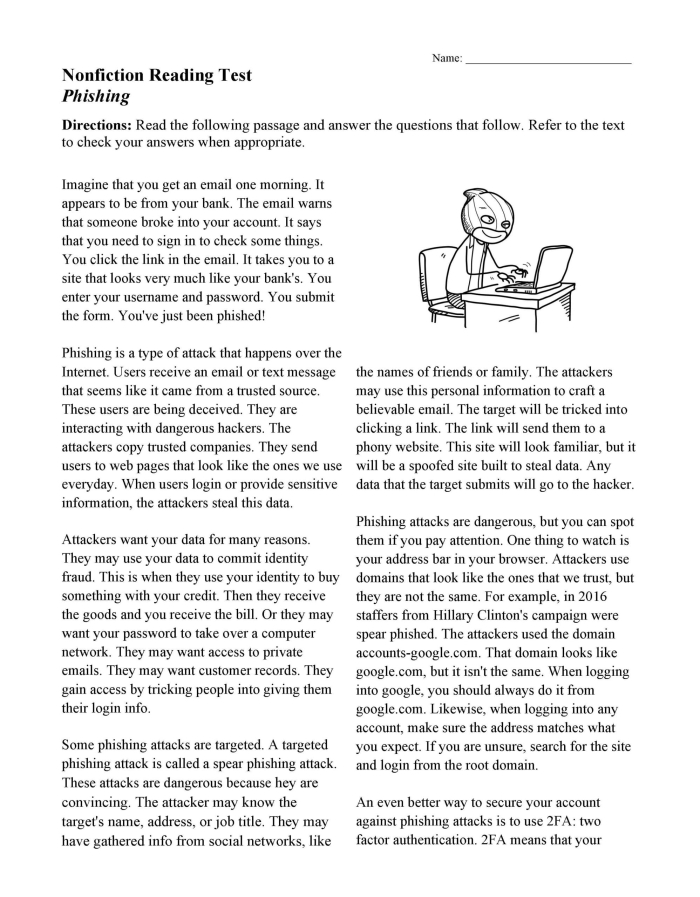
In addition to understanding the mechanics of these vehicles, students can examine the social impact of cars. The rise of the automobile led to the creation of new jobs, infrastructure, and even culture, with the open road becoming a symbol of freedom. Engaging with printable nonfiction reading comprehension worksheets about the history of cars can enhance their learning, making it both enjoyable and informative. Resources like geometry worksheets or vocabulary exercises can complement their understanding of this fascinating subject.
As kids explore these lessons, they not only discover the evolution of the automobile but also crucial concepts related to ratios and proportions that are applicable in various fields of study. This engagement with history can inspire a new generation of thinkers and innovators in the ever-evolving world of transportation.
Grab These Worksheets Now