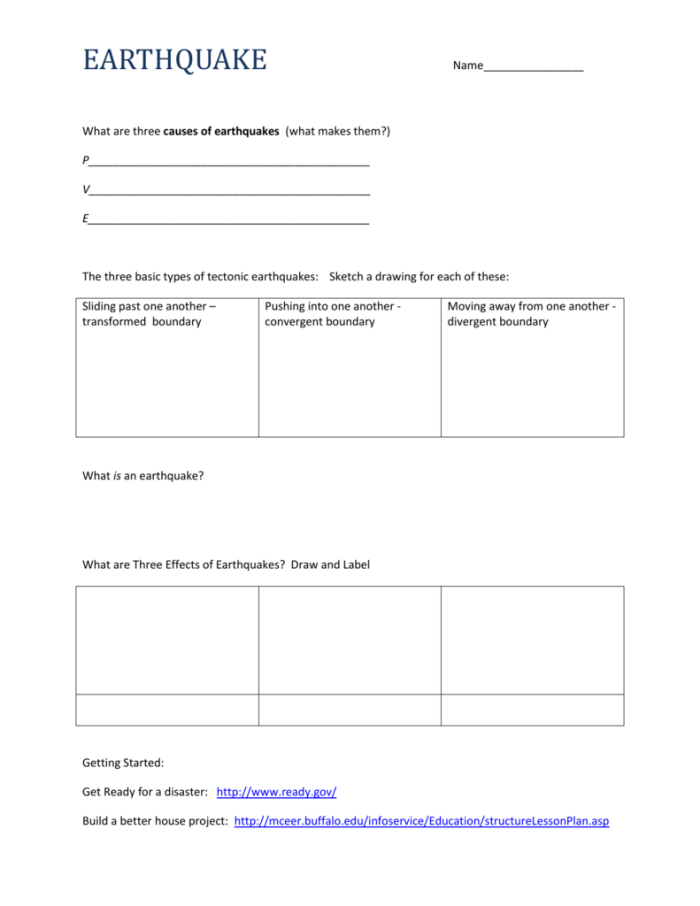
Earthquakes can be both fascinating and alarming, making them an ideal topic for students to explore in their science studies. Understanding how earthquakes occur and their effects on the Earth can ignite curiosity and encourage critical thinking among fifth graders. This is where a well-designed worksheet about earthquakes comes in, providing a structured way to engage with the material.
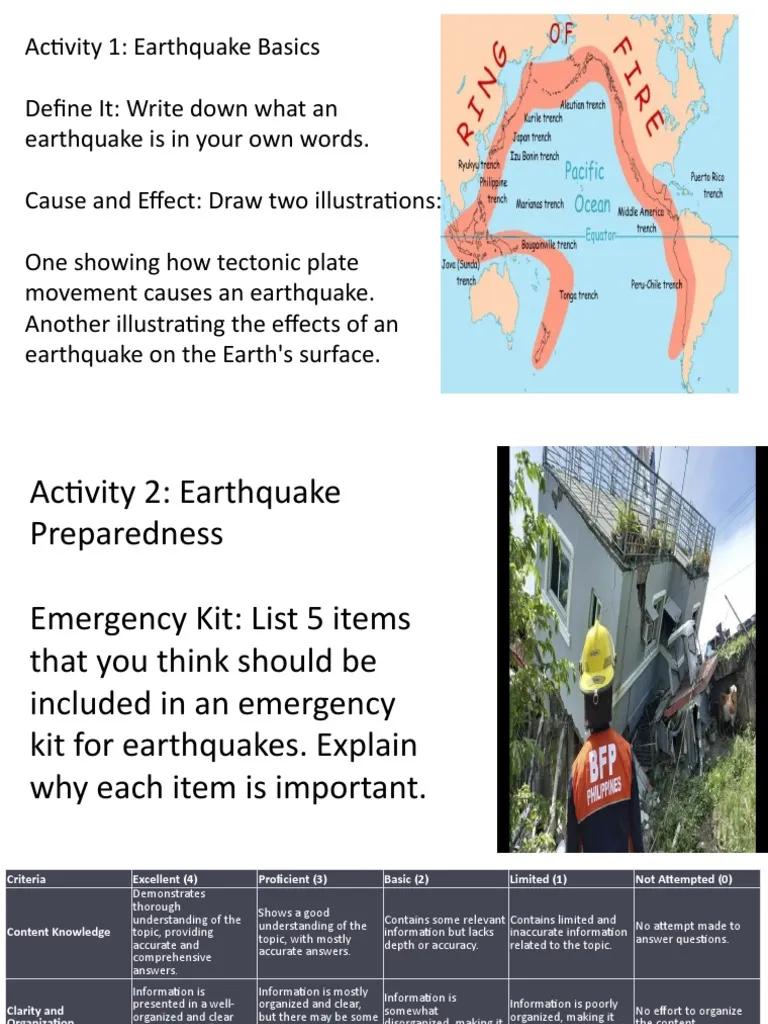
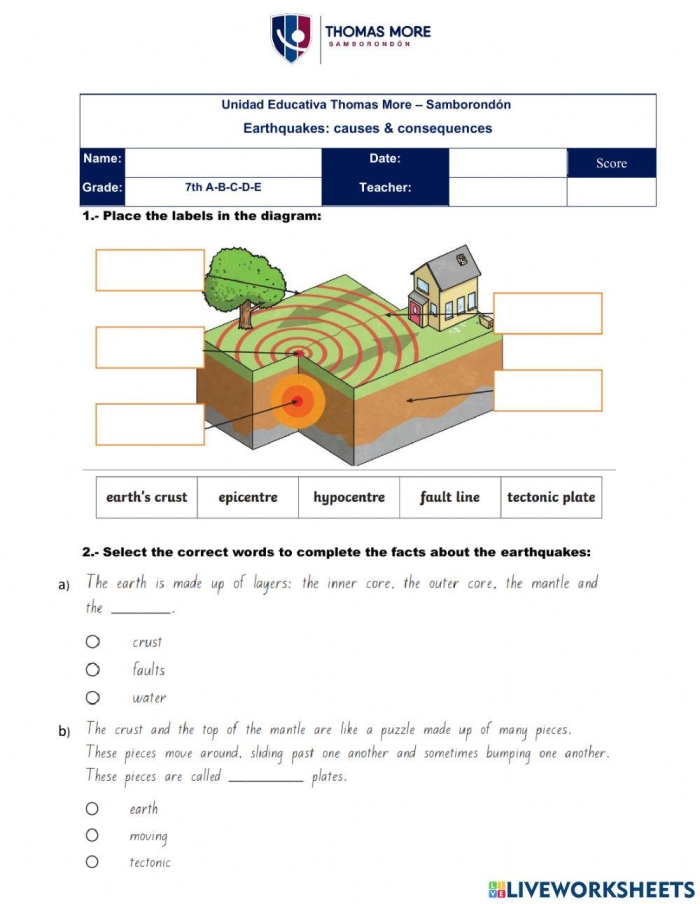
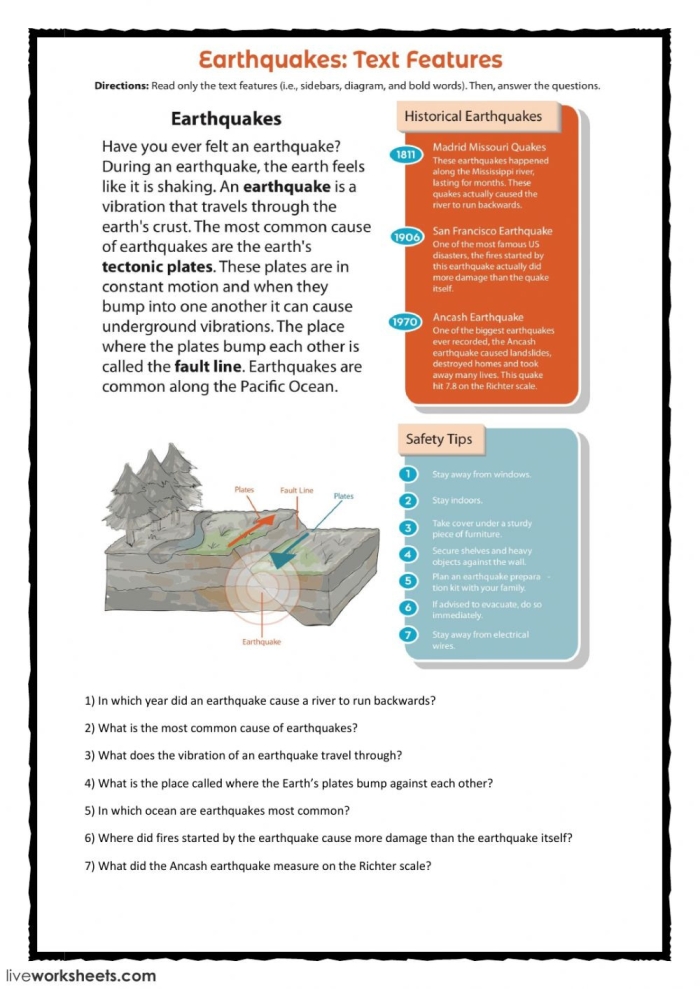
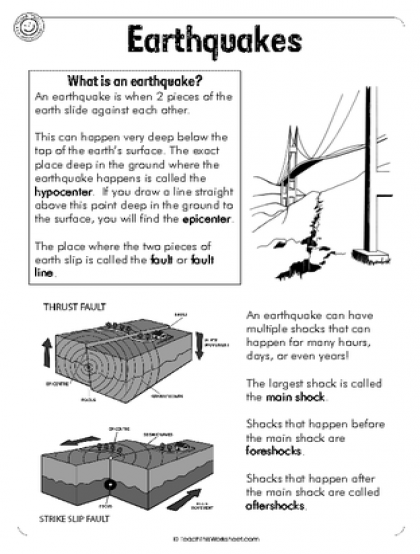
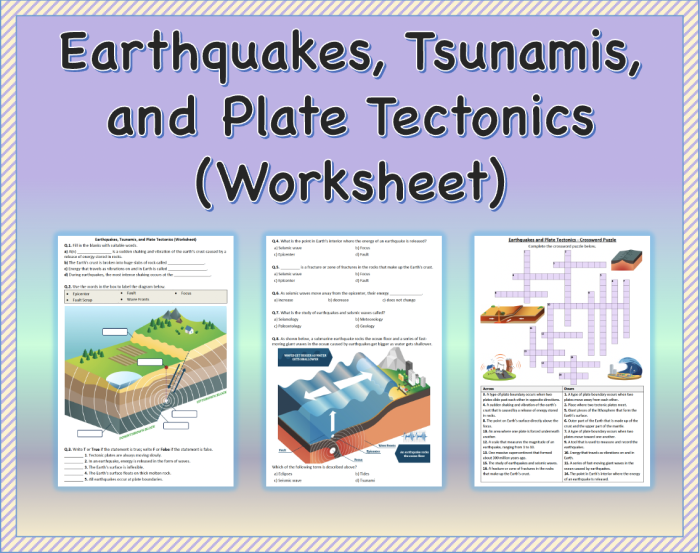
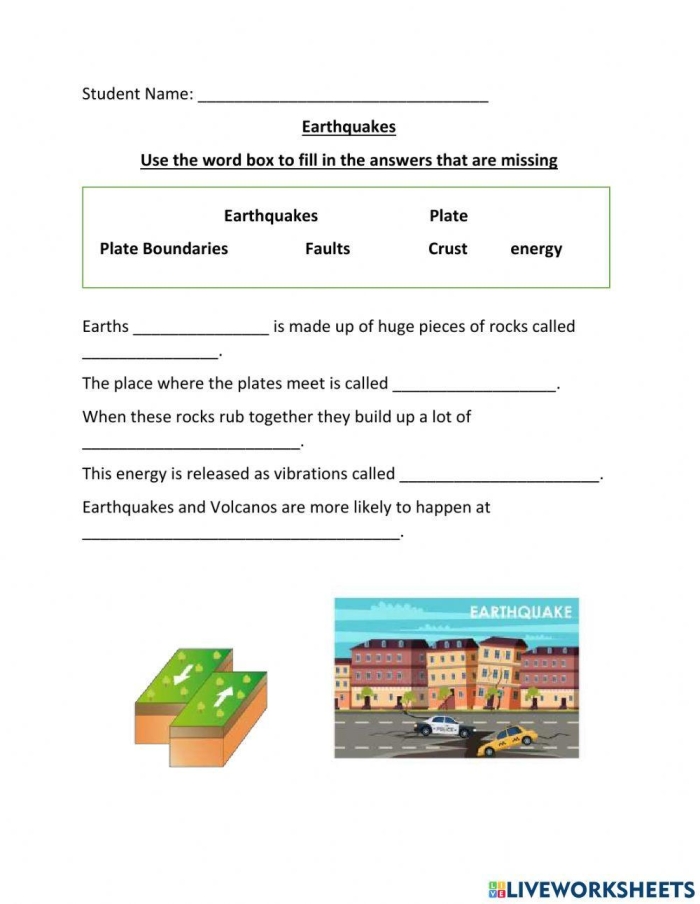
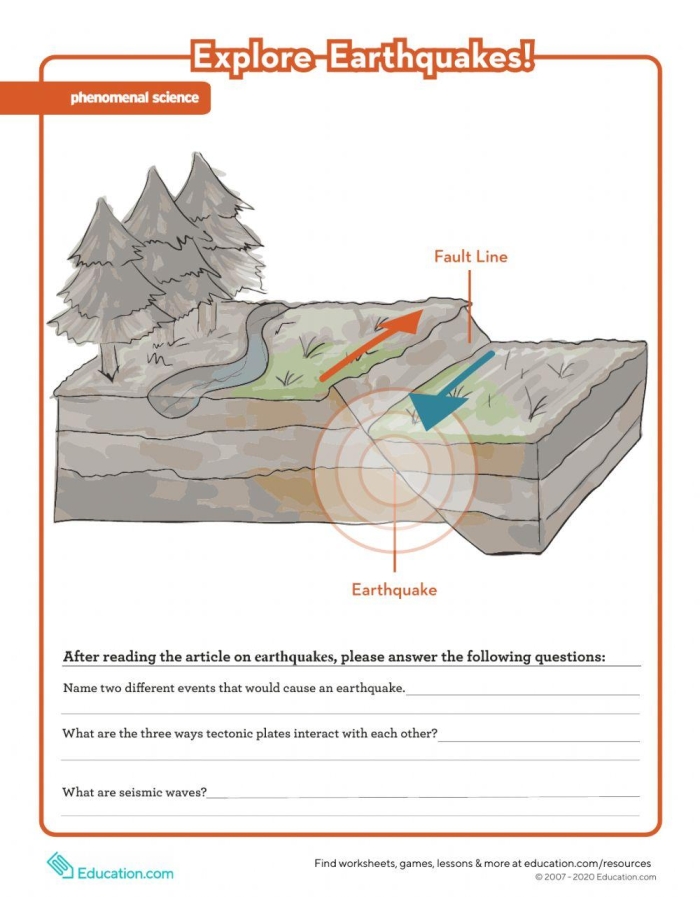
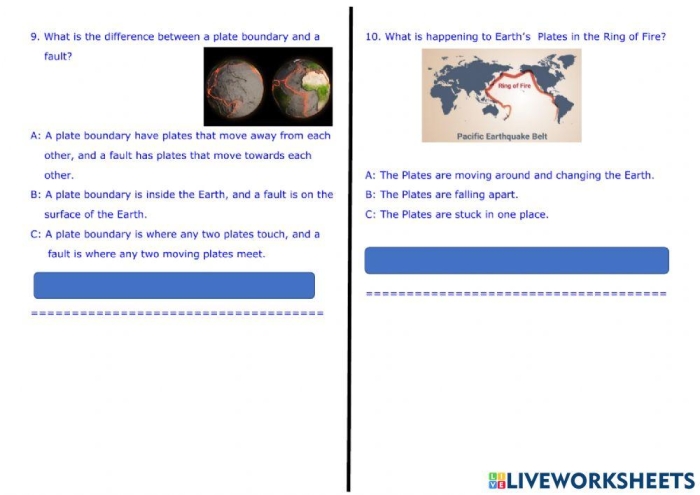
When students investigate the science behind earthquakes, they learn about tectonic plates and how their movements can cause seismic activity. For instance, the San Andreas Fault in California is a well-known boundary between the Pacific and North American plates, where earthquakes frequently occur. By using a worksheet that includes diagrams and questions, students can visualize these concepts and see how they apply to real-world situations.
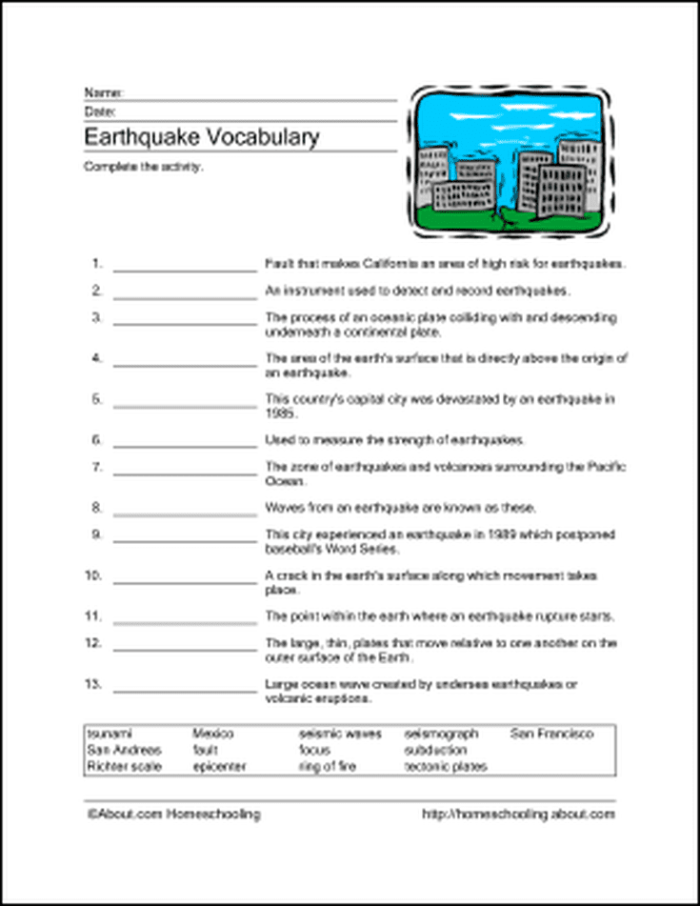
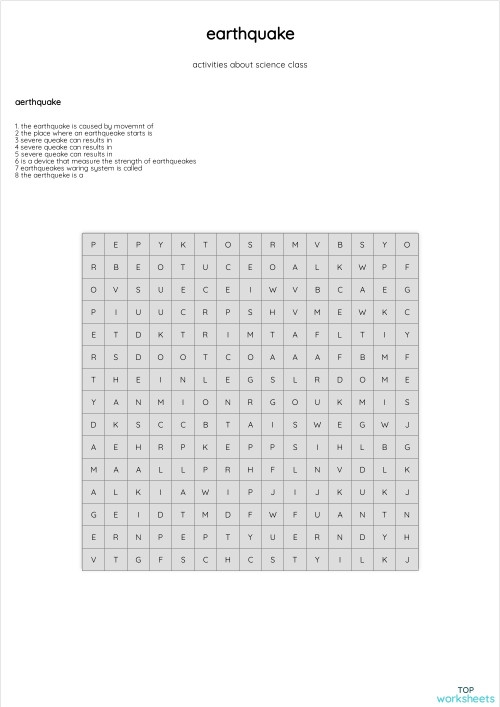
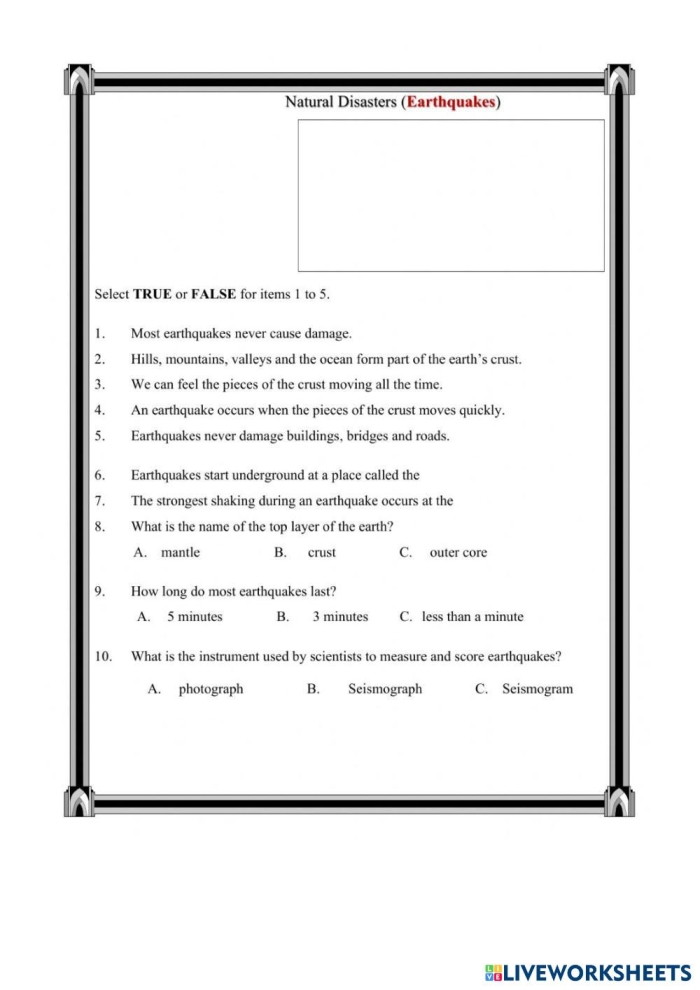
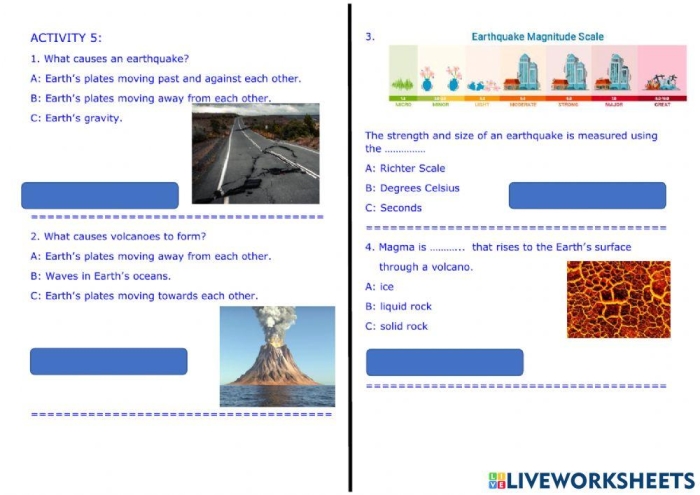
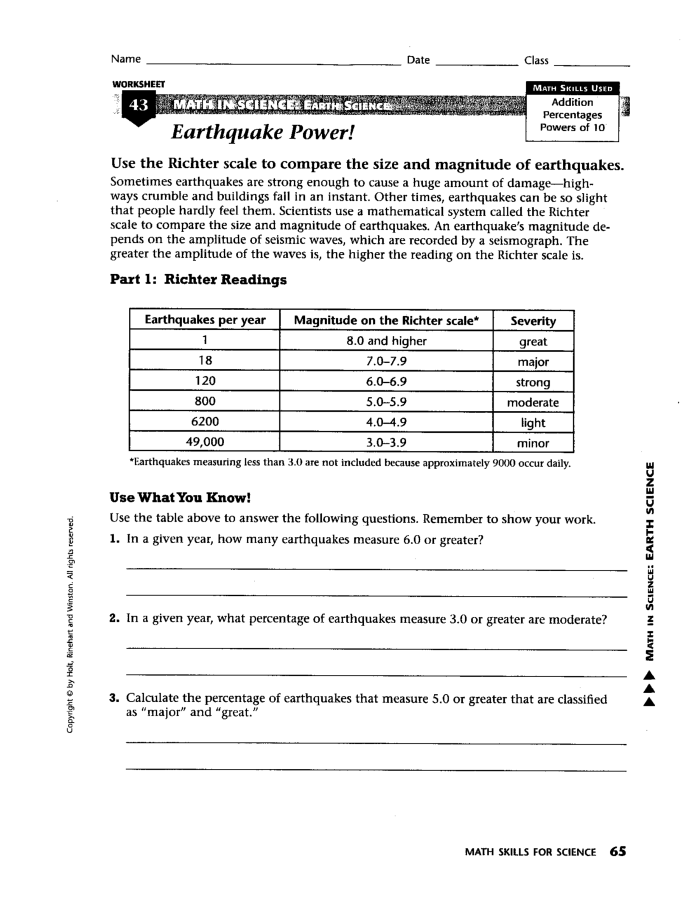
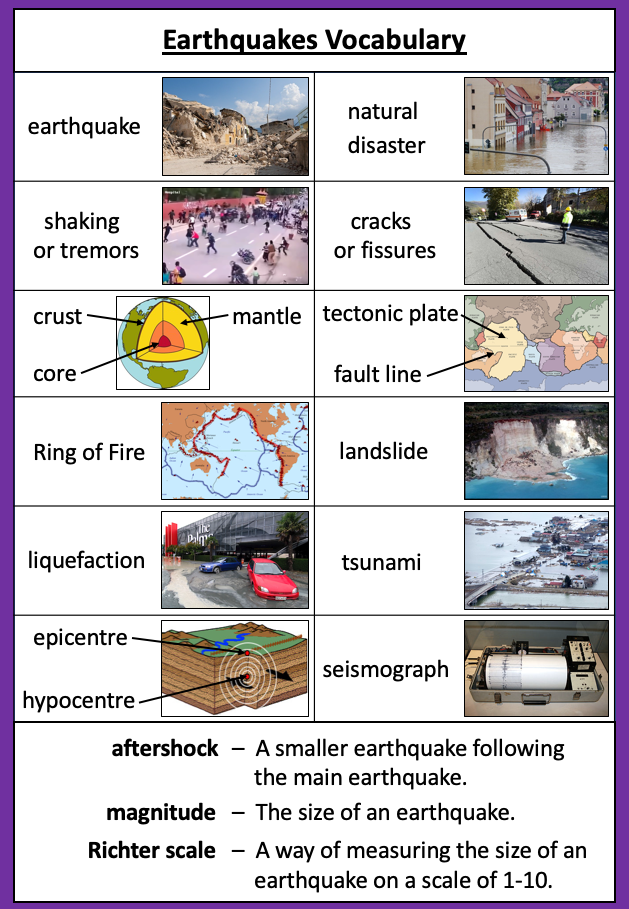
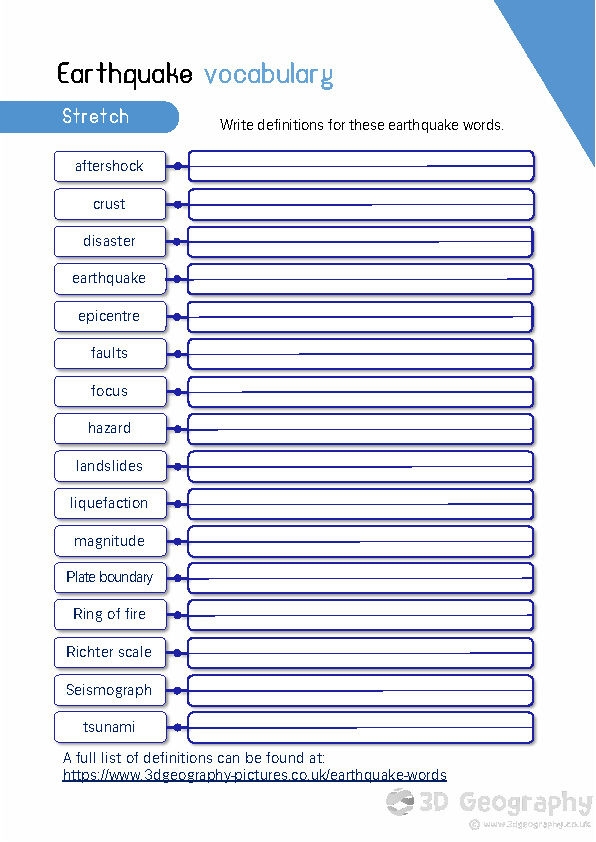
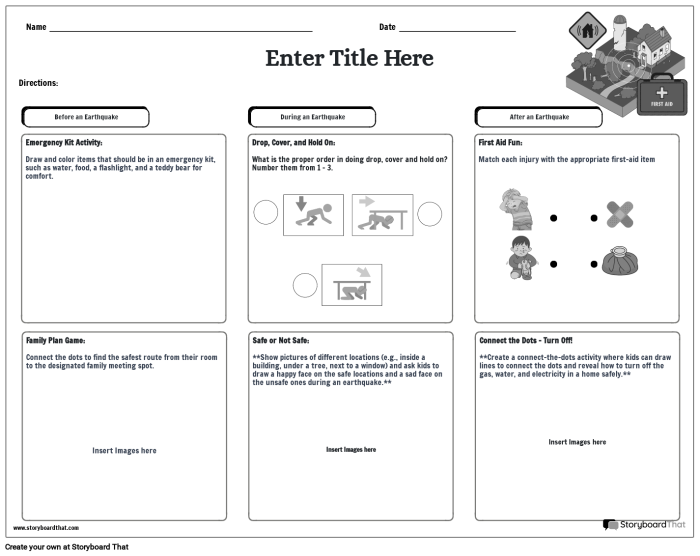
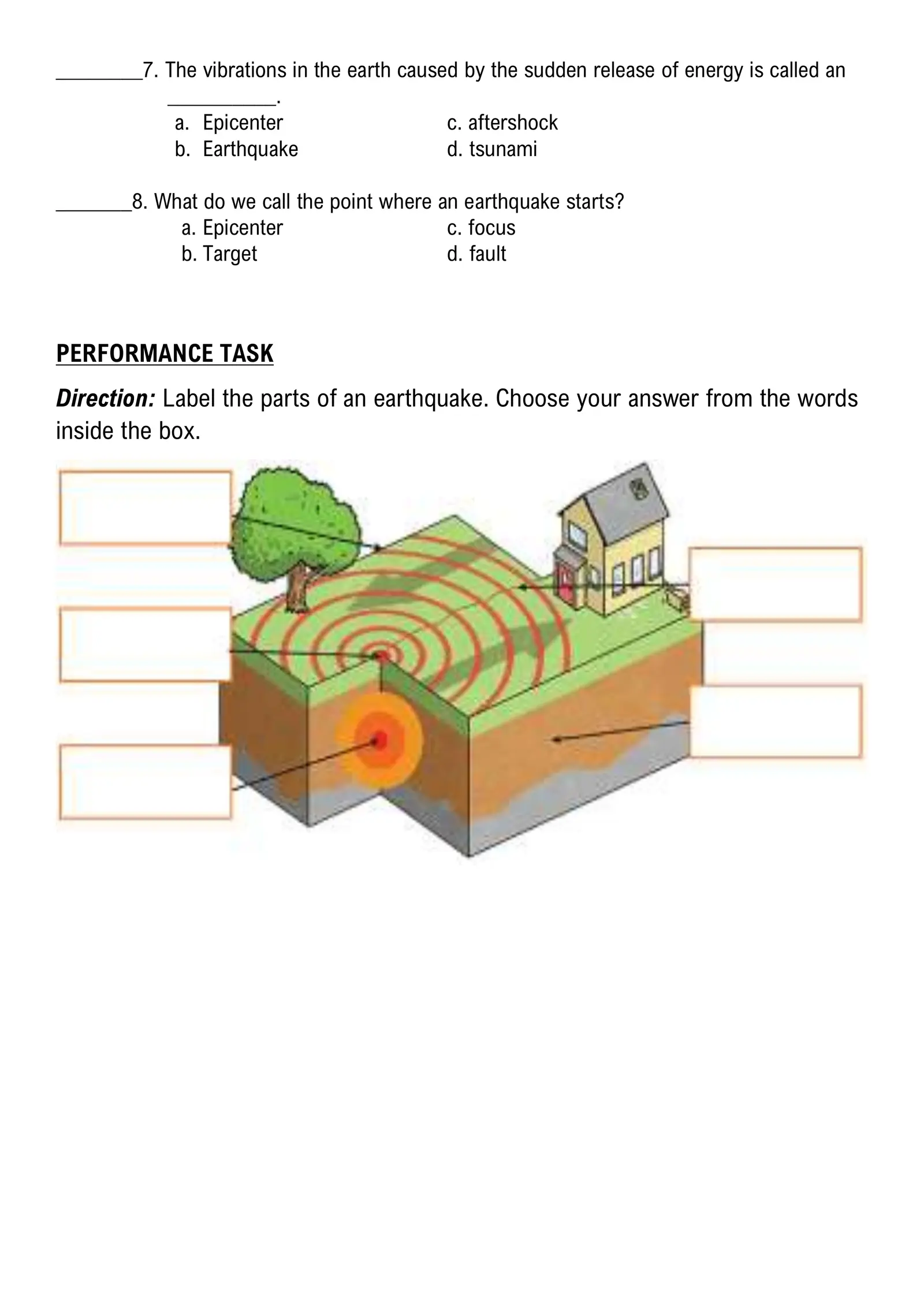
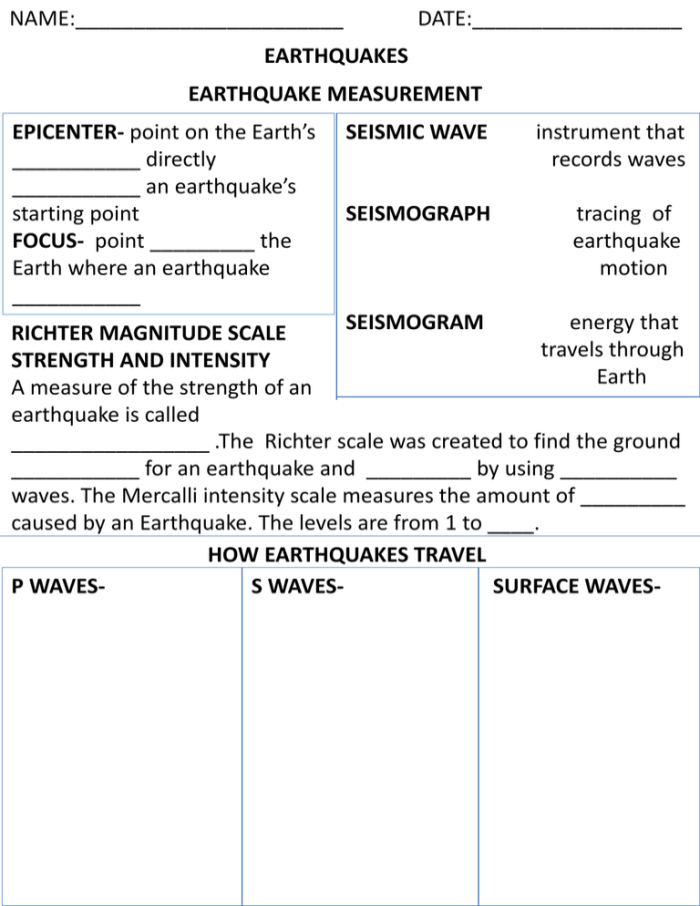
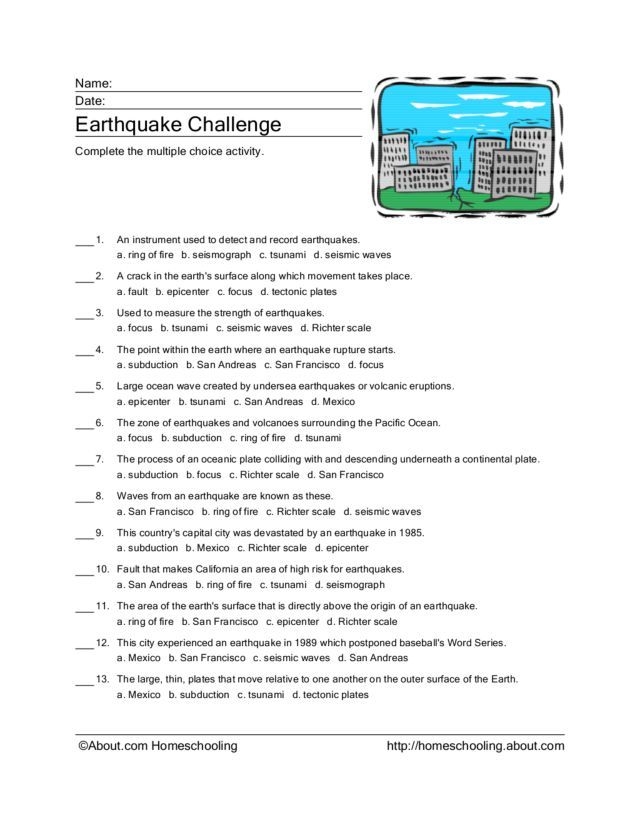
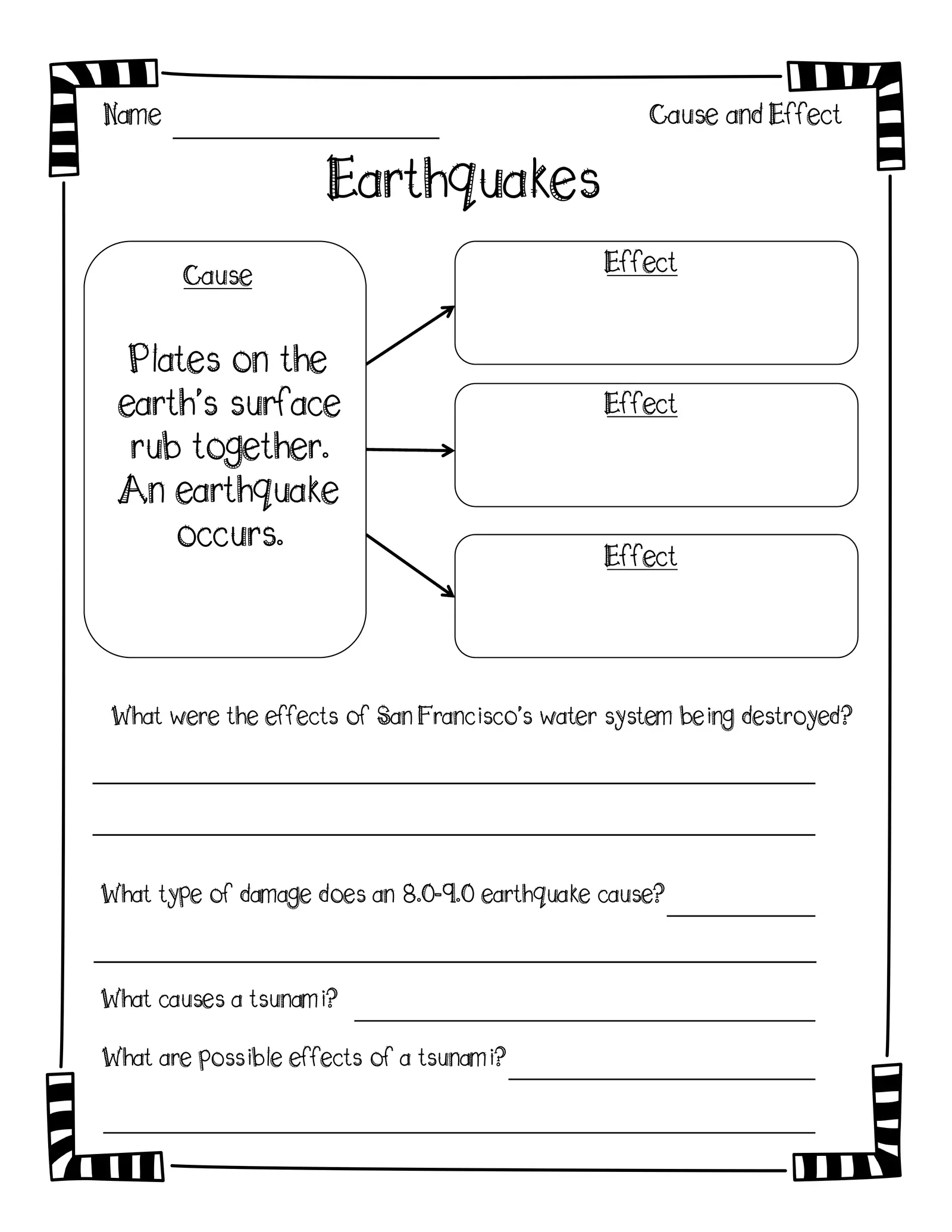
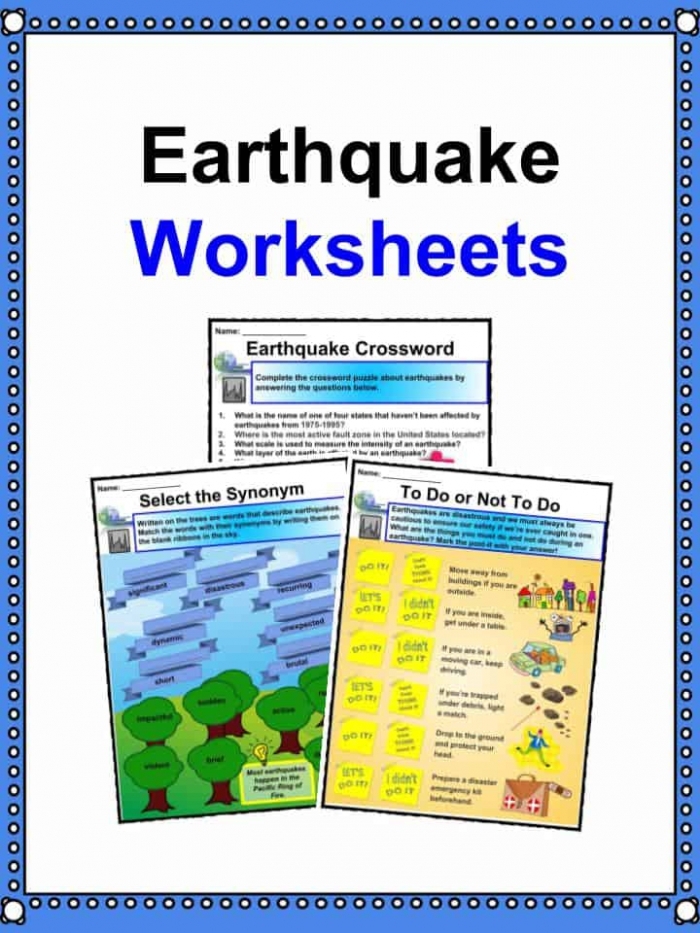
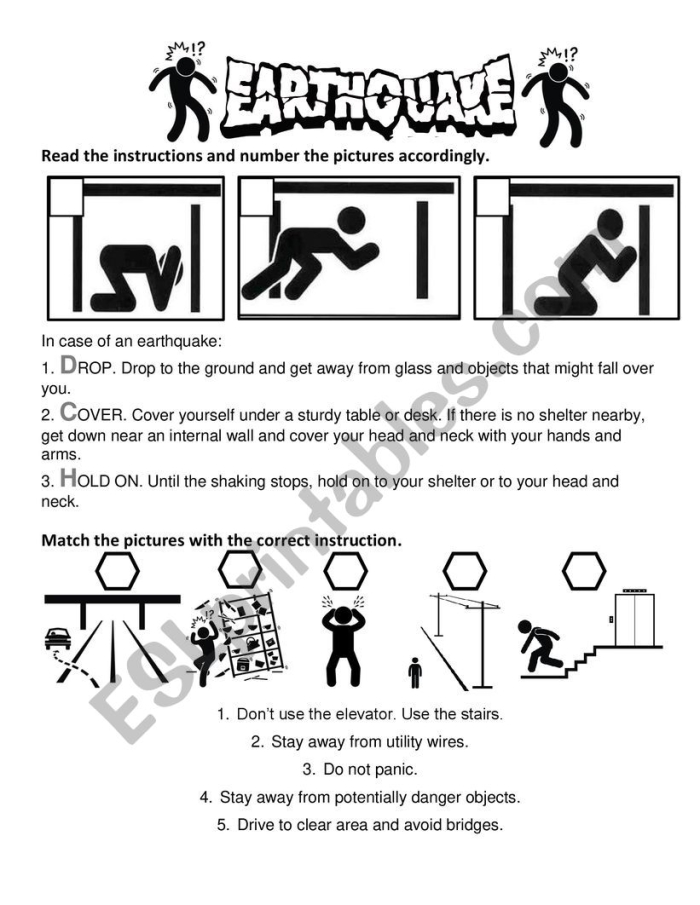
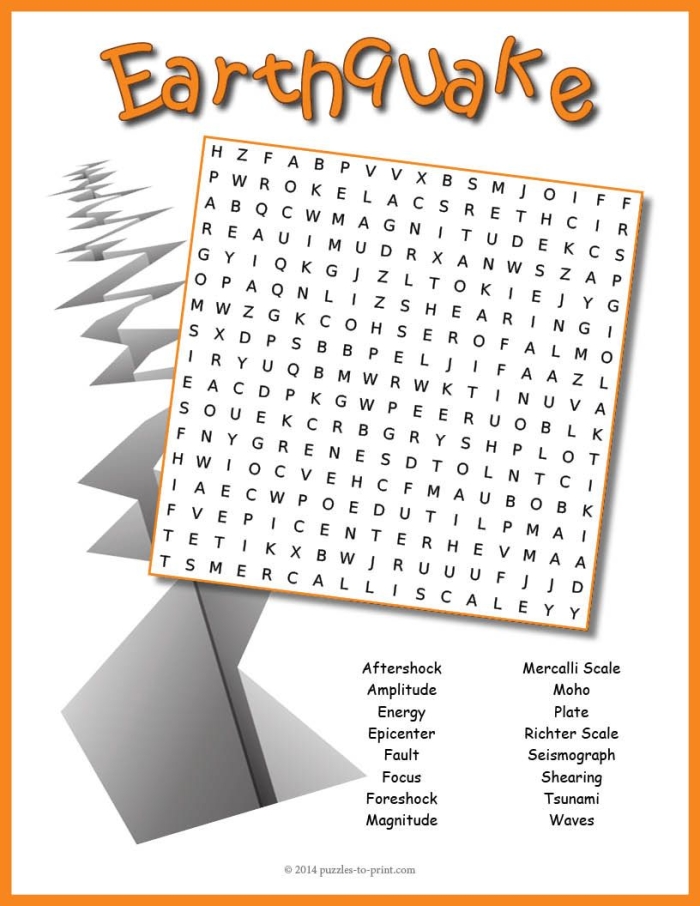
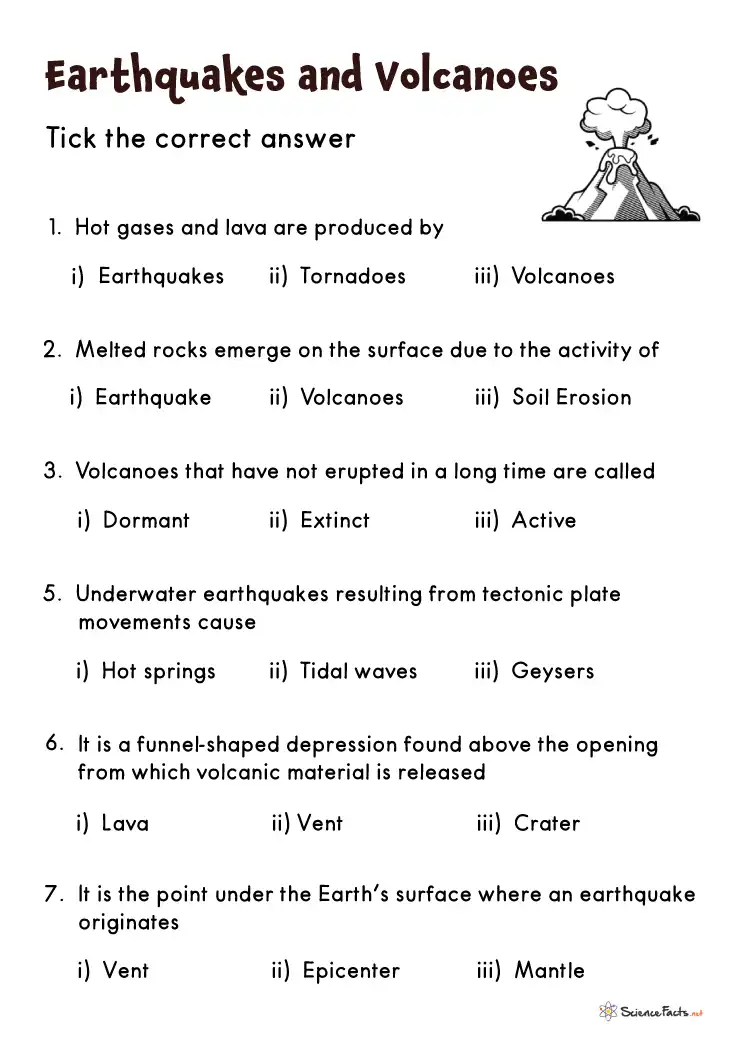
A printable earthquake science worksheet can incorporate various activities, such as matching terms to definitions, labeling diagrams of tectonic plate movements, and even calculating the magnitude of different earthquakes. These types of exercises not only reinforce learning but also make the subject matter more relatable. For example, students might be asked to examine data from recent earthquakes and discuss the potential impact on nearby communities.
In addition to understanding the scientific principles, students can also explore the geometry involved in measuring earthquake intensity. They can learn about the Richter scale and how it quantifies the strength of an earthquake. Engaging with this kind of math helps solidify their skills in geometry while connecting it to a real-world application.
For teachers looking to shake up their science curriculum, resources like trapezoid perimeters worksheets or bubble map templates can serve as useful tools alongside earthquake studies. By integrating these activities, educators can create a dynamic learning environment that motivates students to explore science further.
Start Practicing with These Worksheets