Yellowstone National Park’s wolves nearly vanished from existence, hunted to extinction by the early 1900s. For seven decades, the park sat empty of these powerful predators, and the landscape changed in ways few people anticipated. Then, in 1995, wildlife managers reintroduced gray wolves to Yellowstone, and the ecosystem transformed dramatically.
Before wolves returned, elk populations exploded unchecked across the park. These massive herds overgrazed vegetation along riverbanks and streams, stripping away willows and aspens that stabilized soil and provided habitat for countless other species. Beaver populations crashed without willows to build their dams. Songbirds disappeared. The entire food web unraveled from the top down.
When the first wolves arrived from Canada and the northern Rocky Mountains, they didn’t just hunt elk. They restored balance. Wolves killed enough elk to reduce overgrazing, and their kills provided food for scavengers like ravens, eagles, and bears. Willows bounced back. Beavers returned. Rivers stabilized. Scientists call this a “trophic cascade,” where one species’ presence ripples through an entire ecosystem.
The reintroduction wasn’t smooth. Ranchers worried about livestock losses. Hunters saw their elk numbers drop. Some local communities resisted fiercely. Yet the ecological evidence became impossible to ignore. Yellowstone’s rivers ran clearer. Aspen groves recovered. The park became a living laboratory for understanding how predators shape landscapes.
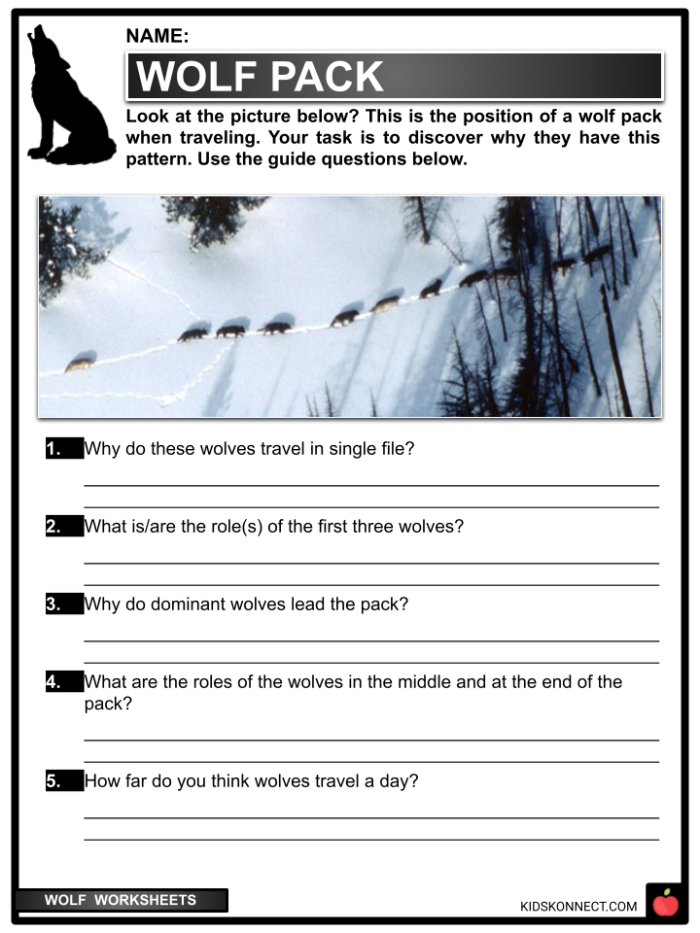
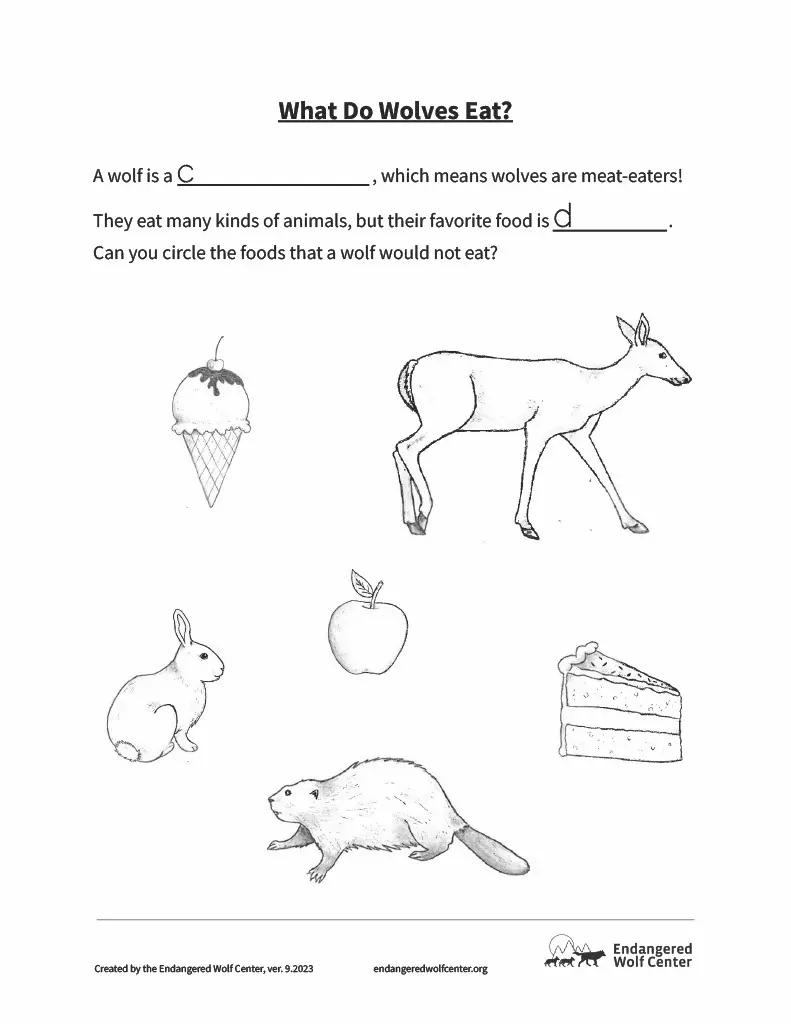
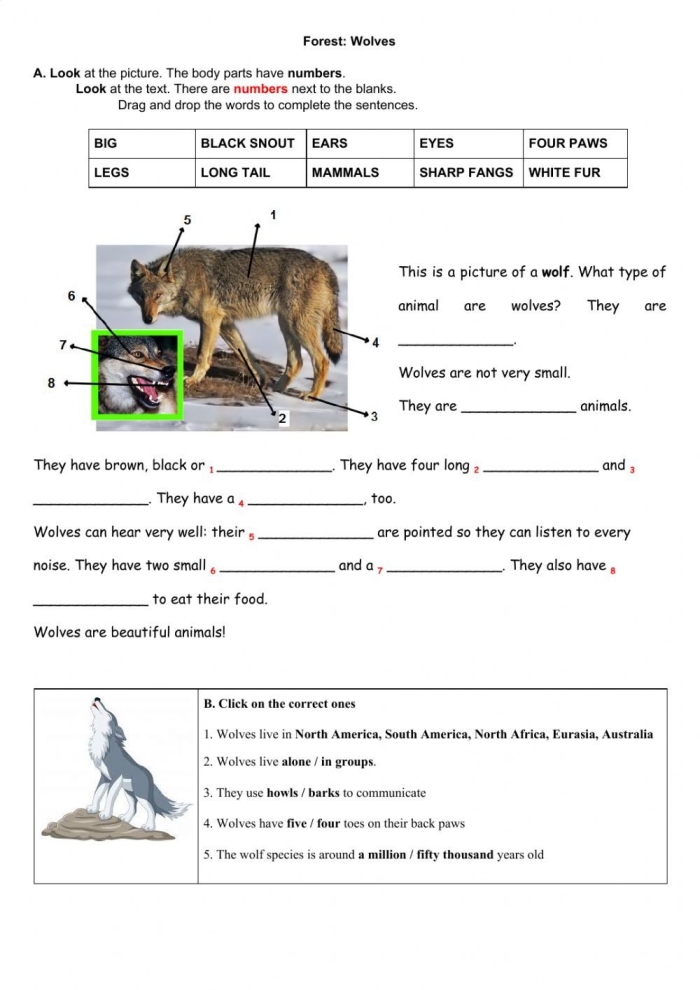
Third grade life science students studying wolves learn more than just facts about animal behavior. They discover how every creature, even the feared ones, plays a crucial role in nature. Understanding wolves means understanding interconnected systems and why protecting predators protects entire ecosystems.
Today, roughly 100 wolves live in Yellowstone, a far cry from the thousands that roamed before European settlement. Their story reminds us that restoration takes patience, science, and willingness to coexist with animals we once wanted gone. For educators seeking resources, worksheets on amphibians and reptiles complement broader animal studies. Students can also practice writing skills while learning through activities like cursive letter formation combined with nature topics, or develop comprehension by identifying supporting details in animal texts.
Download These Worksheets for Practice