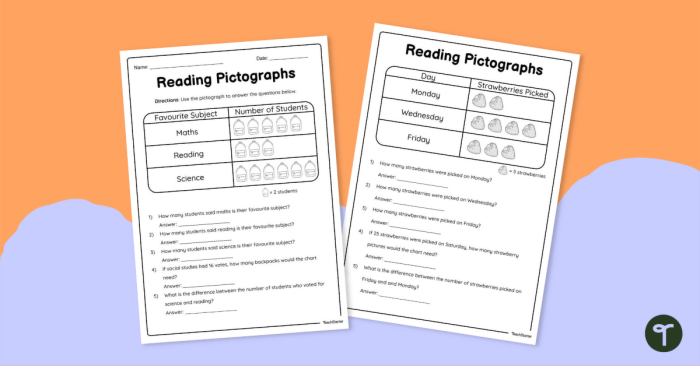
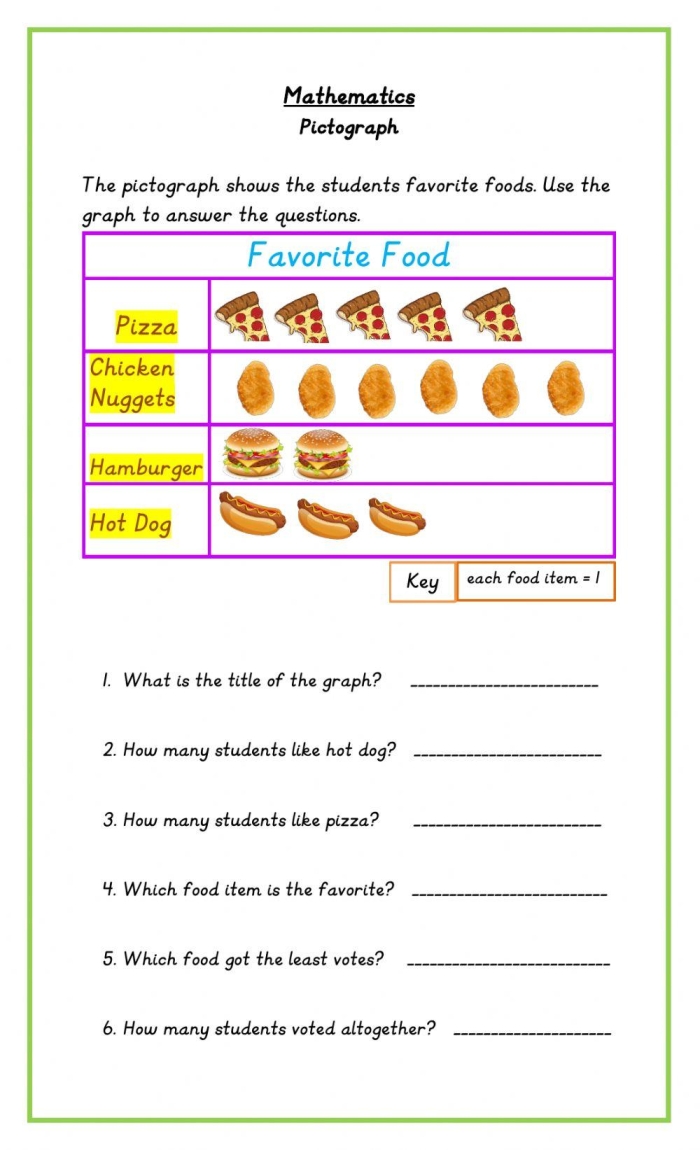
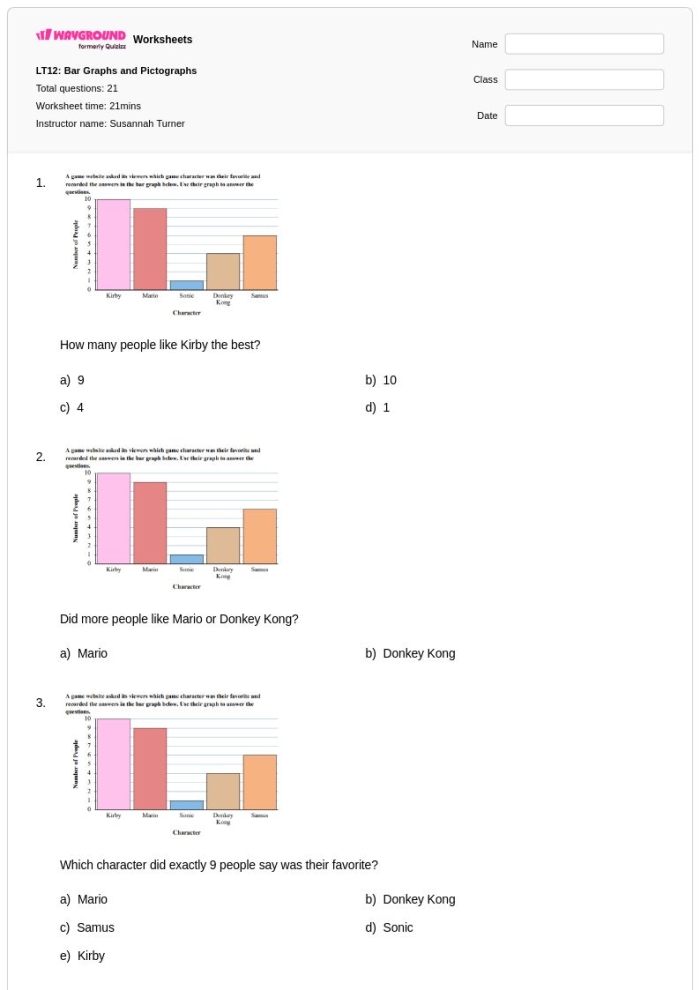
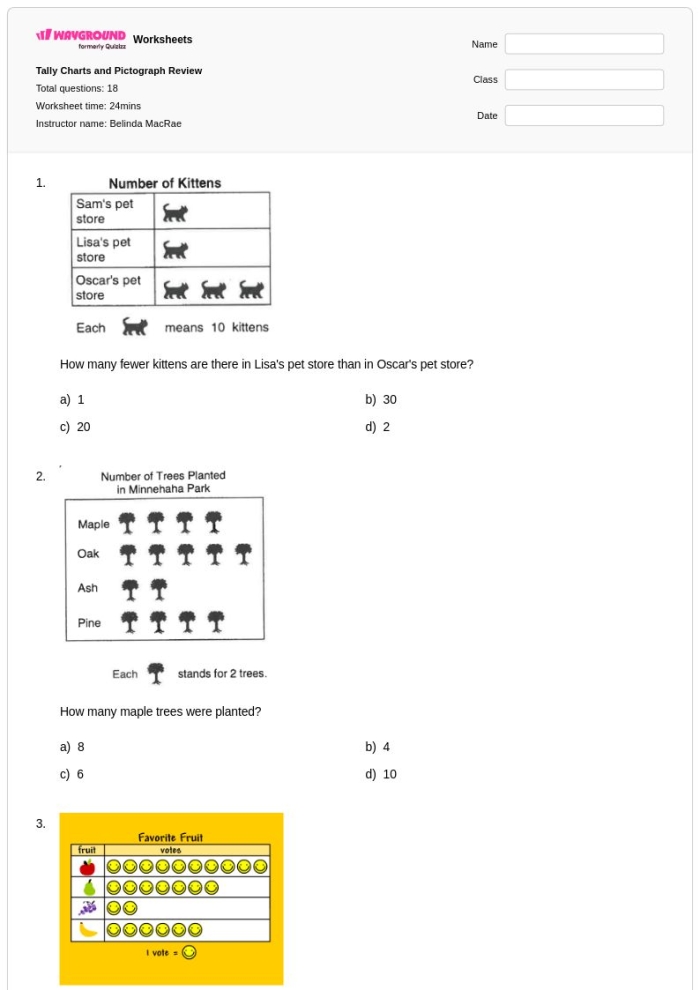
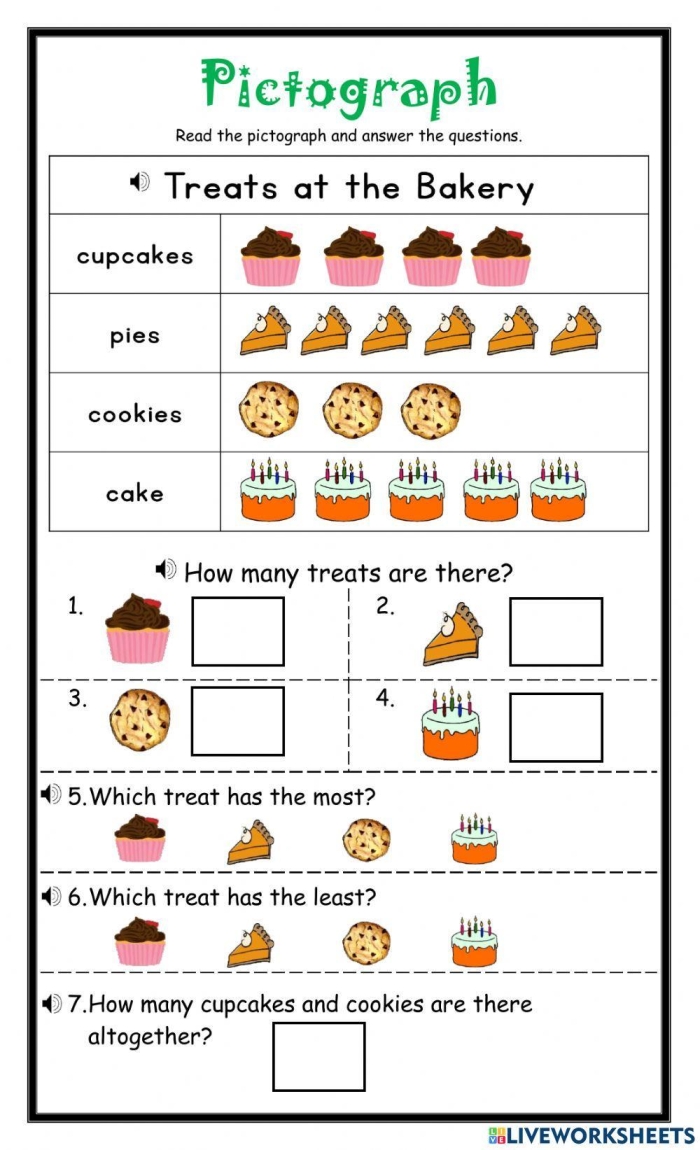
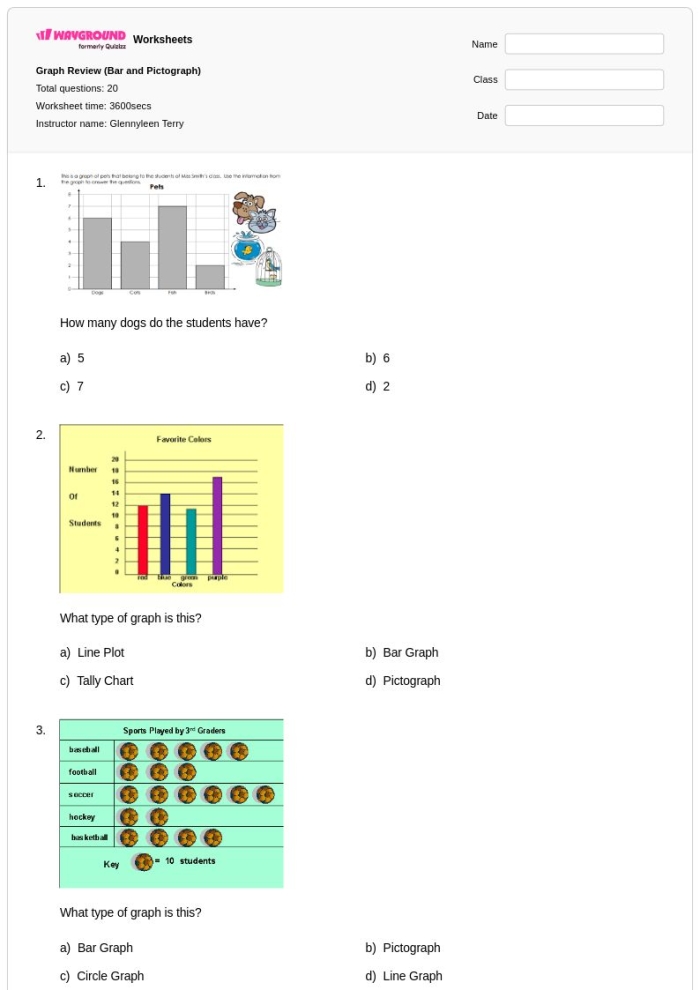
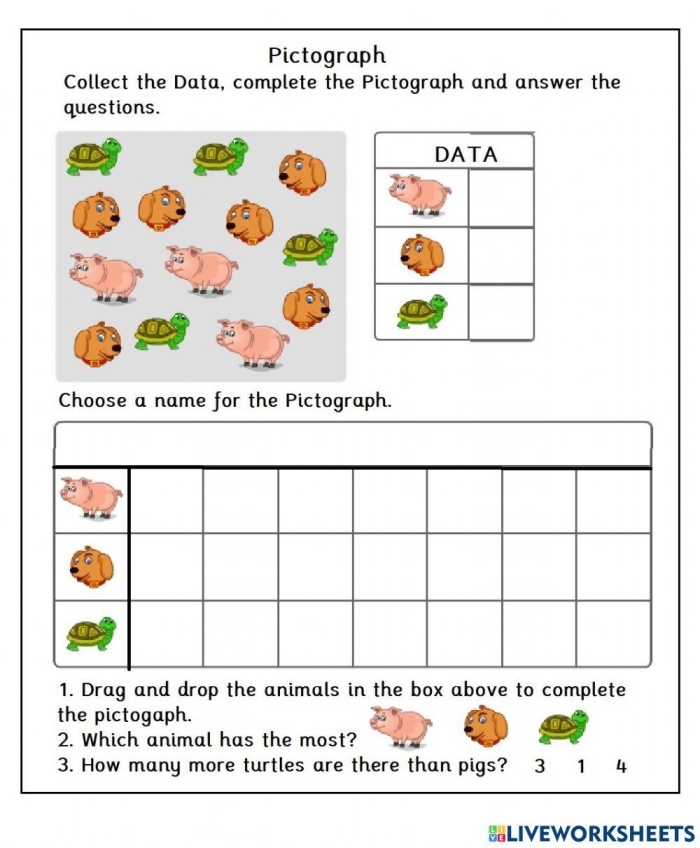
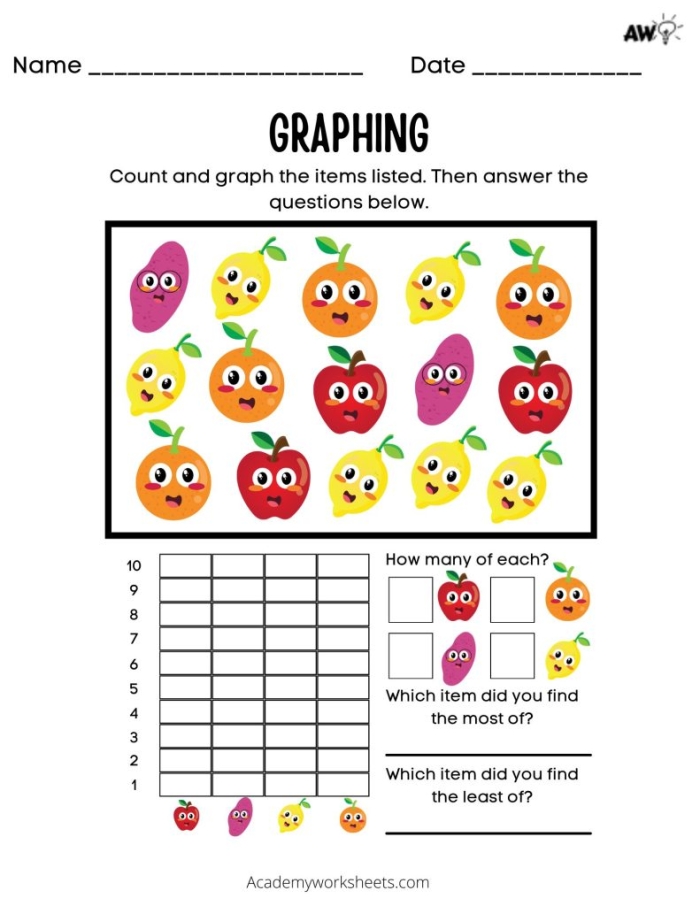
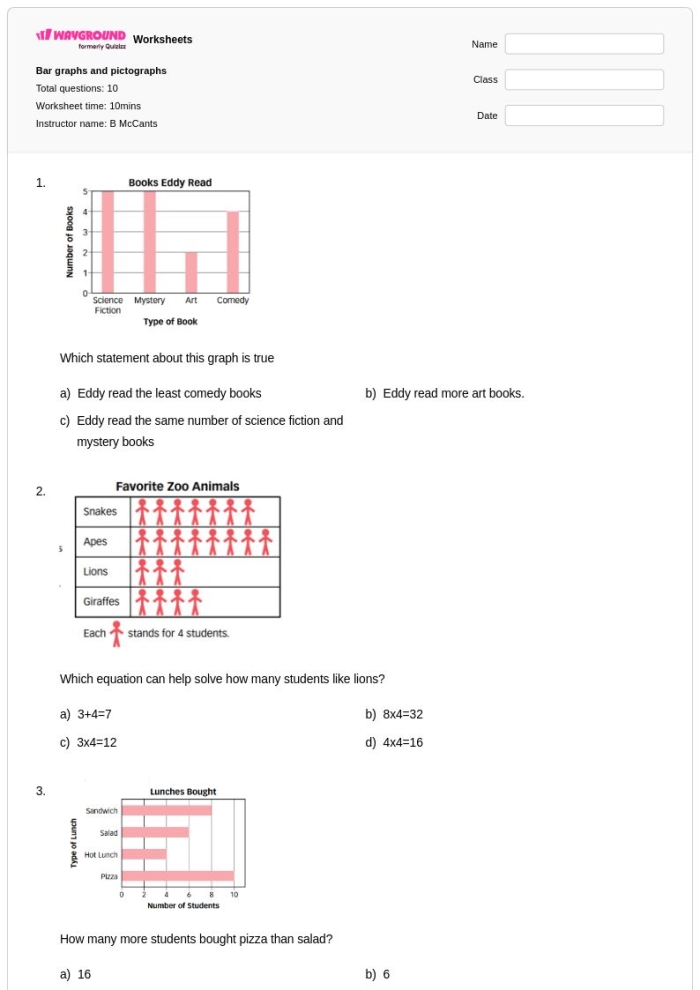
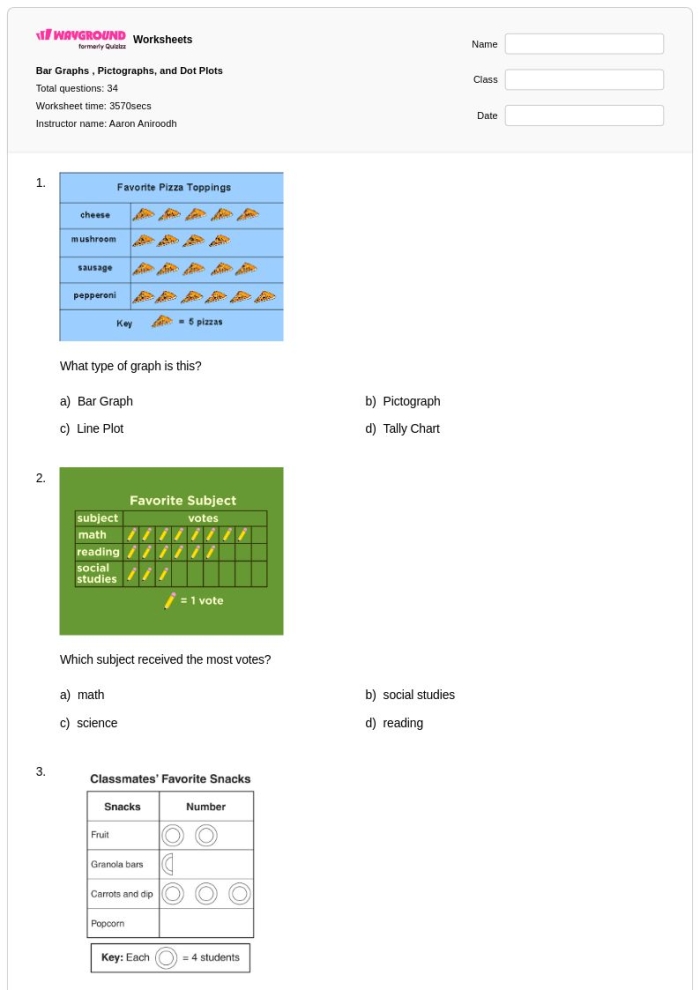
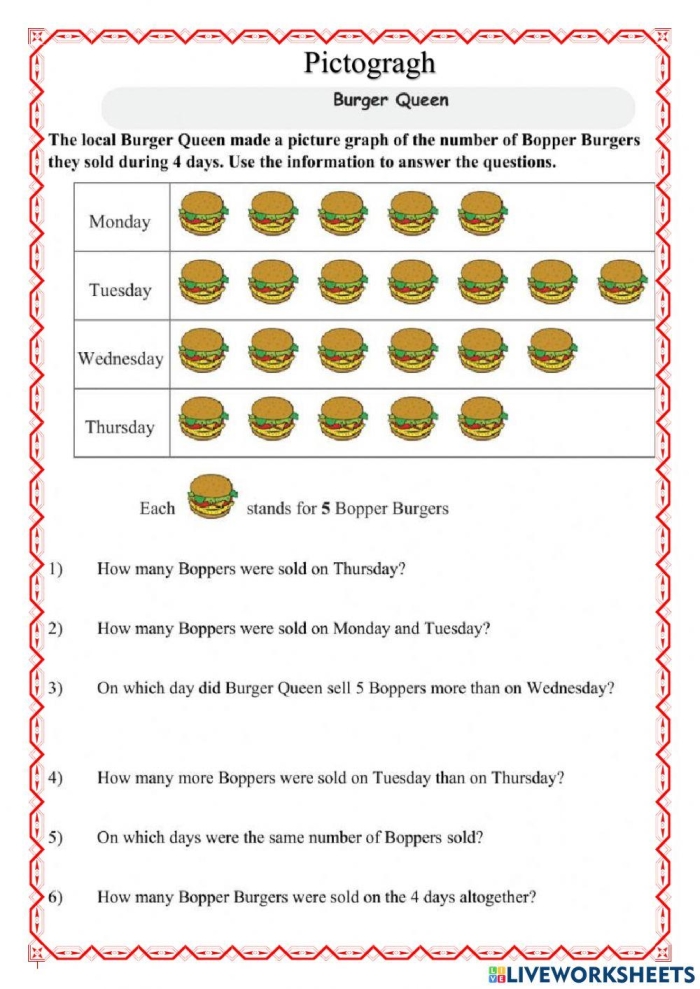
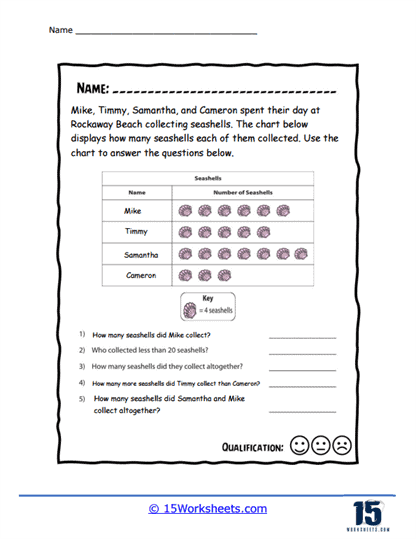
Understanding how to read and interpret data is a crucial skill for third graders, especially when engaging with subjects like civics and government. In a recent worksheet designed for this grade level, students get the chance to practice interpreting graph data and using pictographs to solve word problems. This exercise not only enhances their mathematical abilities but also connects them to real-world scenarios.
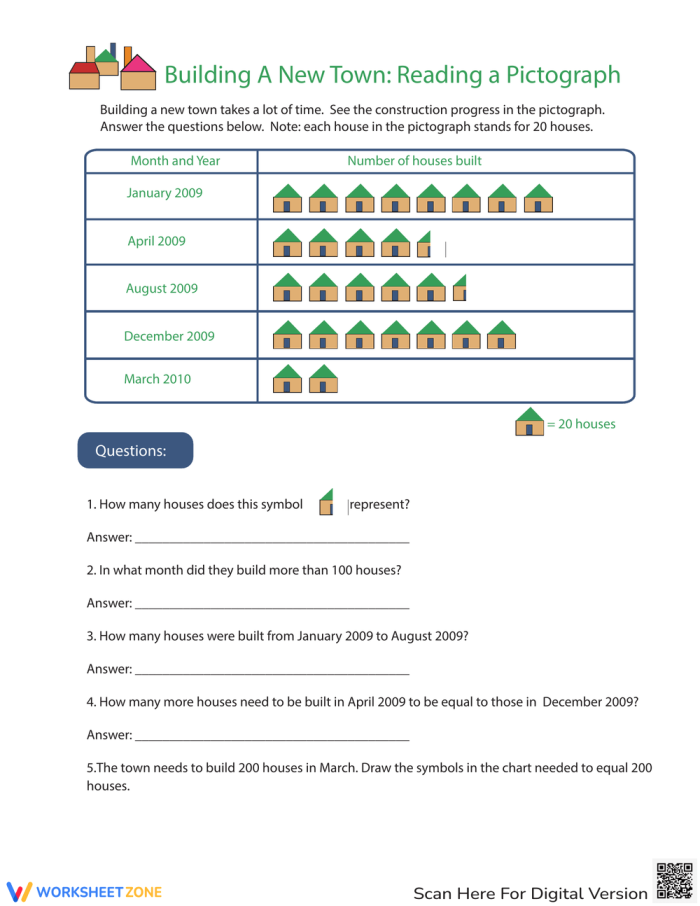
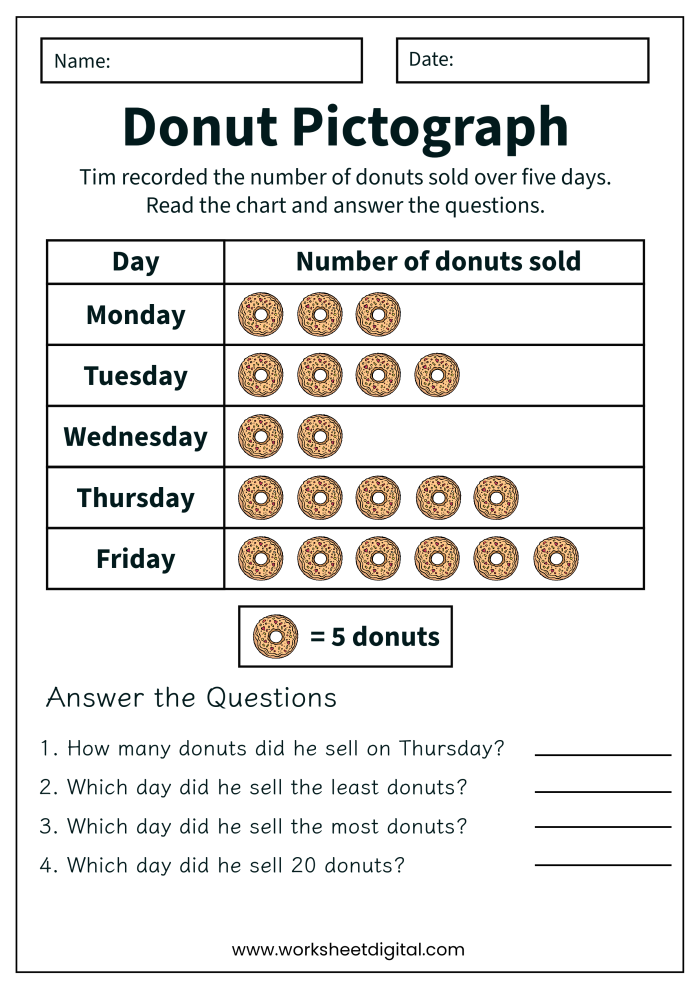
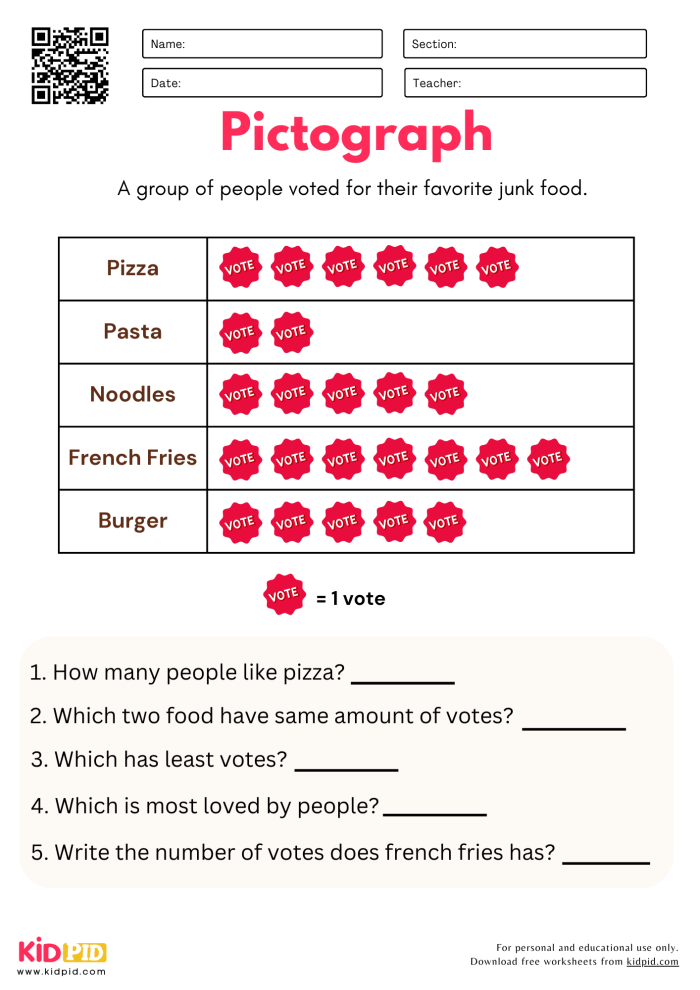
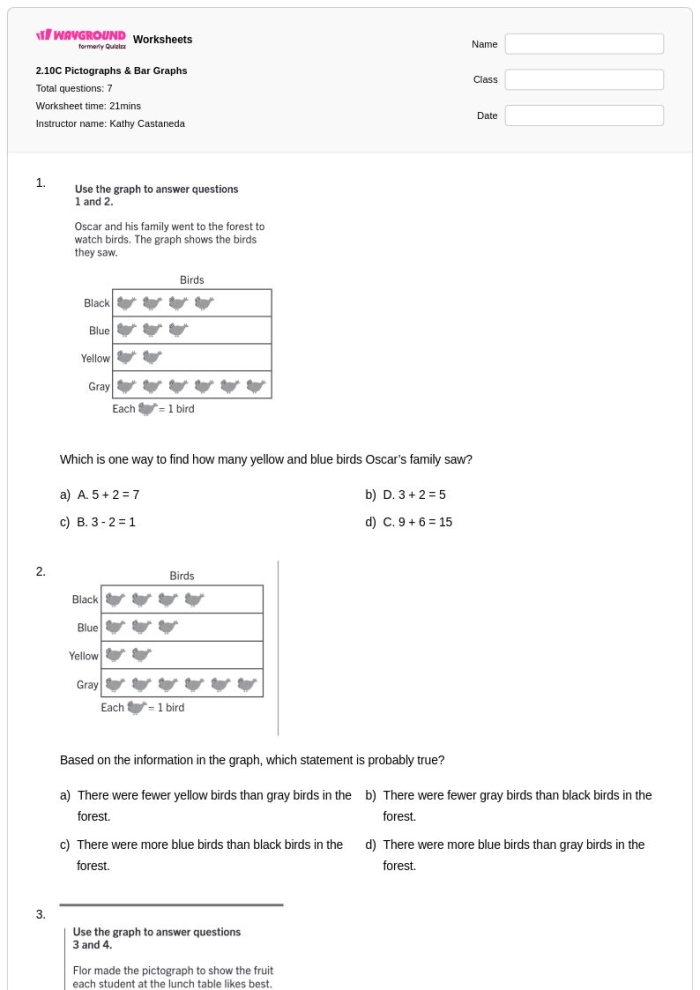
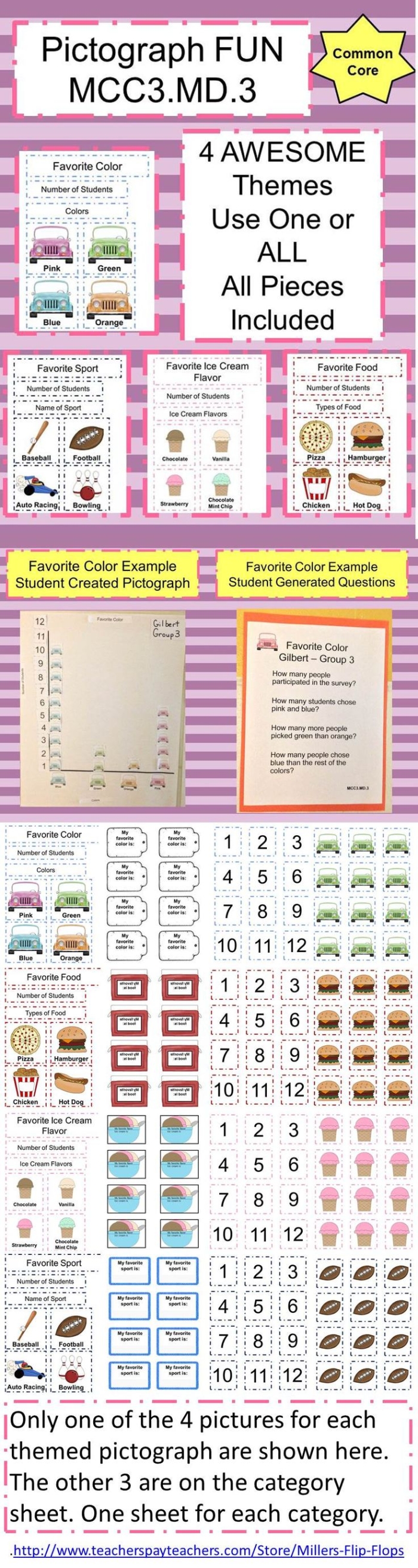
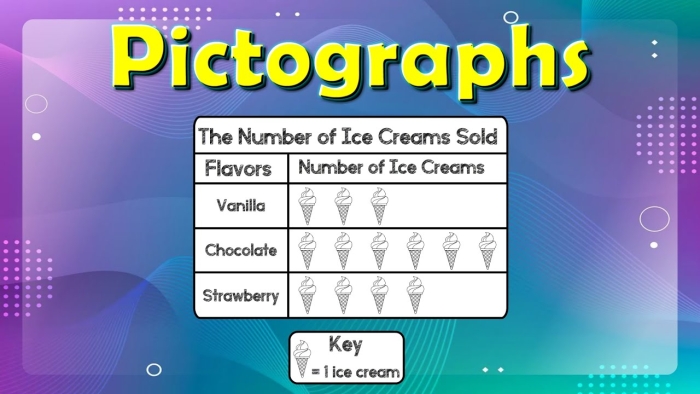
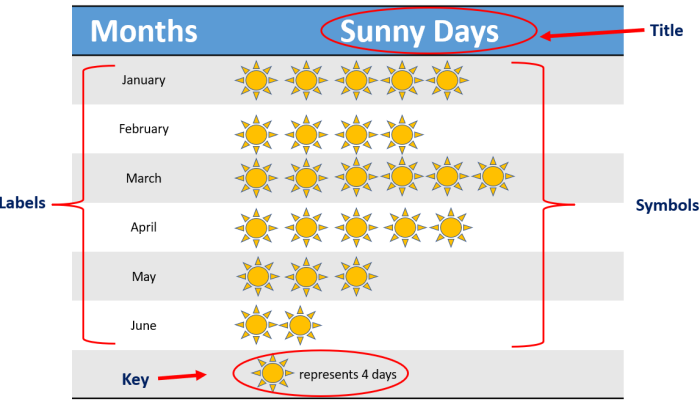
Pictographs use pictures to represent data, making them an effective tool for visual learners. For instance, if a pictograph illustrates the number of houses built in a new town, each picture of a house could represent a certain number of actual houses. As children analyze this data, they can better understand how communities grow and change, embracing the principles of civics and government. This hands-on approach helps foster a sense of civic awareness and responsibility in young learners.
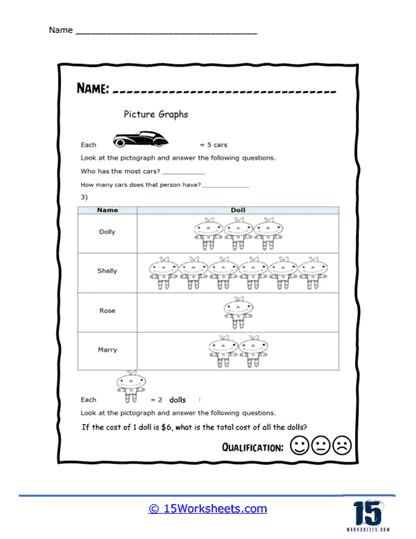
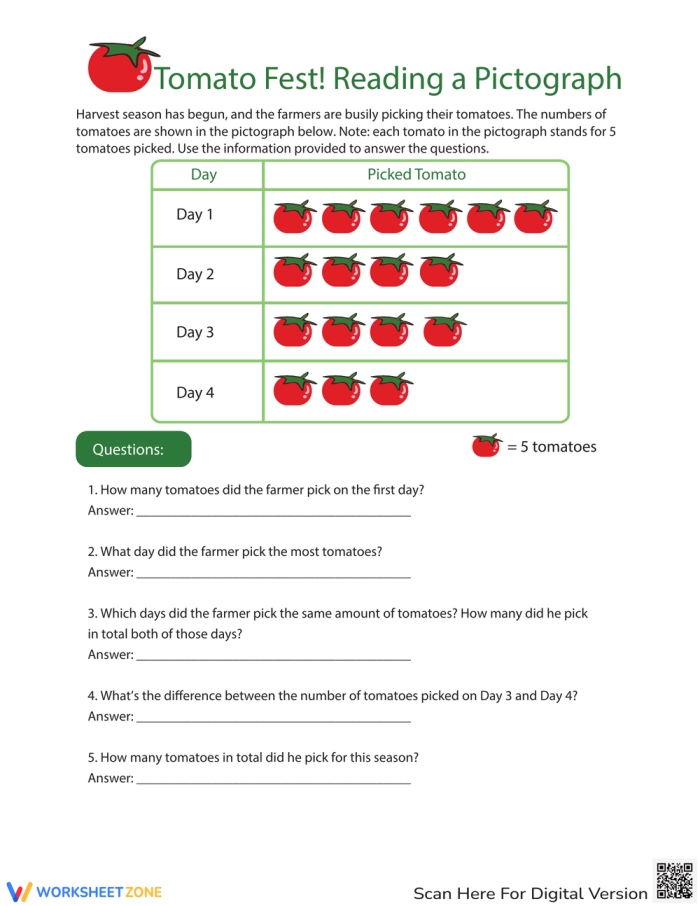
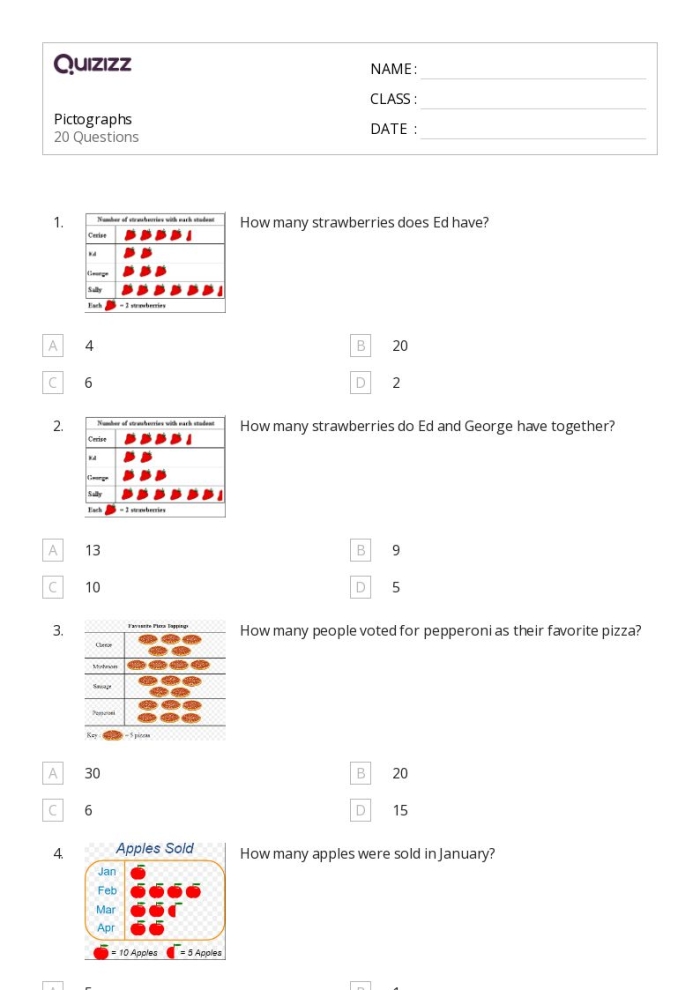
Working through these worksheets, students encounter various word problems that require them to interpret the pictographs accurately. For example, a question might ask how many more houses were built in one area compared to another. To answer correctly, they need to look closely at the pictographs and apply basic subtraction or addition. This type of problem-solving not only boosts their math skills but also sharpens their critical thinking abilities.
Additionally, these printable resources are designed to be engaging and age-appropriate, making learning fun and interactive. By incorporating these activities into the classroom, teachers can create an enriching environment where students genuinely enjoy learning about math and its applications in civics and government. For more resources like the empty multiplication table worksheets, educators can explore a variety of tools that support third graders in their academic journey.
Practice with These Worksheets