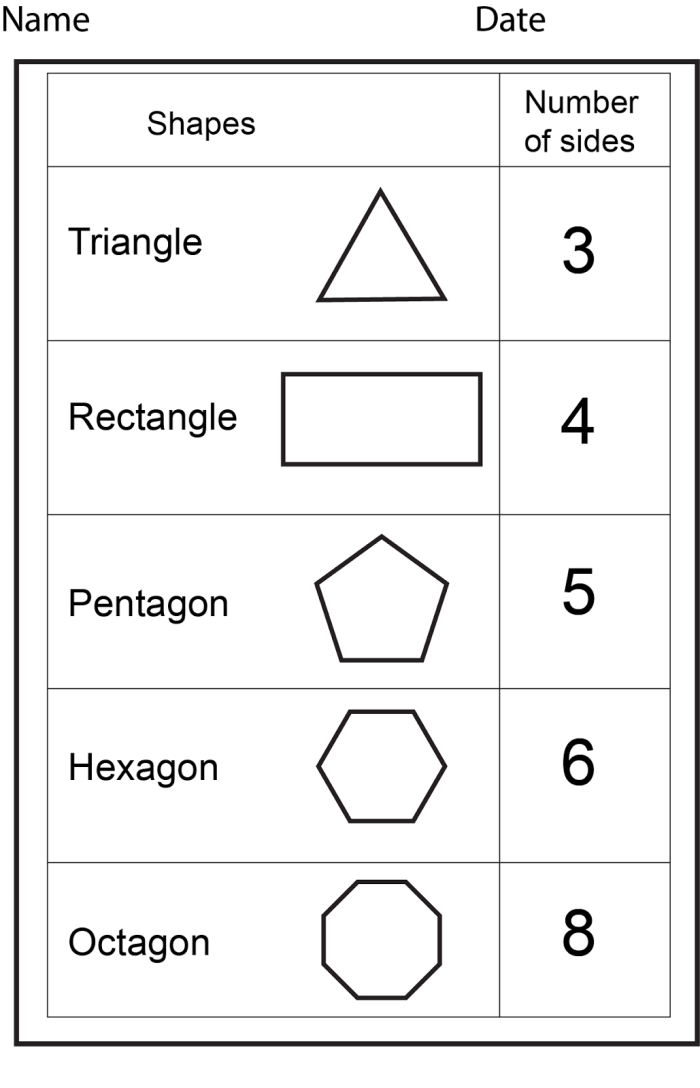
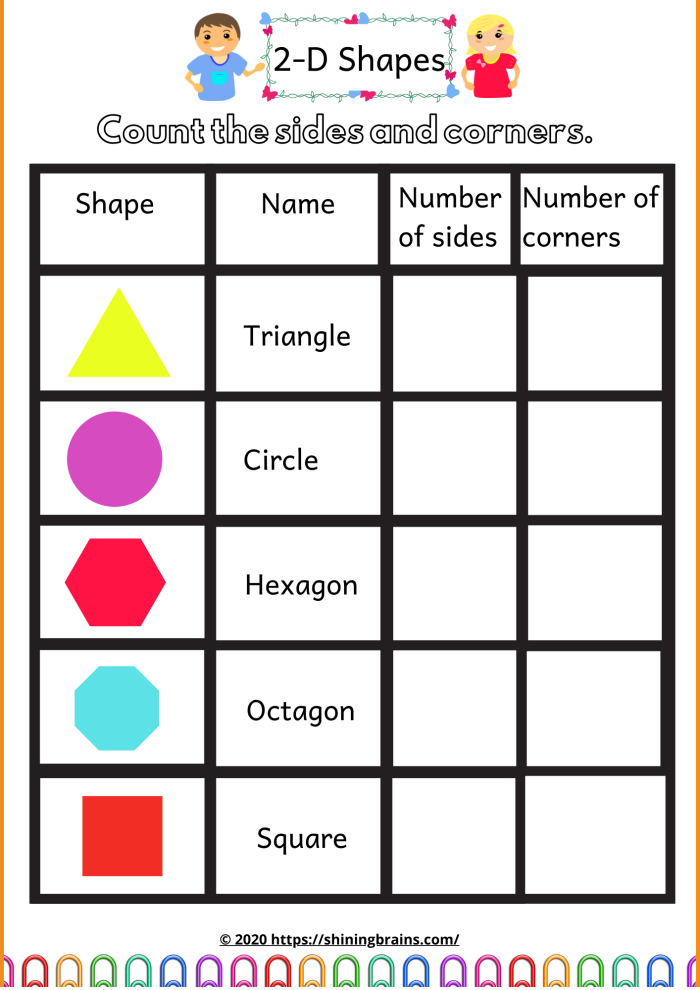
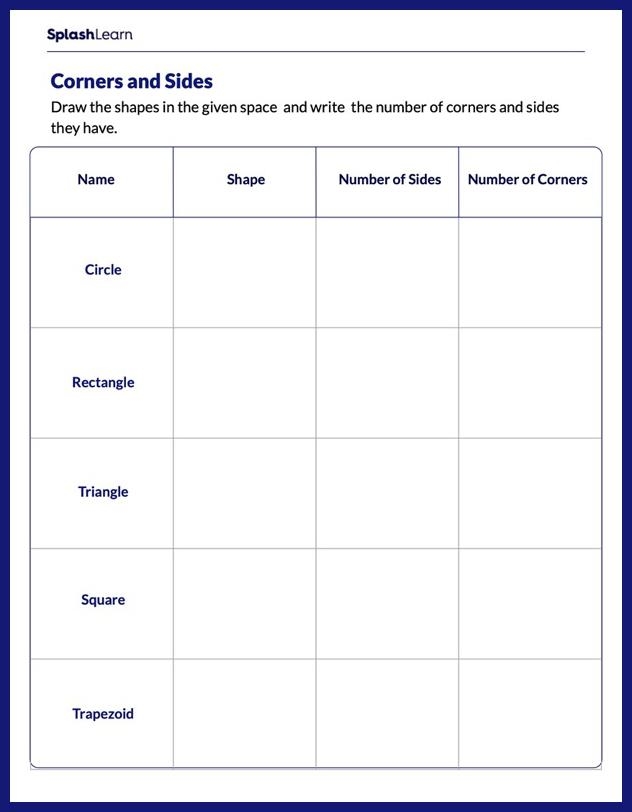
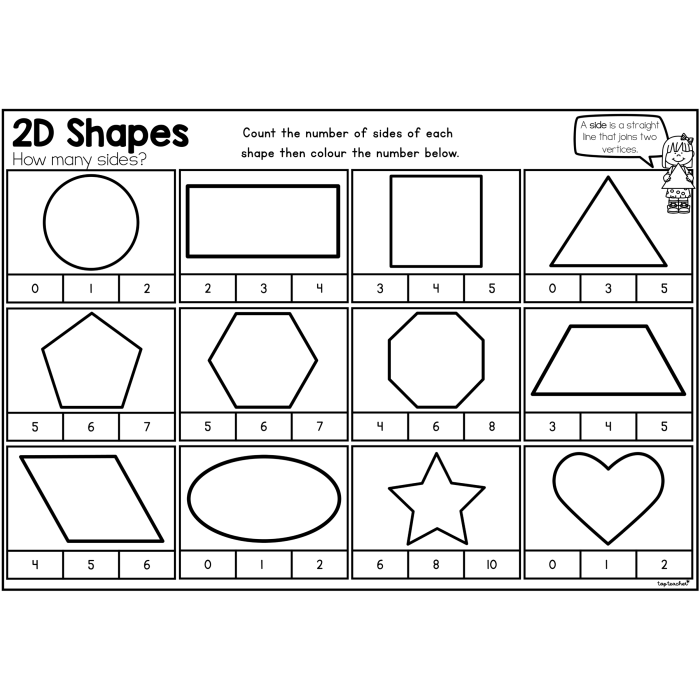
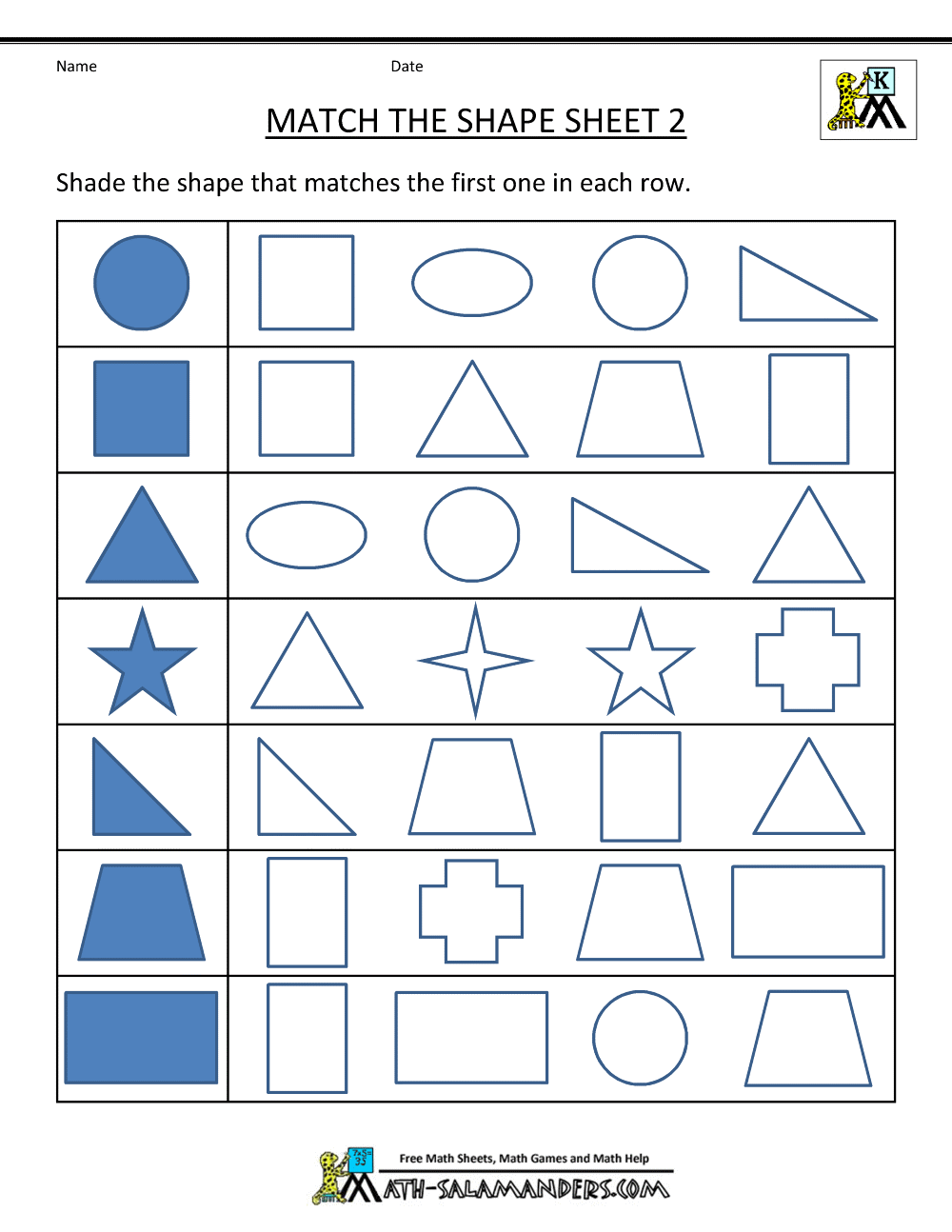
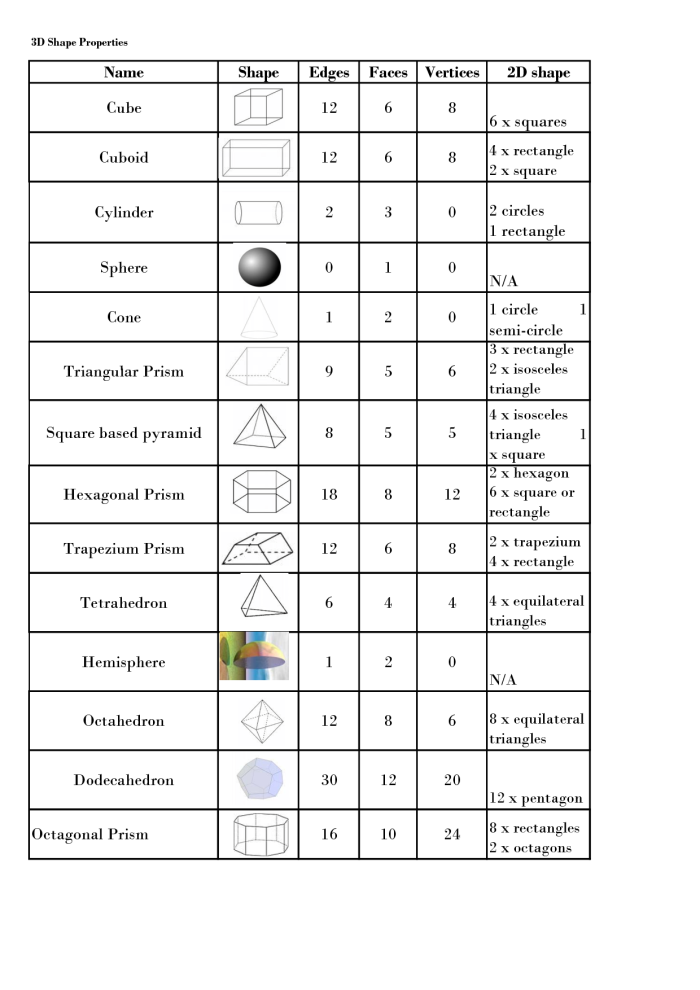
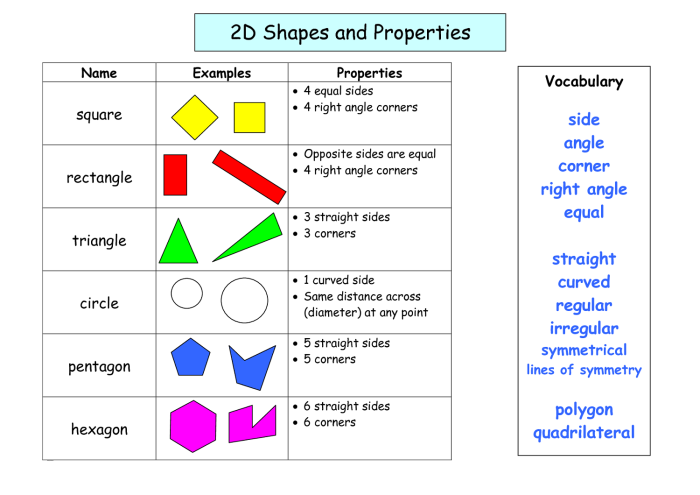
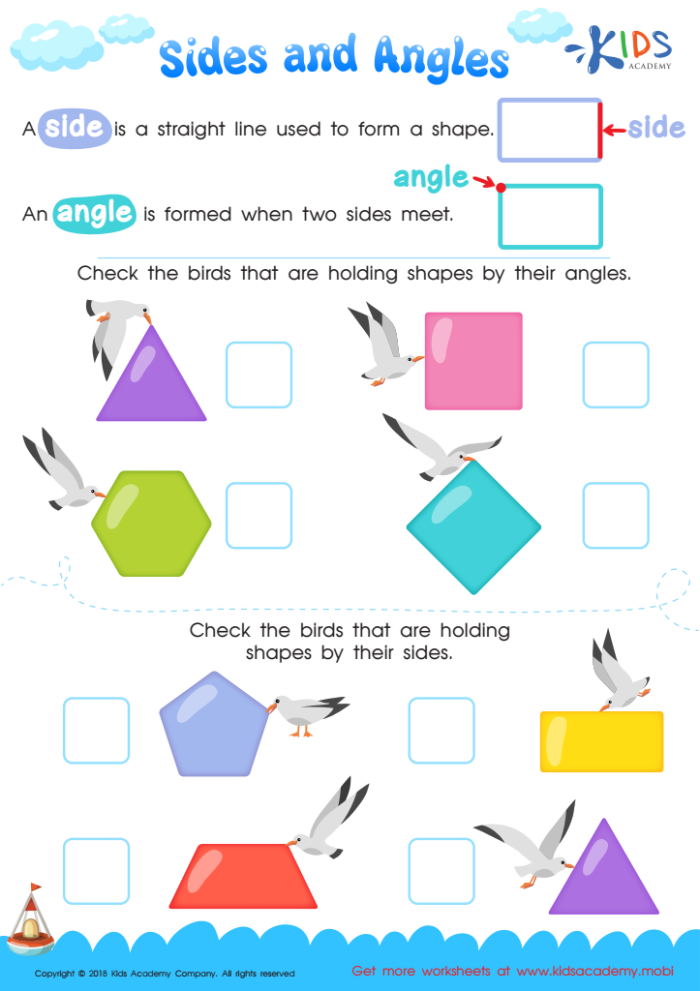
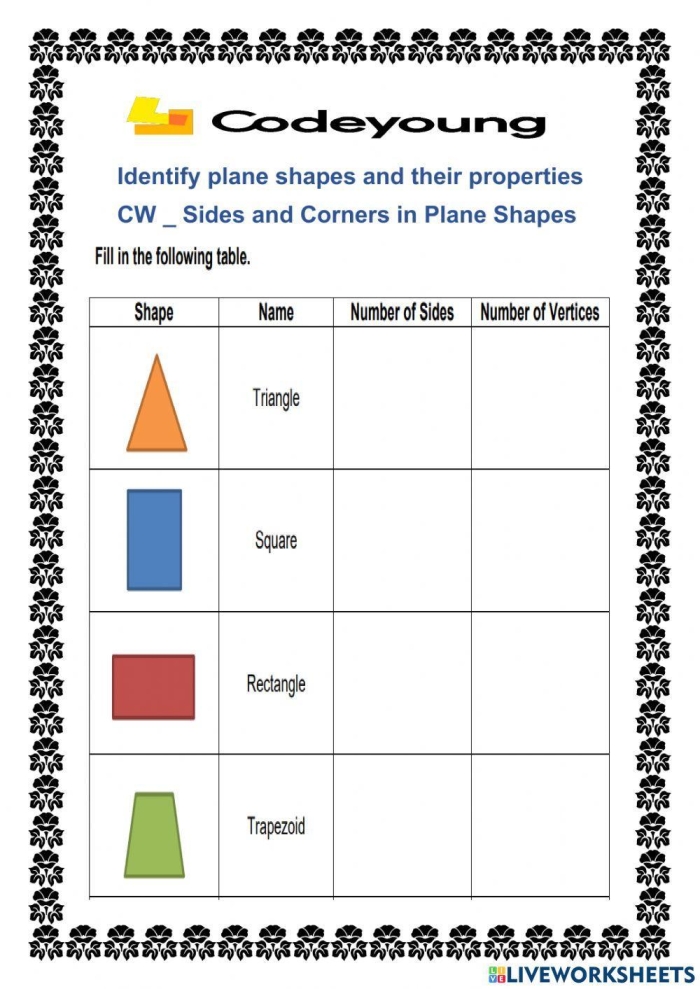
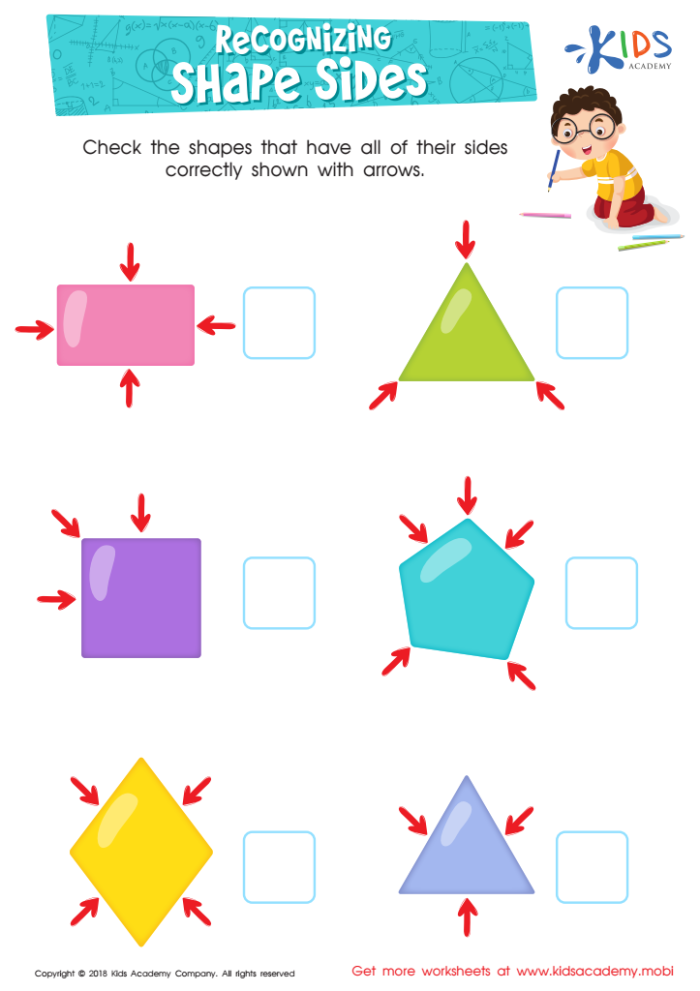
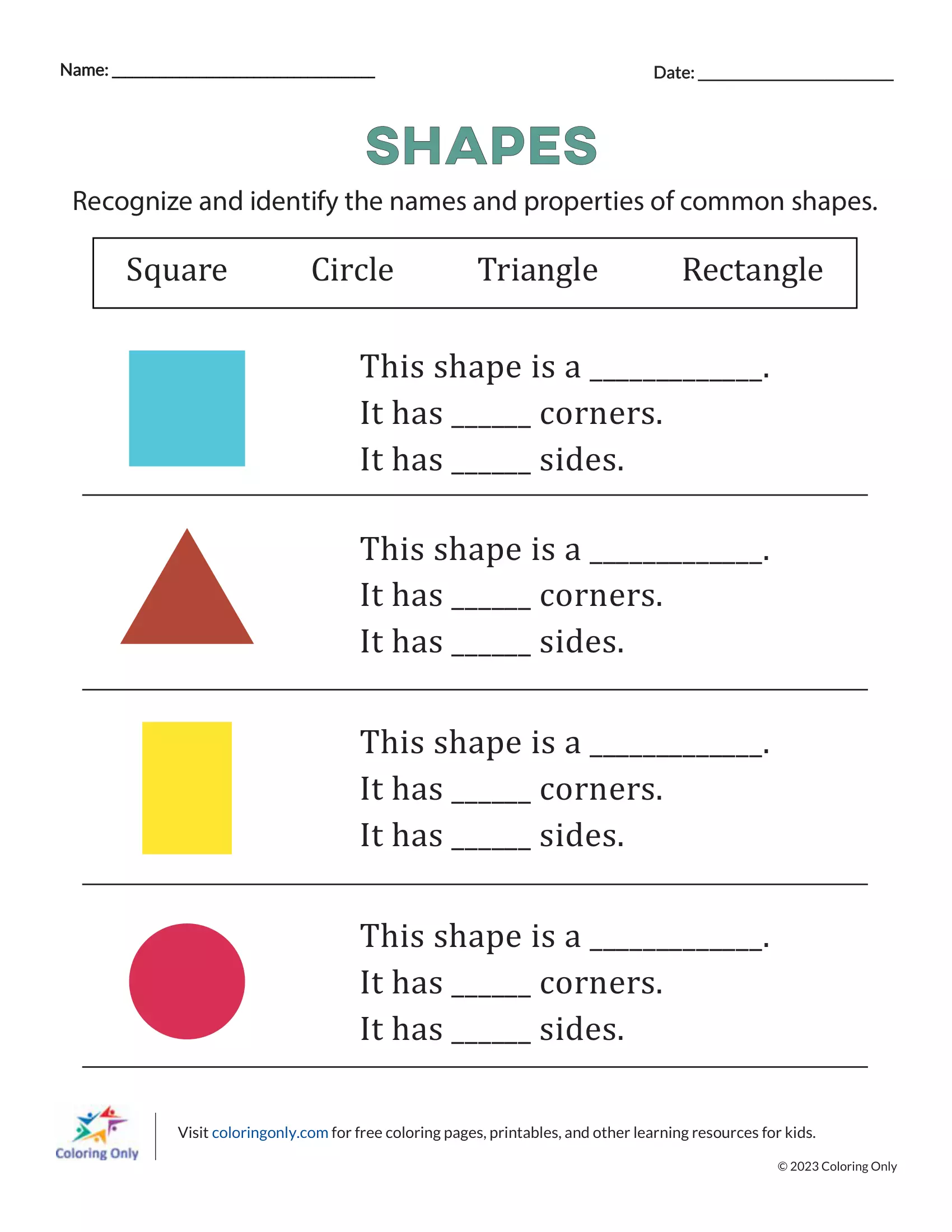
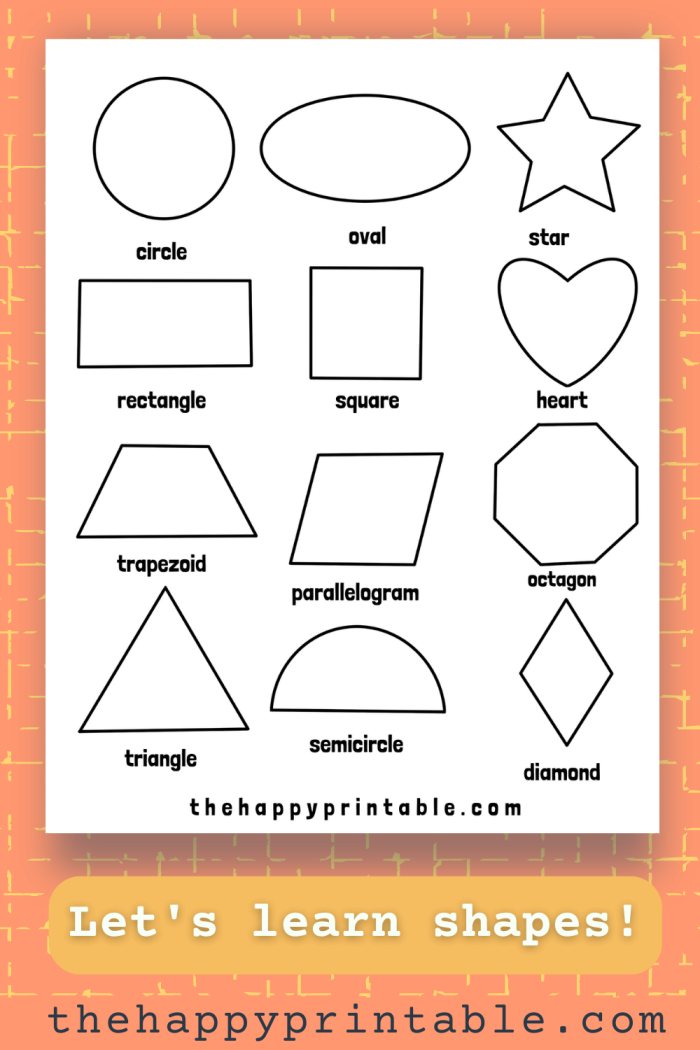
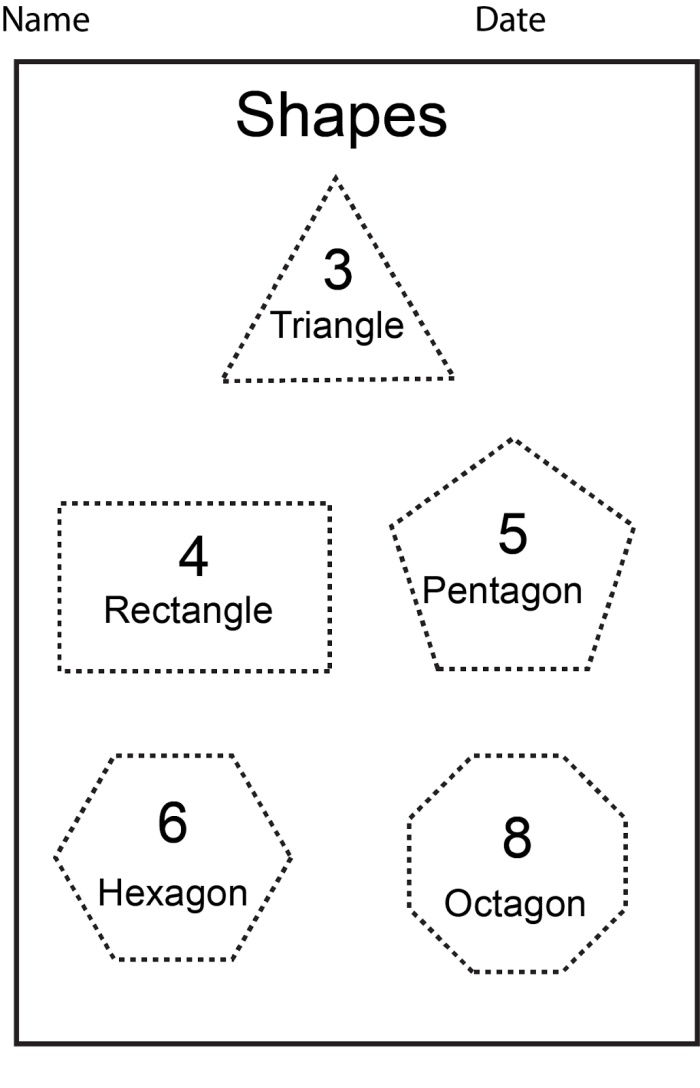
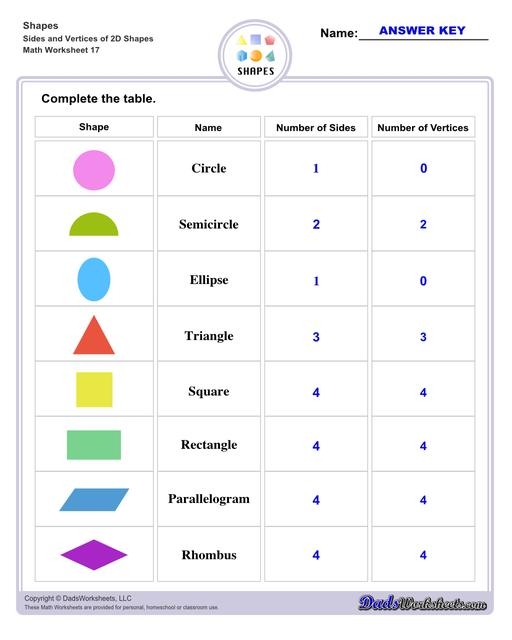
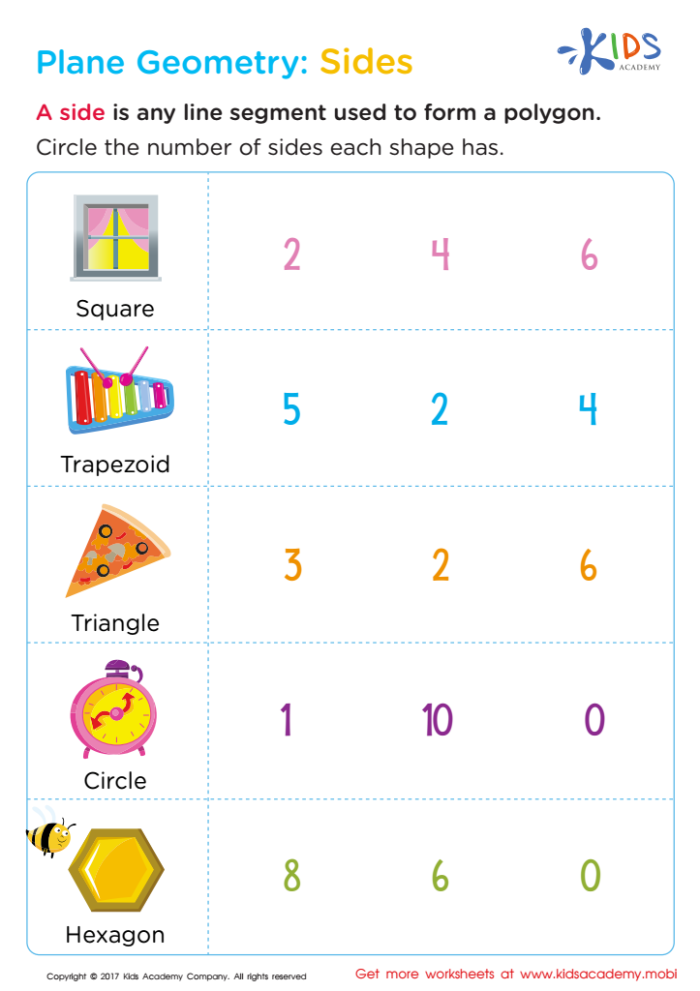
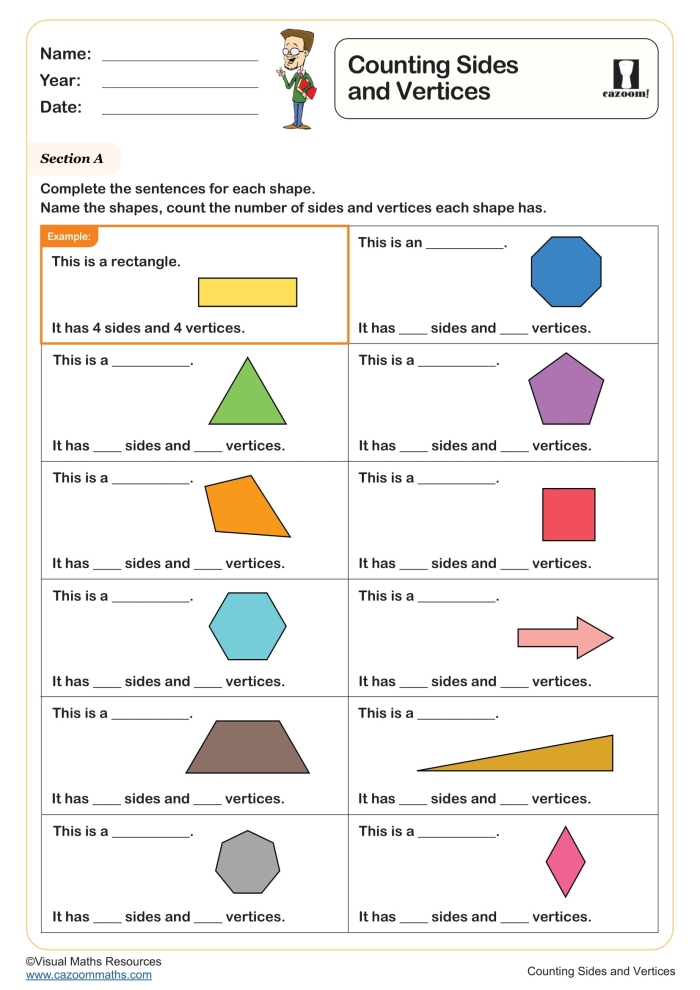
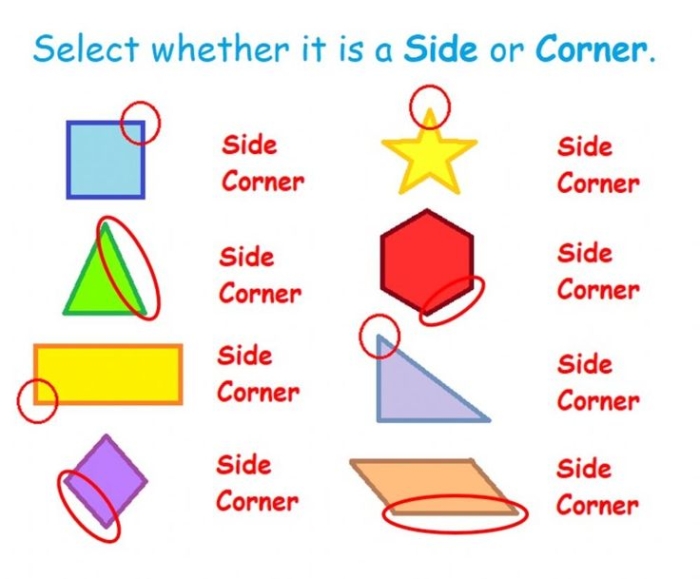
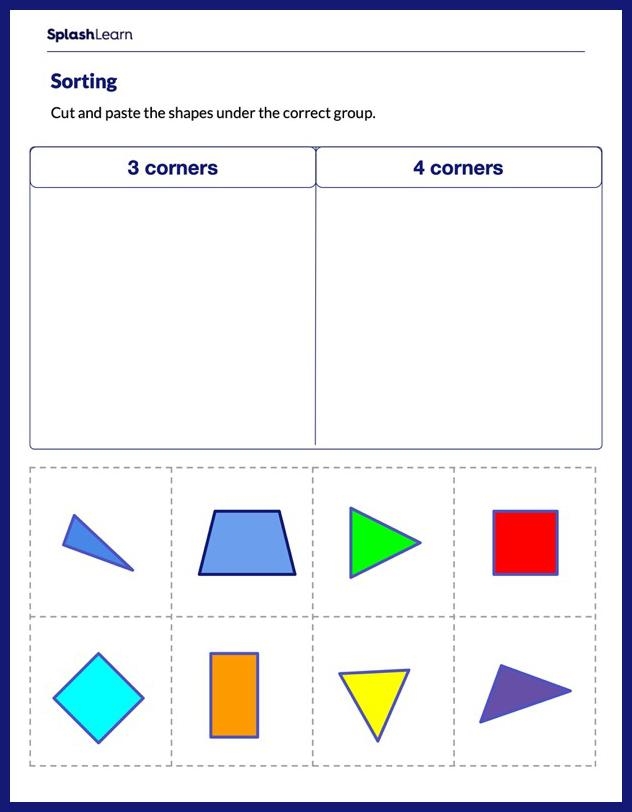
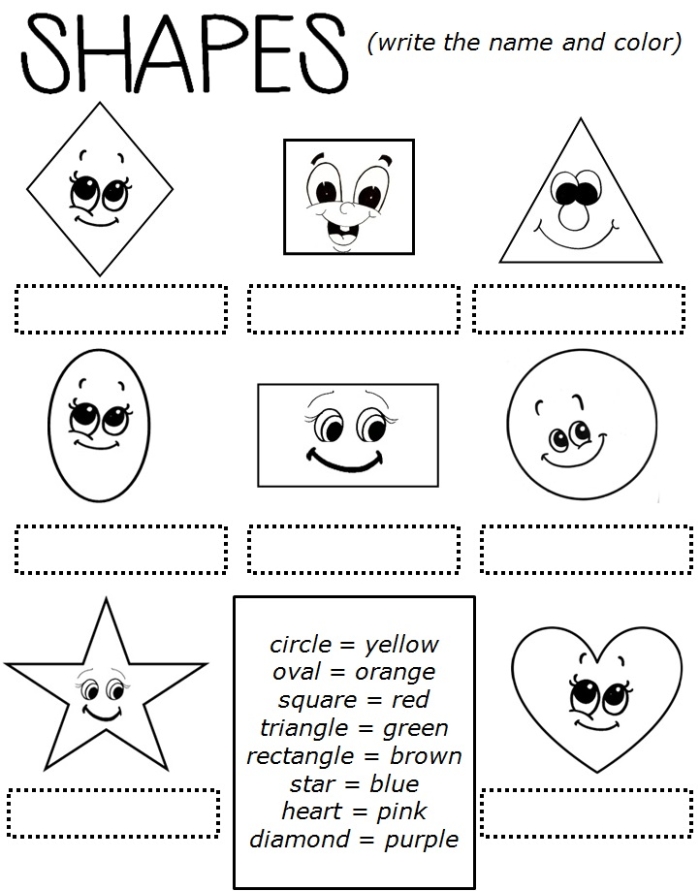
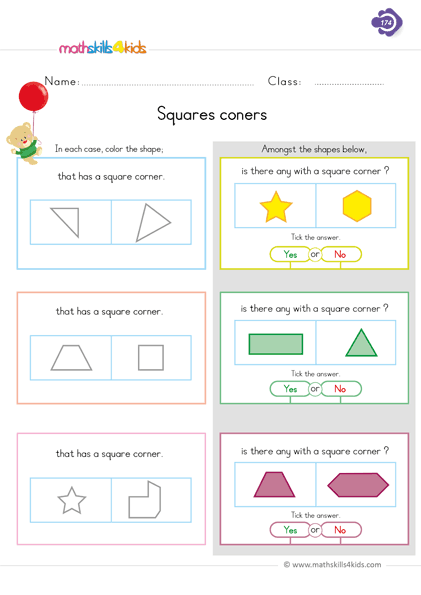
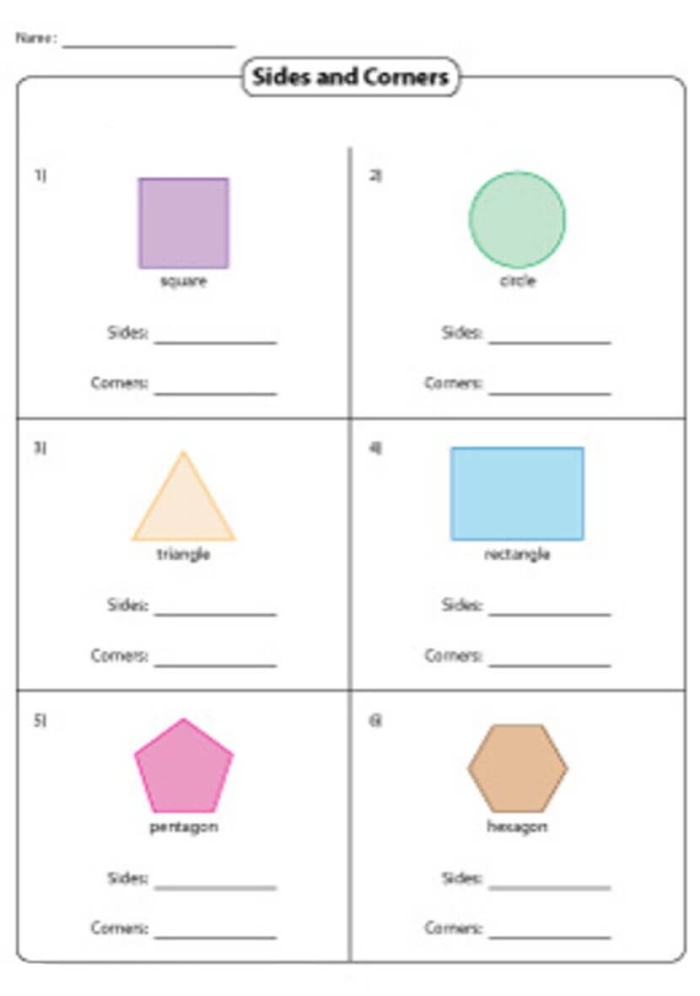
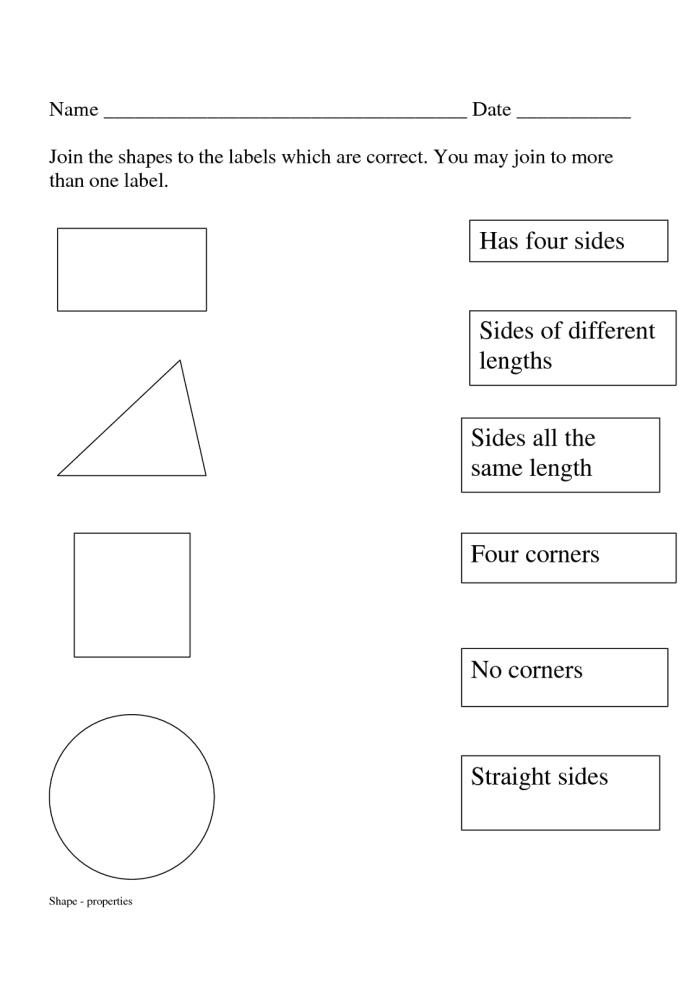
Kids often point at shapes and call them “circles” or “squares” without really thinking about what makes those shapes different from one another. The real learning happens when they start noticing the lines that form the outline, those straight or curved edges we call sides. A worksheet focused on shapes and their sides gives first grade students the hands-on practice they need to build this foundational geometry understanding.
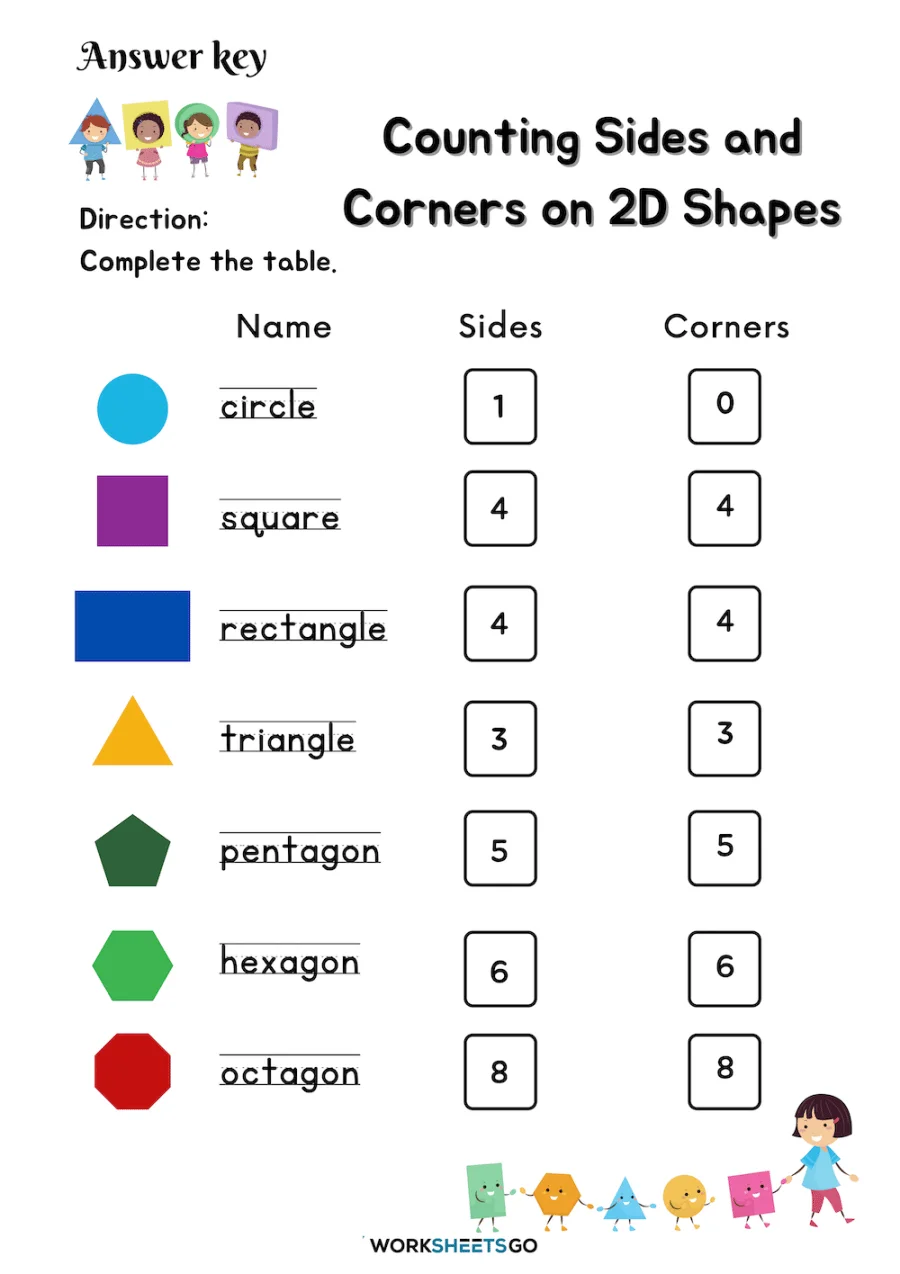
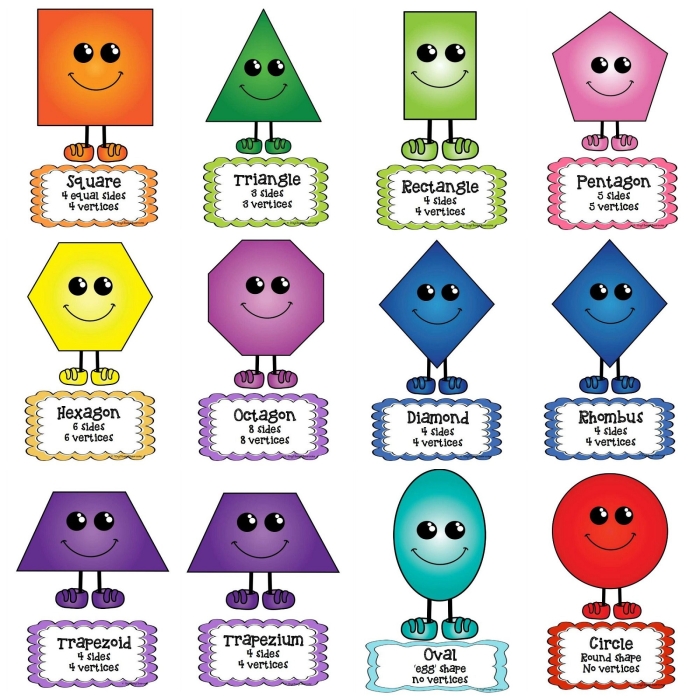
When children work through activities that ask them to count and identify sides, they’re developing spatial awareness and learning to observe details. A triangle has three sides, a square has four, and a circle has zero straight sides but one continuous curve. This isn’t just memorization, it’s pattern recognition that helps them see how shapes are constructed and classified.
The beauty of a well-designed geometry worksheet is that it moves beyond simple identification. Kids trace along the sides with their fingers, count them aloud, and compare shapes side by side. This tactile and visual approach sticks with them better than just hearing the information. When combined with other first grade learning activities, like practice with numbers to 100, children start seeing math as connected rather than isolated topics.
A shapes and sides worksheet also naturally connects to broader geometry concepts. As students progress, they’ll use this side-counting skill to understand perimeter, to recognize two-dimensional versus three-dimensional objects, and to solve more complex spatial problems. Starting with this concrete, observable feature of shapes gives them a solid foundation.
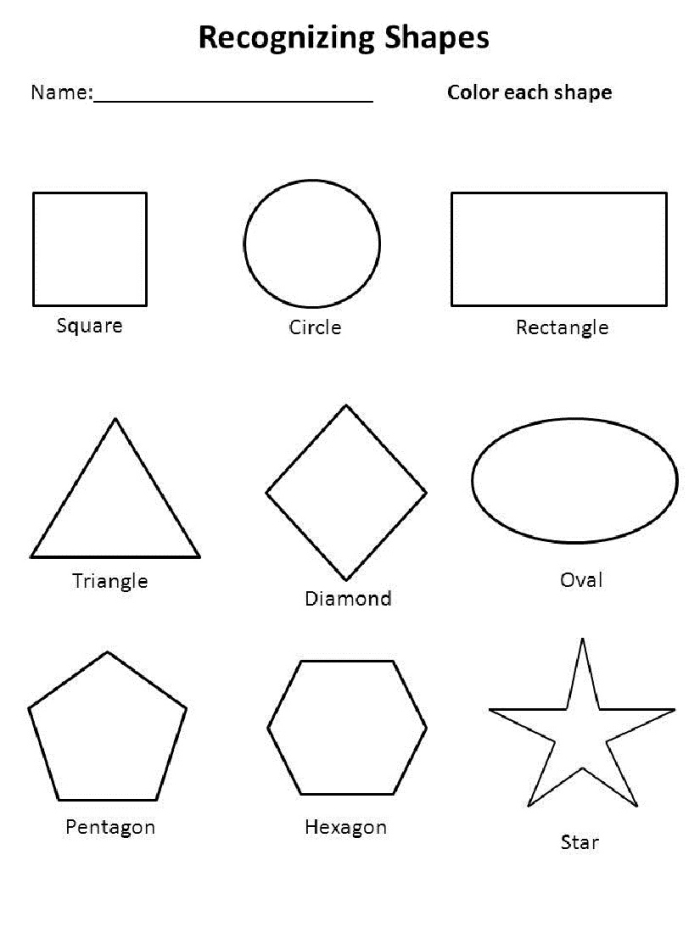
The most effective worksheets include a mix of tracing activities, counting exercises, and comparison tasks. Some prompts might ask: “Which shape has more sides?” or “Draw a shape with four sides.” These questions push thinking beyond rote answers and encourage real mathematical reasoning in young learners.
Start Practicing with These Worksheets