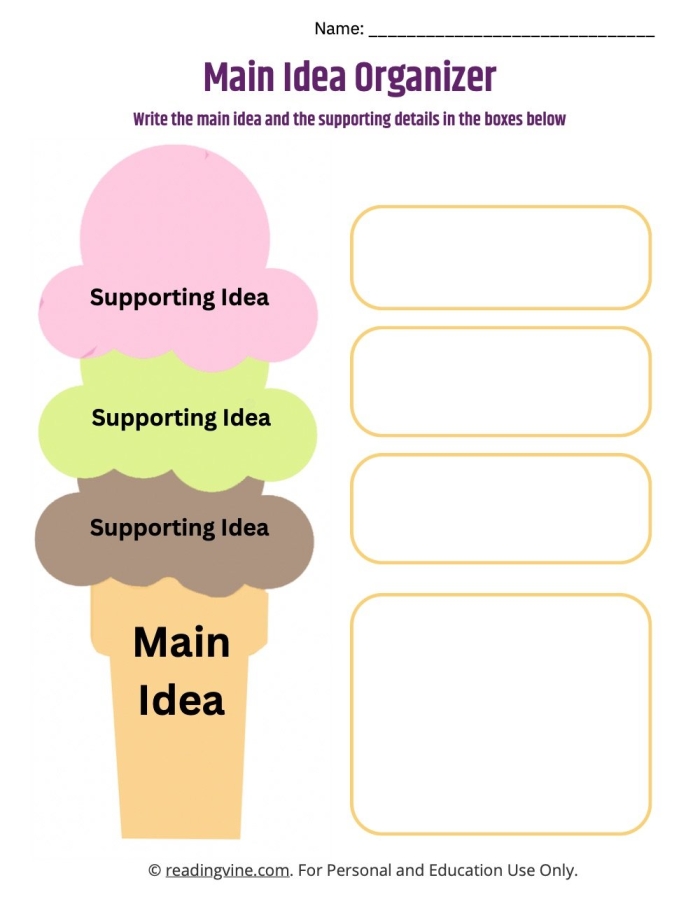
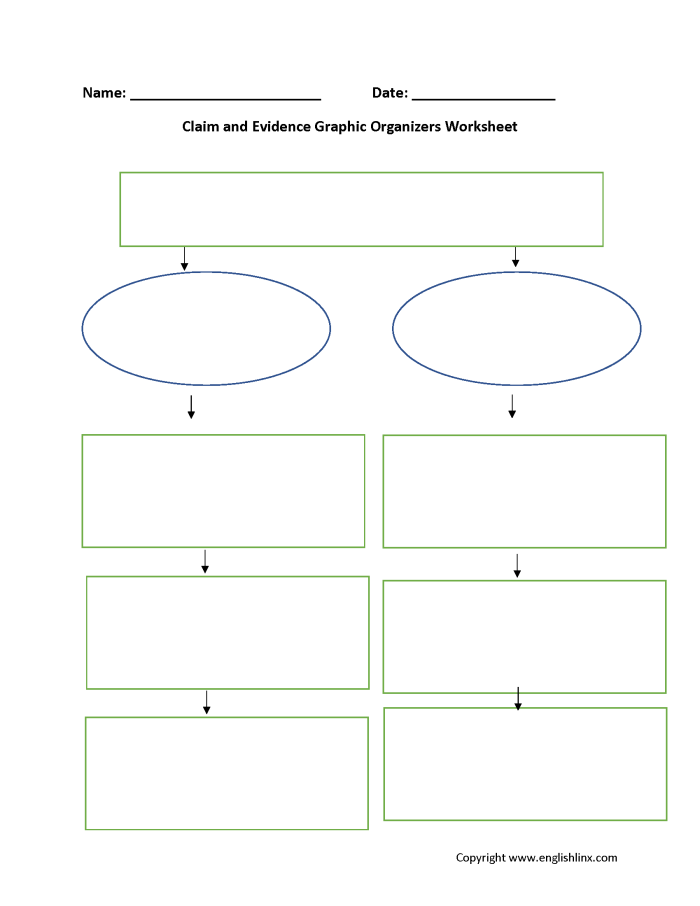
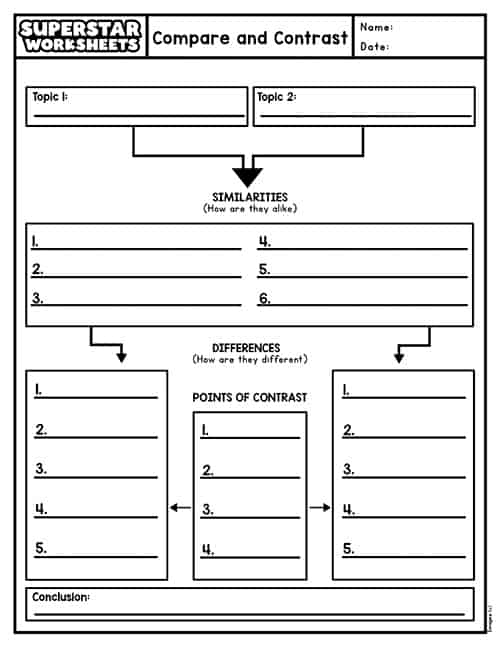
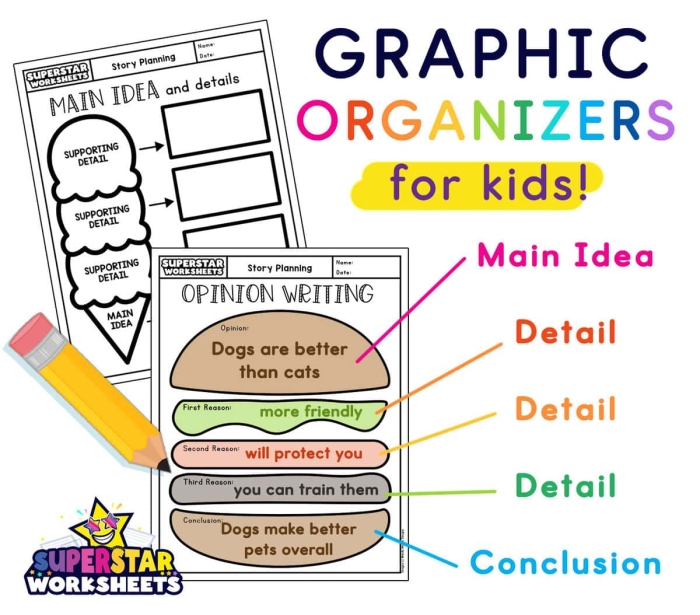
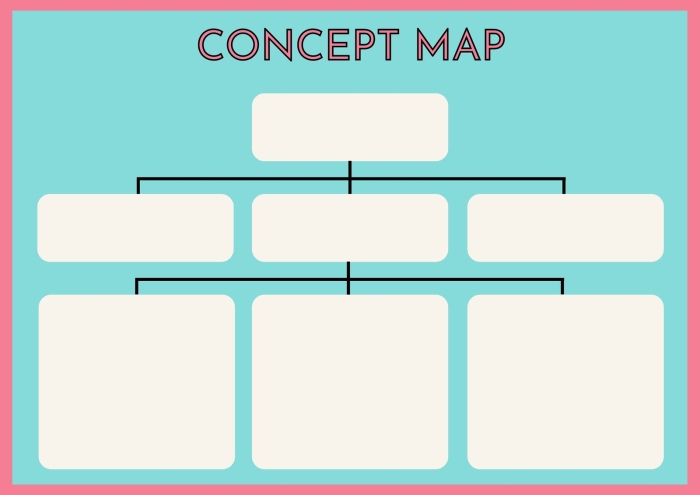
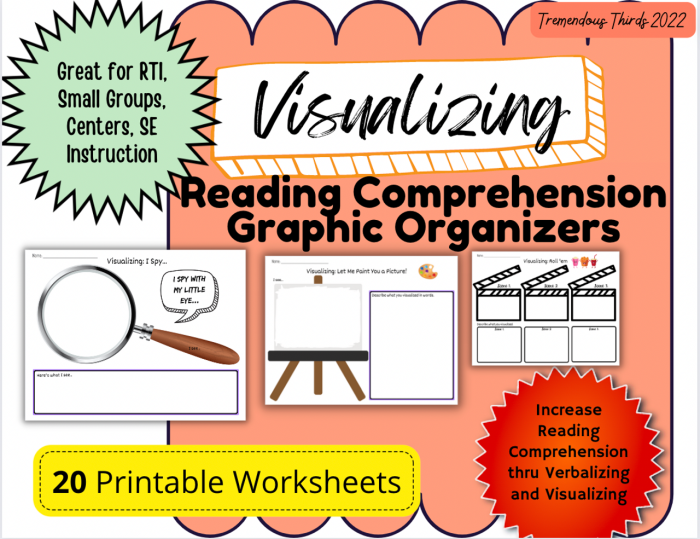
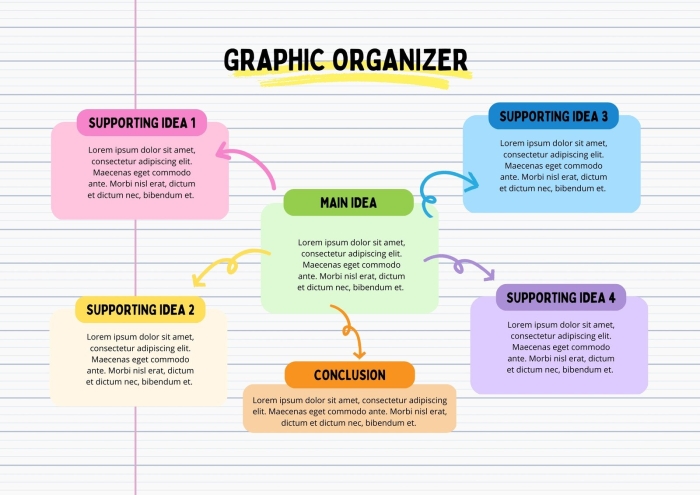
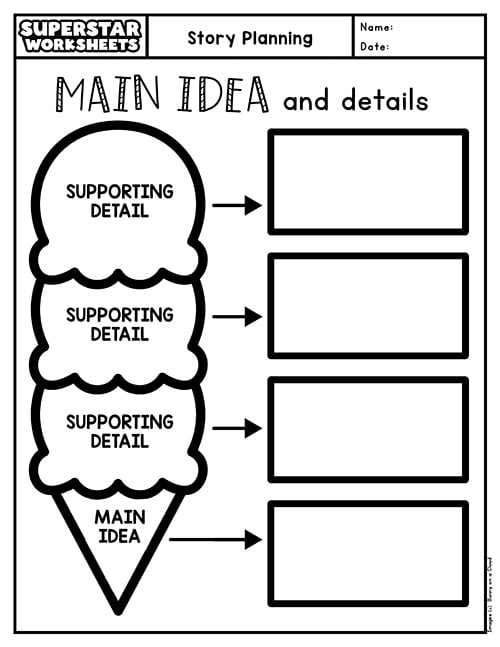
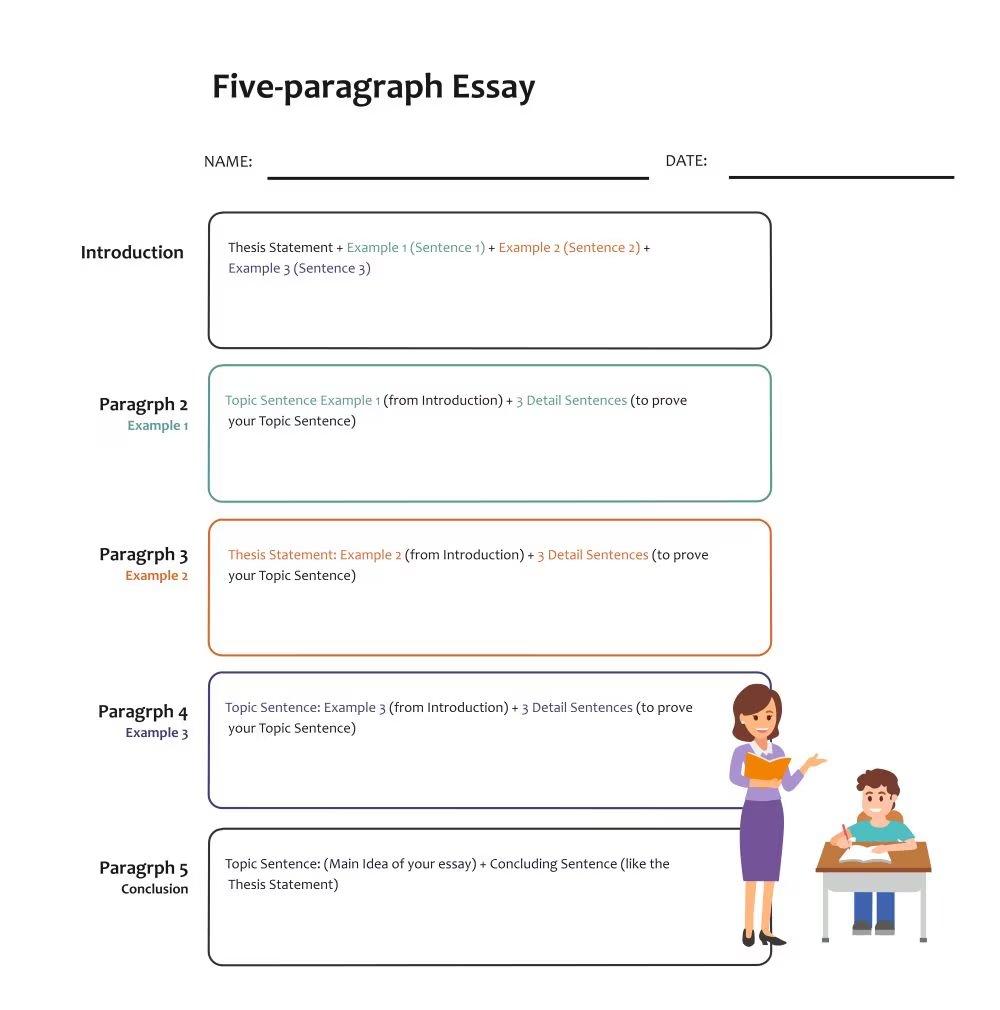
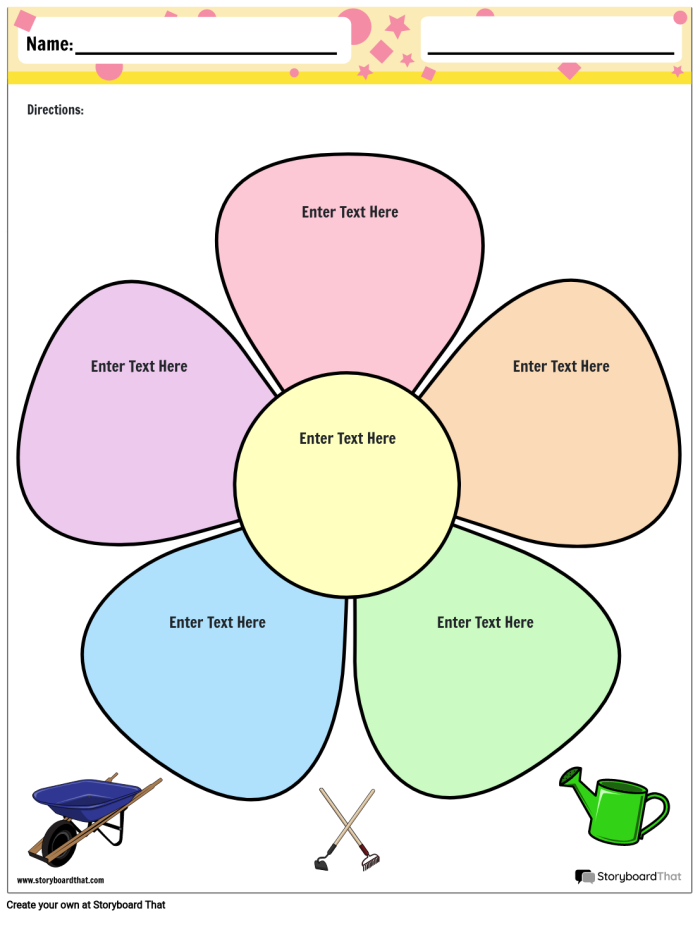
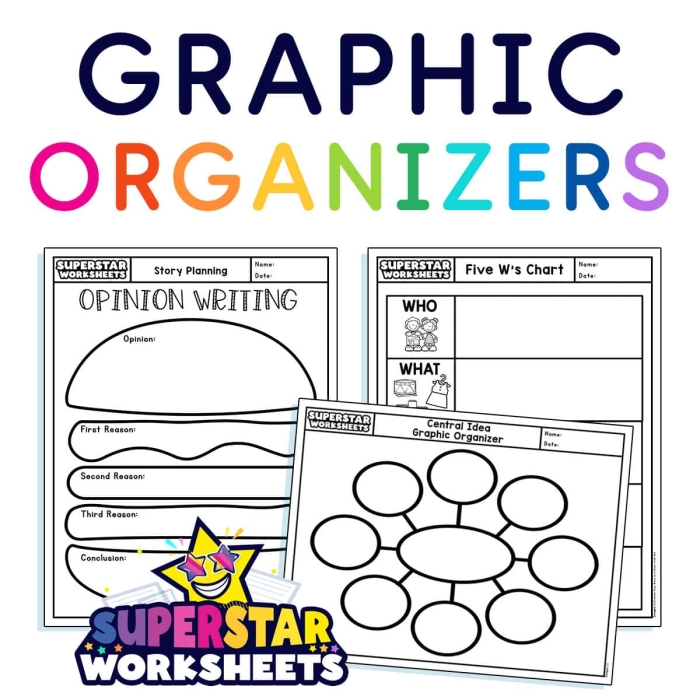
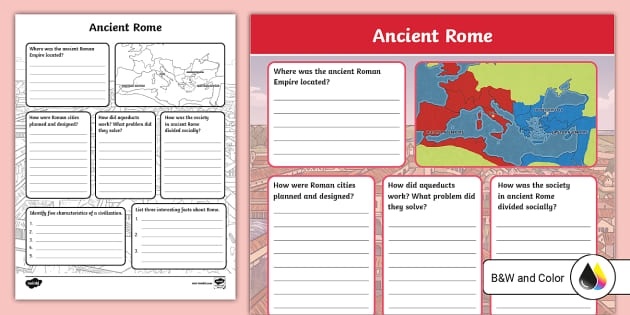
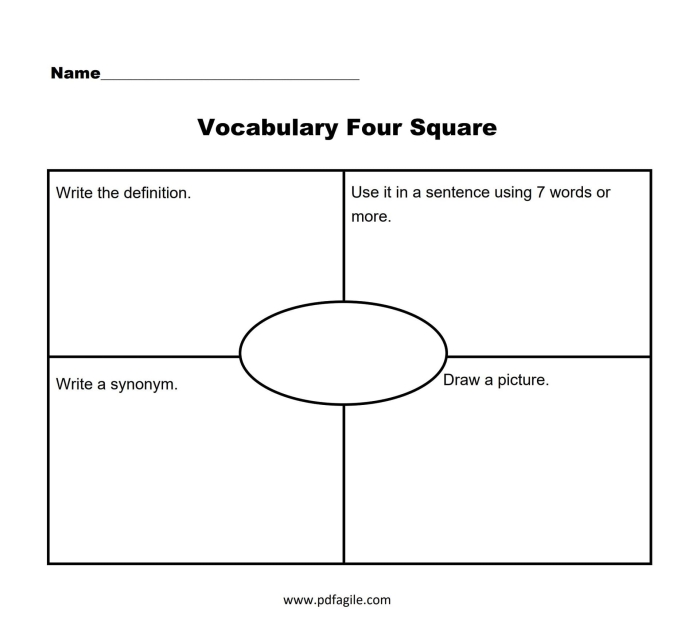
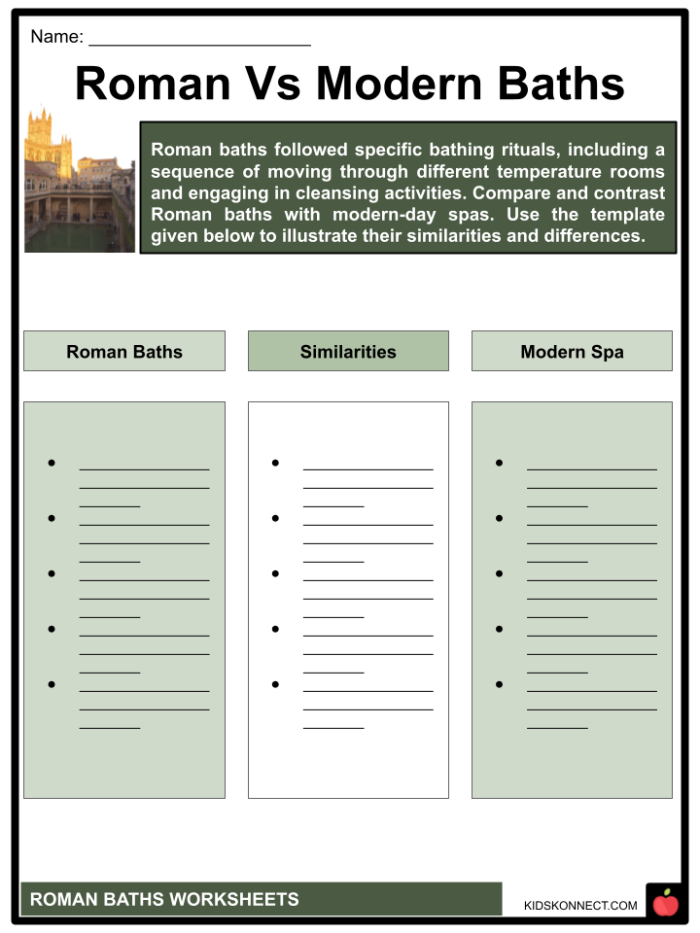
Exploring ancient Rome’s engineering marvels reveals a fascinating glimpse into the past, particularly through the lens of Roman baths. These baths were not merely places for bathing; they were complex facilities embodying sophistication and public life. Understanding their significance can be greatly enhanced with a graphic organizer, which helps visualize the various aspects of these structures.
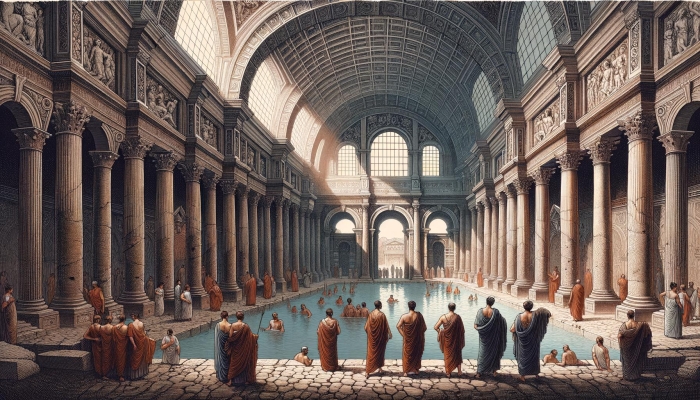
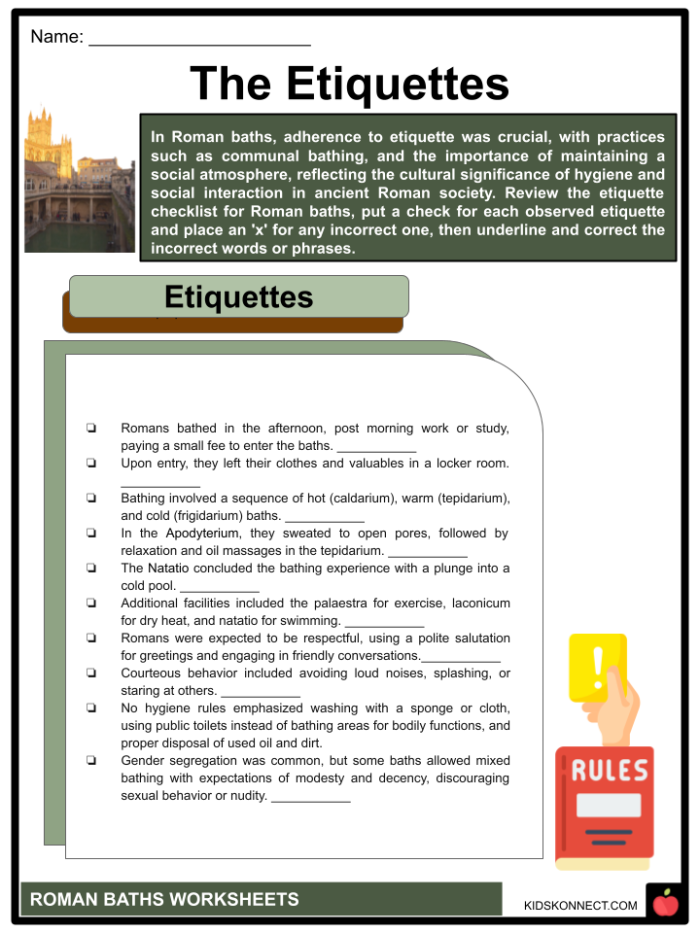
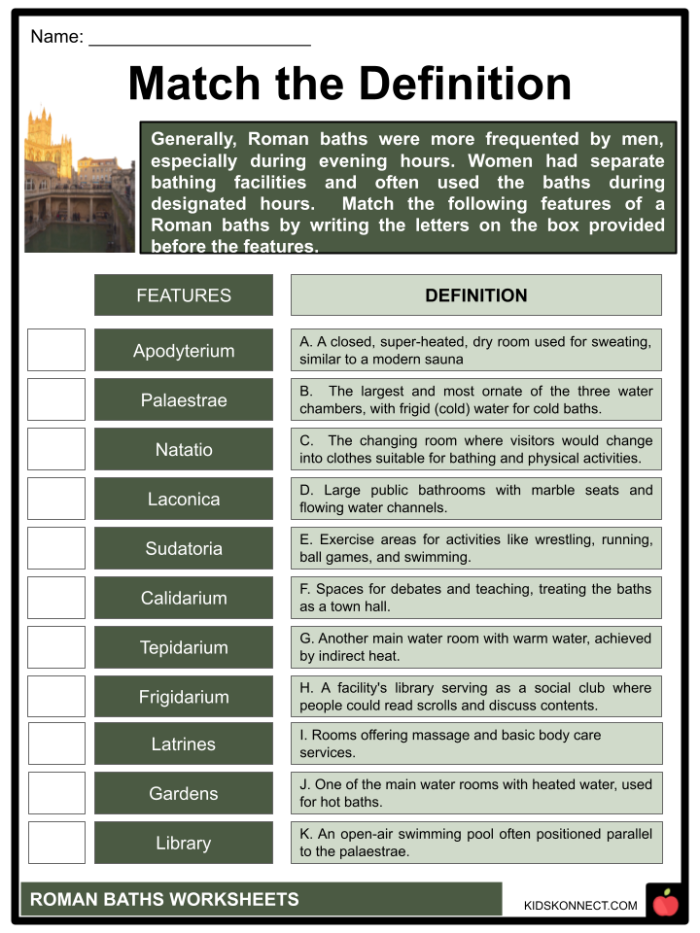
Roman baths, or thermae, were elaborate establishments featuring hot and cold baths, saunas, and social areas. A typical bathhouse included a series of rooms, such as the apodyterium (changing room), the tepidarium (warm room), and the caldarium (hot room). The ingenious heating system, known as the hypocaust, circulated hot air beneath the floors and through the walls, creating a warm and pleasant environment. This innovation not only showcased Roman engineering prowess but also emphasized the cultural importance of bathing as a communal activity.
These baths served as a social hub where citizens gathered to discuss politics, conduct business, or simply relax. The architectural grandeur of the baths, often adorned with mosaics and sculptures, also reflected the wealth and power of the Roman Empire. For sixth graders studying this topic, a graphic organizer can clarify how each part of the bath functioned and its role in daily life, making the learning experience more interactive and engaging.
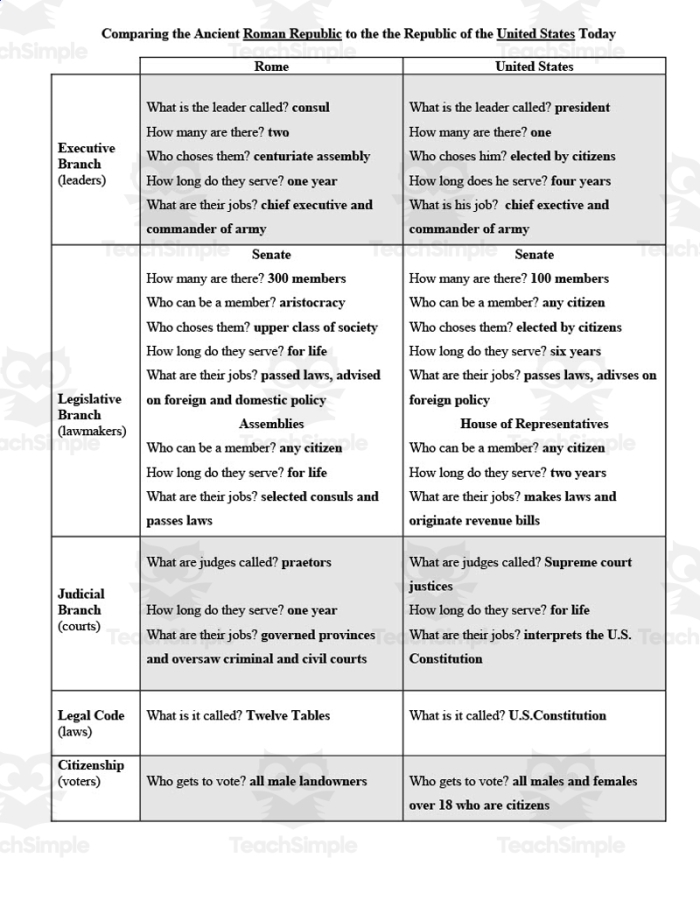
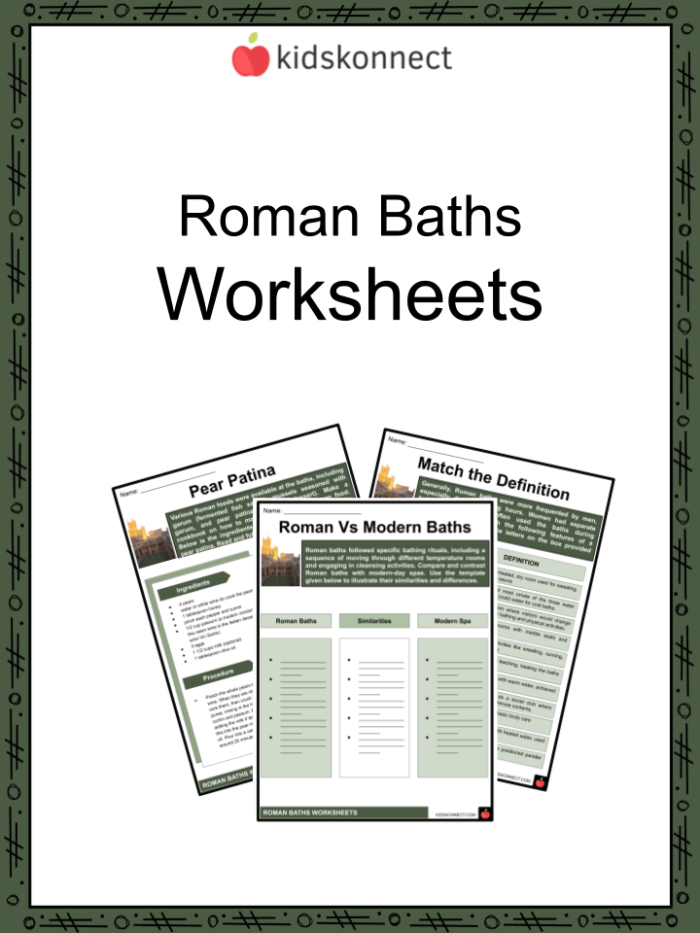
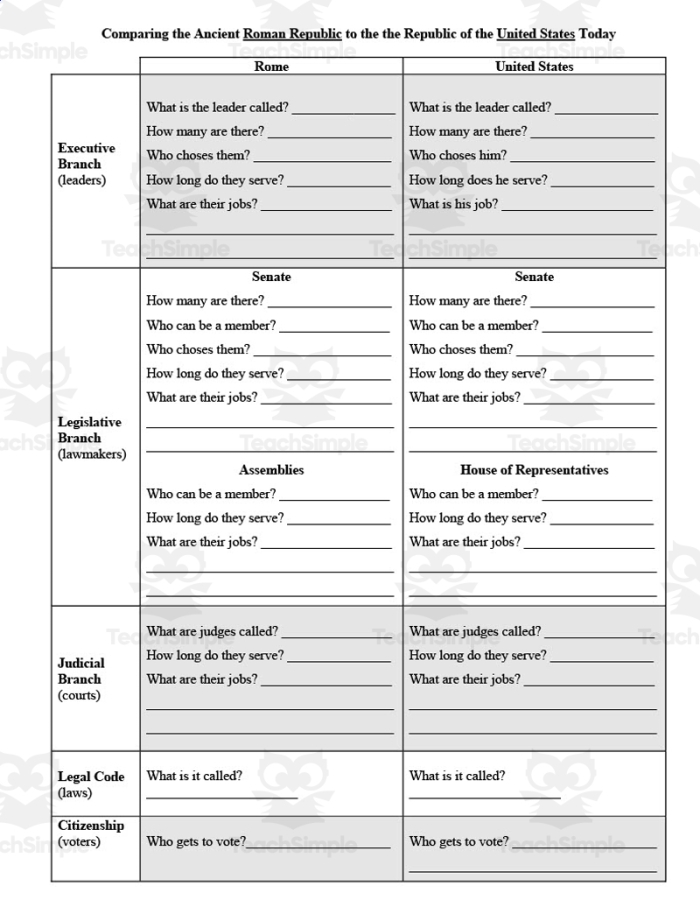
For educators looking to provide resources, worksheets about the Roman Republic can complement this topic well, allowing students to draw connections between governance and societal activities like bathing. Incorporating such organized resources can enhance comprehension, making the history of Roman baths not only informative but also enjoyable to learn.
Incorporating a graphic organizer into lessons about Roman baths can help students grasp the intricate relationship between architecture, culture, and daily life in ancient Rome. This approach not only aids in understanding but also fosters critical thinking skills as students analyze and categorize information. Through engaging activities, sixth graders can appreciate the complexity and significance of one of ancient Rome’s most remarkable engineering achievements.
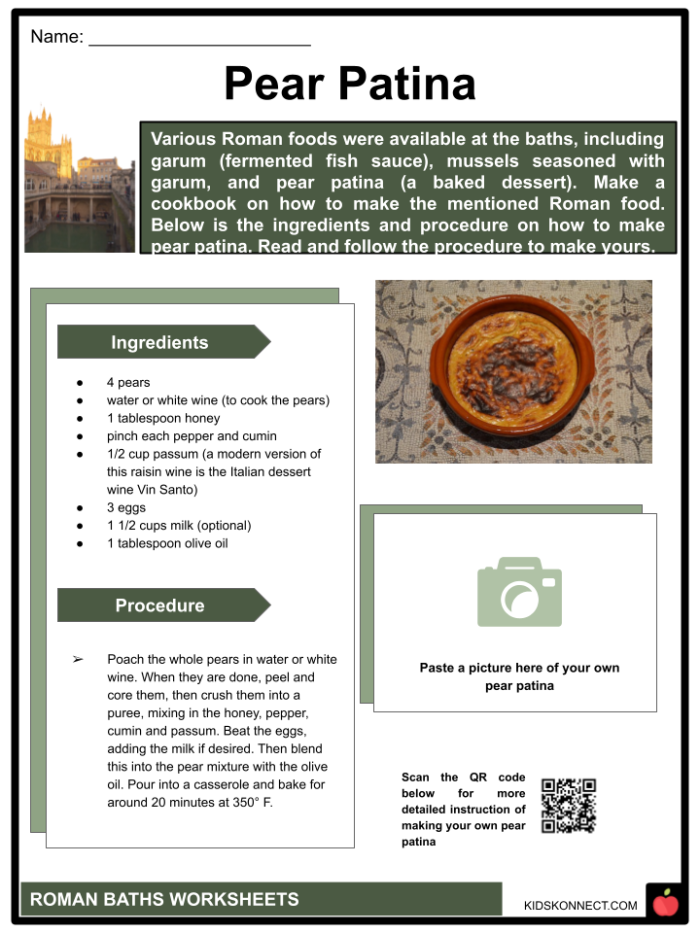
Practice with These Worksheets