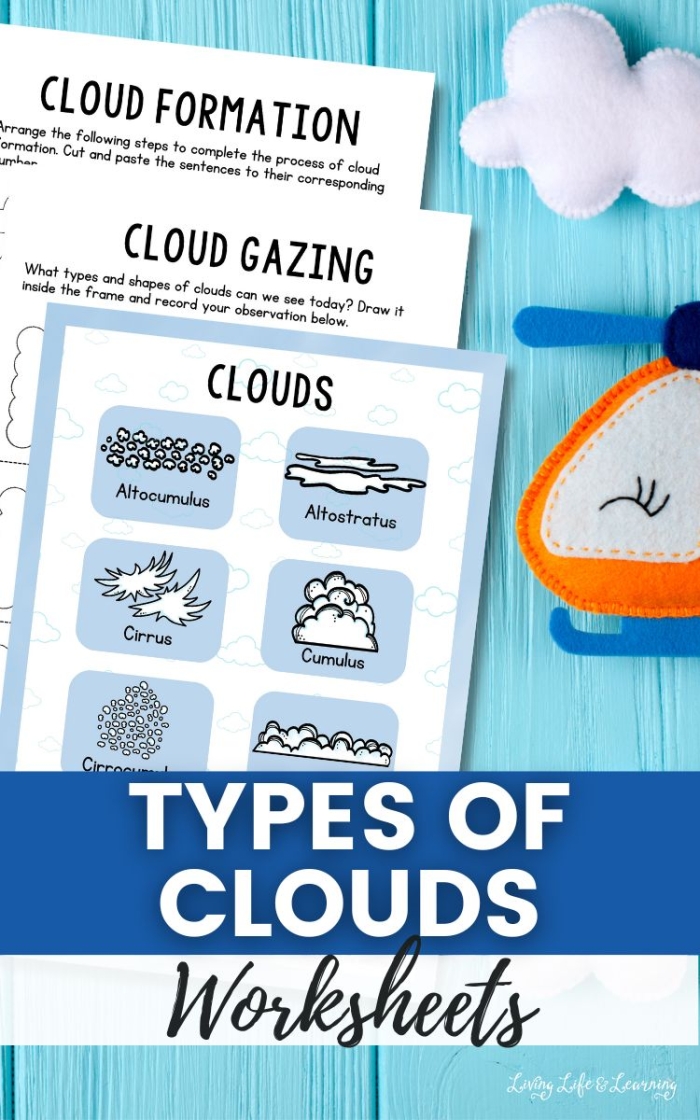
Have you ever looked up at the sky and wondered how clouds form? The process is quite fascinating and all starts with moisture in the air. Understanding how clouds develop is not only intriguing but also an essential part of learning about weather patterns, especially for fifth graders exploring concepts in science.
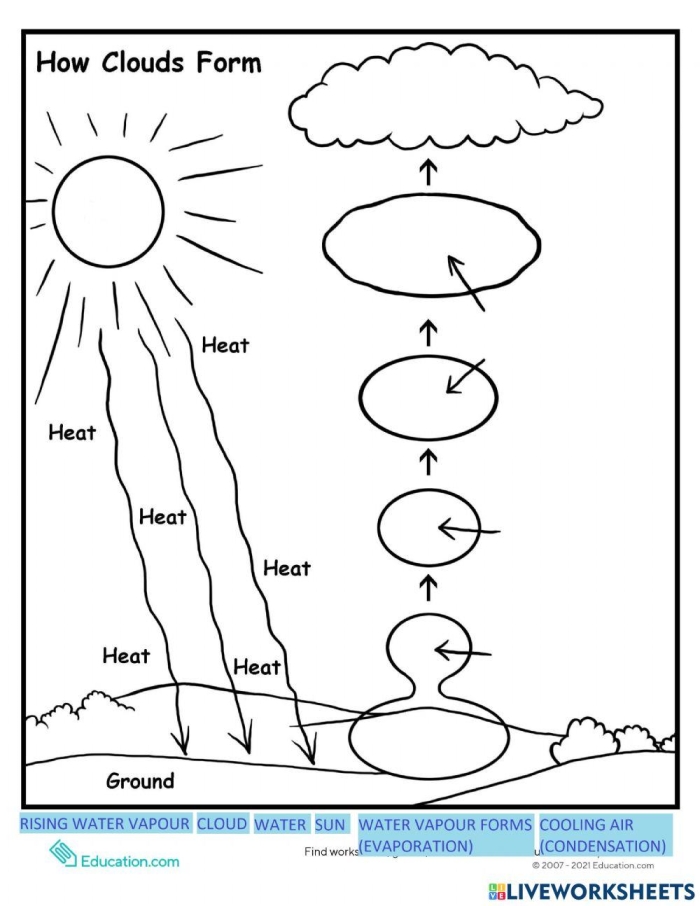
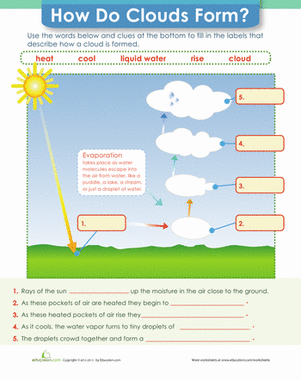
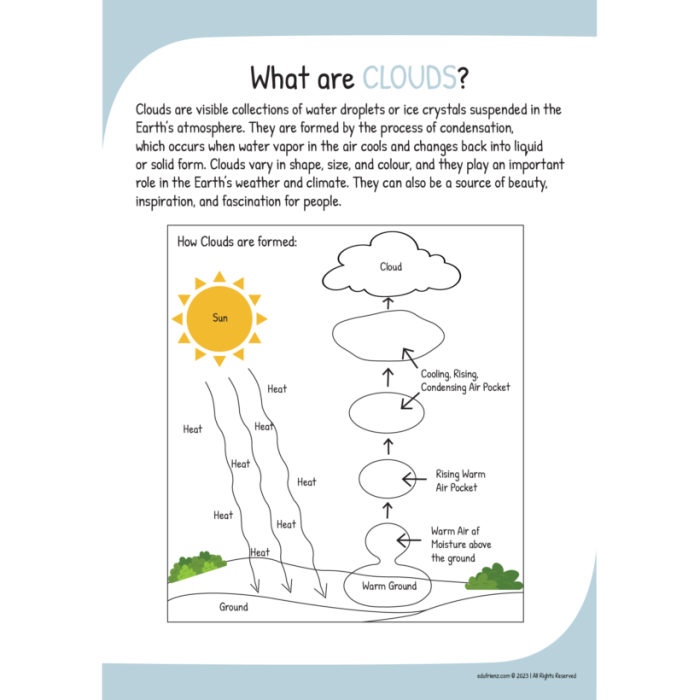
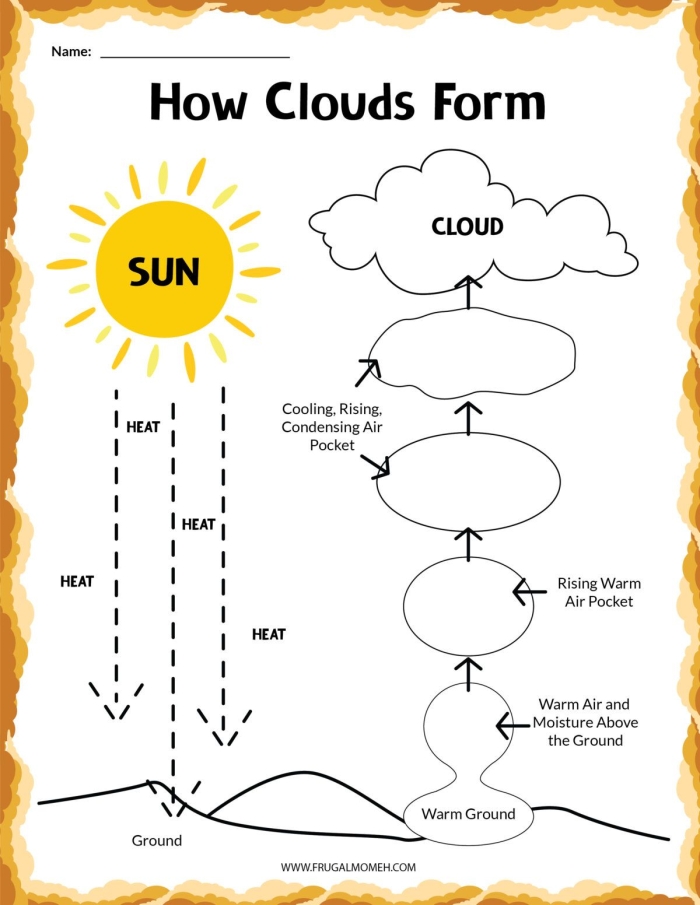
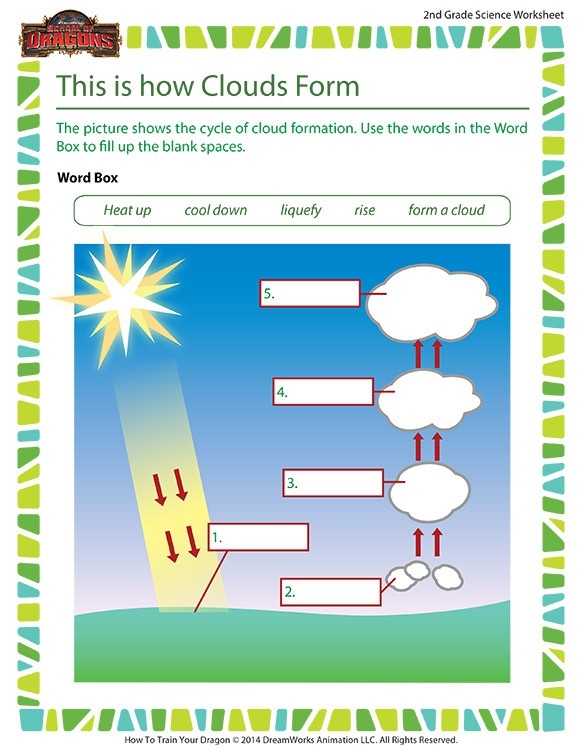
Clouds are essentially collections of tiny water droplets or ice crystals suspended in the atmosphere. This transformation begins with evaporation. When the sun heats up bodies of water like oceans, lakes, and rivers, some of that water turns into vapor and rises into the air. As the air rises, it cools. Cooler air can hold less moisture than warmer air, which is where the magic of cloud formation occurs.
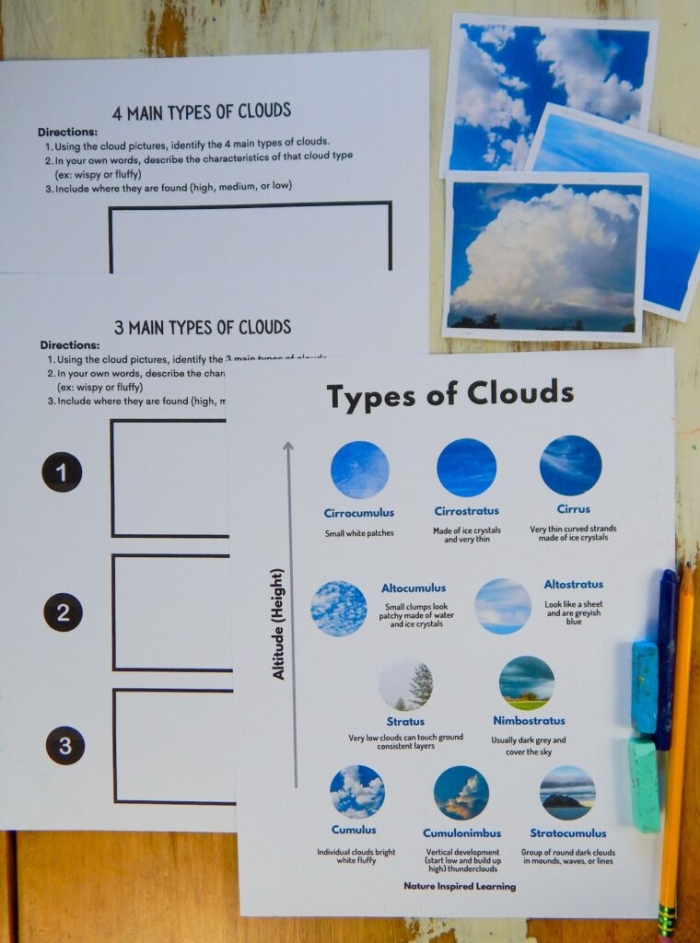
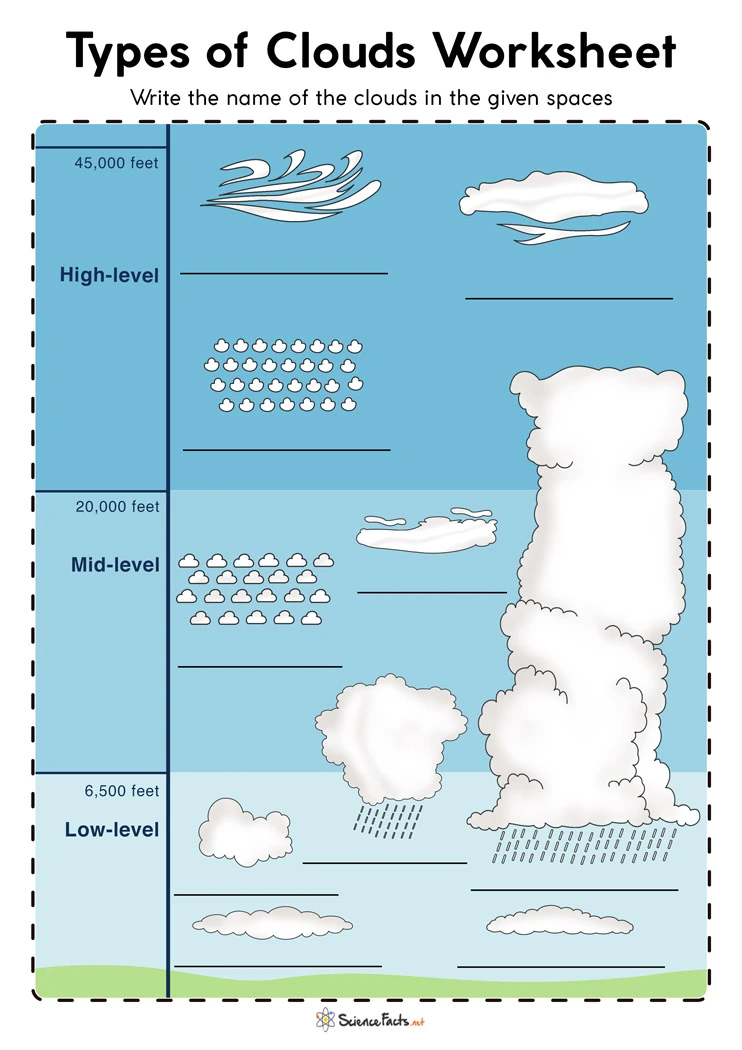
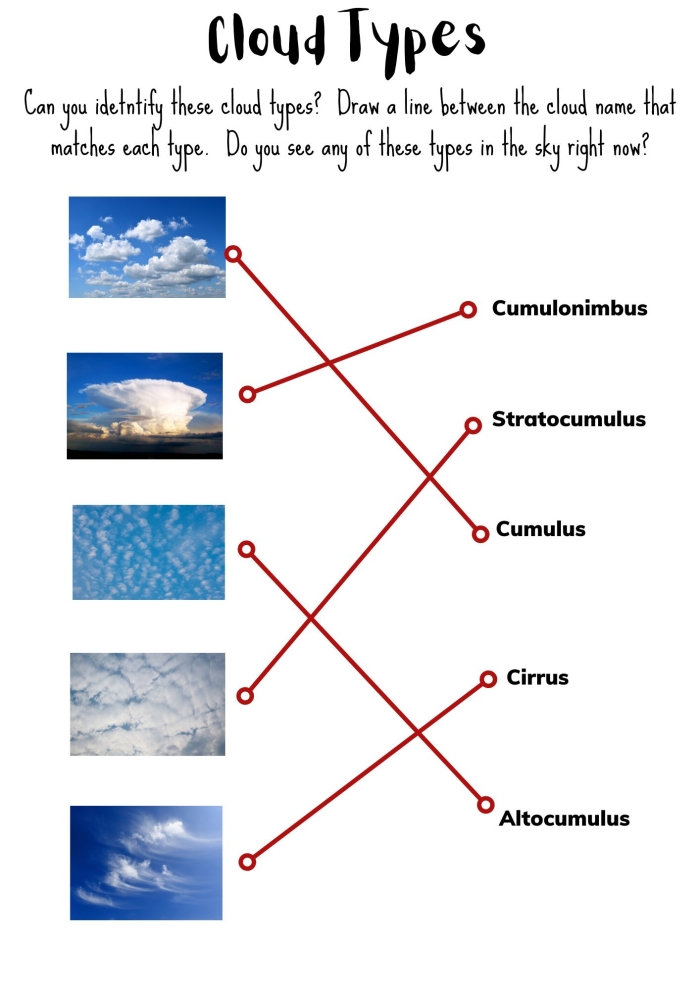
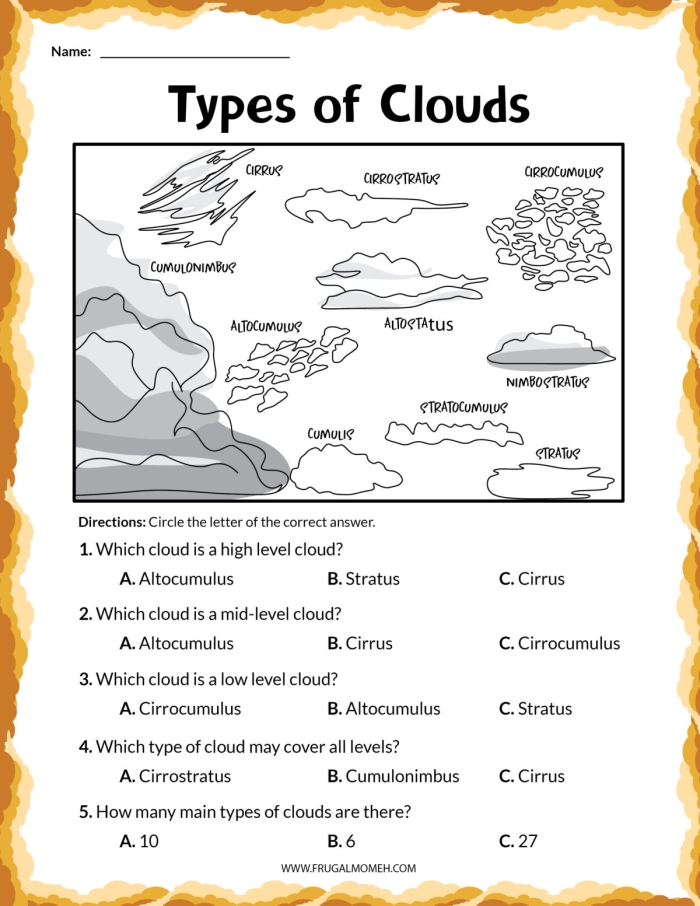
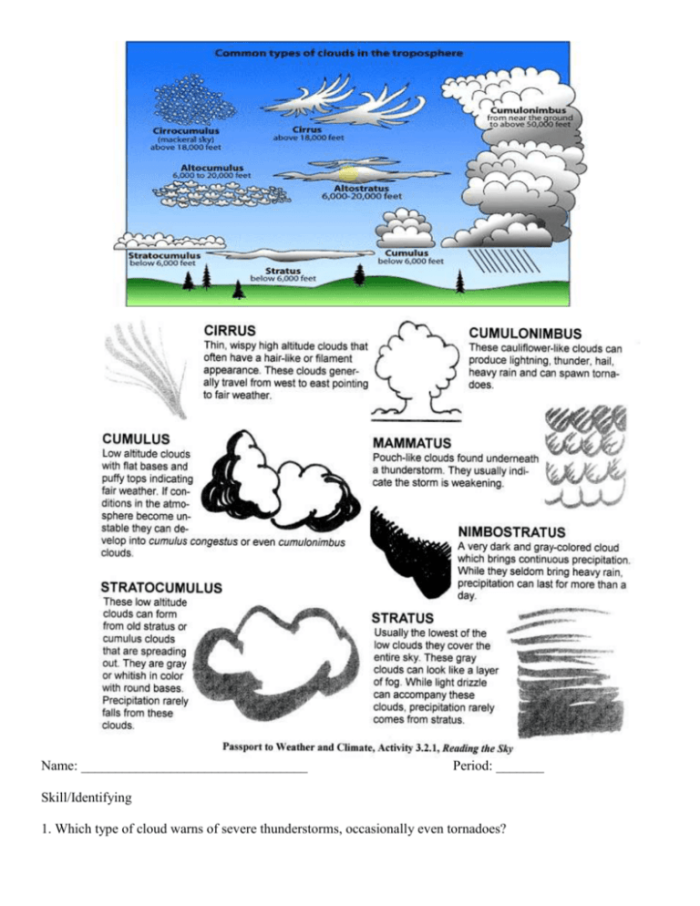
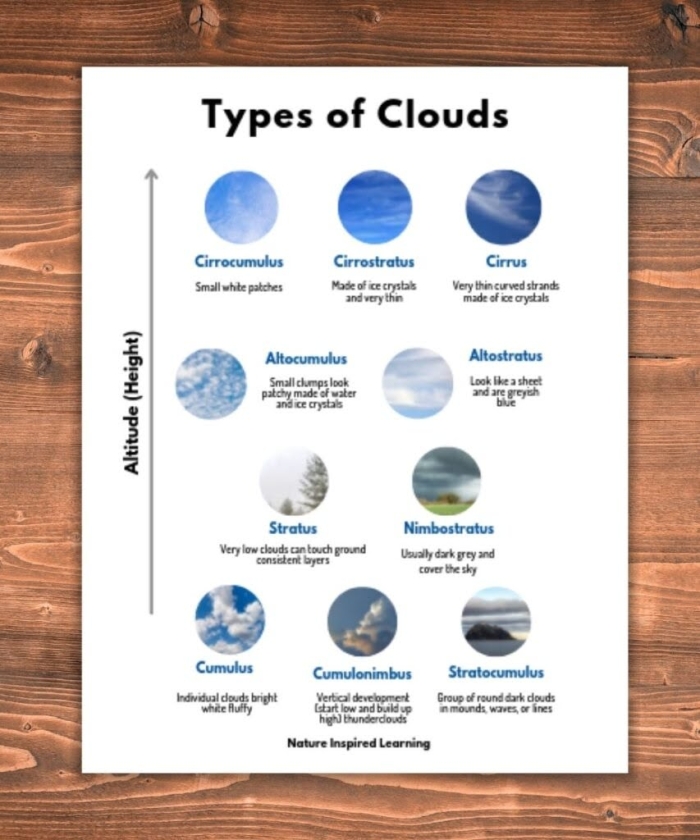
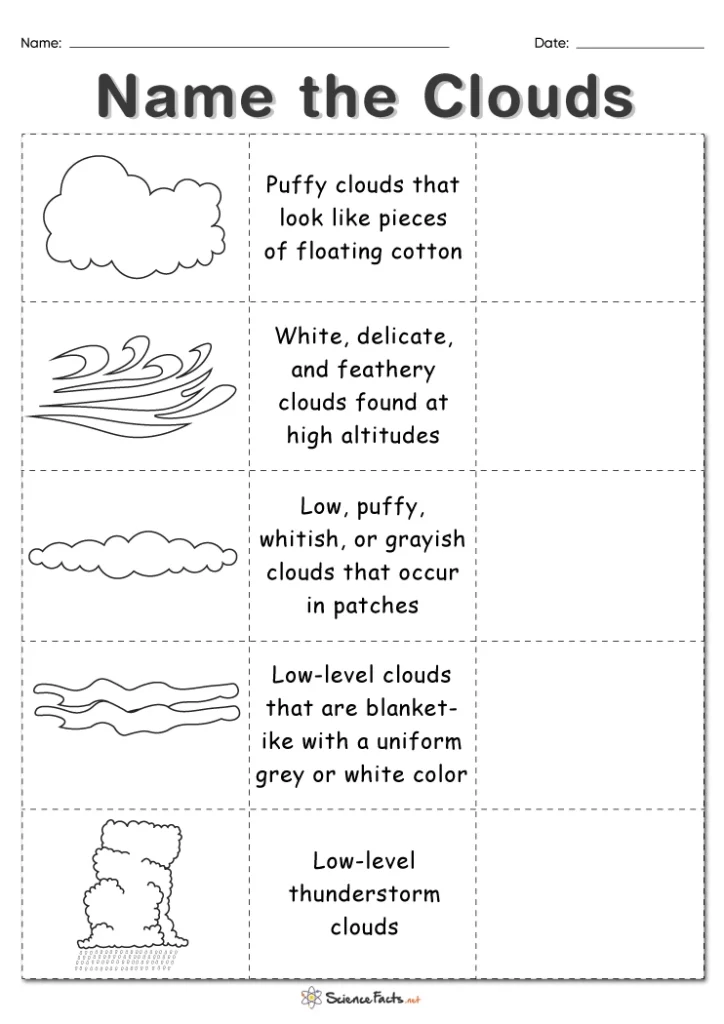
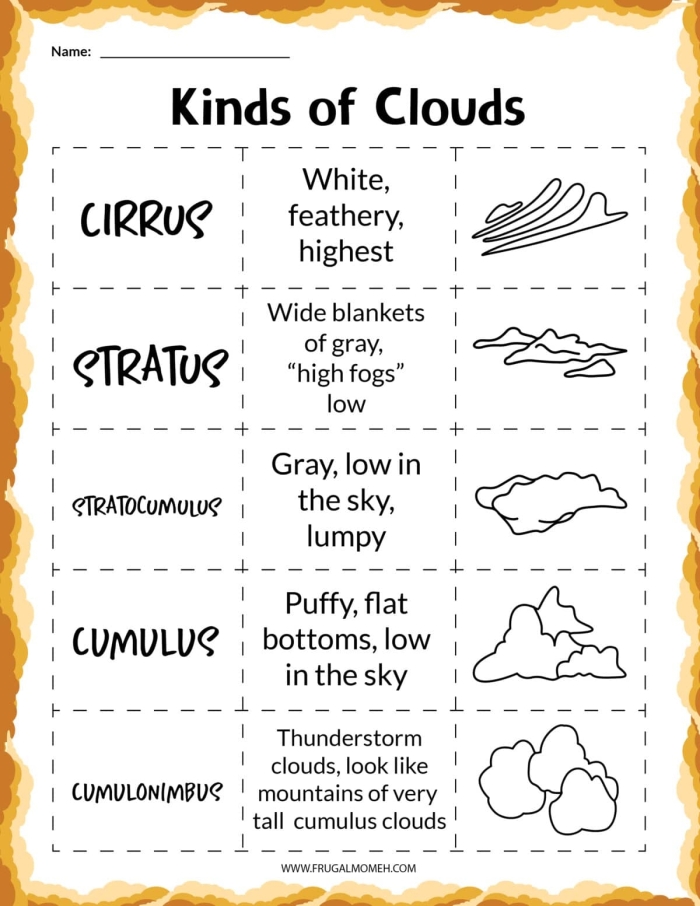
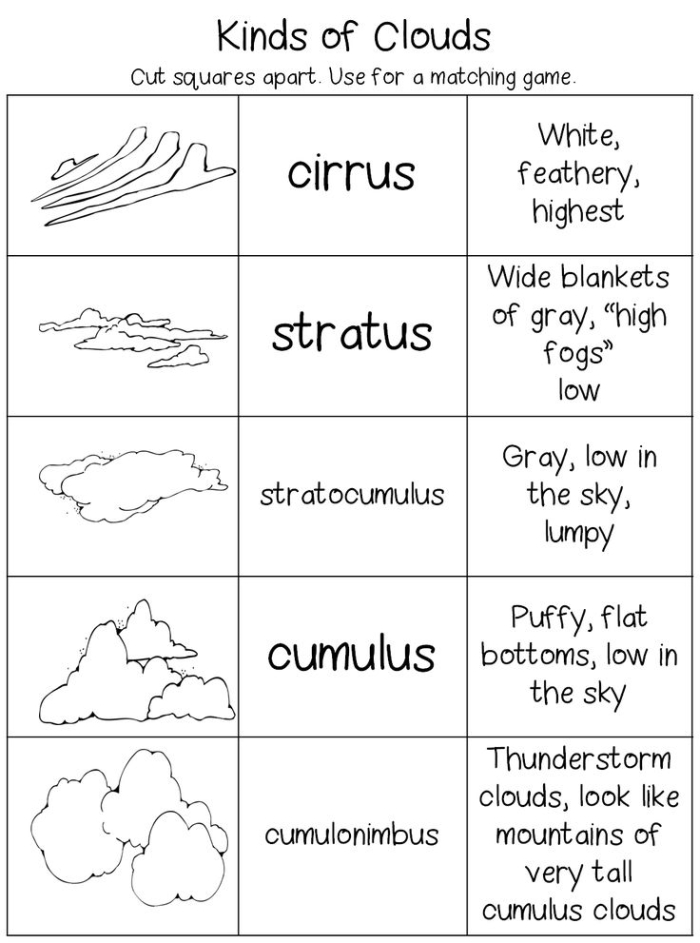
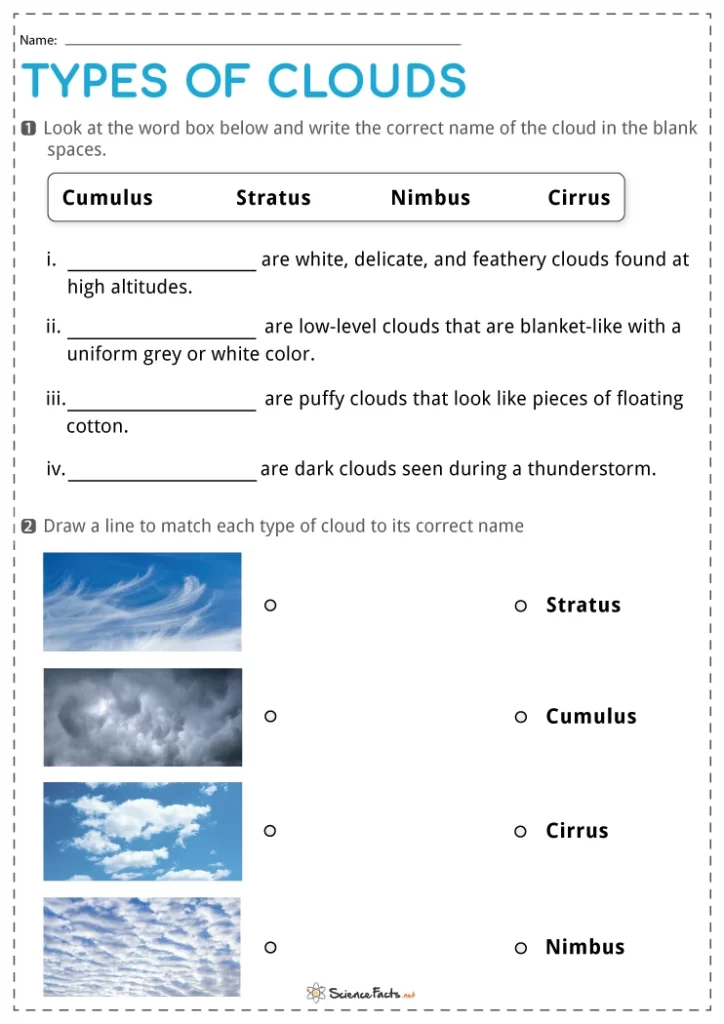
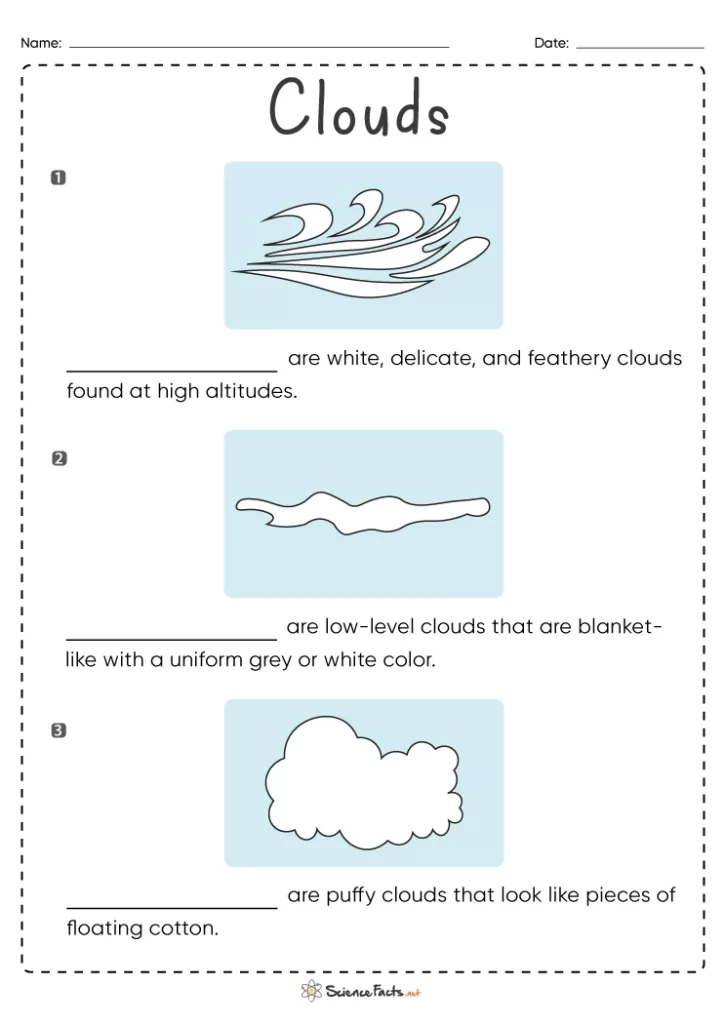
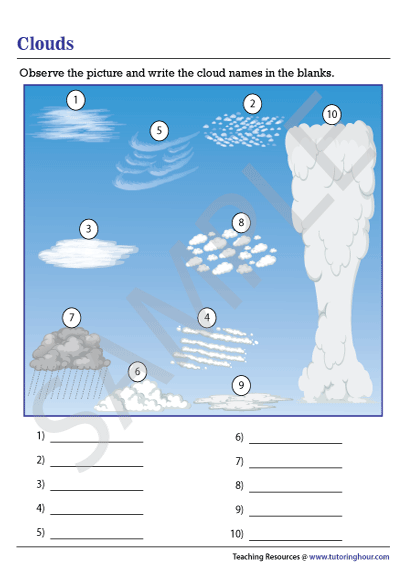
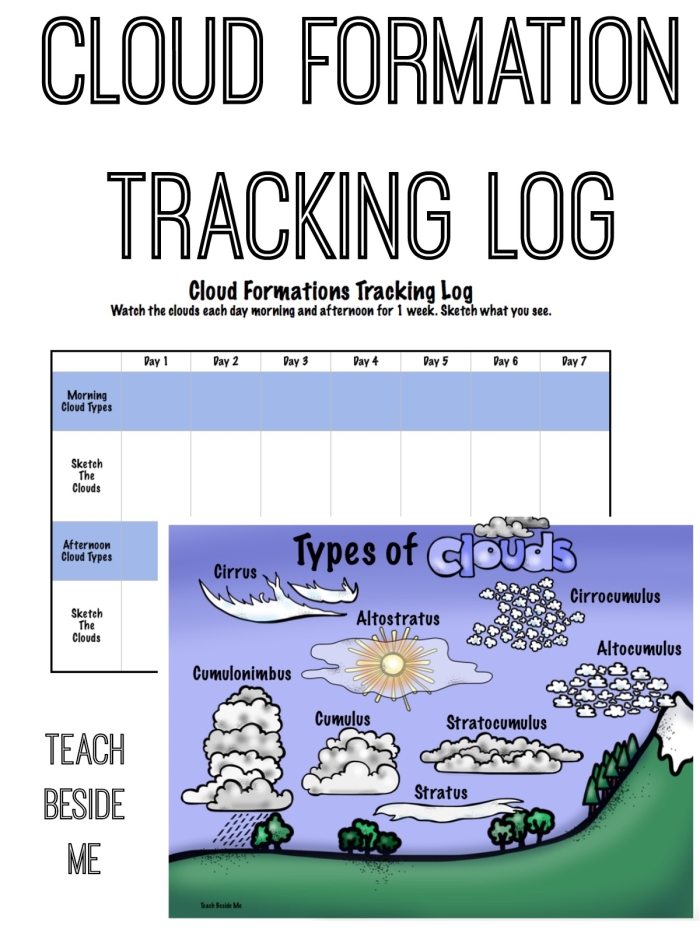
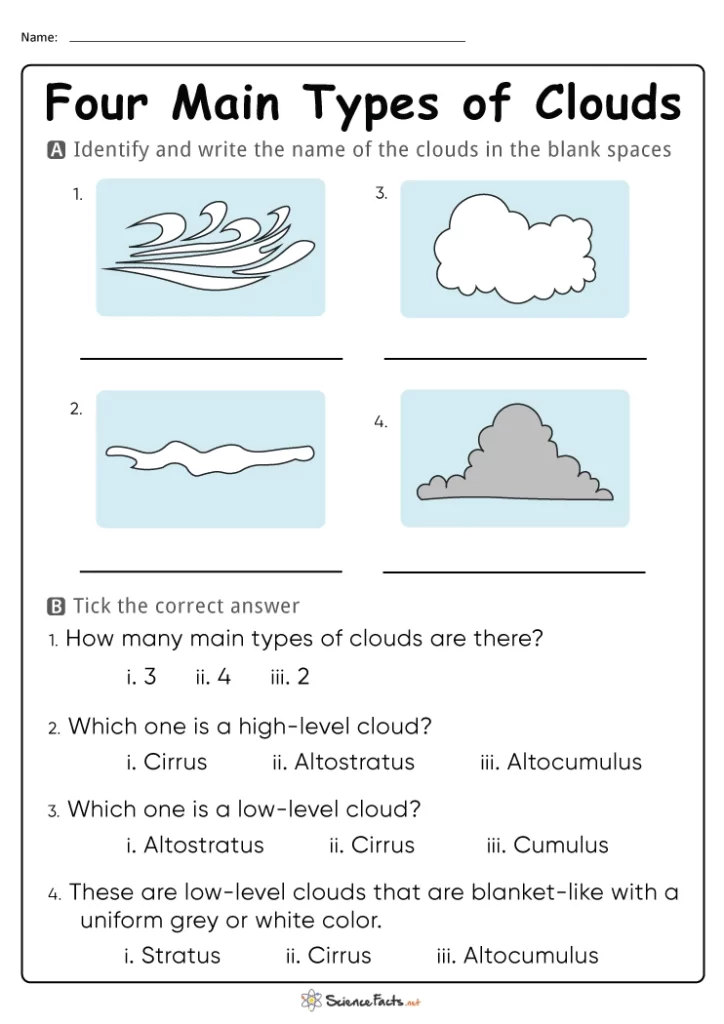
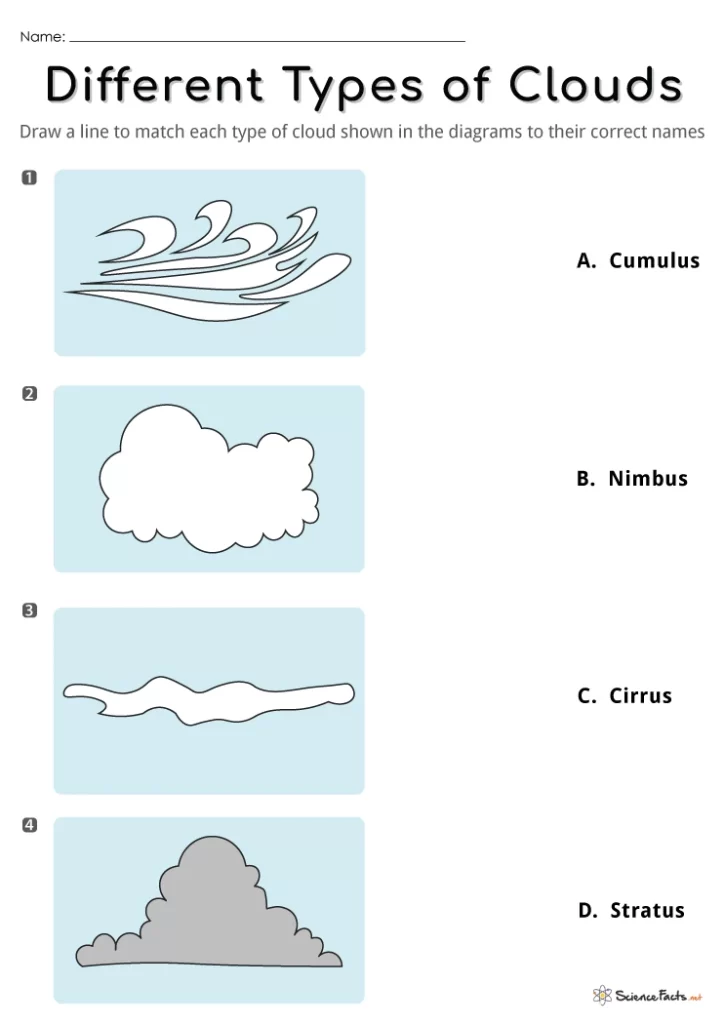
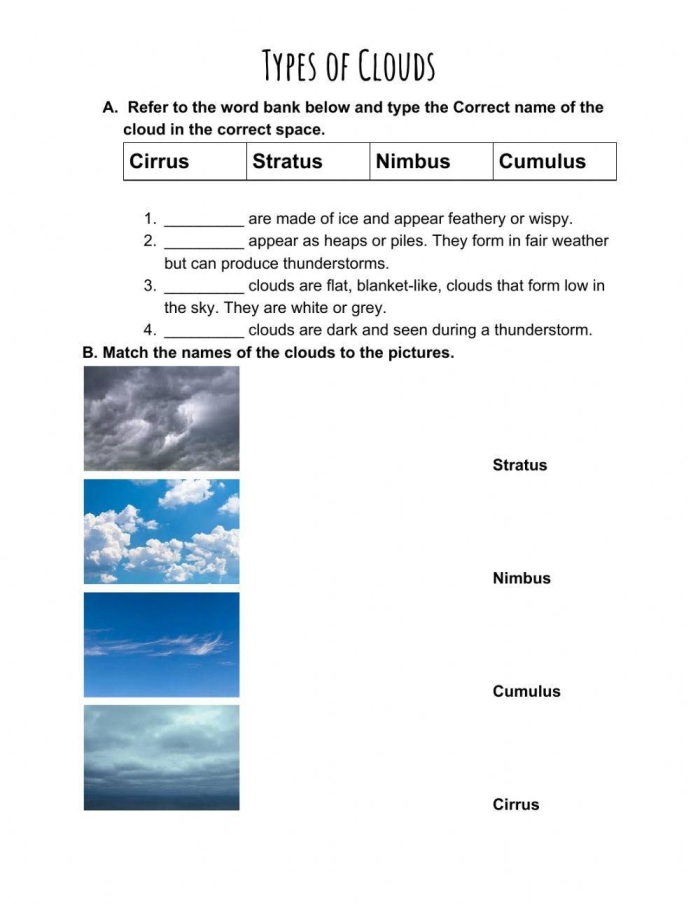
As the air cools, the water vapor condenses around tiny particles in the atmosphere, such as dust or pollen. These particles serve as a nucleus for the moisture to cling to. When enough of these droplets or ice crystals accumulate, they become visible as clouds. This process can lead to various types of clouds, depending on the temperature and the altitude at which the moisture condenses. For instance, cumulus clouds are fluffy and white, while stratus clouds form in layers and can cover the sky like a blanket.
For students interested in practical applications, learning about how clouds form can also tie into math lessons. For instance, they can explore addition problems using cloud-related scenarios. Printable worksheets that combine concepts like three-addend word problems can help reinforce their understanding of both subjects. Understanding how weather phenomena occur not only enriches their knowledge of science but also enhances their skills in math and critical thinking.
In short, the journey from water vapor to cloud is an essential cycle in nature that illustrates the interconnectedness of weather and the environment. So, the next time you see a cloud, remember that it started as moisture in the air, undergoing a fascinating transformation!
Hands-On Worksheet Activities