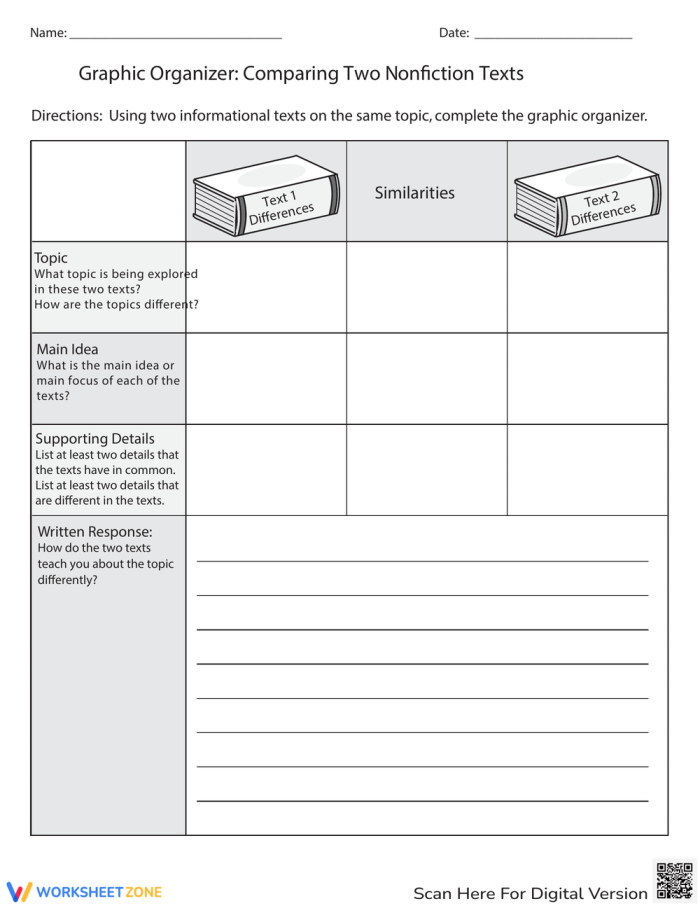
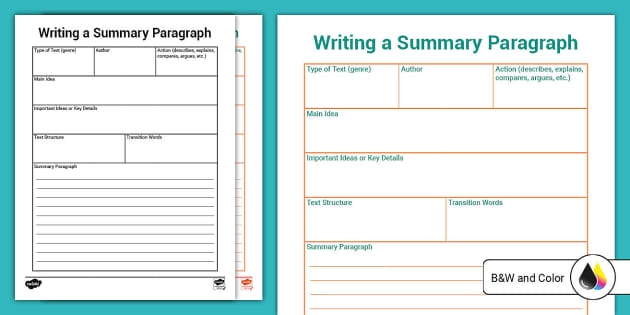
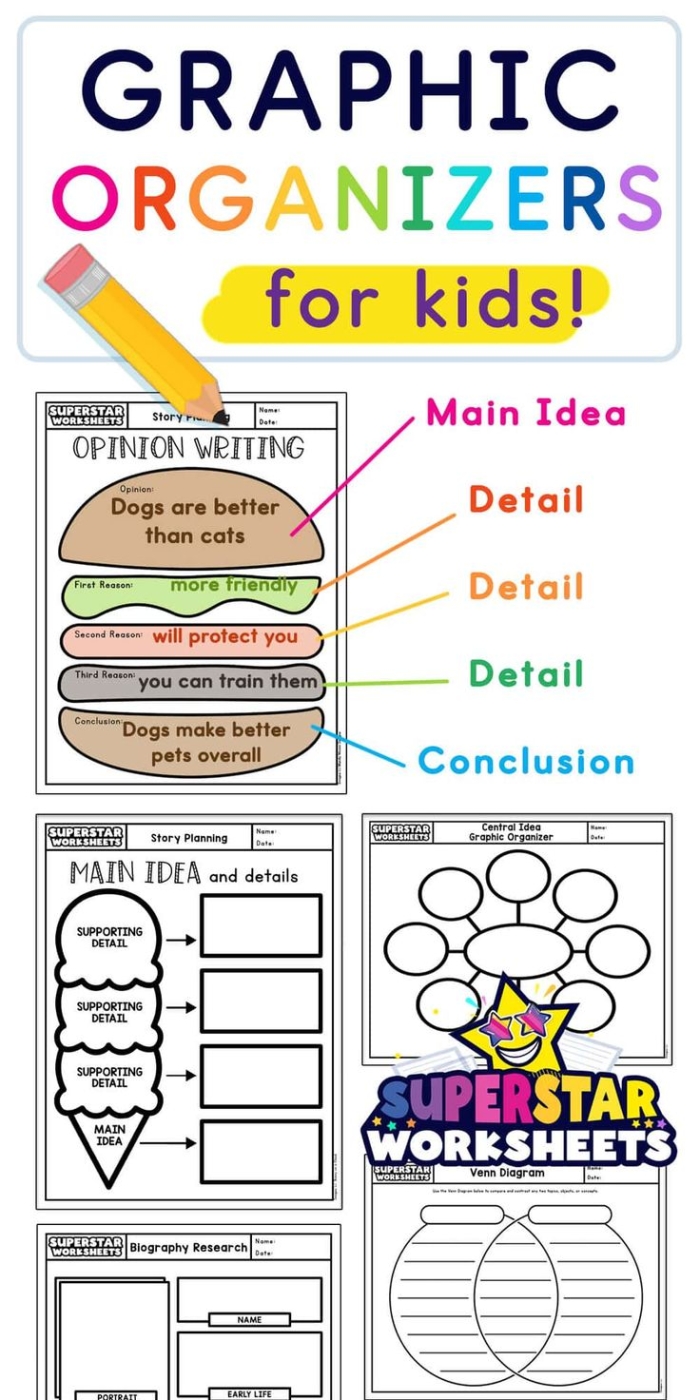
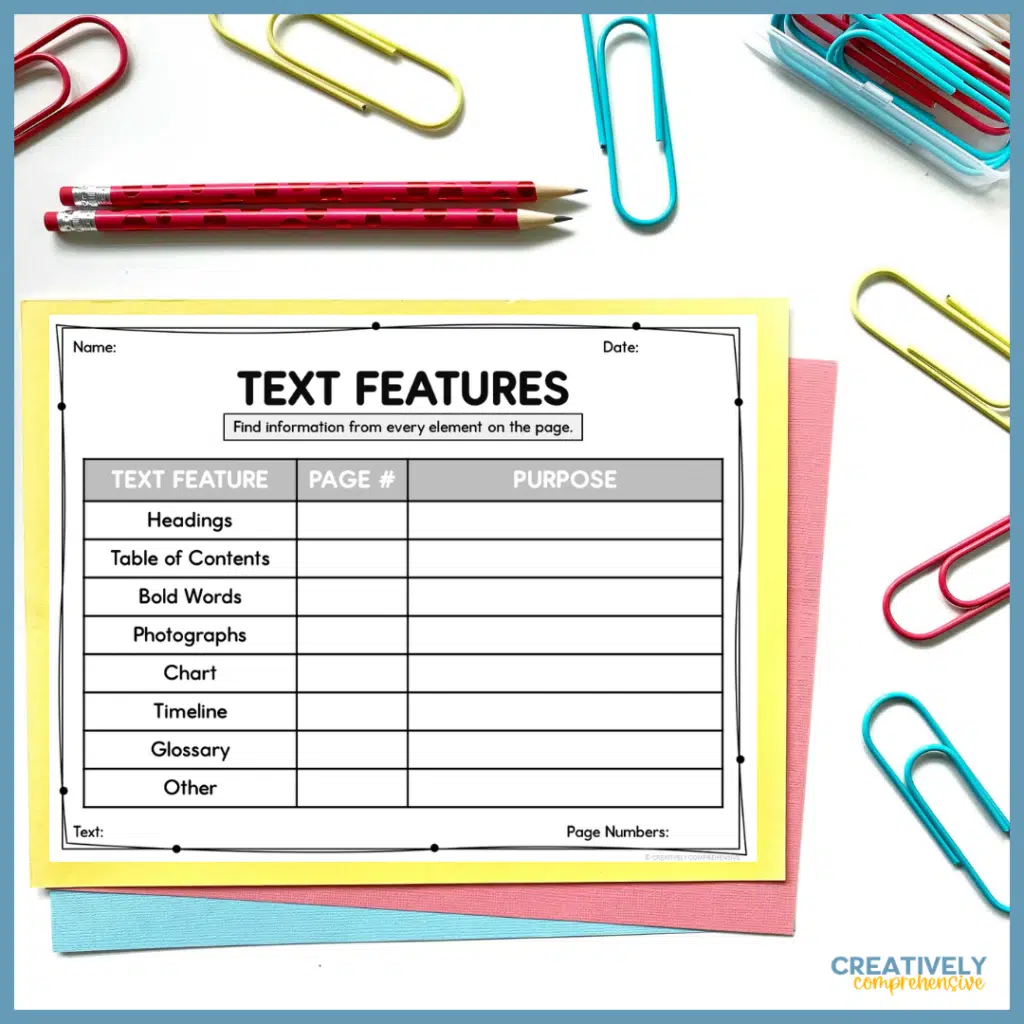
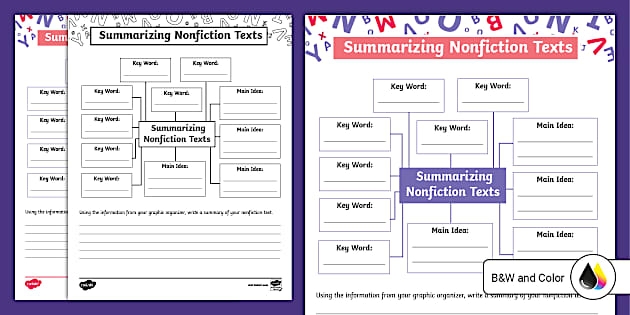
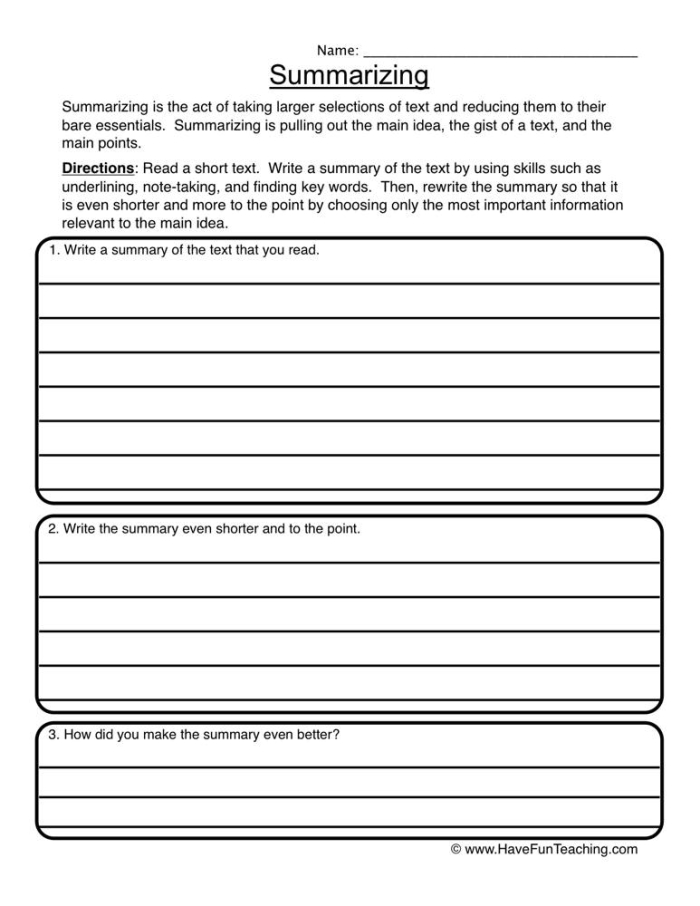
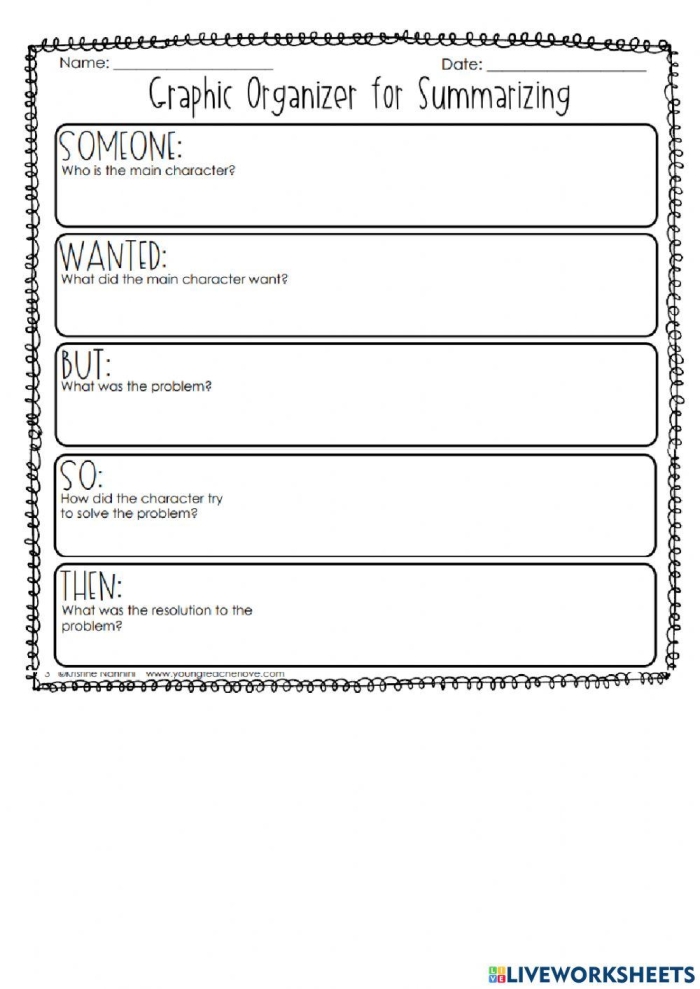
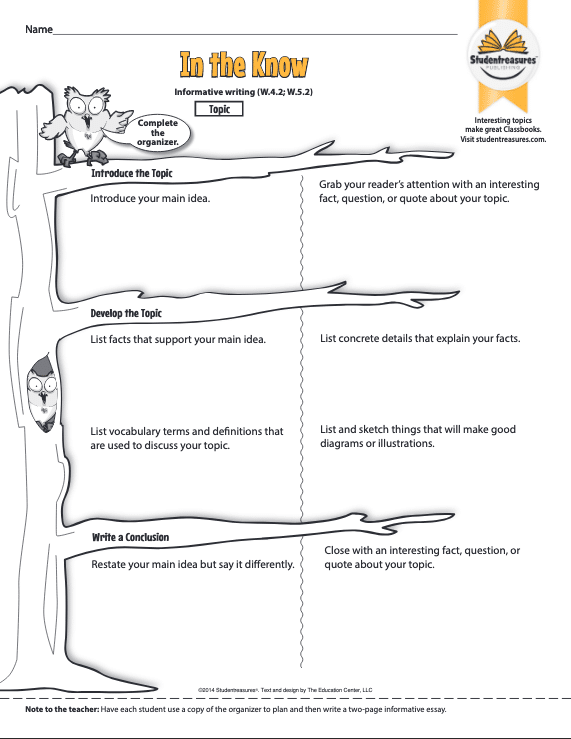
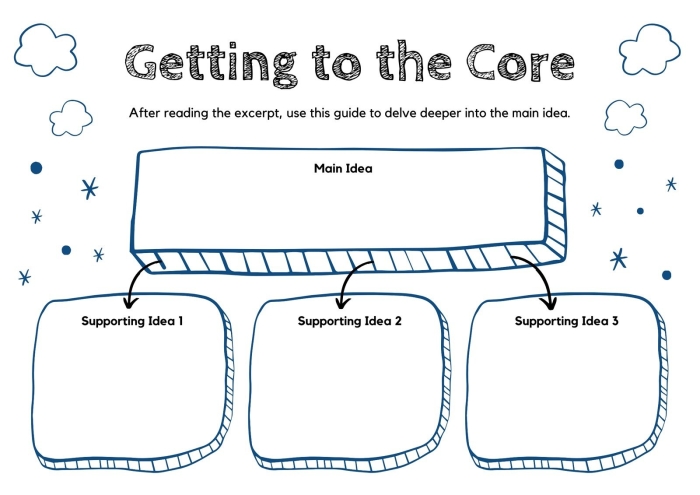
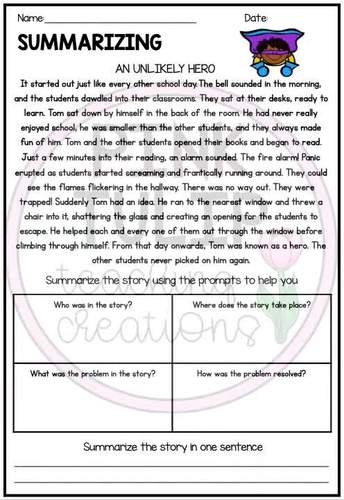
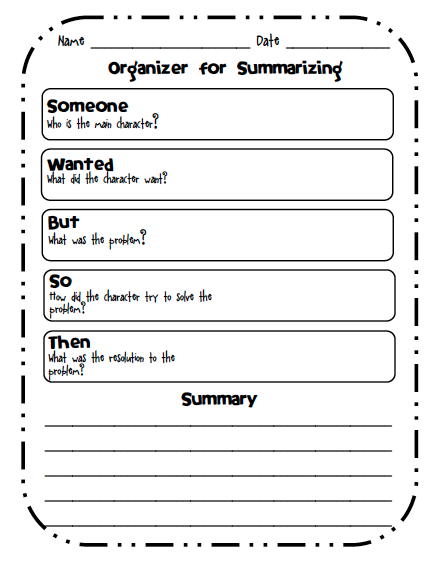
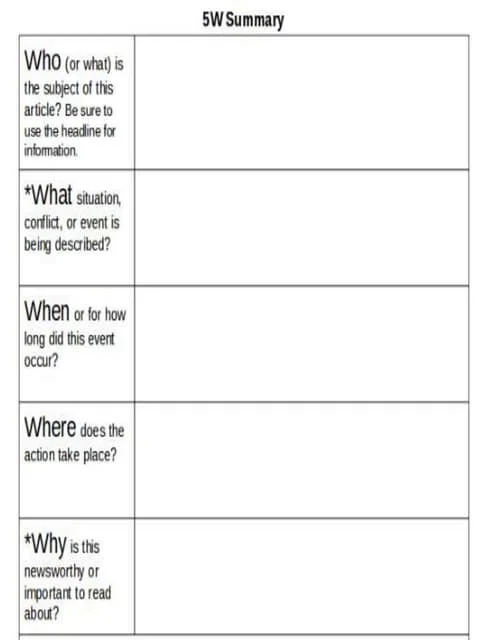
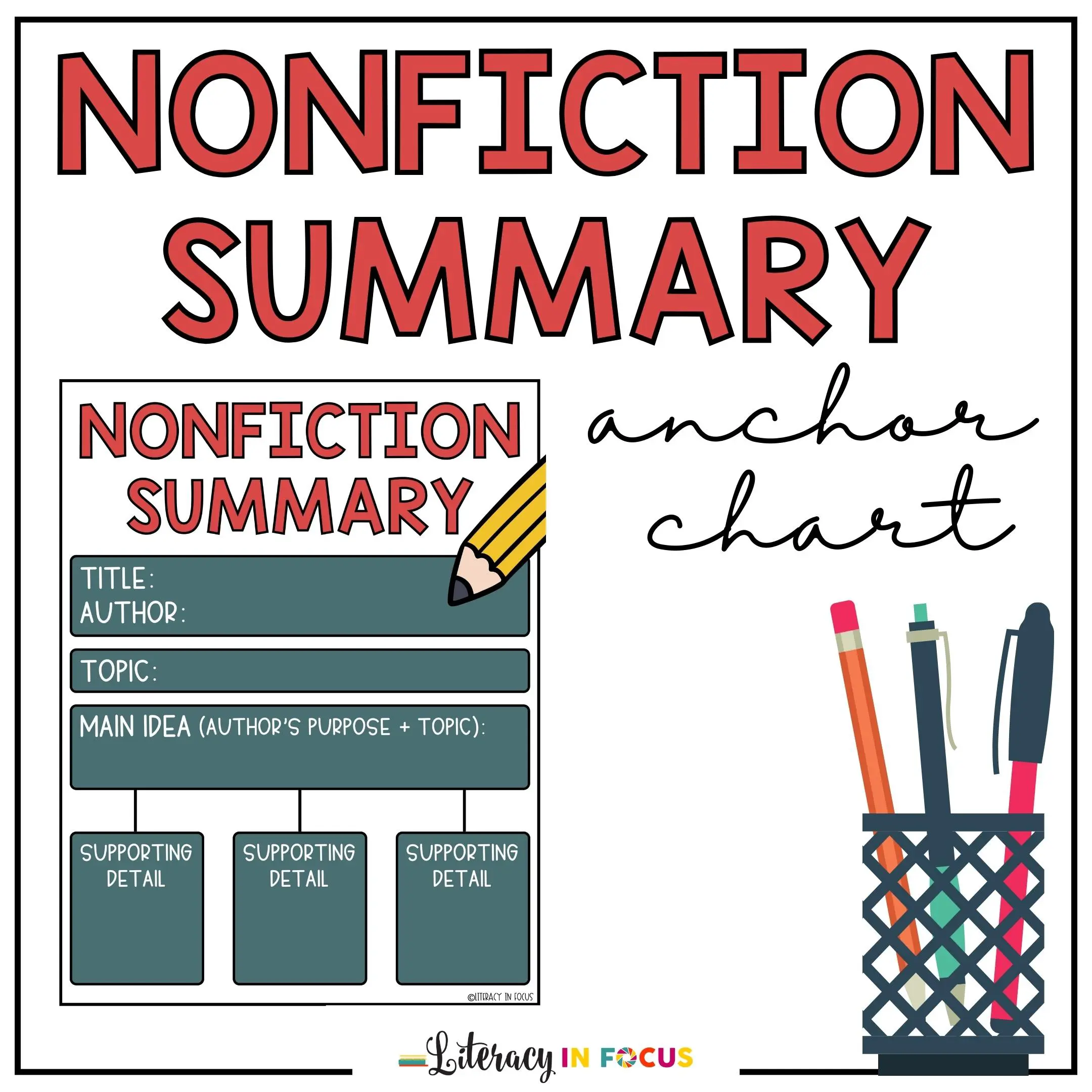
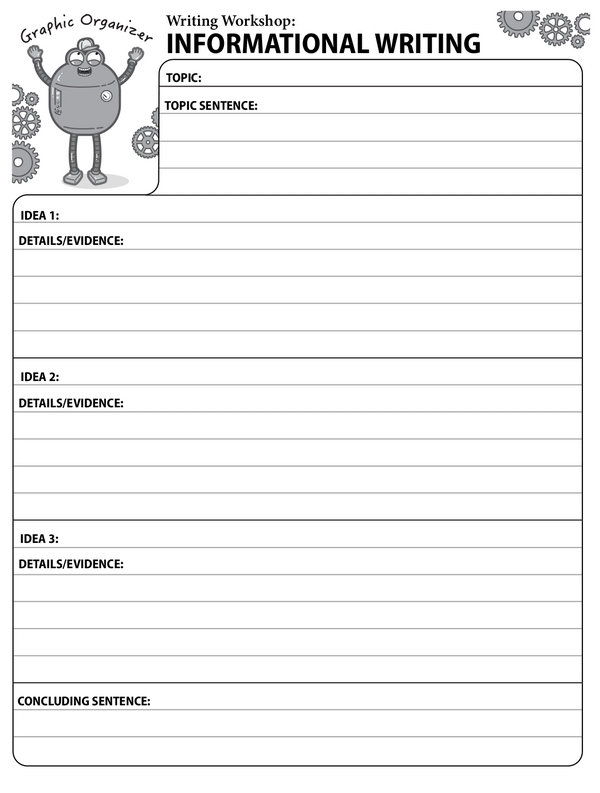
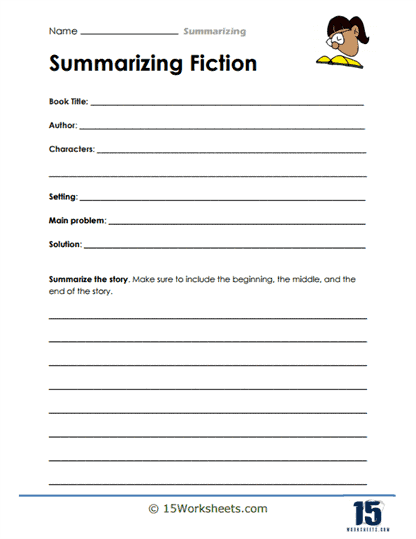
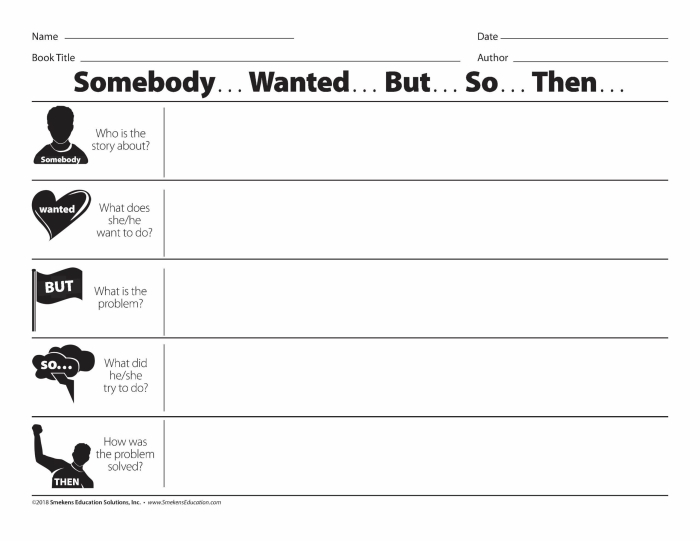
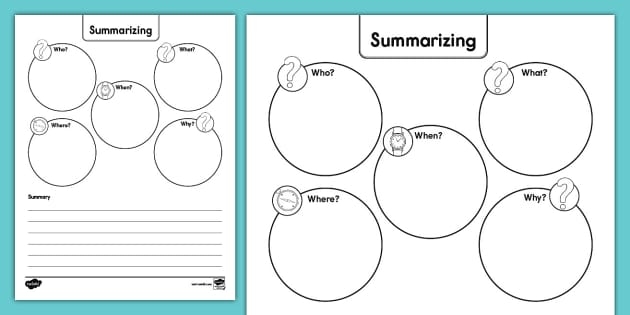
Helping sixth graders effectively summarize nonfiction texts can significantly enhance their comprehension and retention of information. One practical tool to achieve this is a simple graphic organizer designed specifically for tracking and recording key ideas.
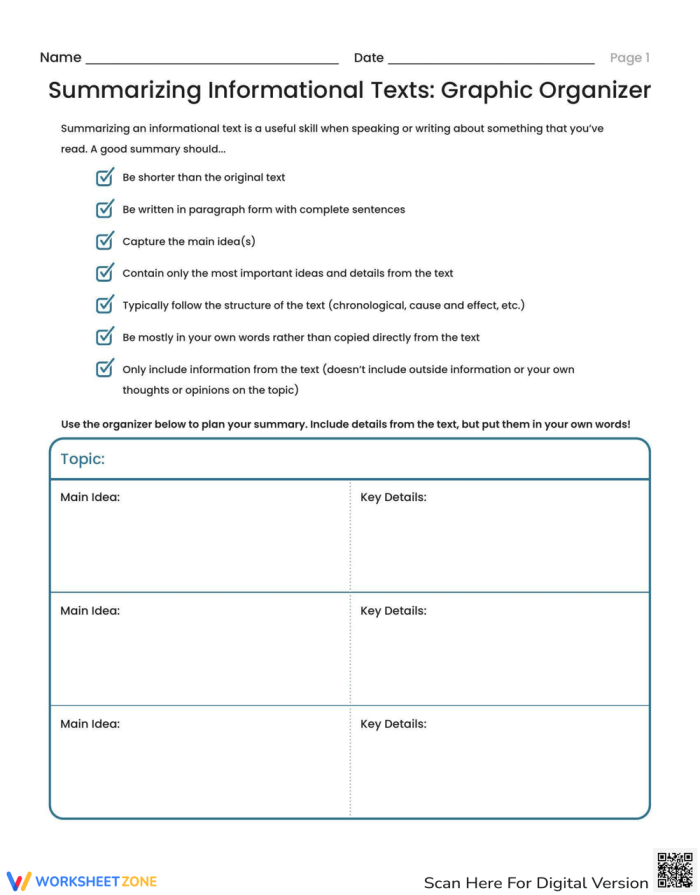
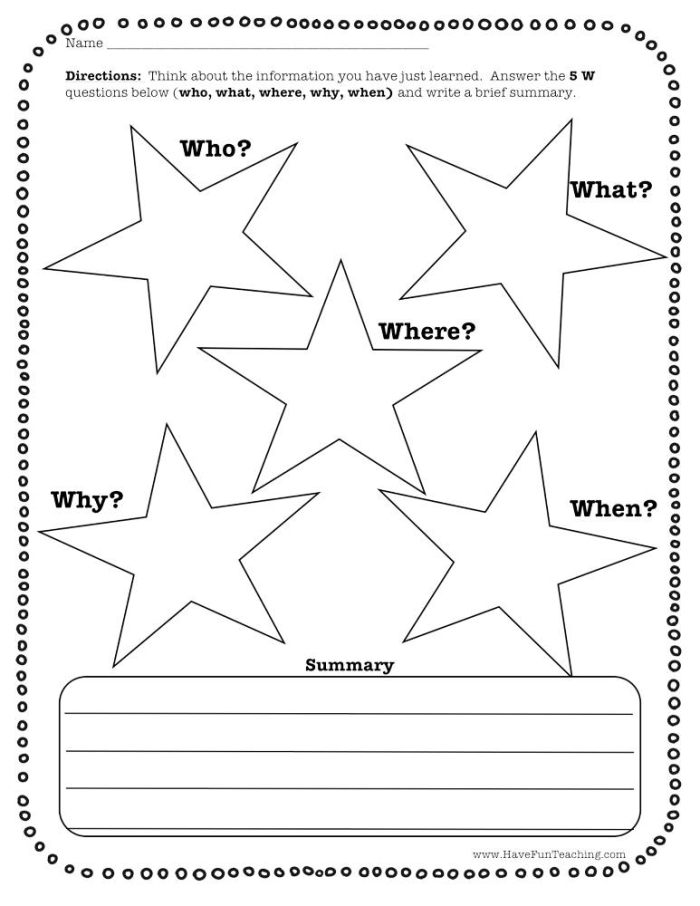
This organizer functions as a structured template where students can jot down main concepts, supporting details, and their own reflections. By breaking down the text into manageable parts, students can better grasp the essential information without feeling overwhelmed. For instance, when reading an article about environmental conservation, they can categorize ideas related to the importance of biodiversity, the impact of pollution, and potential solutions—all in one place.
Another advantage of using this graphic organizer is that it promotes active reading. Rather than passively consuming information, students engage with the text as they identify and record significant points. This interaction fosters critical thinking and encourages them to make connections between different ideas. As they summarize the text, they are not just recalling facts; they are synthesizing information, which is a vital skill in both academic and real-world contexts.
Printable versions of these graphic organizers are readily available, making them easy to integrate into lesson plans. Teachers can incorporate them during lessons on fractions or other subjects, reinforcing the idea that summarizing is a skill that transcends disciplines. For example, while working on fractions, students can summarize nonfiction texts related to real-life applications, such as cooking or budgeting.
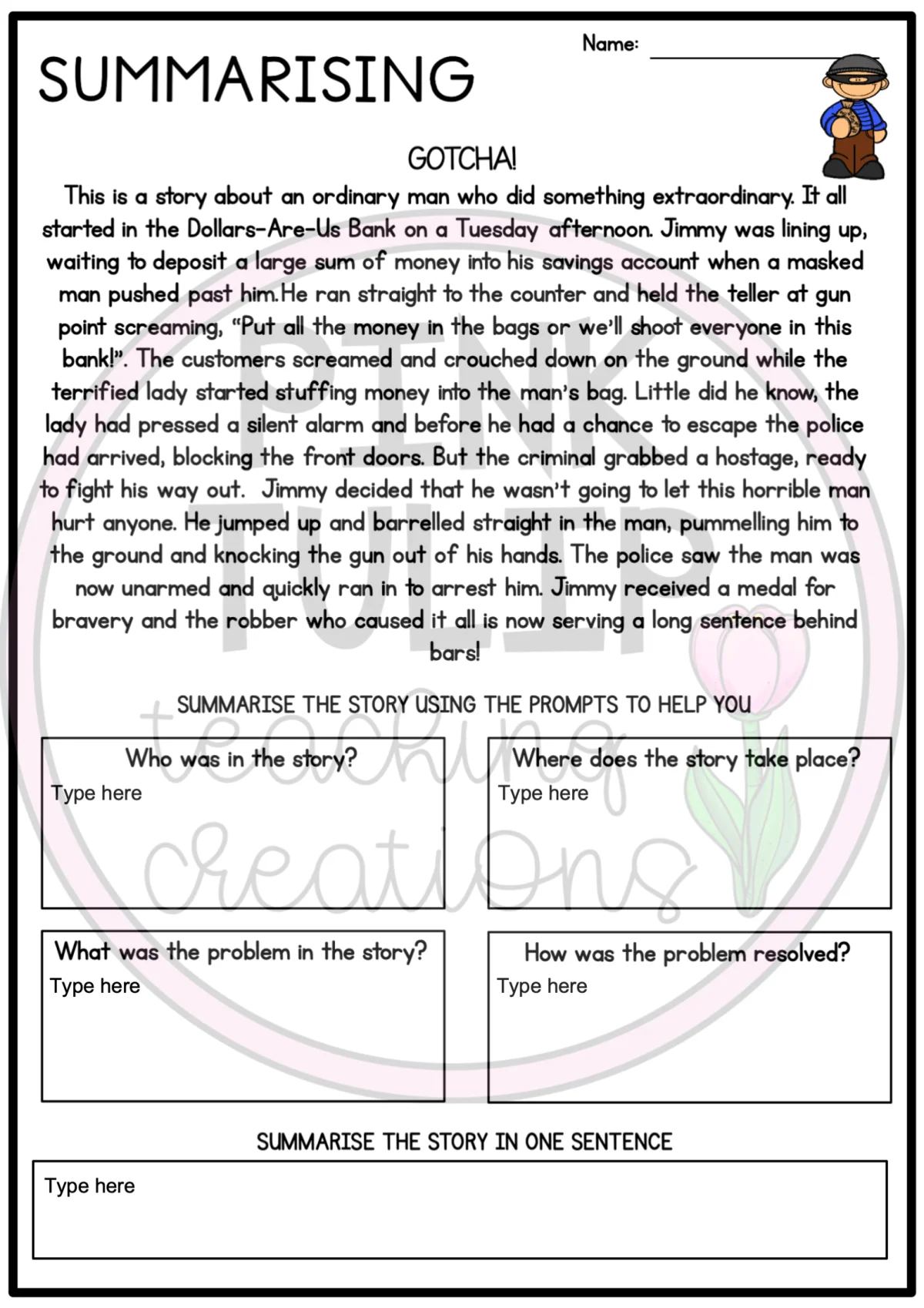
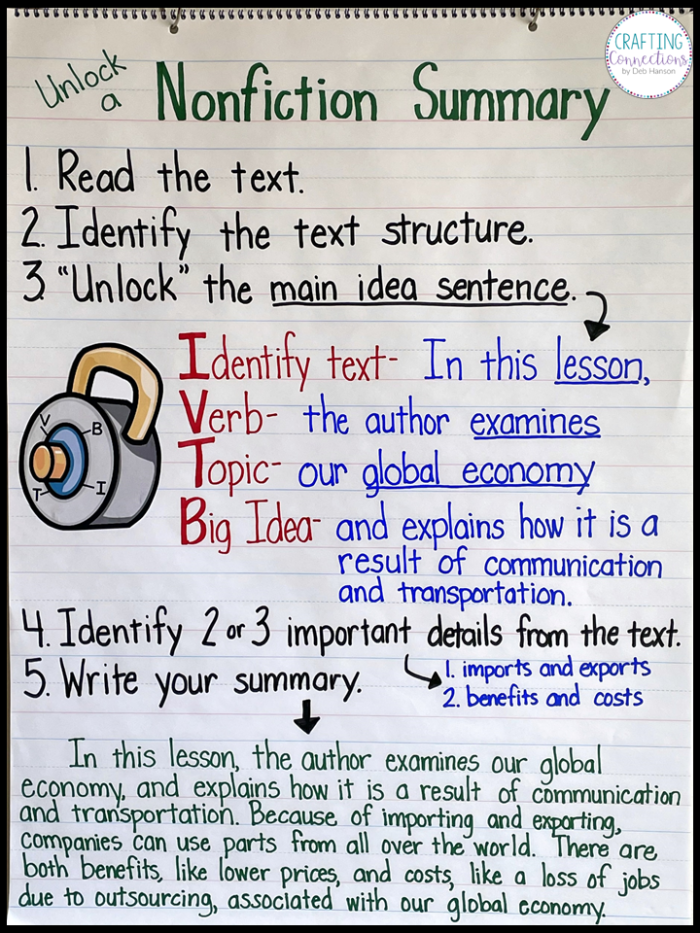
Using a graphic organizer to summarize informational texts not only aids comprehension but also builds essential skills for academic success. As students navigate through various texts, they become more adept at identifying key ideas and articulating them clearly. This practice will serve them well throughout their educational journey and beyond.
Boost Skills with These Worksheets