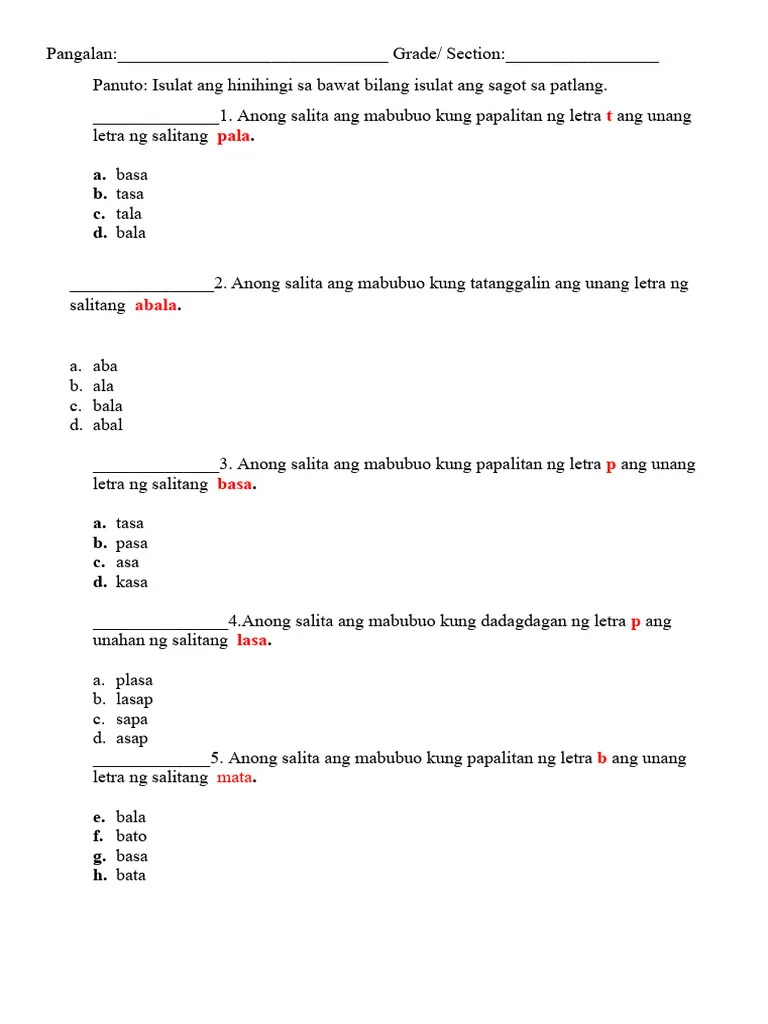
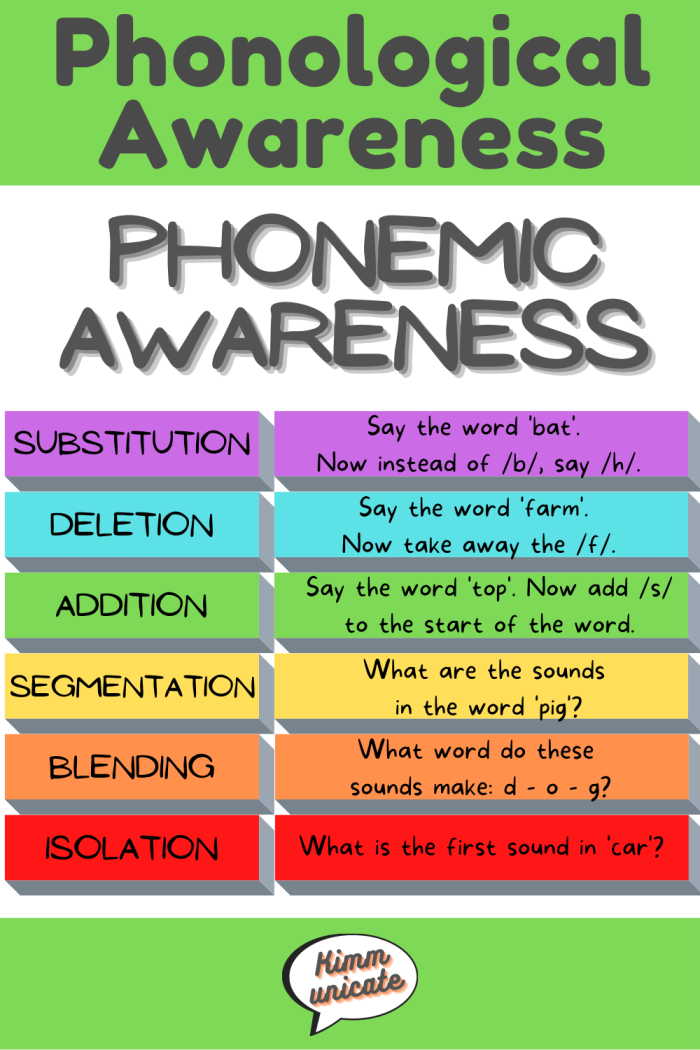
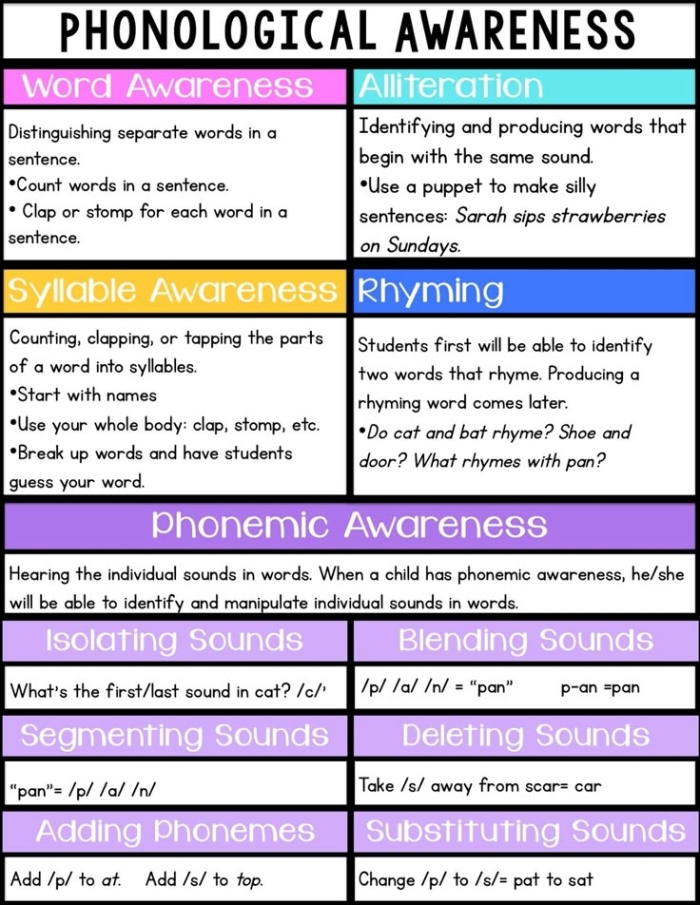
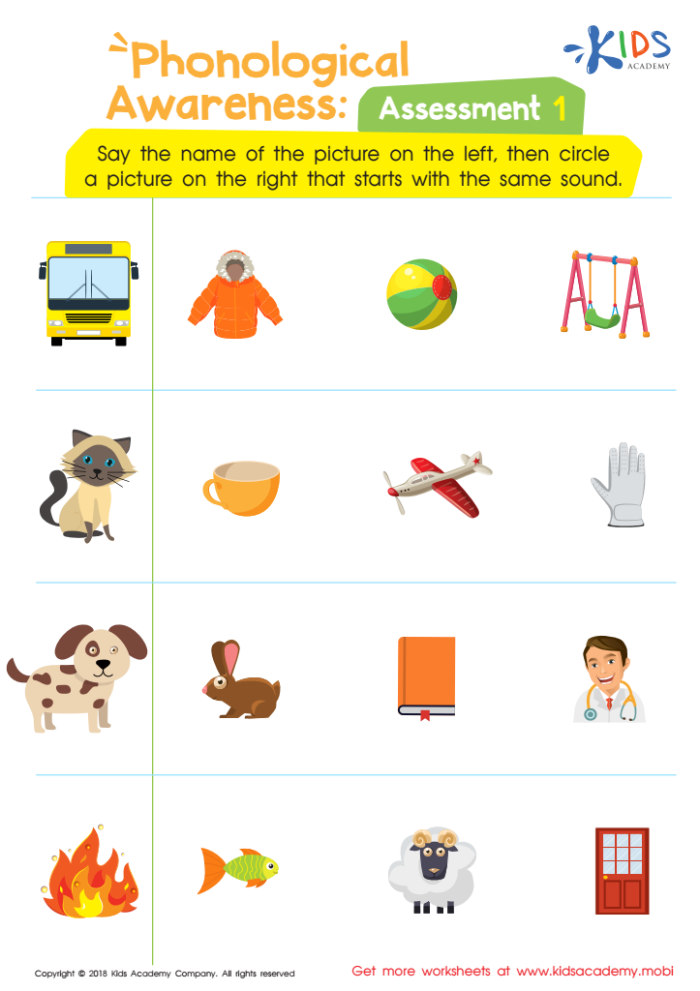
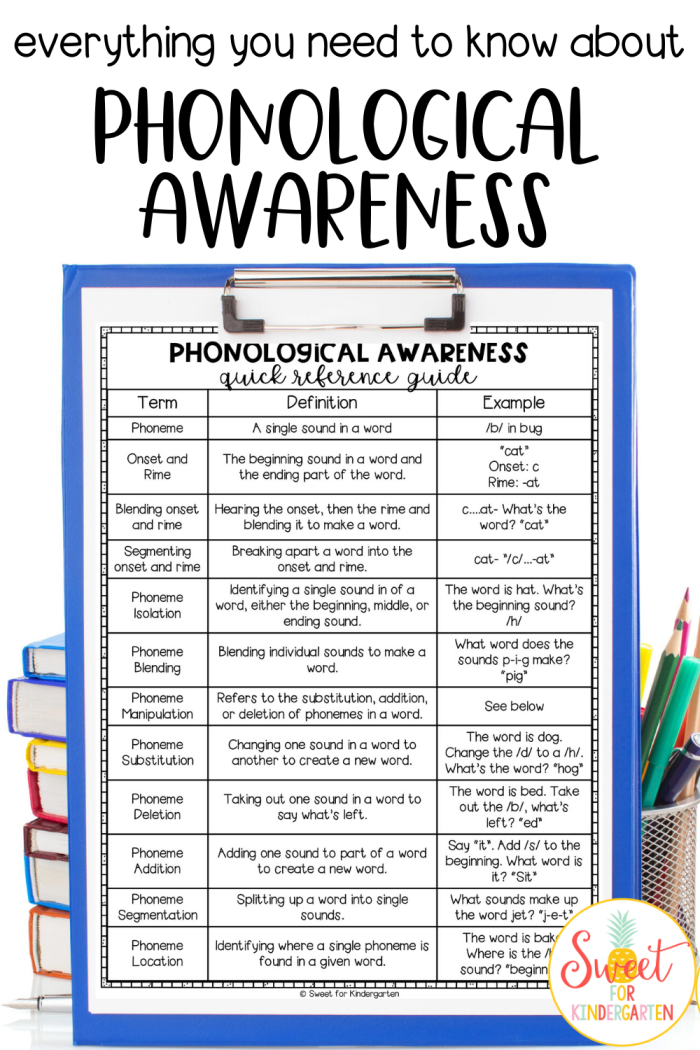
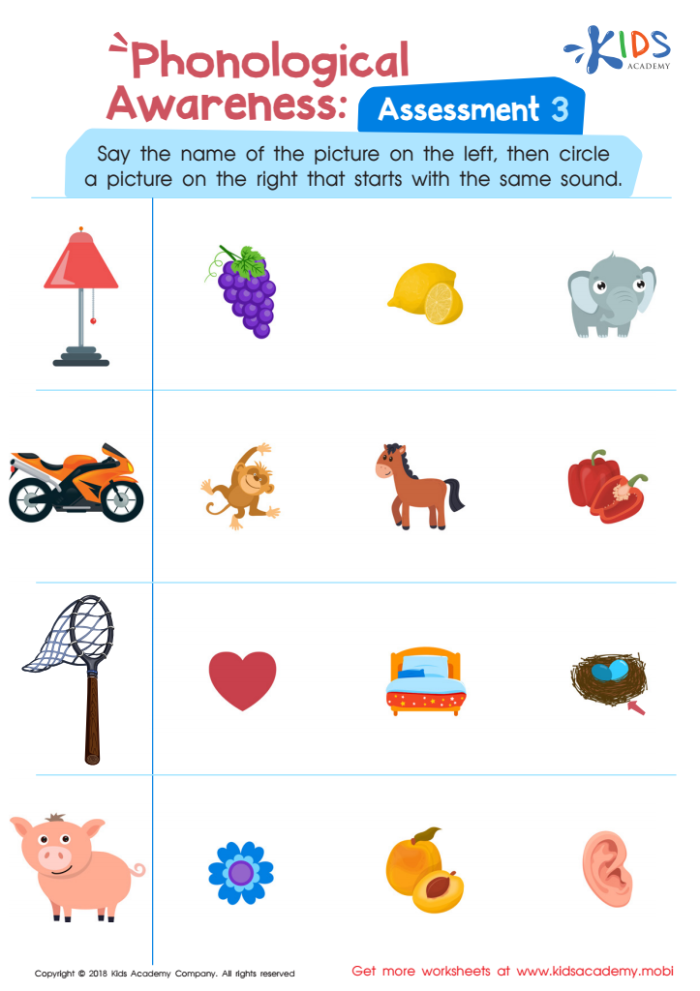
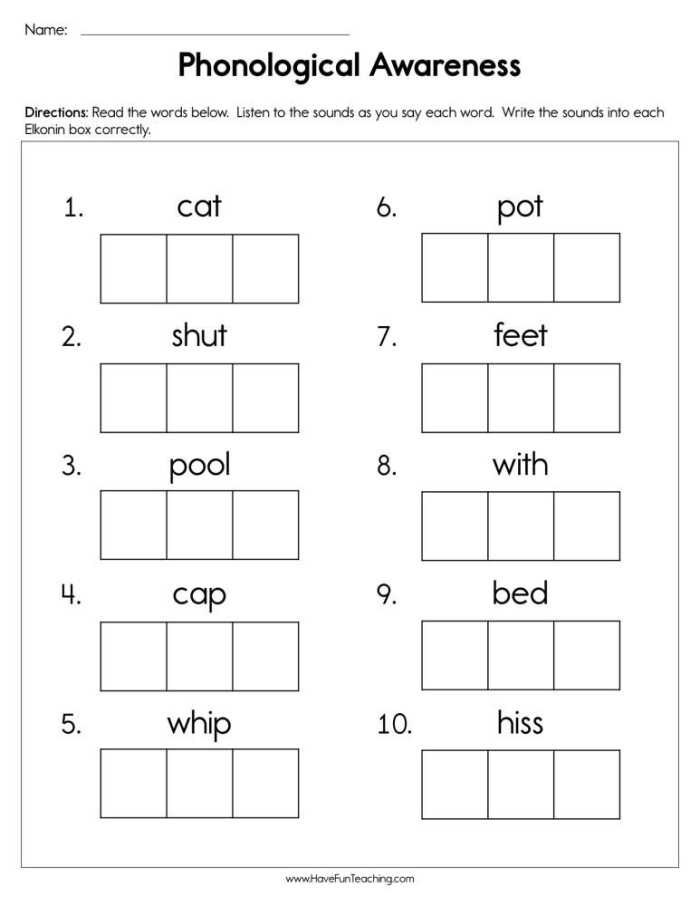
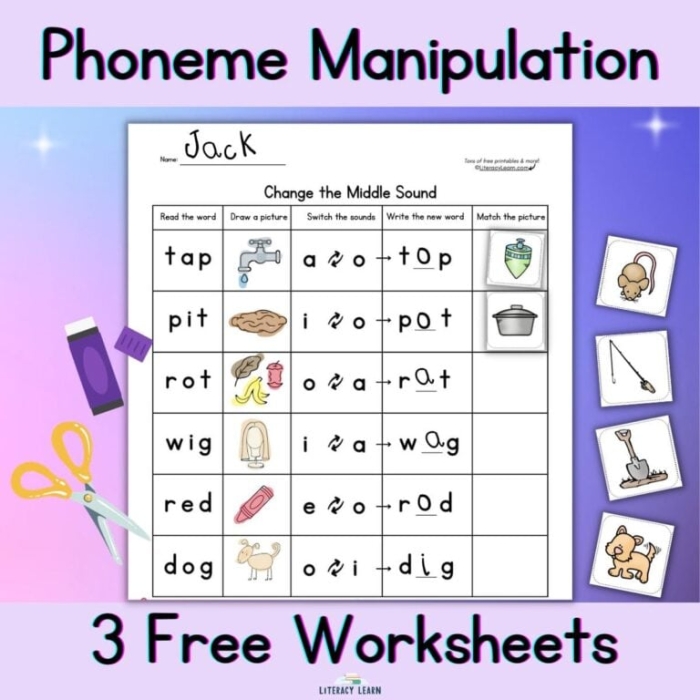
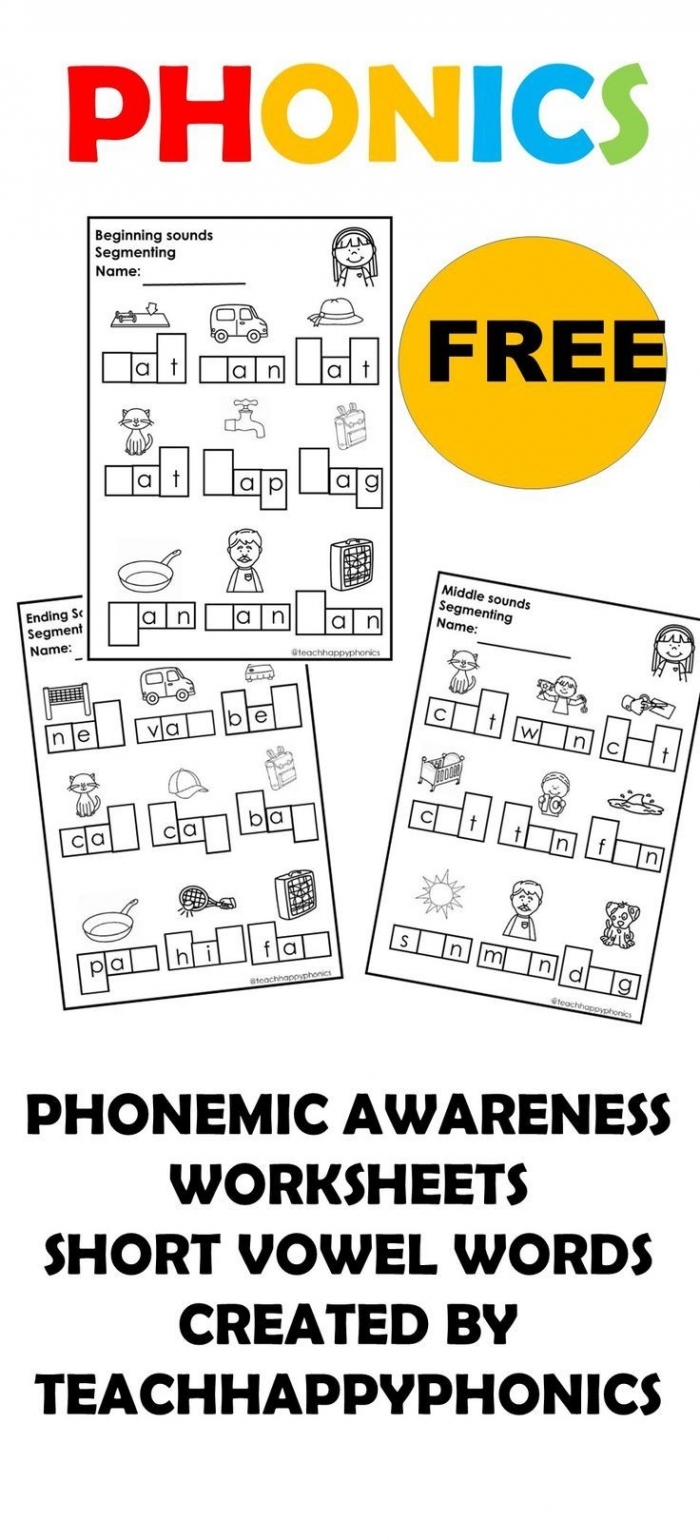
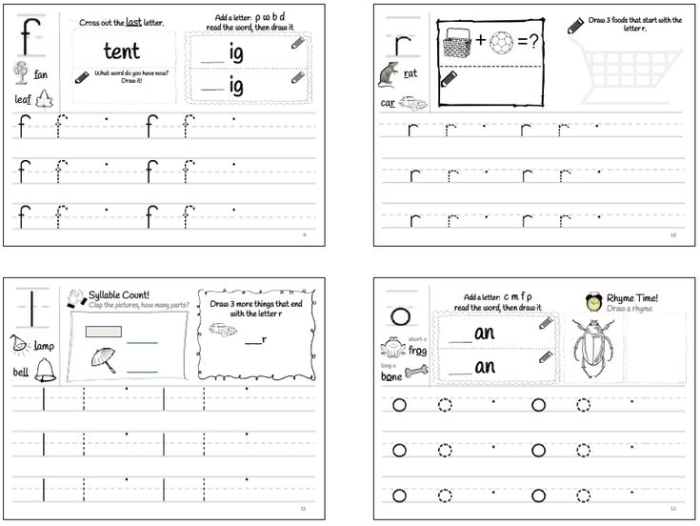
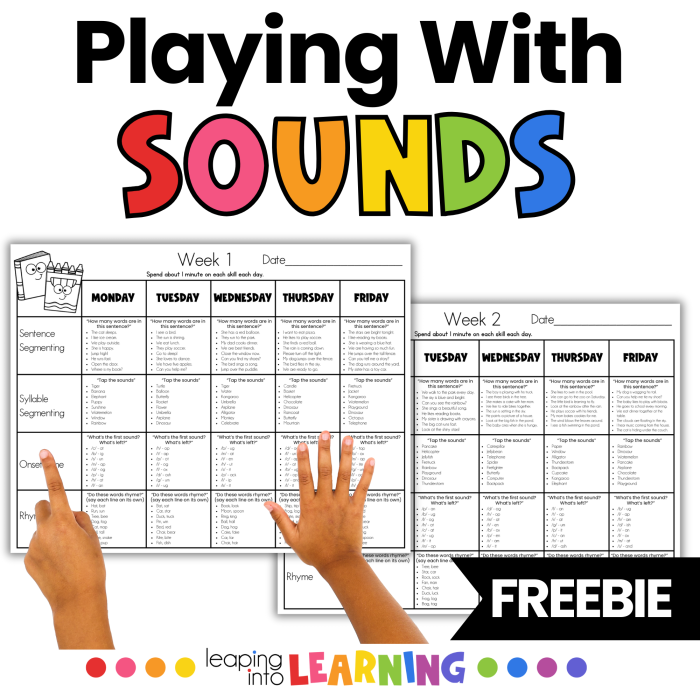
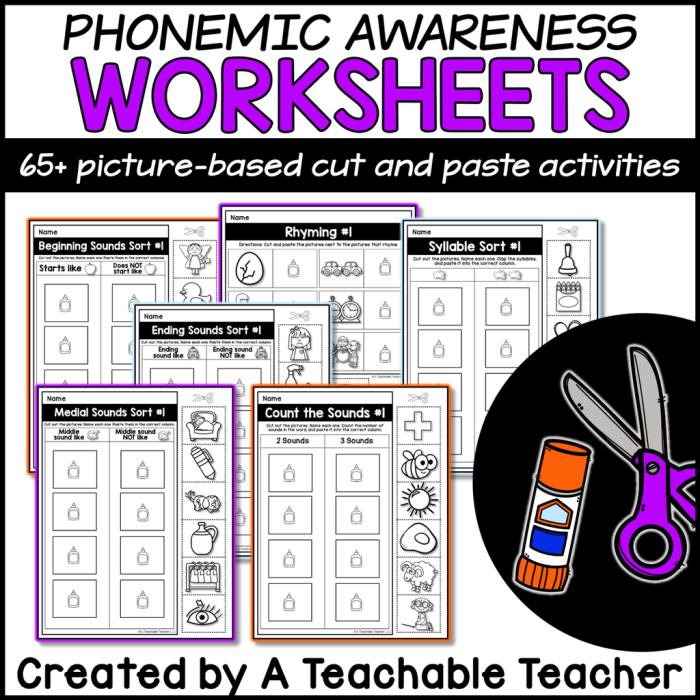
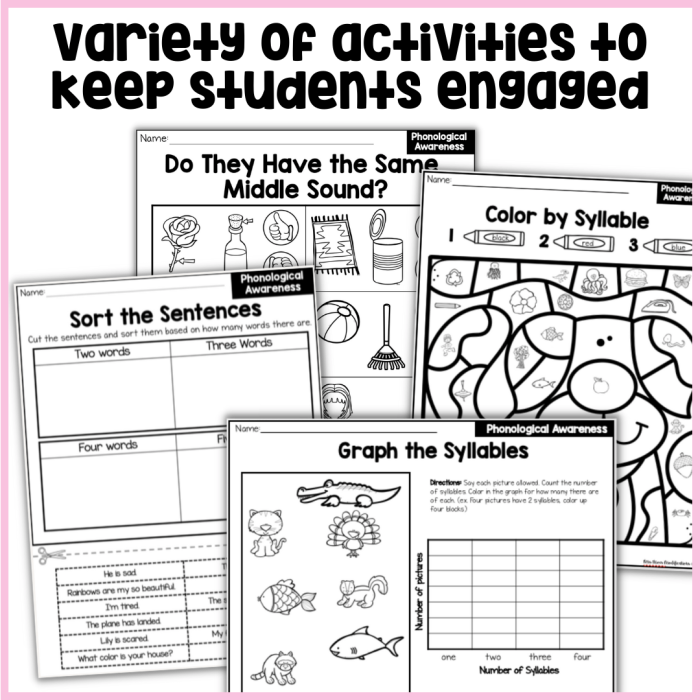
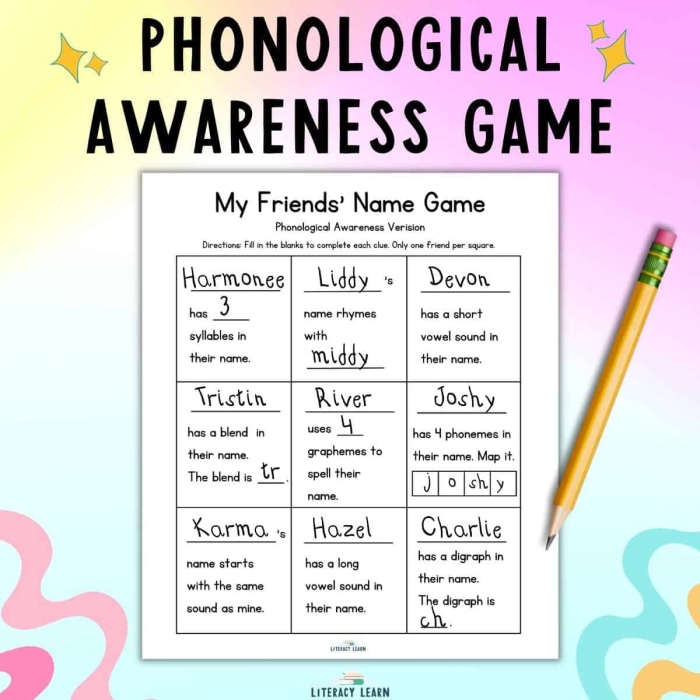
Understanding phonological awareness is essential for young learners, especially in kindergarten. This skill involves recognizing and manipulating sounds in spoken language, which is crucial for reading development. Use this handy visual to help you grasp the concept better. It breaks down the components of phonological awareness, making it approachable and engaging.
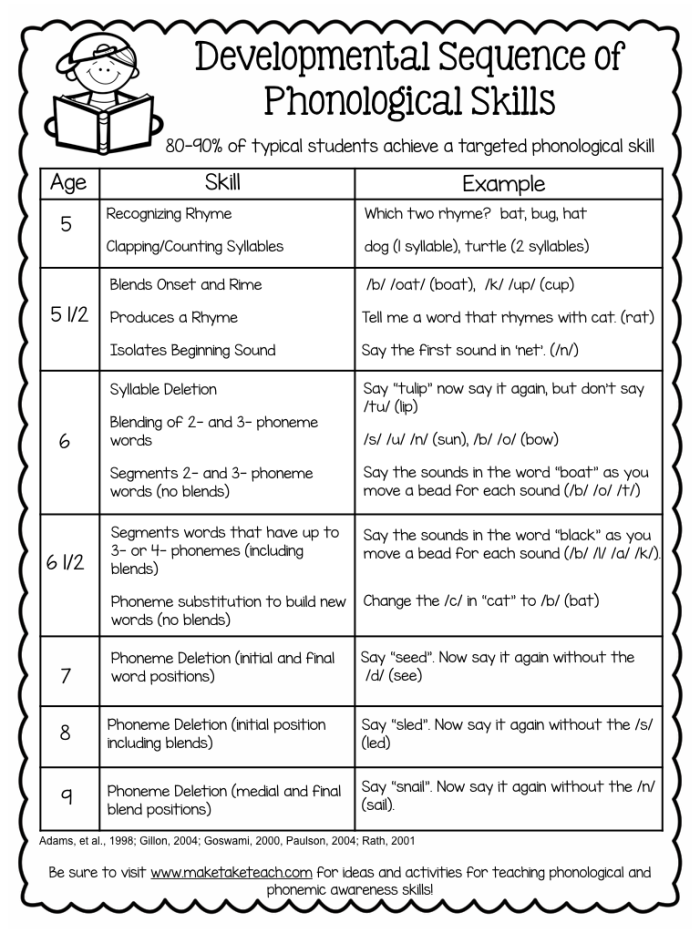
Phonological awareness includes several skills: recognizing rhymes, identifying syllables, and blending sounds. For instance, when children can hear that “cat” and “hat” end with the same sound, they’re developing their ability to rhyme. This lays the groundwork for reading skills, as rhyming helps children understand the structure of words. Moreover, when they clap out the syllables in their name, they learn how sounds combine to form words.
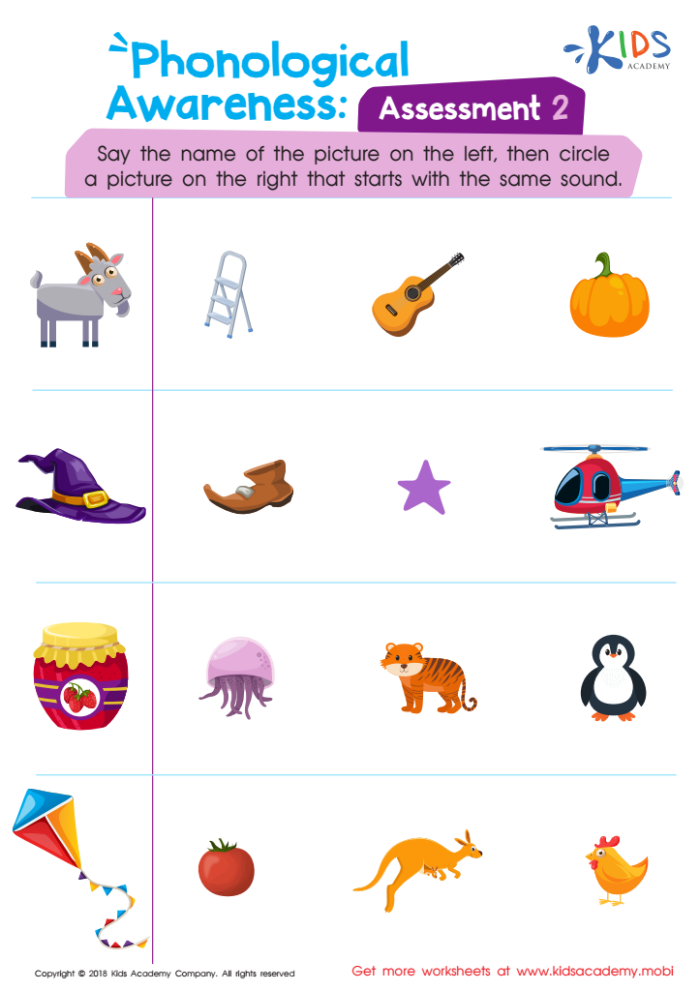
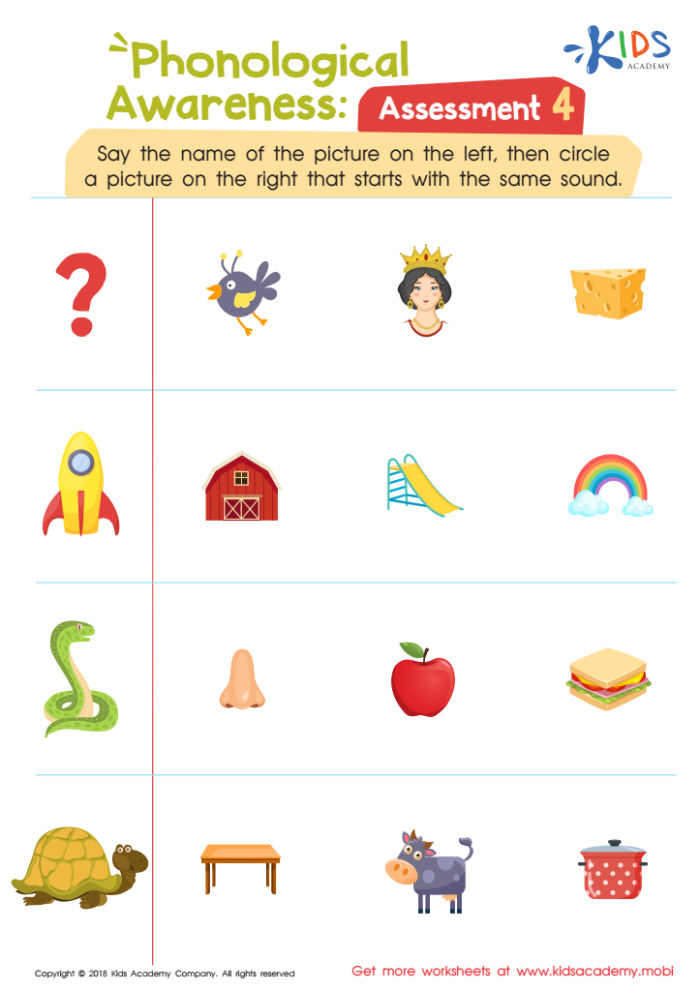
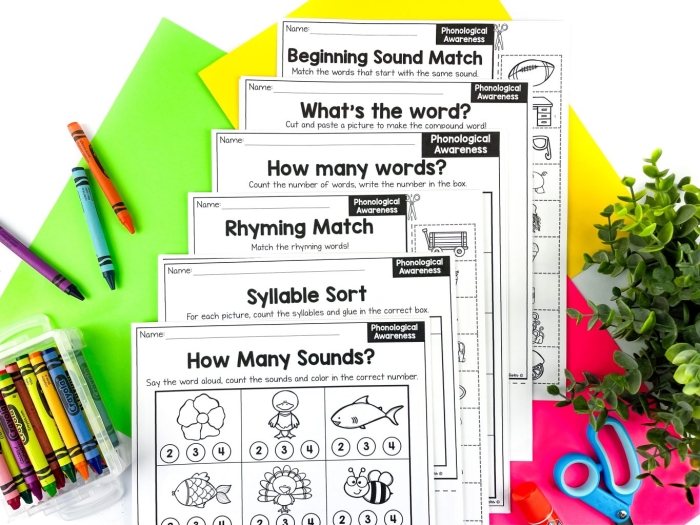
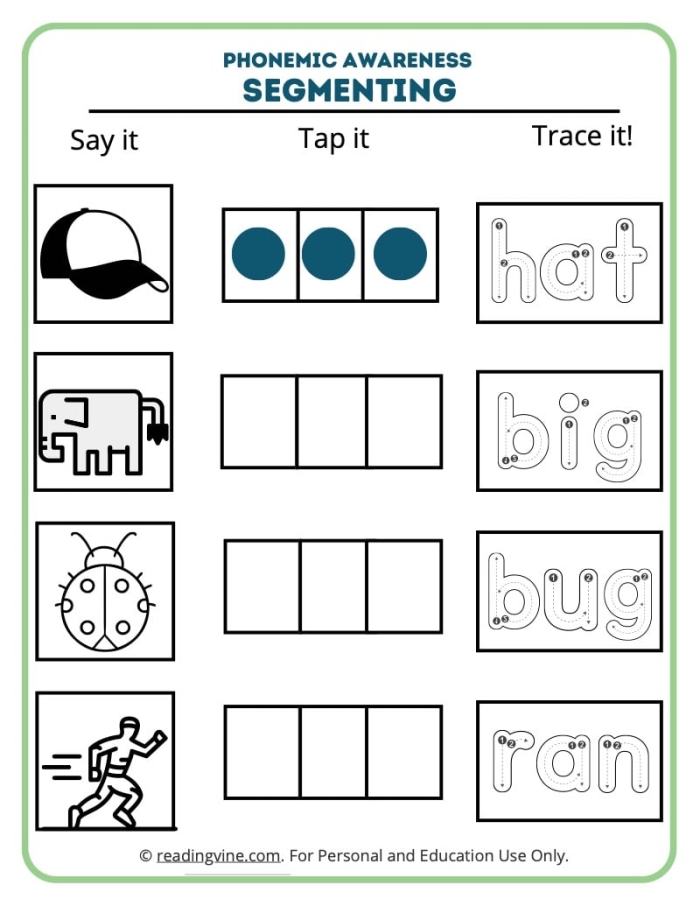
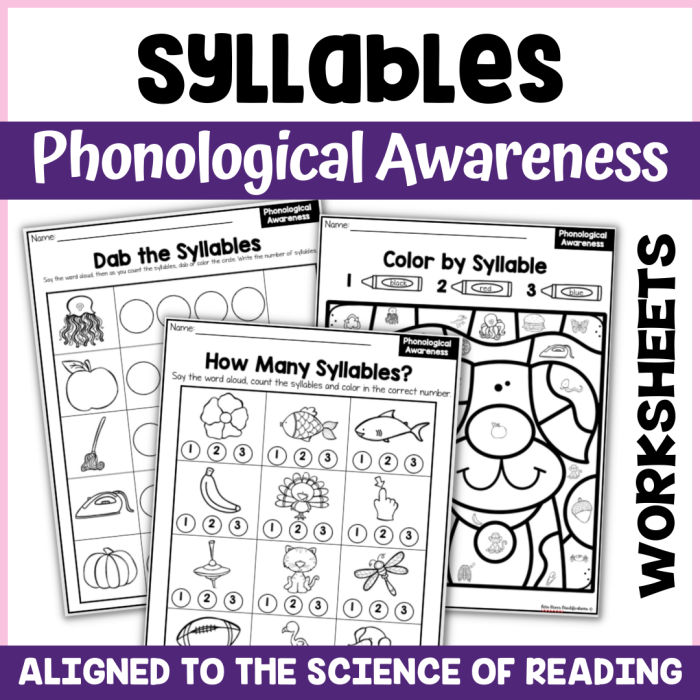
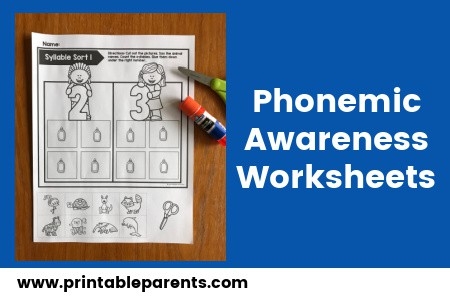
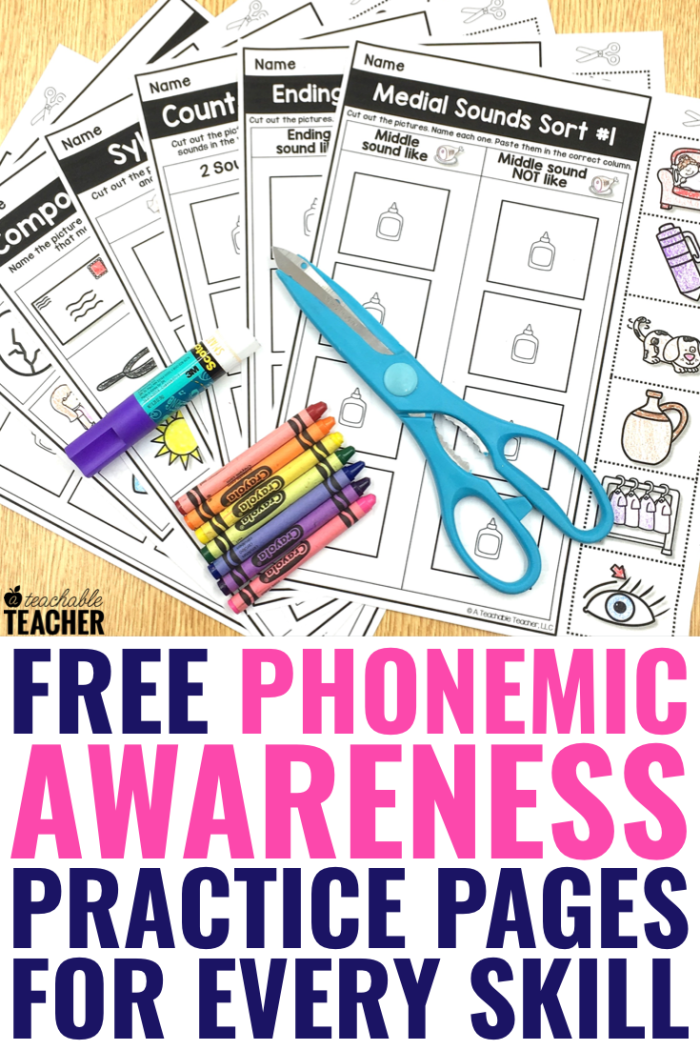
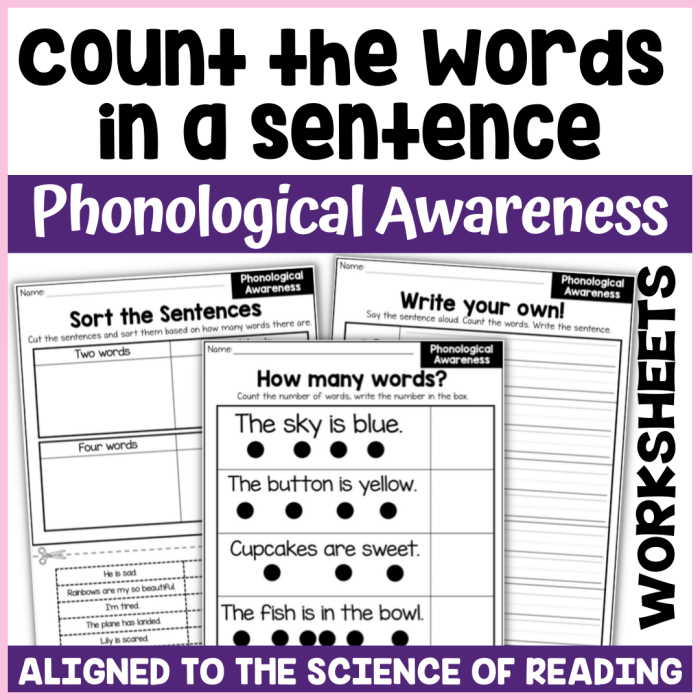
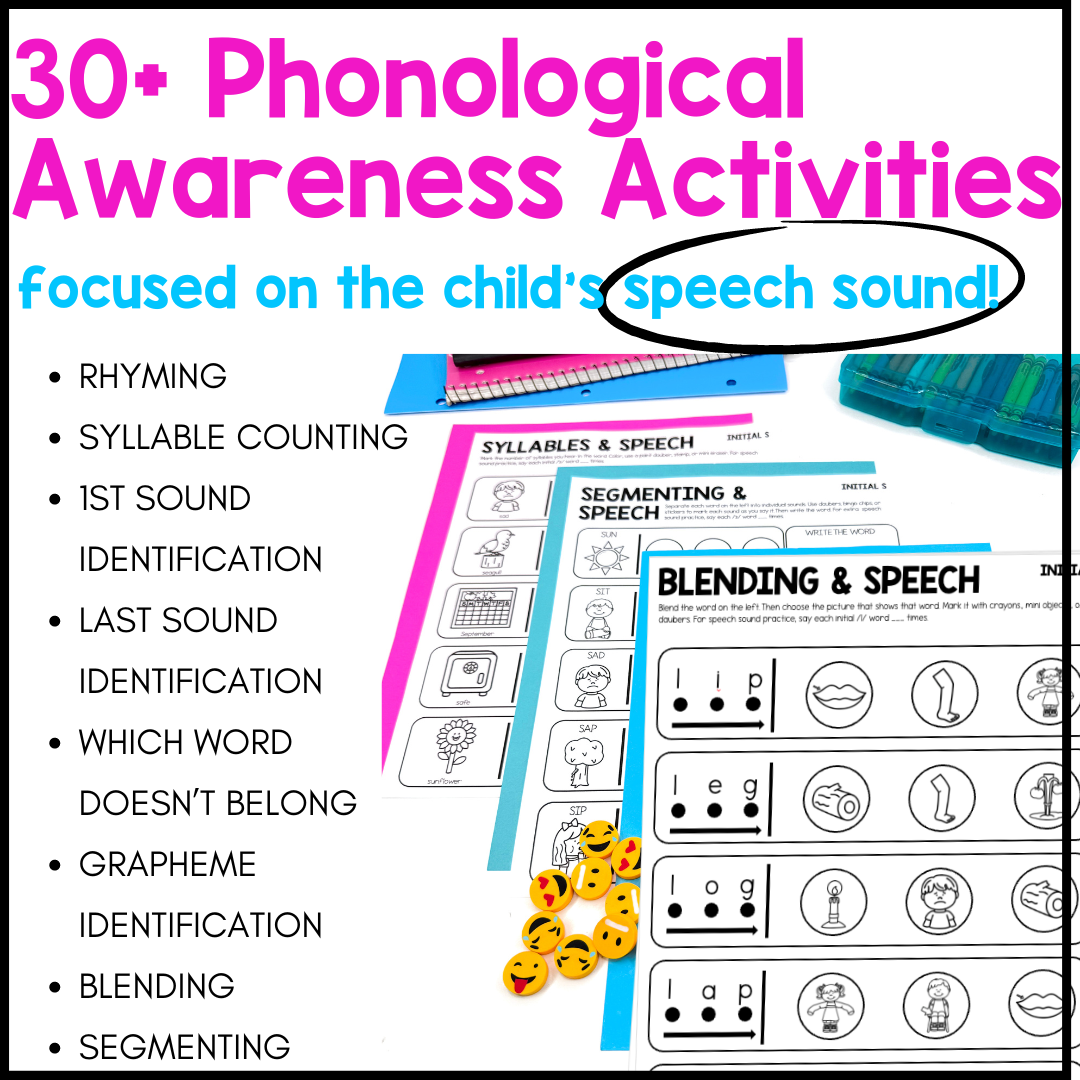
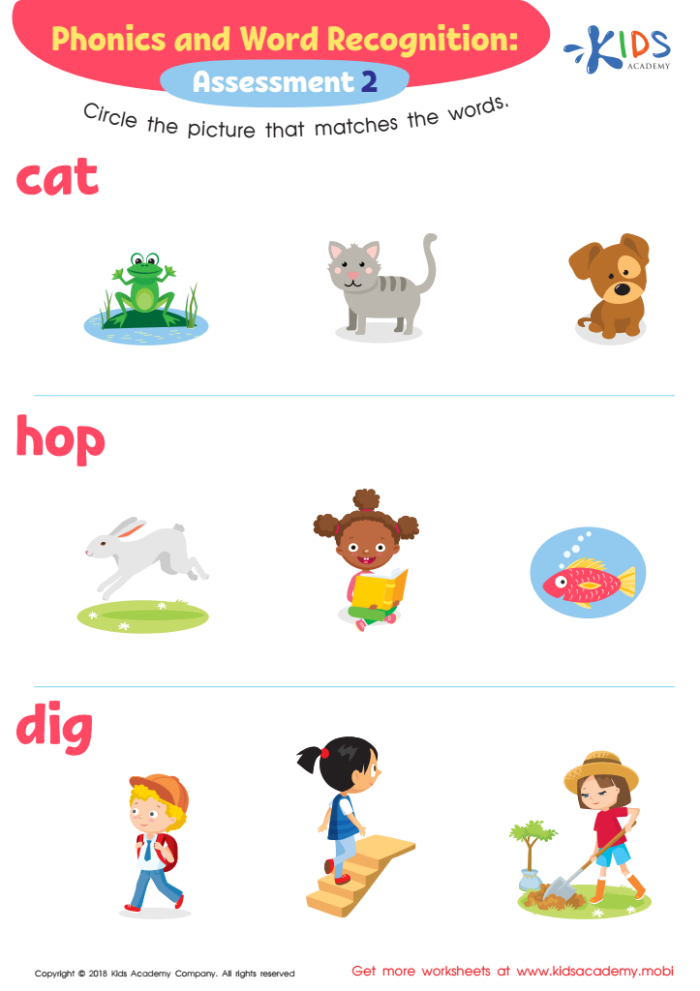
One effective way to reinforce phonological awareness is through activities that involve sound manipulation. Consider using printable worksheets designed specifically for this purpose. These resources can include exercises where children are asked to identify the initial sound in a series of words or to sort words based on their rhyming patterns. For example, worksheets that focus on sight words can be beneficial, as they help children recognize common words and encourage fluent reading. You can explore options like writing and drawing sight words to make learning more interactive.
Furthermore, integrating phonological awareness activities with everyday experiences can enhance learning. Singing songs and reading aloud together are simple yet effective ways to expose children to different sounds. This not only makes learning fun but also strengthens their listening skills. Parents and educators should prioritize these activities, as foundational skills in phonological awareness can significantly impact a child’s literacy journey.
In summary, phonological awareness is a critical component of early literacy. By using visuals and engaging worksheets, educators and parents can create a rich learning environment that supports kindergarten students as they explore the sounds of language. For additional resources, consider looking into the sight word assessment worksheets that can complement these learning activities.
Start Practicing with These Worksheets