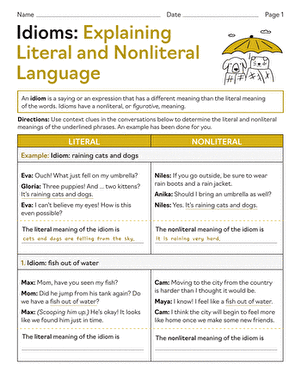
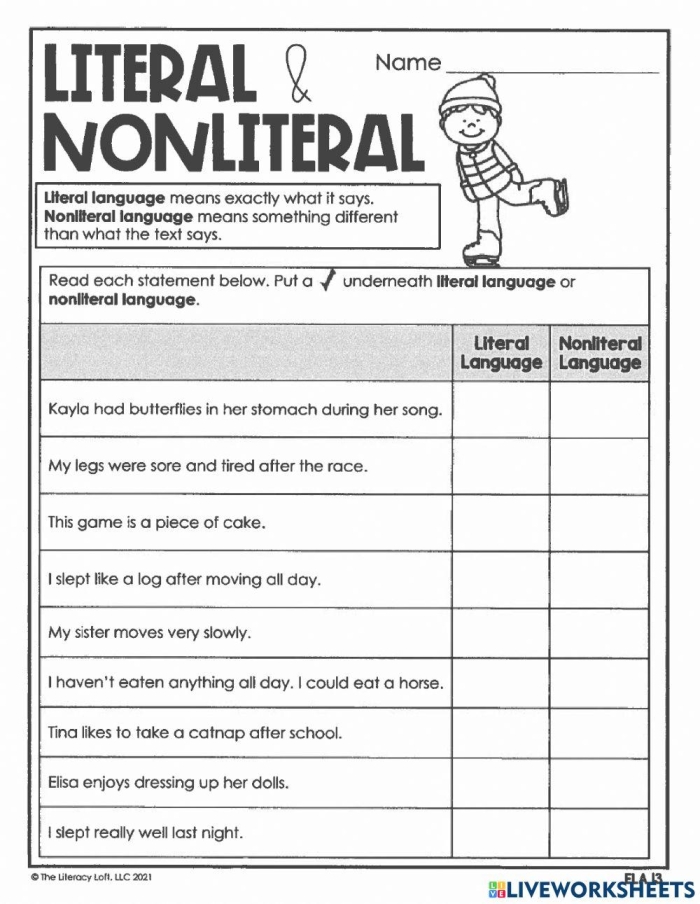
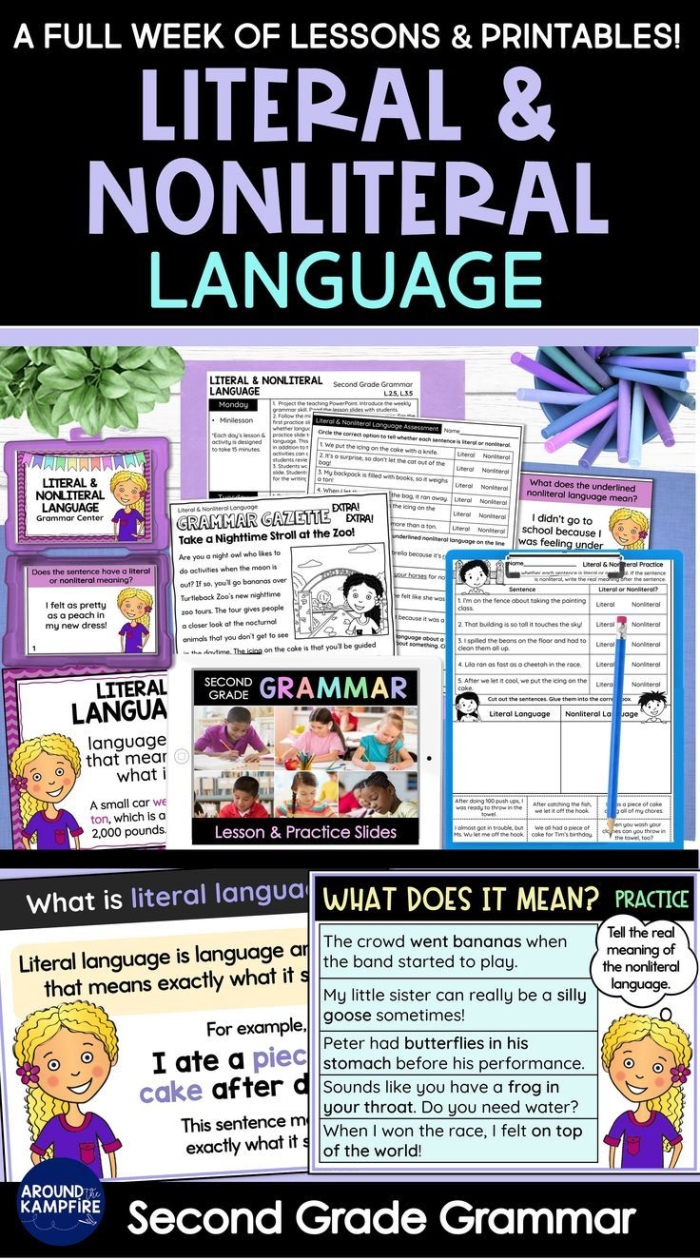
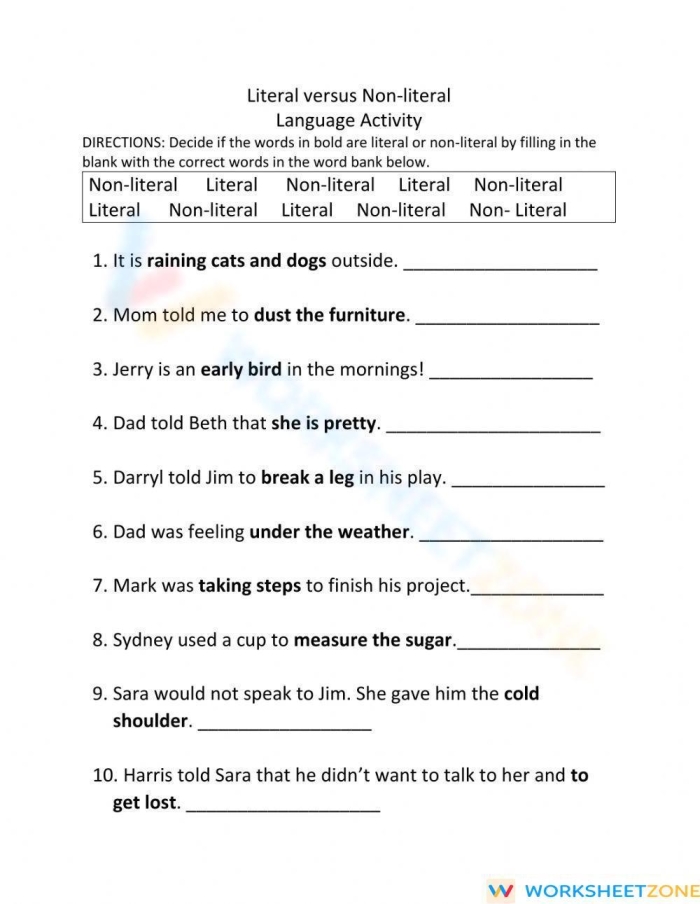
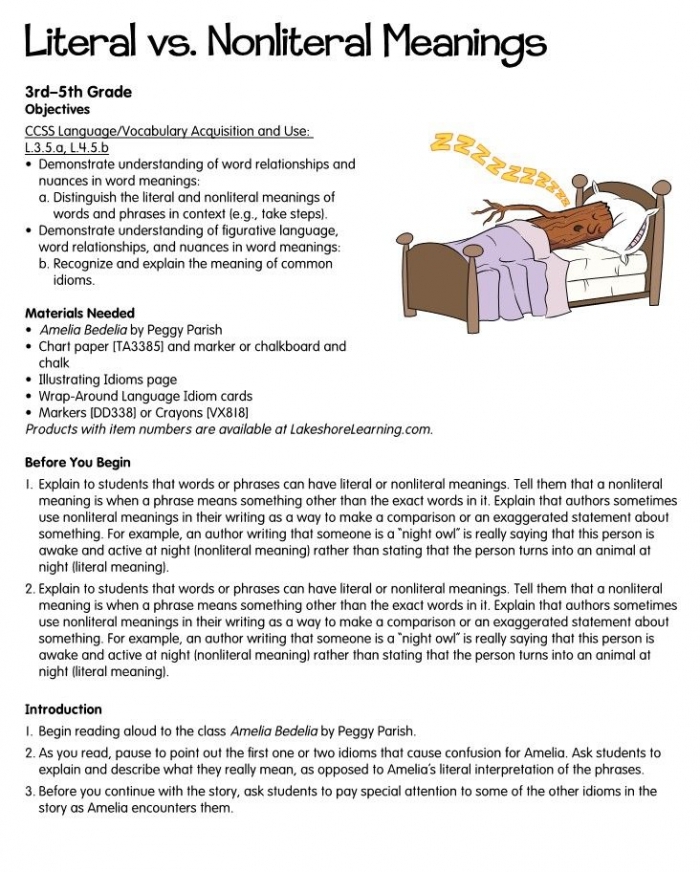
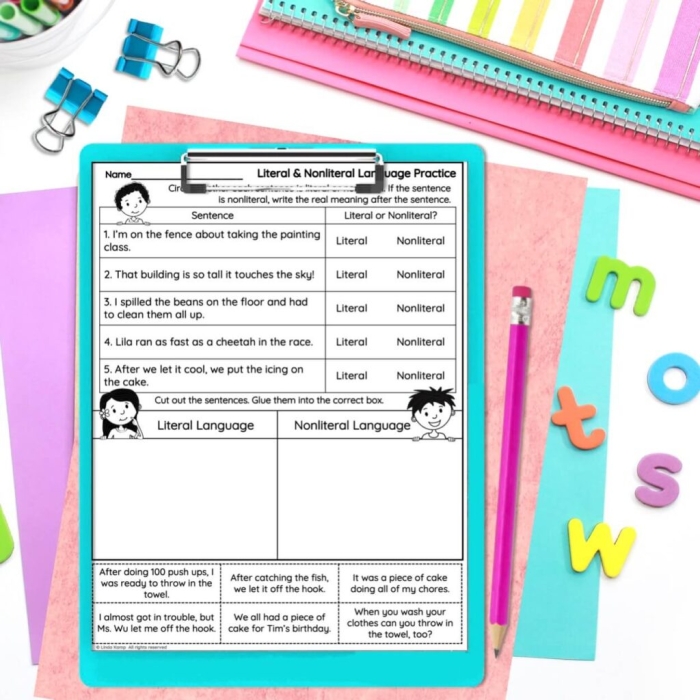
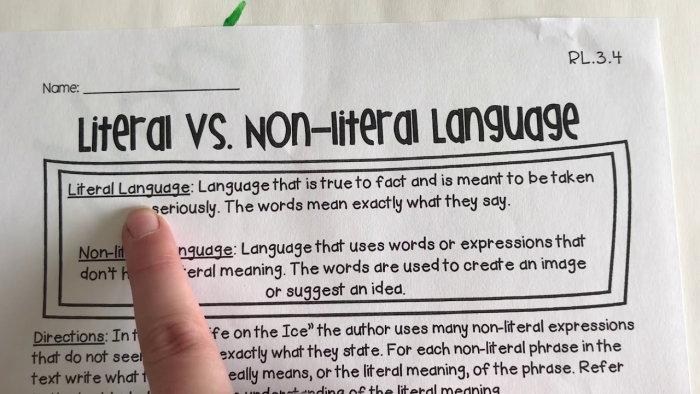
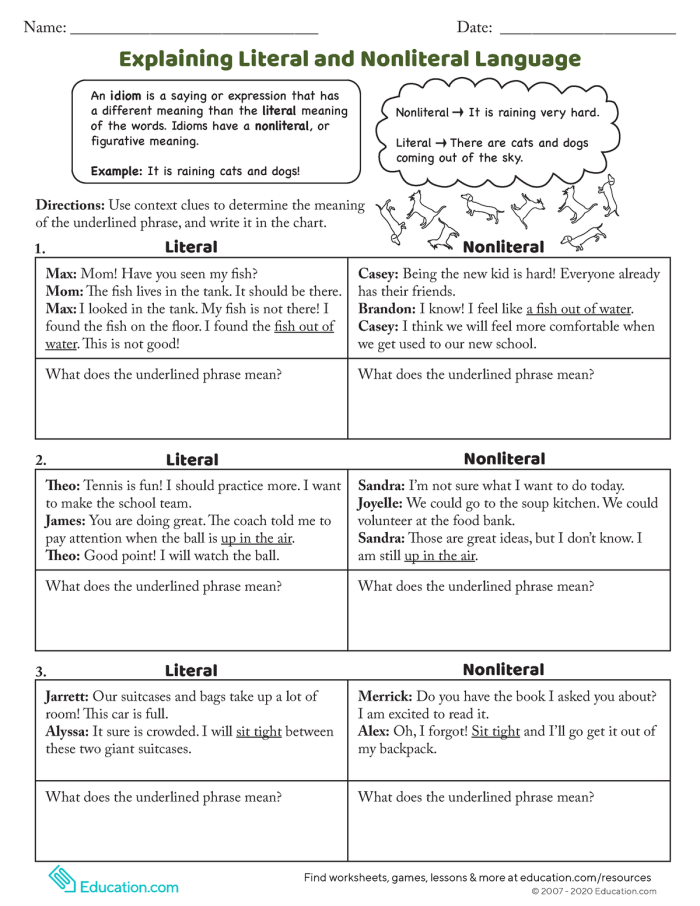
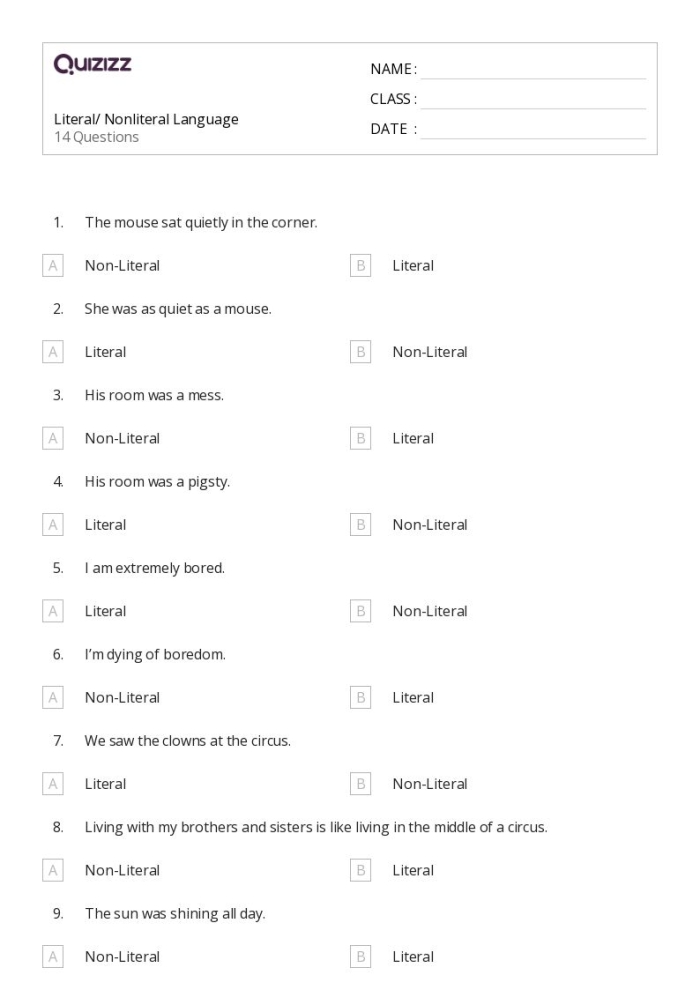
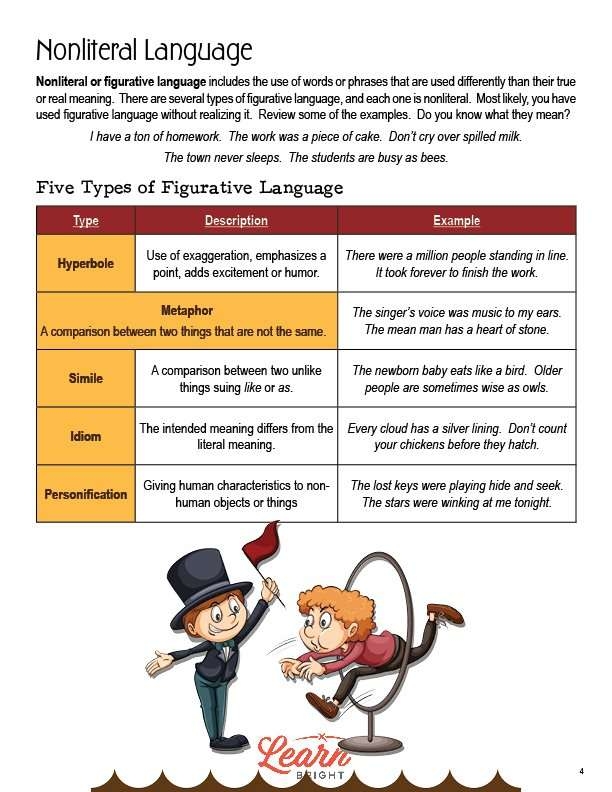
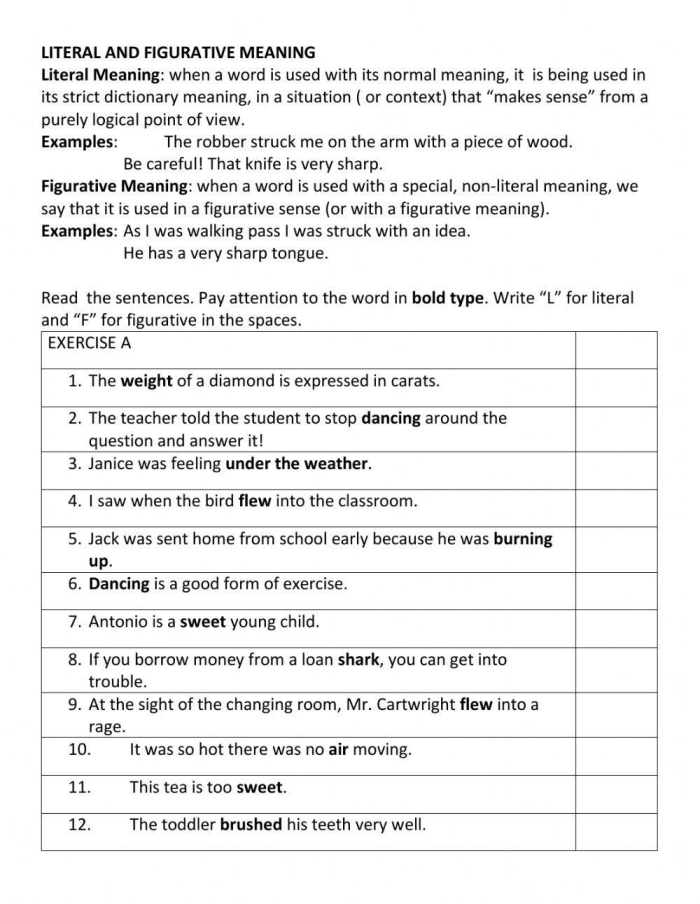
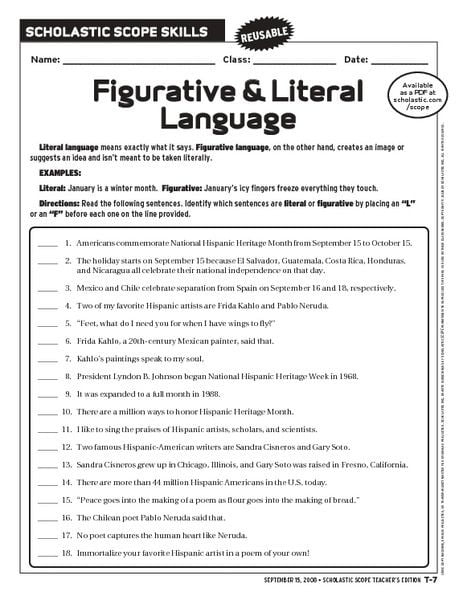
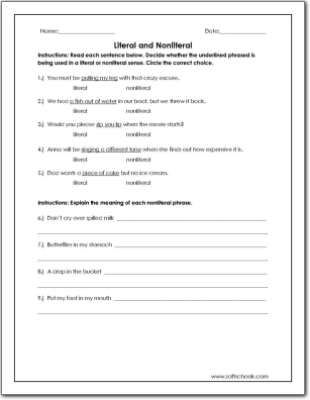
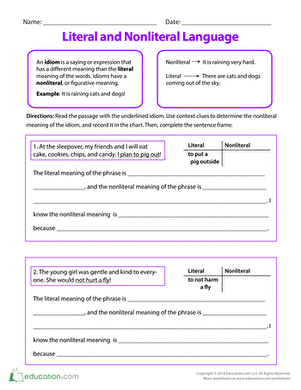
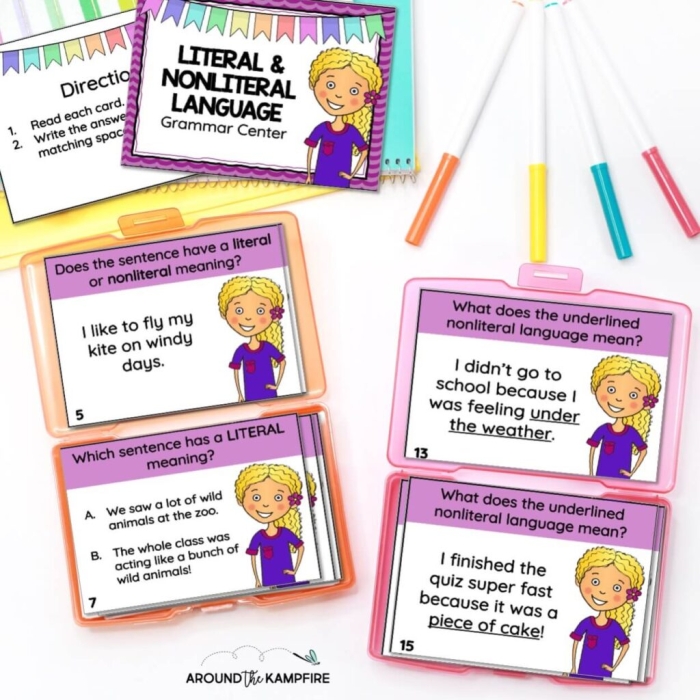
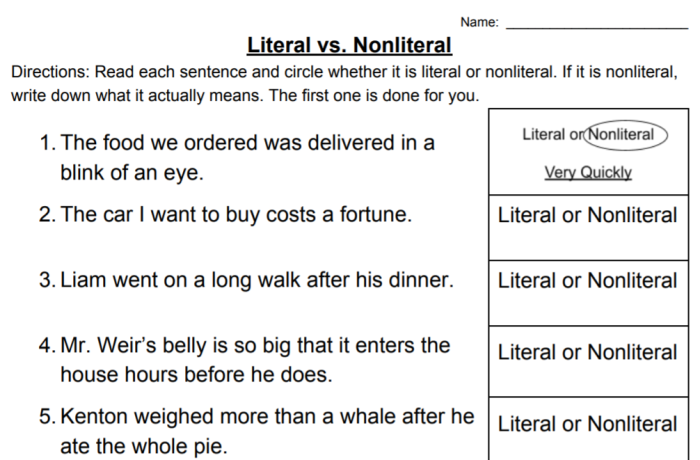
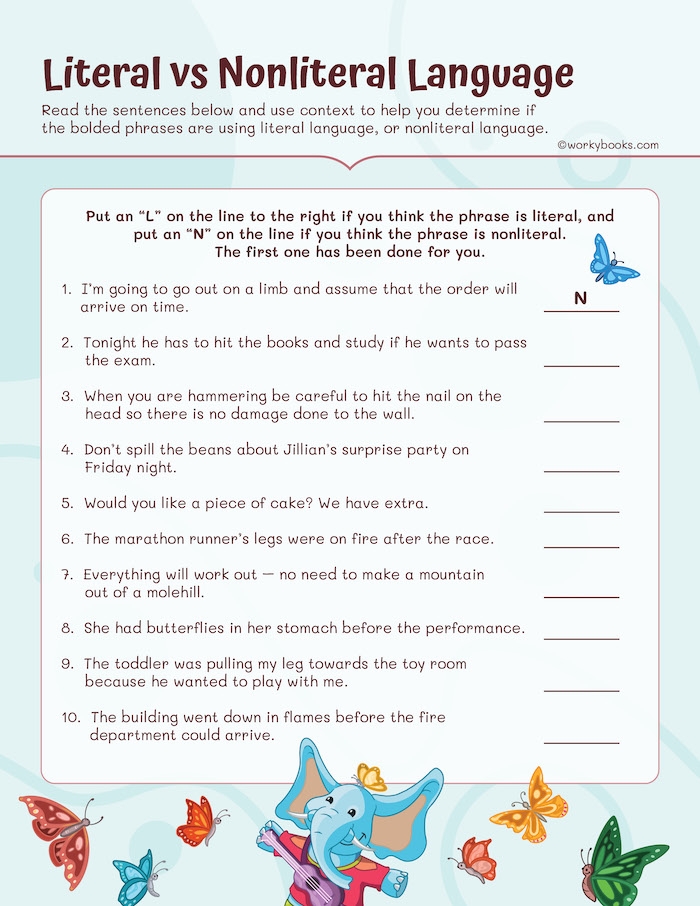
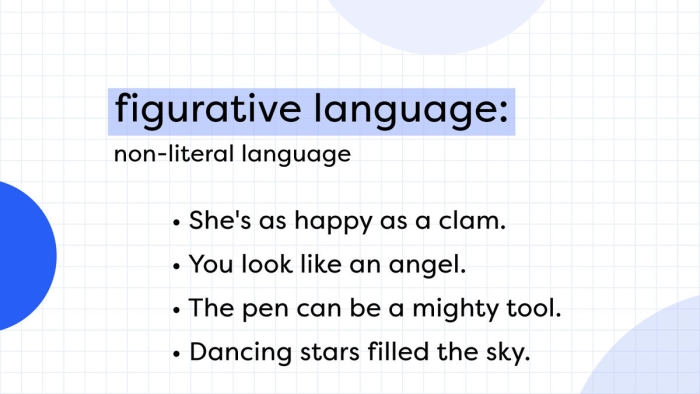
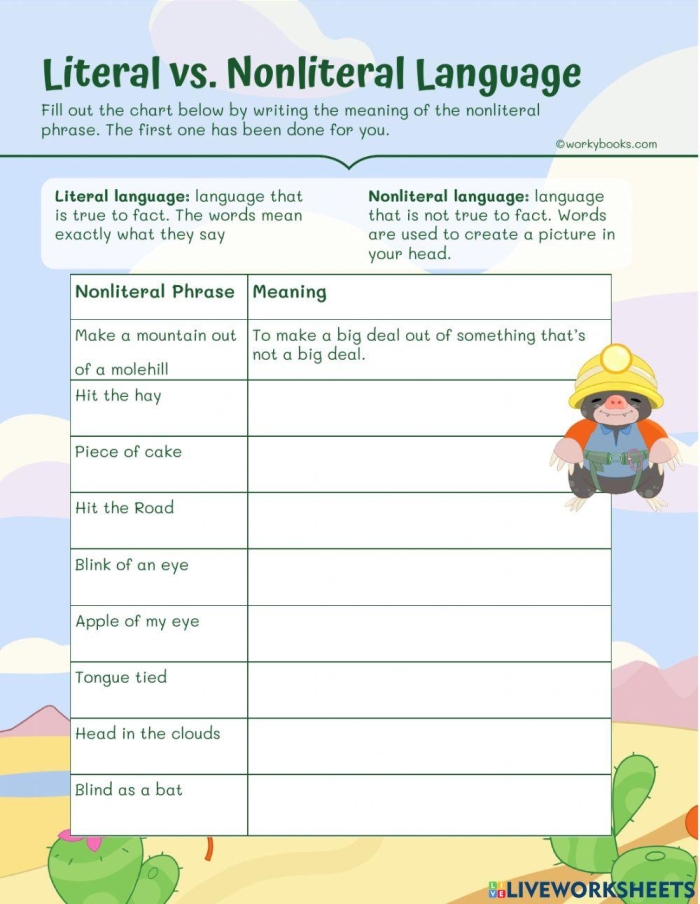
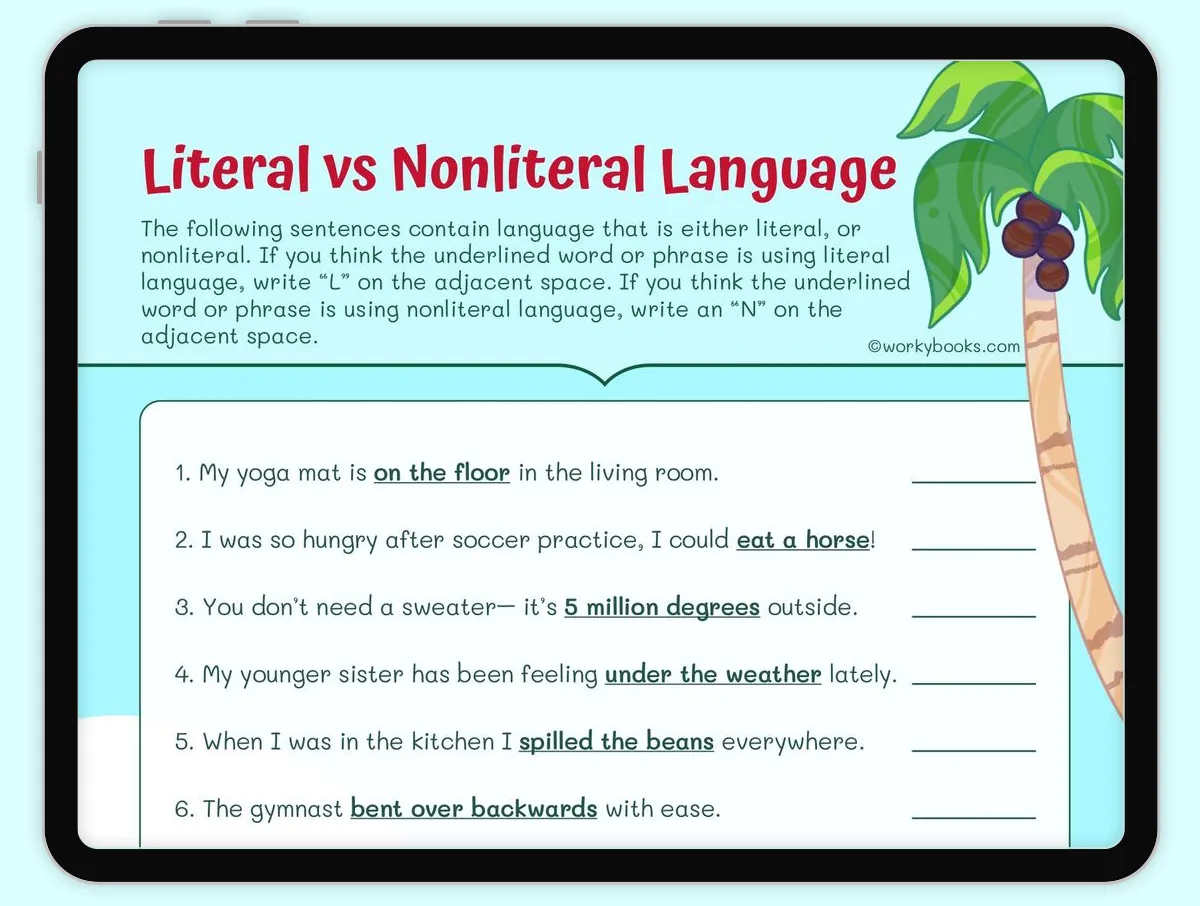
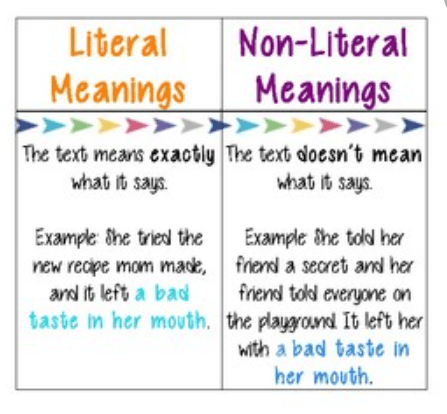
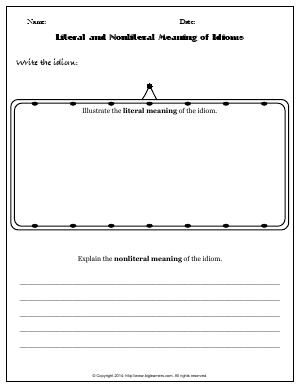
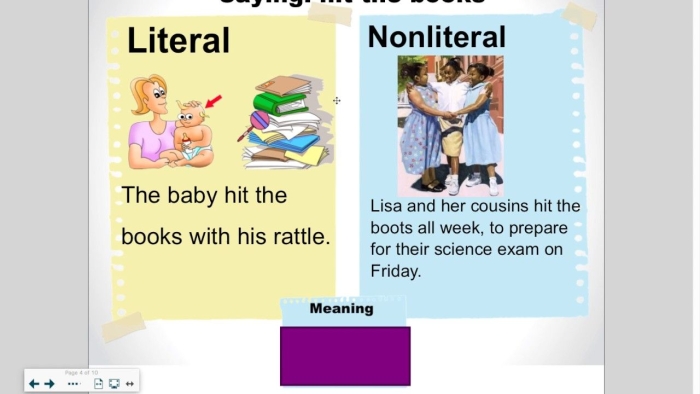
Understanding idioms is a vital part of mastering language, especially for third graders. Idioms often don’t make sense when taken literally, which can confuse young learners. That’s where a focused approach, like using context clues, becomes essential. In this two-page worksheet, students will engage with both literal and non-literal contexts of idioms, enhancing their comprehension skills.
Idioms such as “kick the bucket” or “break the ice” are common in everyday language, yet their meanings extend beyond the words themselves. By examining sentences where these phrases appear, learners can use context clues to infer their meanings. For example, if a student reads, “After he kicked the bucket, we all felt sad,” they can deduce that “kicked the bucket” refers to something other than a physical action. This practice not only builds vocabulary but also encourages critical thinking.
The benefits of using worksheets like this one are clear. They provide structured opportunities for practice in a fun way. When third graders tackle idioms, they learn to identify the emotions and situations tied to these phrases, which can aid in their overall language development. Moreover, recognizing idioms in various contexts helps students understand how language can shift meaning based on usage.
For educators looking for additional resources, worksheets that cover grammar and mechanics can complement idiom lessons. For instance, exploring perimeter in Let’s Go Around: Exploring Perimeter can enhance spatial understanding while improving language skills. Similarly, the worksheet on Making Predictions with Text Evidence can help students make educated guesses, a skill that intertwines with understanding idiomatic expressions.
By using context clues to decipher idioms, third graders will not only grasp the meanings of these expressions but also develop a deeper appreciation for the richness of language. Worksheets like these foster essential skills that will benefit learners far beyond the classroom.
Start Practicing with These Worksheets