Understanding the Spanish verb “ser” is crucial for anyone learning the language. This verb, which translates to “to be,” plays a vital role in forming sentences and conveying meaning. In many ways, it acts as a foundation for communication in Spanish. For fourth graders exploring their community and culture, mastering “ser” opens up a world of expression.
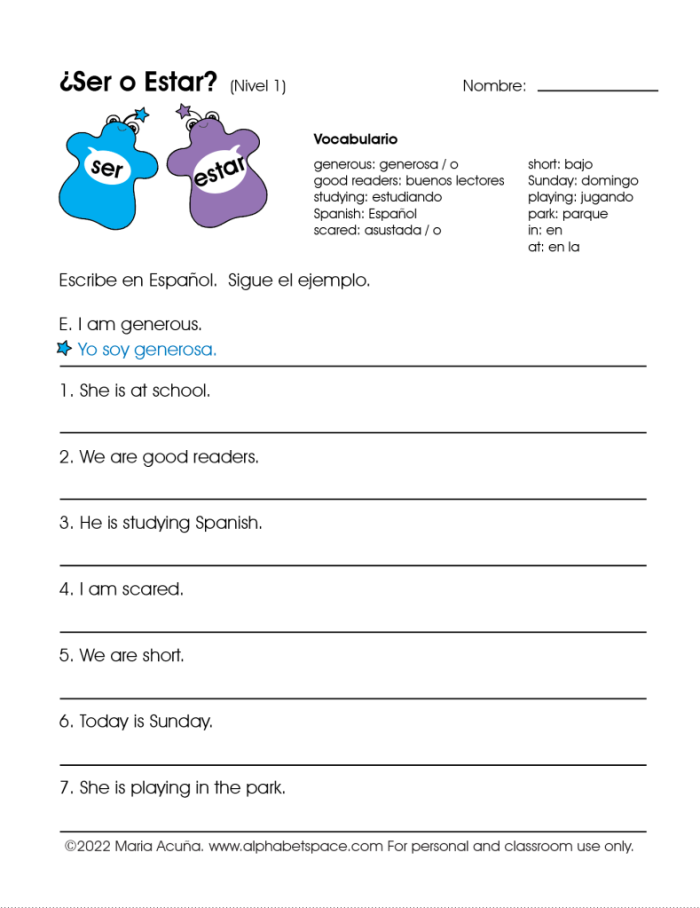
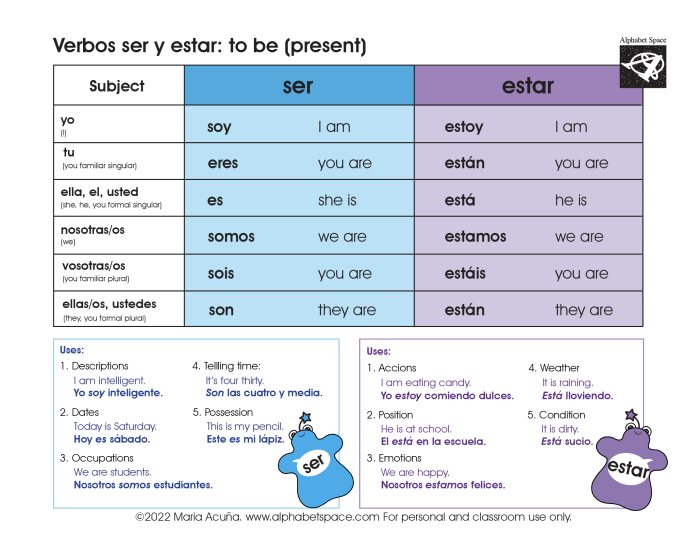
First, it’s essential to recognize that “ser” is used to describe inherent characteristics or qualities. For example, we say “Ella es alta” (She is tall) to express a permanent trait. This differs from “estar,” another verb that means “to be,” which is used for temporary states or locations. Understanding the distinction between these two verbs is fundamental in grasping the nuances of Spanish.
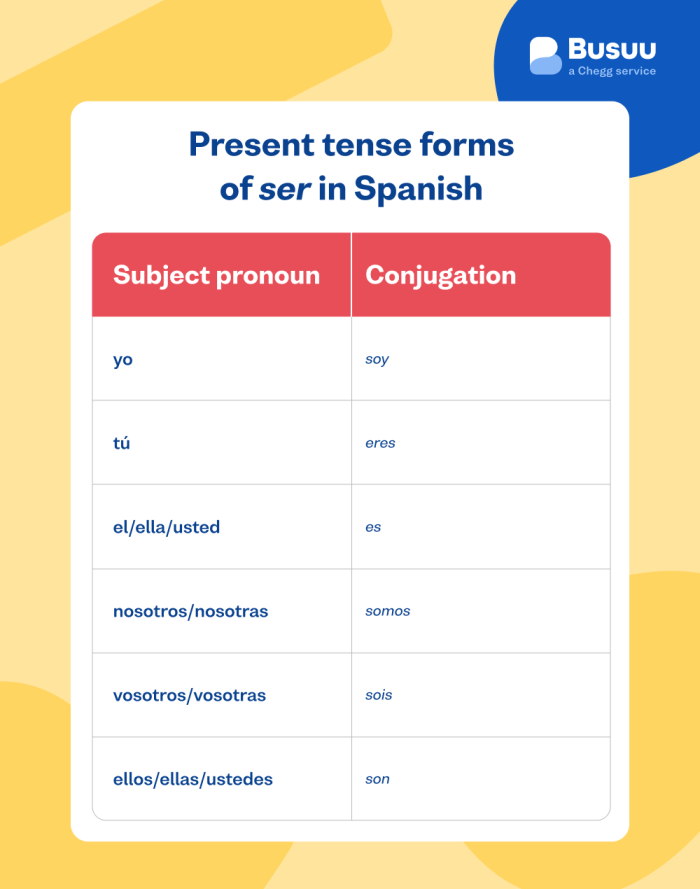
Consider how “ser” can help describe identity. Phrases like “Yo soy estudiante” (I am a student) or “Nosotros somos amigos” (We are friends) show how this verb is integral to stating who we are. In a classroom setting, students can create sentences about their own identities, making learning personal and engaging.
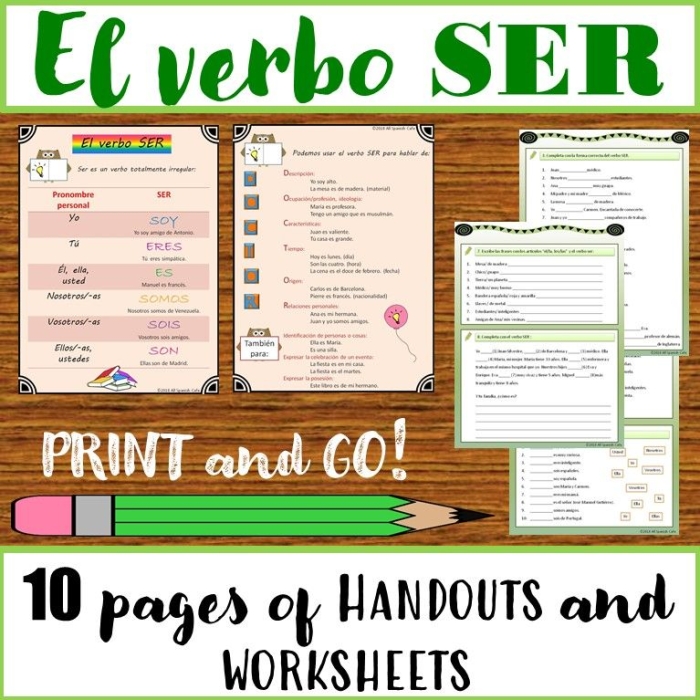
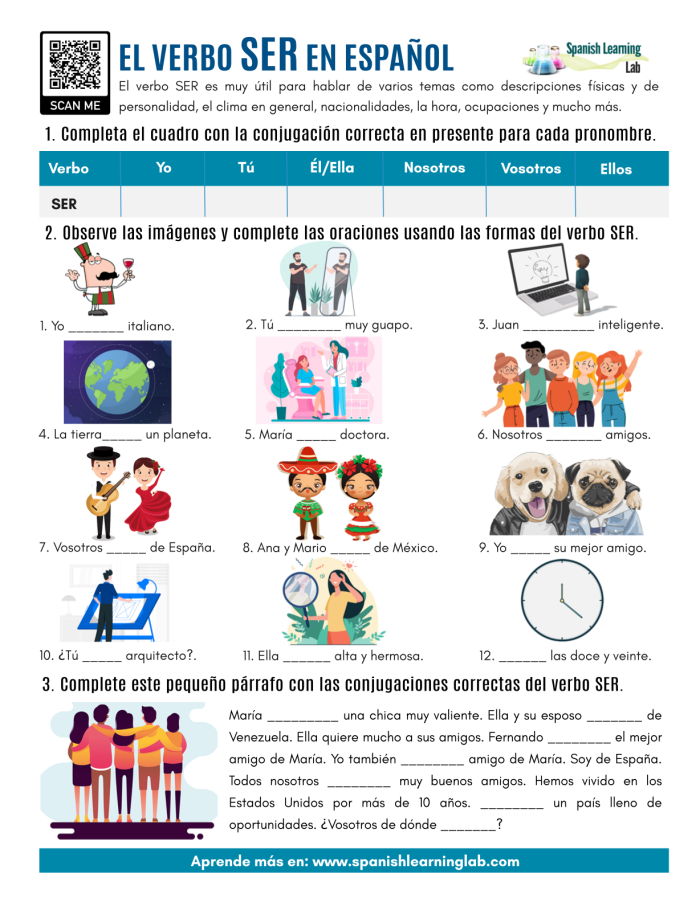
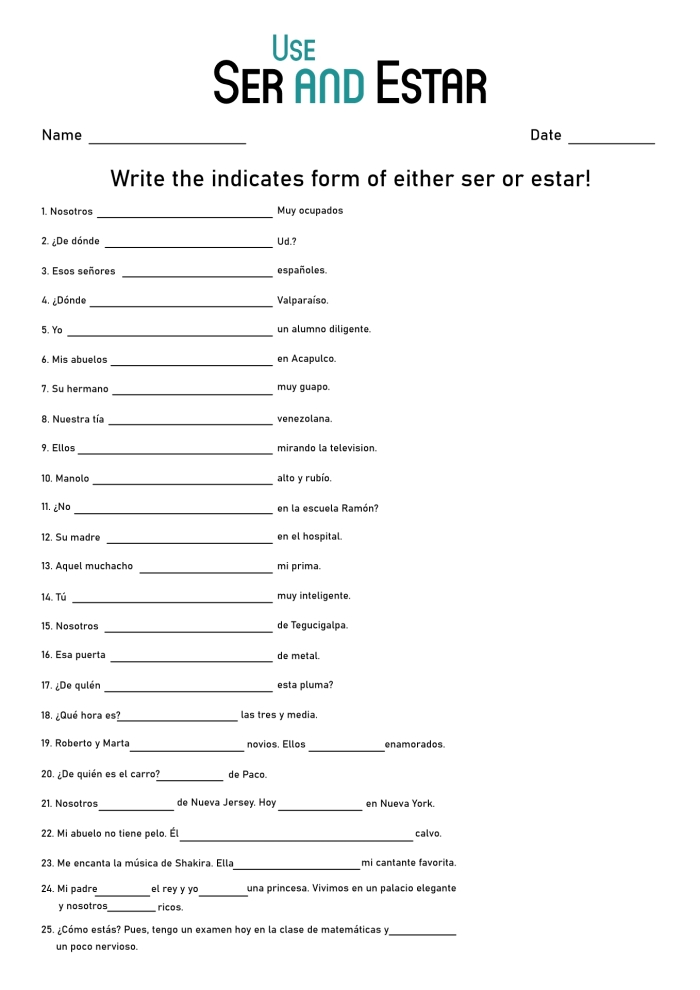
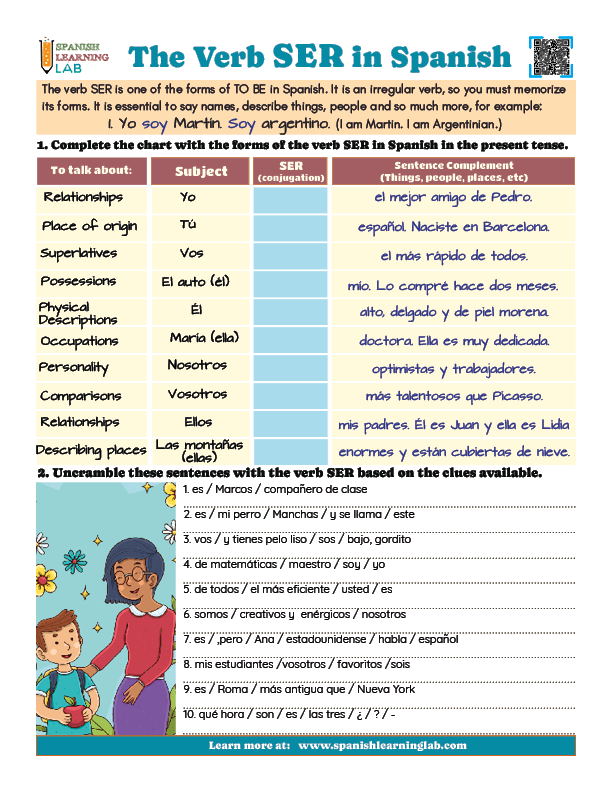
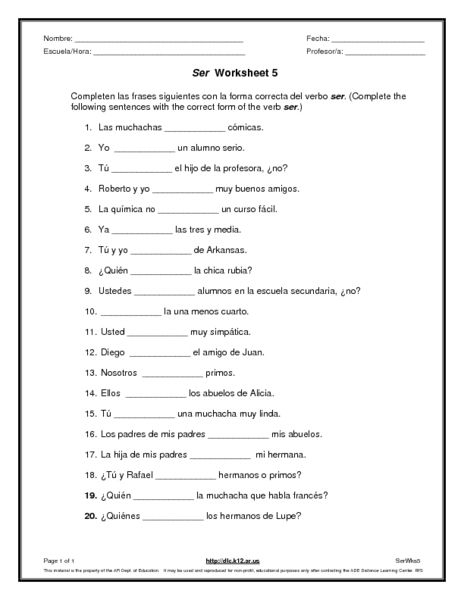
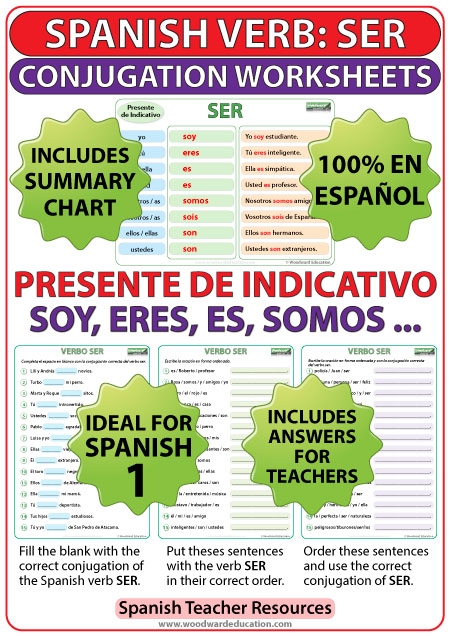
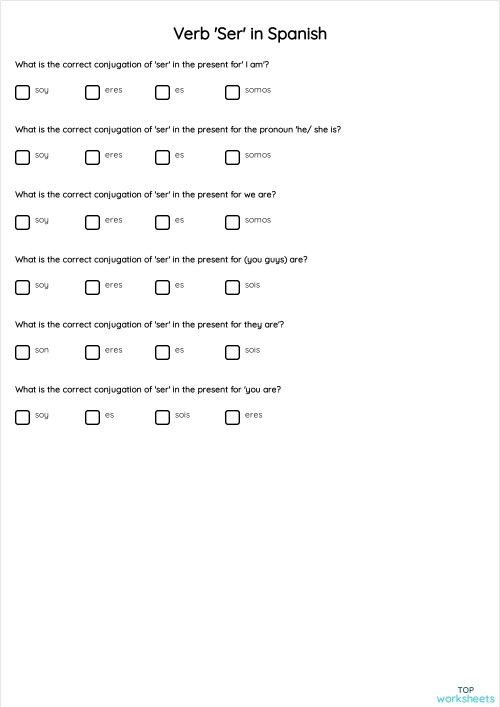
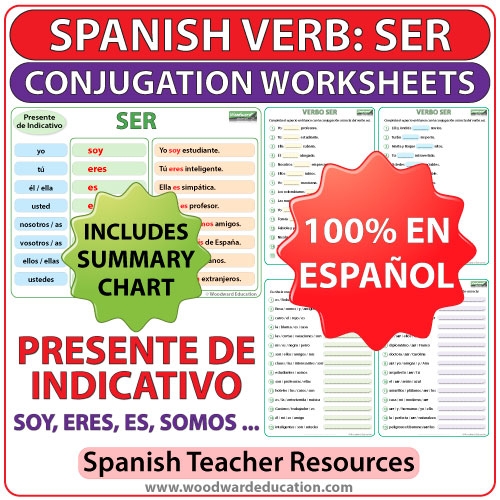
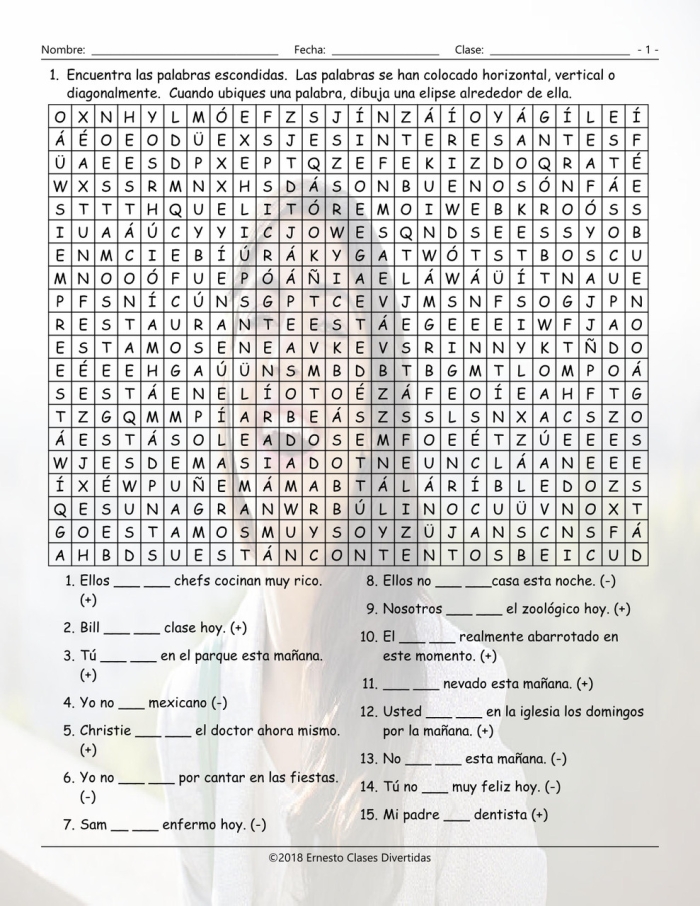
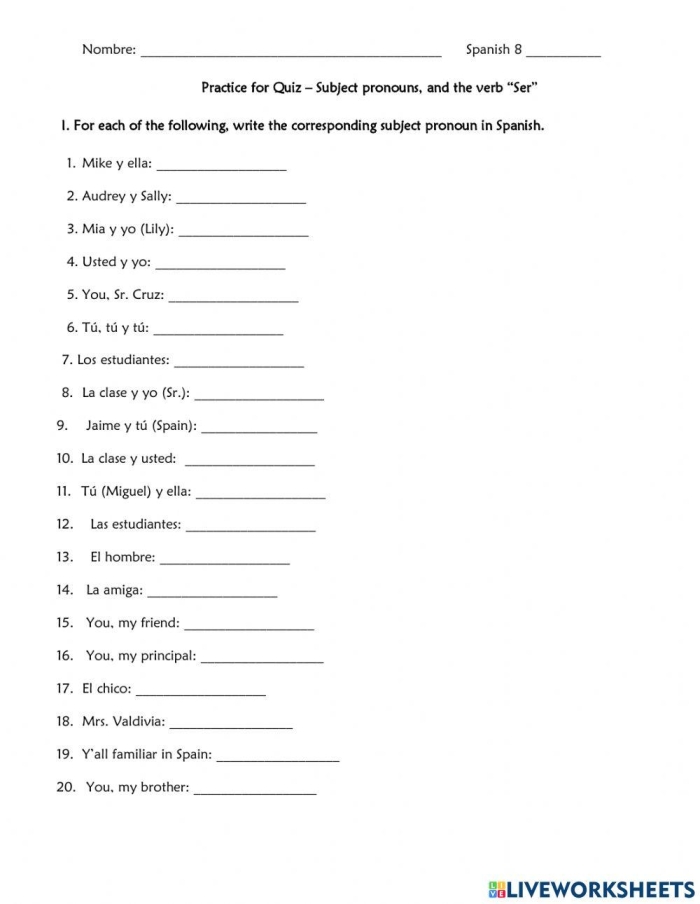
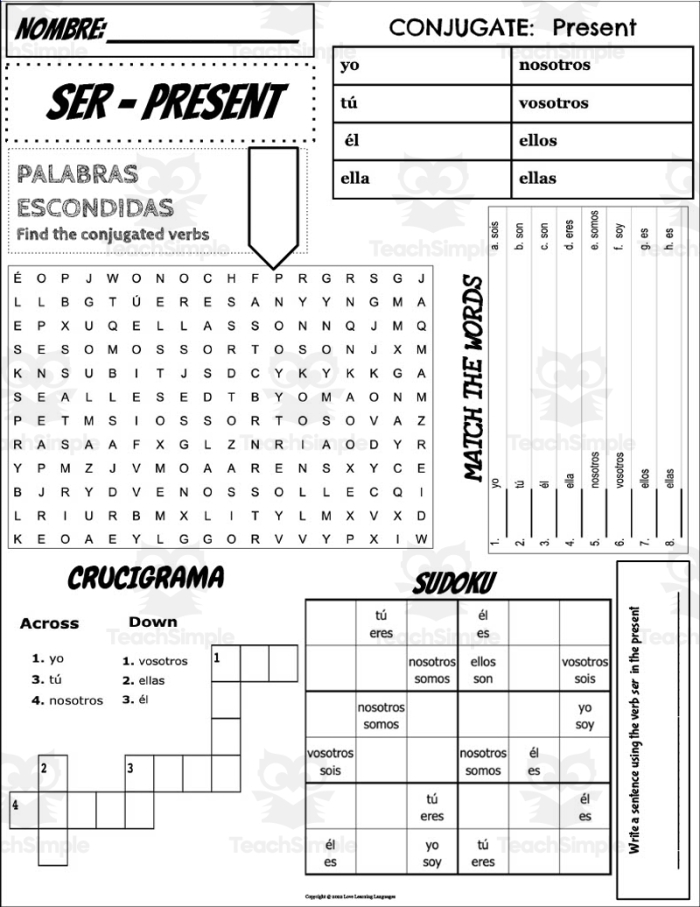
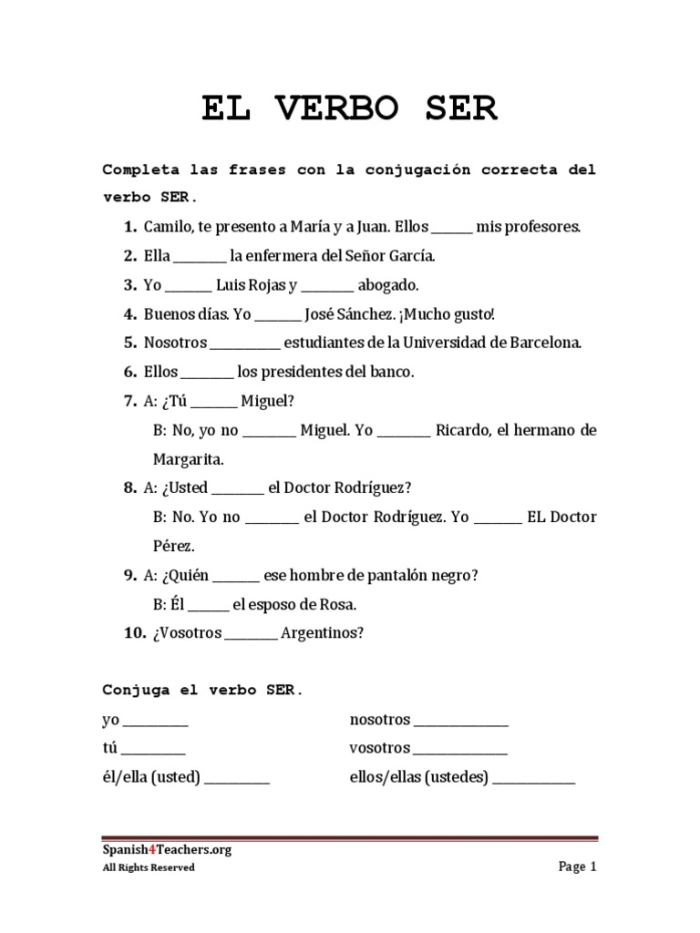
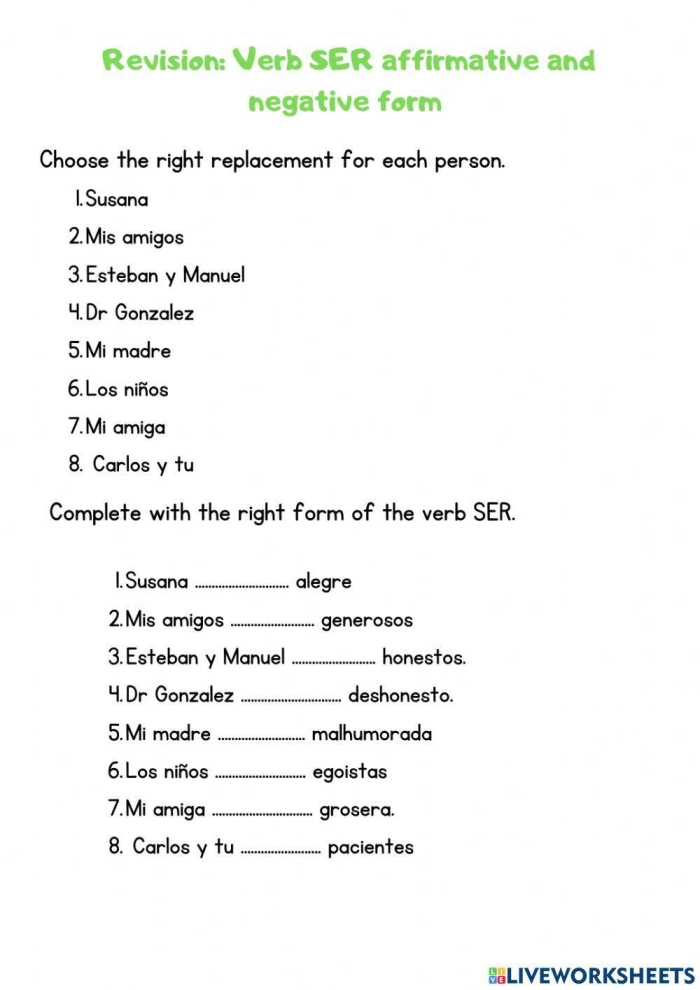
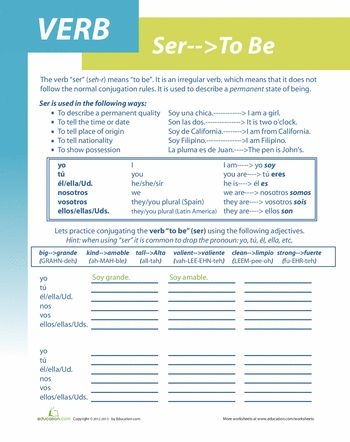
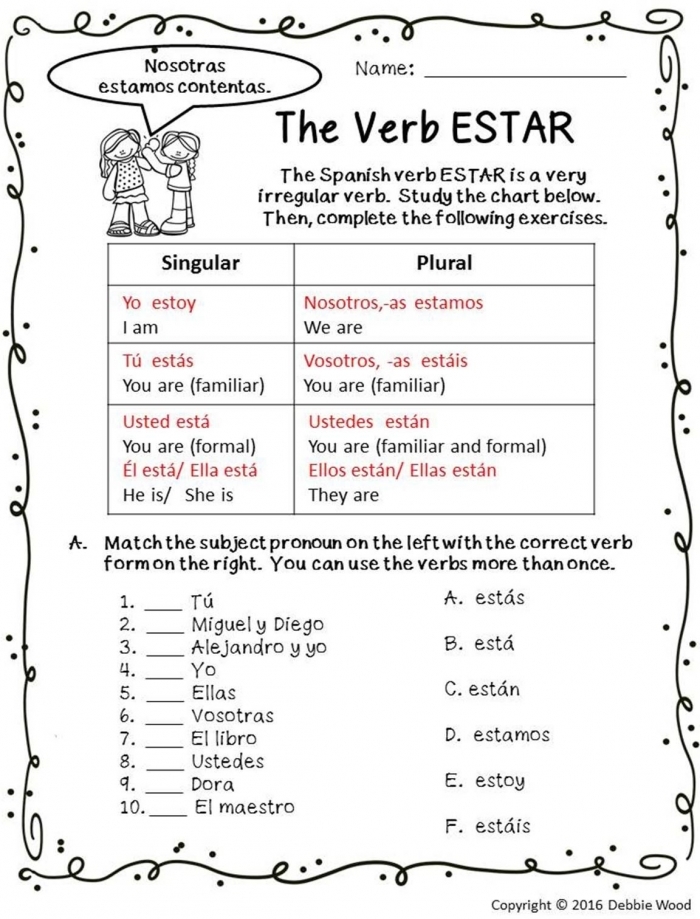
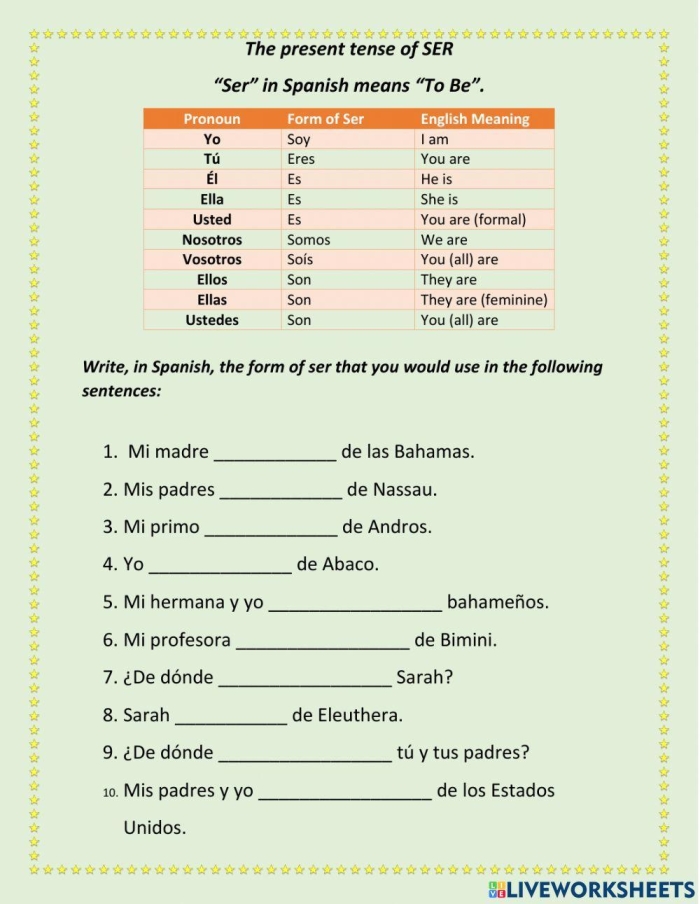
Moreover, learning “ser” in context is beneficial. Using printable resources, such as worksheets focused on the Spanish verb “ser”, can provide structured practice. These worksheets often include scenarios that reflect community and cultural aspects, enhancing understanding through relevant examples.
In summary, mastering “ser” is not just about memorizing a verb; it’s about gaining the tools to express oneself in Spanish. For fourth graders, this understanding fosters a deeper connection to their community and culture, paving the way for more advanced language skills. Utilizing engaging resources can make this learning journey both effective and enjoyable.
Grab These Worksheets Now