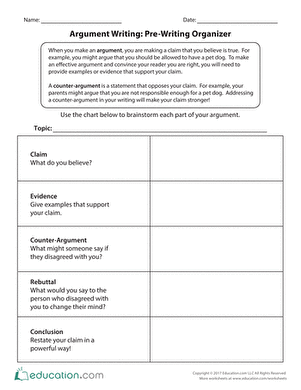
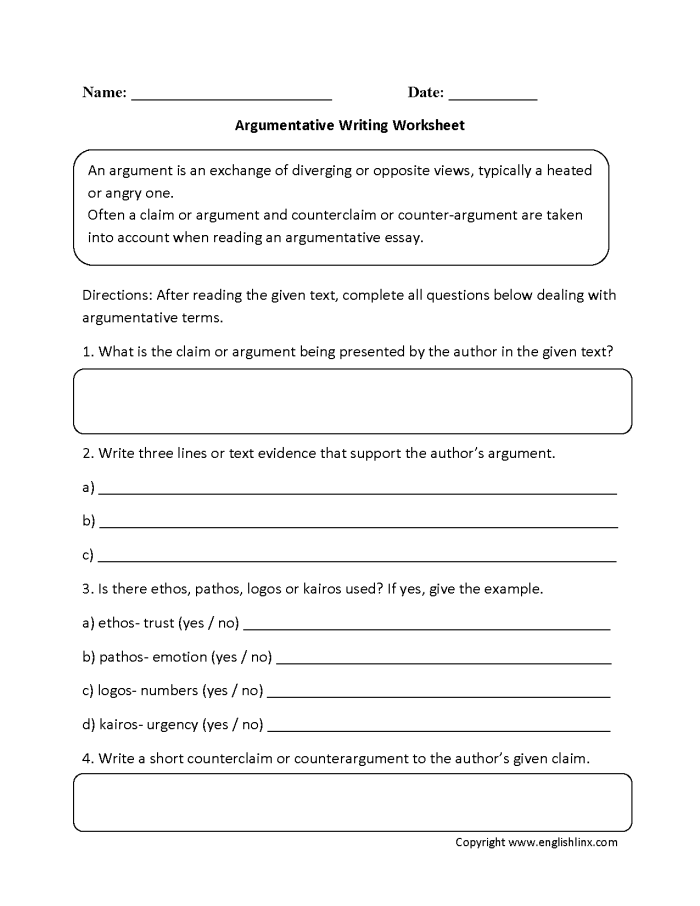
Crafting a strong argument is essential, especially for fourth graders exploring the basics of argumentative writing in geometry. This pre-writing exercise introduces five key parts of a compelling argument, ensuring students not only present their ideas but also consider opposing views. Understanding these components can significantly improve their writing skills.
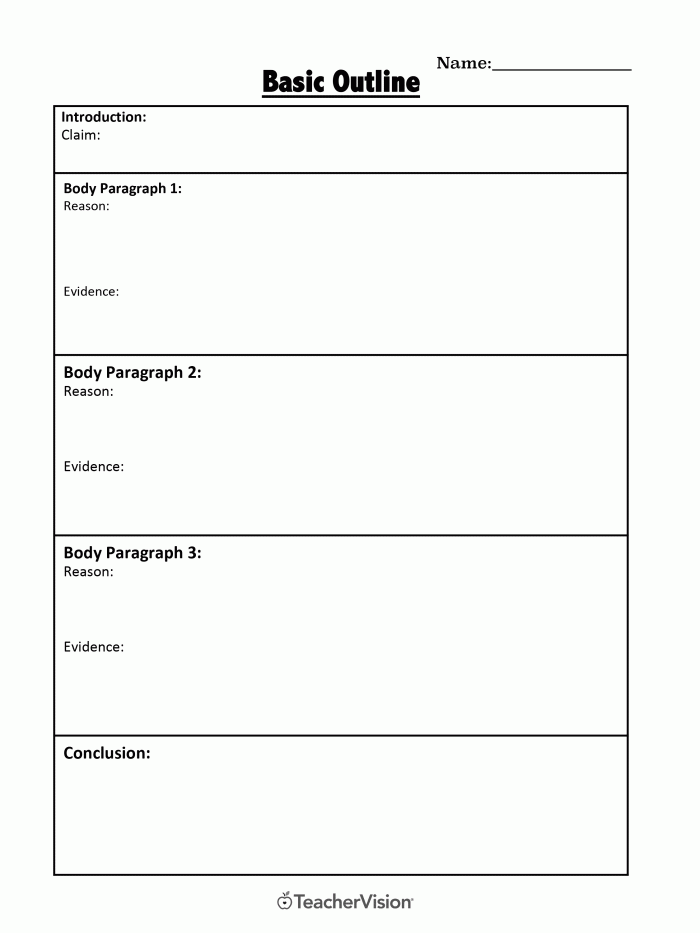
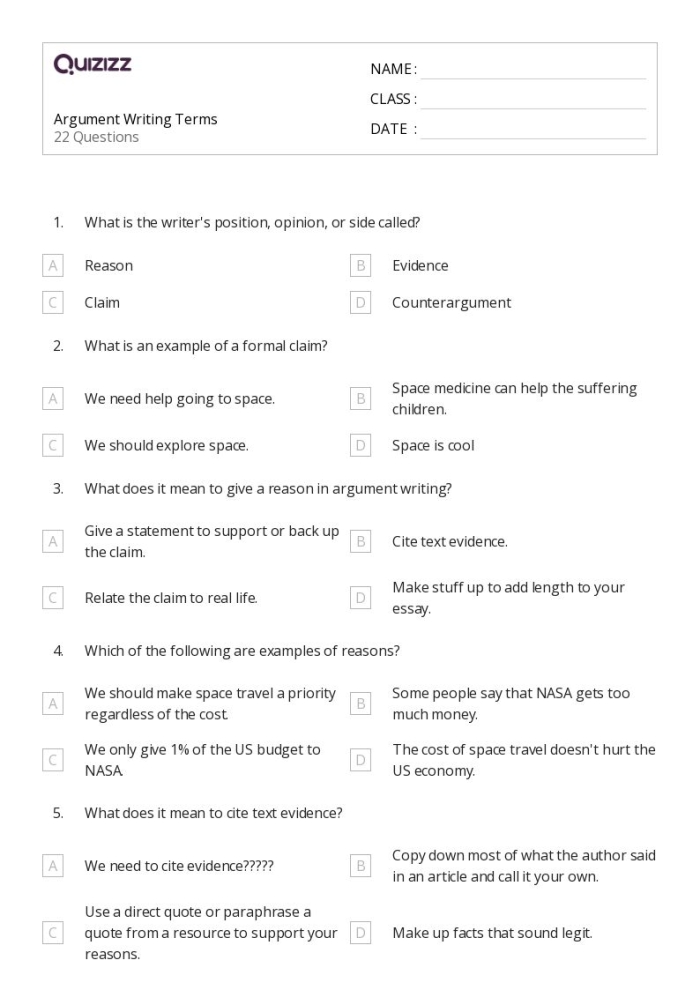
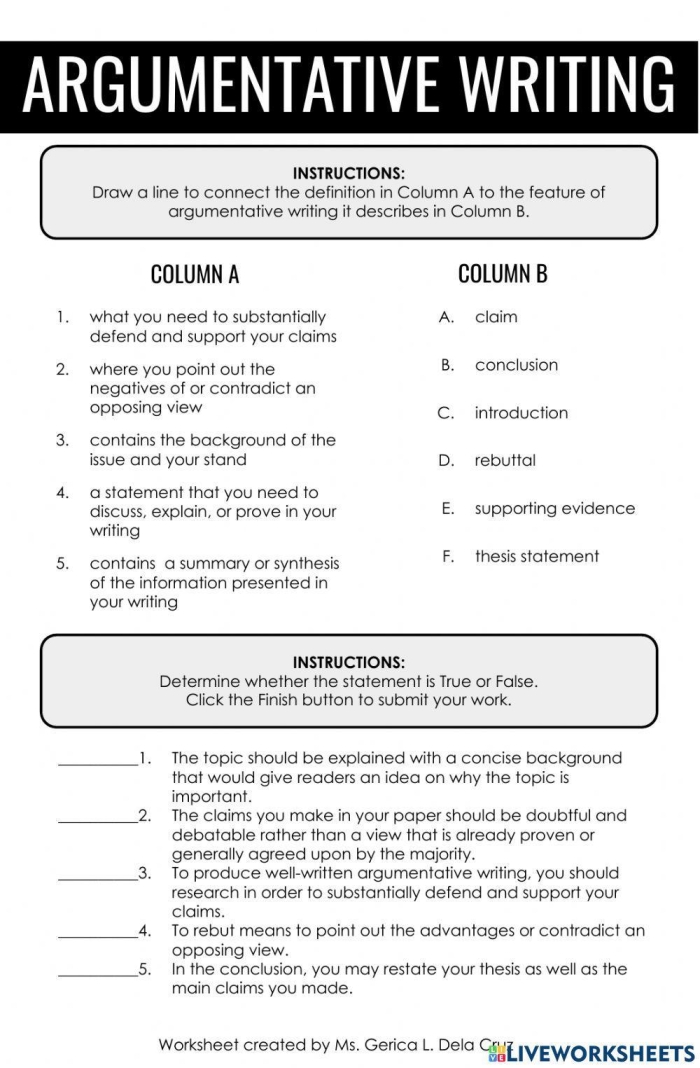
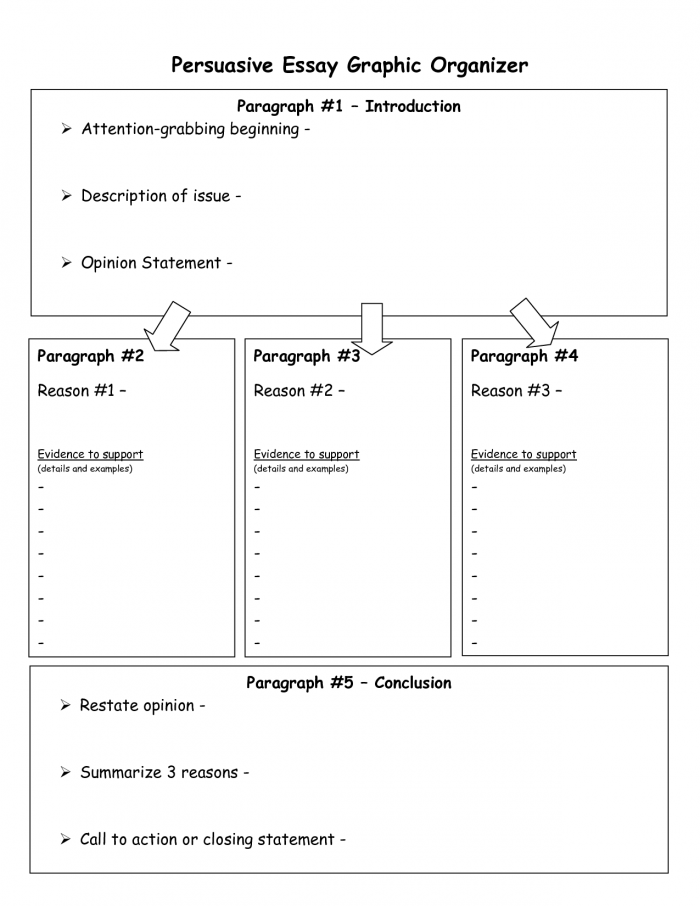
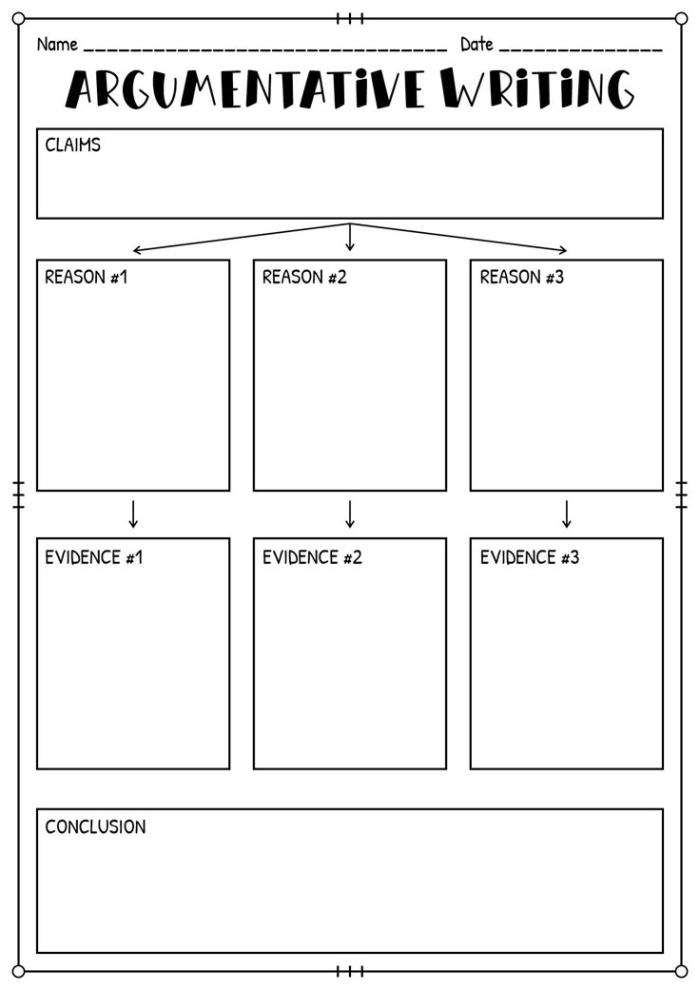
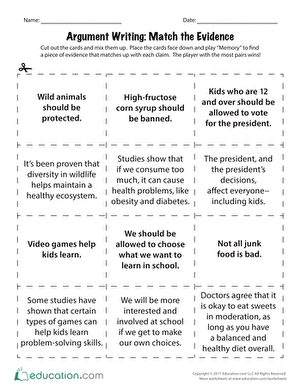
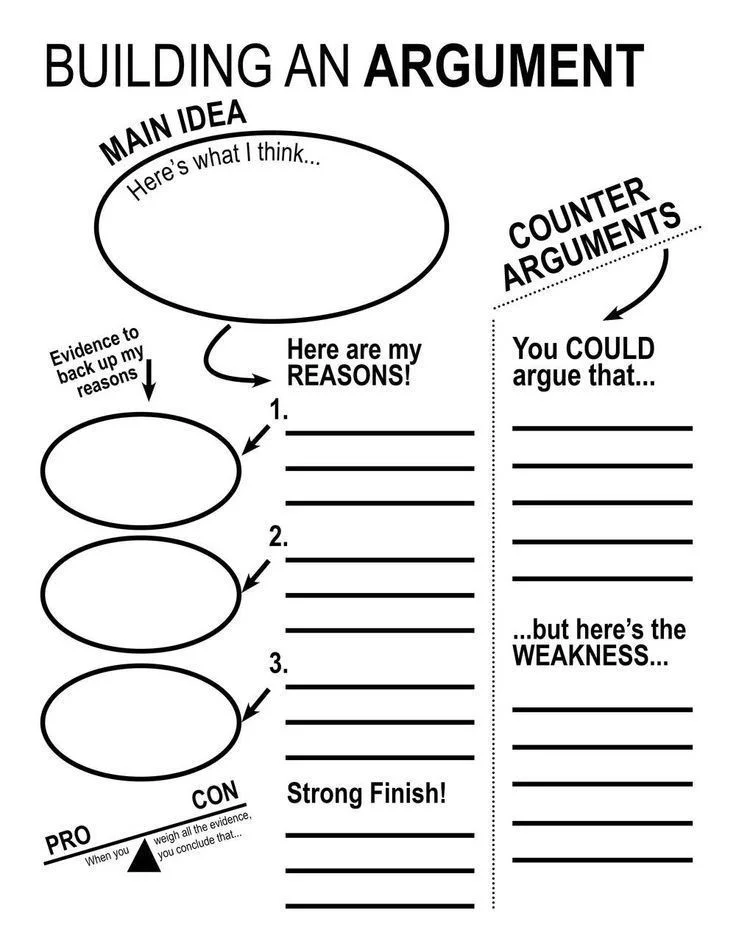
The first part is the claim, where the writer states their main idea. For example, a student might argue that using geometric shapes in art can help understand their properties better. Next comes the evidence section, where facts and examples support the claim. This could include references to well-known artists who use geometric shapes, such as Piet Mondrian, to create visually appealing art.
Another crucial element is the reasoning that connects the evidence to the claim. A student might explain how shapes like triangles and squares can create balance and harmony in artwork. This connection reinforces the argument, making it more persuasive.
Then, we have the counter-argument, which acknowledges opposing viewpoints. It’s vital for students to recognize that not everyone may agree with their claim. For instance, some might argue that art doesn’t need to adhere to geometric principles at all. Addressing this counter-argument shows a deeper understanding of the topic and strengthens the overall argument.
Finally, there’s the conclusion, where students summarize their main points and restate their claim. This part reinforces their stance and leaves a lasting impression on the reader. By mastering these five parts, students will effectively communicate their thoughts, making their writing more compelling.
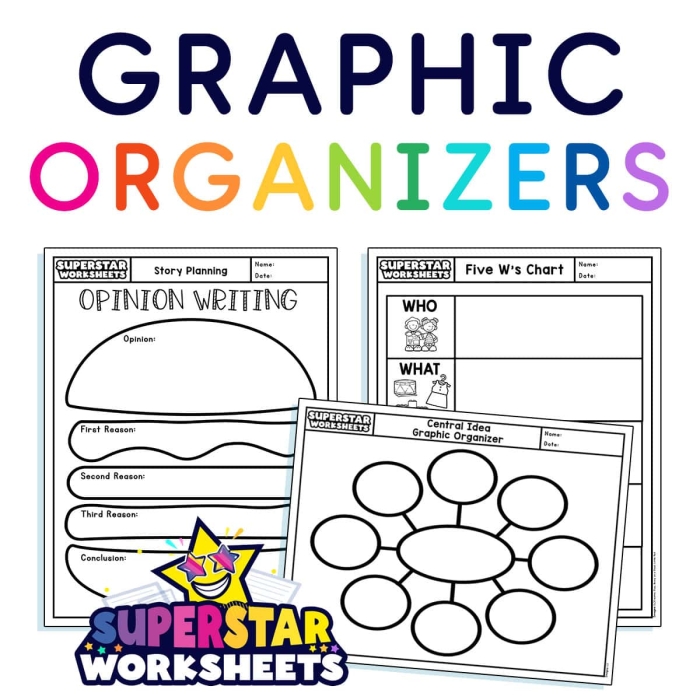
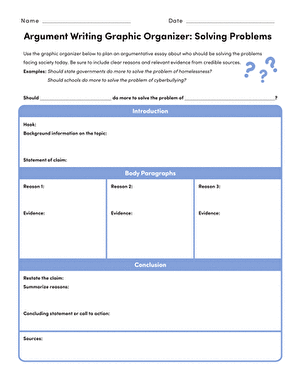
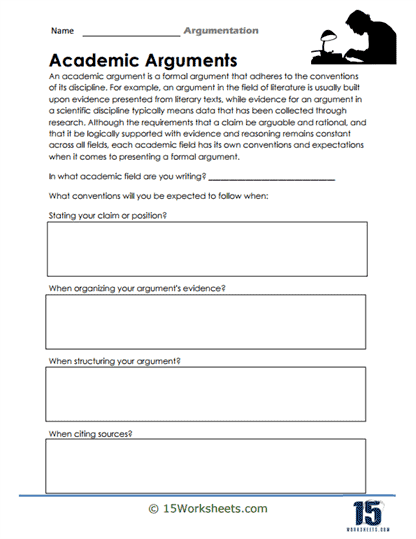
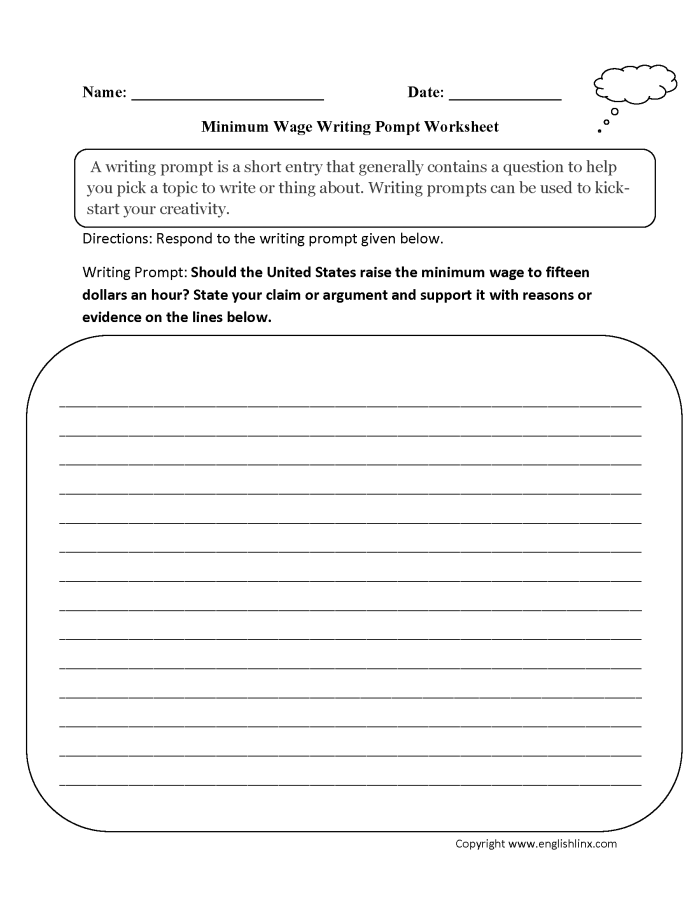
For additional resources, consider exploring printable worksheets that assist in mastering these concepts, such as the Research Graphic Organizer or worksheets focused on topics like Nouns in Spanish. These tools can provide valuable practice in argument writing and other essential skills.
Grab These Worksheets Now