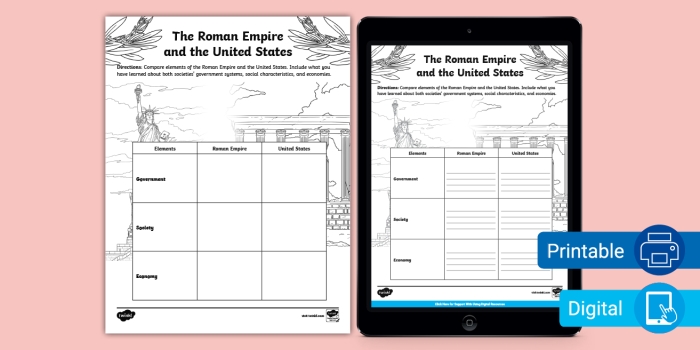
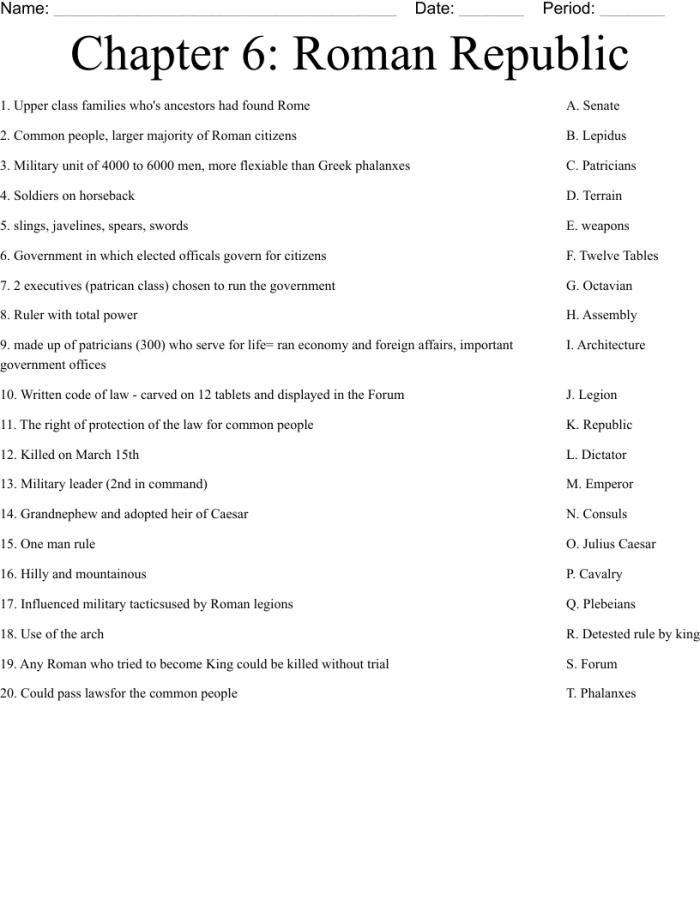
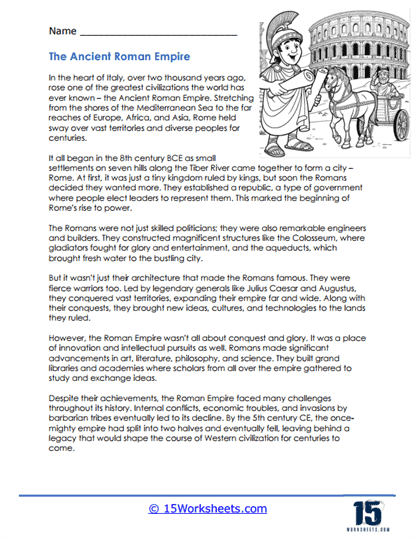
Exploring the ancient Roman Republic alongside the modern United States provides a fascinating lens to understand governance and civic responsibility. Both systems, while separated by centuries and cultural contexts, share notable similarities and stark differences that are worth examining.
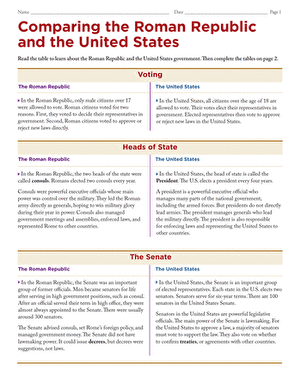
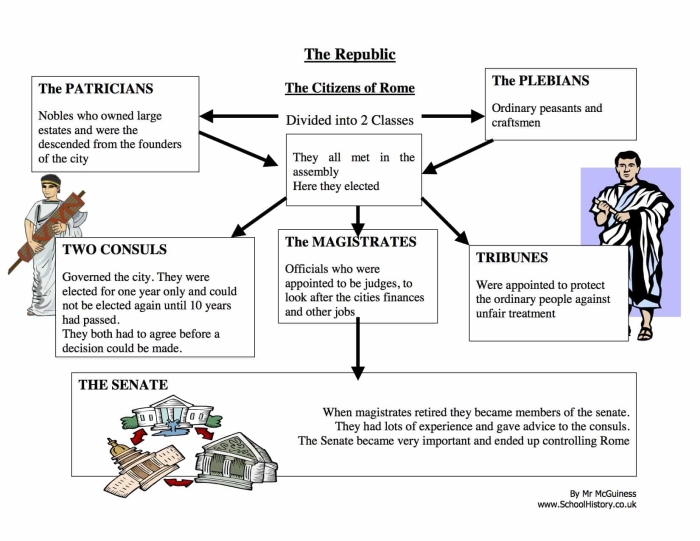
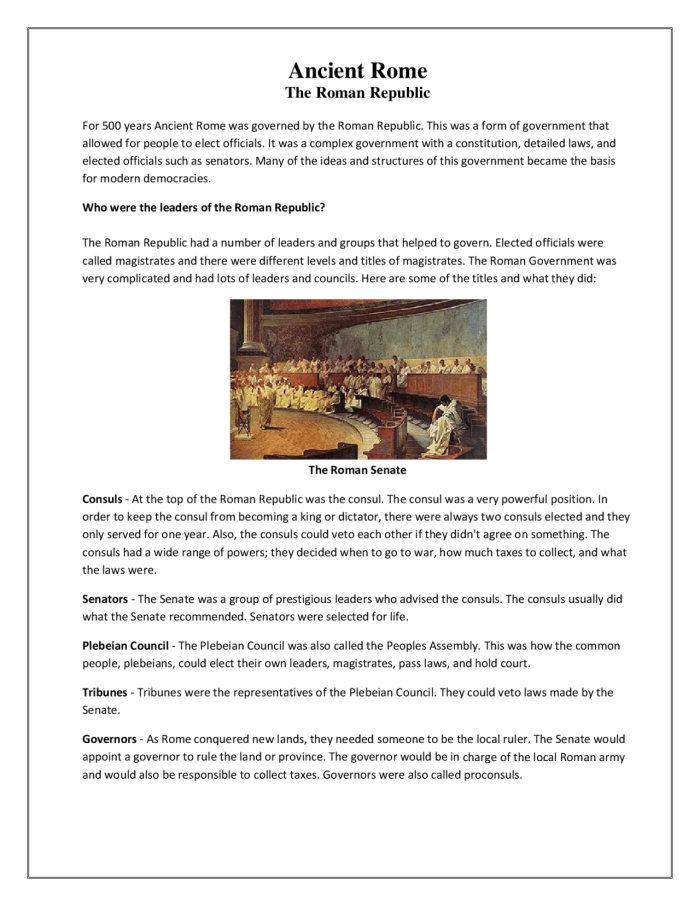
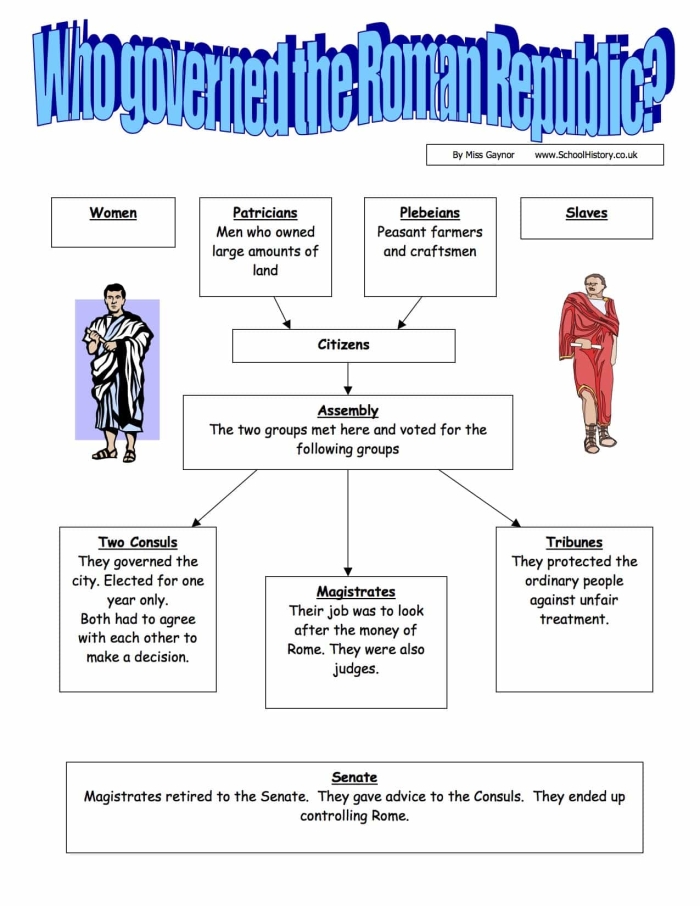
One of the most significant similarities is the emphasis on representative government. In the Roman Republic, citizens elected officials to represent their interests, much like in the United States. The Romans had a complex system of assemblies and a Senate, where elected representatives would debate laws and policies. Similarly, the U.S. Congress comprises elected officials who create and pass legislation. This foundational principle of representation is crucial in both systems, allowing citizens to have a voice in their government.
However, the differences are equally compelling. The Roman Republic operated within a framework where only free male citizens could vote, excluding women and slaves from participation. In contrast, the United States has expanded voting rights to include all citizens, regardless of gender or race, highlighting a significant evolution in democratic principles. The inclusion of women and minorities in the electoral process marks a progressive shift in the understanding of citizenship and rights.
Another noteworthy difference lies in the political structure. The Roman Republic had a system of checks and balances, but it was often undermined by the concentration of power in the hands of a few, particularly during times of crisis. The United States, on the other hand, has a more robust system designed to prevent any one branch of government from becoming too powerful. This structure is essential for maintaining democratic integrity and promoting accountability.
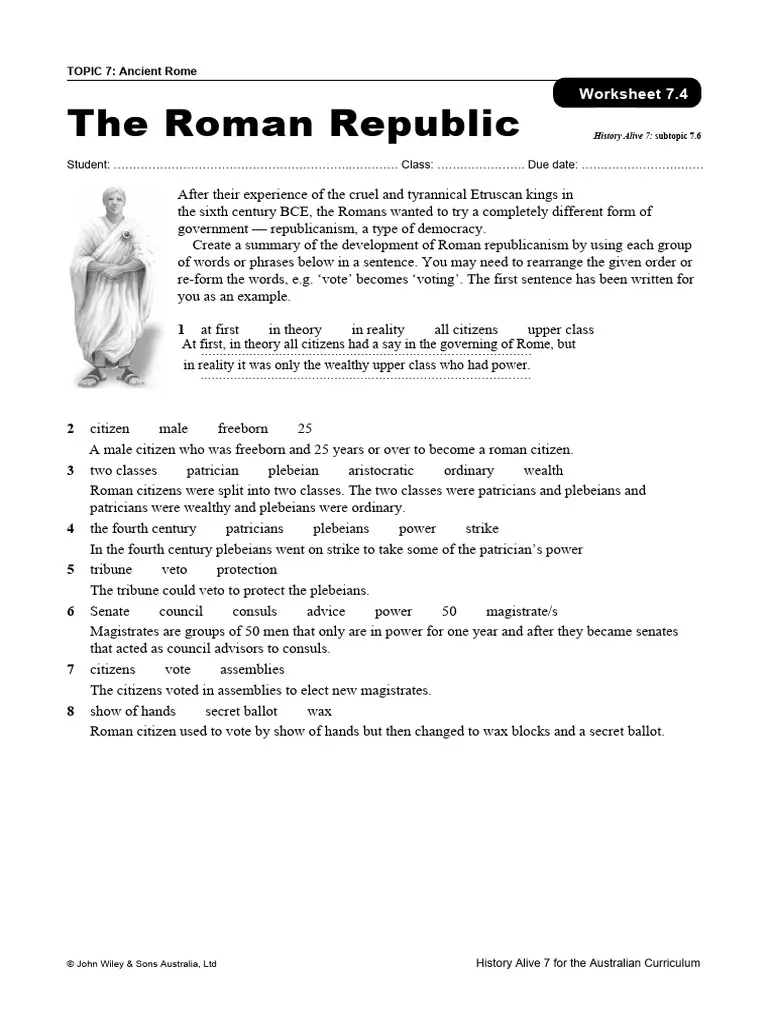
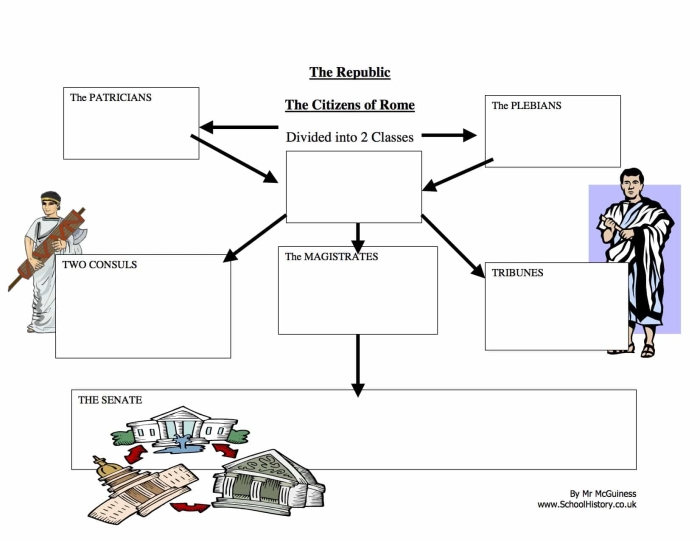
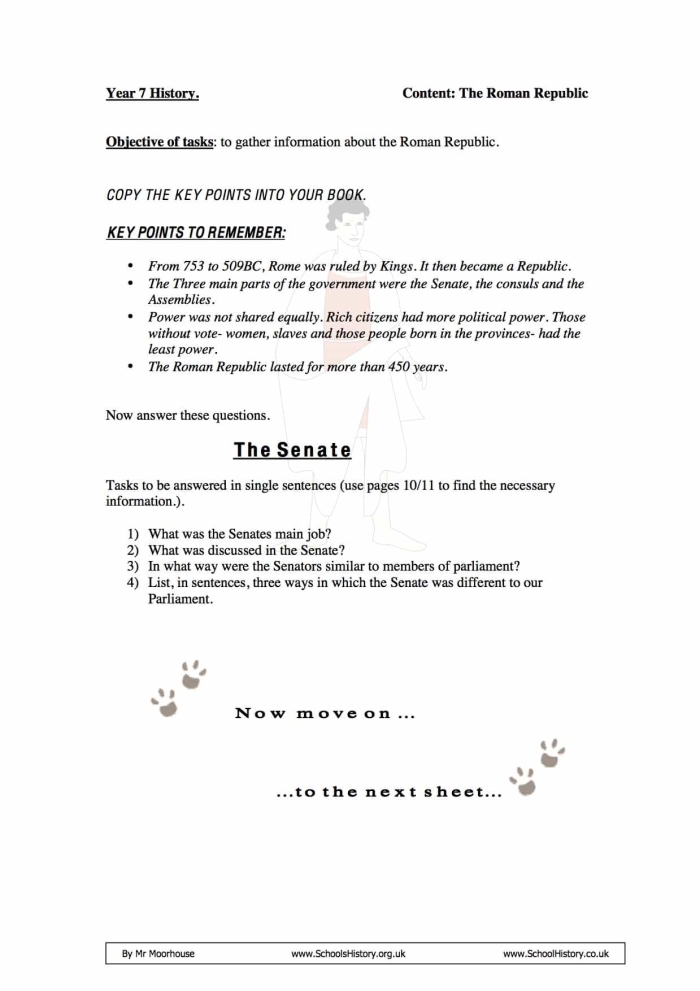
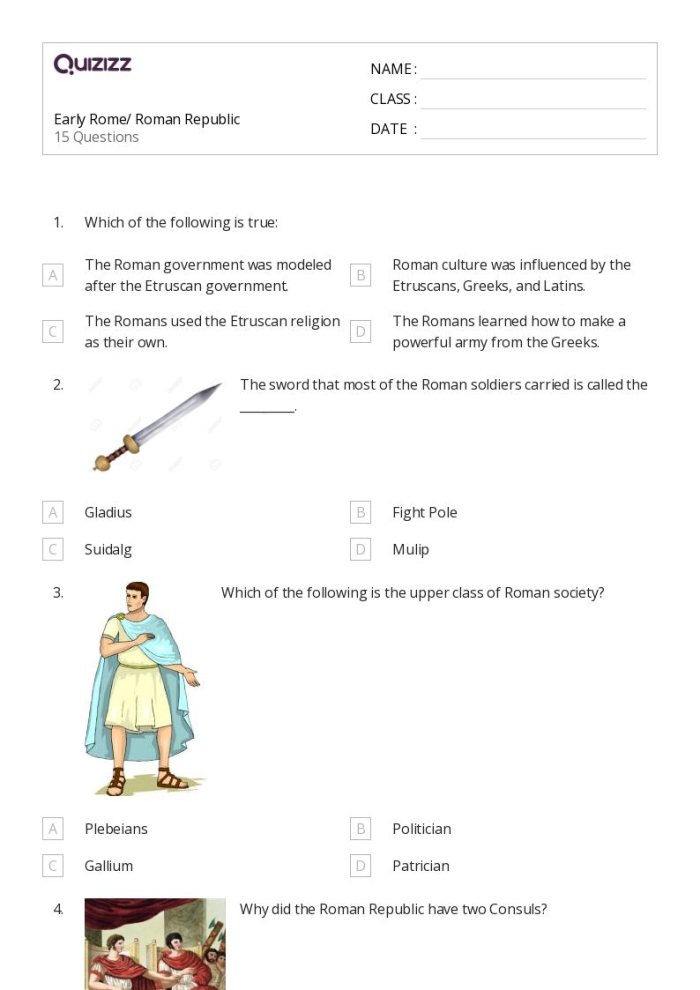
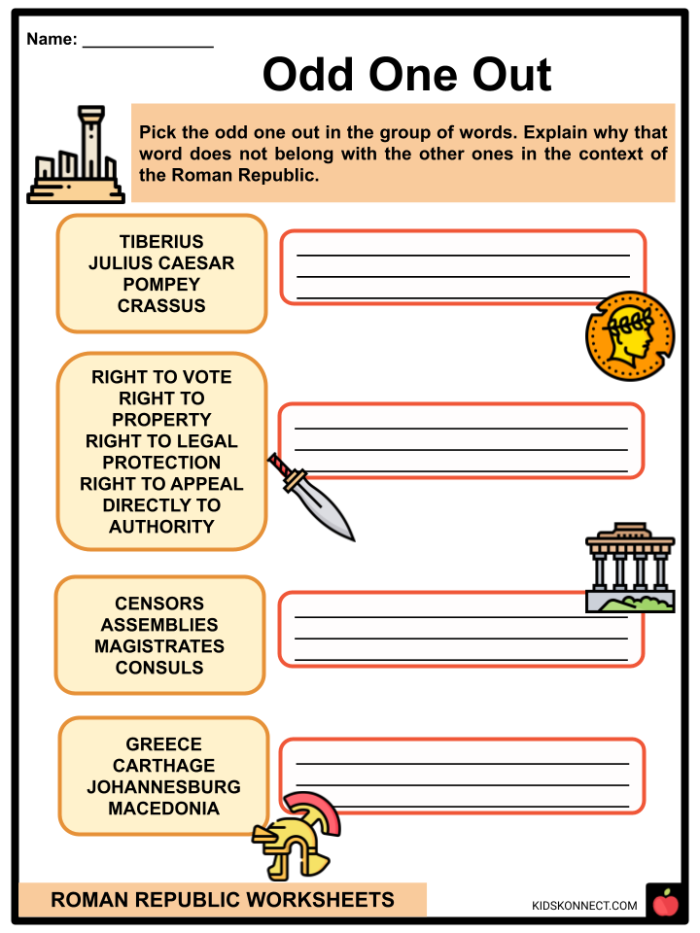
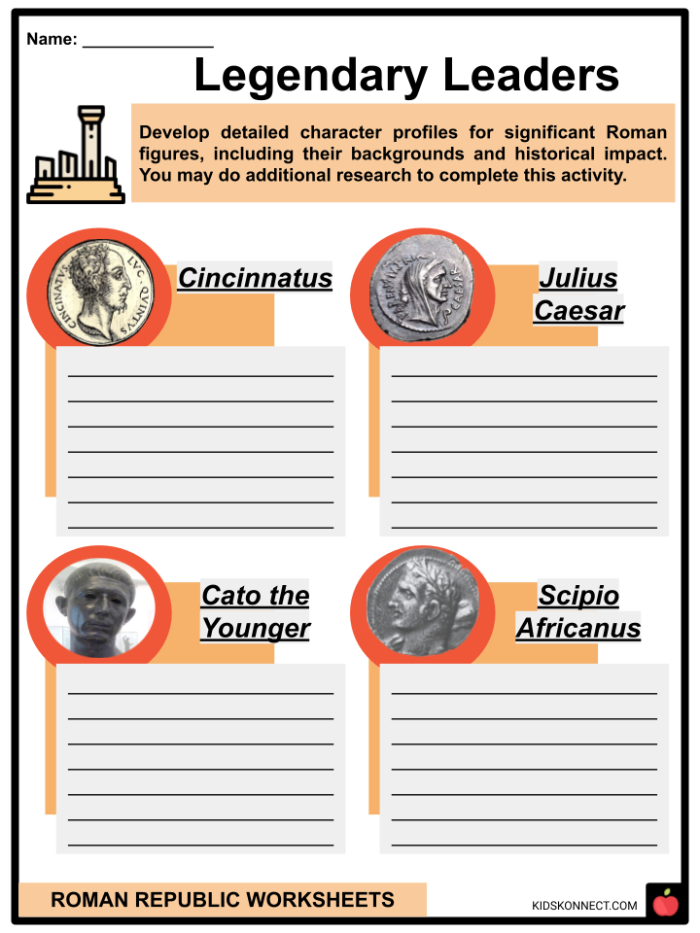
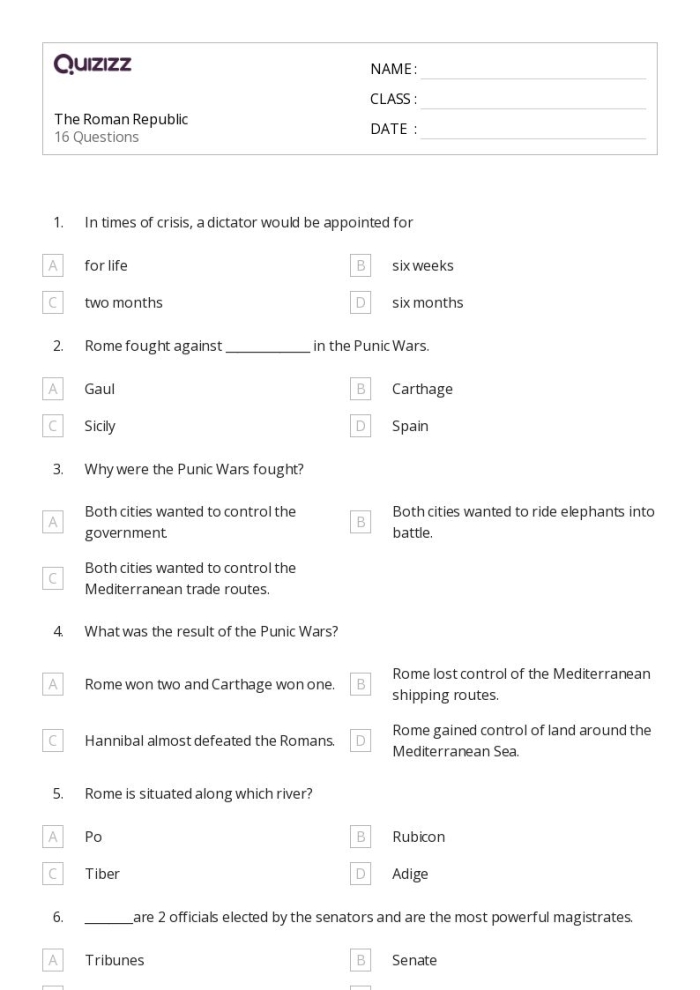
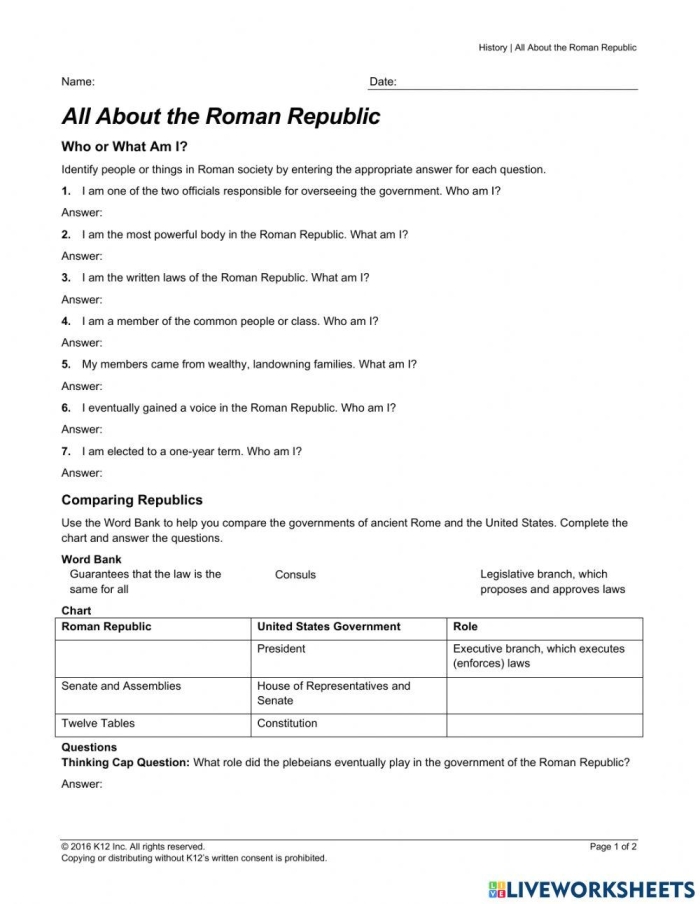
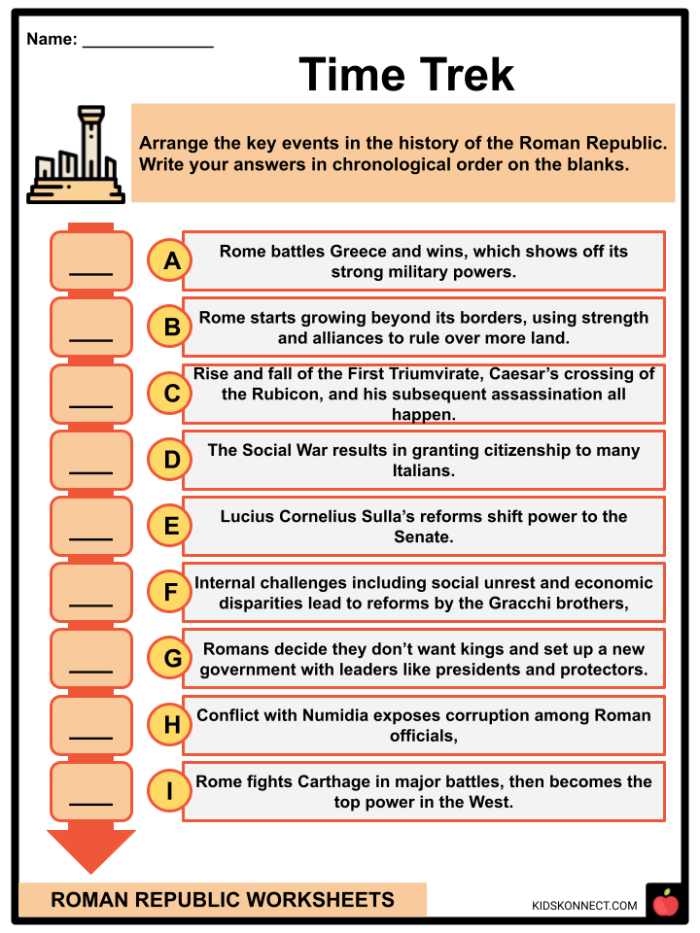
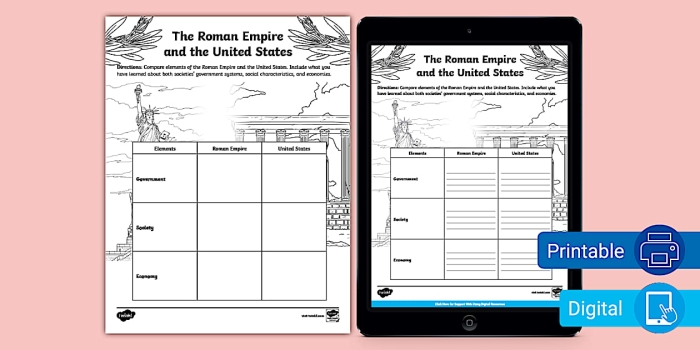
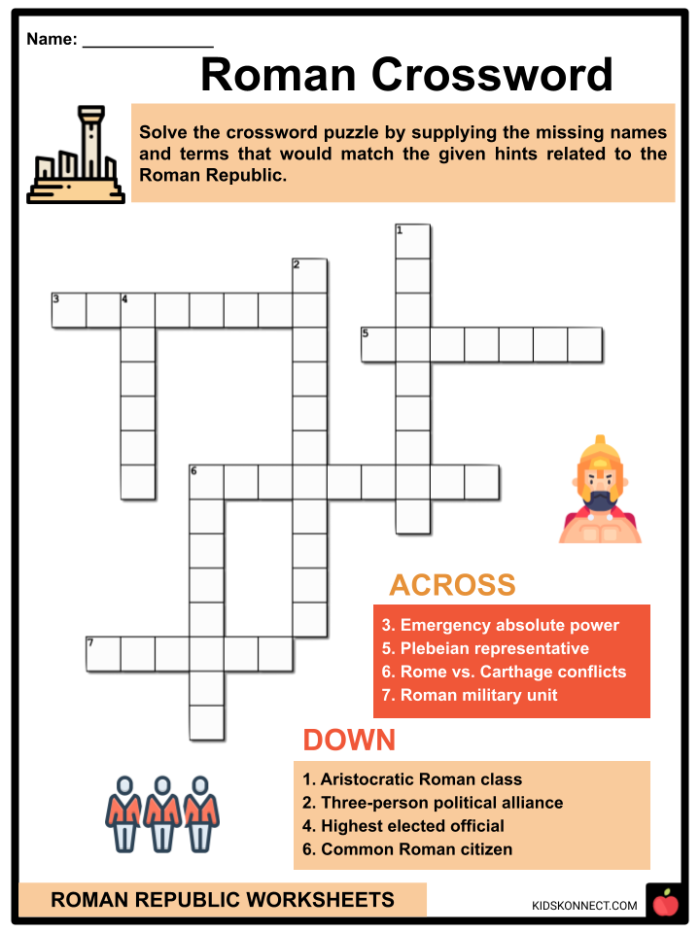
For sixth graders eager to investigate these historical parallels, a two-page history and government worksheet can be a valuable resource. This printable tool encourages students to compare the Roman Republic and the United States, enhancing their understanding of fractions through comparative analysis. Engaging with this material can spark interest in both history and government while developing critical thinking skills.
For additional learning materials, explore resources like the impact of William Penn on Colonial America or enhance comprehension with reading comprehension exercises.
Start Practicing with These Worksheets