Engaging students in reading comprehension can sometimes feel like a challenge, but using classic literature can make the process much more enjoyable. In a recent lesson, sixth graders explored an excerpt from L. Frank Baum’s charming short story “The Girl Who Owned a Bear.” This story, while whimsical, offers rich opportunities for students to develop their comprehension skills through thoughtful questions about the text.
Reading comprehension questions help students connect with the material on a deeper level. They encourage critical thinking as students analyze characters, settings, and themes. For example, they might consider how the relationship between the girl and her bear reflects the themes of friendship and responsibility. Such discussions not only enhance understanding but also foster a love for reading. The story’s unique premise—featuring a girl who owns a bear—captures attention and sparks curiosity, making it easier for students to engage with the text.
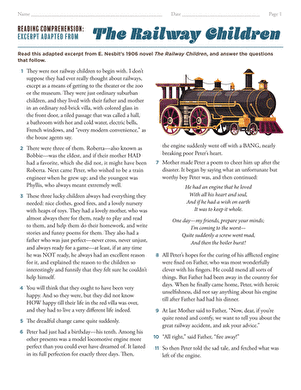
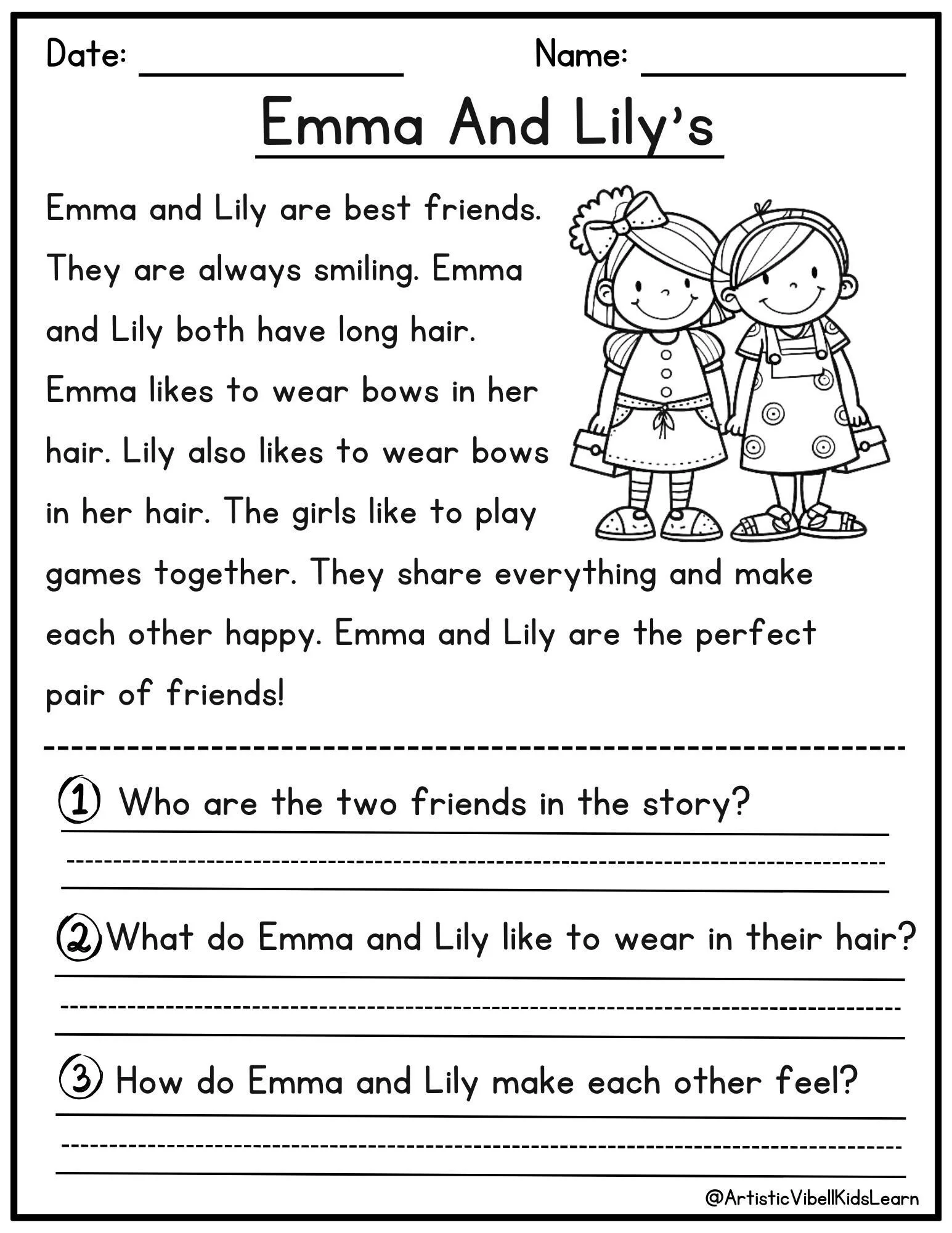
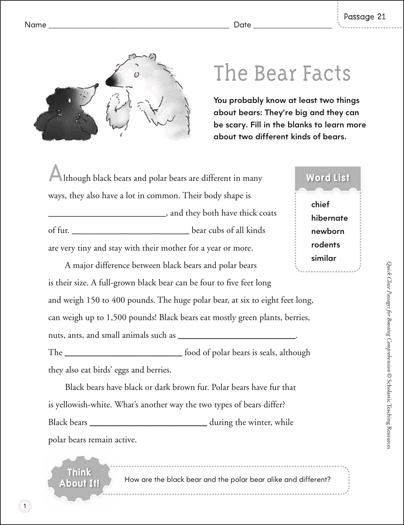
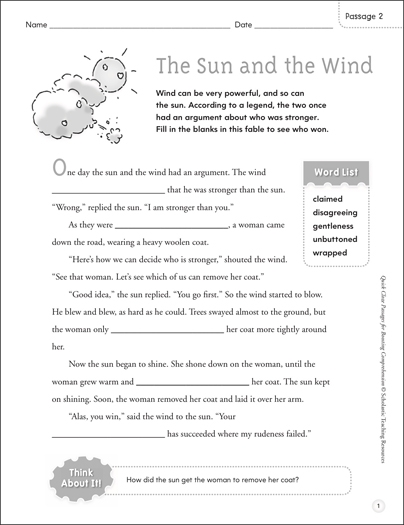
Incorporating reading comprehension exercises with this excerpt allows educators to assess students’ understanding effectively. Questions can range from simple recall of plot details to more complex inquiries about the motivations behind characters’ actions. This variety ensures that all students, regardless of their reading levels, can participate meaningfully. Additionally, using materials like worksheets tailored to sixth grade can further reinforce these skills, making learning both interactive and fun.
Moreover, integrating fractions into reading comprehension lessons can enhance math skills as well. For instance, students might calculate the fraction of questions they answered correctly after reading the excerpt. This dual focus on reading and math helps create a more integrated learning experience. Teachers can find resources, such as printable worksheets, that combine both subjects seamlessly.
Ultimately, using engaging stories like “The Girl Who Owned a Bear” not only aids in developing reading comprehension but also cultivates a passion for literature among students. By asking questions and providing worksheets that challenge their understanding, educators can create a dynamic learning environment that benefits all aspects of a student’s education.
Worksheet Practice Section