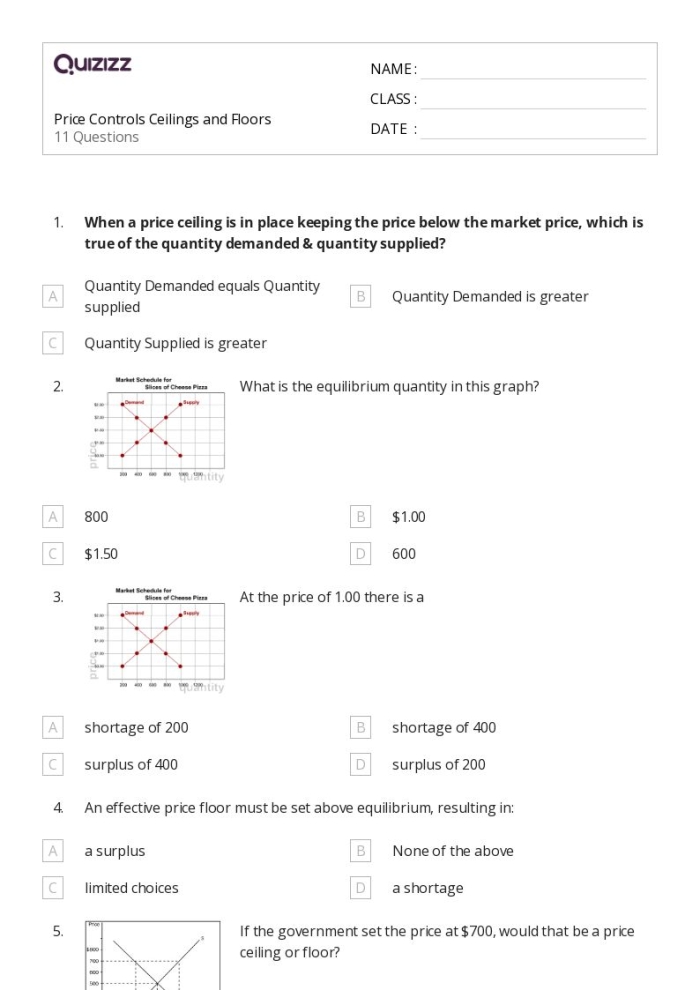
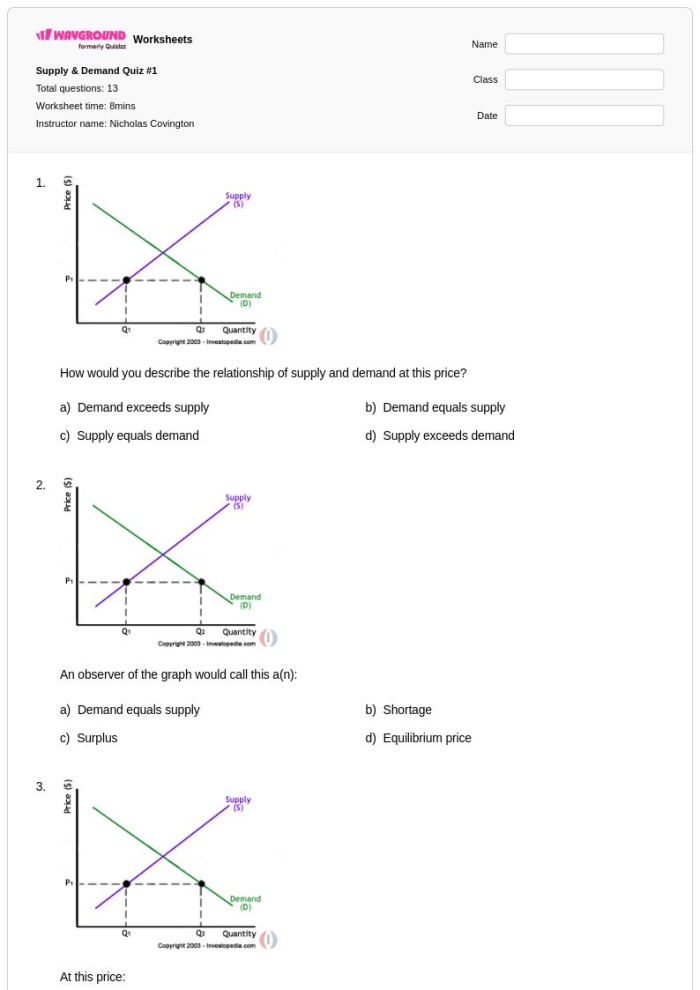
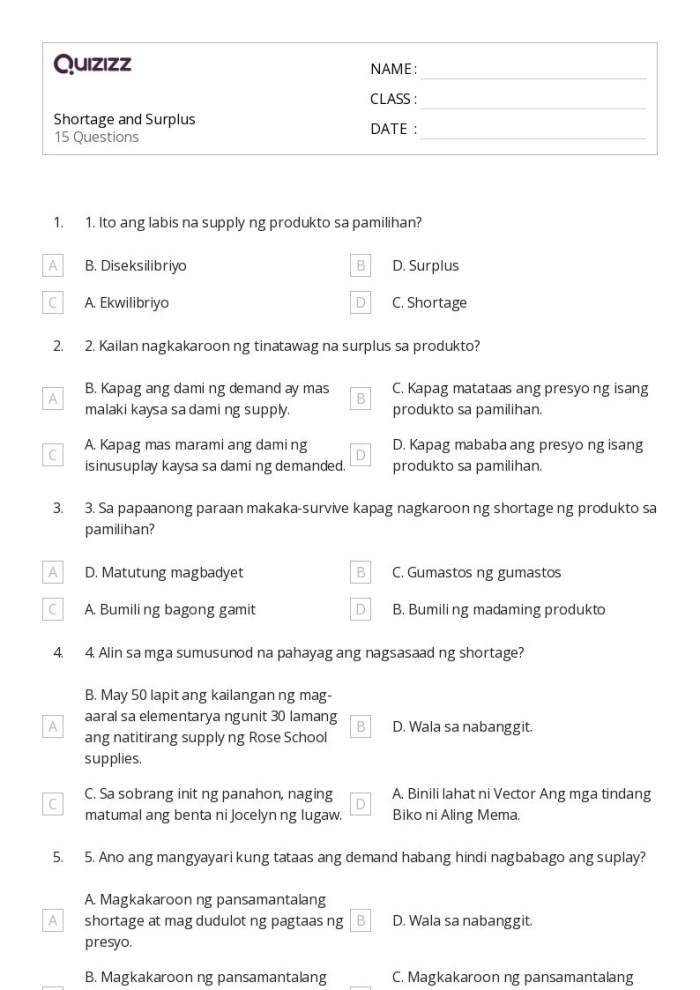
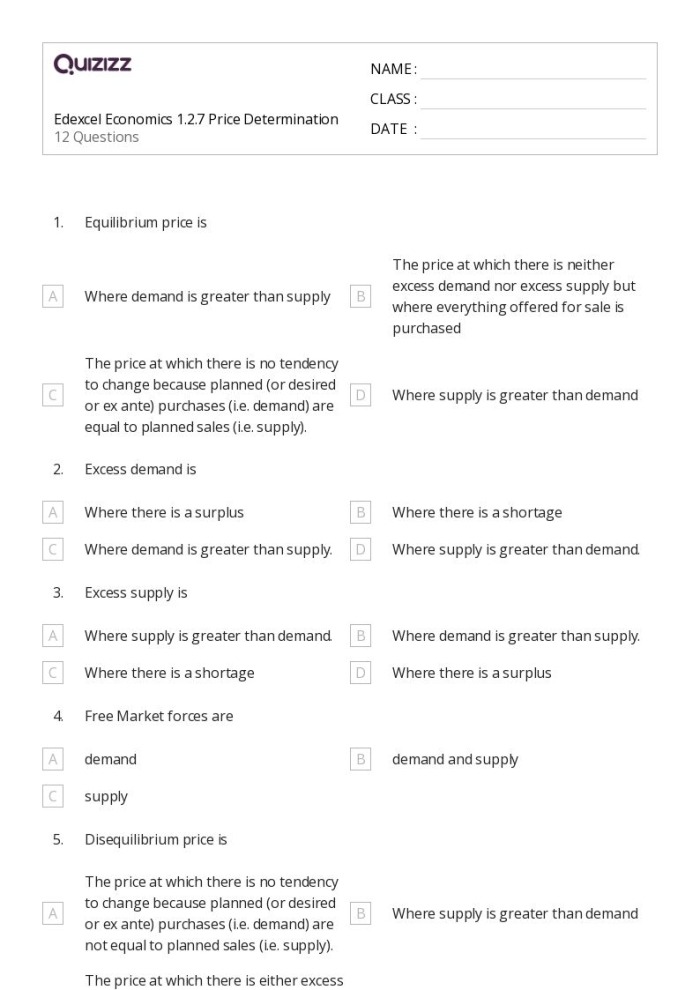
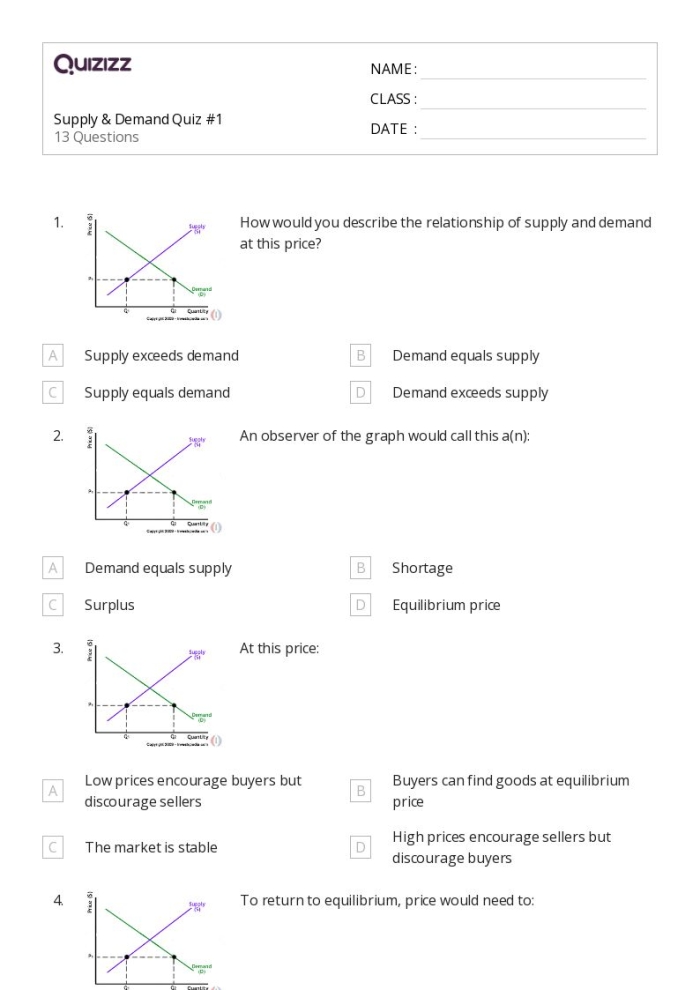
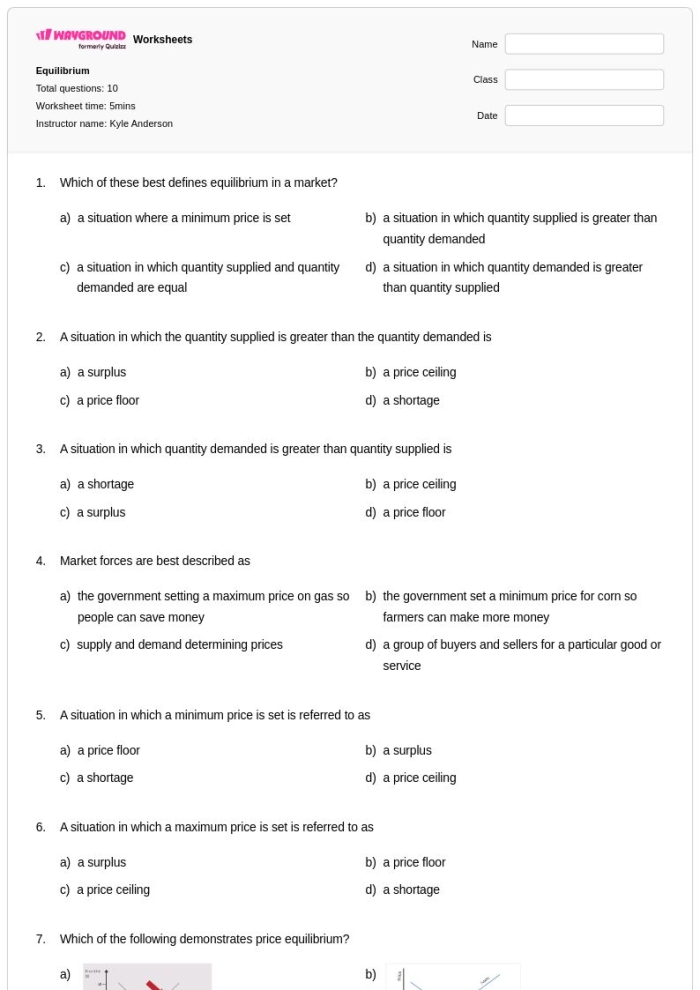
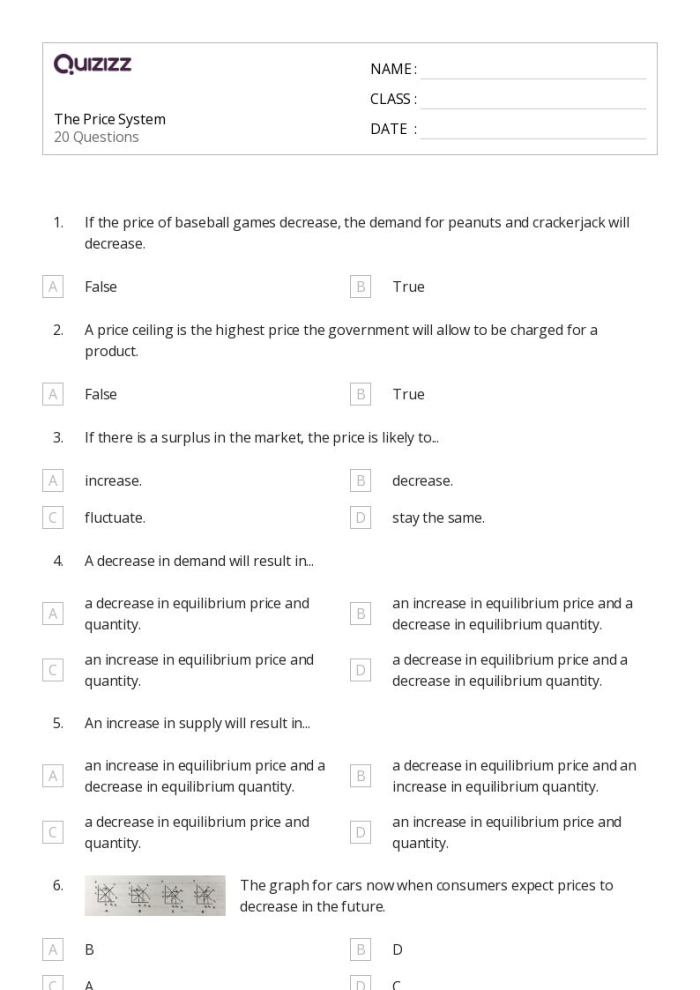
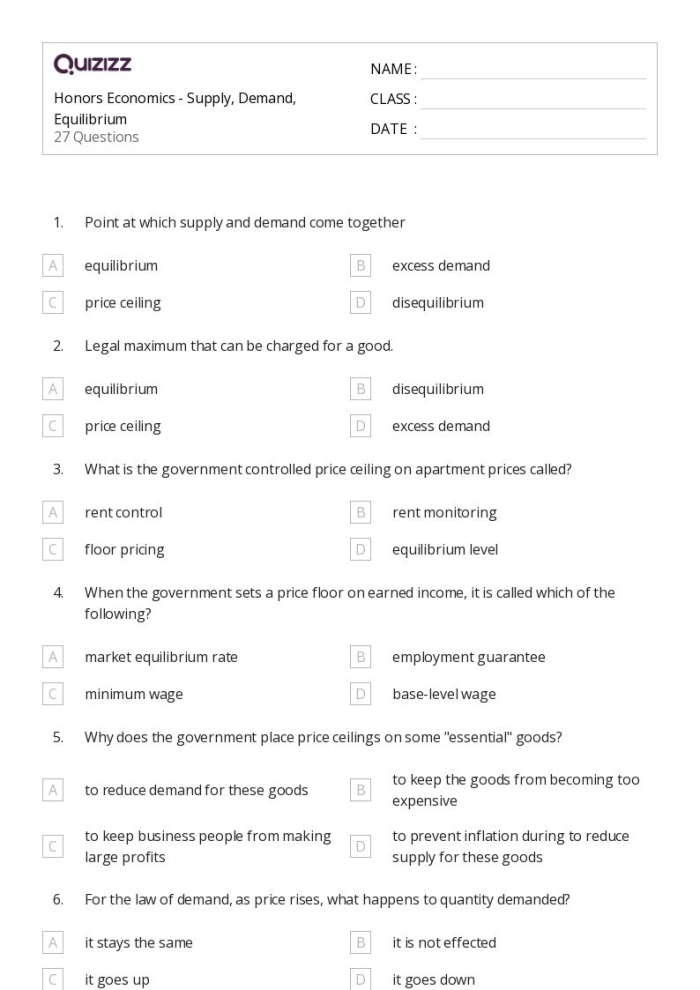
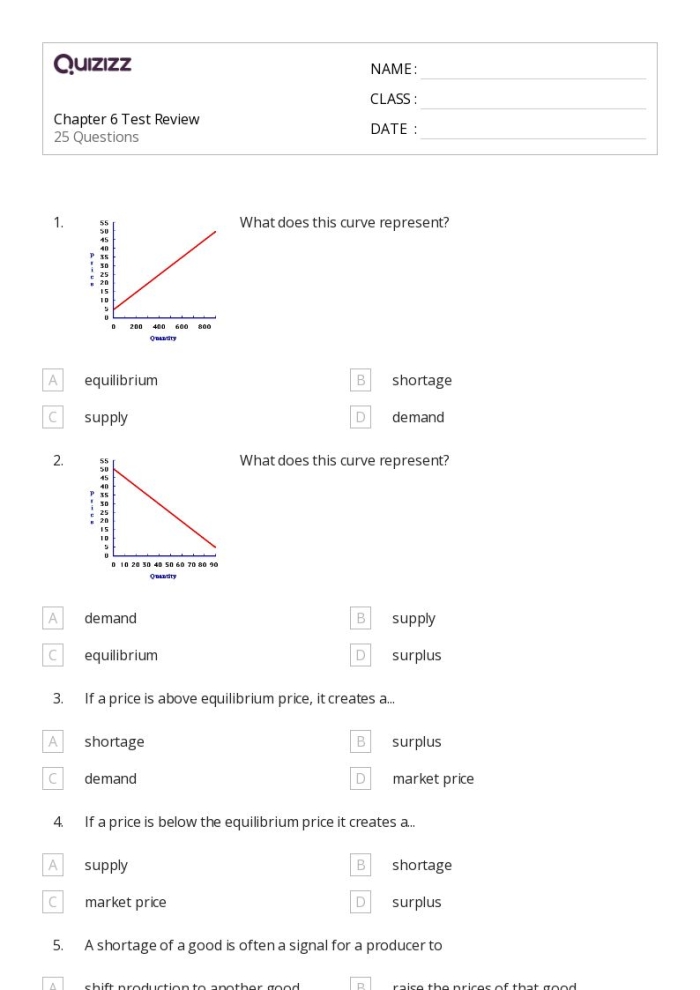
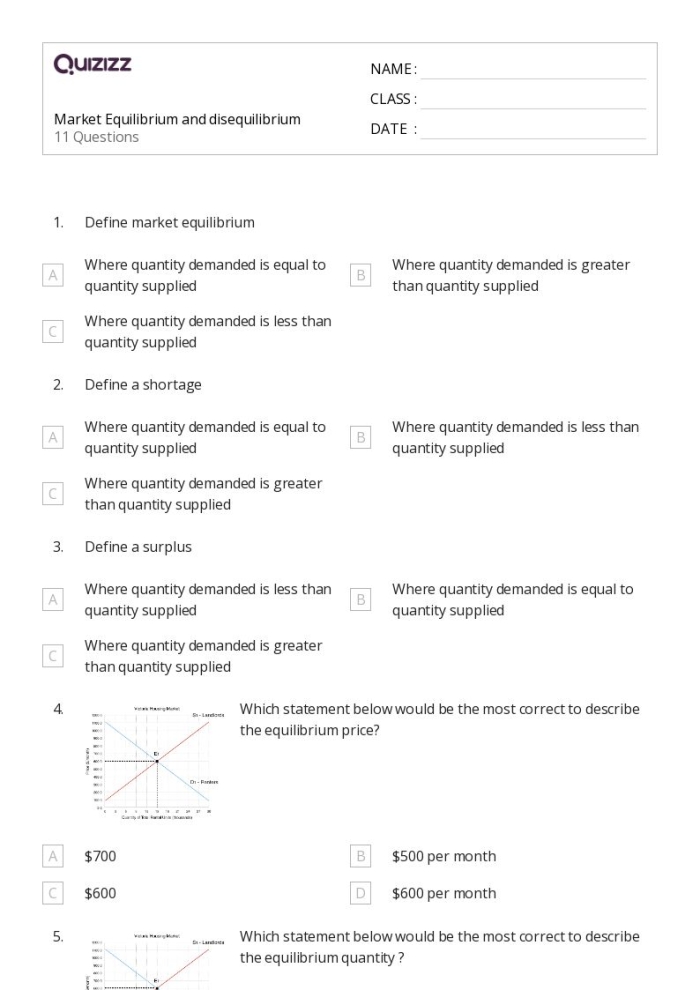
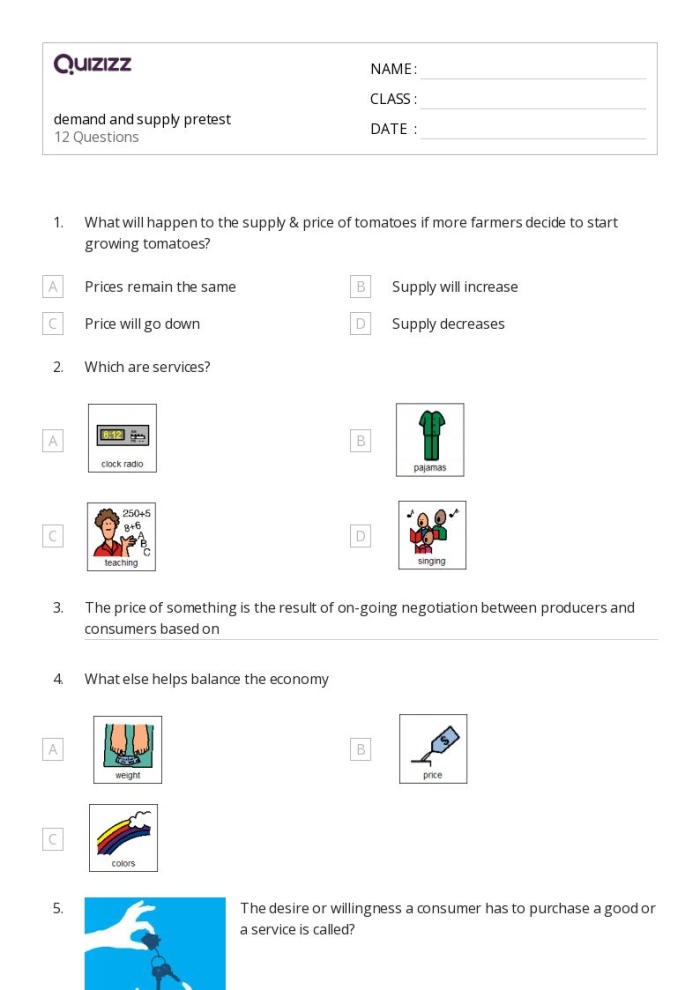
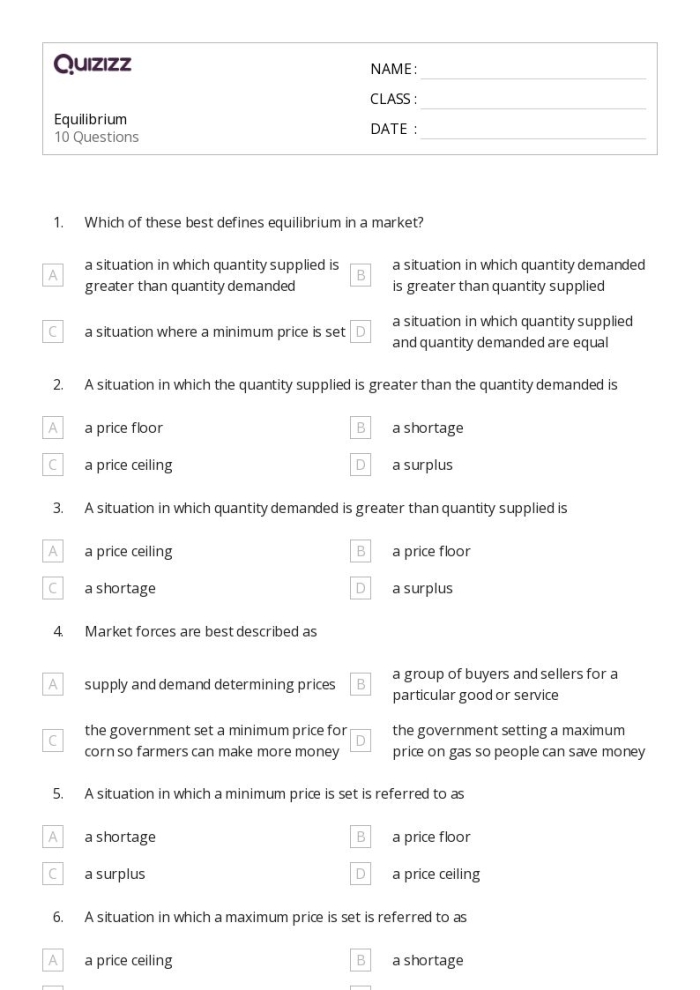
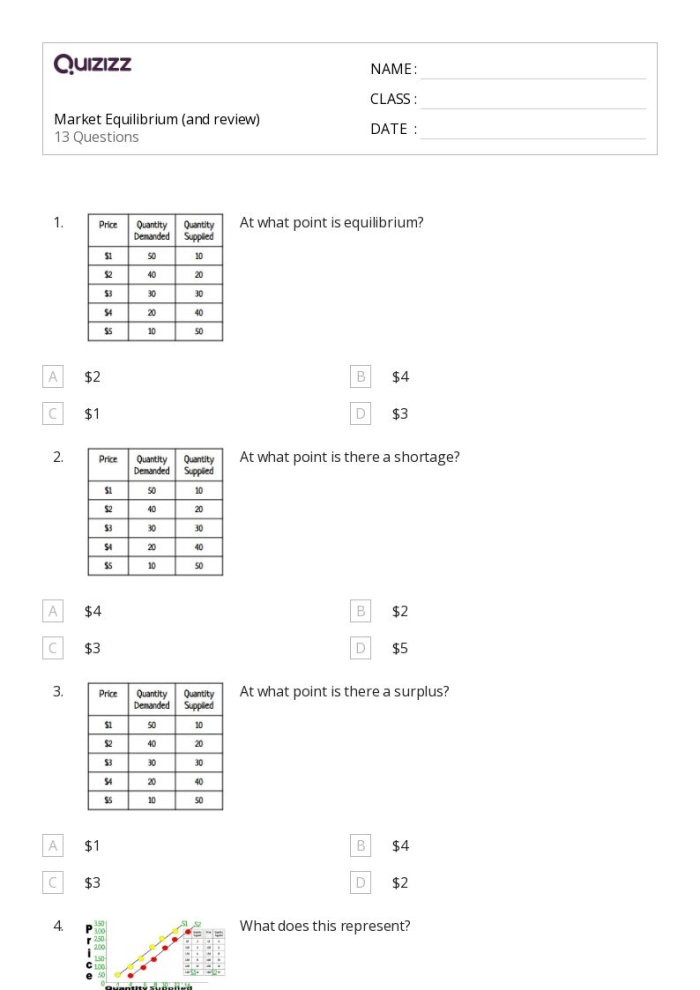
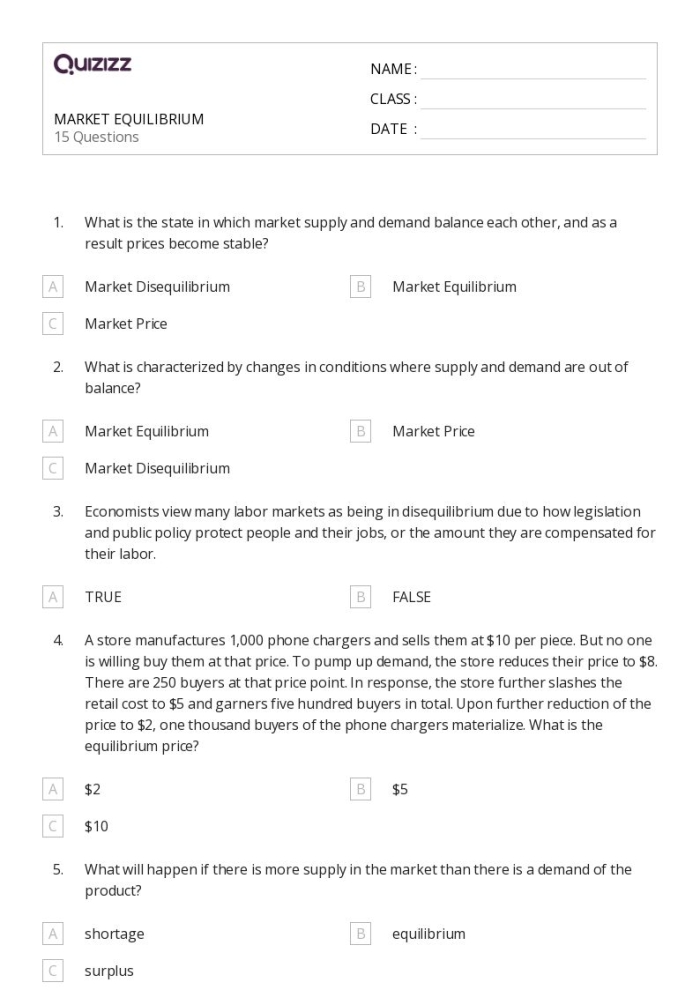
Understanding the concepts of shortage and surplus is essential for grasping how markets function. When demand for a good exceeds its supply, a shortage occurs. Conversely, a surplus arises when supply surpasses demand. These dynamics can significantly influence pricing, making them critical for sixth graders studying integers and rational numbers in economics.
Consider a simple example: a local bakery produces 100 loaves of bread daily. If demand spikes due to a community event, and the bakery can only provide 80 loaves, a shortage results. Customers may be willing to pay more for the available bread, driving prices up. This situation illustrates how scarcity can lead to increased costs, benefiting the seller but making it challenging for buyers.
On the other hand, if the bakery produces 120 loaves but only 80 are purchased, a surplus develops. To clear out excess inventory, the bakery might lower prices to encourage sales. This scenario demonstrates how surplus can decrease prices, benefiting consumers while posing challenges for producers who must manage their stock effectively.
These concepts not only apply to everyday goods but also to larger economic principles. For instance, during a natural disaster, essential supplies like water and food can become scarce, leading to price inflation. Understanding these fluctuations can help sixth graders make sense of real-world economic issues.
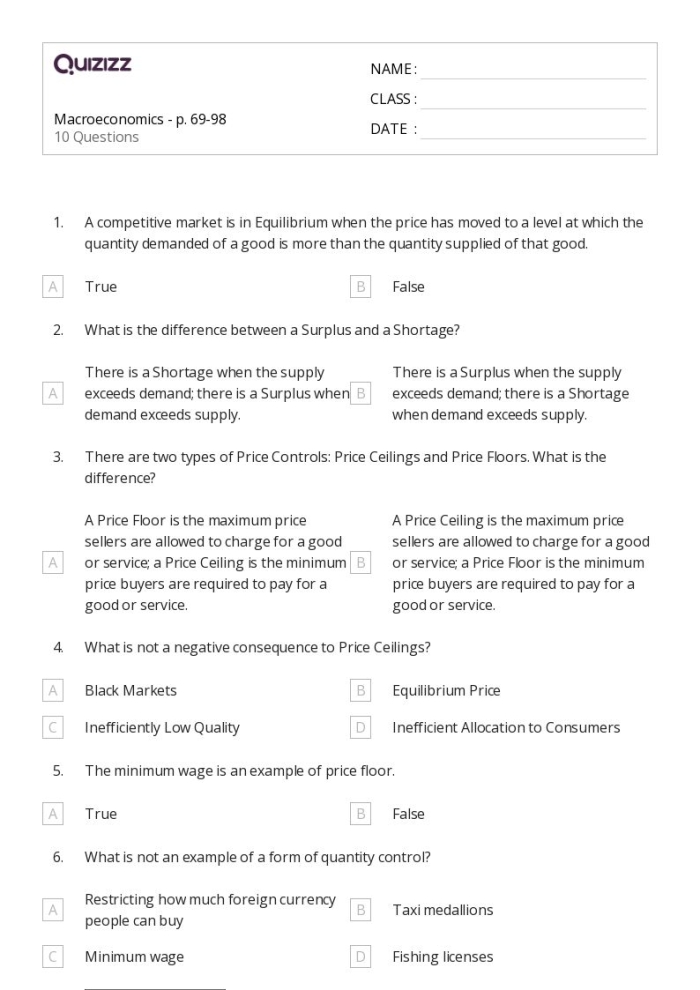
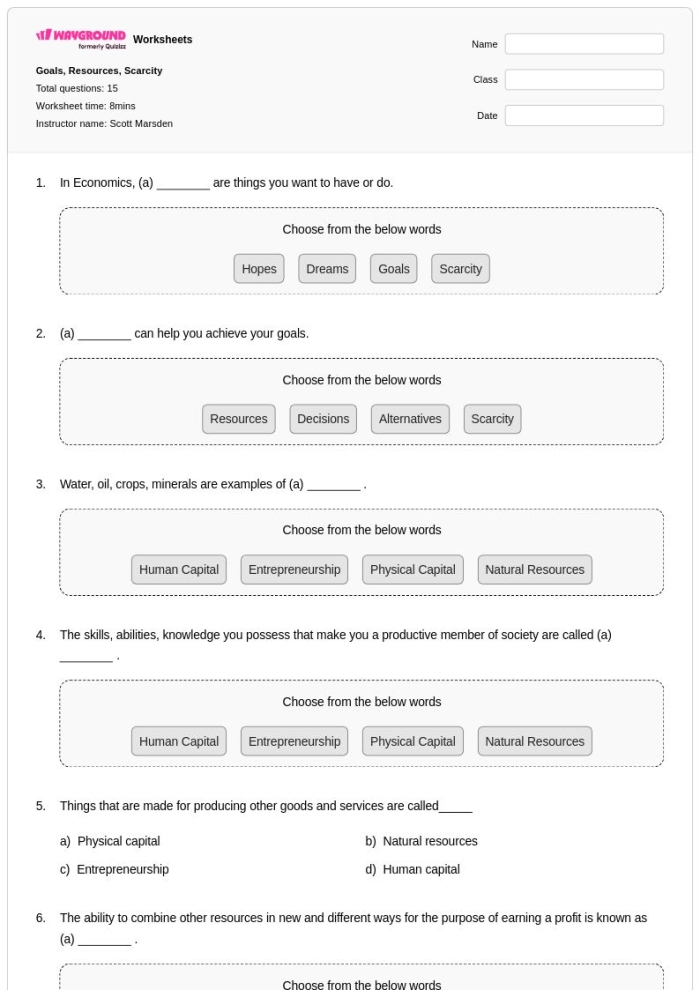
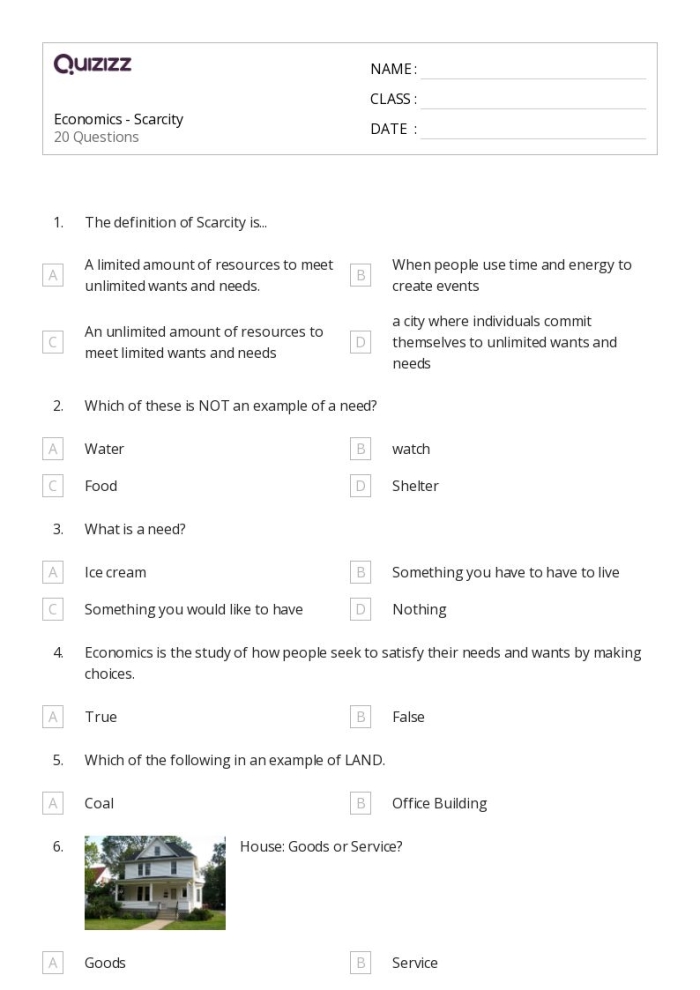
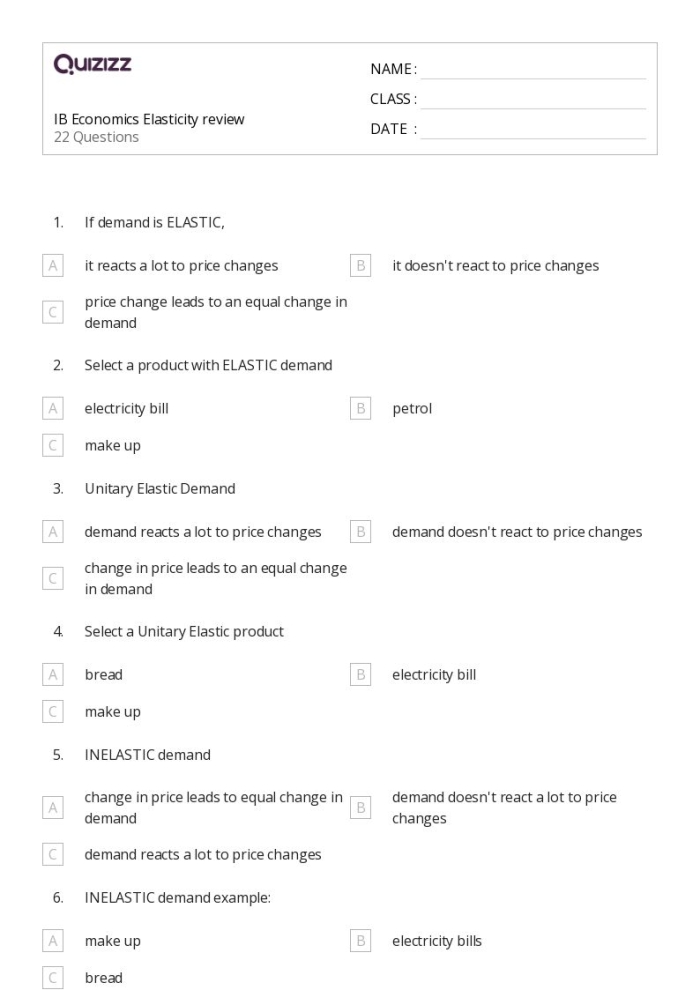
To explore these ideas further, engaging with a printable worksheet on shortage and surplus can be particularly beneficial. Such resources enhance comprehension through practical exercises and examples. For instance, students can analyze scenarios and determine how prices shift based on changes in supply and demand. This hands-on approach solidifies their understanding of market principles while linking to broader economic concepts.
By investigating these economic fundamentals, students gain valuable insights that extend beyond the classroom, preparing them for more advanced studies in economics and mathematics. For additional resources, you might check out worksheets related to percentages and statistics or data description. These tools can further enhance their understanding of integers and rational numbers in practical contexts.
Use These Worksheets Today