Teaching division to third graders can be a rewarding experience, especially when introducing them to various strategies that make the process easier and more engaging. One effective approach is to employ one of four key methods: drawing an array, creating equal groups, using repeated subtraction, or forming a multiplication sentence. Each method offers a unique way to visualize and understand division, making it accessible and fun.
Drawing an array is a great starting point. This method involves arranging objects in rows and columns, which helps students see the relationship between multiplication and division. For instance, if a student needs to divide 12 by 3, they can draw an array of 12 dots arranged in 3 rows. This visual representation not only clarifies the concept but also reinforces the idea that division is about grouping.
Another effective strategy is drawing equal groups. This method encourages students to think in terms of equal-sized groups. For example, if they have 15 apples and need to divide them among 5 friends, they can draw 5 circles, each containing 3 apples. This hands-on approach aids in comprehension and helps students connect division to real-life scenarios.
Using repeated subtraction is another valuable technique. In this method, students can subtract the divisor from the dividend multiple times until they reach zero. For example, when dividing 20 by 4, students can subtract 4 from 20 repeatedly—20, 16, 12, 8, 4, and finally 0. This method reinforces the concept of division as the process of removing equal parts.
Finally, expressing division as a multiplication sentence can simplify the process. For instance, 12 divided by 3 can be framed as finding a number that, when multiplied by 3, equals 12. This connection between multiplication and division helps solidify students’ understanding of both operations.
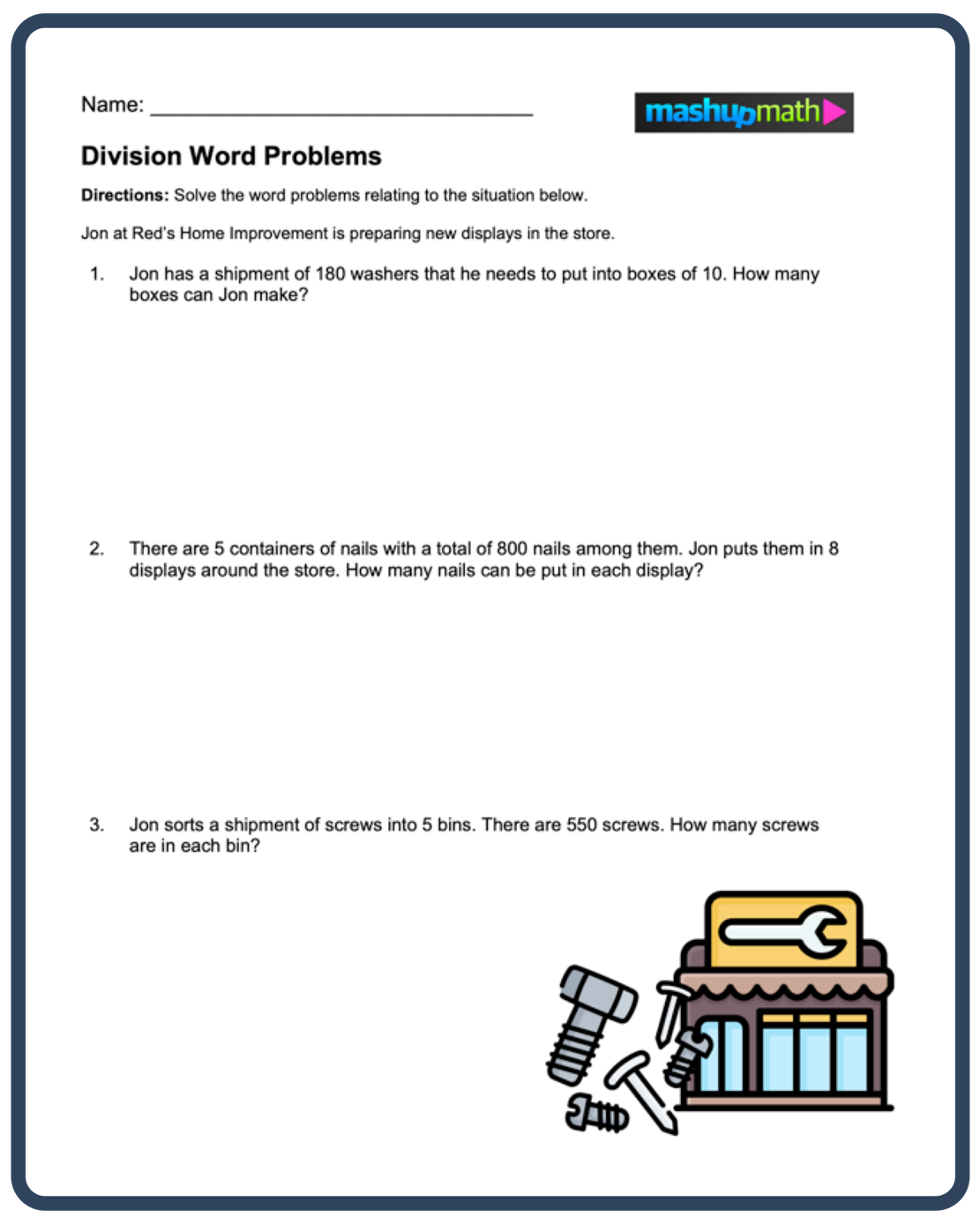
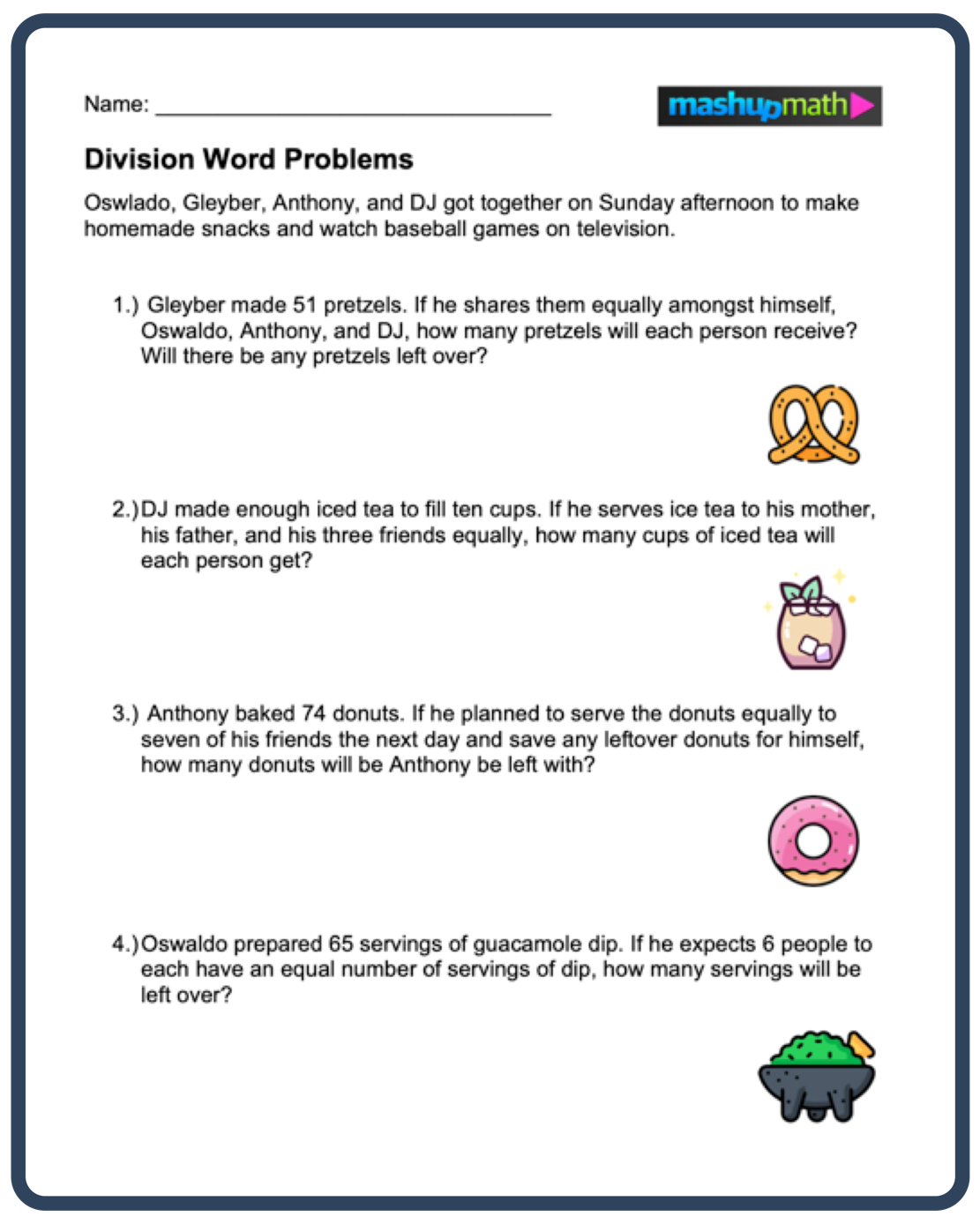
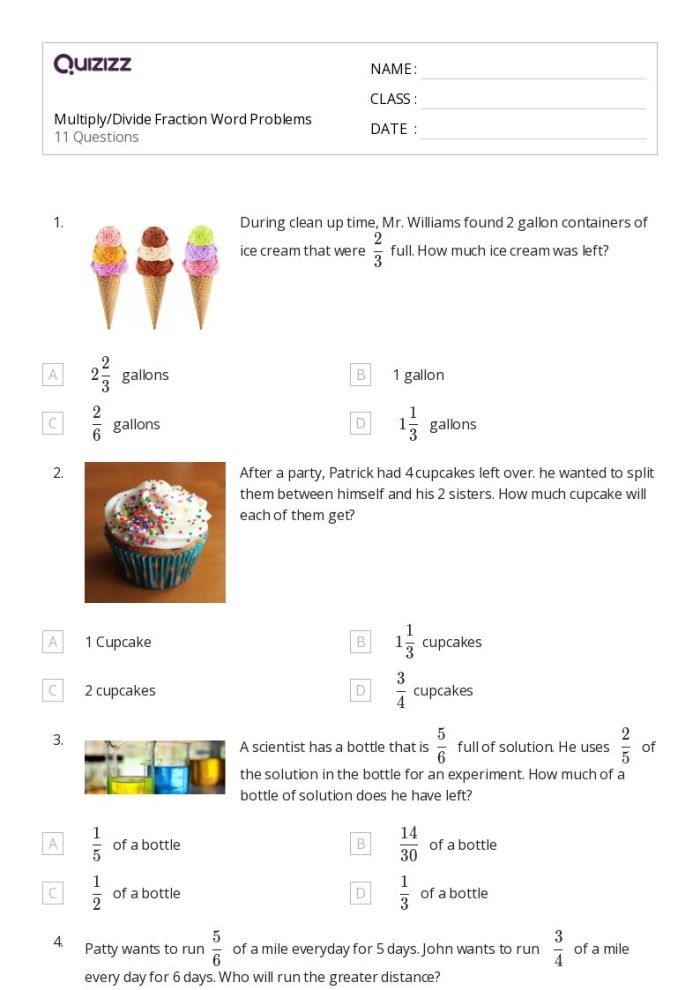
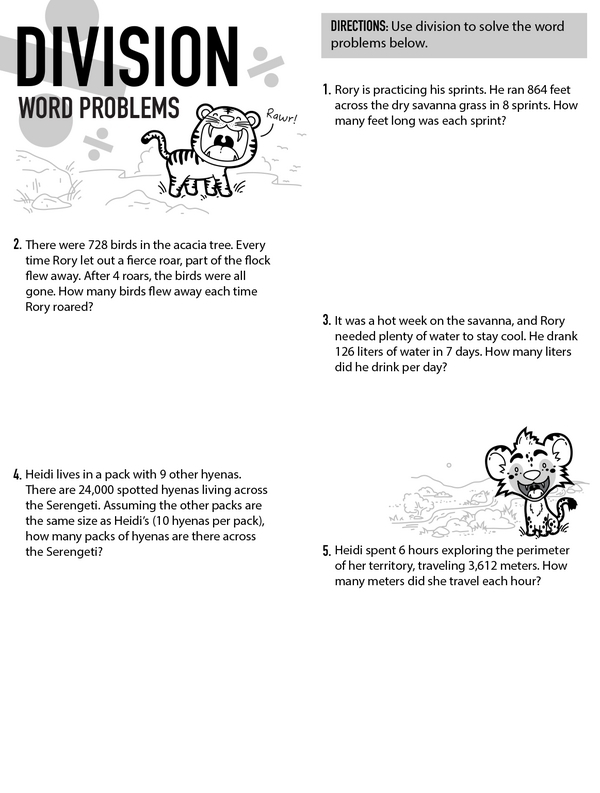
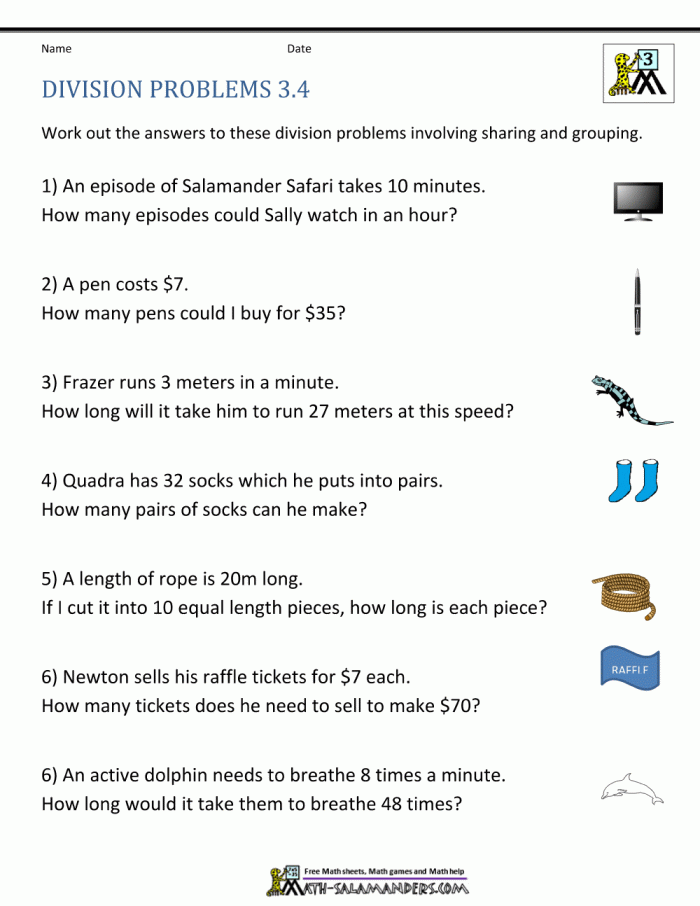
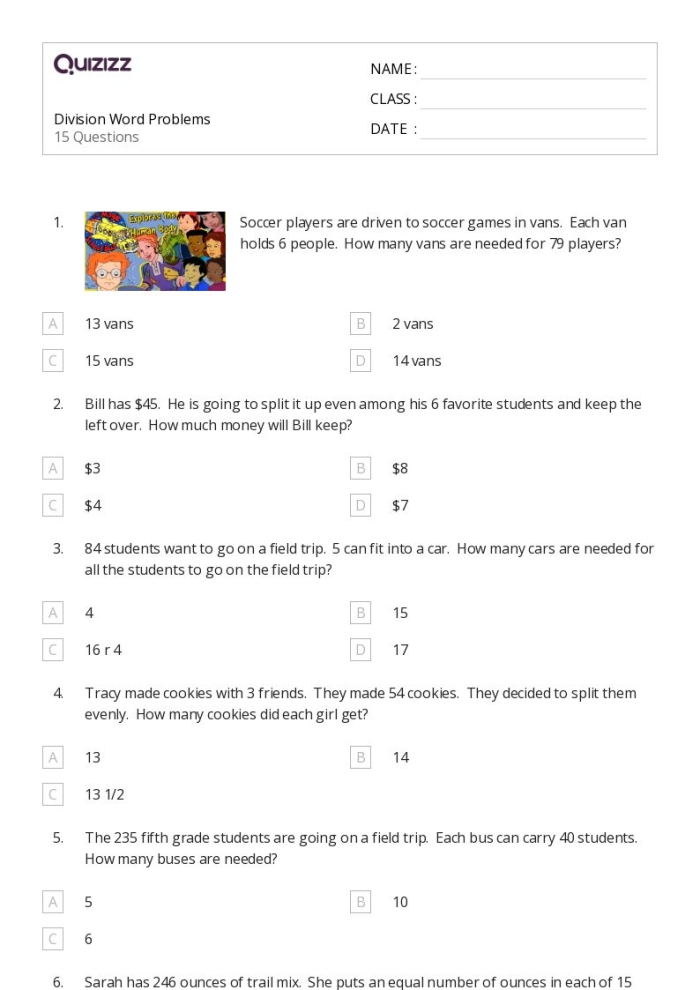
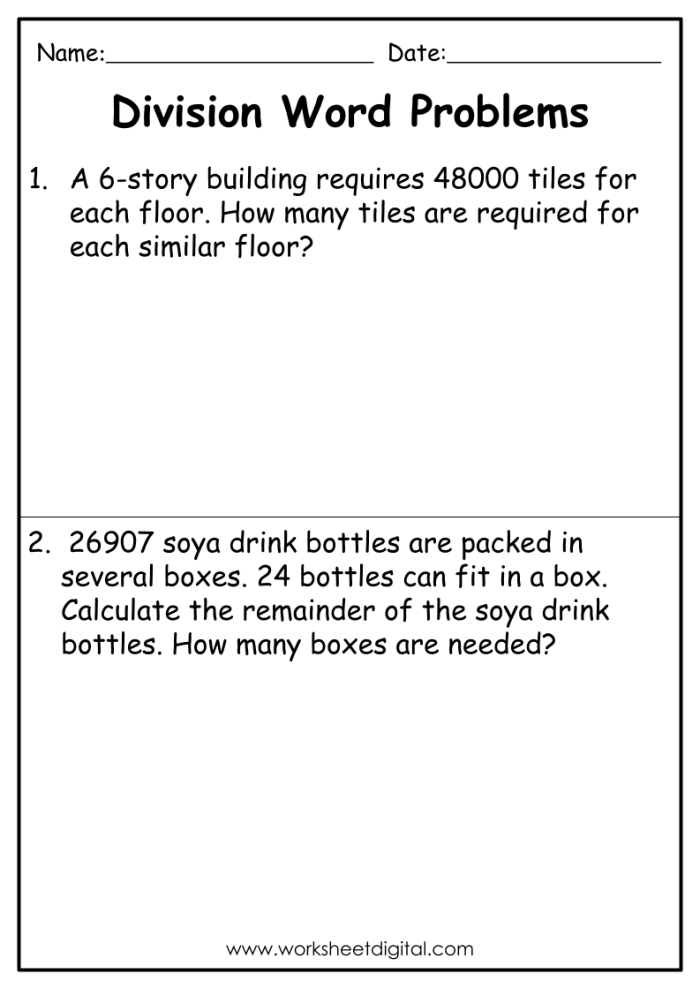
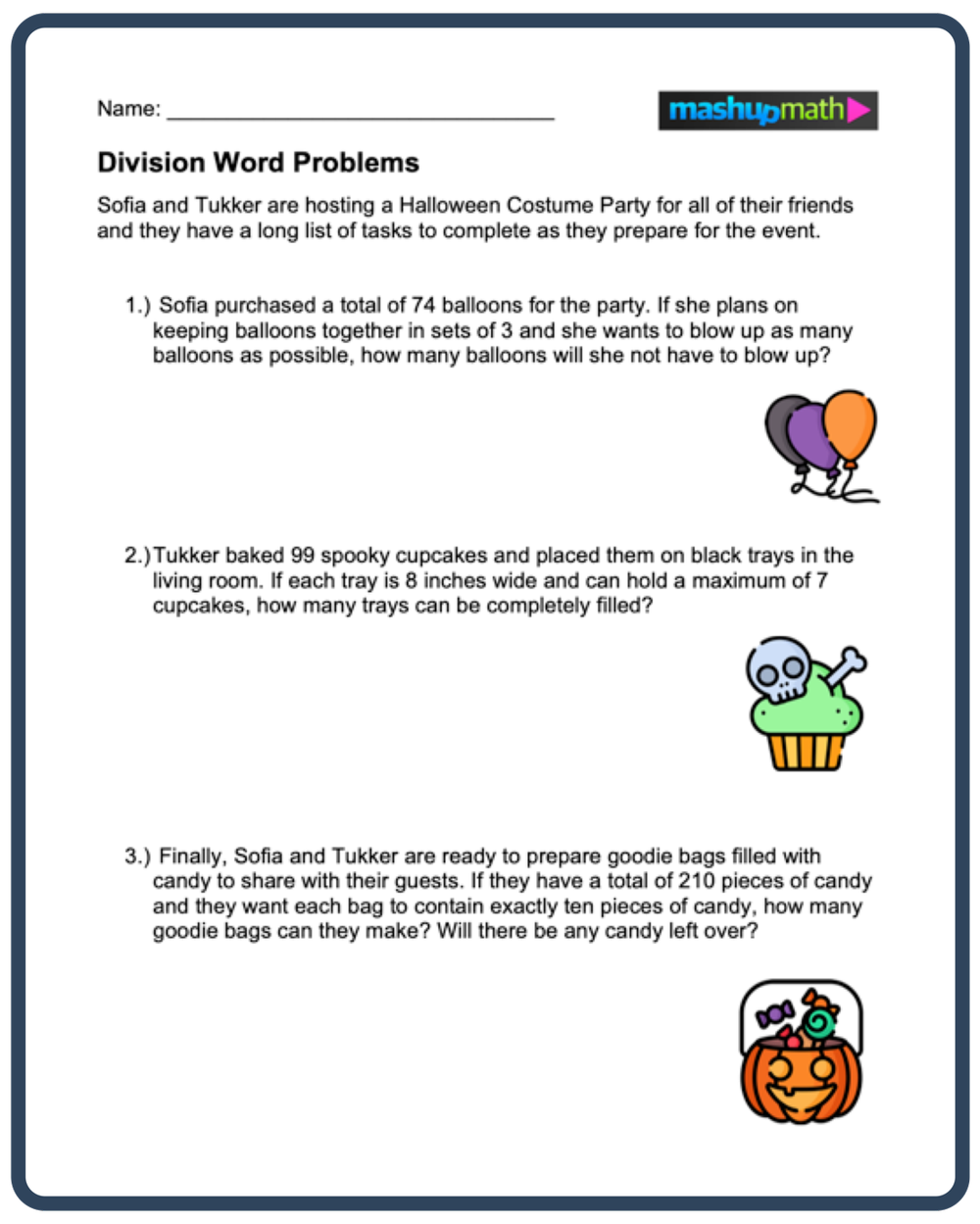
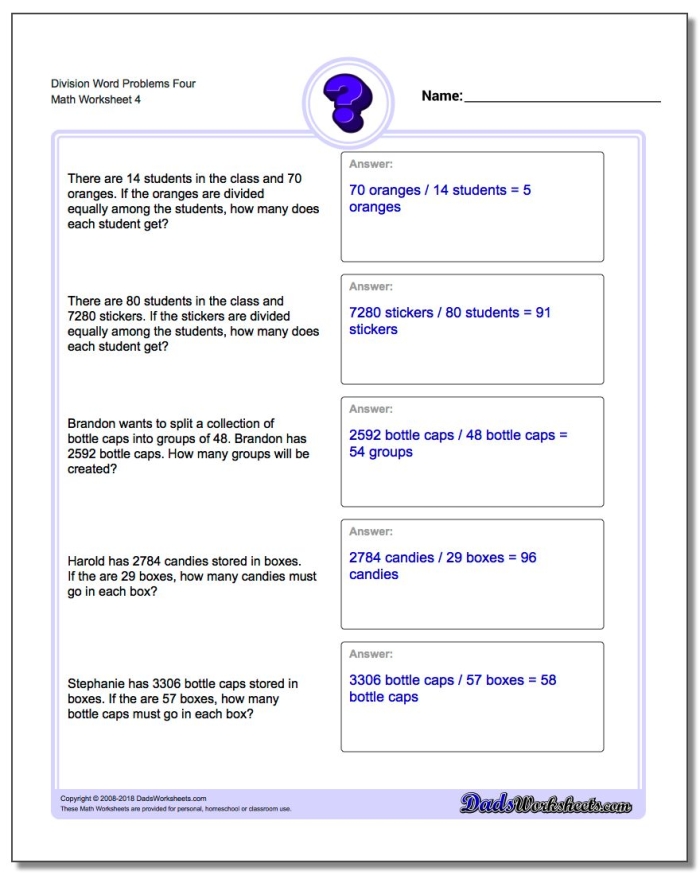
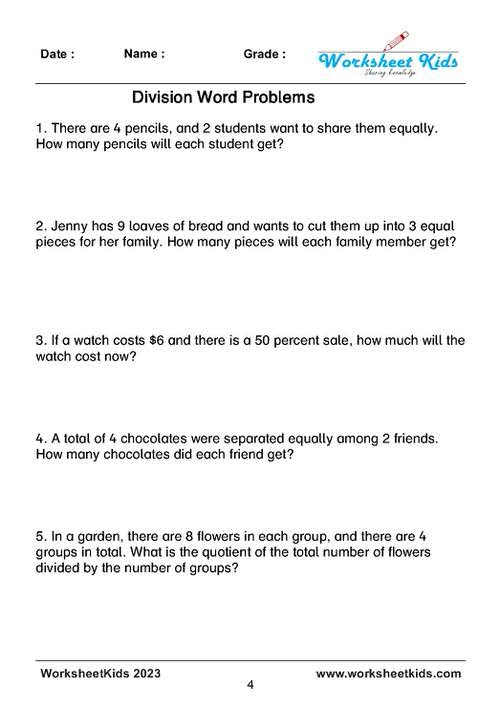
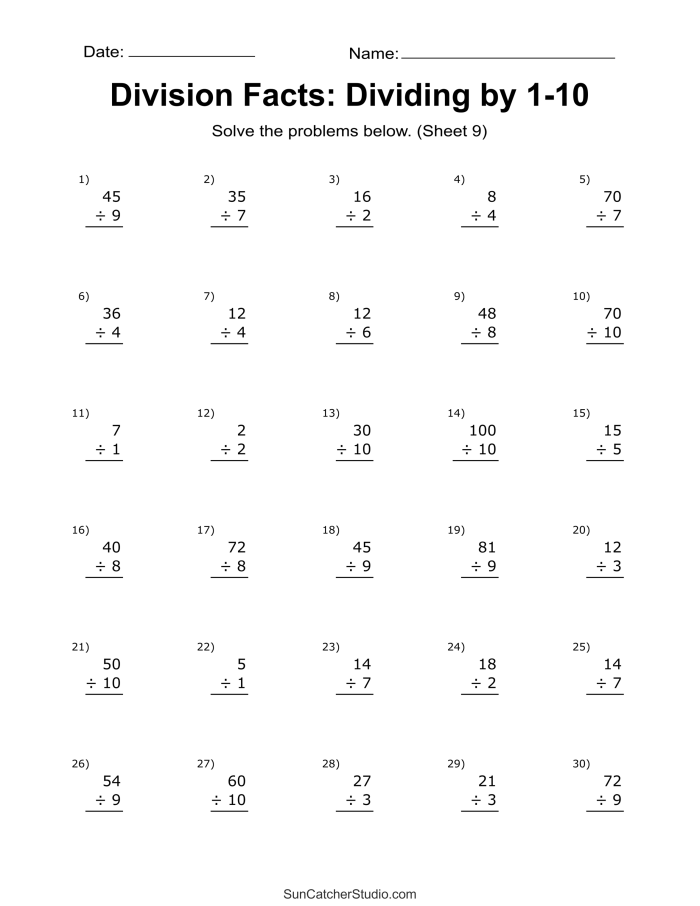
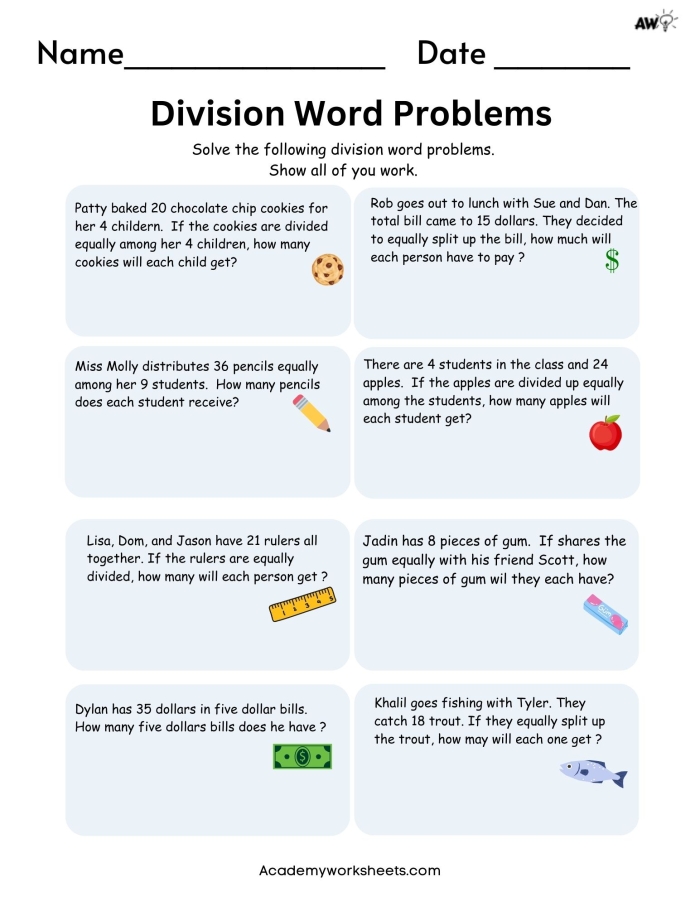
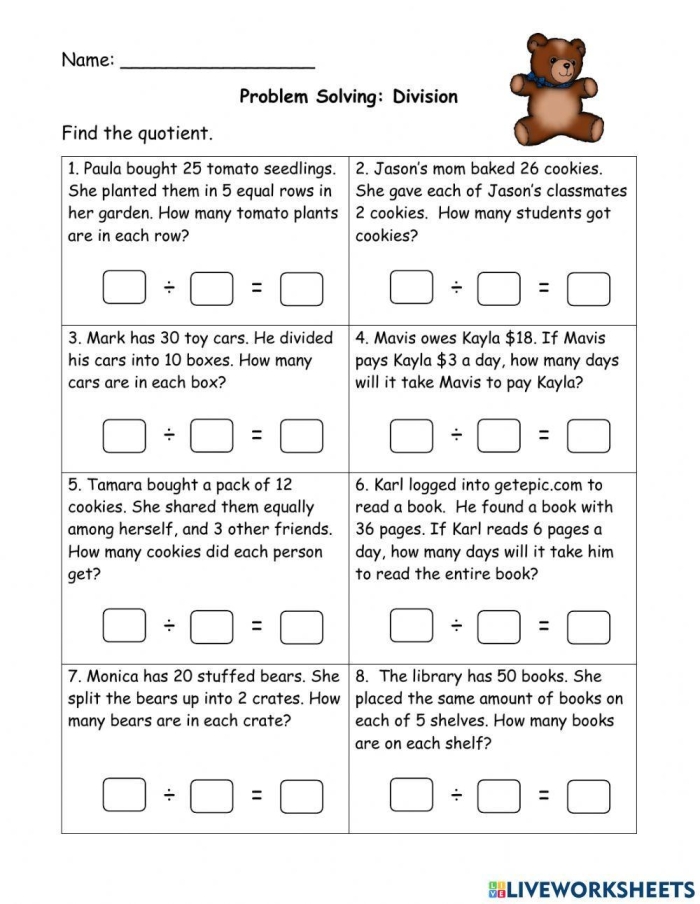
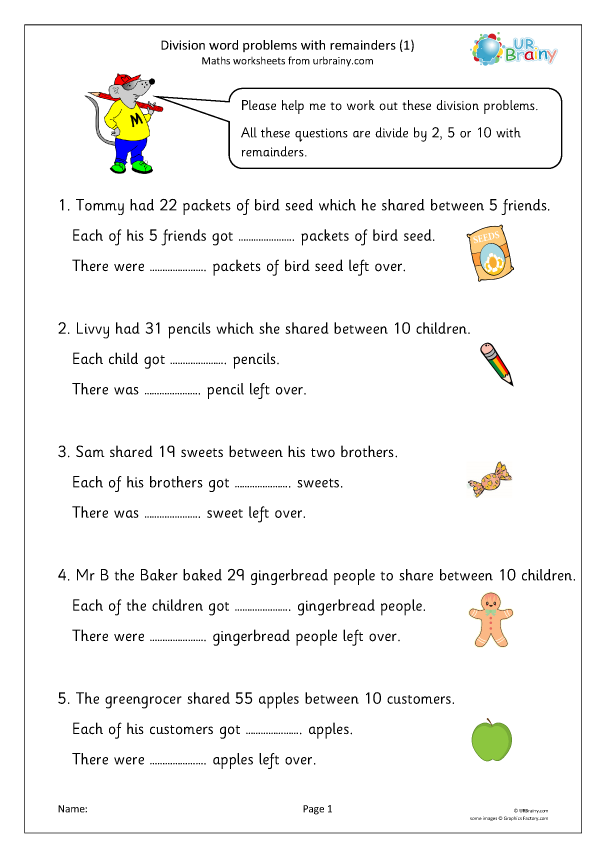
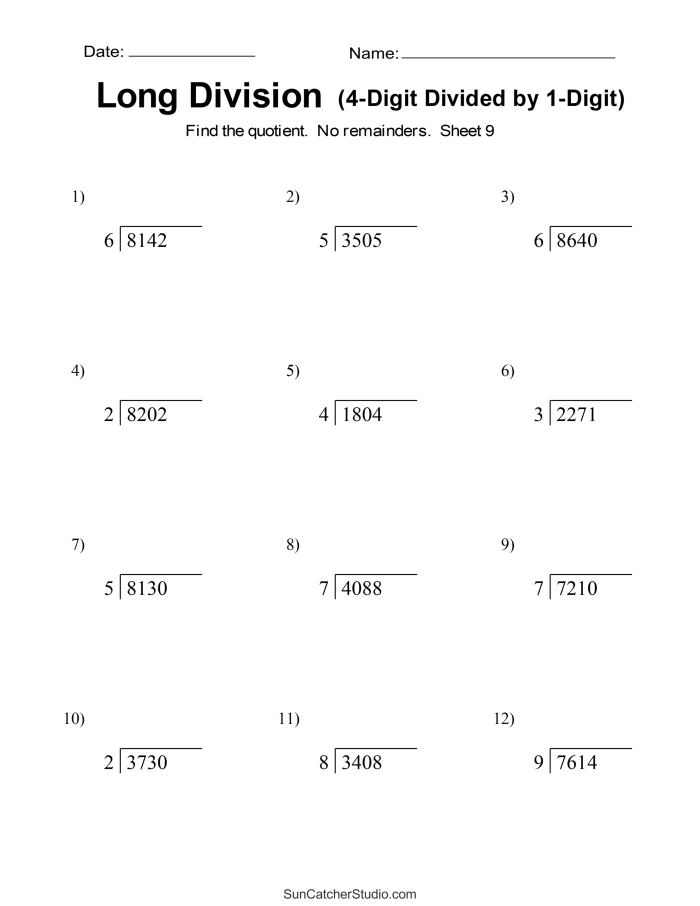
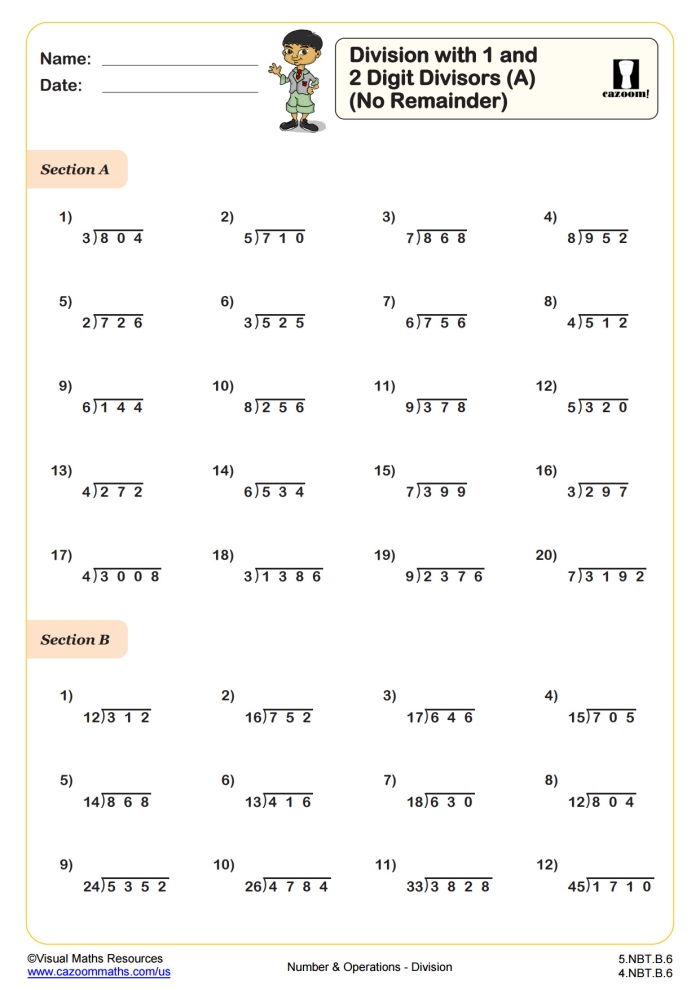
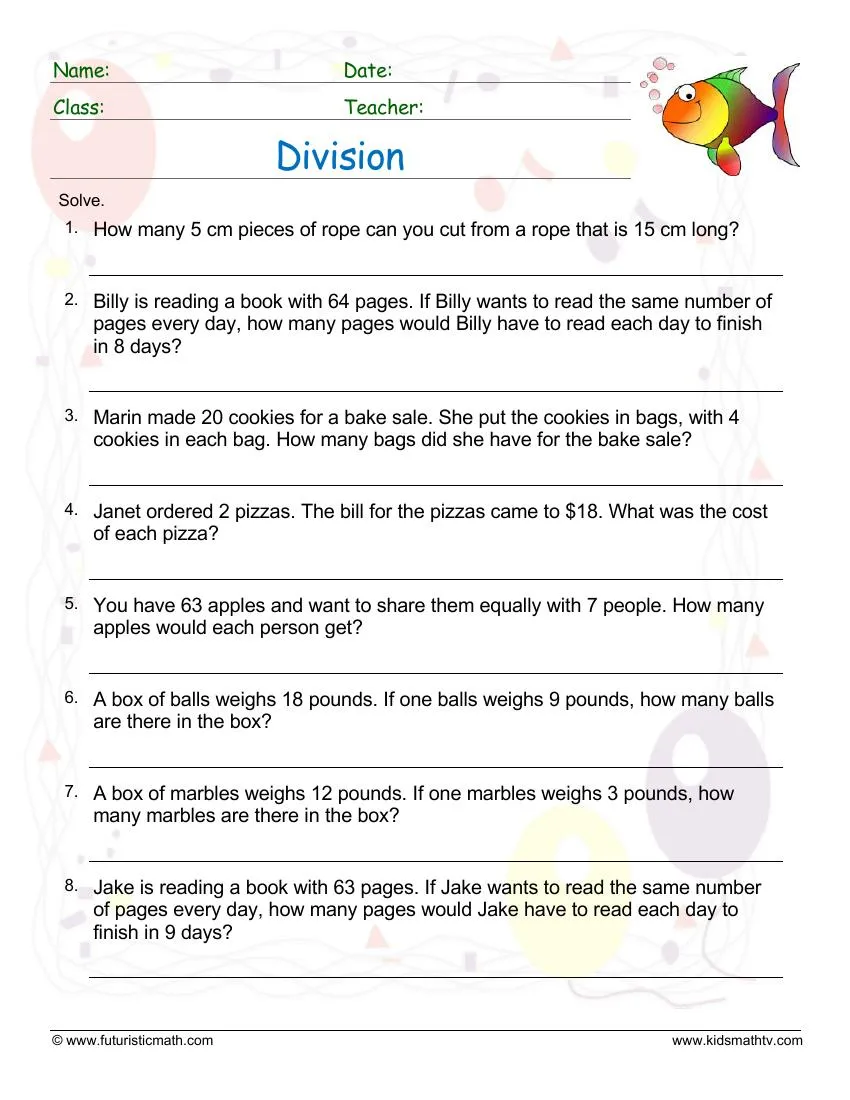
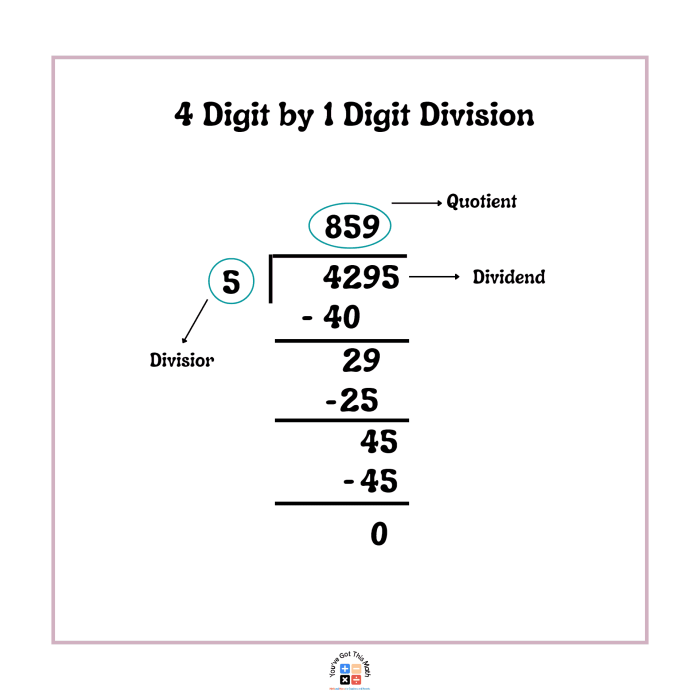
Implementing these strategies can greatly enhance your third graders’ ability to solve division problems. Incorporating printable division worksheets can provide additional practice and reinforce these concepts in a structured way. For more resources, check out worksheets on topics like point of view or counting by threes to diversify your teaching approach. By making division relatable and interactive, you can foster a positive learning environment that encourages your students to thrive in Earth and Space Science and beyond.
Download These Worksheets for Practice