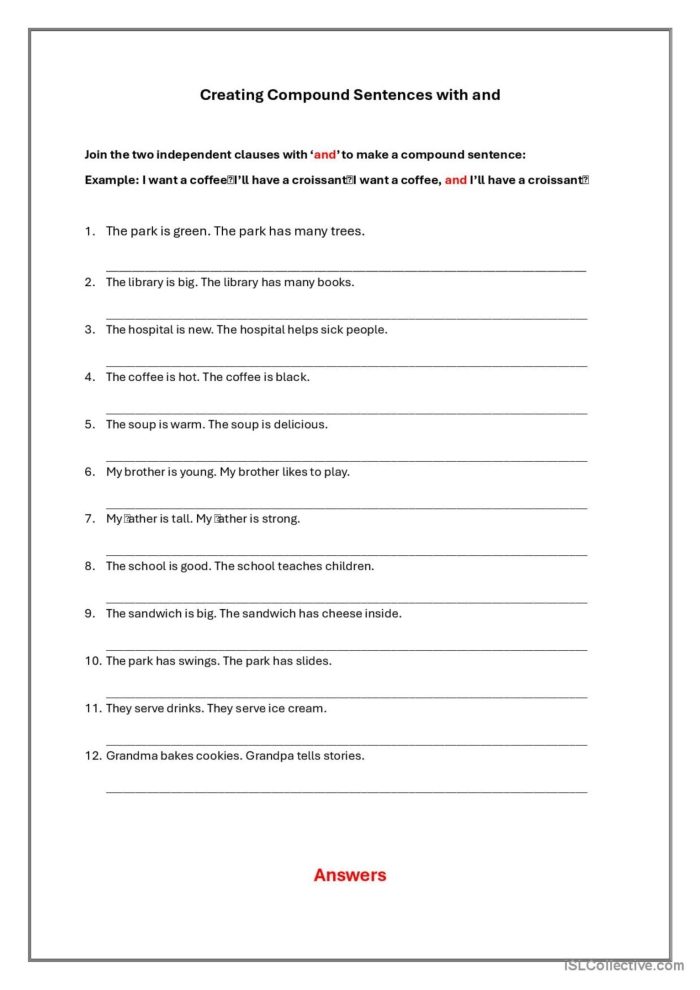
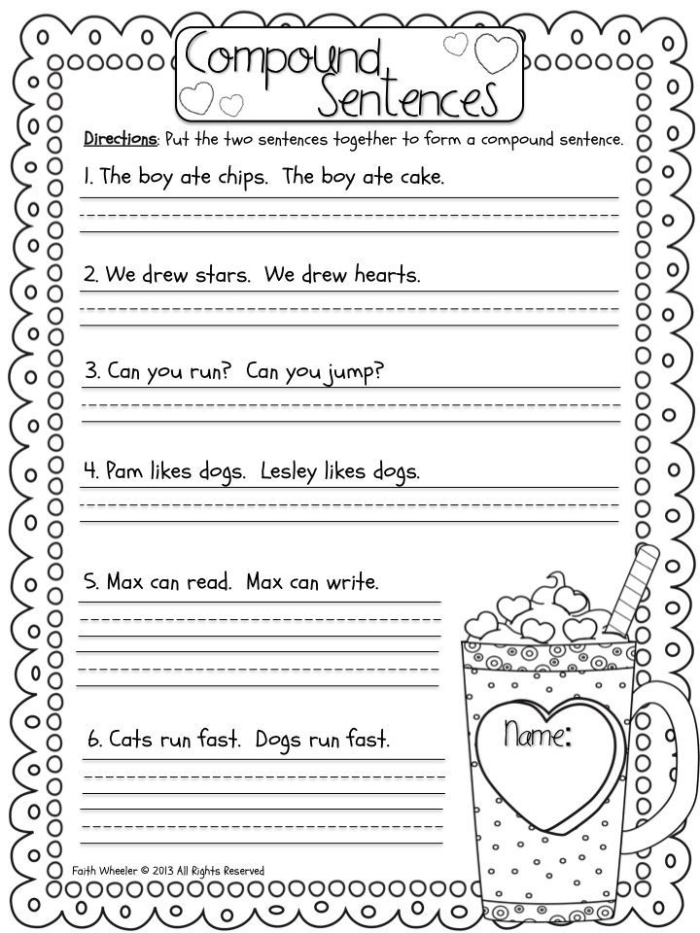
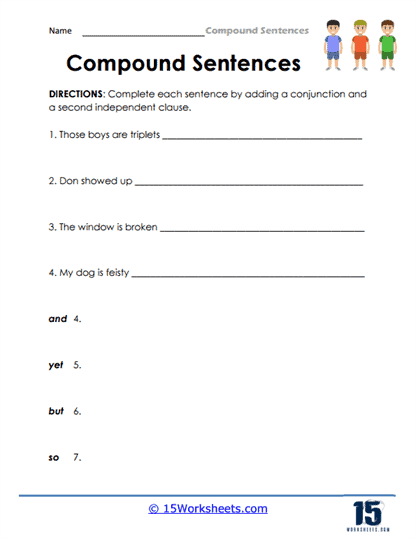
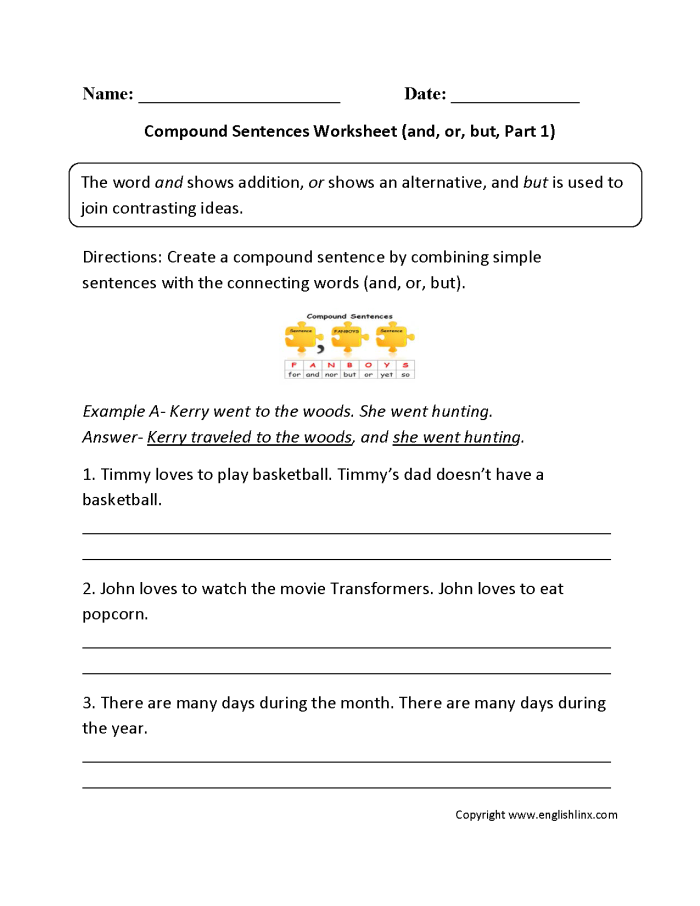
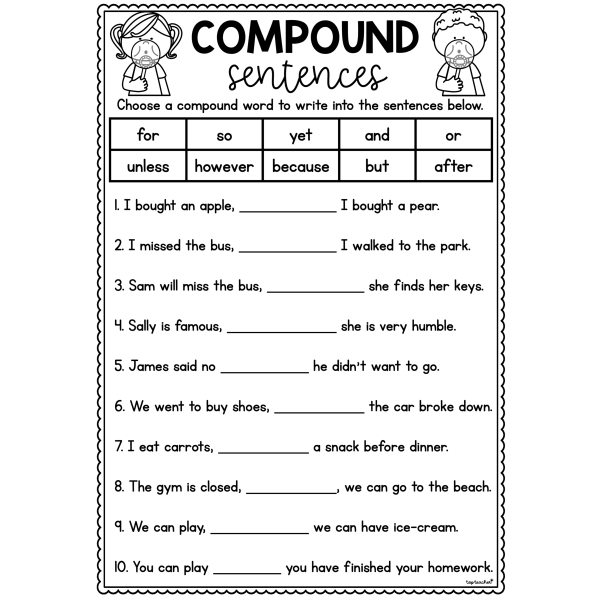
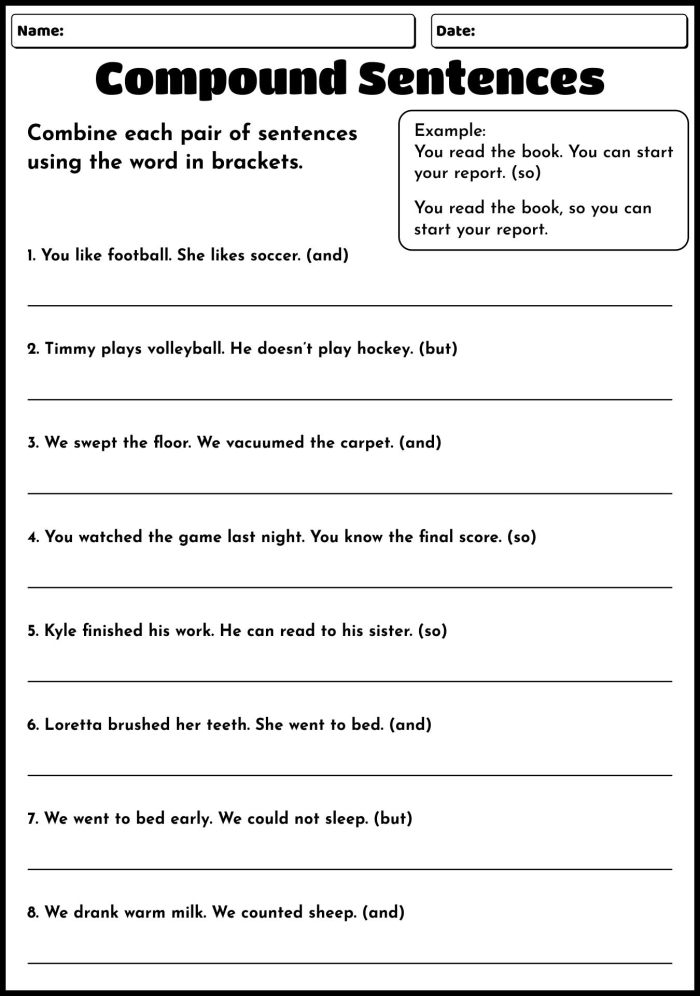
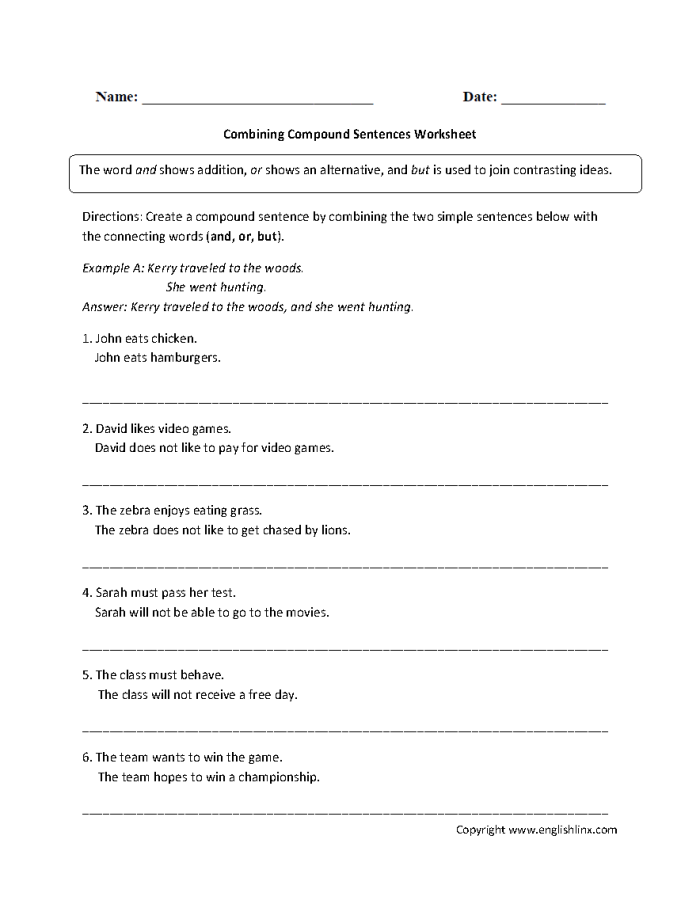
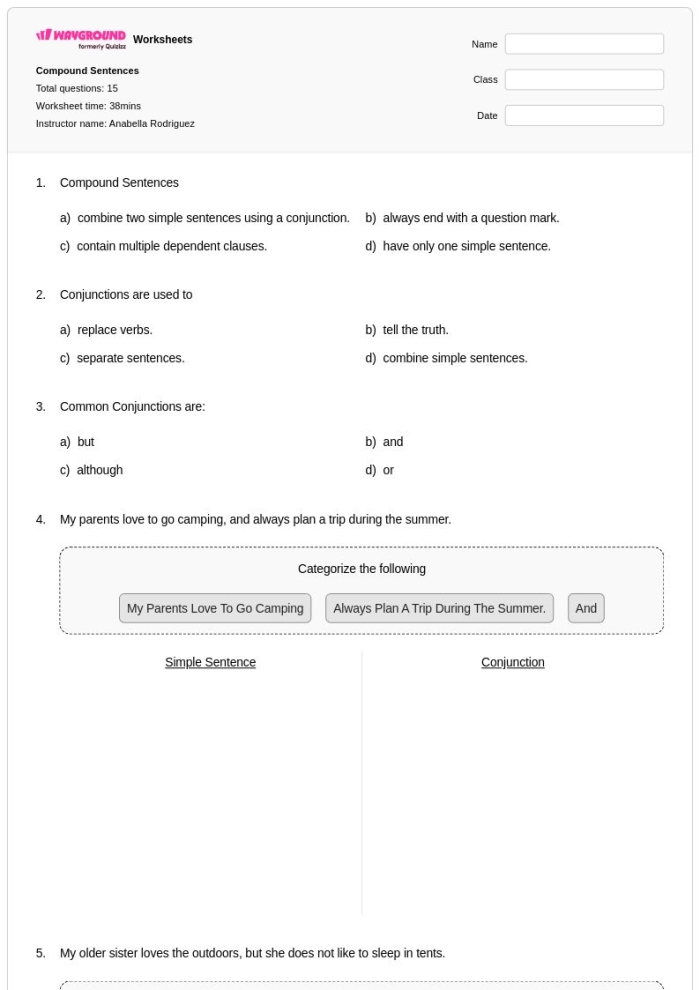
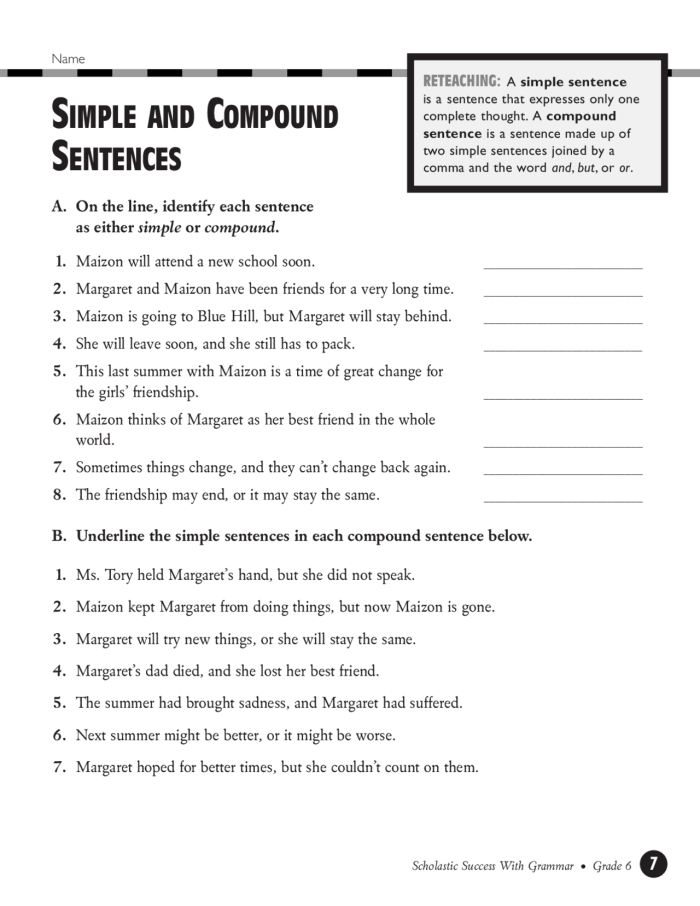
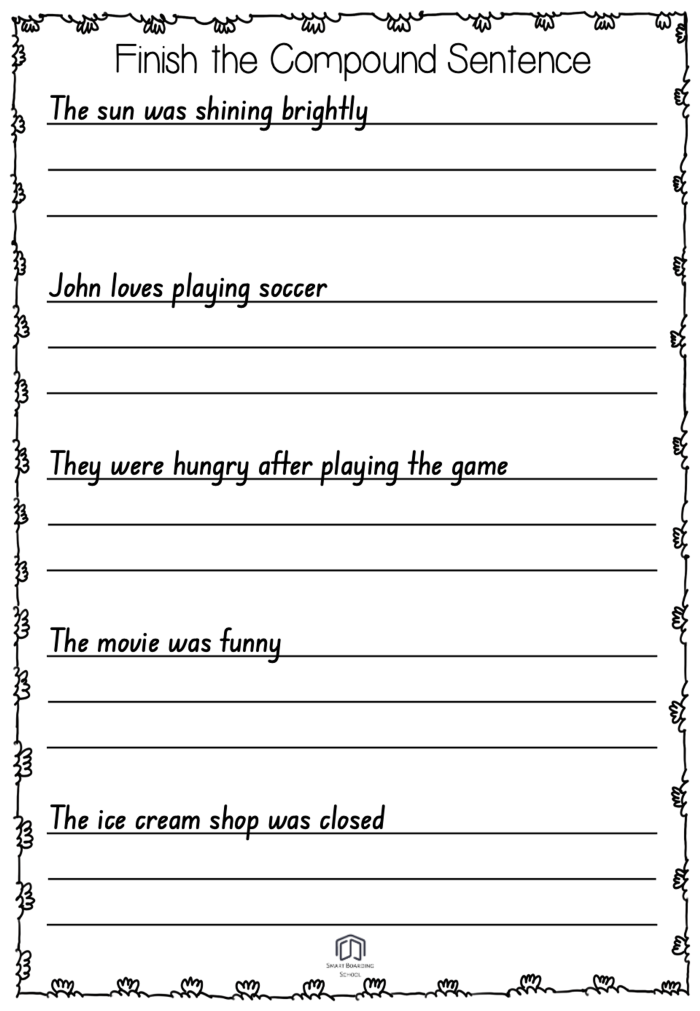
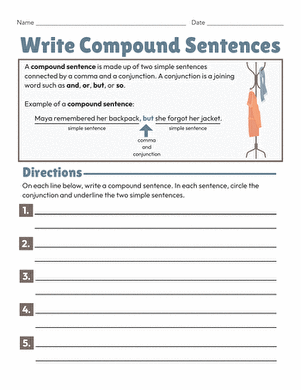
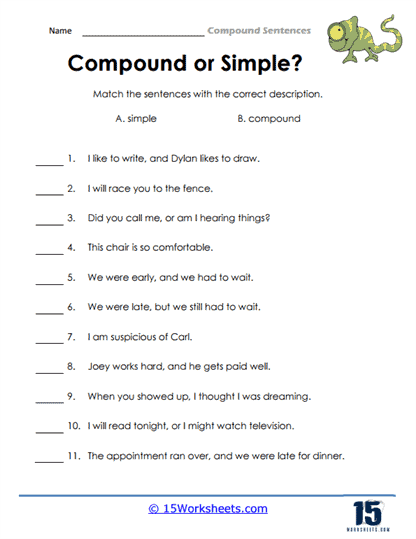
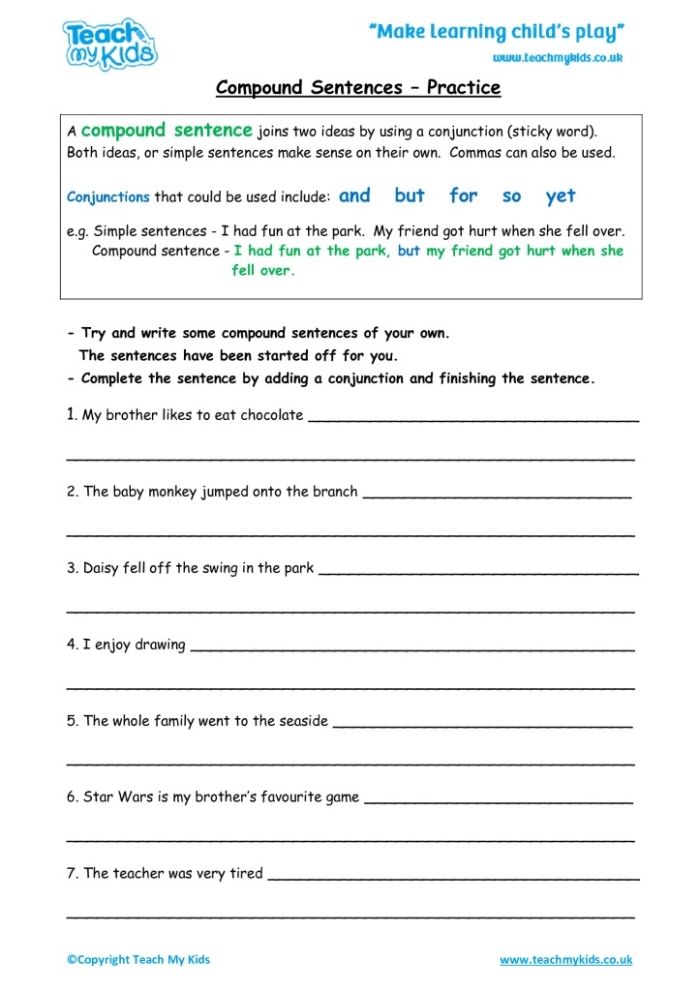
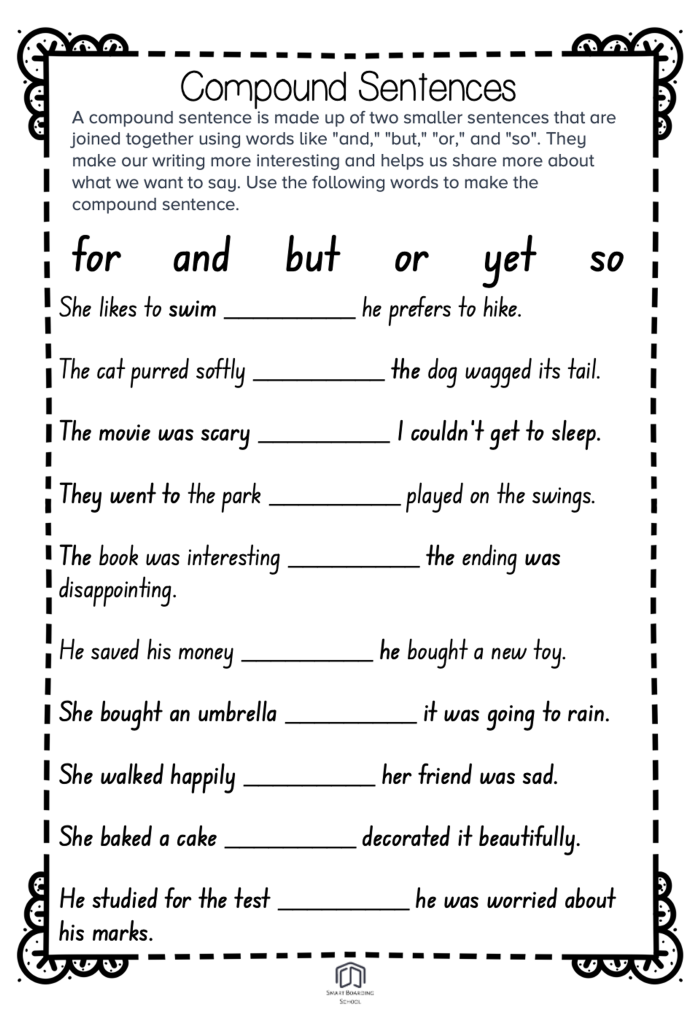
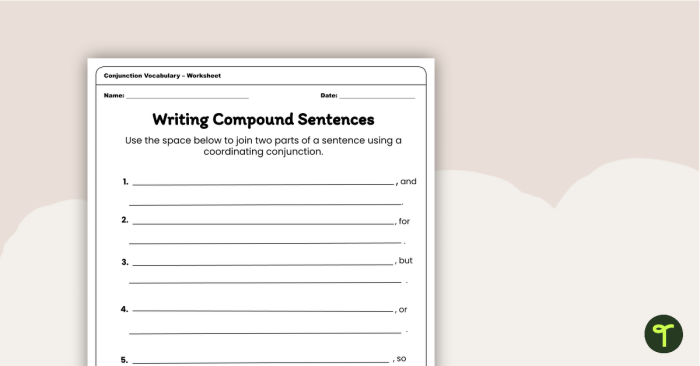
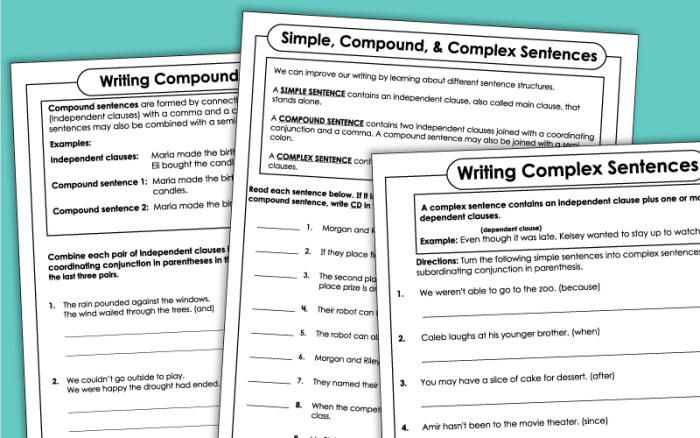
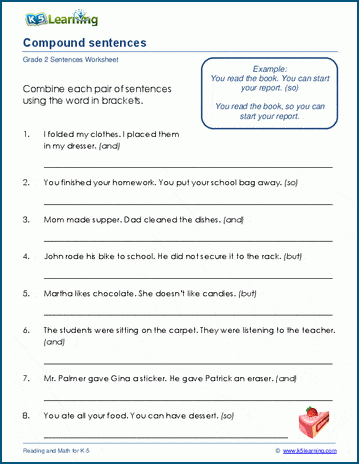
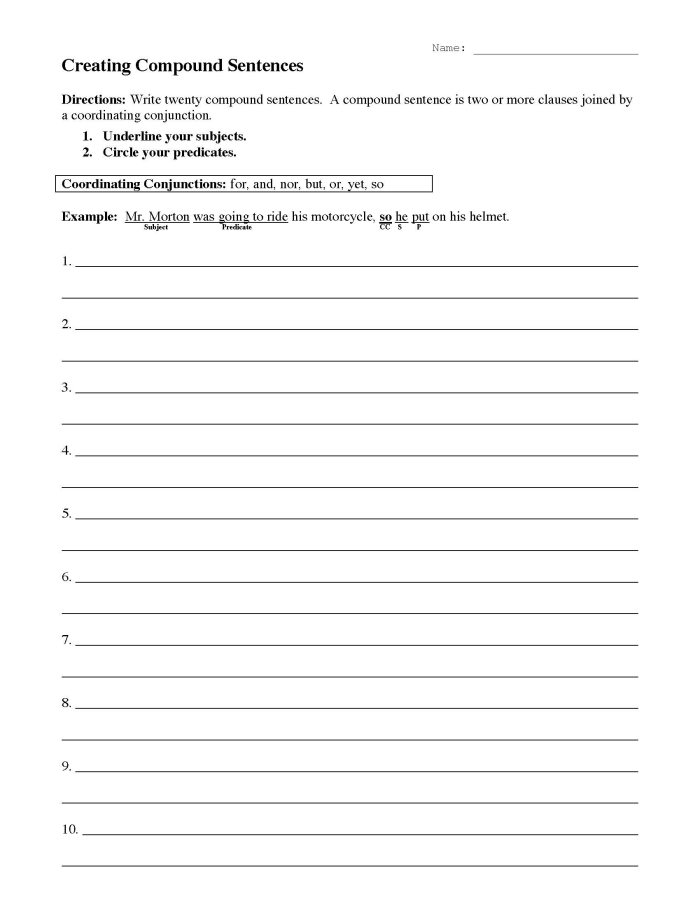
Teaching students how to create compound sentences can significantly enhance their writing skills. By combining two simple sentences with a comma and a coordinating conjunction, they learn to express more complex ideas clearly and effectively. This exercise is particularly beneficial for third graders, who are developing their understanding of grammar and mechanics.
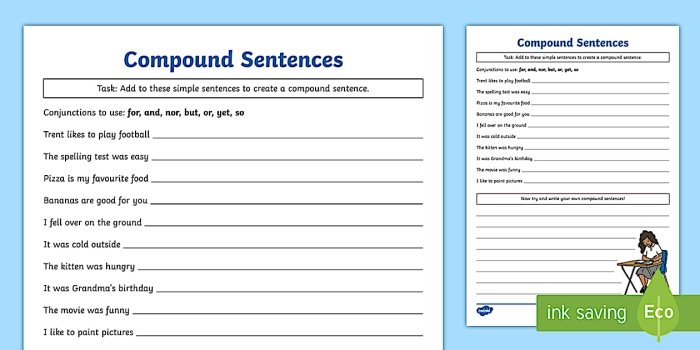
Start with two simple sentences that relate to one another. For instance, take the sentences “The cat is sleeping” and “The dog is barking.” Ask your student to identify how these two ideas can be connected. The key is to guide them to use a coordinating conjunction such as “and,” “but,” or “or.” In this case, the compound sentence would read: “The cat is sleeping, and the dog is barking.” This not only combines the ideas but also shows the relationship between the actions.
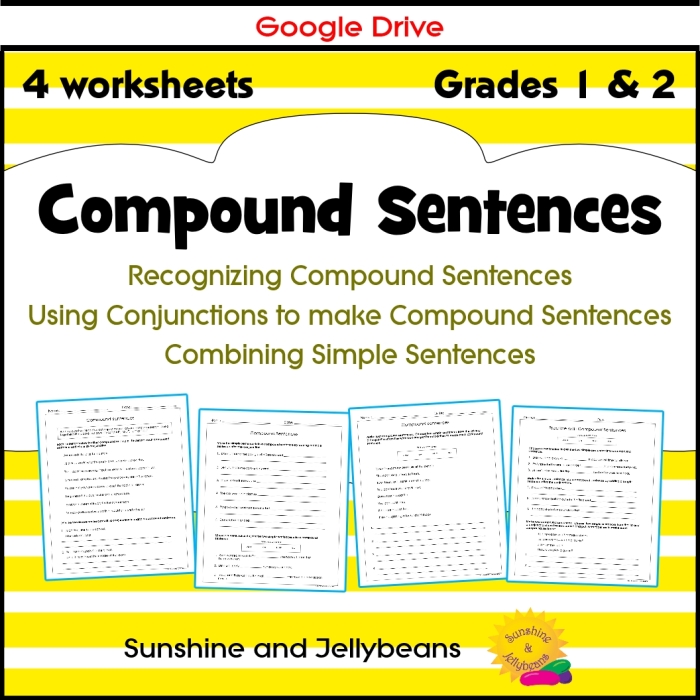
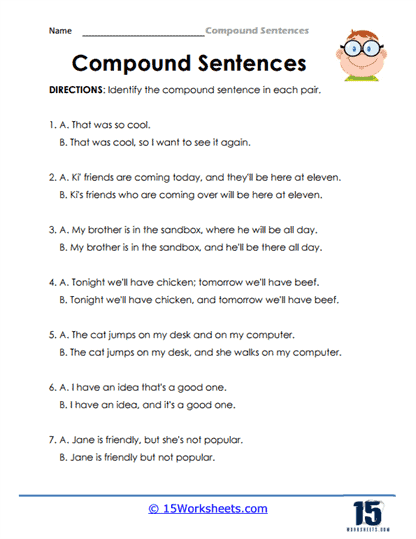
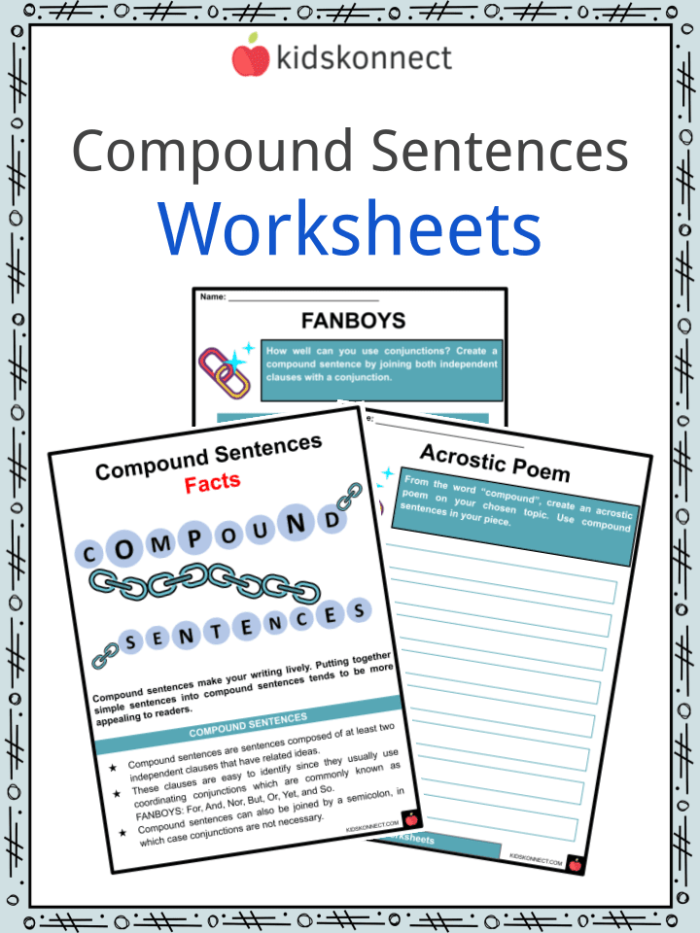
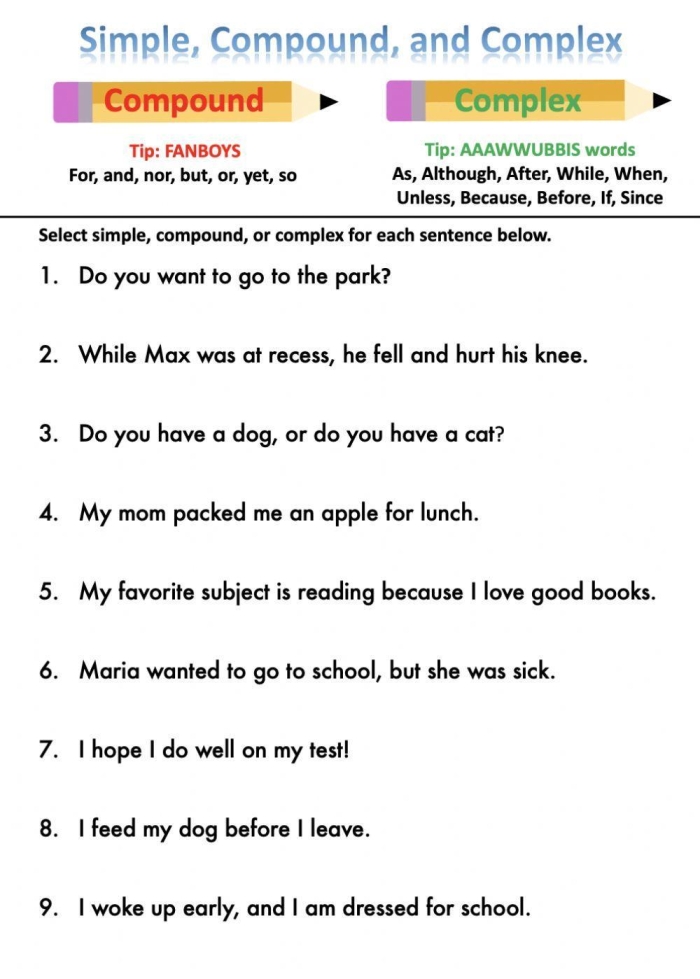
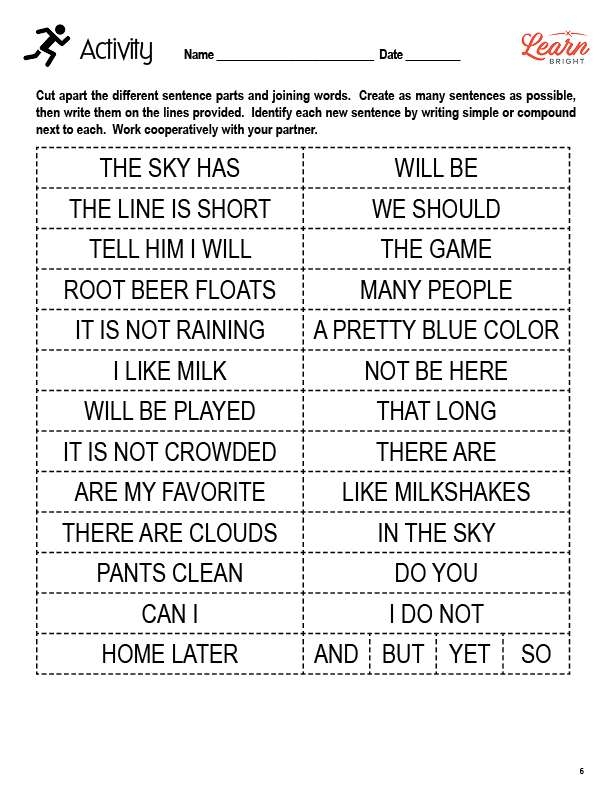
Using printable worksheets can make this exercise engaging. For example, resources like Color Code the Paragraph provide structured practice in grammar and mechanics. These worksheets encourage students to recognize and create compound sentences in a fun and interactive way.
As students practice, remind them of the importance of punctuation. The comma comes before the coordinating conjunction to separate the two independent clauses. This rule is essential for clarity and helps prevent run-on sentences, which can confuse readers.
Incorporating this method into your teaching can yield great results. The ability to combine ideas into compound sentences will not only improve their writing but also boost their confidence in using language creatively. If you’re looking for more exercises, consider checking out worksheets focused on different grammar concepts, such as Place Value Expanded Form or Bar Graph: Getting to School. These resources will further support their journey in mastering the intricacies of grammar and mechanics.
Worksheet Practice Section