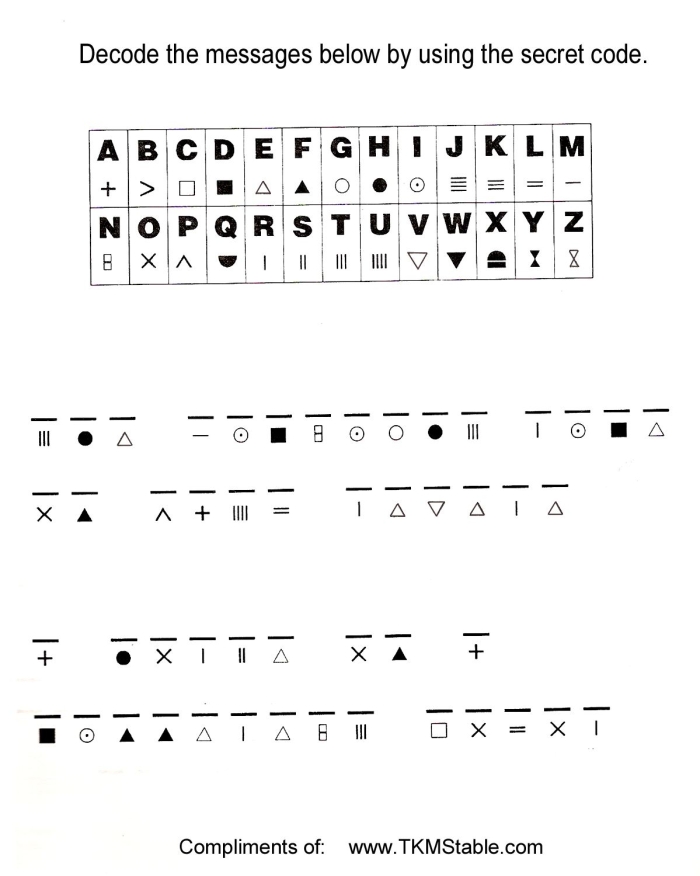
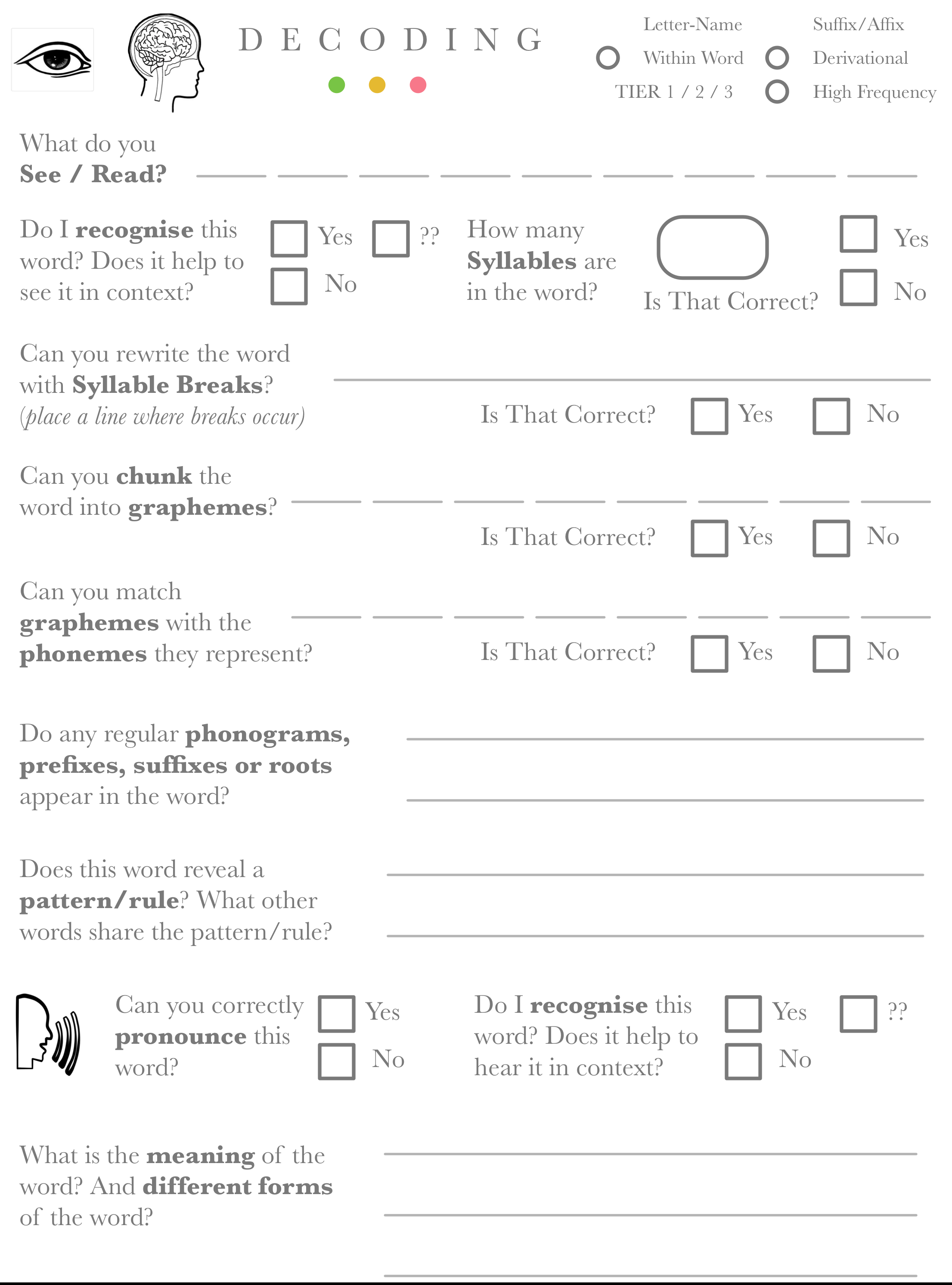
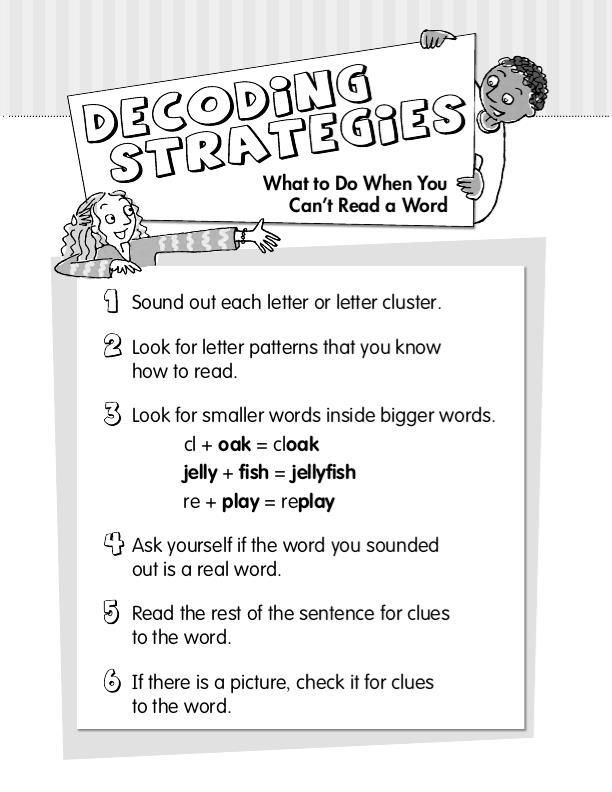
Decoding words is an essential skill for good readers, particularly for third graders who are developing their reading fluency. When students learn to decode, they break down words into manageable parts, allowing them to read with greater ease and confidence. This skill not only enhances their reading abilities but also boosts their comprehension, as they can focus more on understanding the text rather than struggling with unfamiliar words.
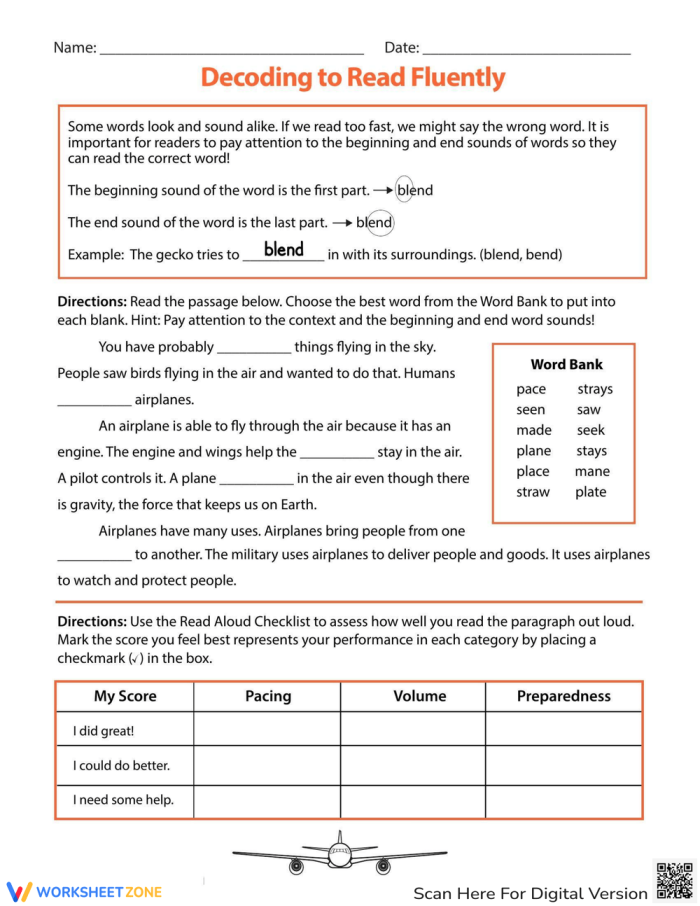
One effective method to practice decoding is by focusing on the beginning and end sounds of words. This approach can help students identify patterns and make educated guesses about unfamiliar words. For instance, when students encounter the word “cat,” they can recognize the initial “c” sound and the final “t” sound, which may help them connect the word to their existing knowledge about similar words like “bat” or “hat.” By honing in on these sounds, students build a strong foundation for more advanced reading skills.
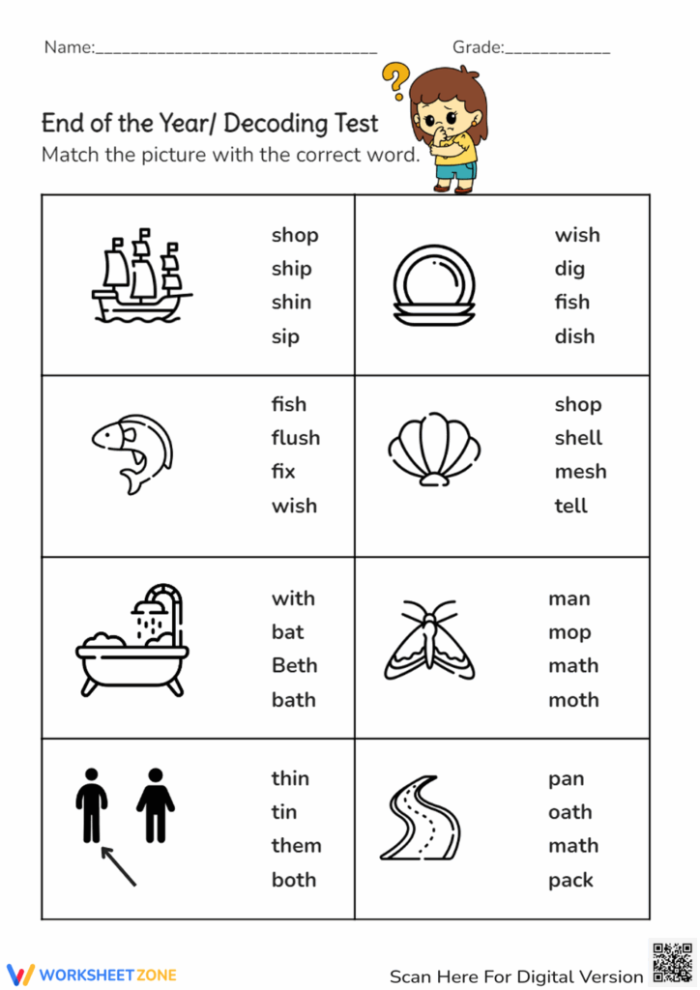
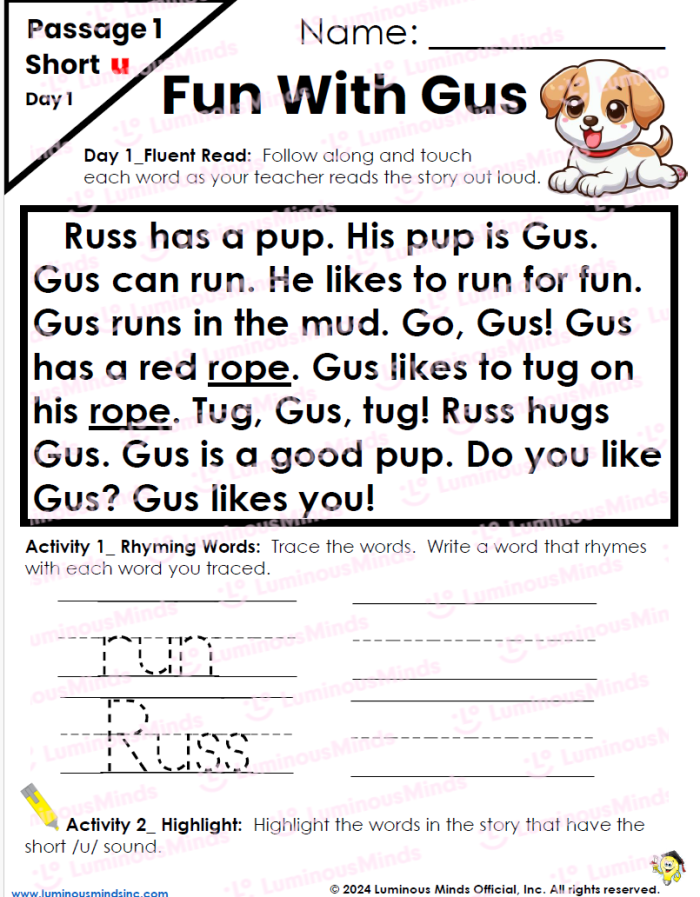
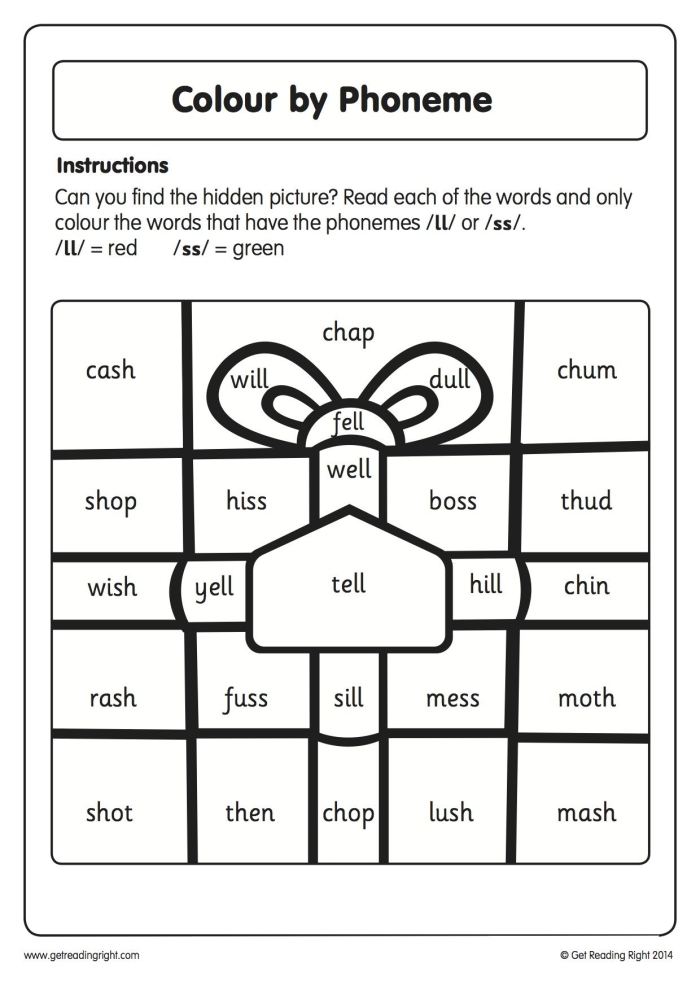
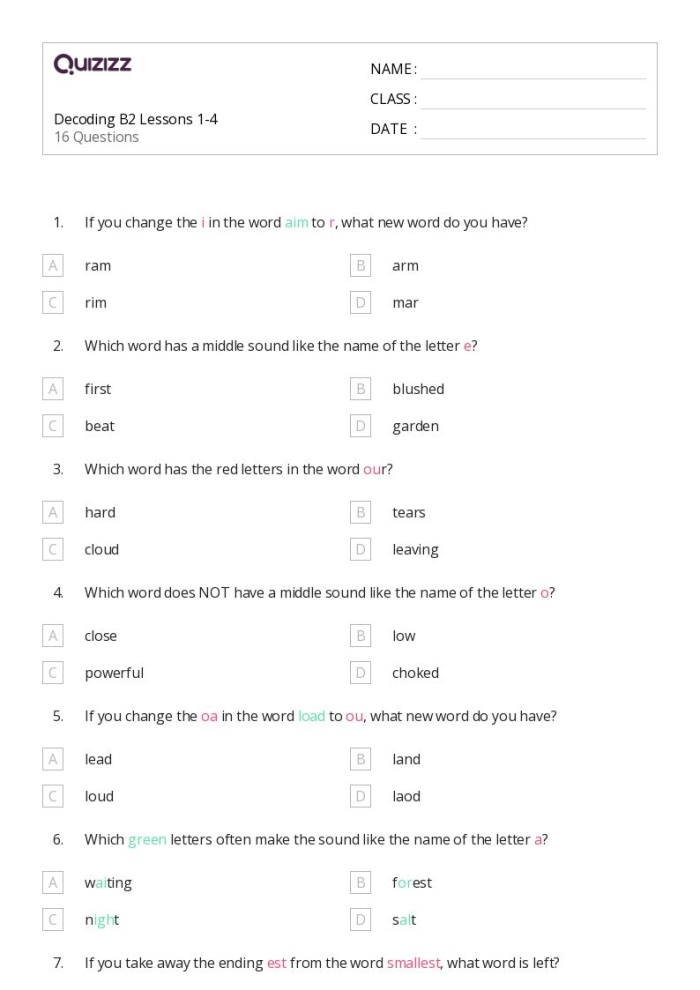
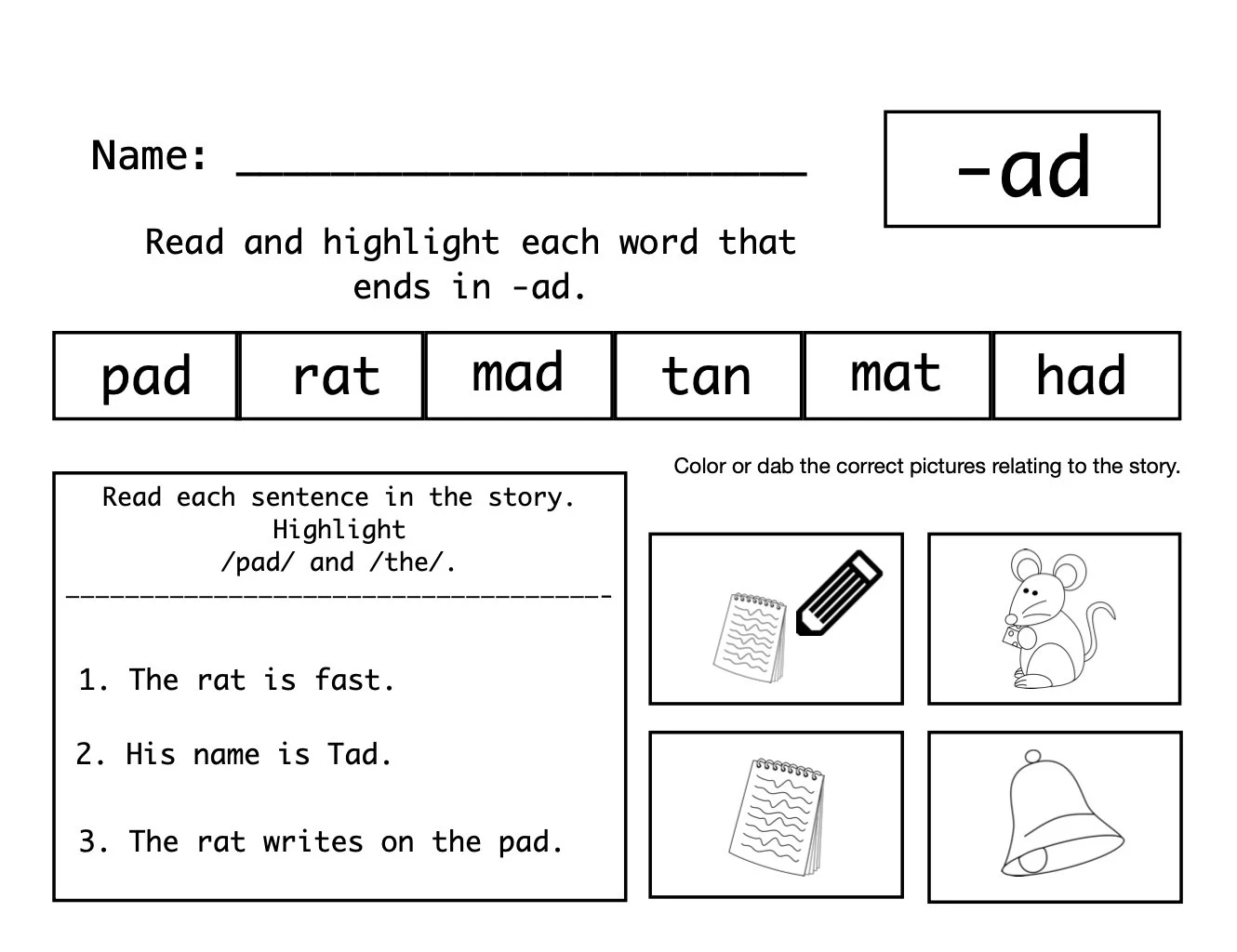
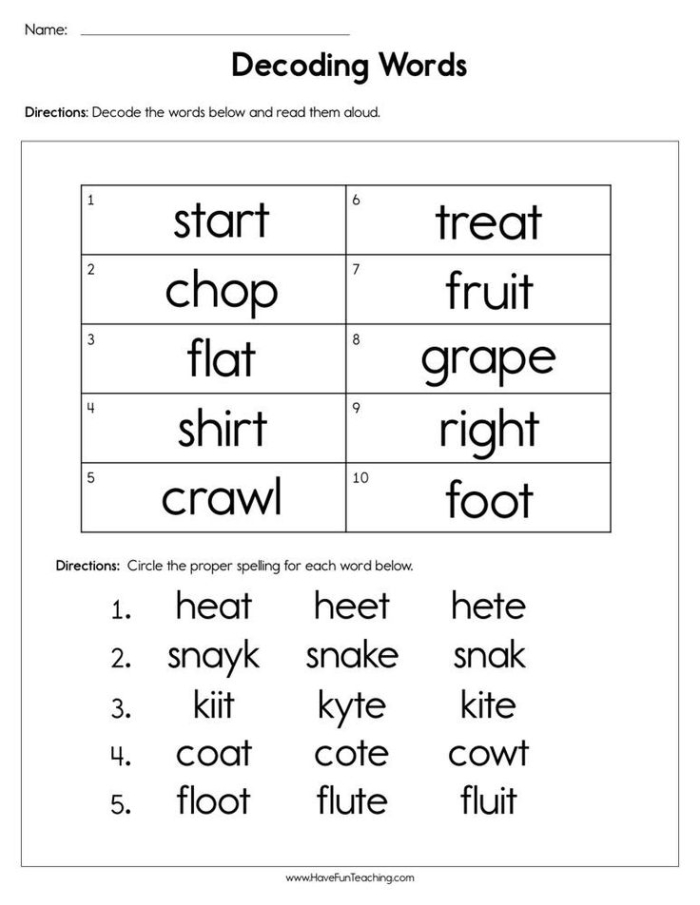
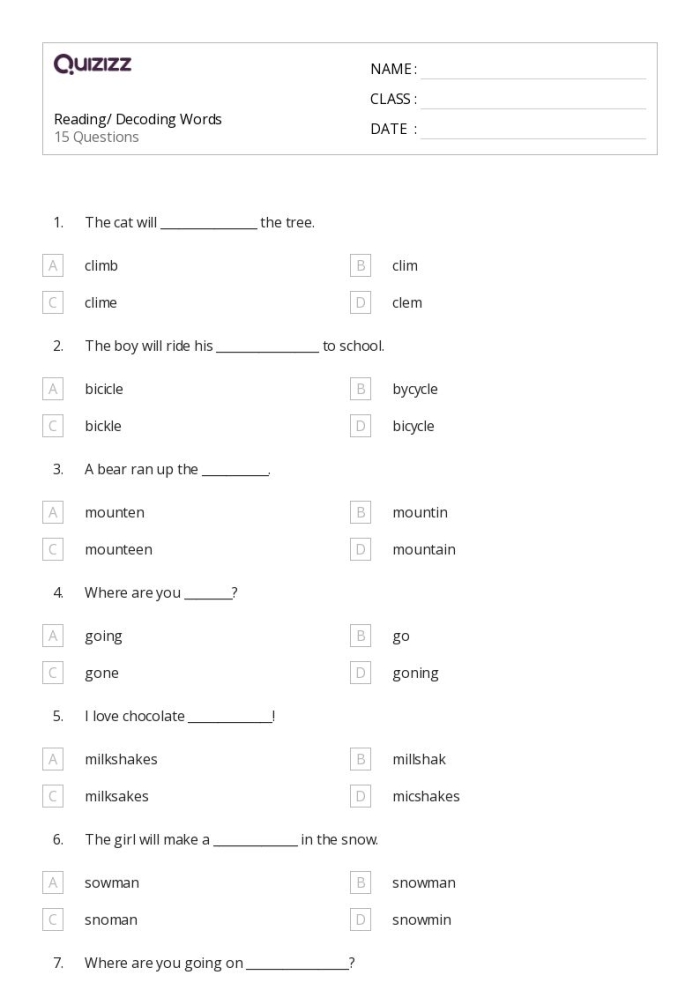
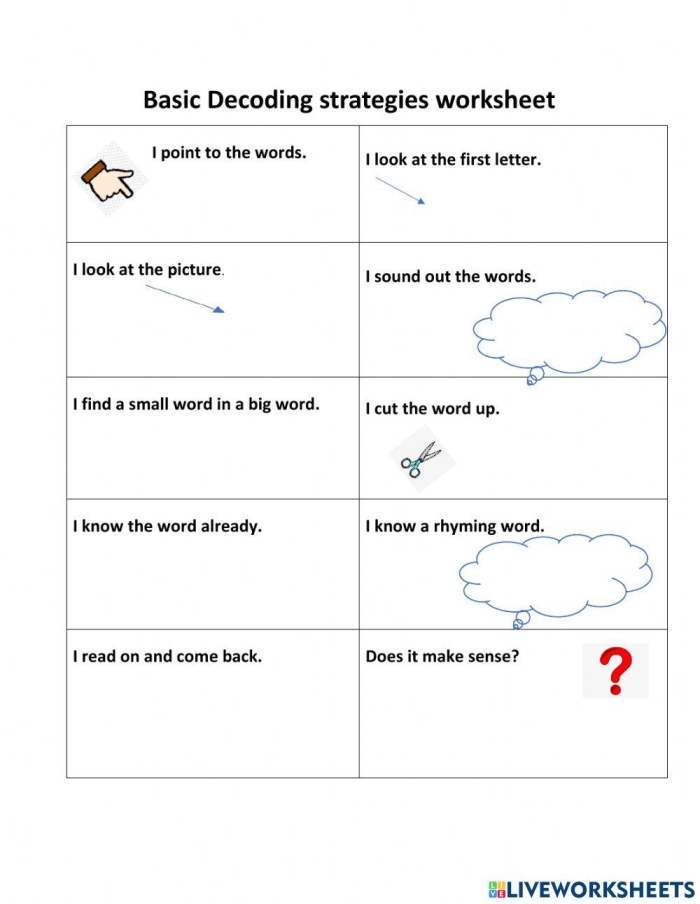
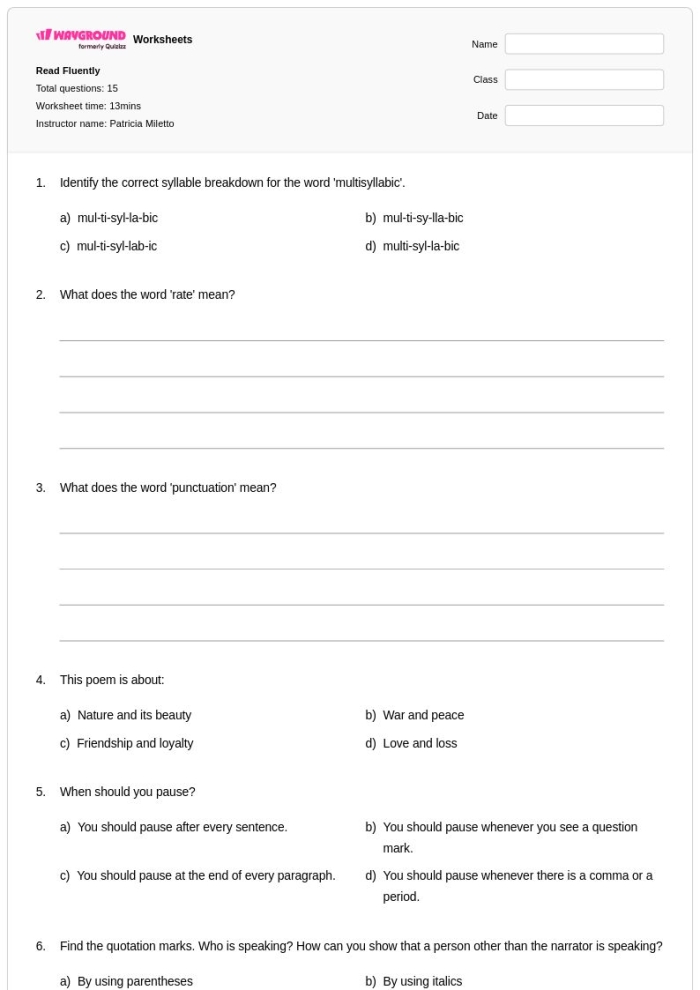
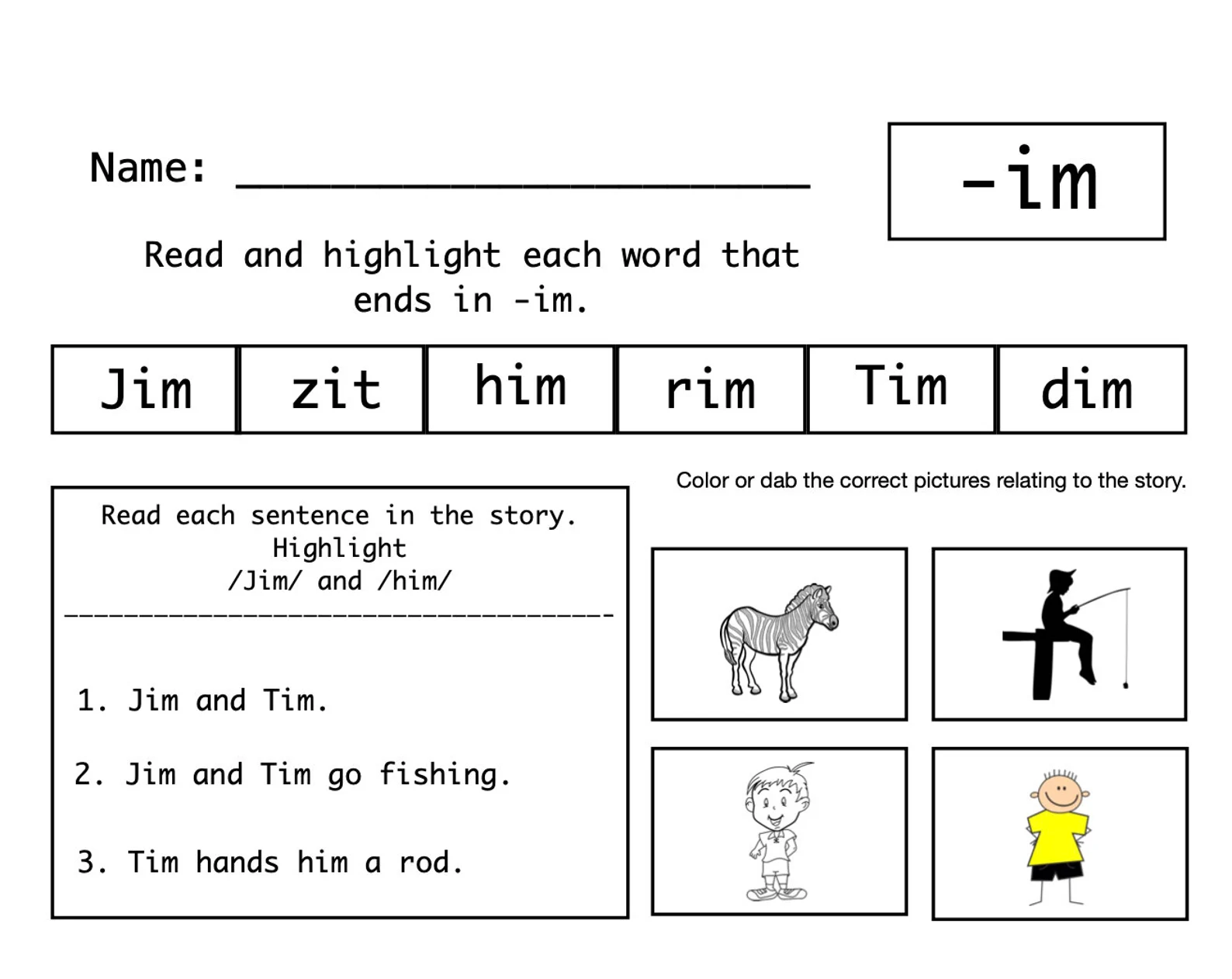
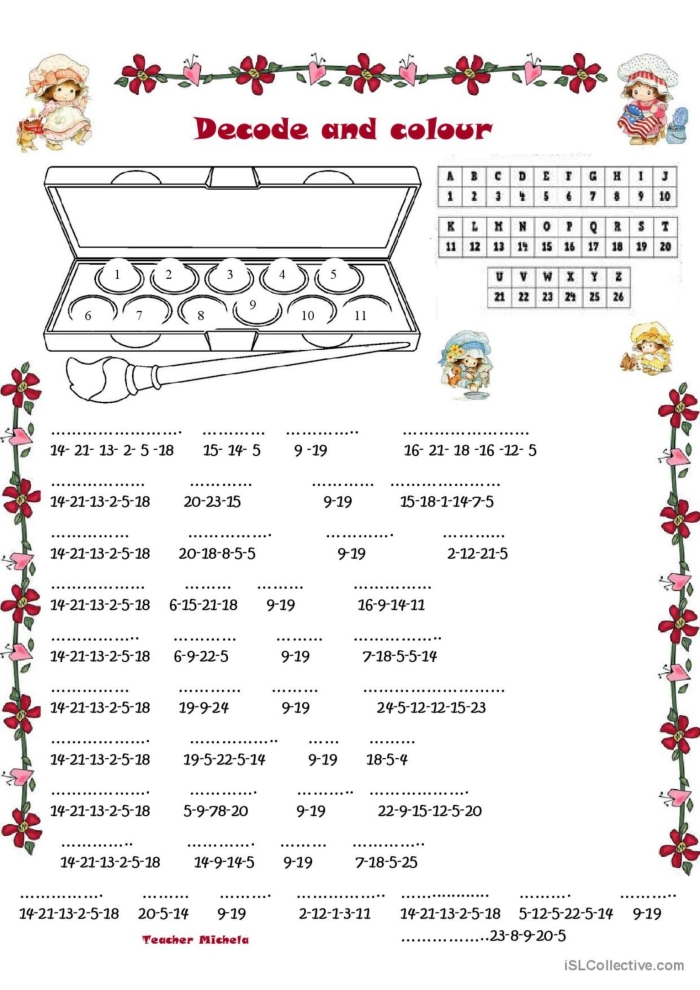
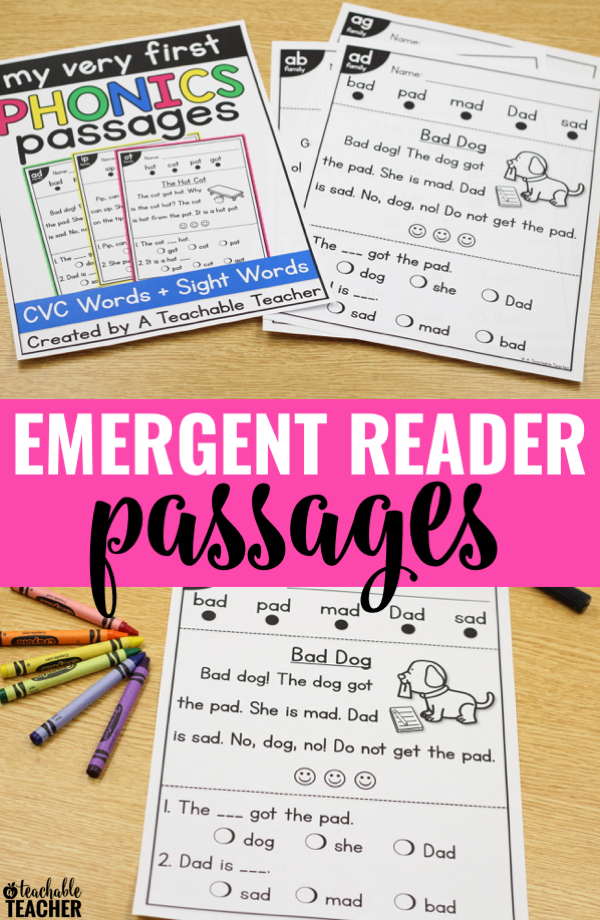
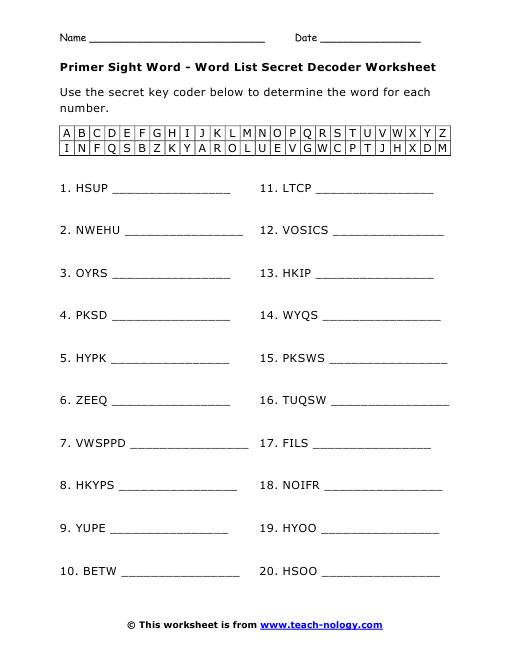
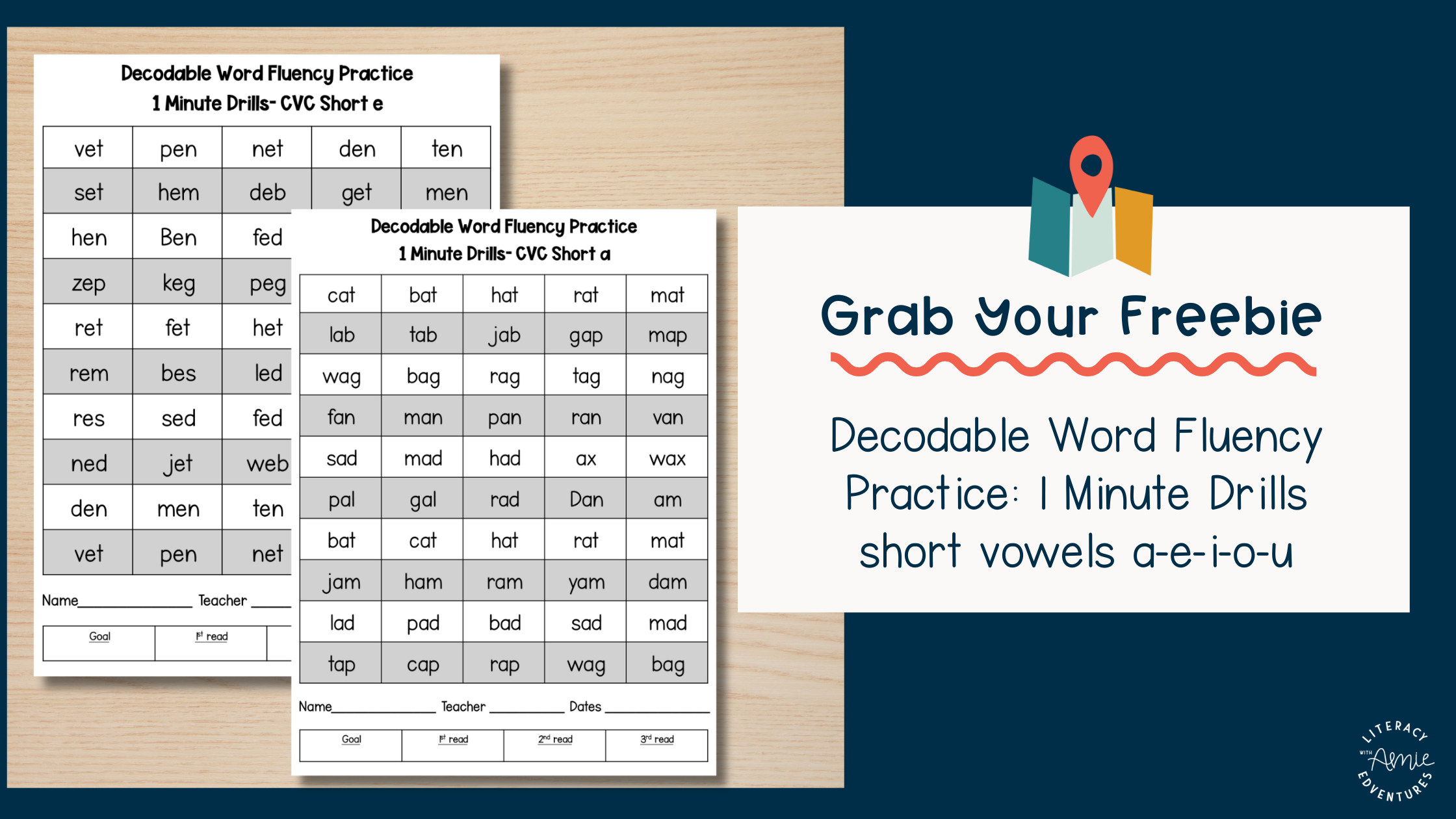
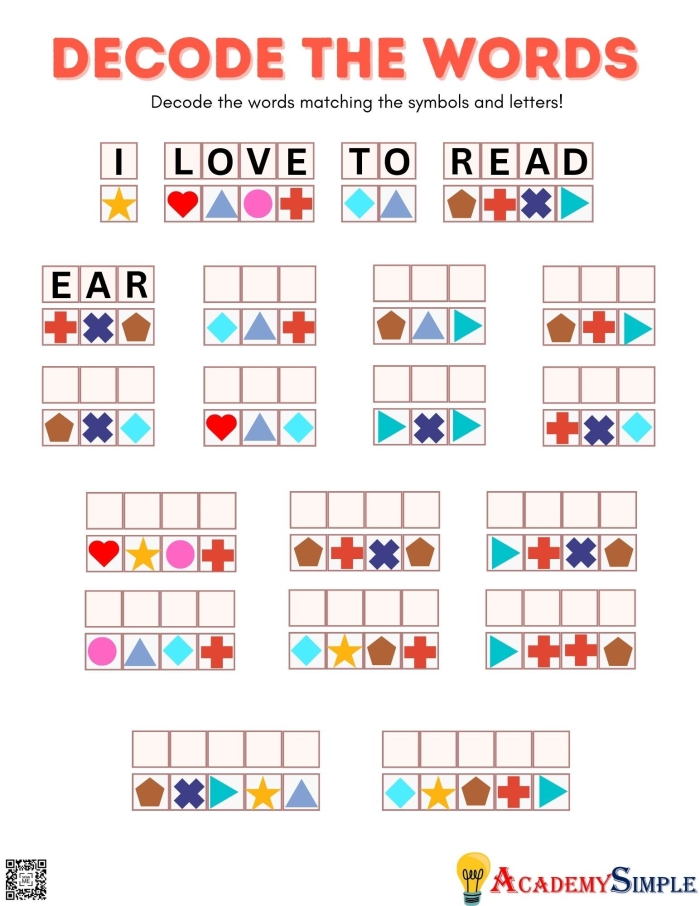
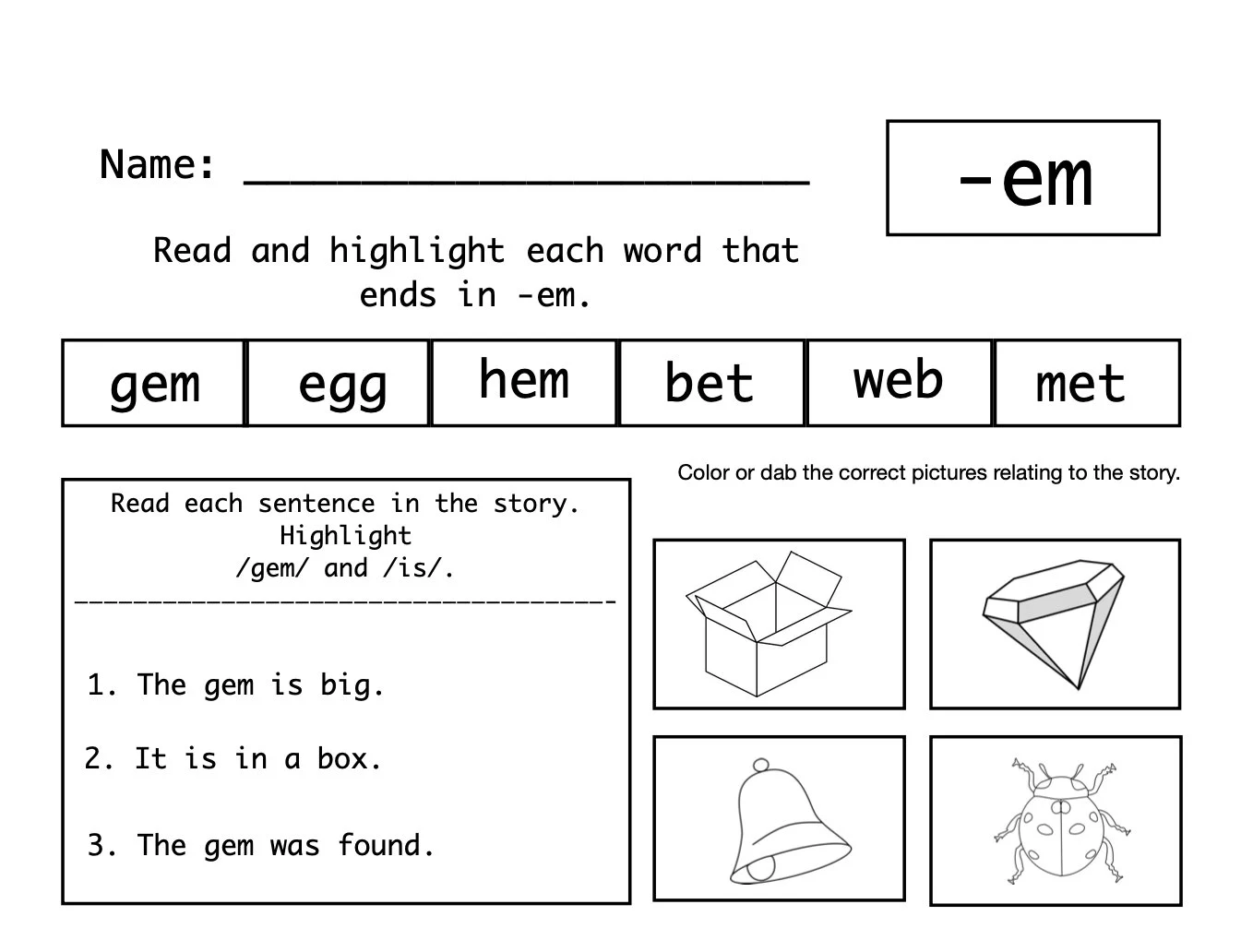
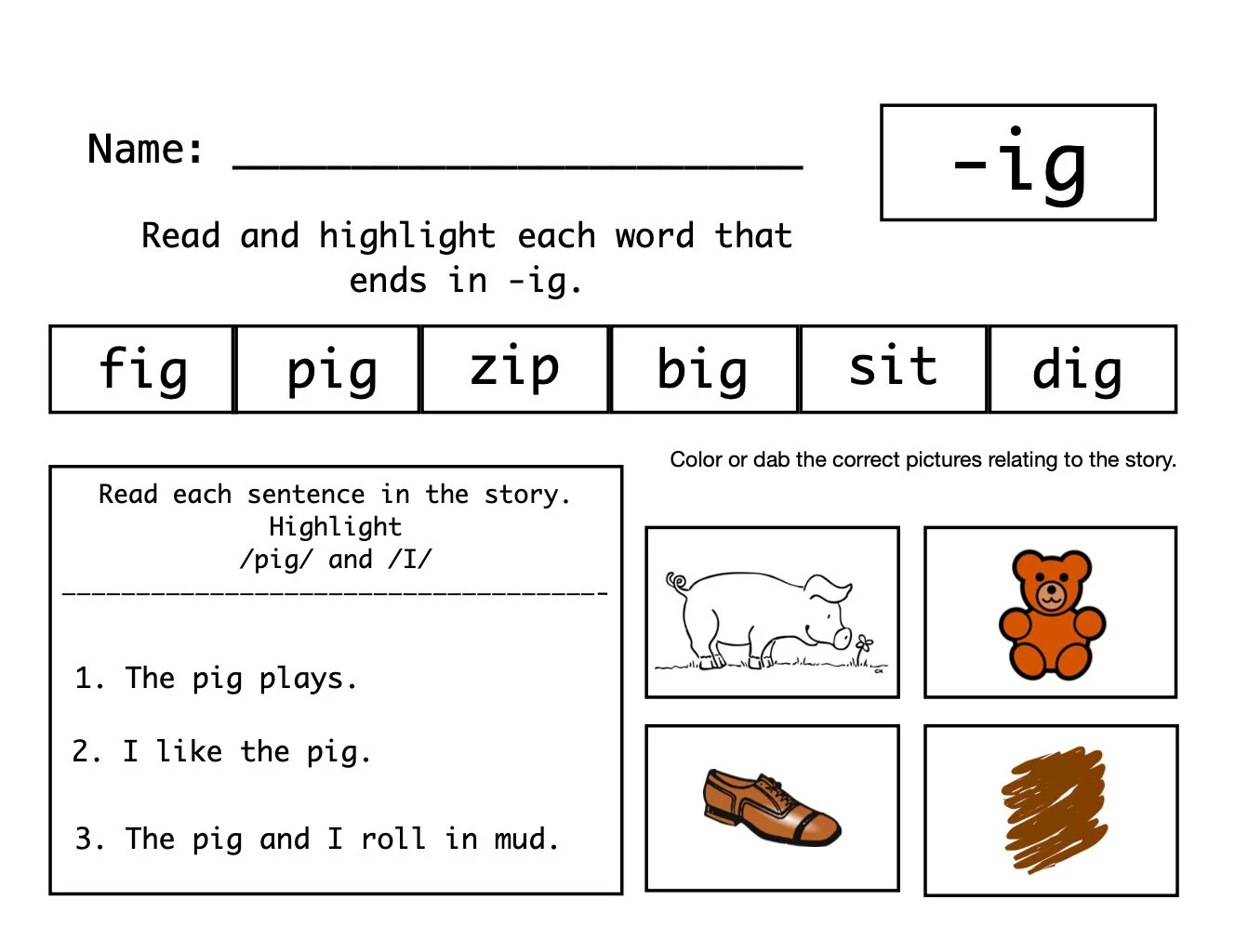
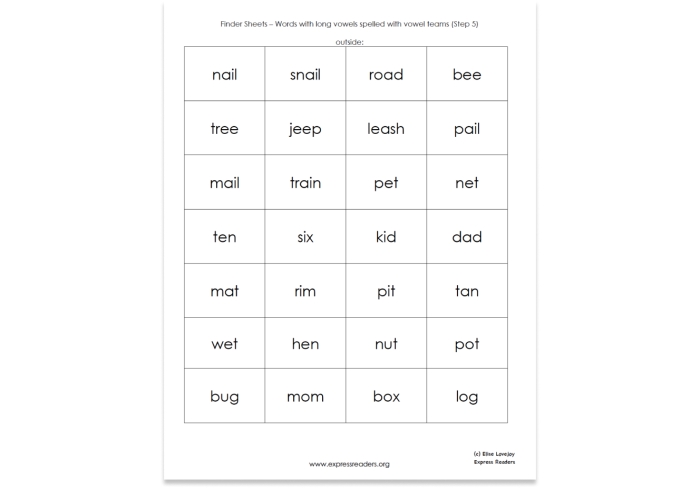
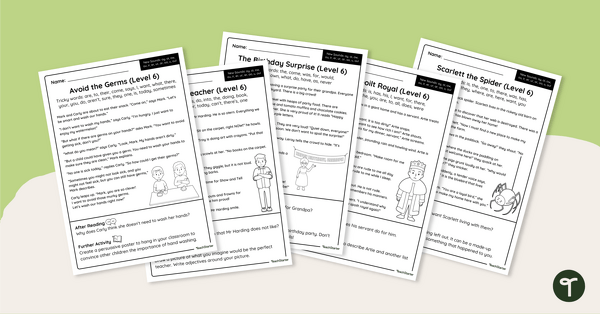
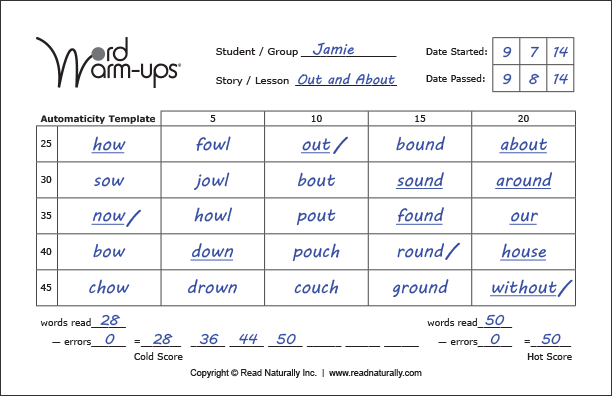
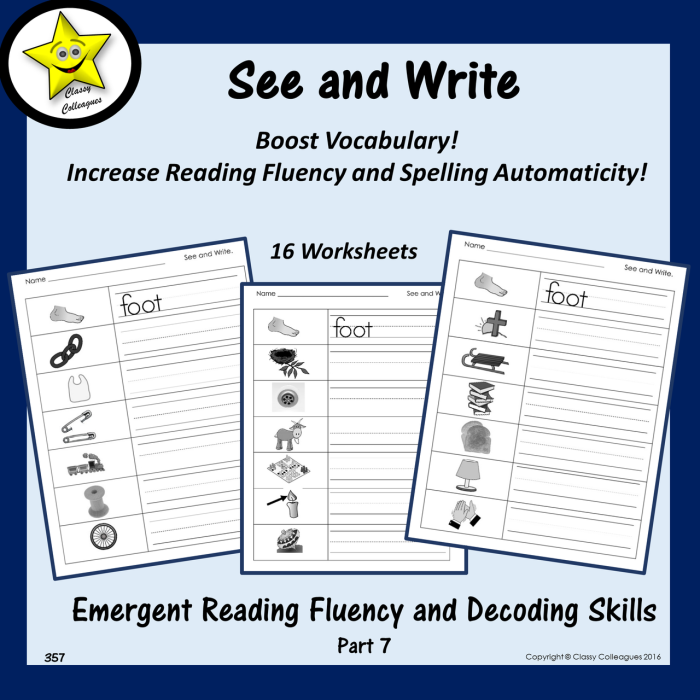
To implement this practice in the classroom, consider using resources such as printable worksheets designed for decoding. These worksheets can provide structured exercises that focus on identifying beginning and end sounds, allowing students to engage with words in a fun and interactive way. Additionally, activities like word searches can reinforce their skills while keeping them entertained, as seen in poetry-themed worksheets.
Encouraging third graders to practice decoding through various activities not only makes learning enjoyable but also equips them with the necessary tools to become fluent readers. By regularly incorporating these exercises, educators can significantly enhance their students’ reading capabilities and foster a lifelong love for literature.
Printable Worksheets for Practice