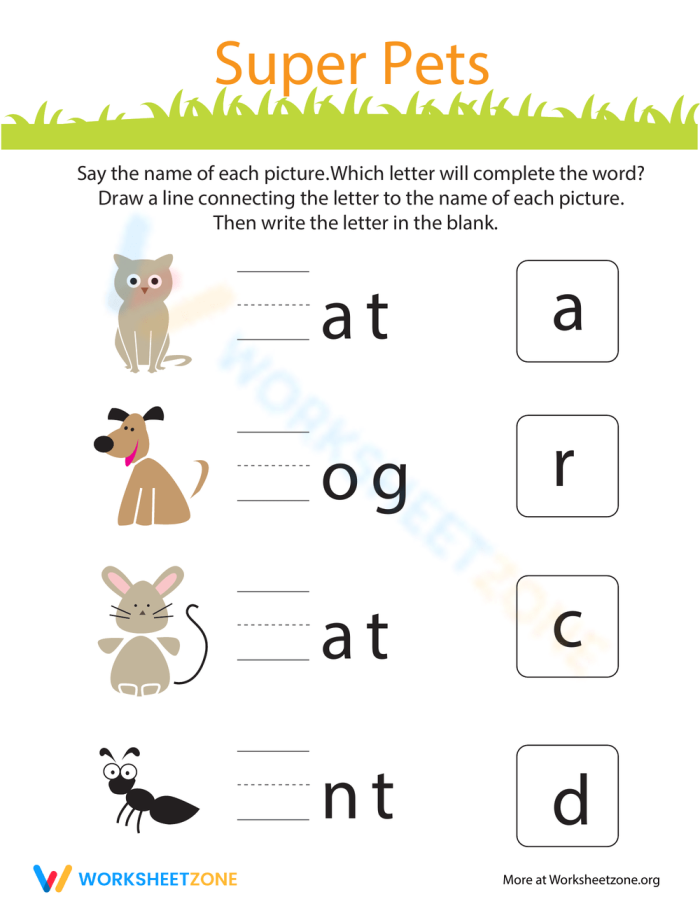
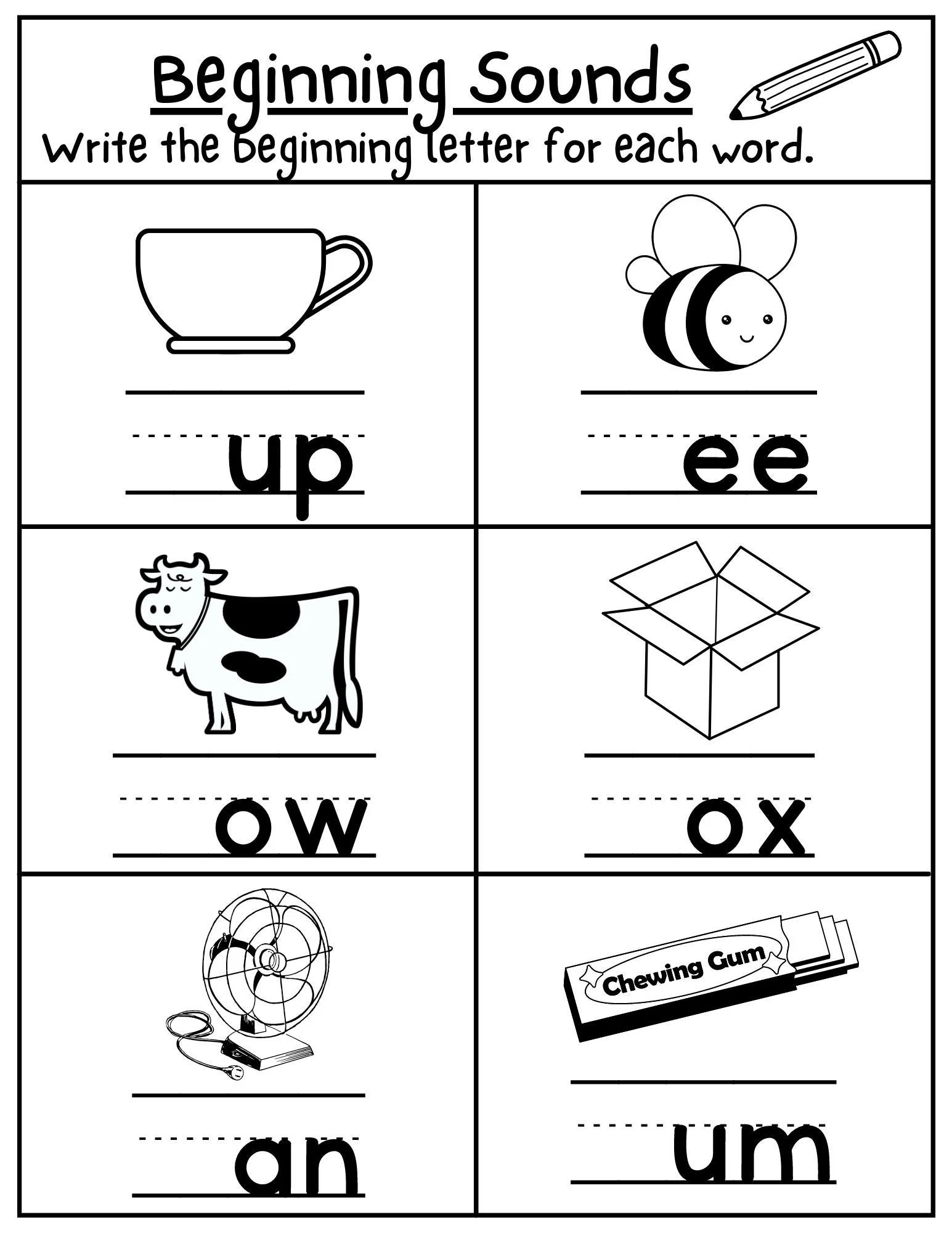
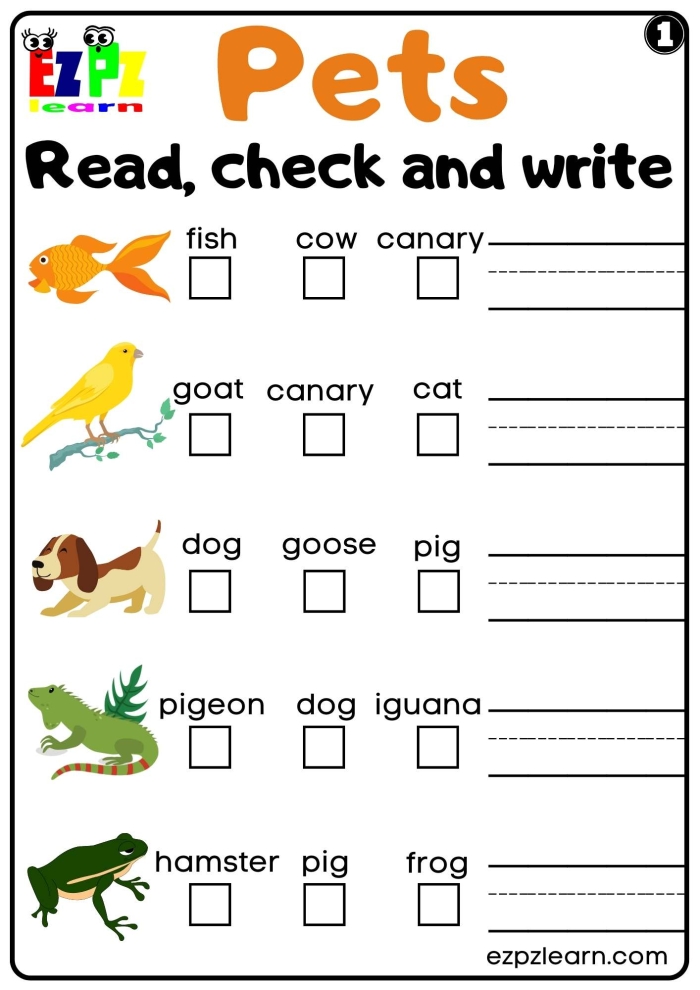
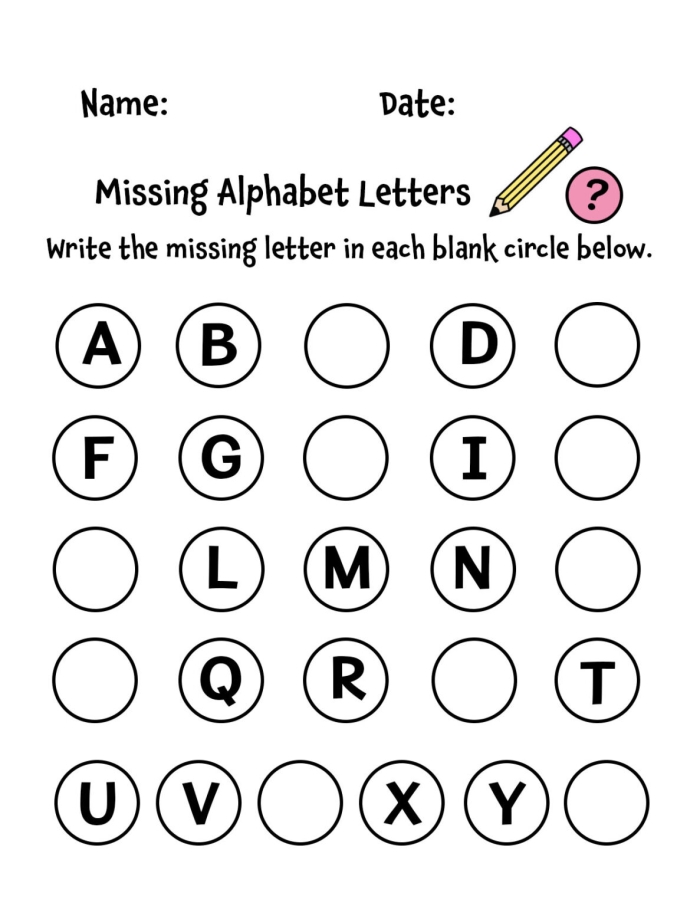
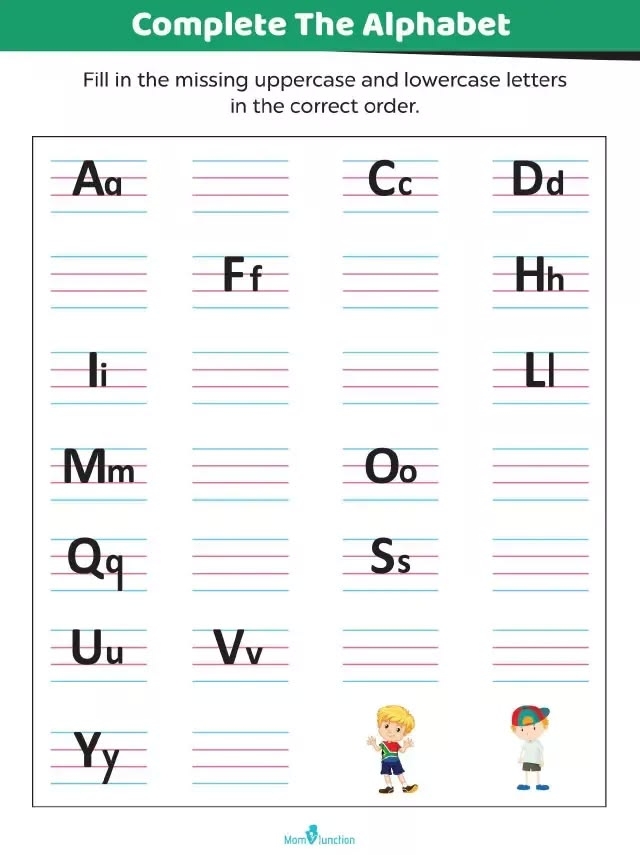
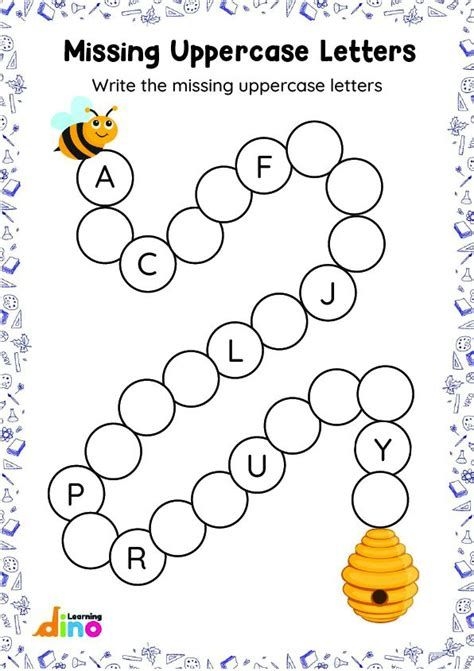
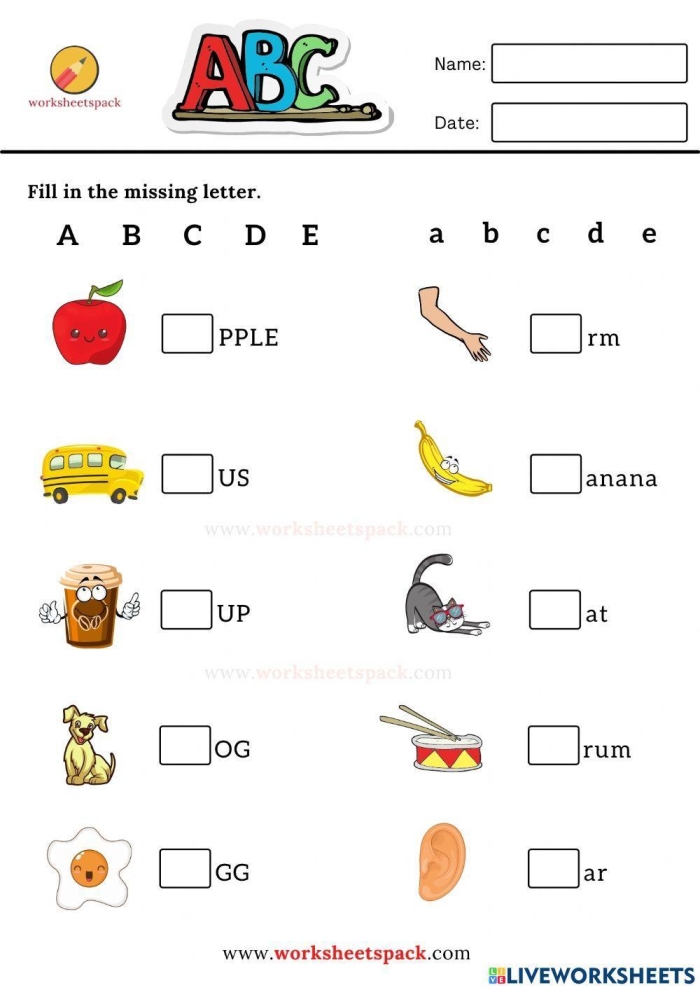
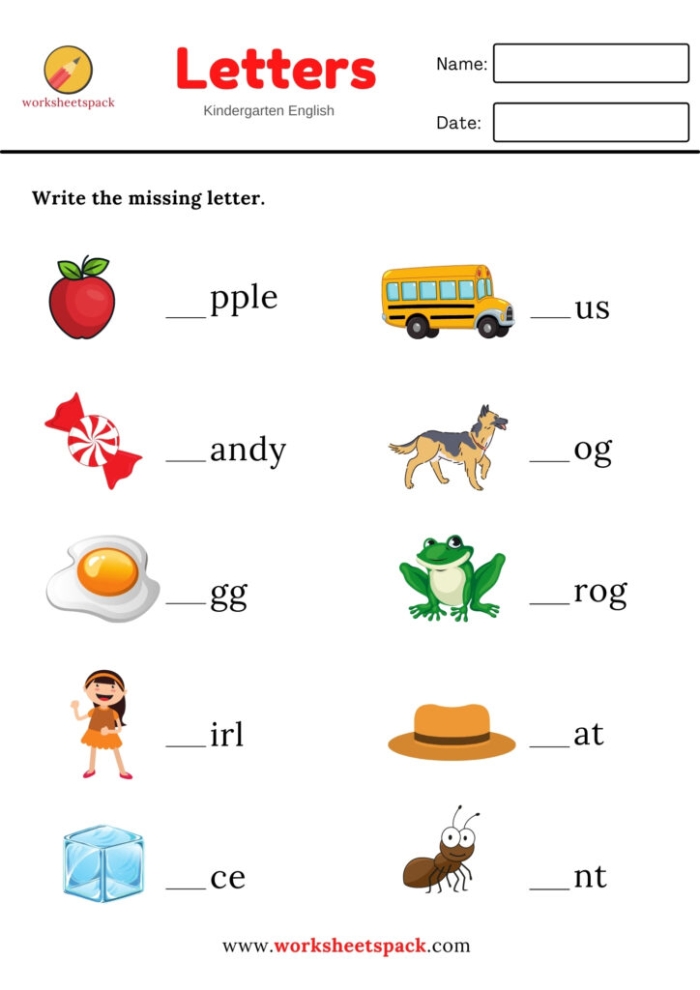
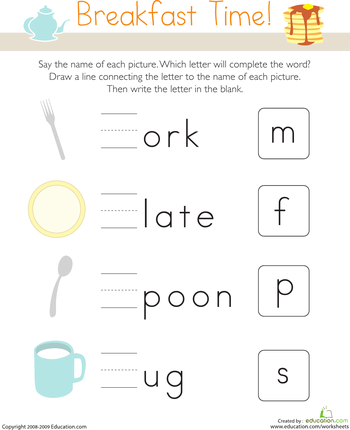
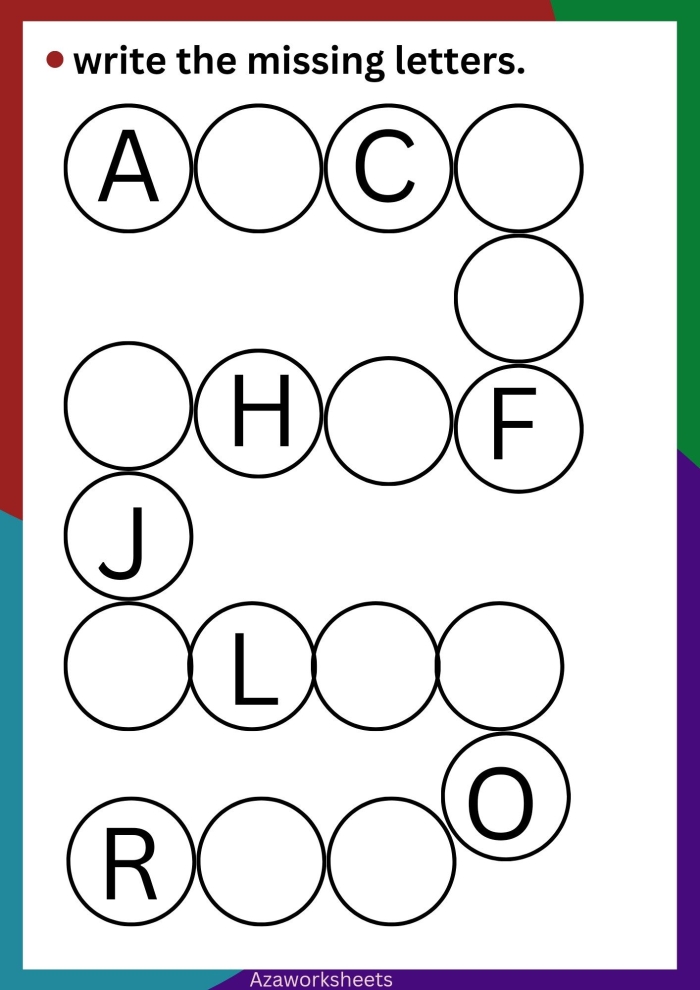
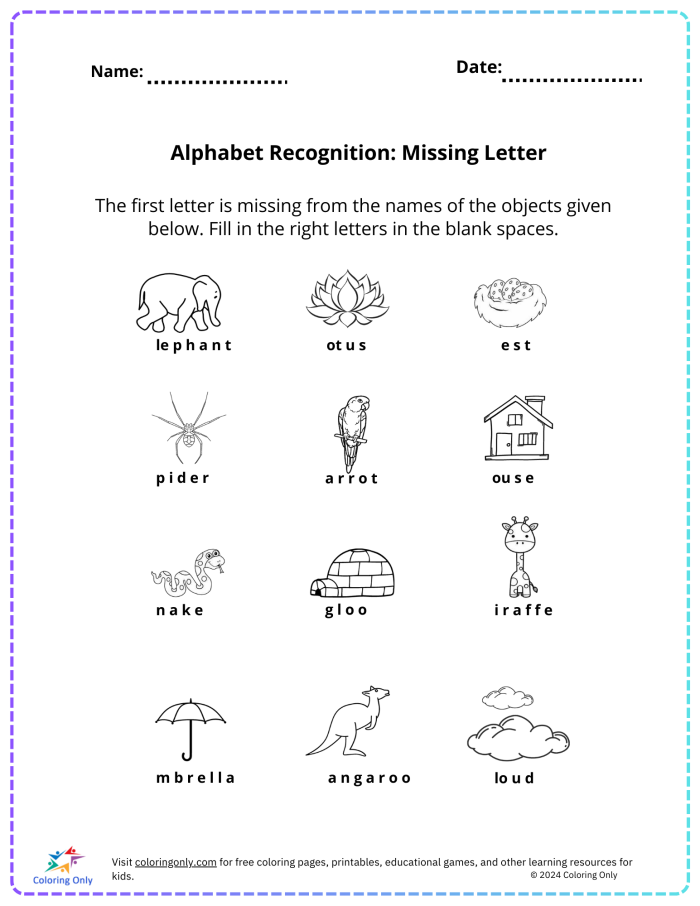
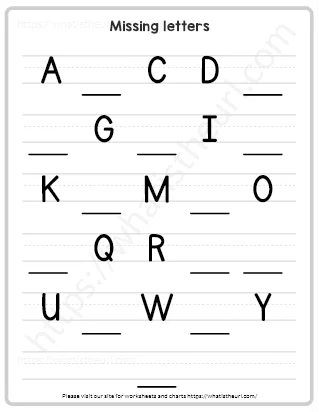
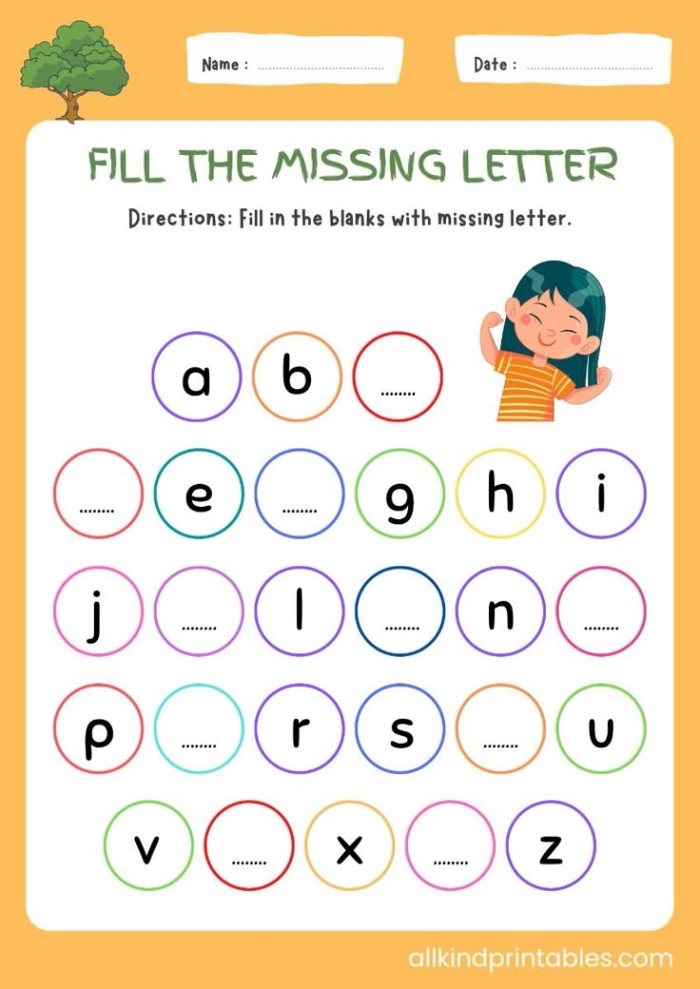
One of the quickest ways to build phonics confidence in kindergarten is to give kids a puzzle they can actually solve. That’s exactly what happens when children work through a worksheet where animal names are hiding their first letters. The dog becomes _og, the cat turns into _at, and suddenly your student has a real job to do: figure out which letter belongs at the start of each word.
This type of exercise works because it combines pattern recognition with letter knowledge. Kids already know what these animals are called, so they’re not learning words from scratch. Instead, they’re connecting the sound they hear at the beginning of a word with the letter that makes it. When a child writes the “d” in _og, they’re reinforcing the relationship between the letter d and its sound, which is the foundation of phonics instruction.
The worksheet format keeps things simple and focused. Each animal picture provides a visual clue, so children can work independently or with minimal teacher support. They write one letter per blank, completing each animal’s name. This repetition across multiple animals strengthens their understanding without feeling like drill work.
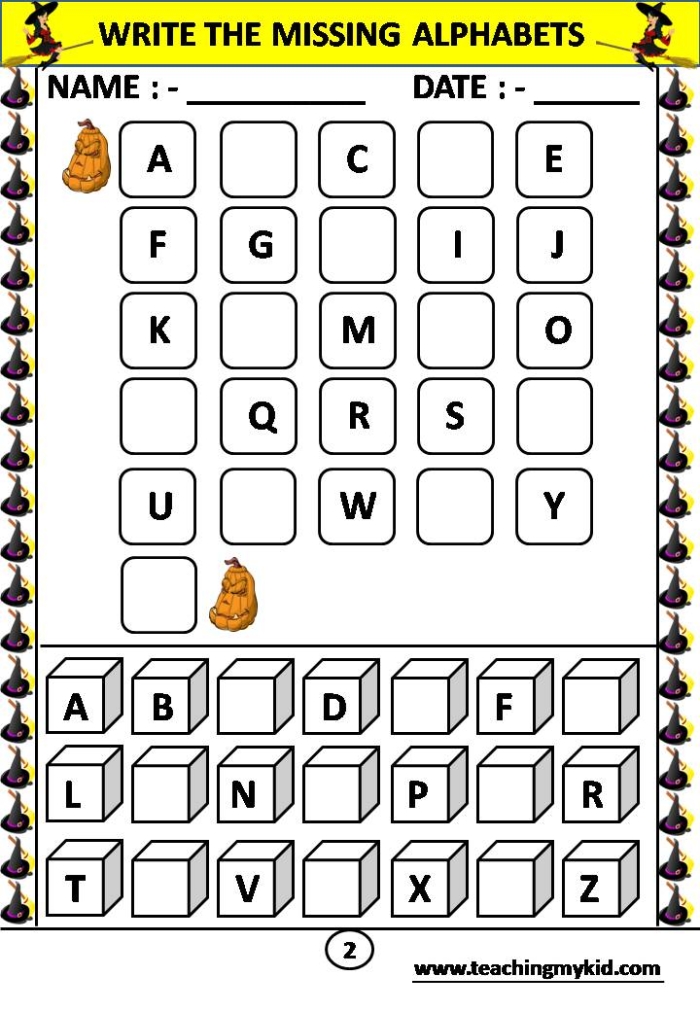
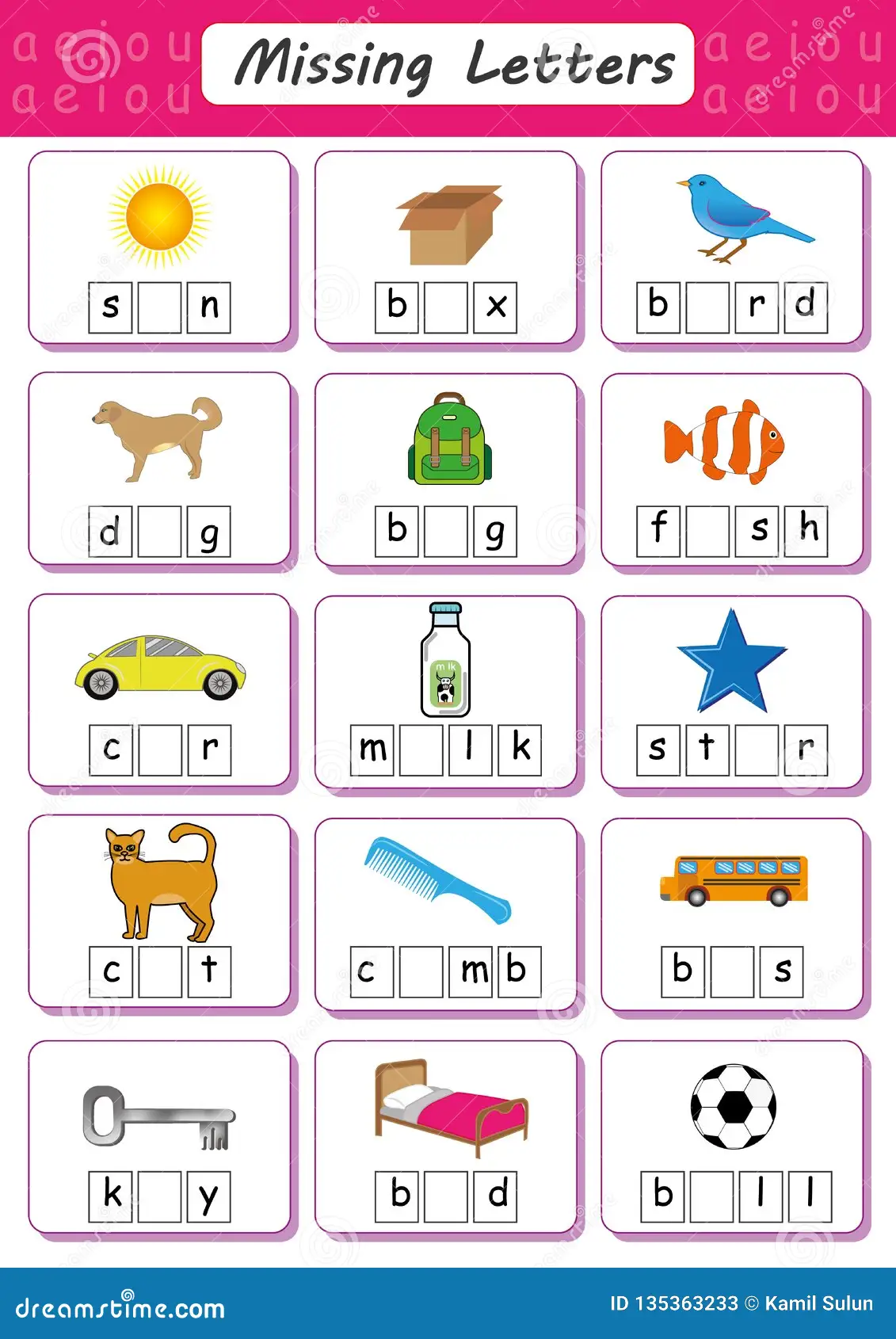
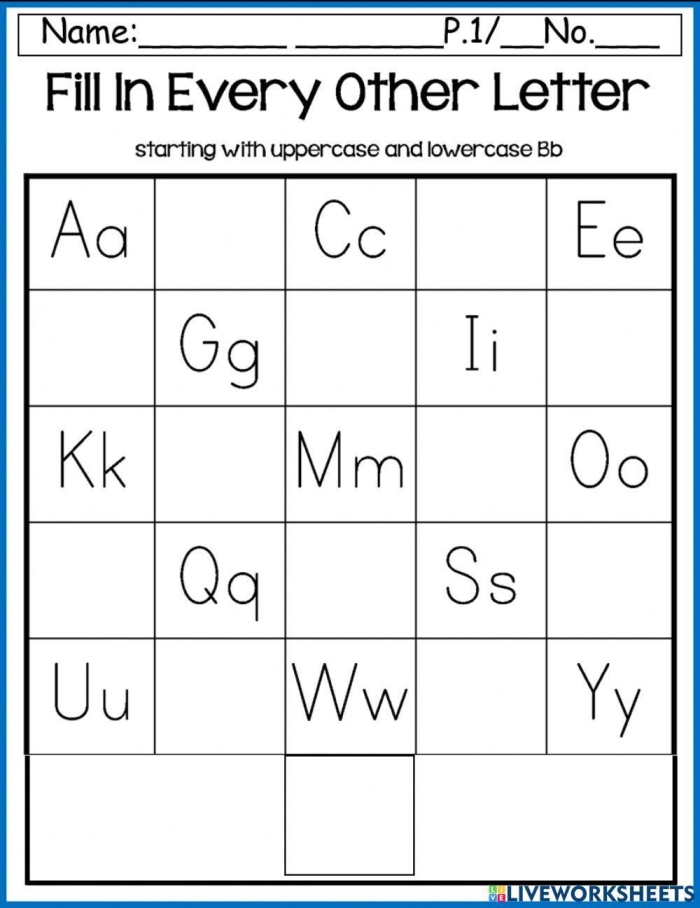
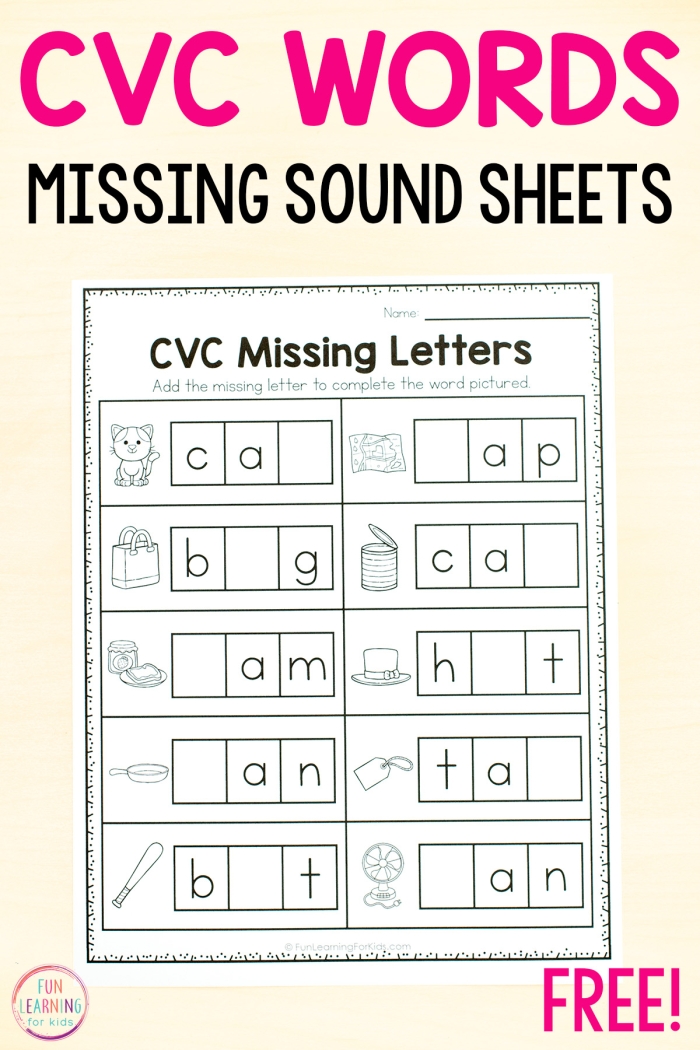
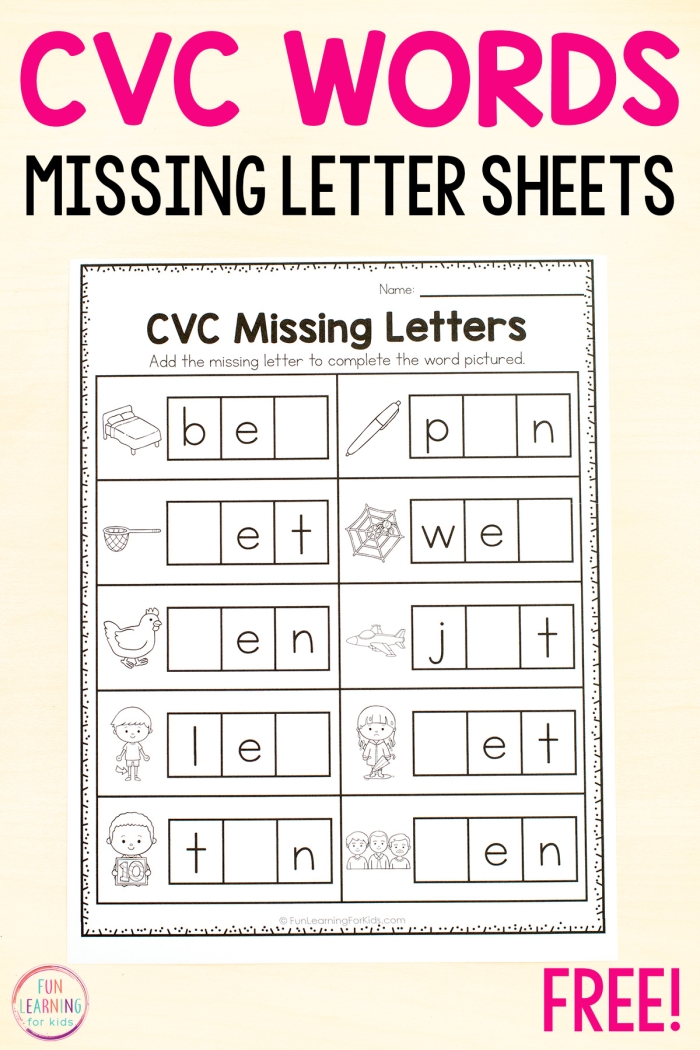
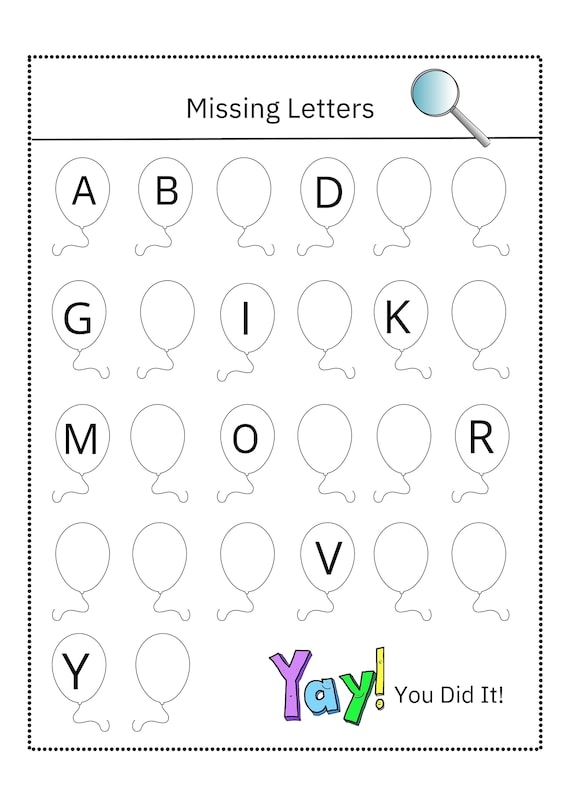
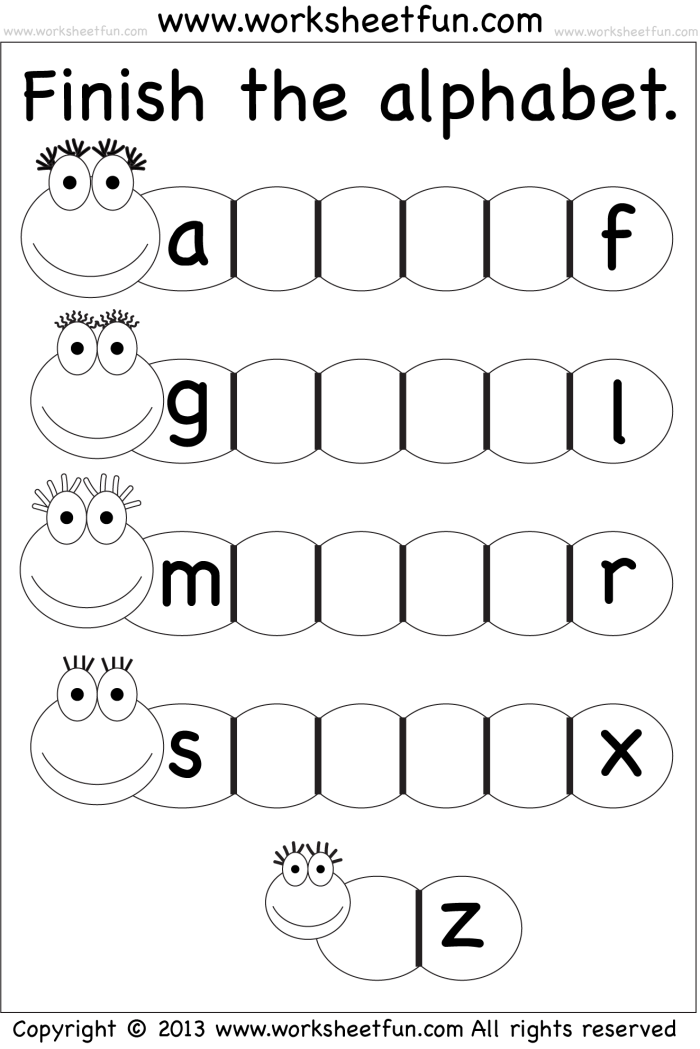
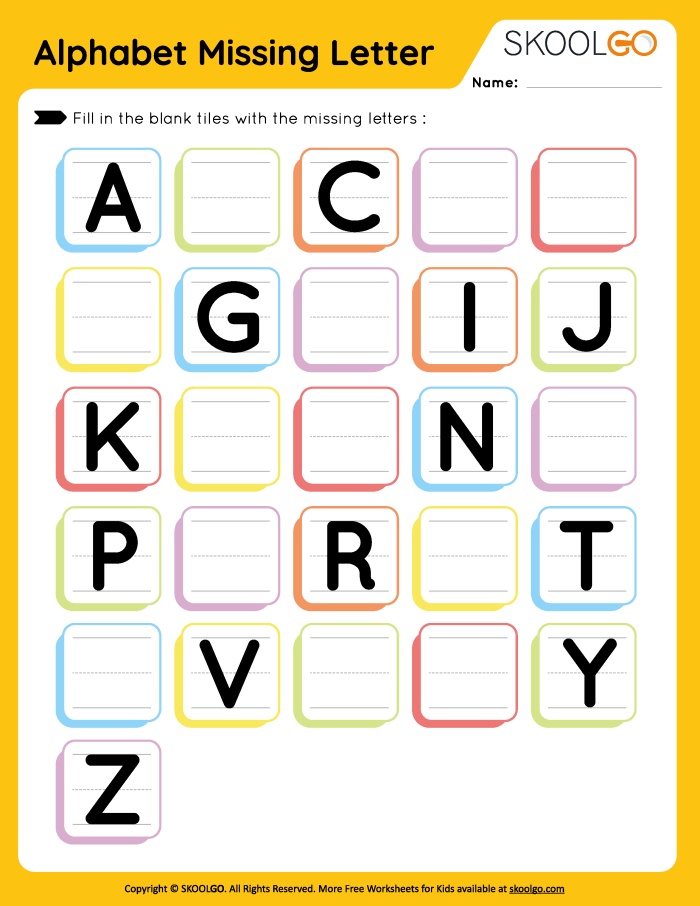
Kindergarten teachers appreciate how this activity fits into a broader phonics program. It works well alongside other letter-focused activities like sorting blends and digraphs or even finding missing middle letters. The consistency of the format means kids know what to expect, which reduces confusion and lets them concentrate on the phonics skill itself.
Whether you’re using this as a warm-up activity, independent practice, or a quick assessment of letter-sound knowledge, the missing first letter approach keeps kindergarteners engaged while building essential reading skills.
Boost Skills with These Worksheets