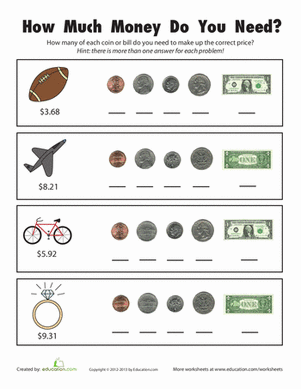
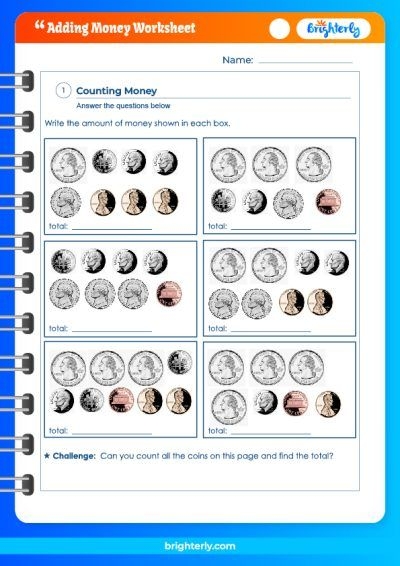
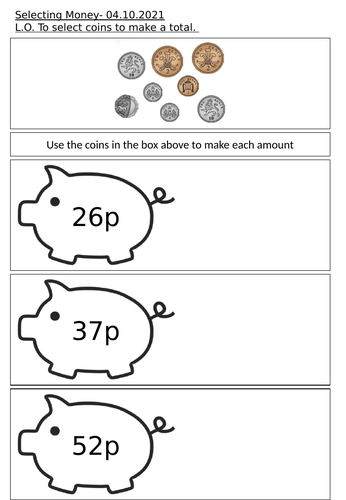
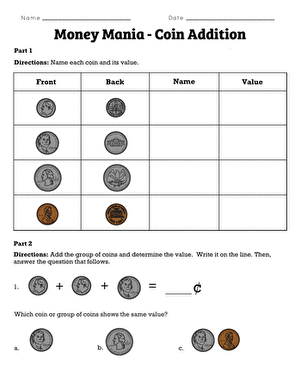
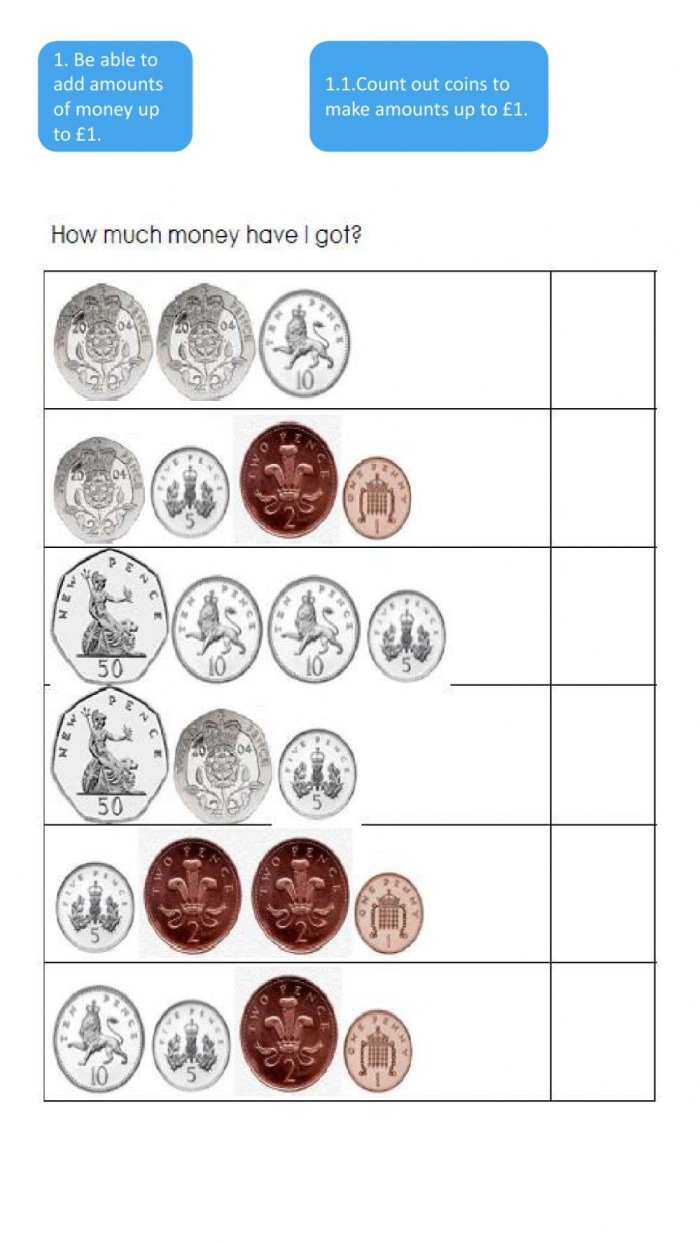
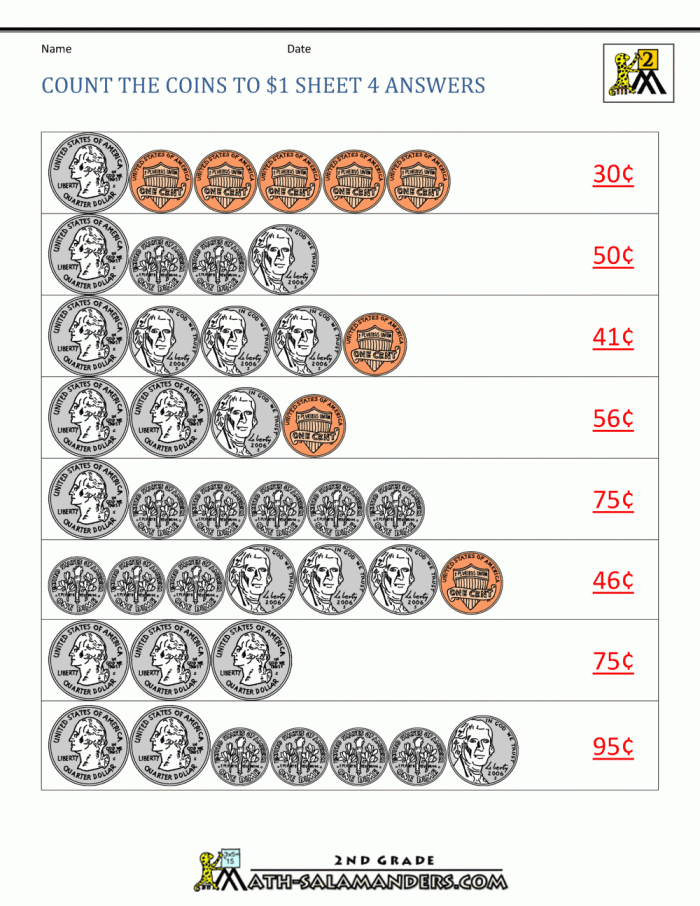
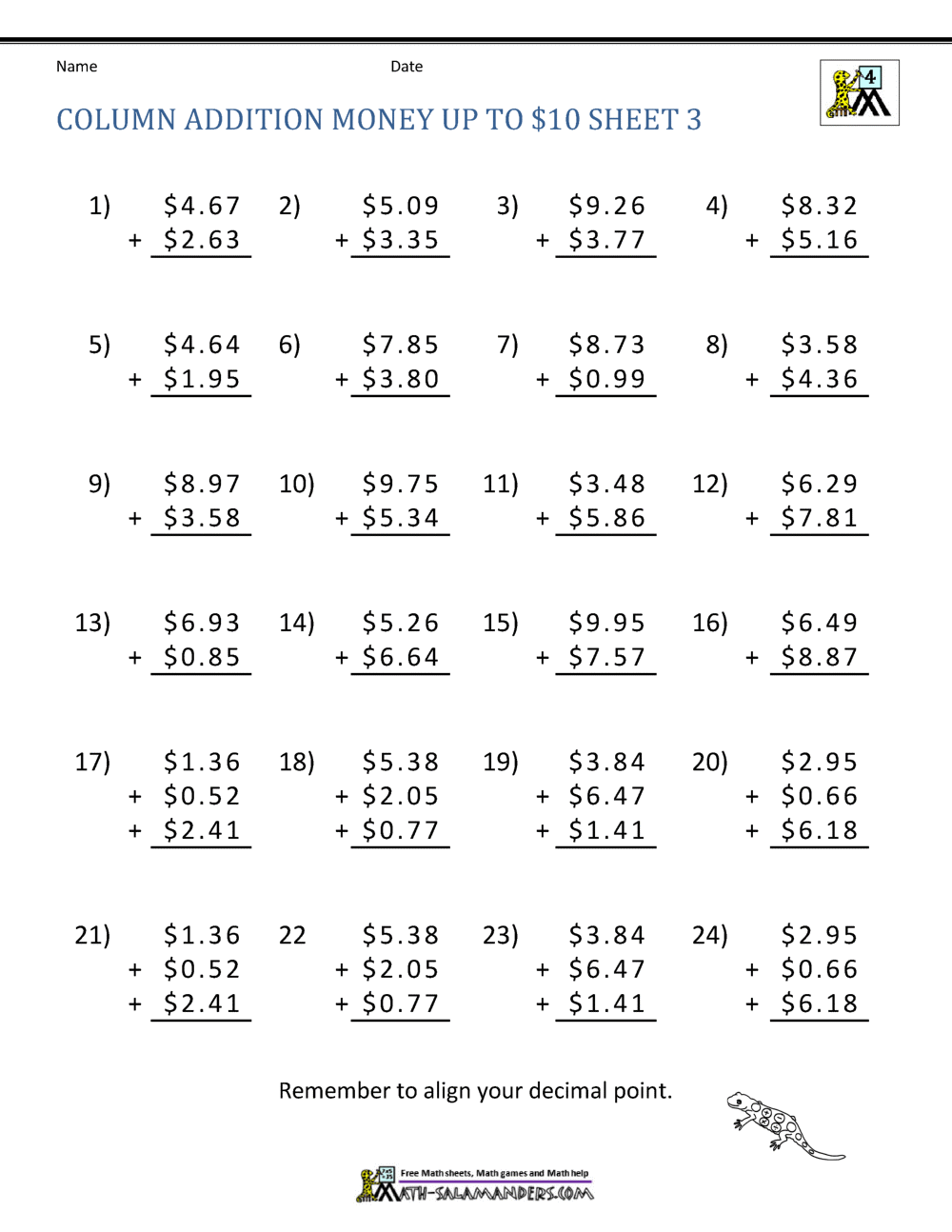
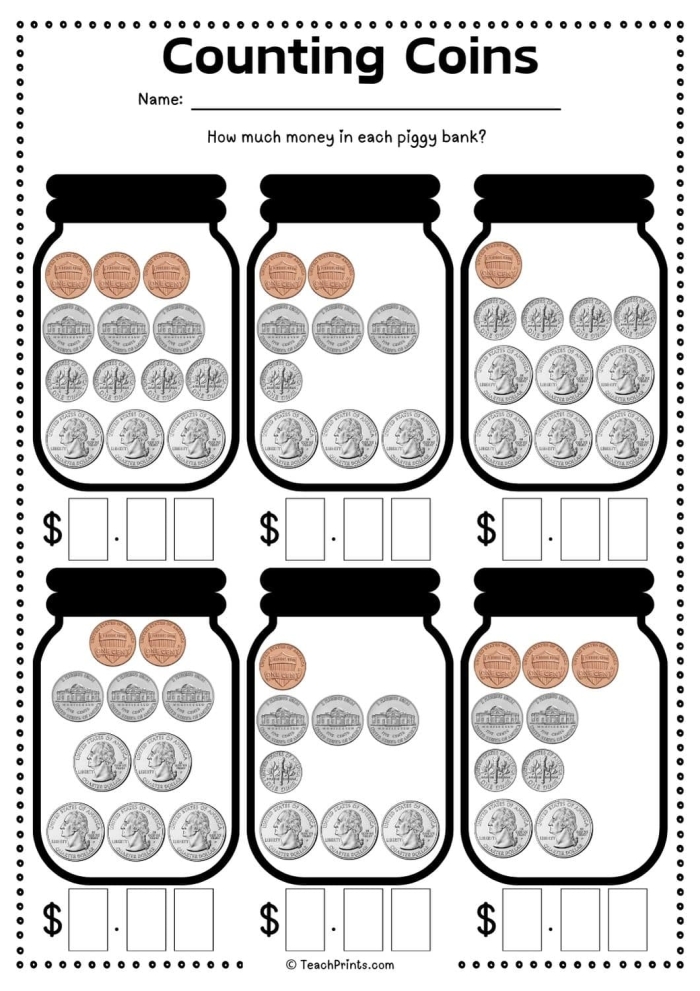
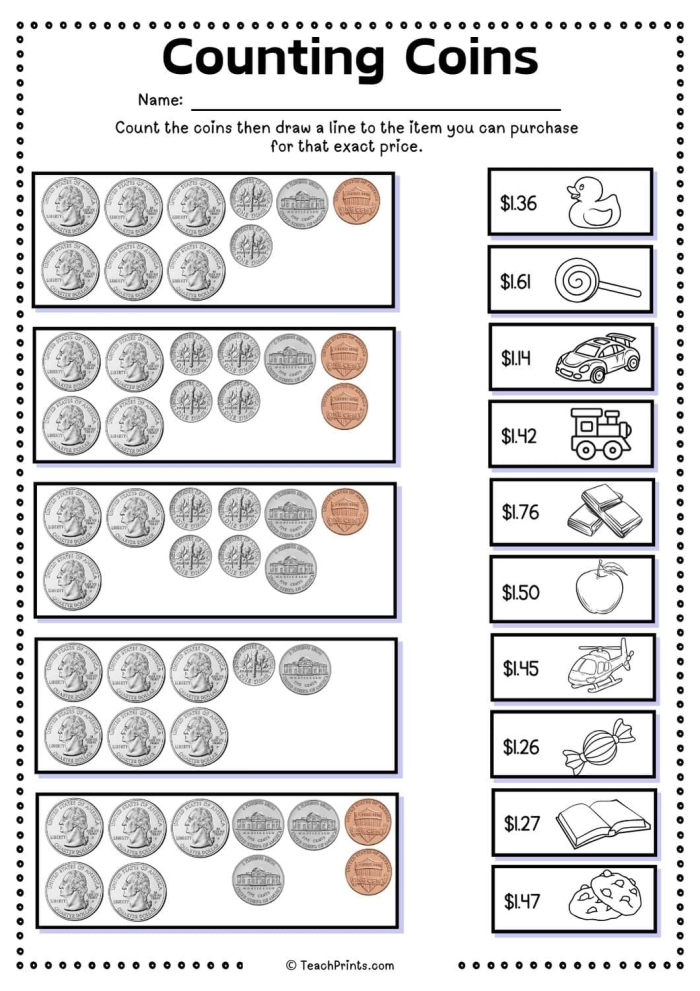
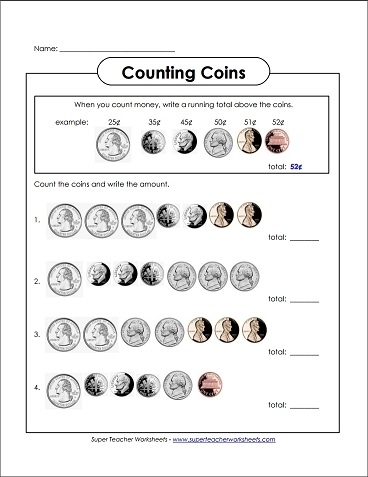
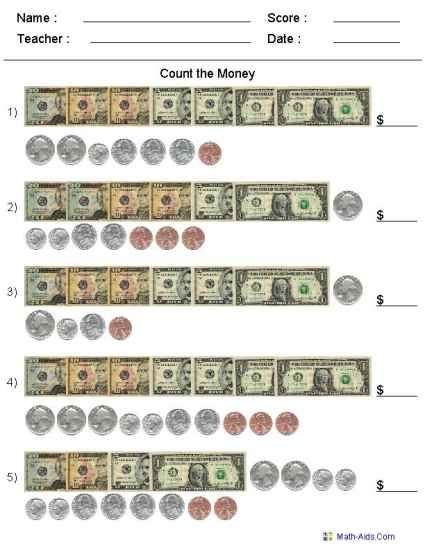
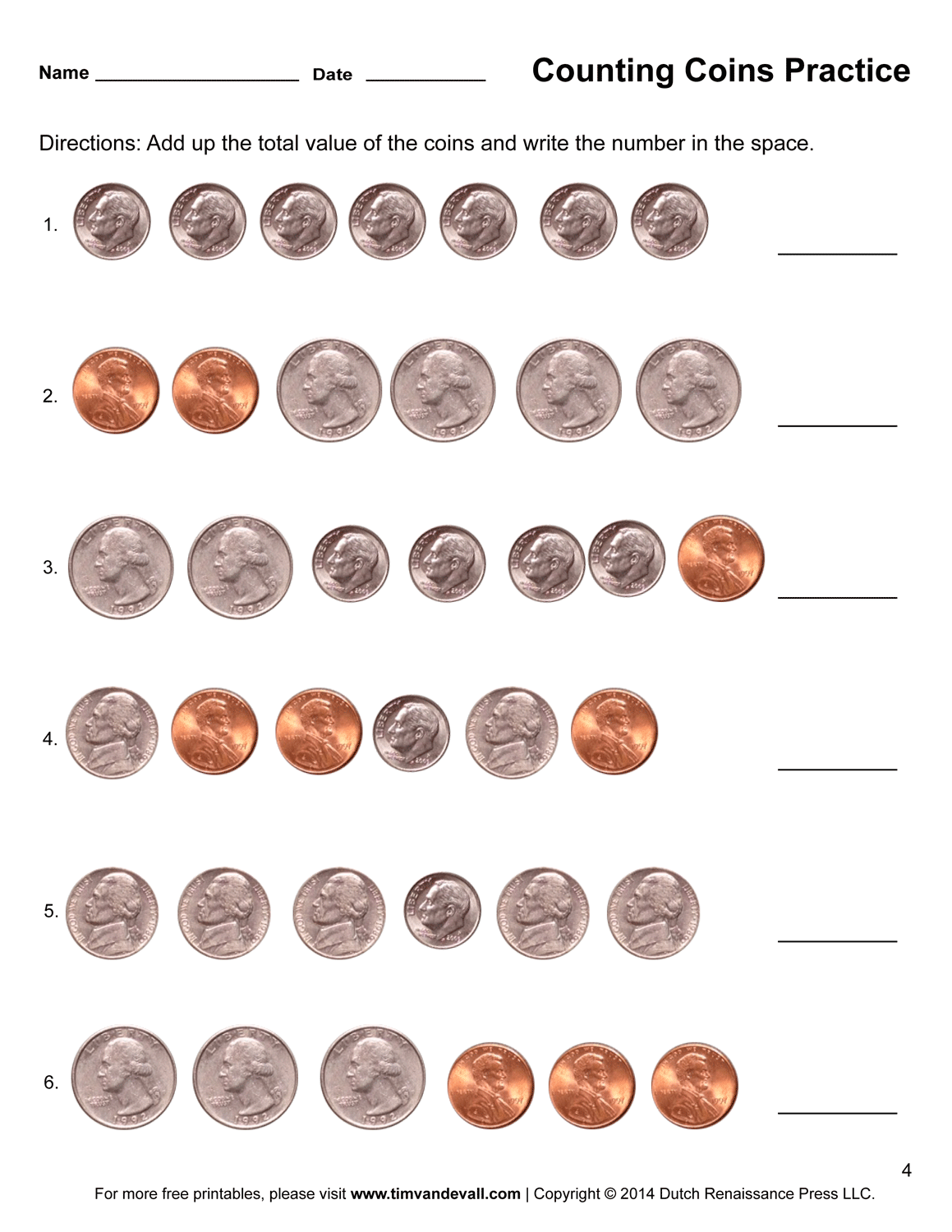
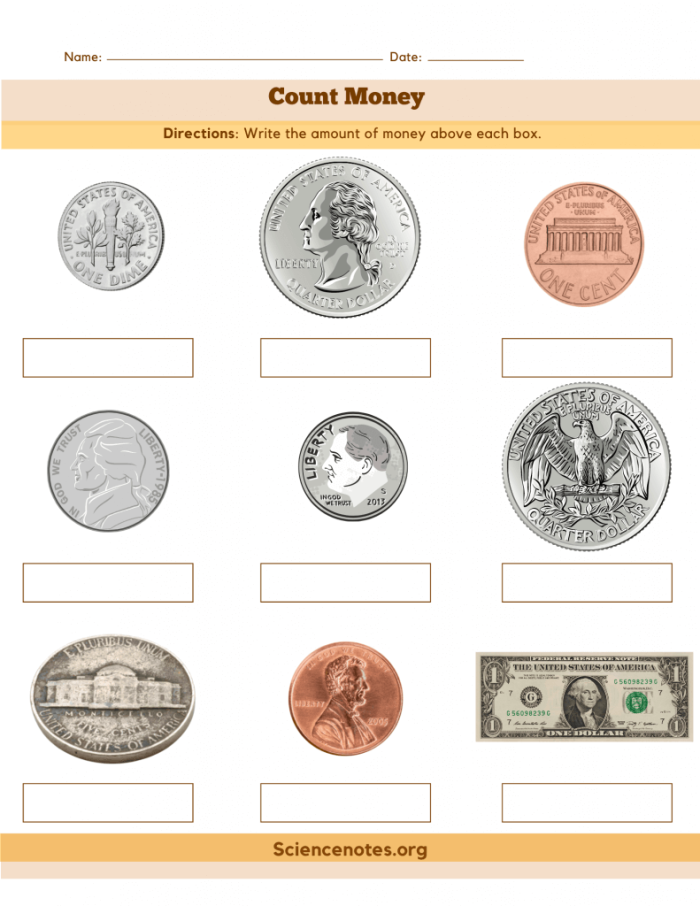
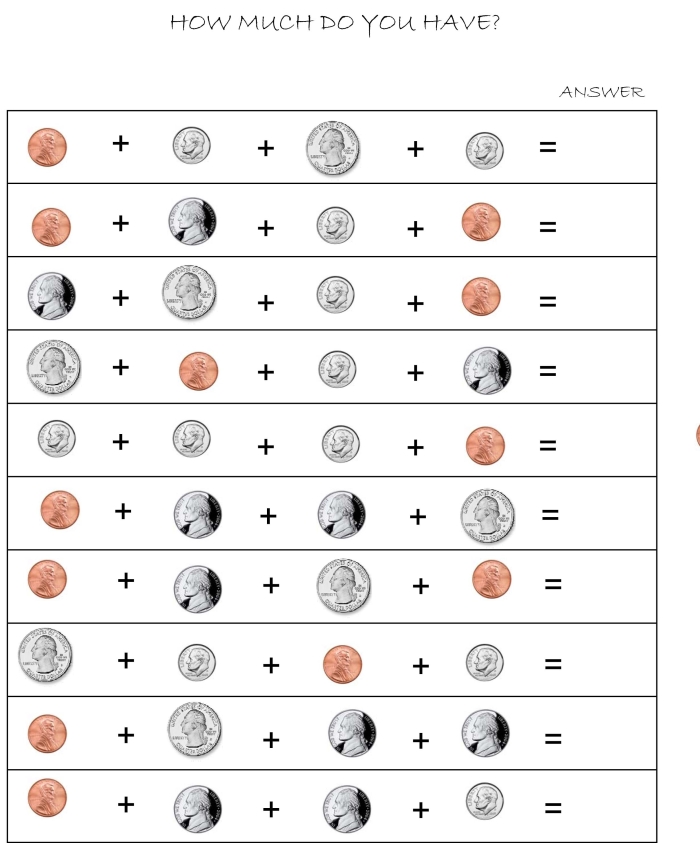
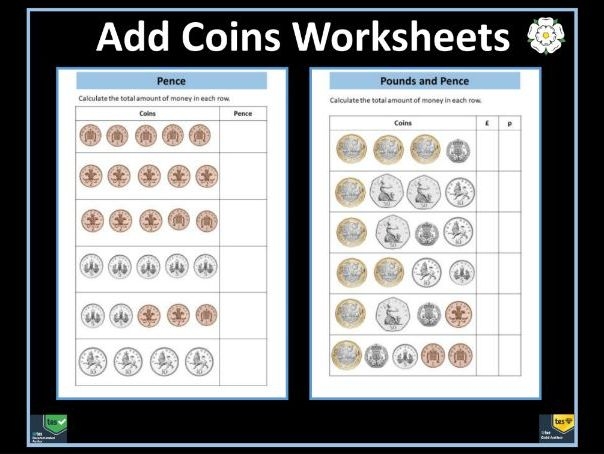
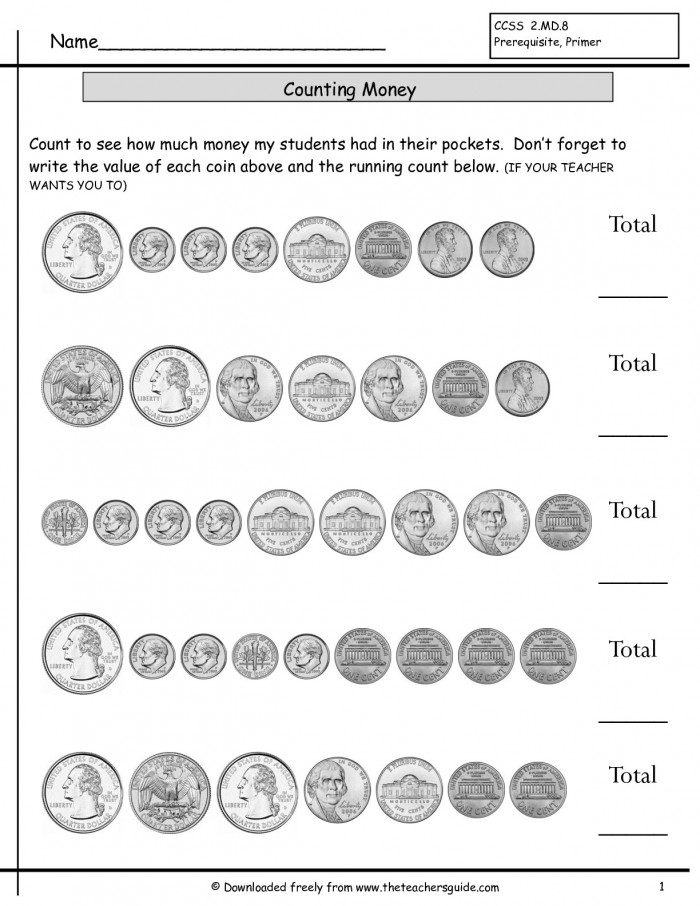
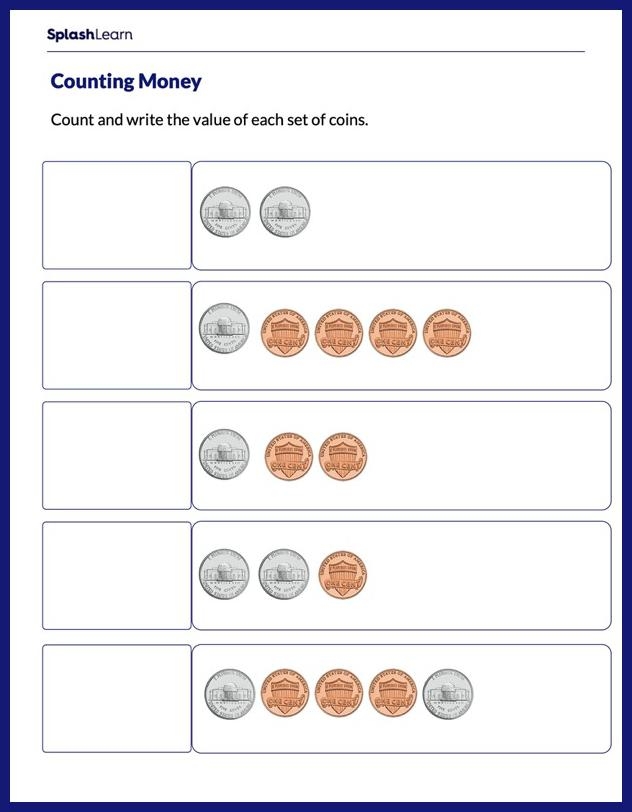
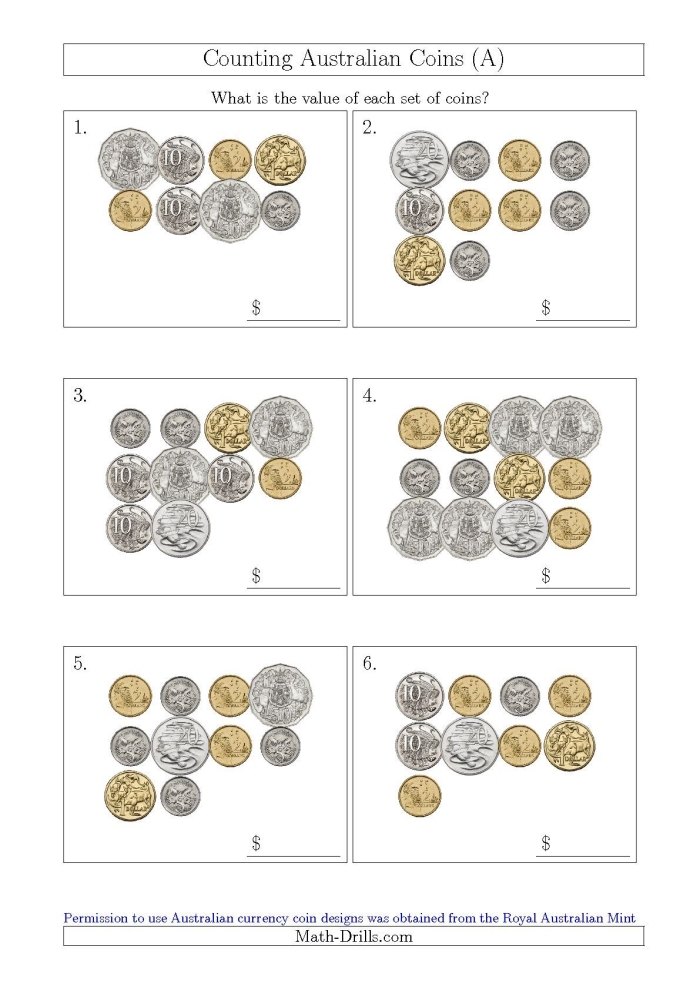
Super shoppers, put those money-counting skills to the test! Your student can practice adding dollars and coins to come up with the right amount to buy an item. This hands-on approach not only makes learning fun but also equips second graders with essential skills for real-life situations.
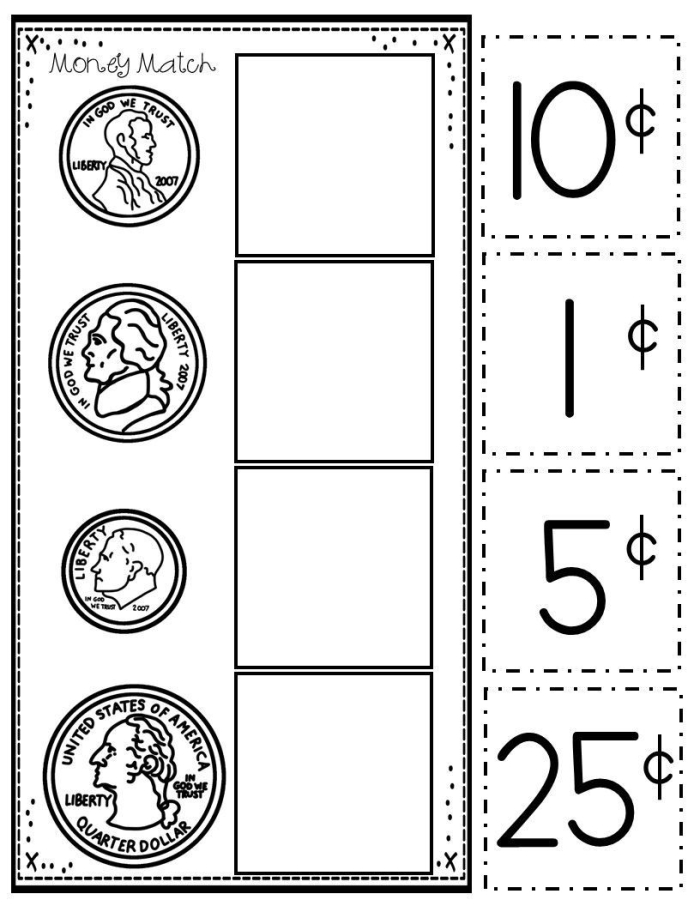
Understanding how to add coins and dollars is a critical component of the Time and Money curriculum in second grade. When children learn to identify and calculate different denominations, they gain confidence in managing money. For example, if a toy costs $3.25, your student can practice figuring out how many quarters and dimes are needed to reach that total. This not only reinforces their math skills but also teaches them the value of each coin.
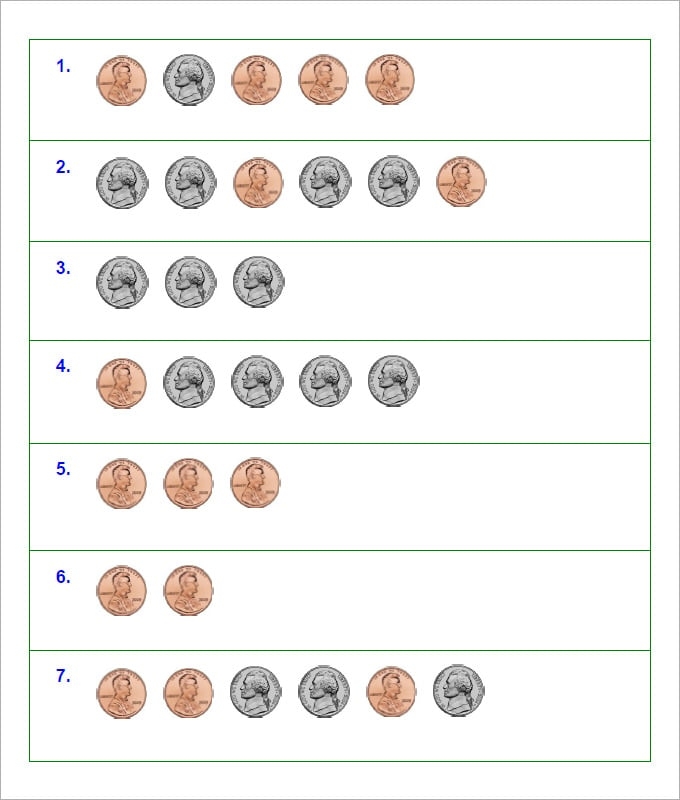
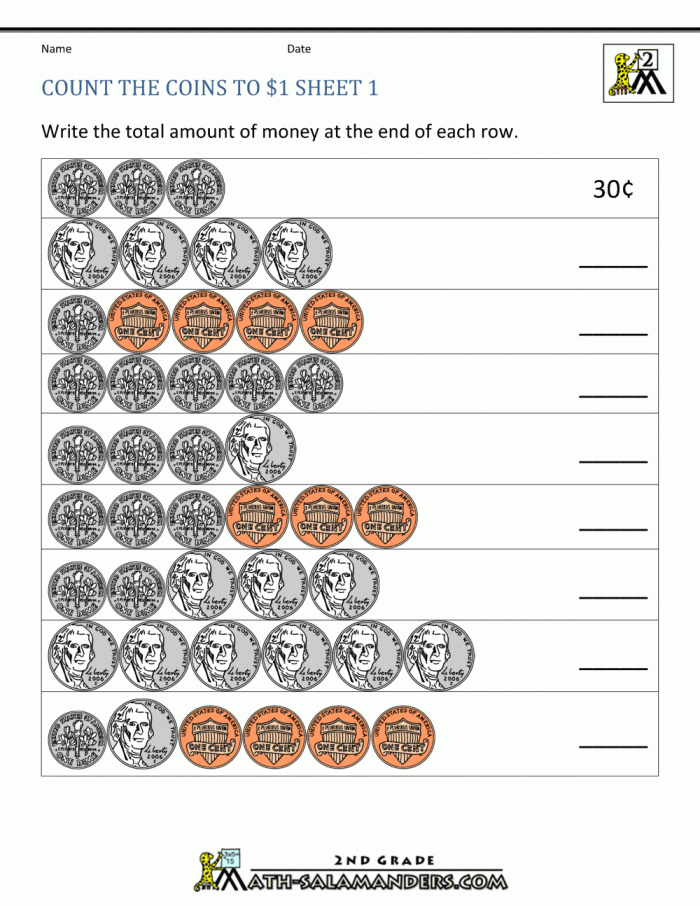
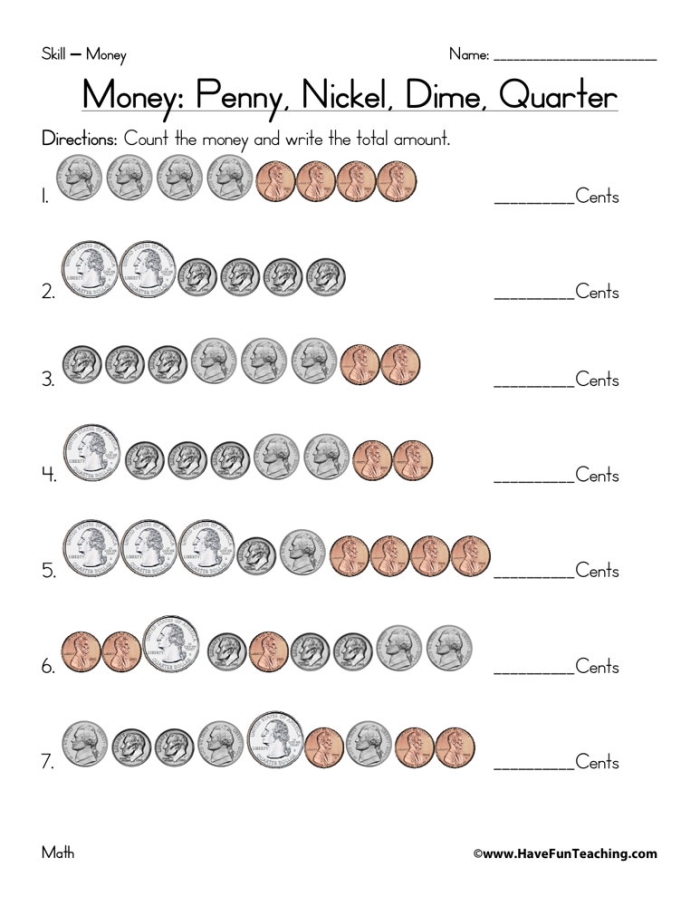
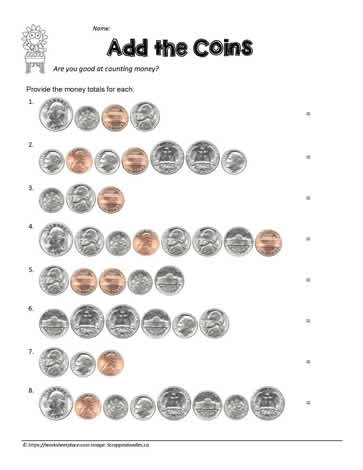
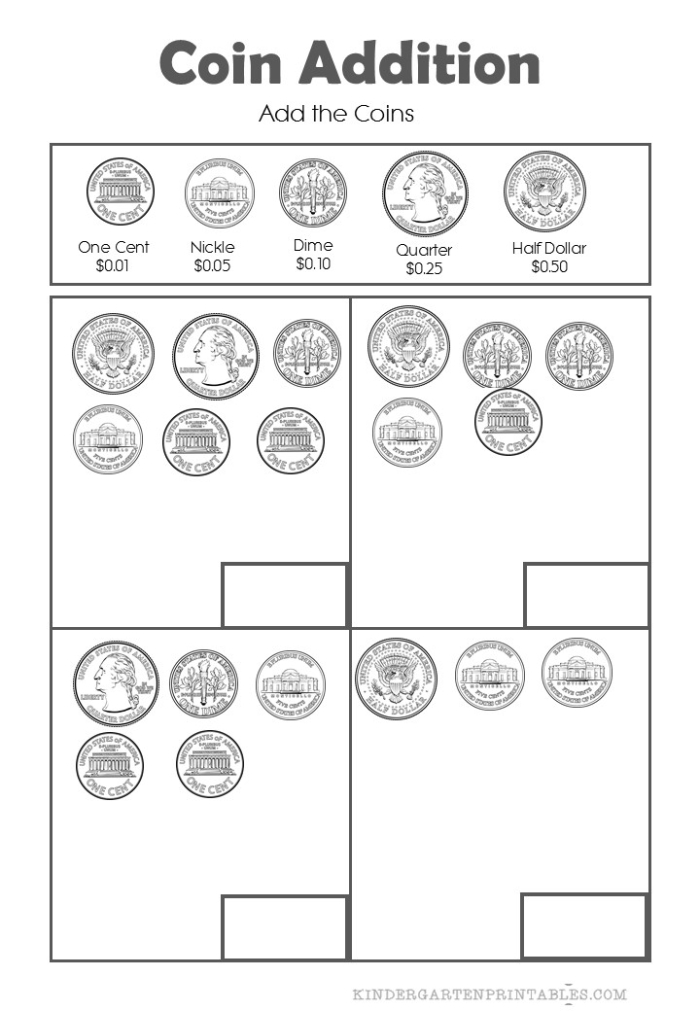
Printable coin and dollar addition worksheets are excellent resources for this kind of practice. They provide various scenarios where students can simulate shopping experiences. By working through these worksheets, children learn to add up coins and bills, helping them to grasp concepts like making change and budgeting. You can find some engaging options like these worksheets that are specifically designed for second graders.
Incorporating real-life math into learning can also enhance retention. Encourage your child to help with grocery shopping by estimating costs or counting out change. This practical application deepens their understanding and makes the learning process enjoyable. For additional practice, check out resources such as this practice test to challenge their skills further.
Money management is an essential skill that extends beyond the classroom. By integrating fun activities and practical exercises into your child’s routine, you can help them become proficient in coin and dollar addition, setting a solid foundation for their financial literacy as they grow.
Use These Worksheets Today