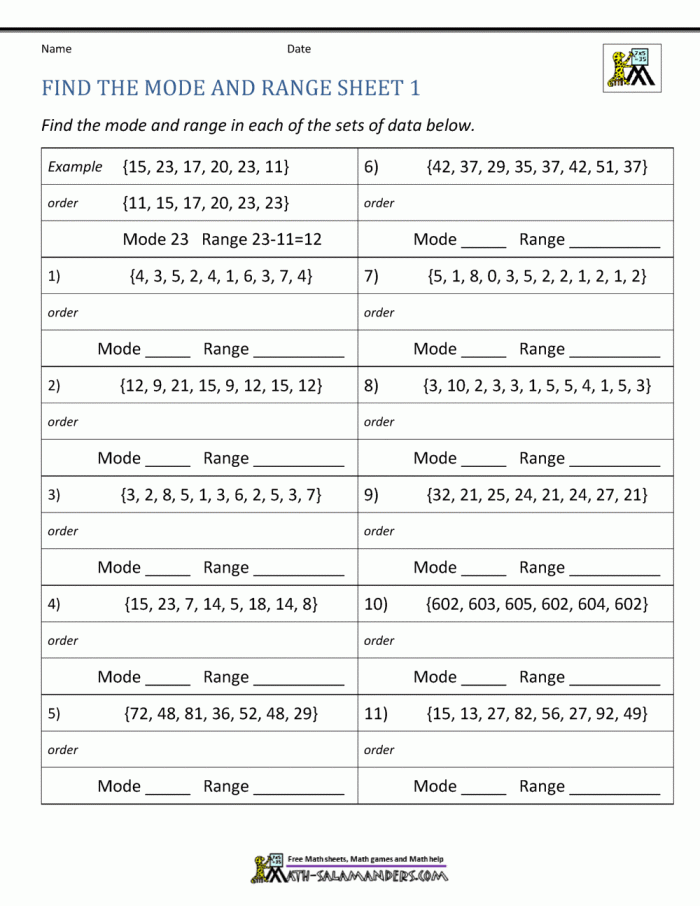
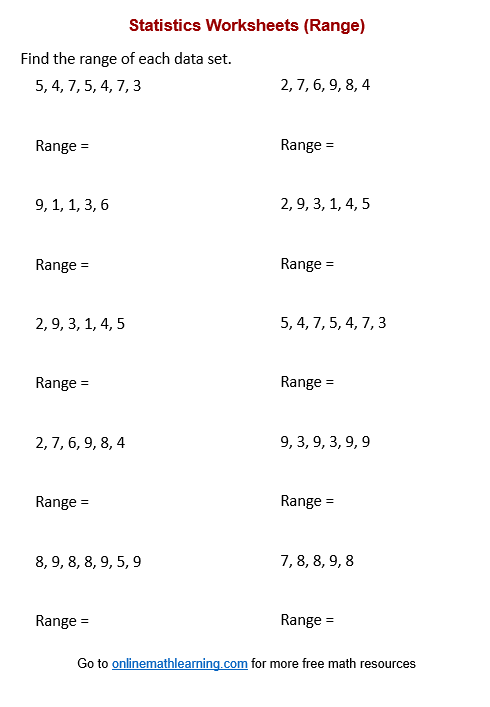
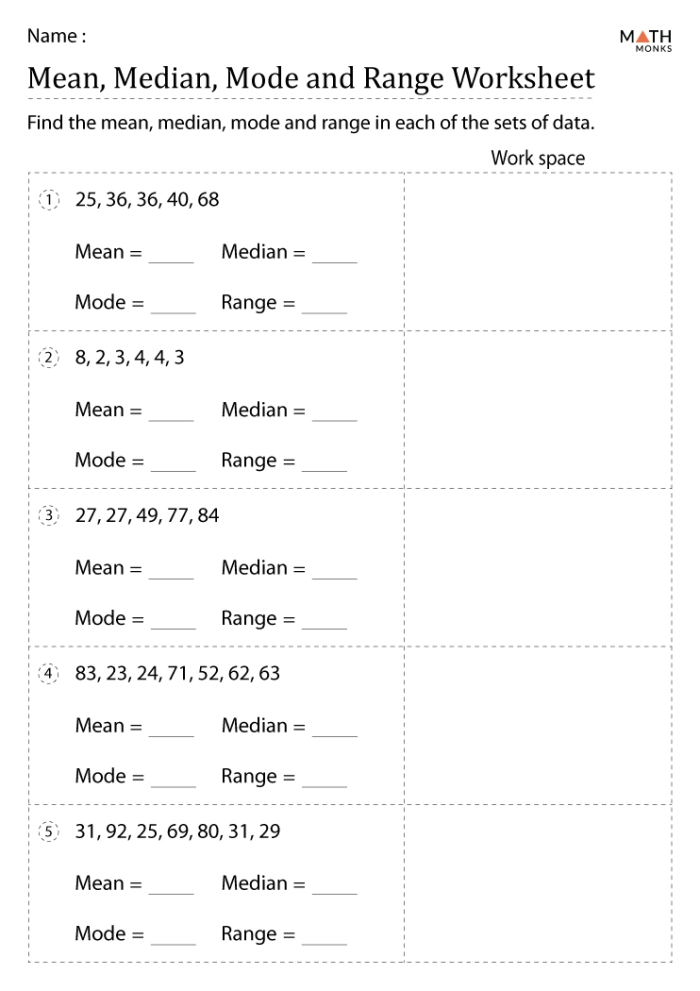
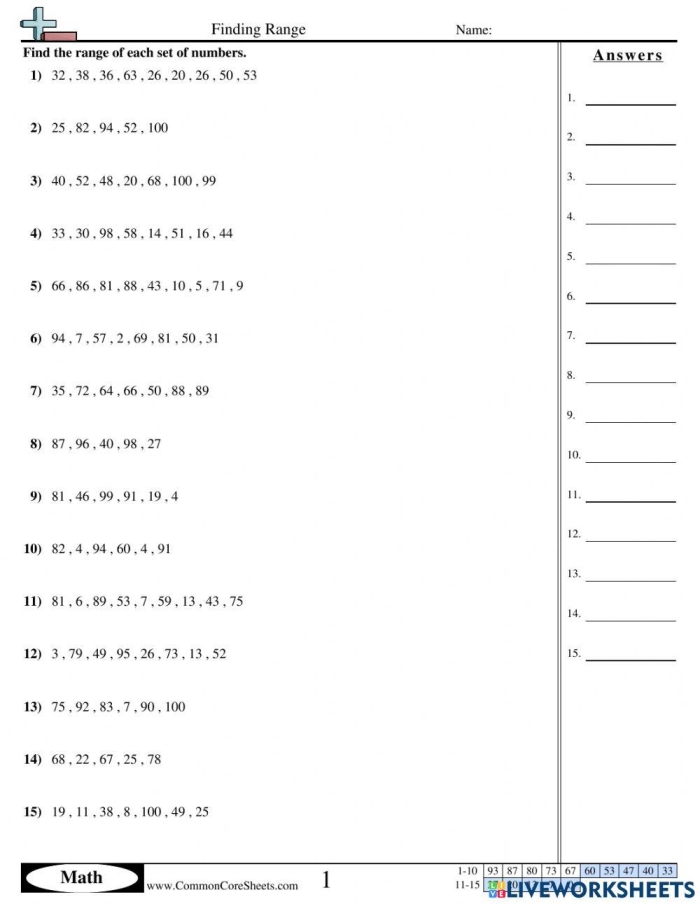
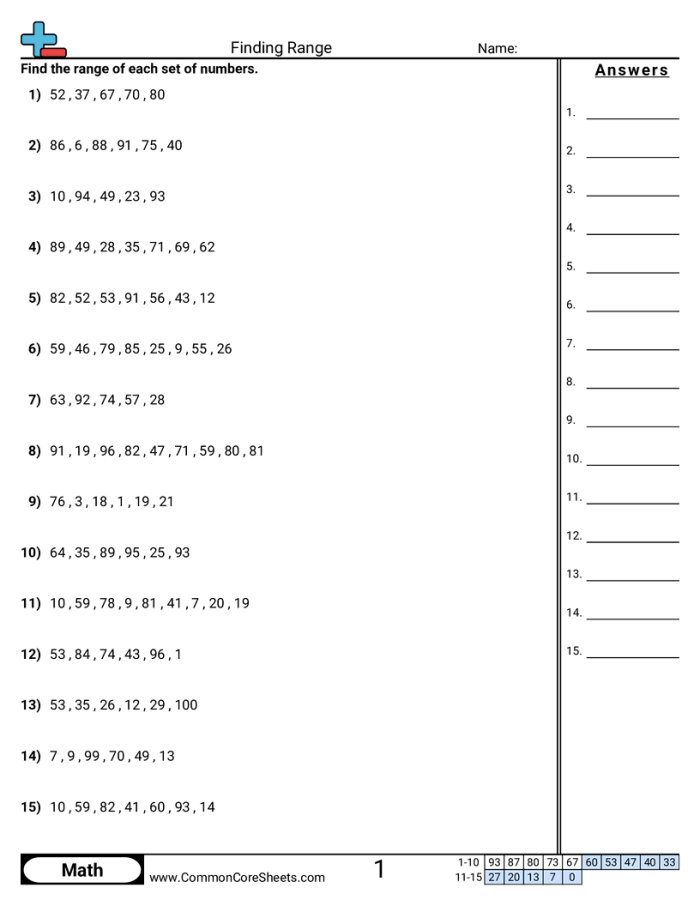
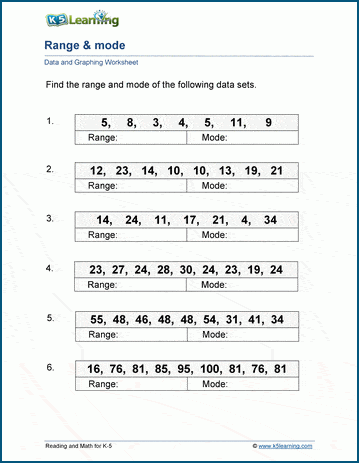
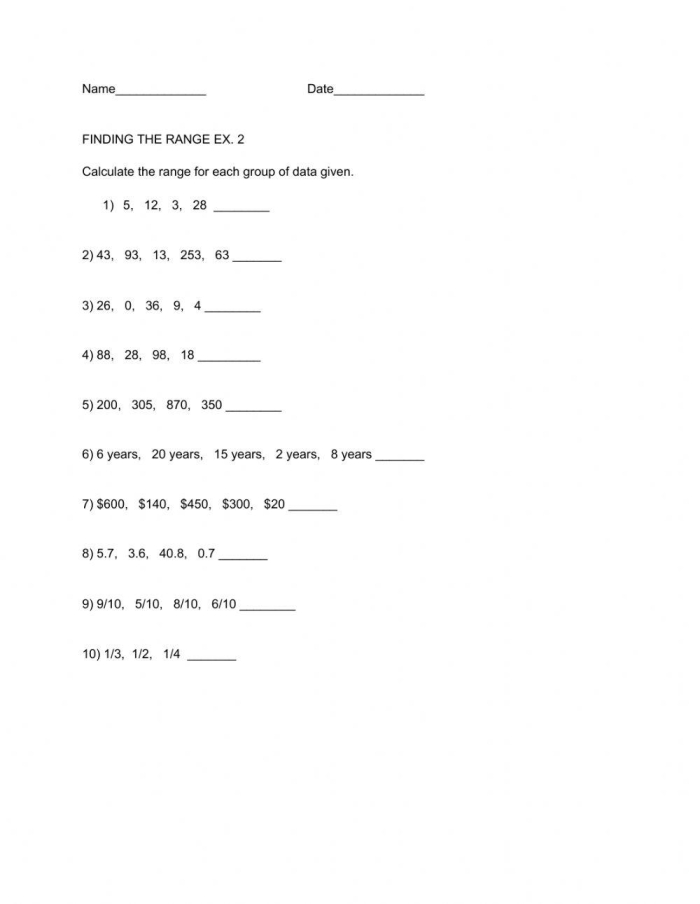
Understanding how to find the range of a data set is a crucial skill for sixth-grade students. It not only helps them grasp the concept of data analysis but also lays the groundwork for more advanced mathematical topics. With a focused worksheet on data and graphing, students can practice finding the range in a structured and engaging way.
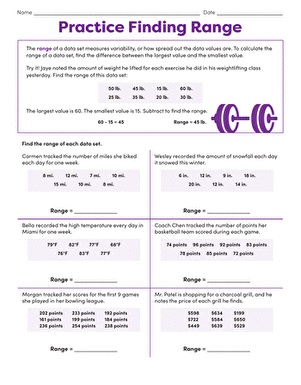
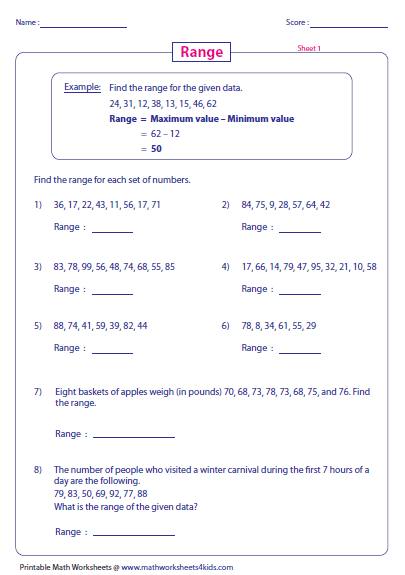
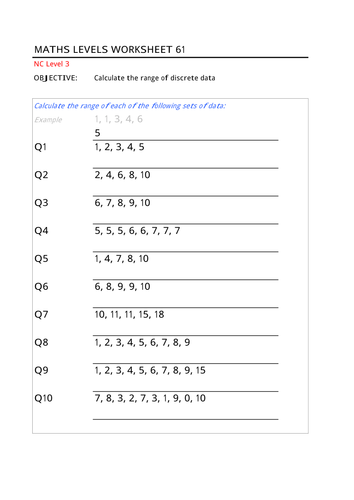
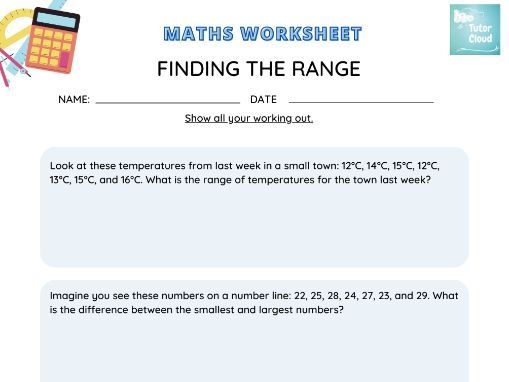
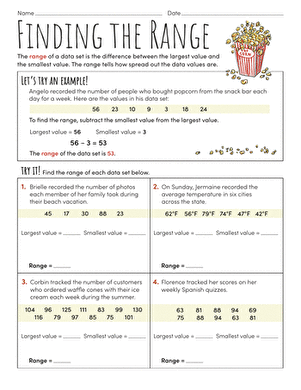
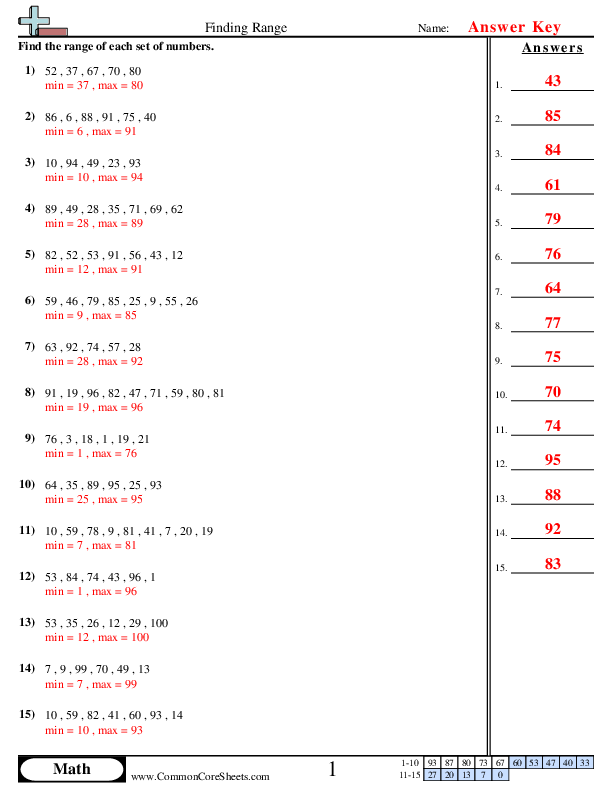
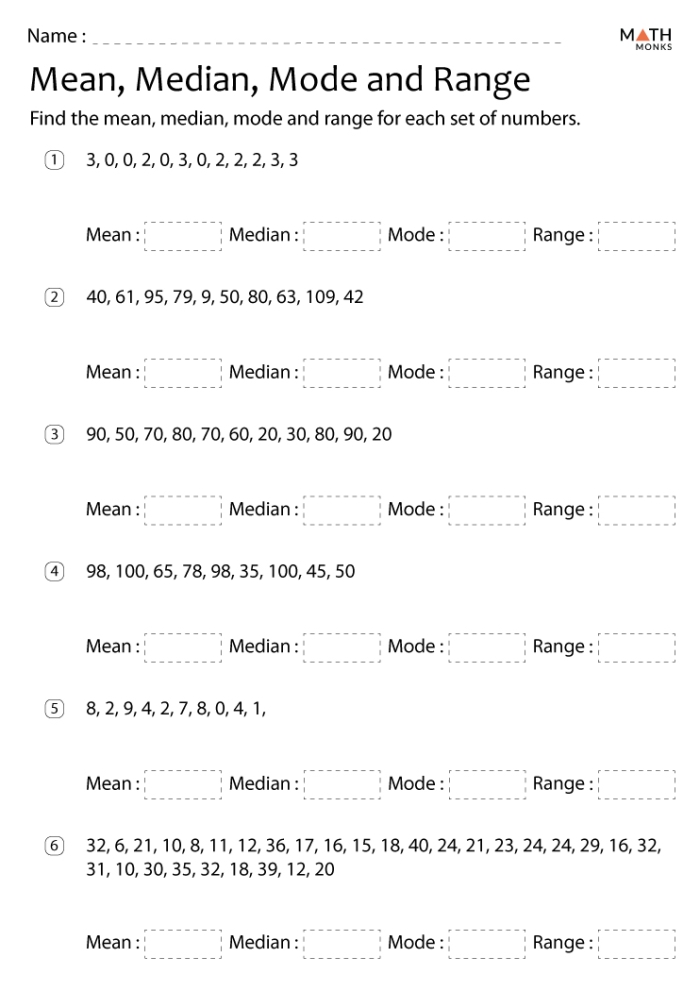
The range of a data set is determined by subtracting the smallest value from the largest value. For instance, if a data set includes the numbers 4, 7, 2, and 10, students would first identify the smallest number, which is 2, and the largest number, which is 10. The range, therefore, would be 10 – 2 = 8. This simple calculation can help students understand the spread of data points and is foundational for interpreting more complex datasets in the future.
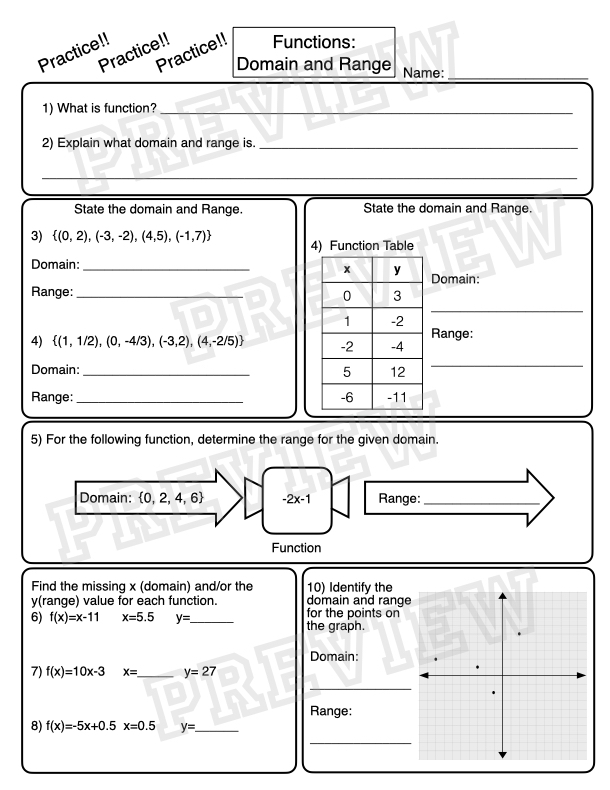
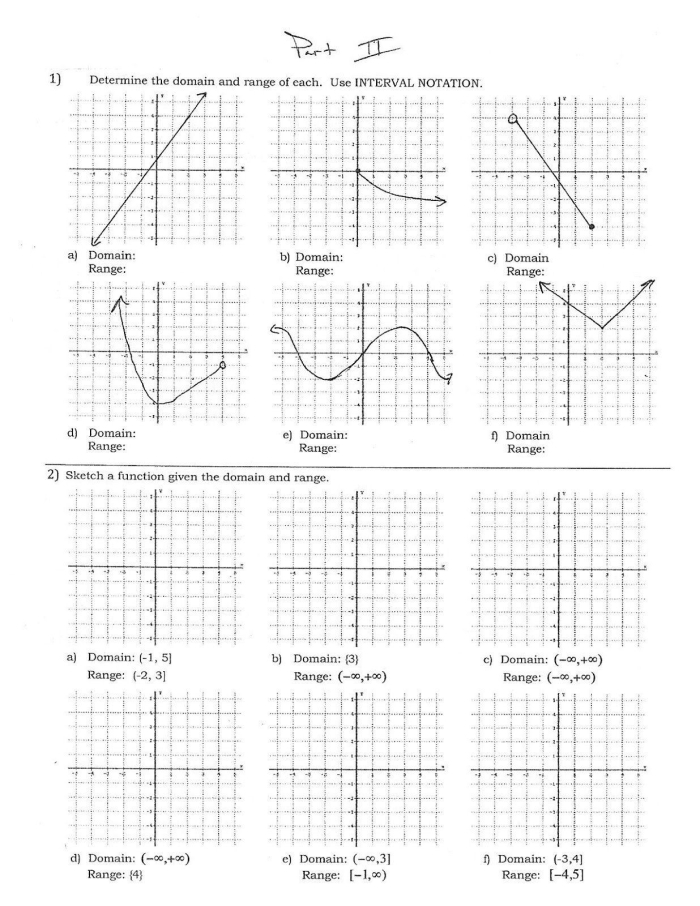
When students engage with a worksheet designed specifically for this purpose, they not only practice finding the range but also get the chance to visualize the data through graphs. Incorporating graphing into the exercise allows students to see the relationship between the numbers and their graphical representations. This dual approach reinforces their learning and makes abstract concepts more tangible.
Additionally, using printable practice finding range worksheets can be an effective way to diversify learning methods. Students can work independently or in groups, providing opportunities for collaboration and discussion about their thought processes. For teachers, these worksheets can serve as a valuable resource to assess understanding and identify areas where students may need further instruction.
For more engaging resources, consider exploring other worksheets that focus on different aspects of sixth-grade addition, such as finding missing bases in triangles or comparing historical advantages. Each resource is designed to enhance students’ learning experiences while keeping them engaged with the material.
Boost Skills with These Worksheets