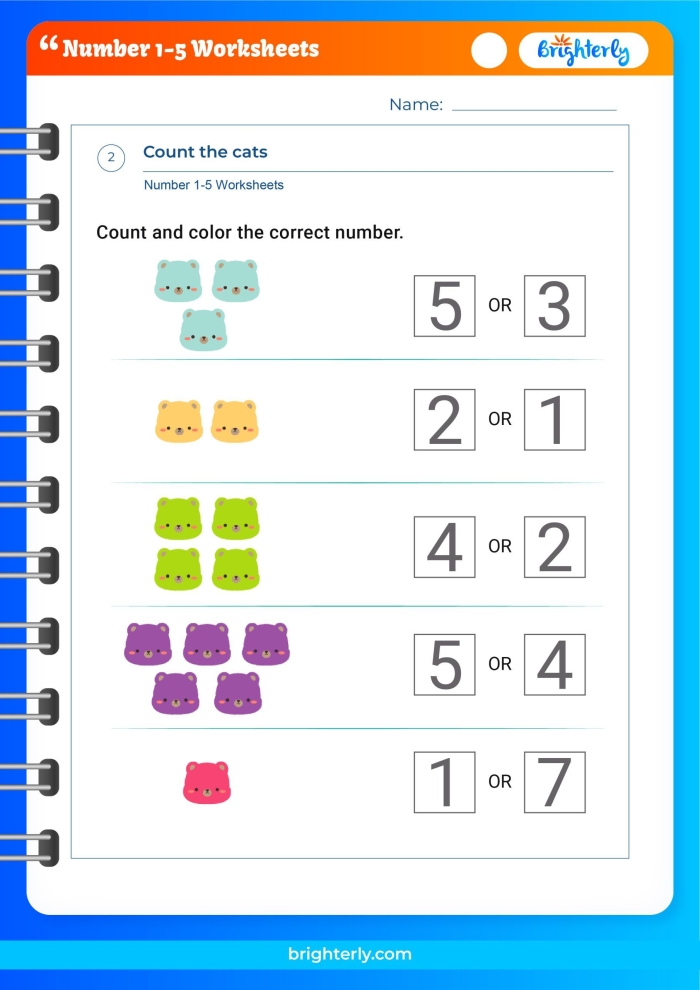
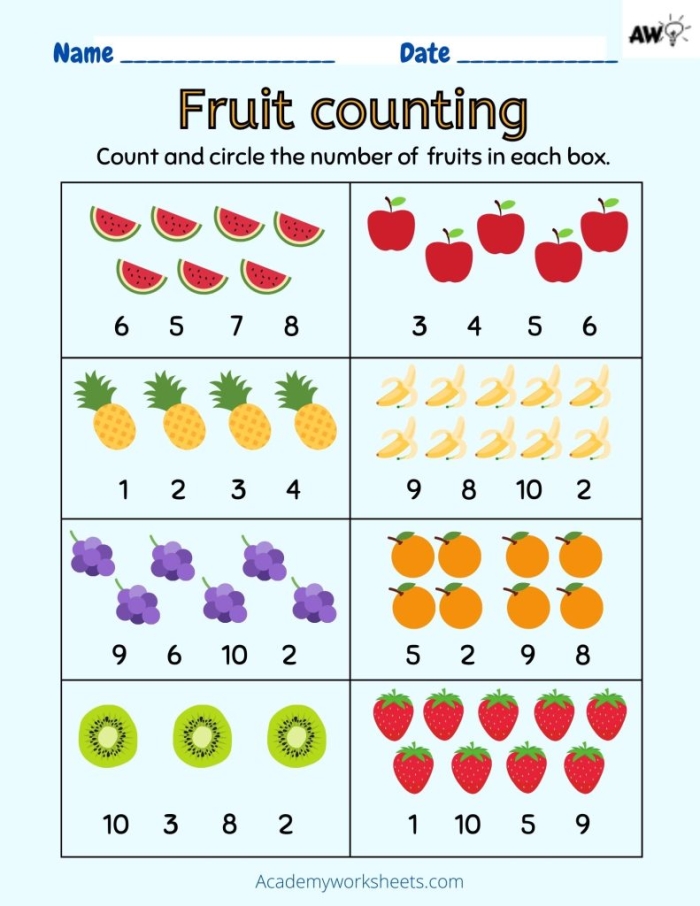
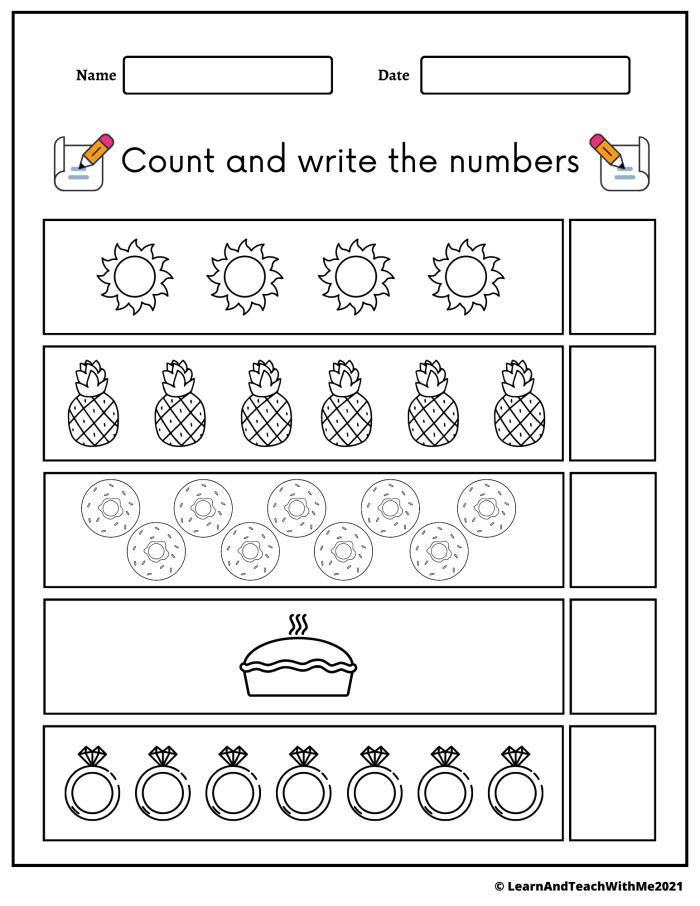
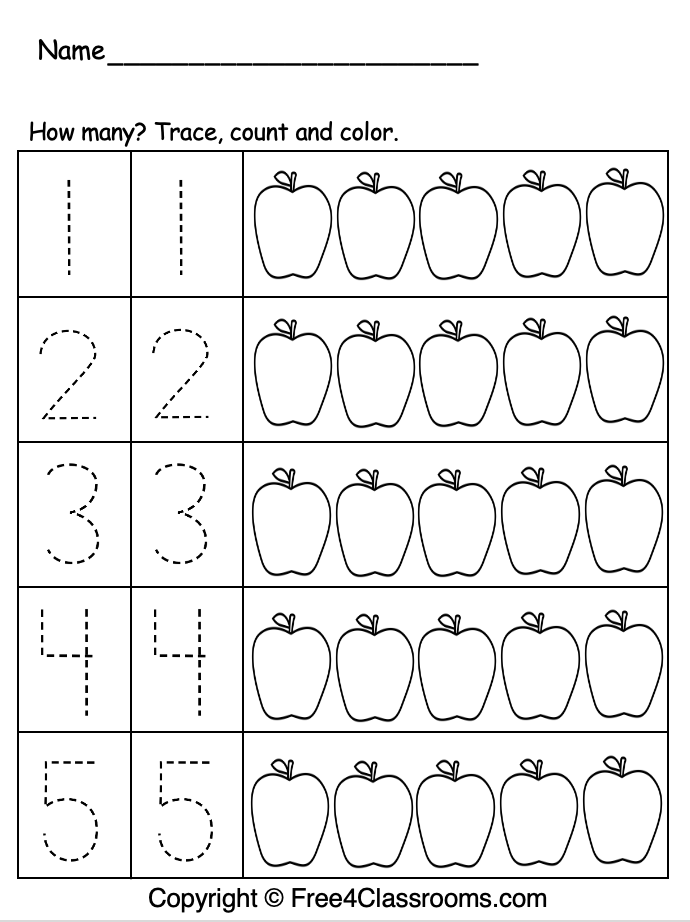
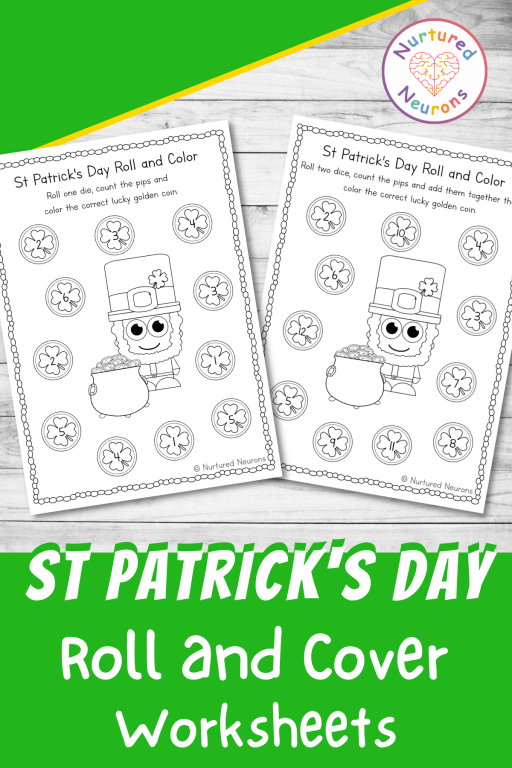
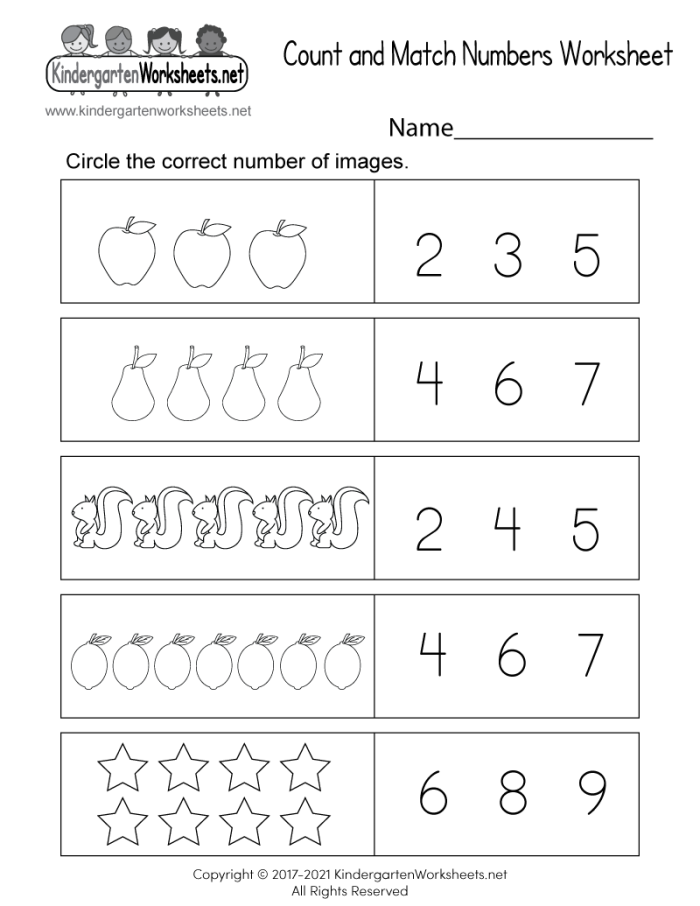
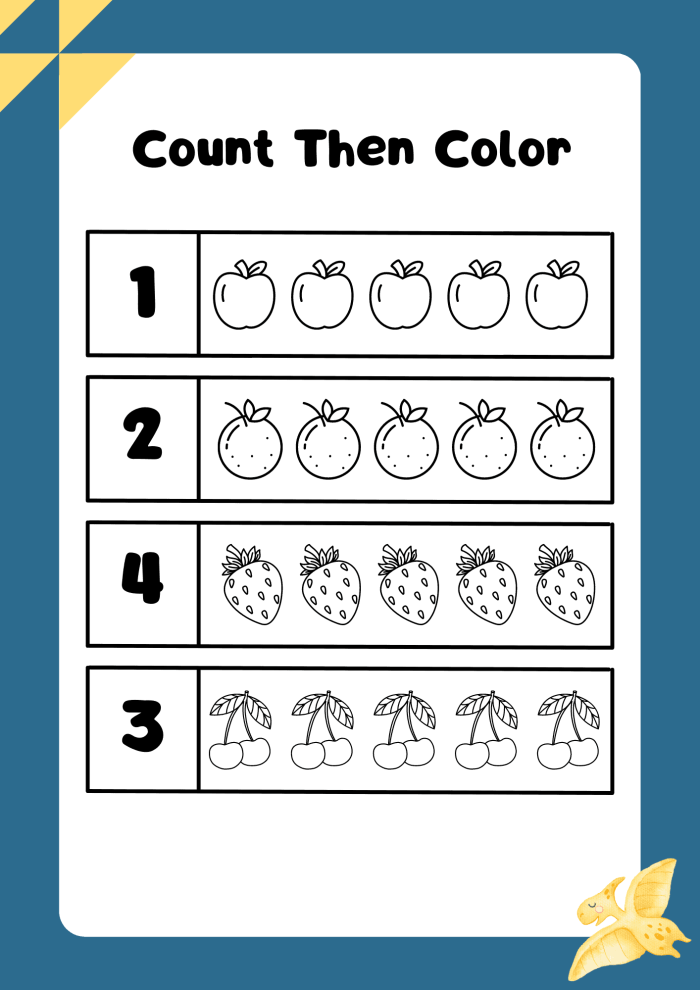
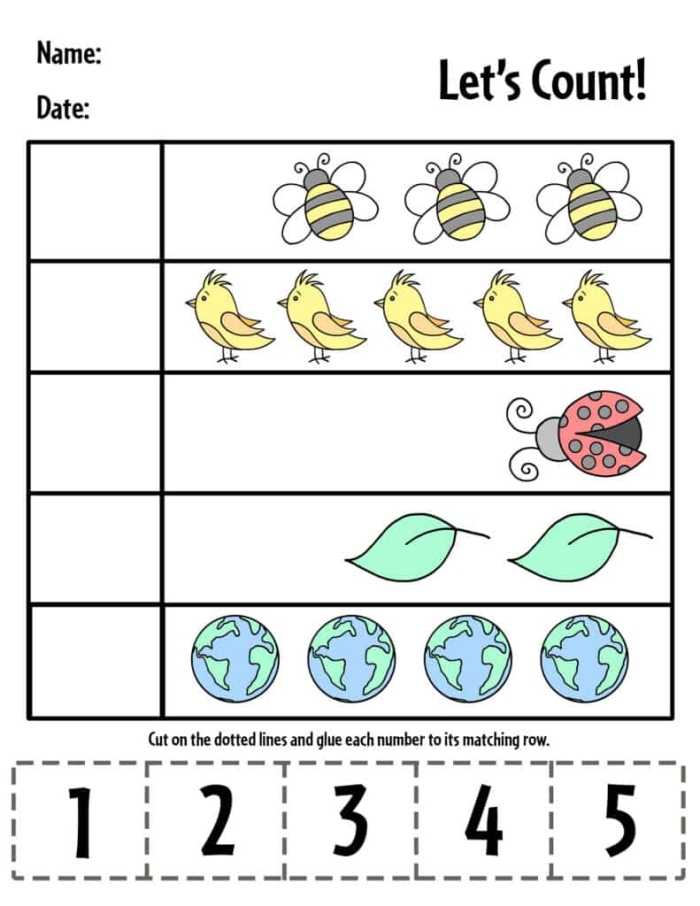
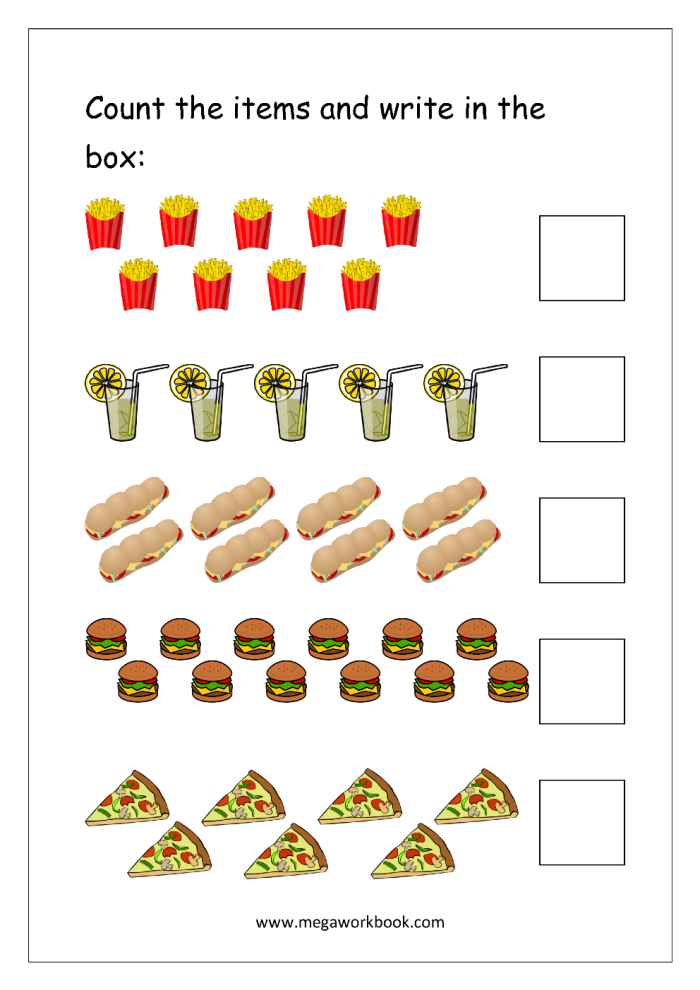
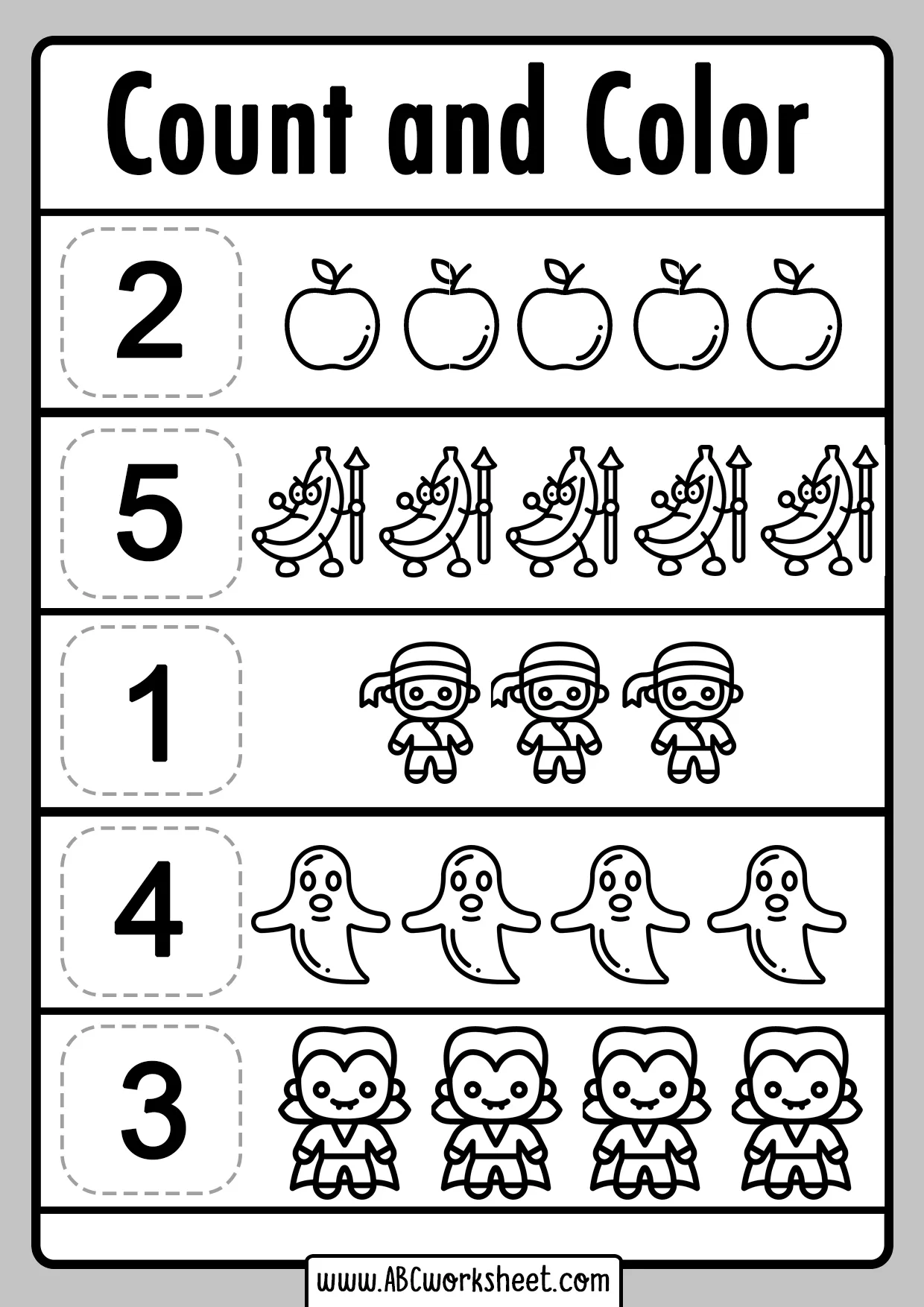
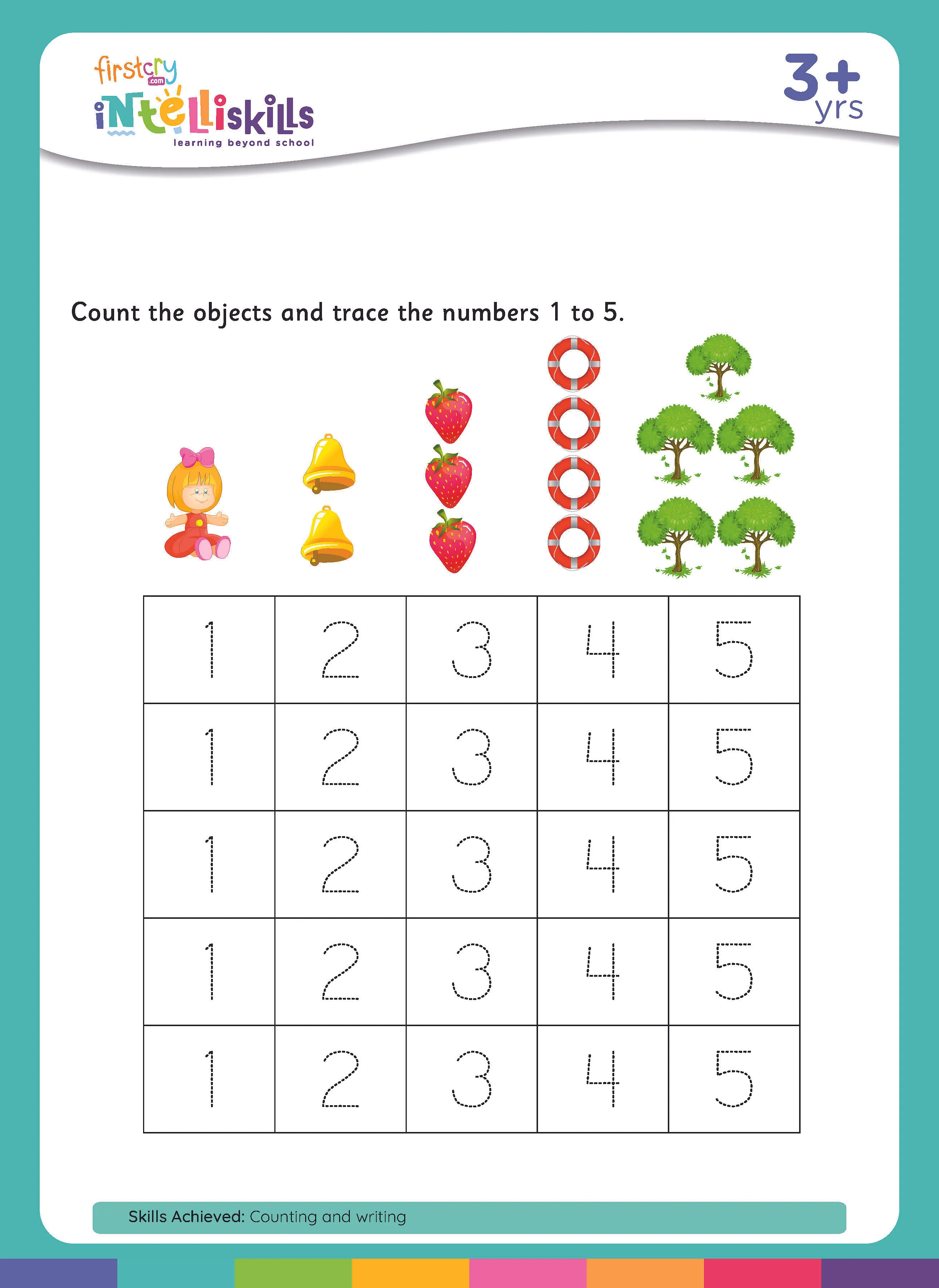
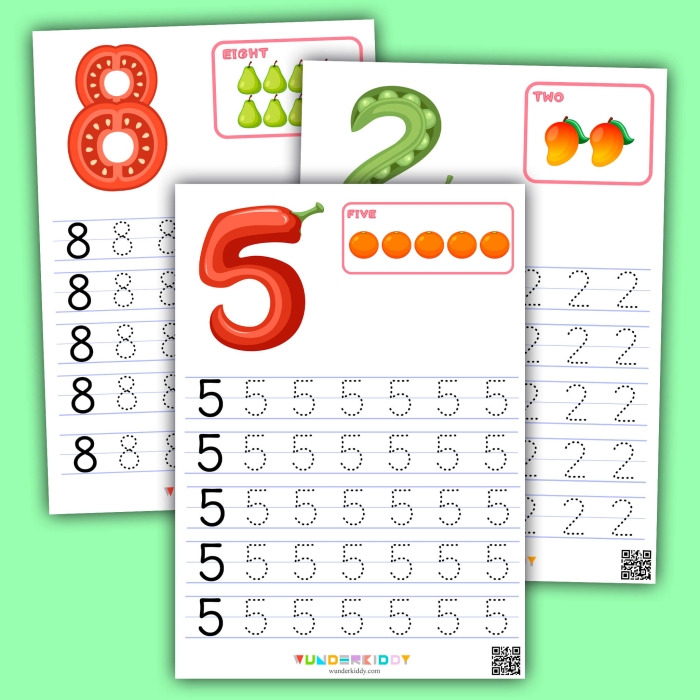
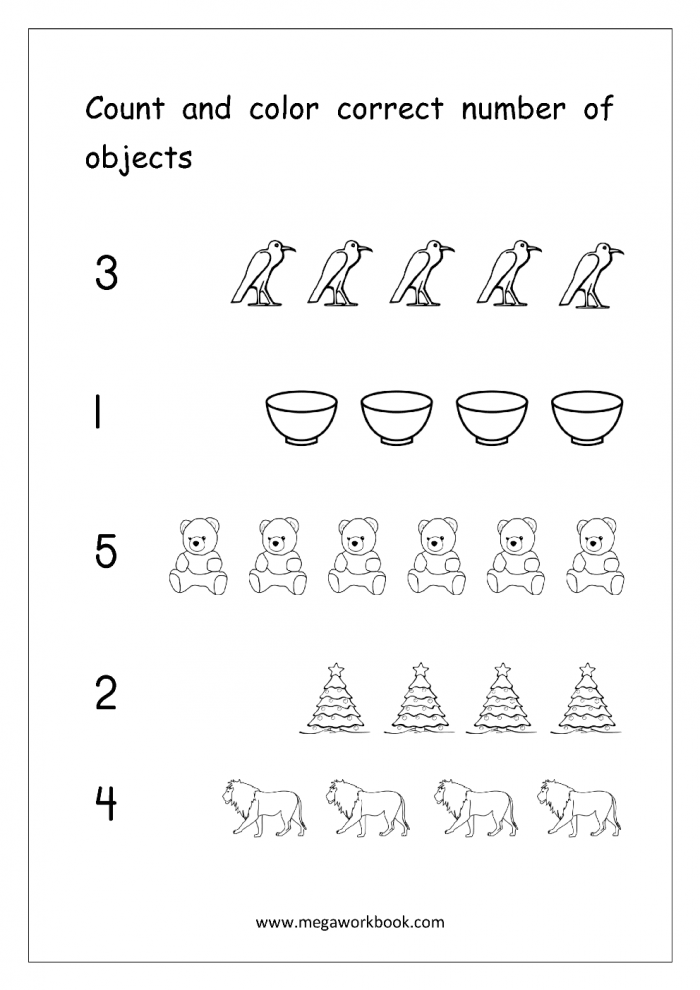
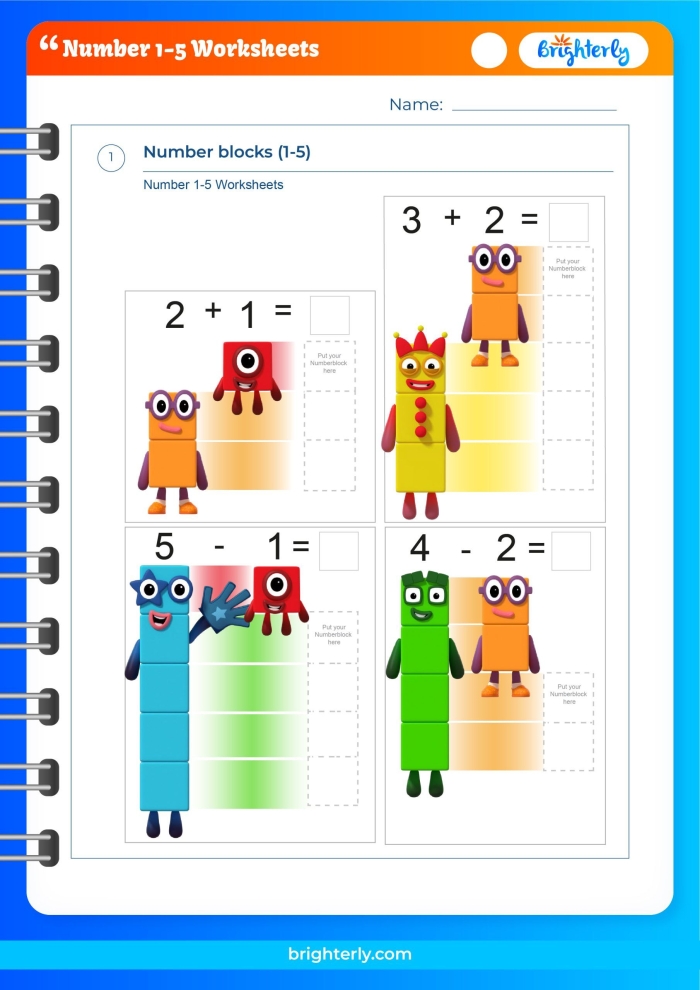
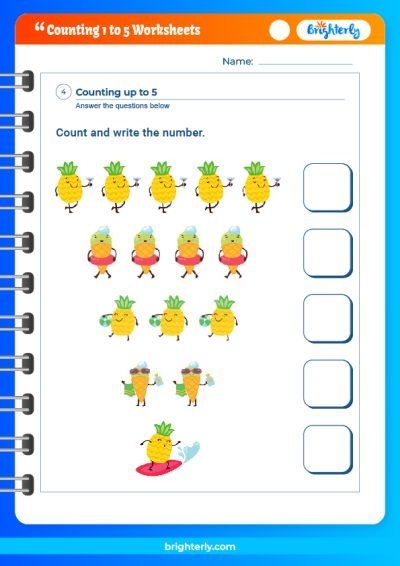
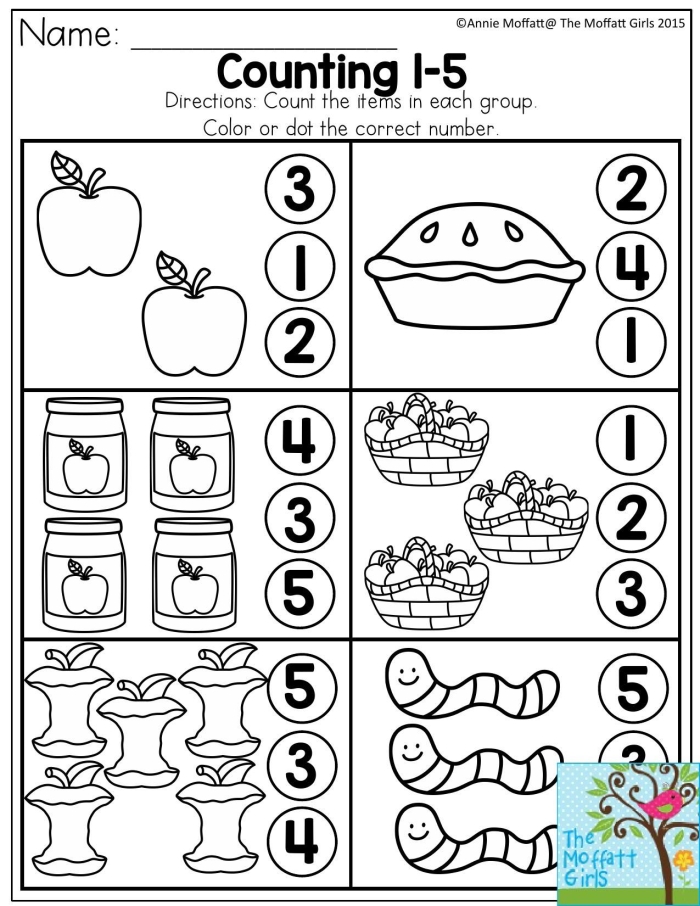
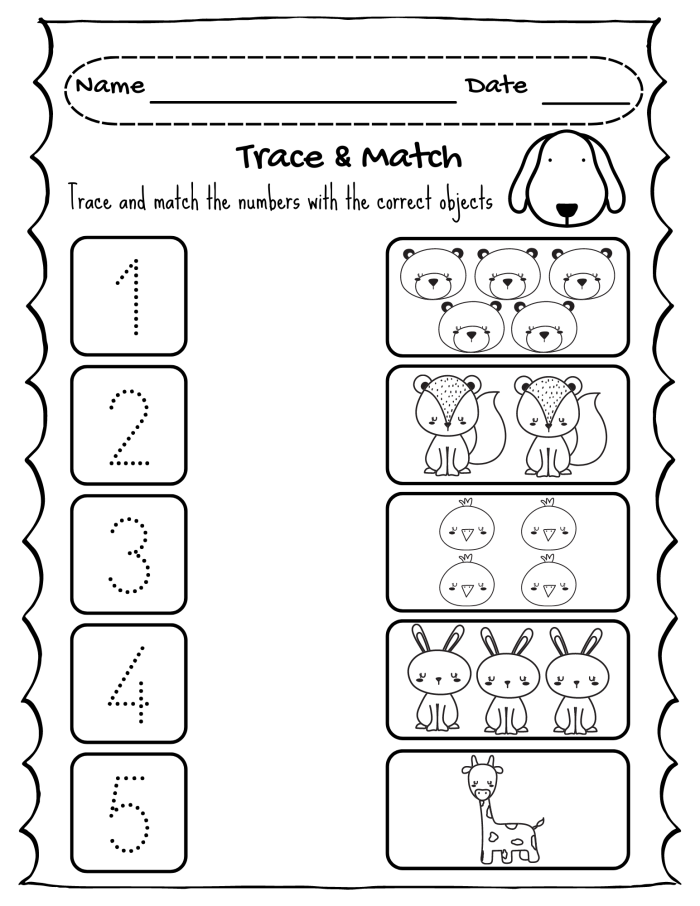
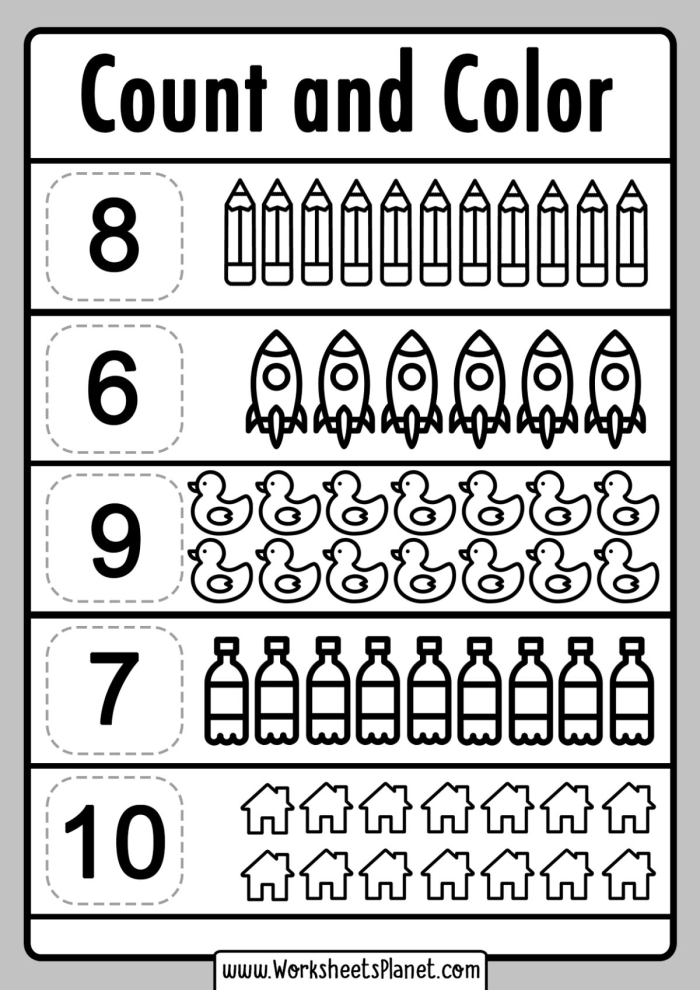
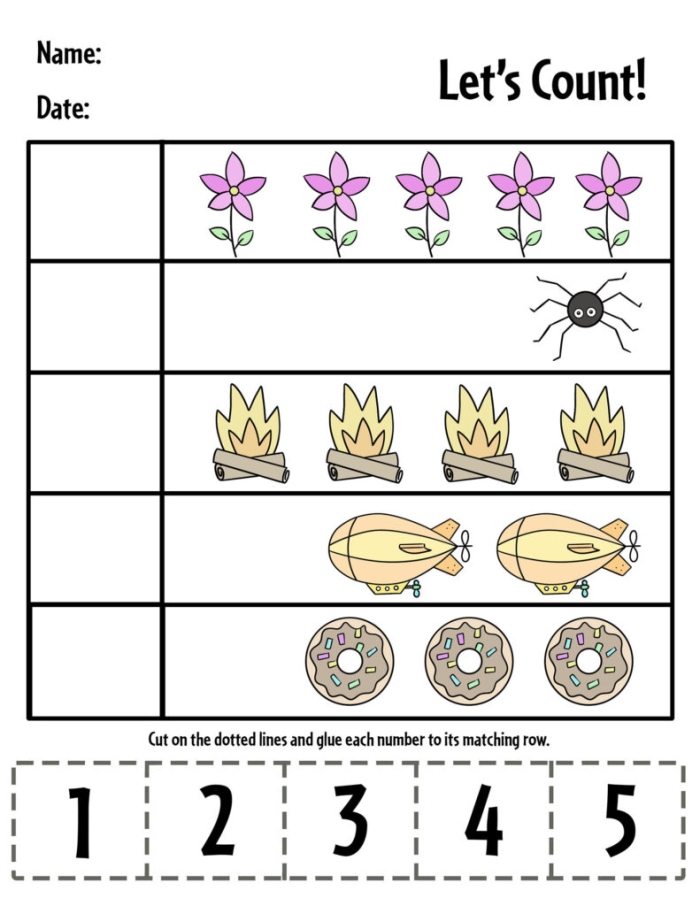
Counting and coloring activities teach young learners how to match quantities with visual representation, a skill that builds the foundation for early math. When your child works through a counting exercise, they’re not just identifying numbers on a page, they’re developing the ability to recognize how many objects make up each quantity.
The process itself is straightforward but powerful. Your child will need to count out the correct number of objects in each group, and then color them in. This dual action reinforces number recognition while keeping their hands engaged. For kindergarten students, this combination of counting and fine motor practice works together naturally, making learning feel less like a lesson and more like play.
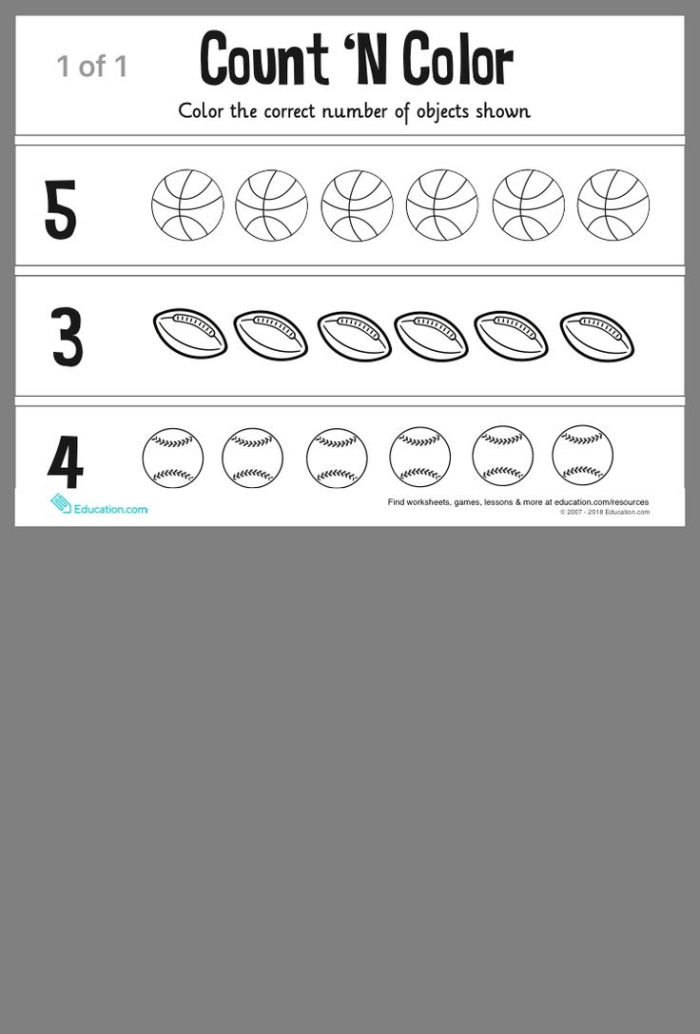
Let’s walk through a practical example. Imagine a worksheet showing a group of footballs. Your child counts each football carefully, perhaps pointing to each one as they go. If the instruction says to color 5 footballs, they’ll color exactly five. Then comes the next question: how many footballs are left over after coloring 5? If there were 8 footballs total, the answer is 3. This introduces subtraction in a concrete, visual way before your child even knows the formal concept.
This type of activity works especially well for patterns and number recognition in kindergarten because it combines multiple learning modes at once. Children see the numbers, physically count the objects, move their pencils or crayons to color, and answer a question that requires them to think about what they just did.
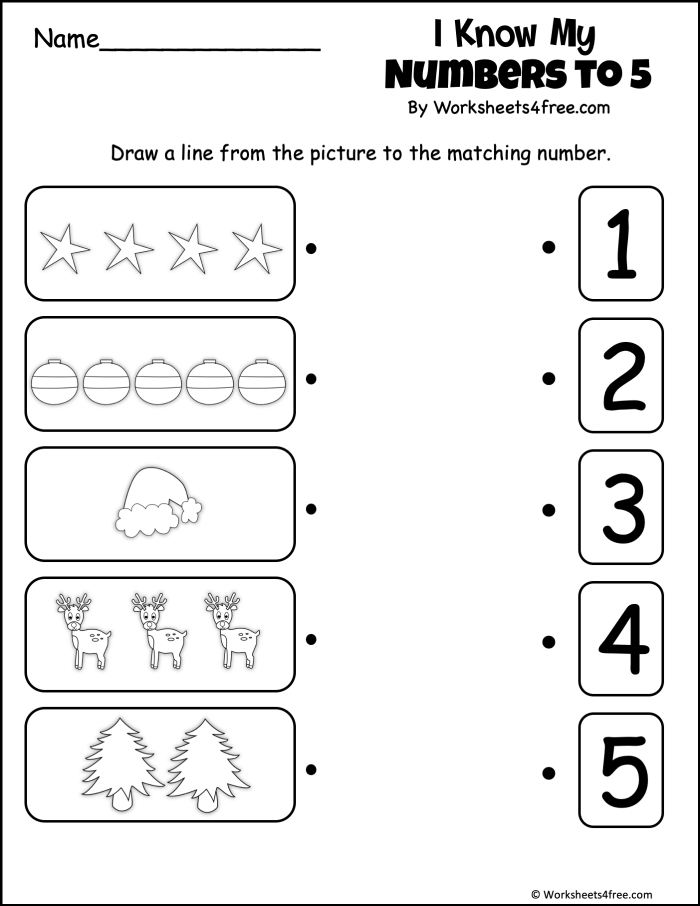
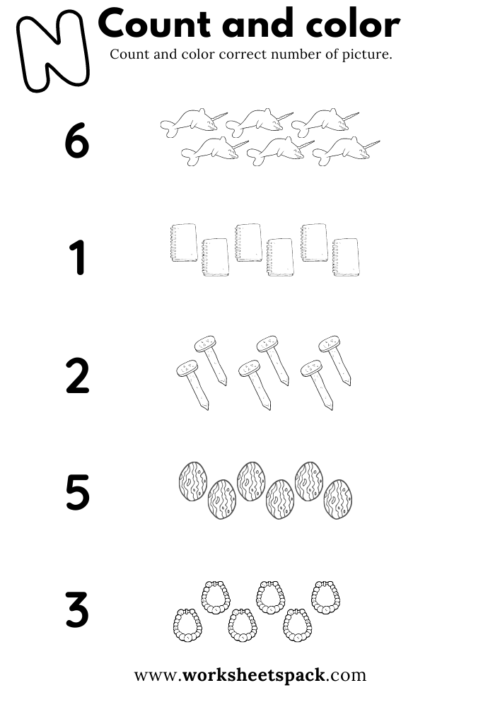
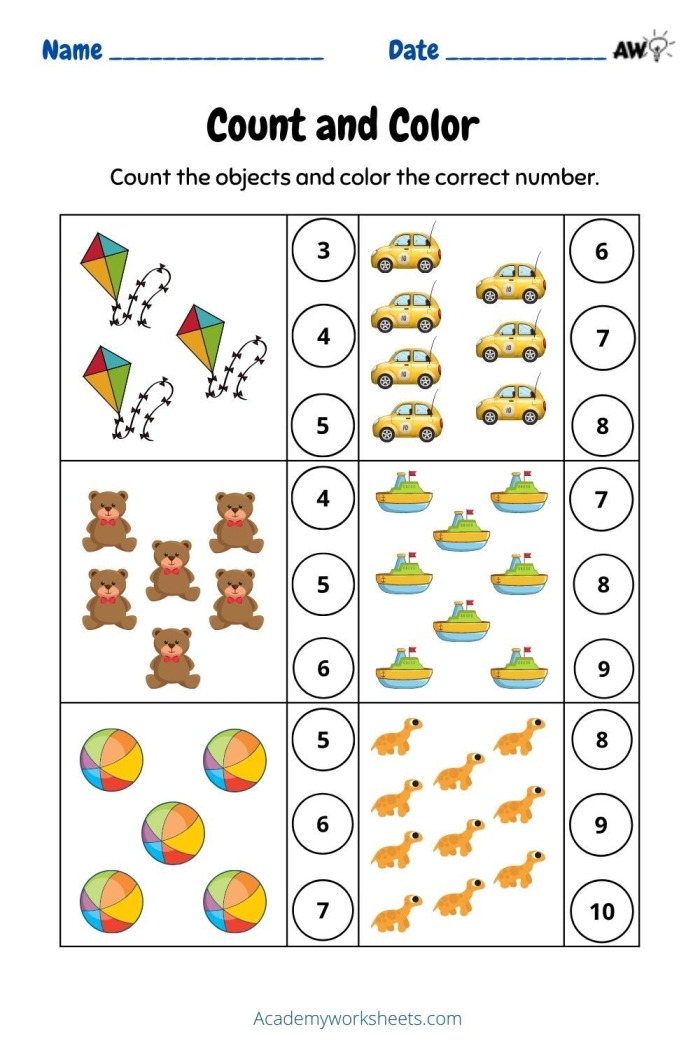
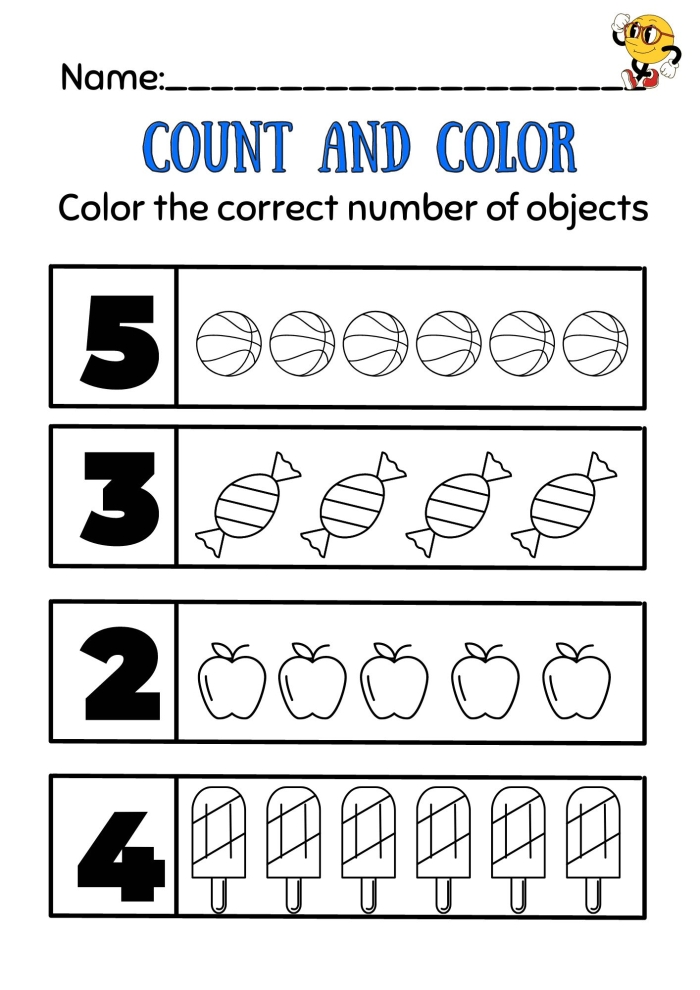
If you’re looking for structured practice with this approach, printable Count ‘n Color worksheets focusing on numbers 1-5 patterns offer a ready-made resource that guides children through exactly this kind of exercise. The repetition across different object sets helps reinforce the concept without becoming monotonous.
Grab These Worksheets Now