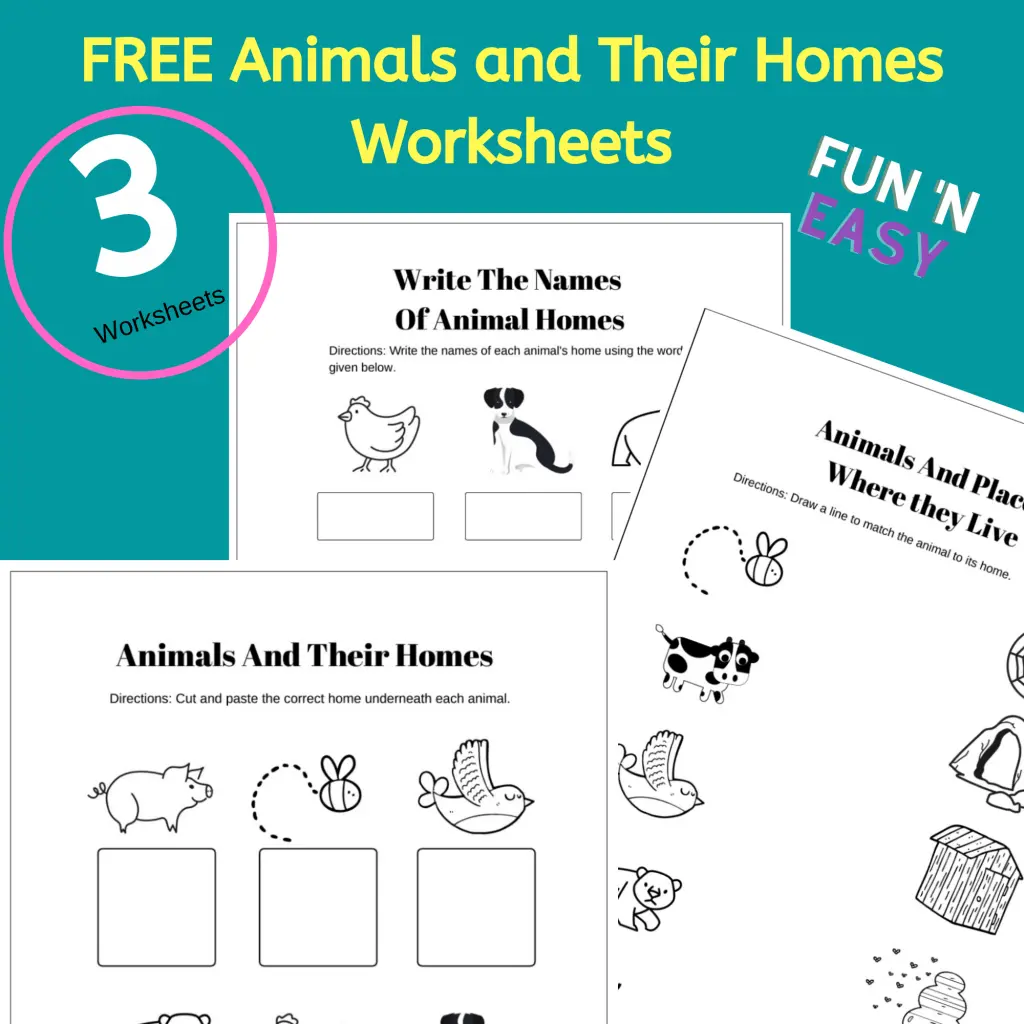
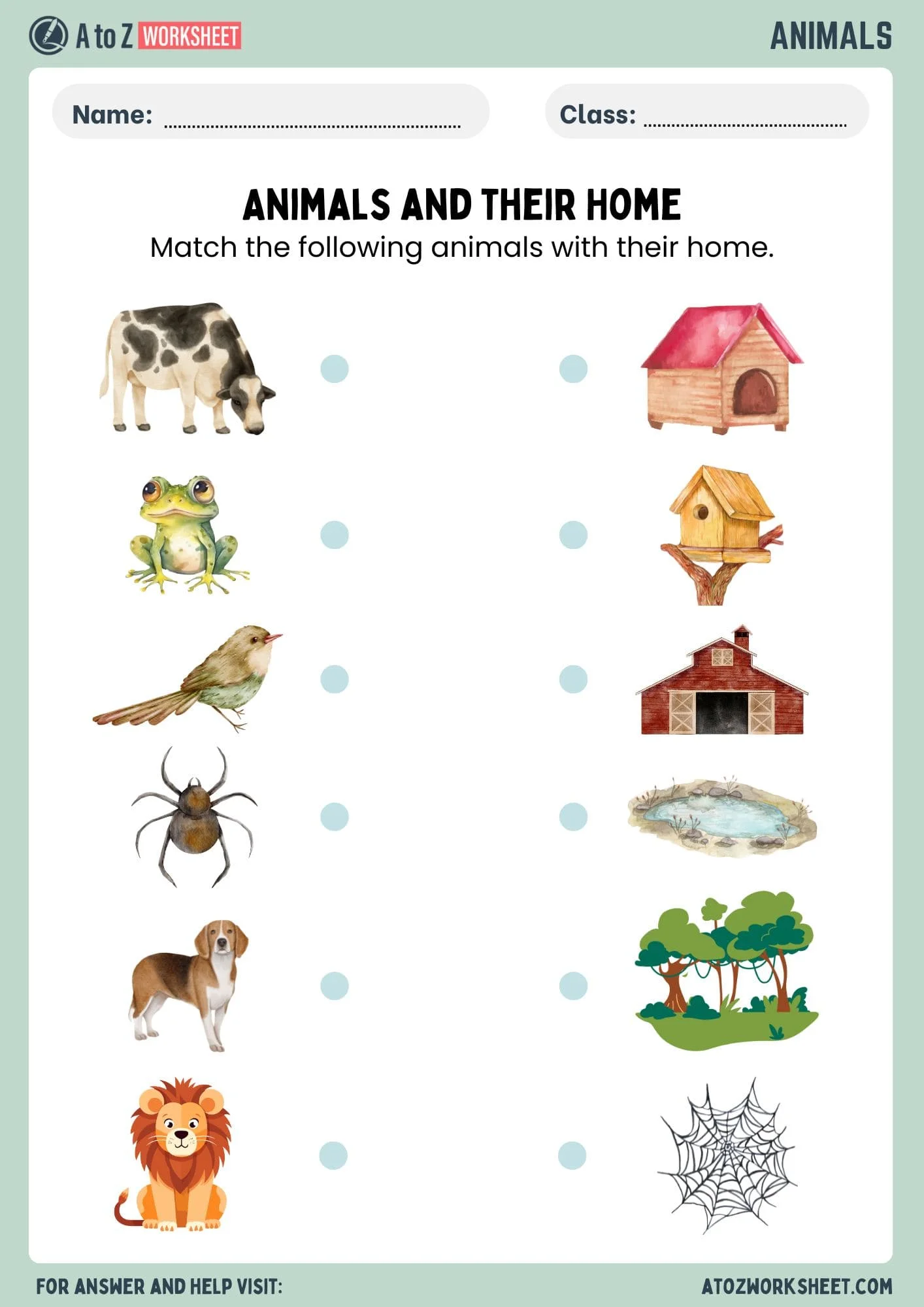
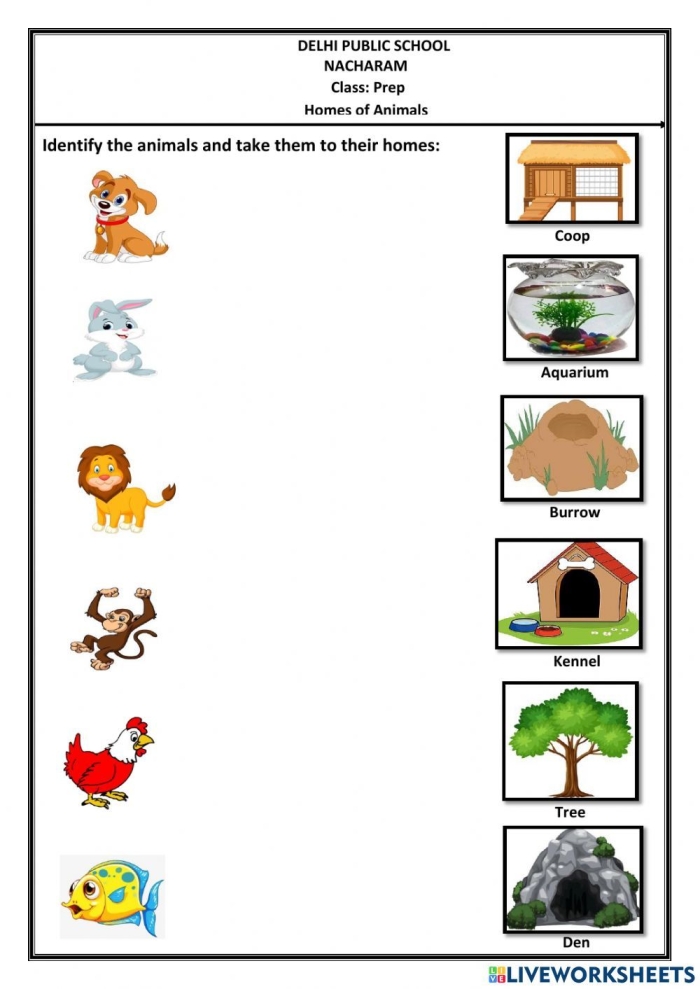
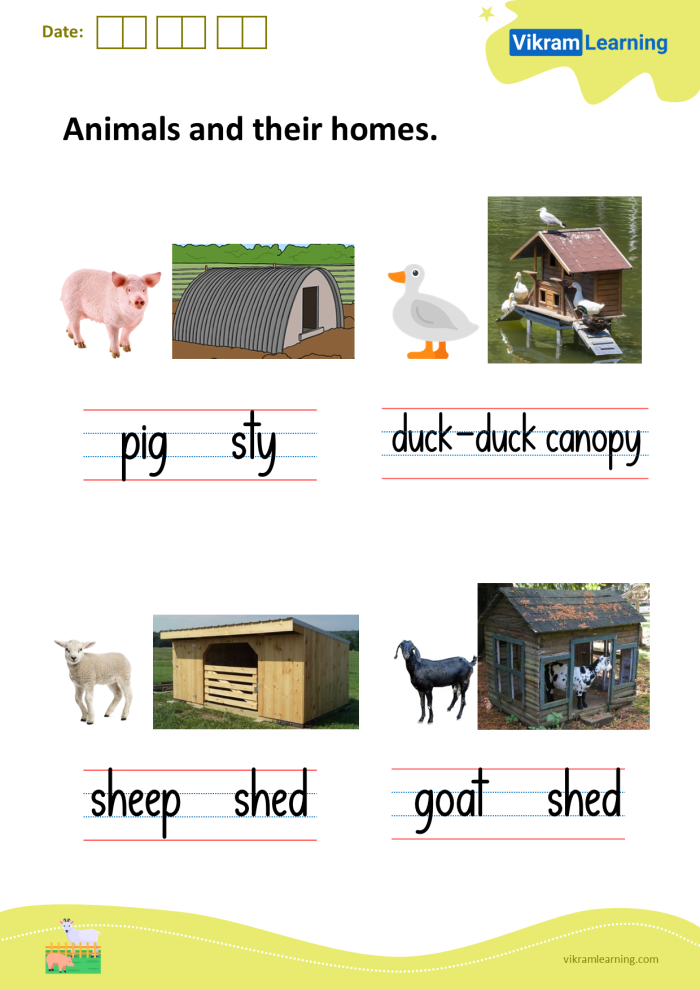
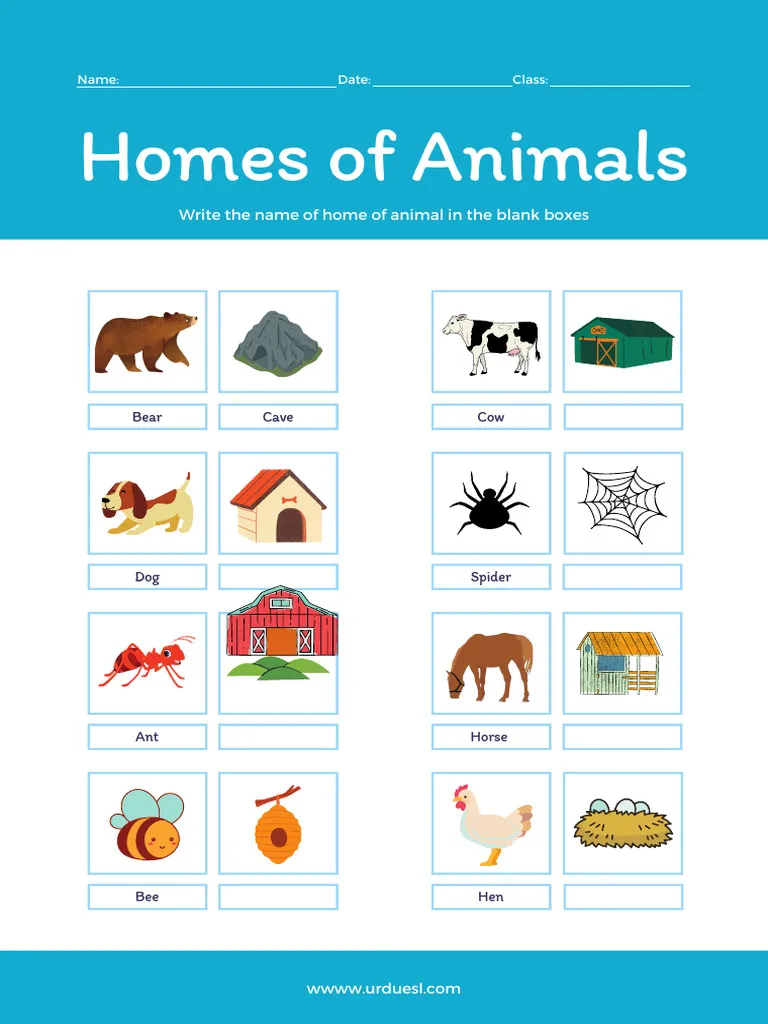
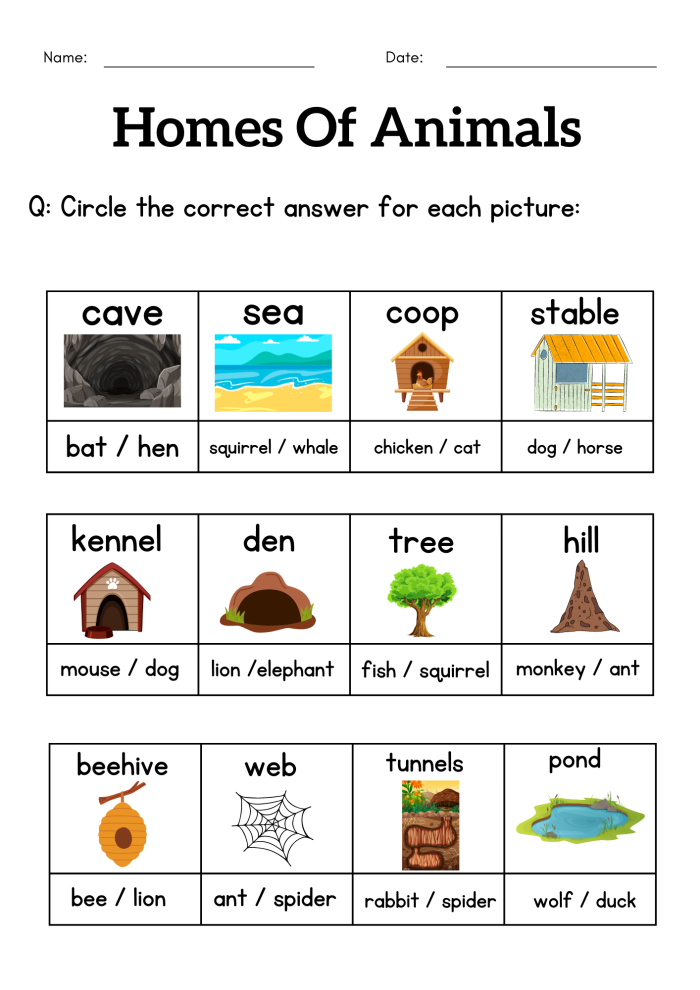
Young learners develop a stronger understanding of the natural world when they can connect animals to their environments. An animals and their homes worksheet does exactly that, building foundational knowledge in life science while keeping Pre-K students engaged and curious.
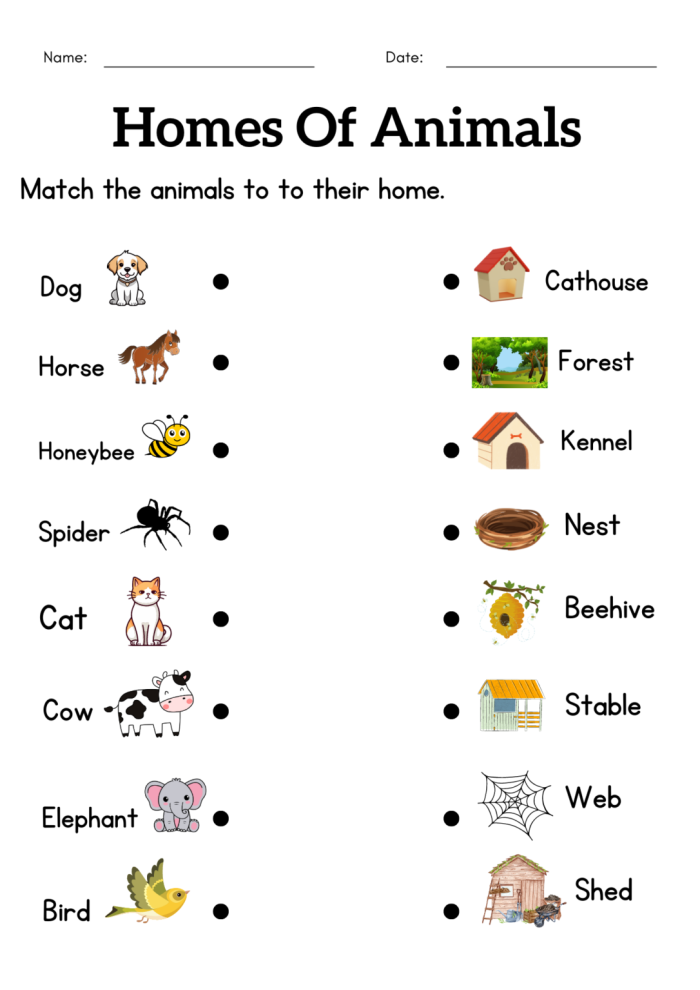
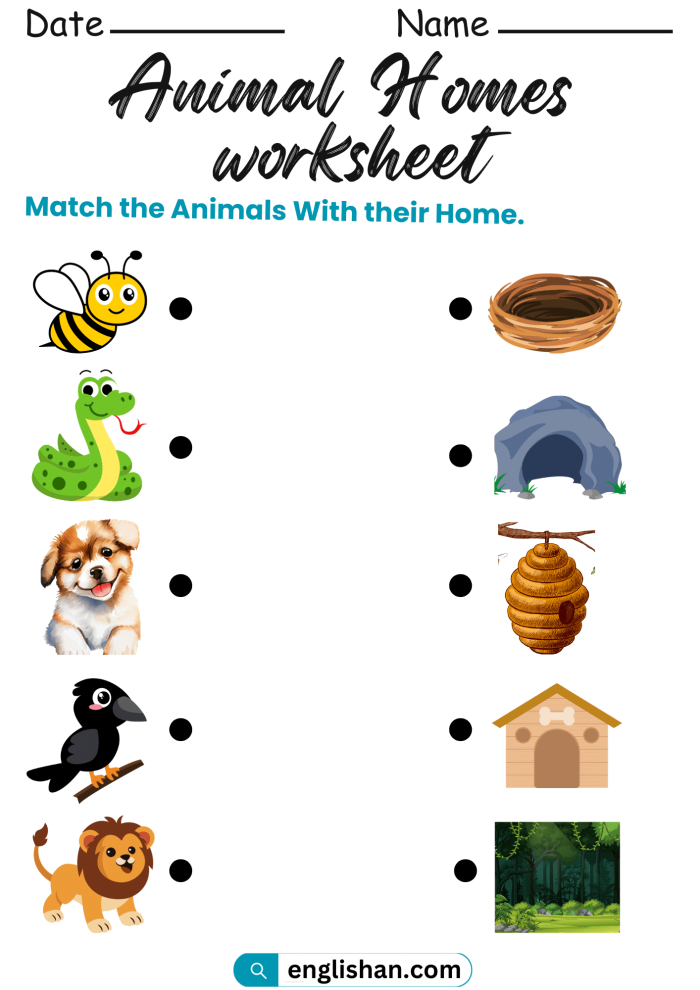
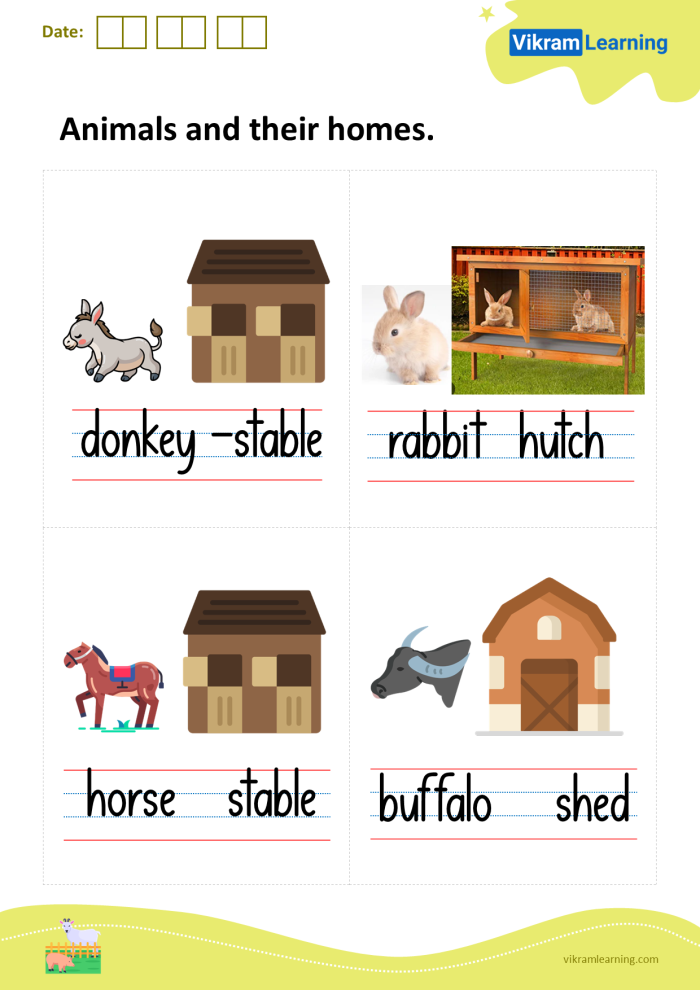
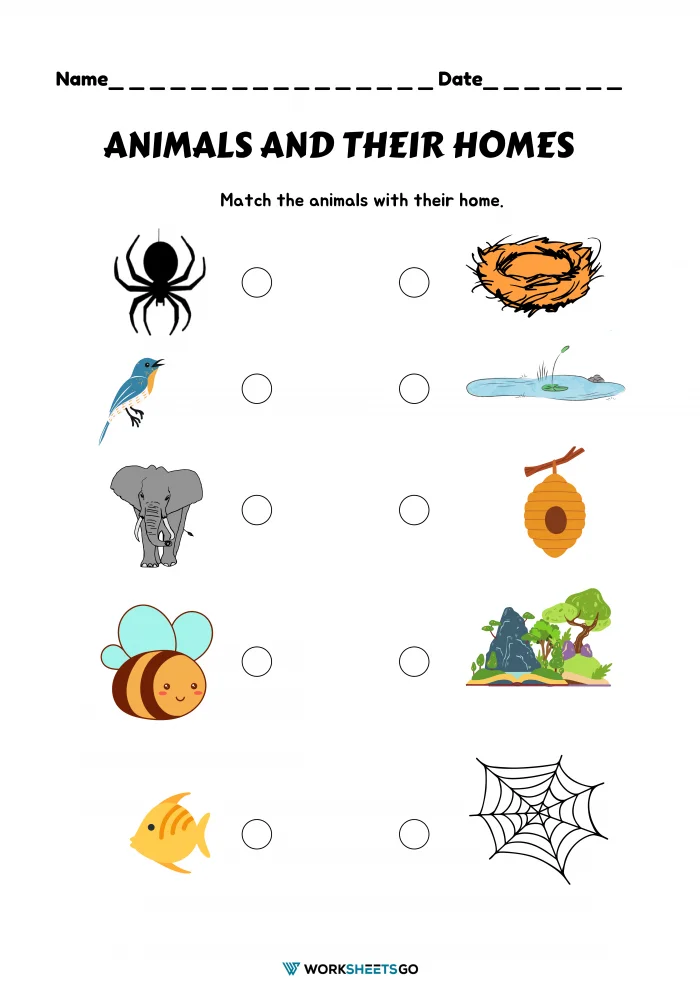
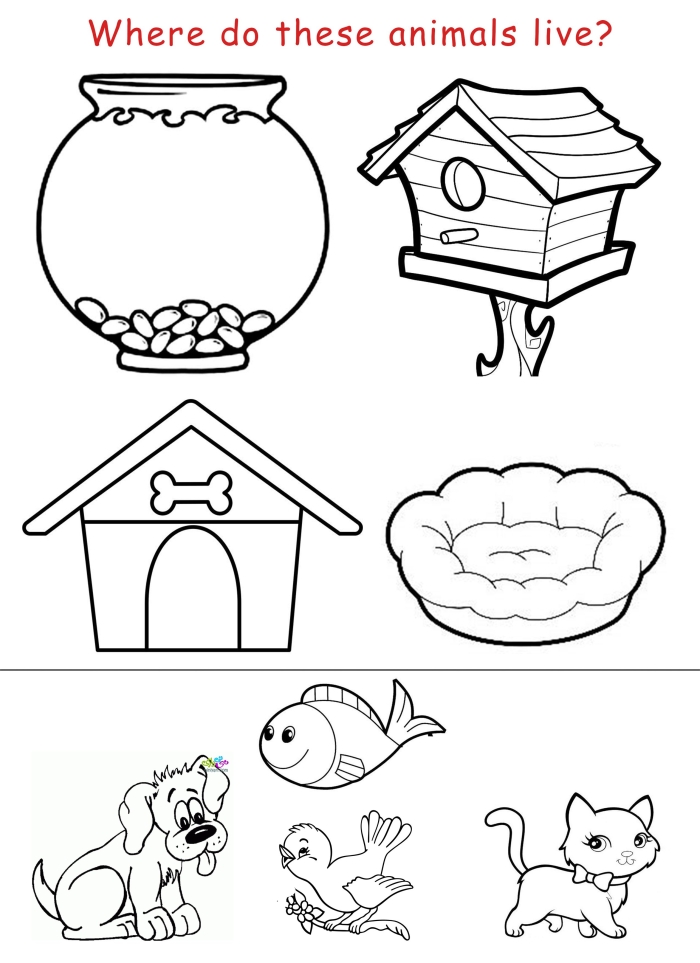
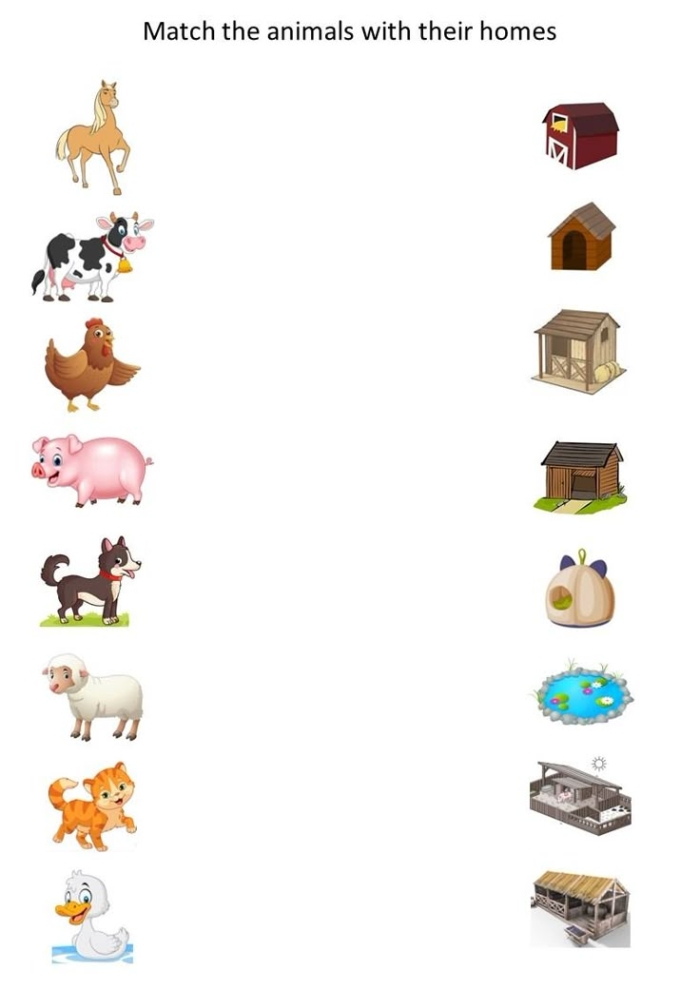
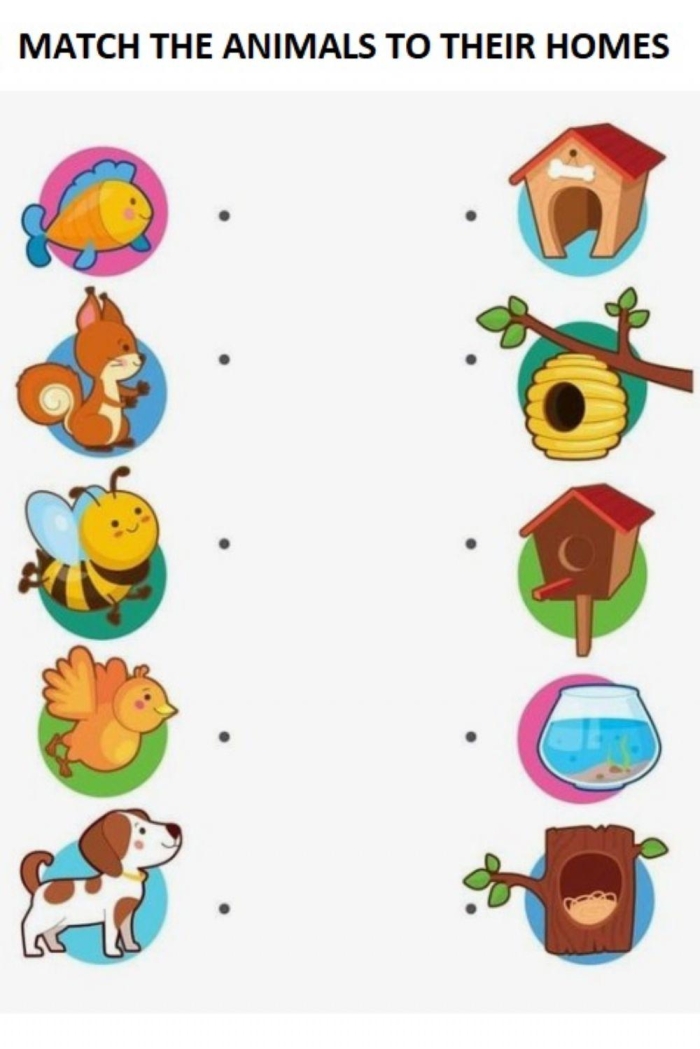
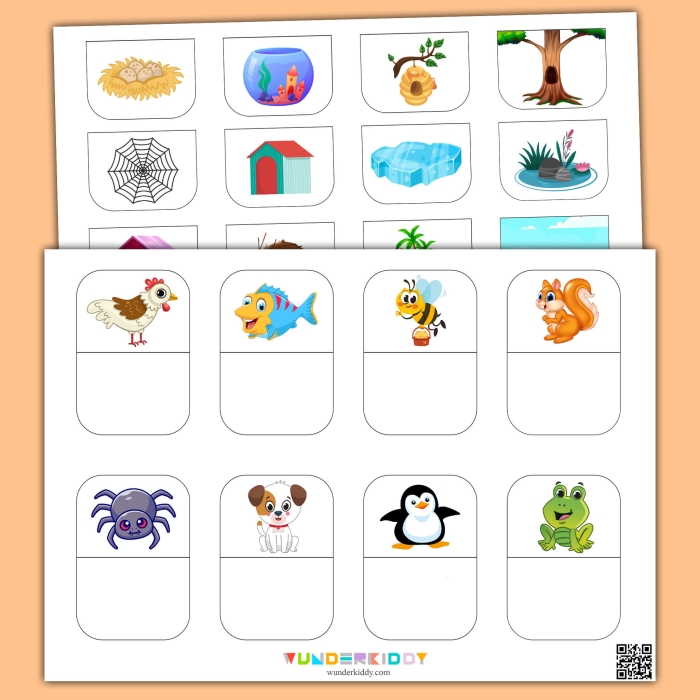
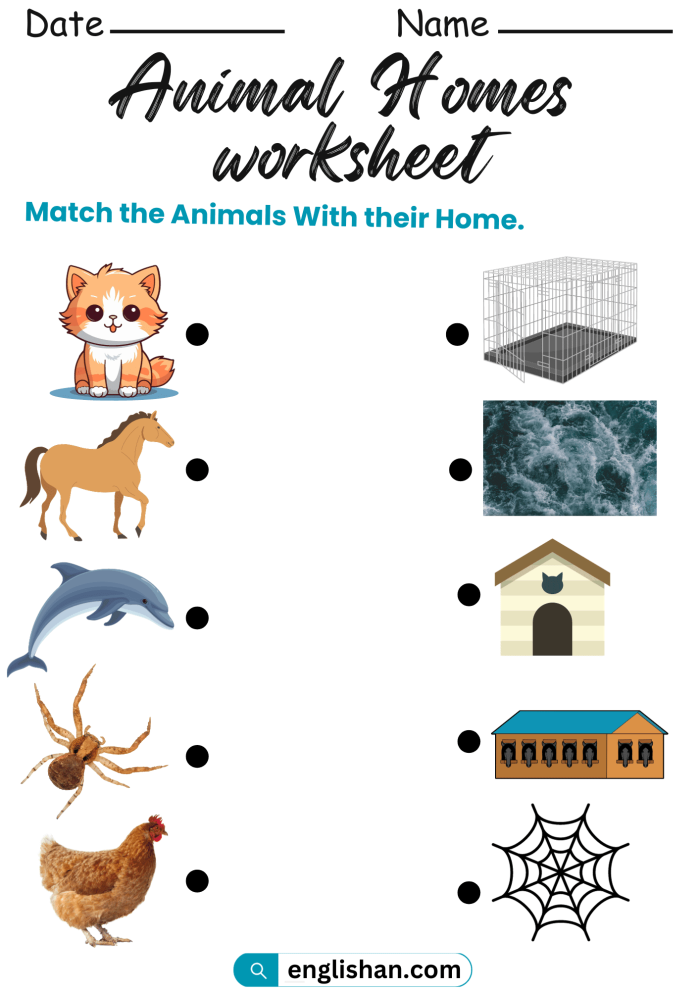
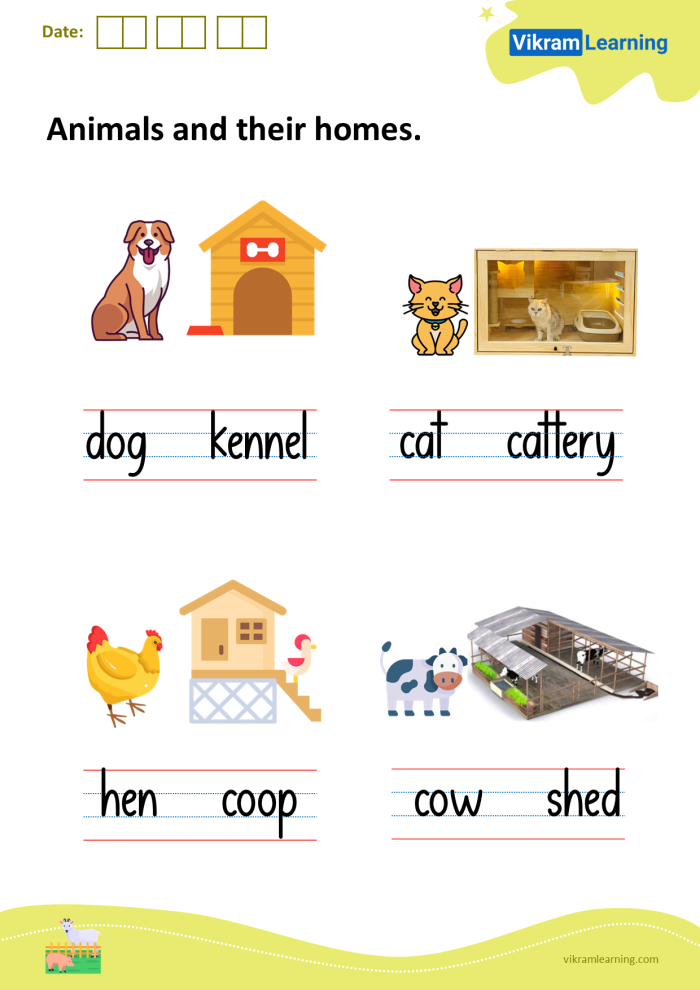
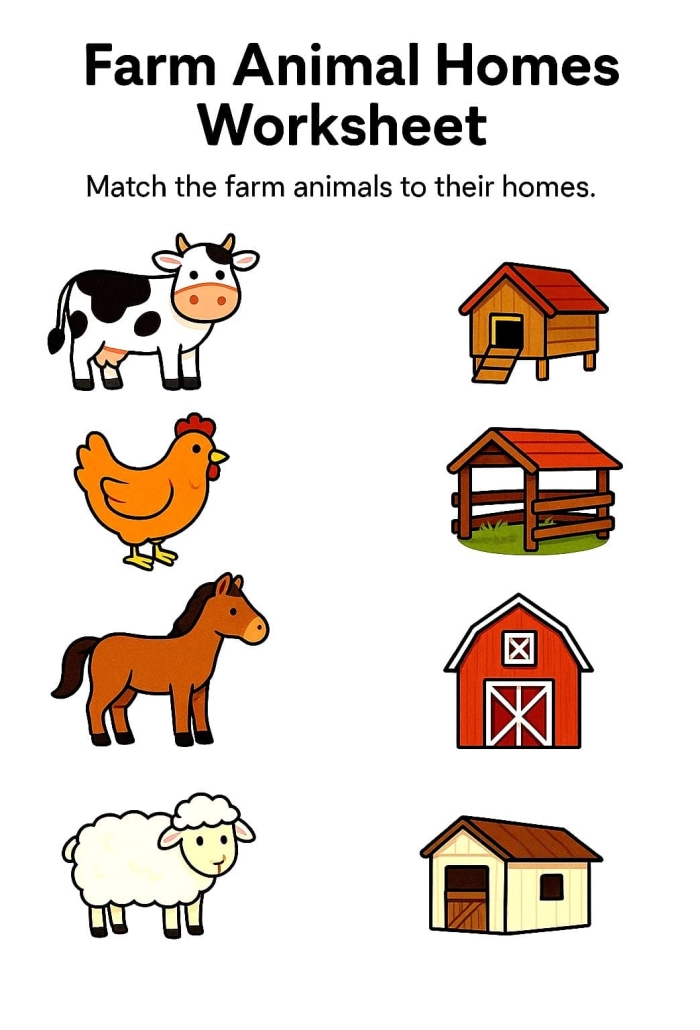
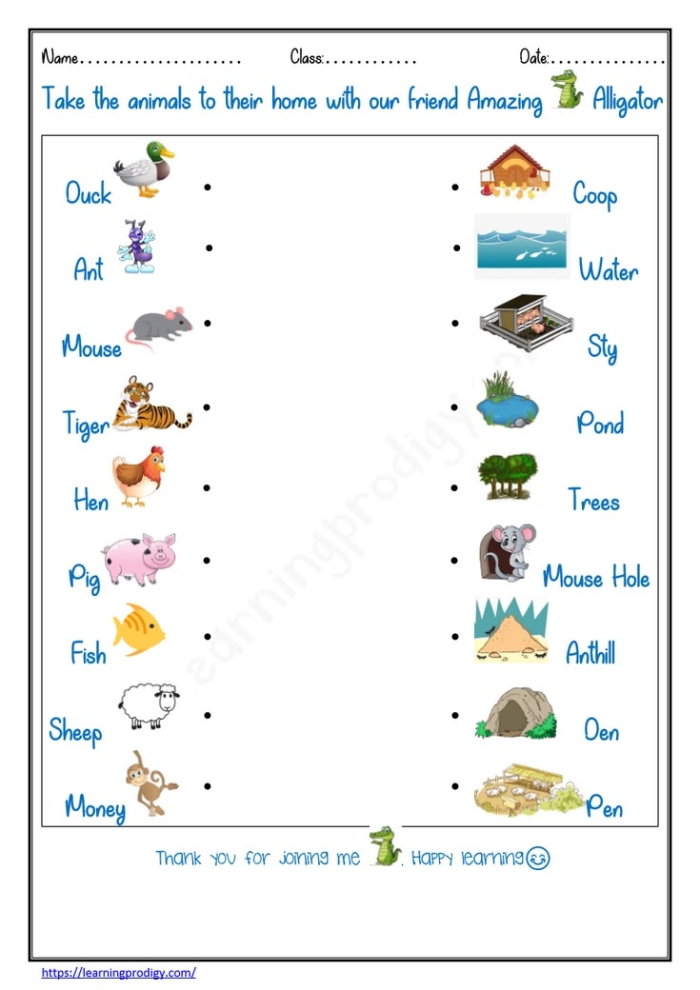
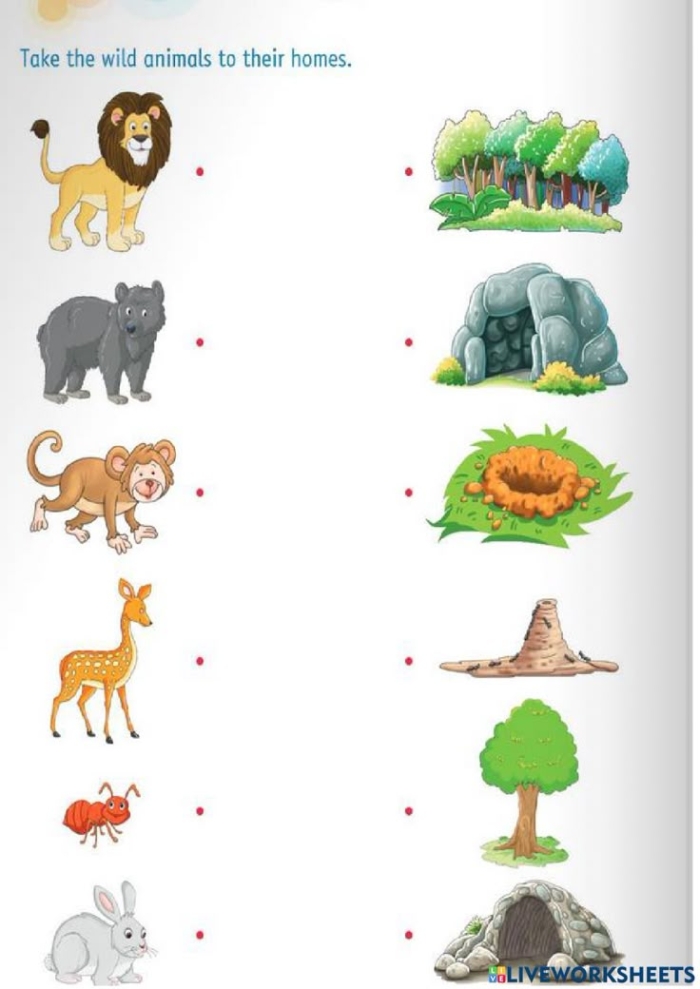
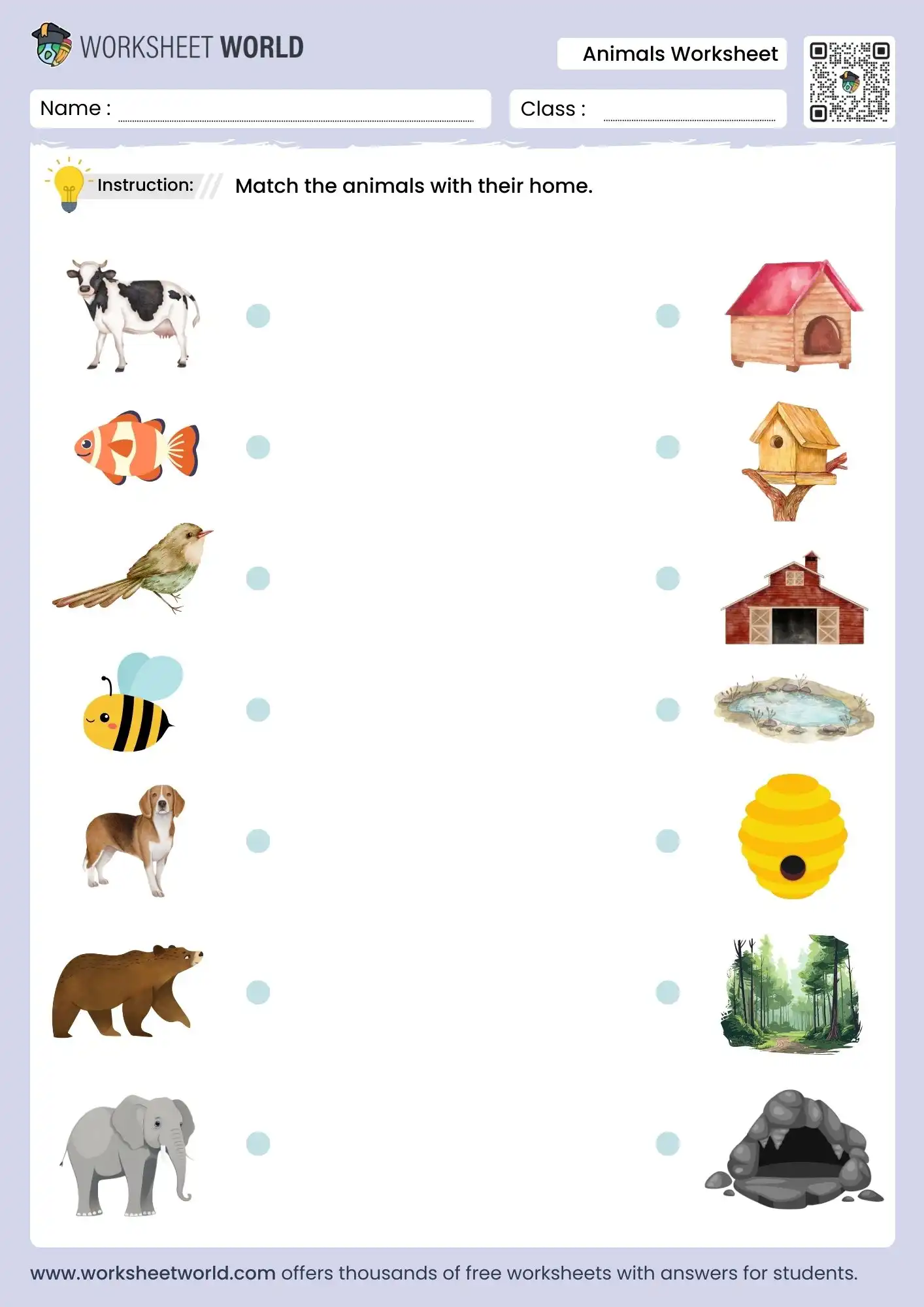
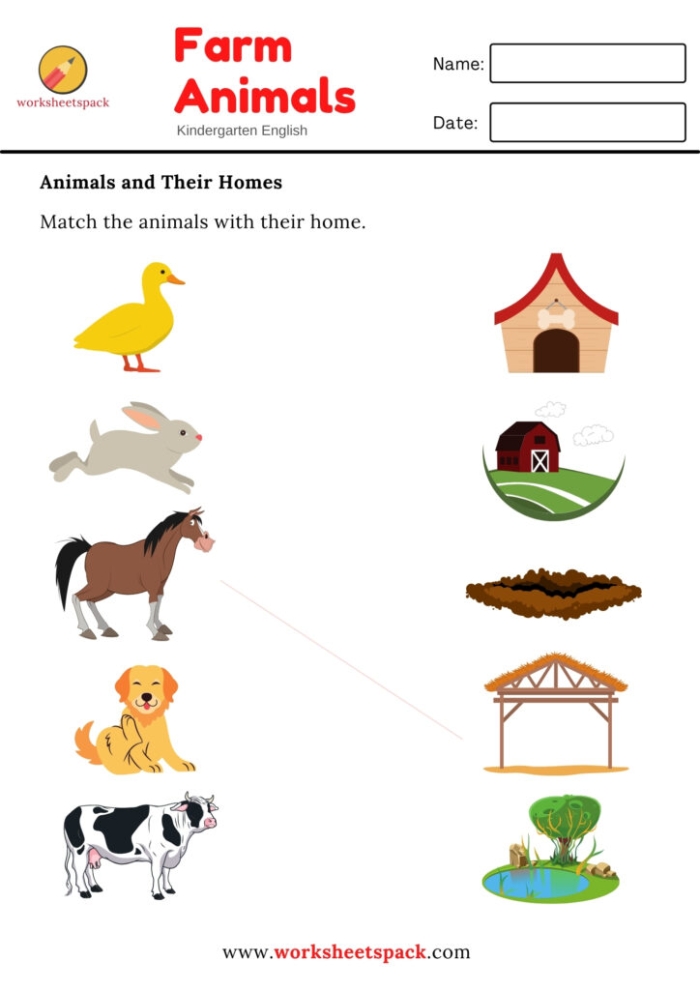
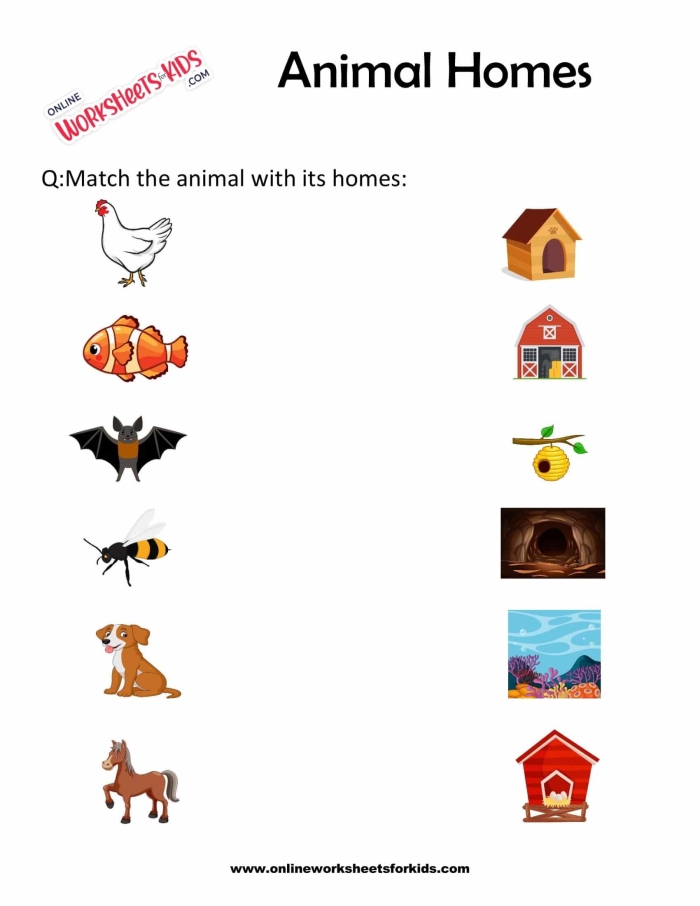
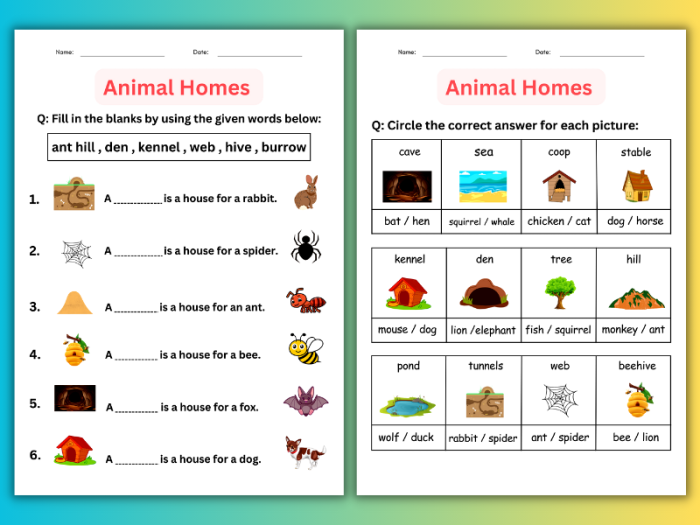
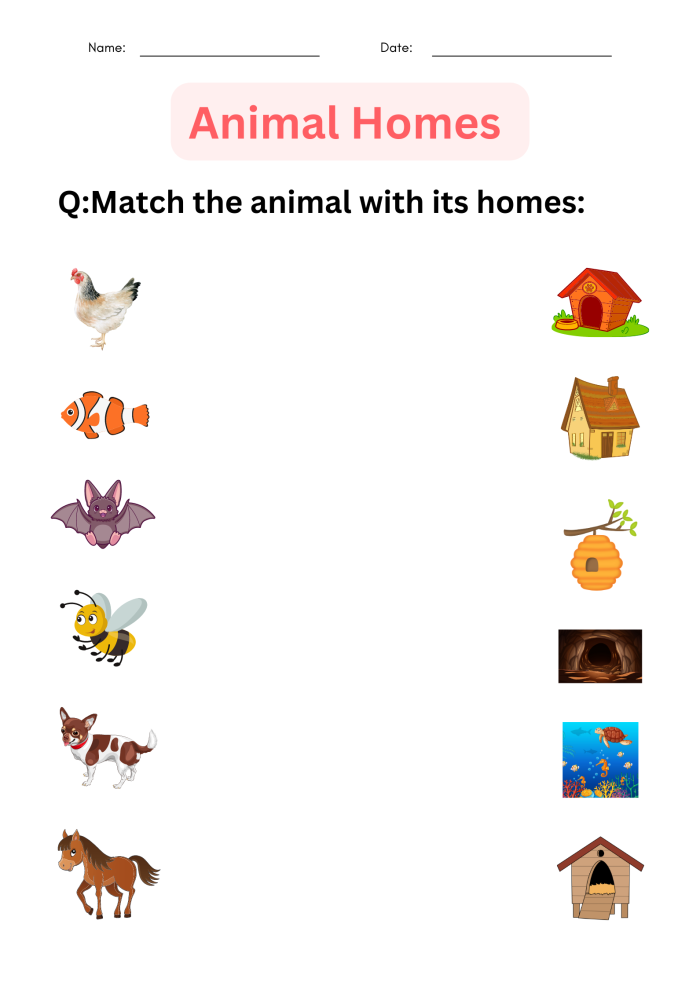
These worksheets work by pairing familiar animals with the places they live. A child might match a bird to a nest, a fish to water, or a bear to a cave. This simple matching activity teaches more than just facts. It helps children recognize that different creatures have different needs and that their homes reflect those needs. A duck needs water, so it lives near ponds and lakes. A squirrel climbs trees, so it builds its home high up in branches. These connections stick with young learners in ways that memorized lists never do.
For Pre-K students, the visual nature of these worksheets makes them particularly effective. Children at this age learn best through pictures and hands-on activities rather than text-heavy lessons. When they see a picture of a penguin and draw a line to an igloo or snowy landscape, they’re building mental associations that form the foundation for later science learning. The repetition involved in completing multiple matching pairs reinforces these early concepts.
Many of these worksheets also incorporate numbers and counting, which aligns perfectly with Pre-K curriculum goals. A worksheet might ask children to count how many animals live in the forest or circle the correct number of homes shown. This integration helps reinforce counting skills while maintaining the focus on animal habitats.
If you’re looking for complementary materials, worksheets like dinosaur color by number activities offer similar learning benefits through different themes. You might also explore circle the number exercises to strengthen counting recognition alongside habitat learning.
Boost Skills with These Worksheets