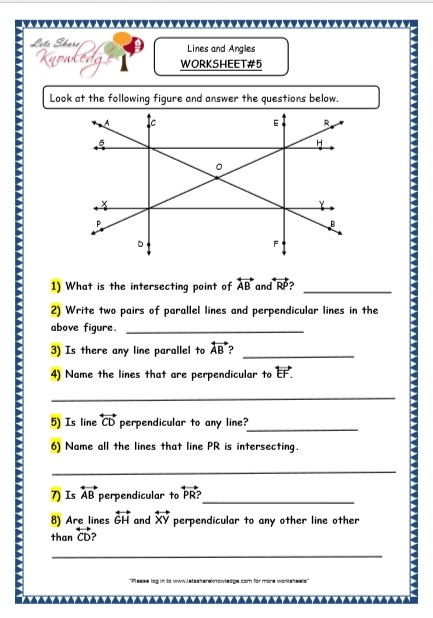
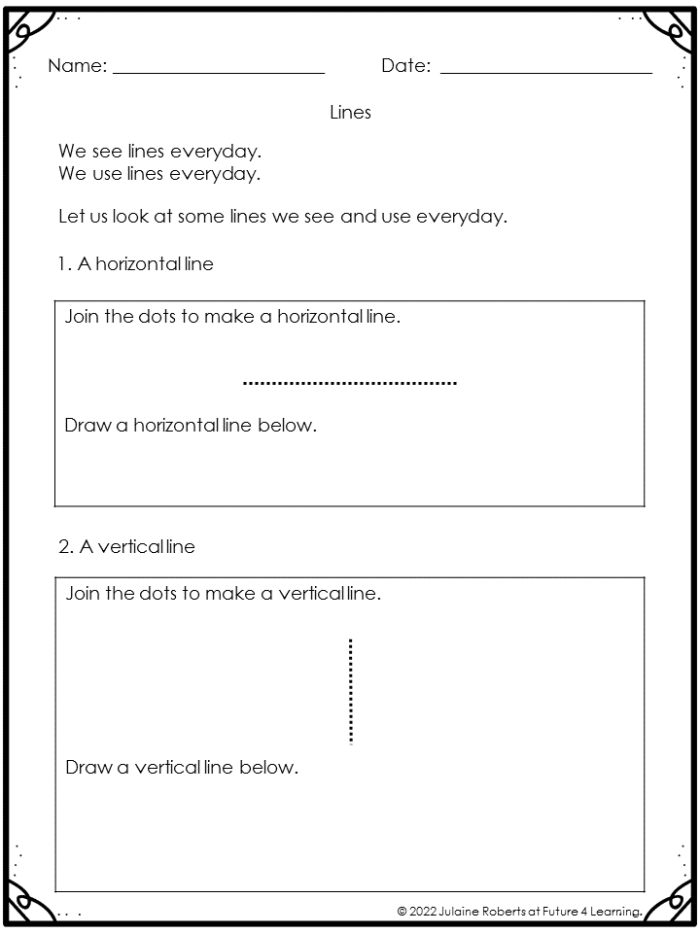
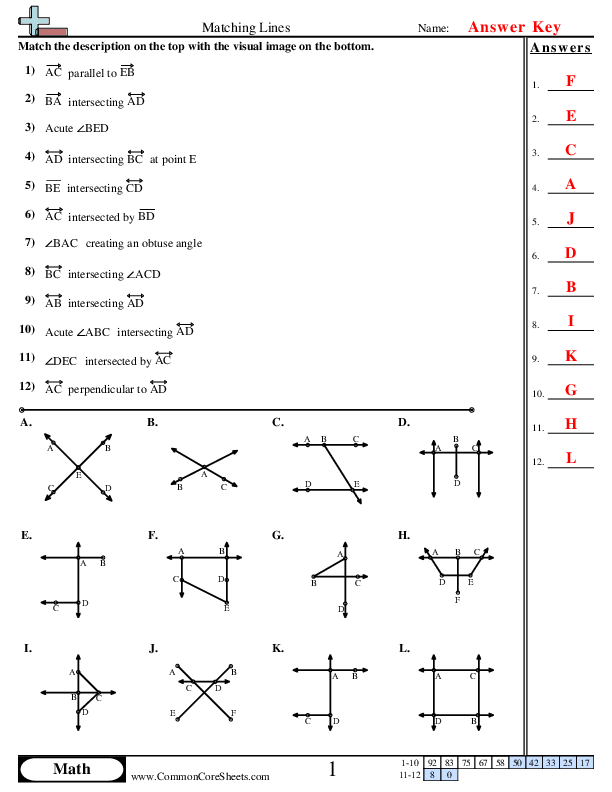
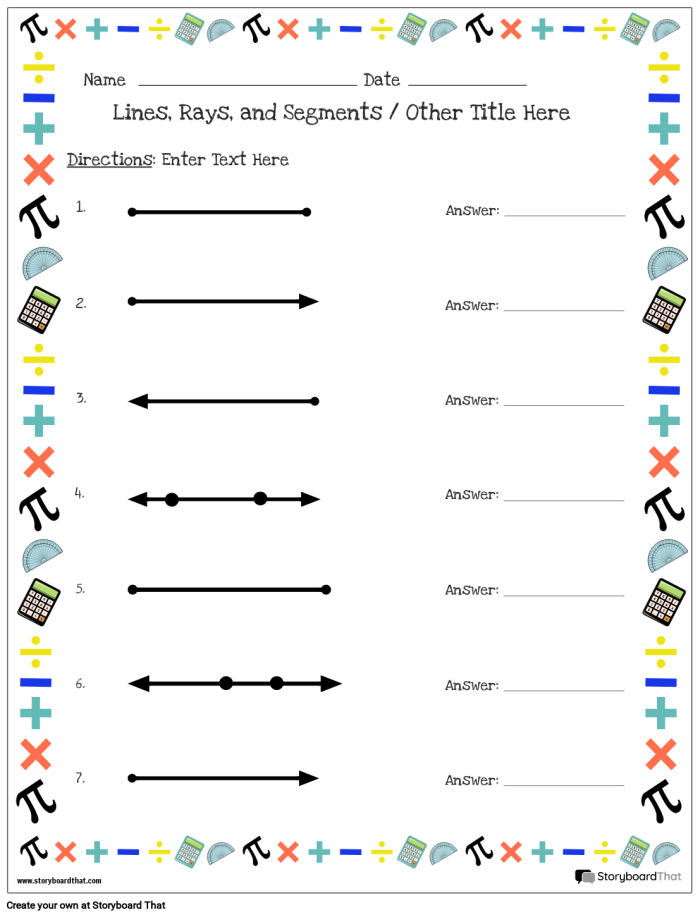
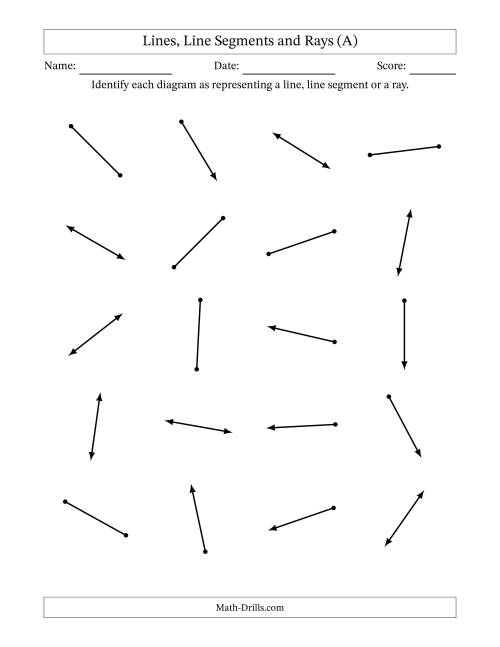
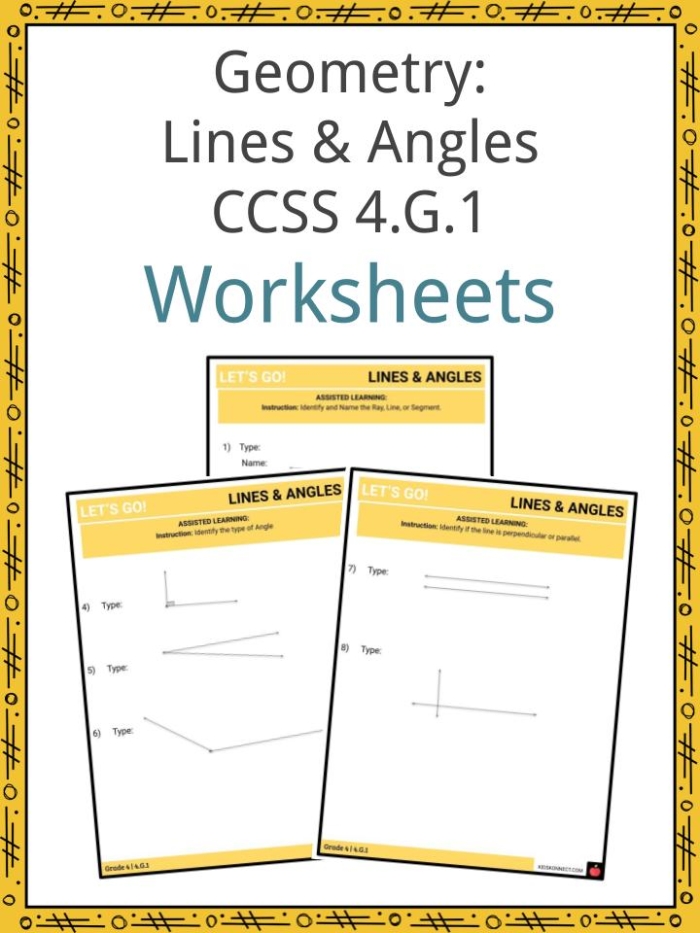
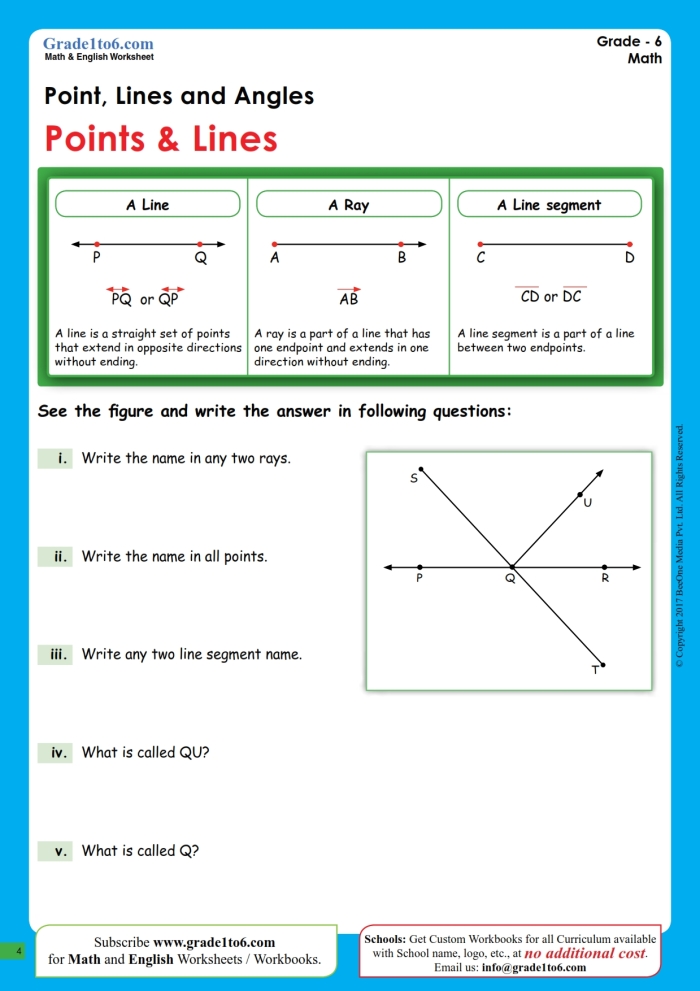
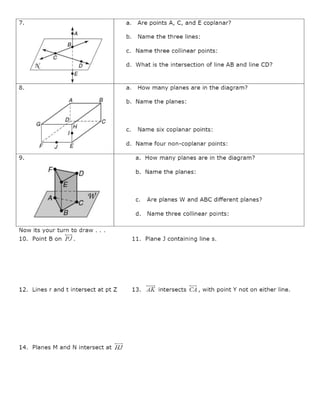
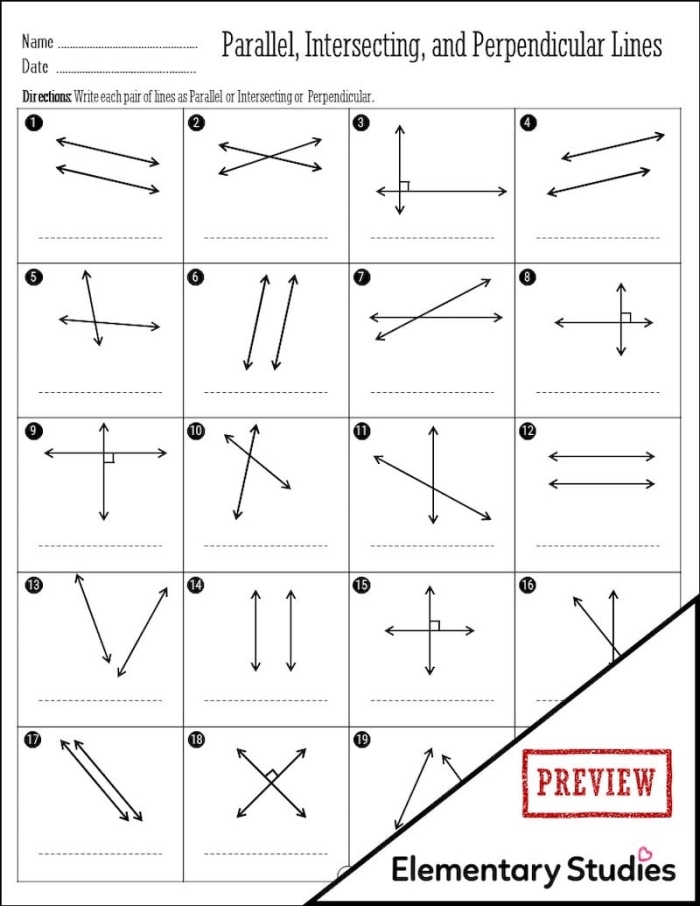
Understanding how lines work is one of those foundational math skills that opens doors to everything else in geometry. This worksheet takes third grade students through the essential properties of lines, focusing specifically on how lines behave in relation to each other.
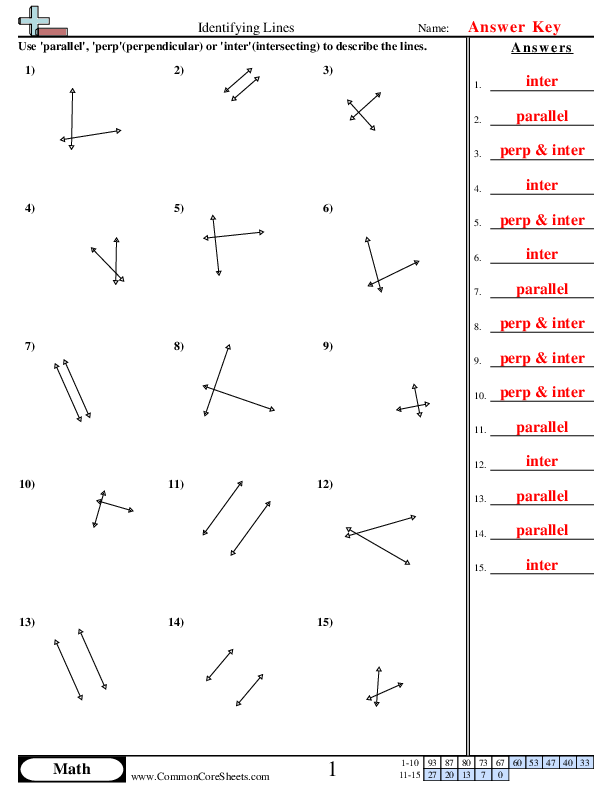
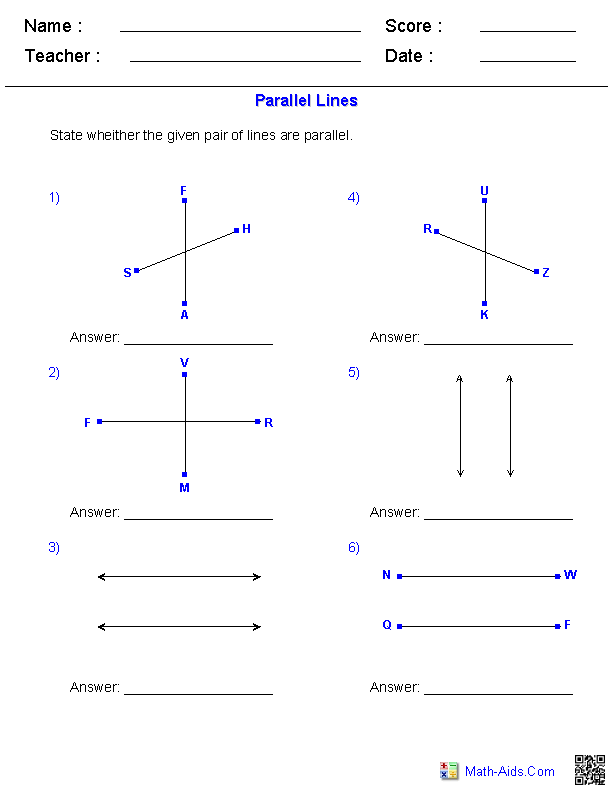
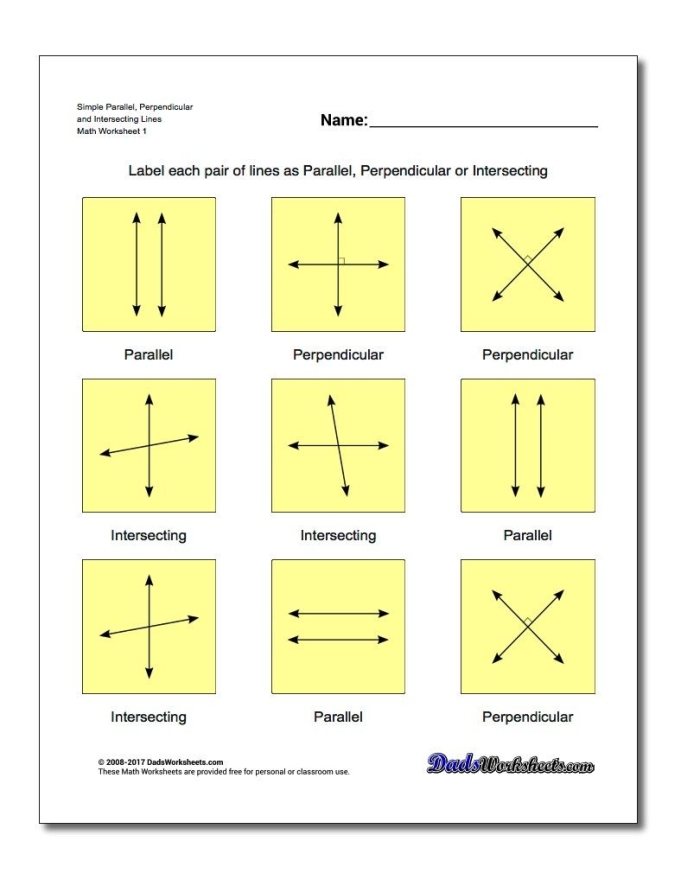
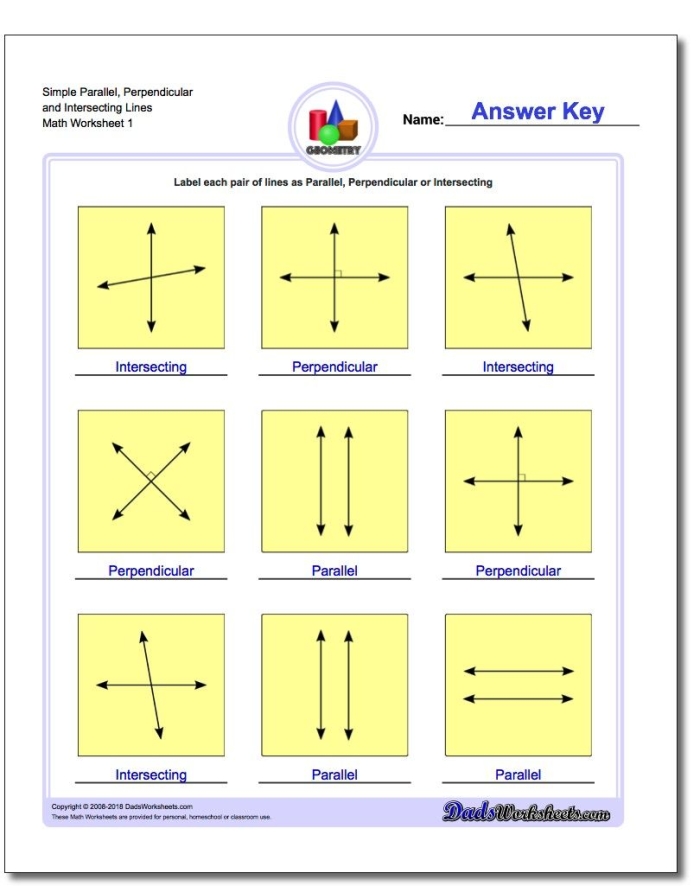
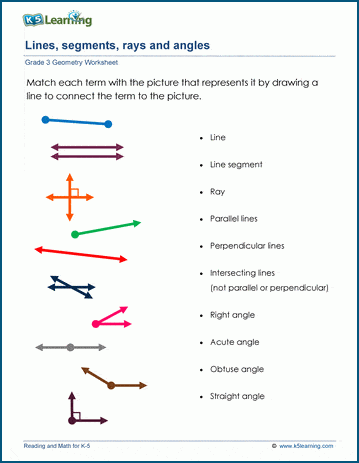
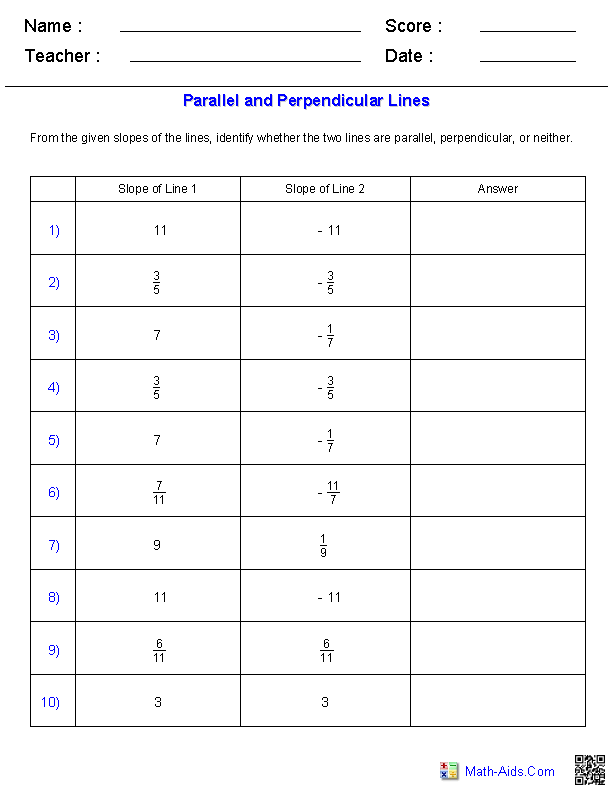
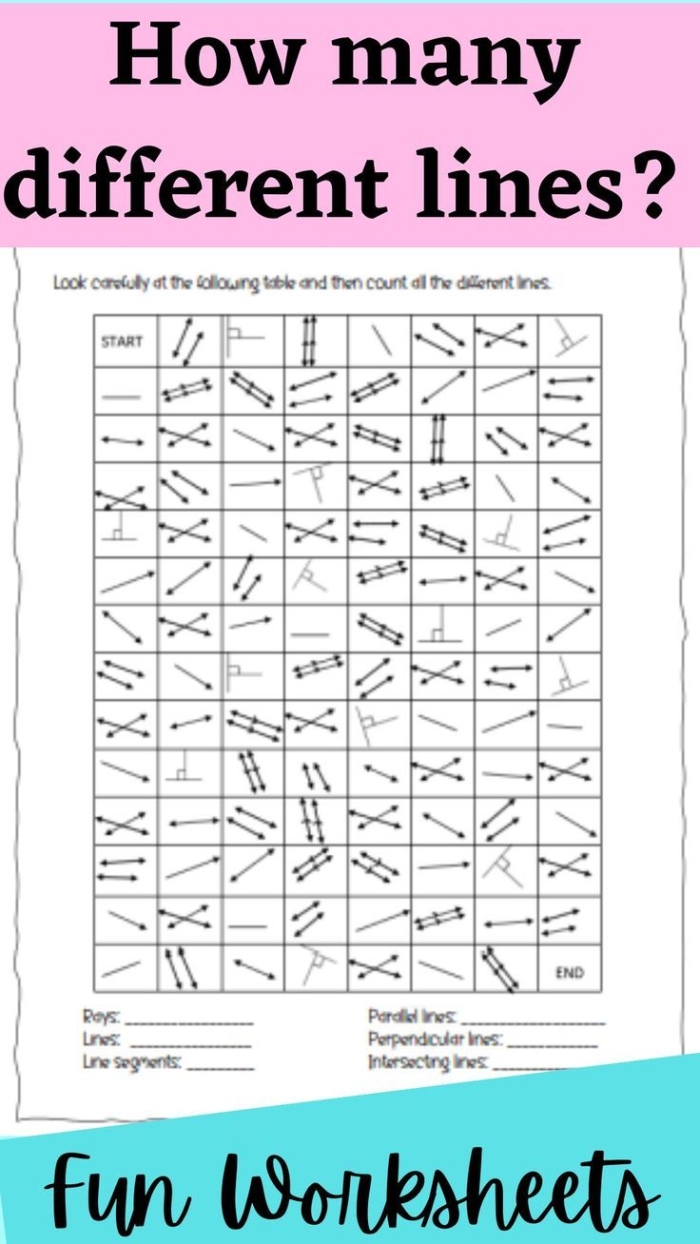
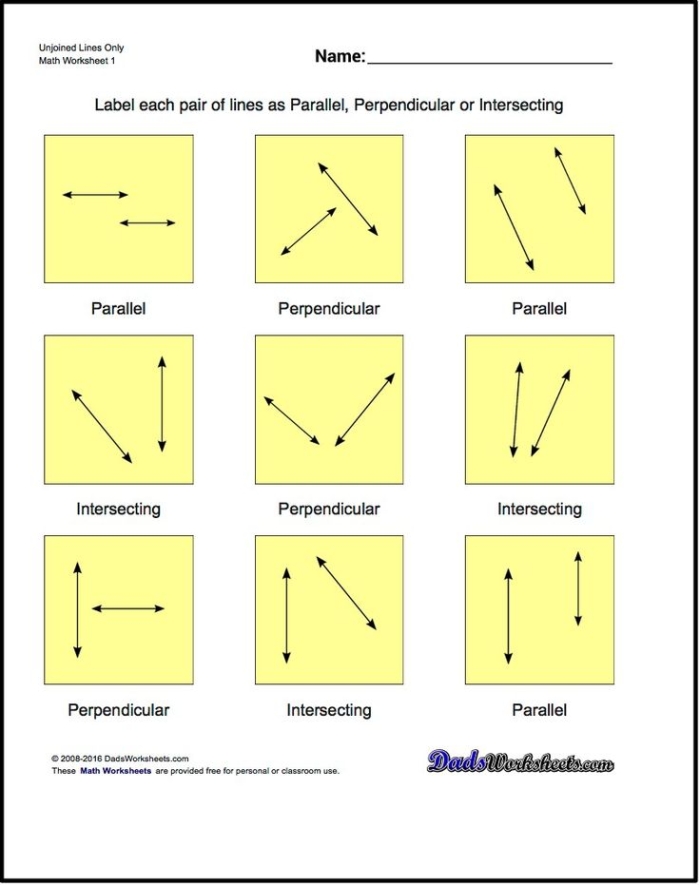
The core concept here is recognizing two fundamental line relationships: parallel lines and perpendicular lines. Parallel lines never meet, no matter how far you extend them. They maintain the same distance apart at every point. Perpendicular lines, by contrast, intersect at a right angle, forming that perfect 90-degree corner you see everywhere from building corners to the grid on graph paper.
What makes this worksheet effective is how it combines visual learning with hands-on practice. Third grade students benefit from seeing these line types illustrated clearly, then working through problems that require them to identify and draw these relationships themselves. The mixed operations approach means students aren’t just passively reading about geometry, they’re actively engaging with the material through exercises that build both recognition and application skills.
The practical value becomes clear when you consider everyday examples. The sides of a door frame contain perpendicular lines. Railroad tracks demonstrate parallel lines. Once students grasp these concepts here, they can spot them in the world around them.
For teachers looking to build comprehensive math skills, pairing this geometry work with other mixed operations worksheets strengthens overall mathematical thinking. A worksheet focused on addition word problems complements geometry practice by developing different problem-solving muscles. Similarly, activities like a math crossword puzzle keep students engaged while reinforcing various mathematical concepts.
This geometry lines worksheet serves as a building block for more complex spatial reasoning that students will need in later grades.
Practice with These Worksheets