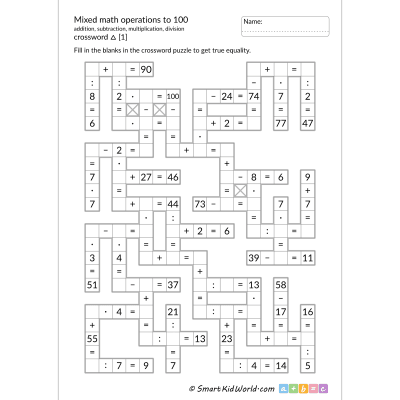
Fourth-grade students often hit a wall when they encounter problems that require more than one operation. Addition and subtraction feel straightforward, multiplication clicks once they memorize facts, but throw them all together and suddenly they’re confused about which step comes first. That’s where math puzzles become genuinely useful teaching tools rather than just busy work.
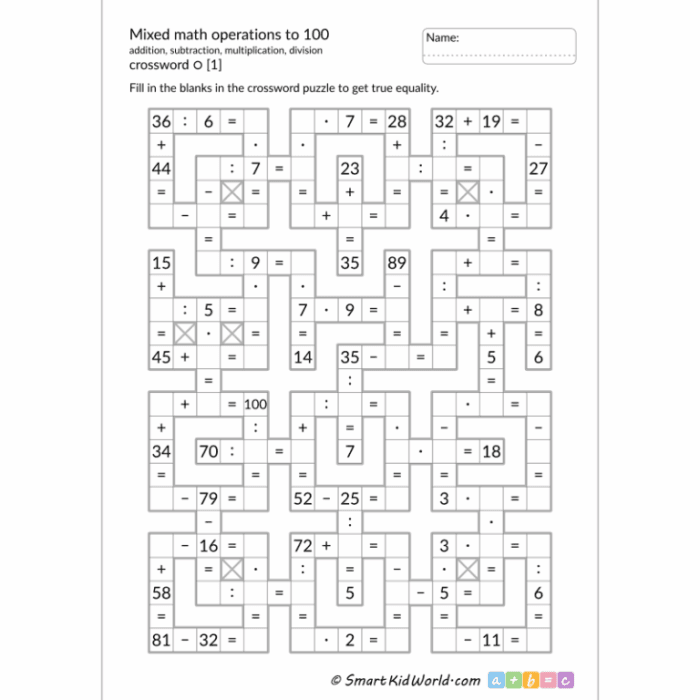
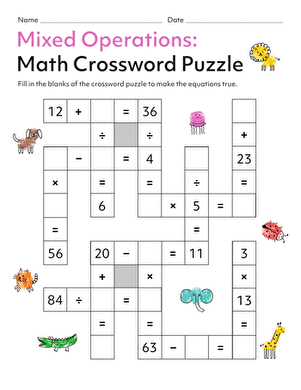
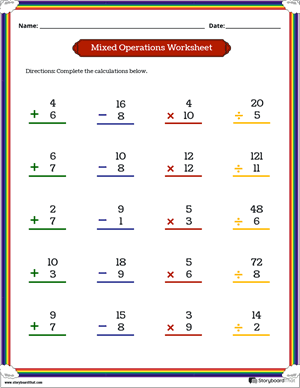
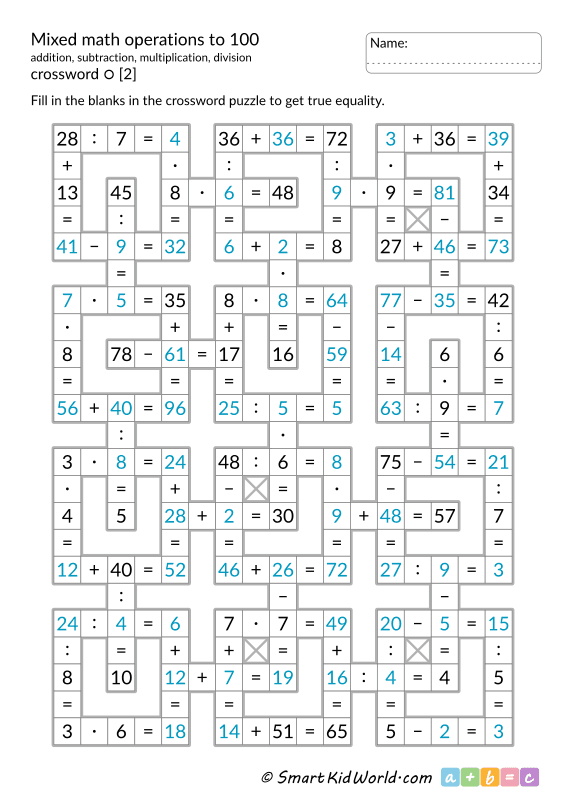
Mixed operations puzzles force students to think strategically about order of operations while keeping their brains engaged. Unlike worksheets with rows of identical problems, a puzzle format makes the practice feel like solving a mystery. Students have to work through addition, subtraction, and multiplication in the same problem set, which builds flexibility in their thinking.
The real value shows up when you notice a fourth grader confidently tackling a problem that combines steps. They’re not just following a procedure they memorized; they’re actually deciding what to do next. This kind of thinking transfers to word problems and real-world scenarios where math isn’t neatly organized into categories.
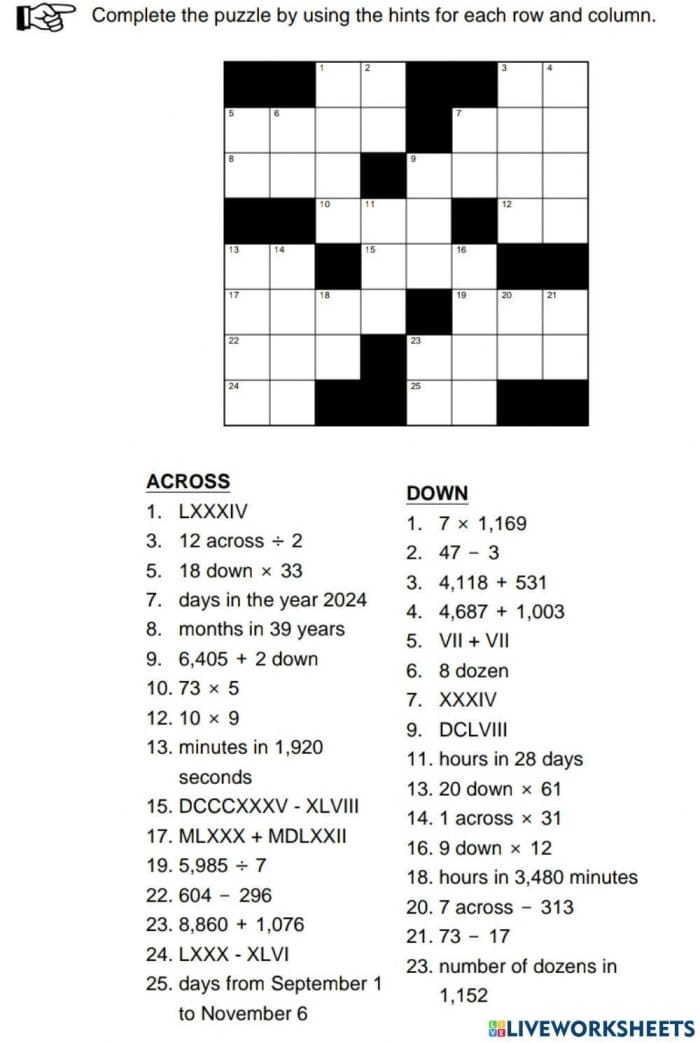
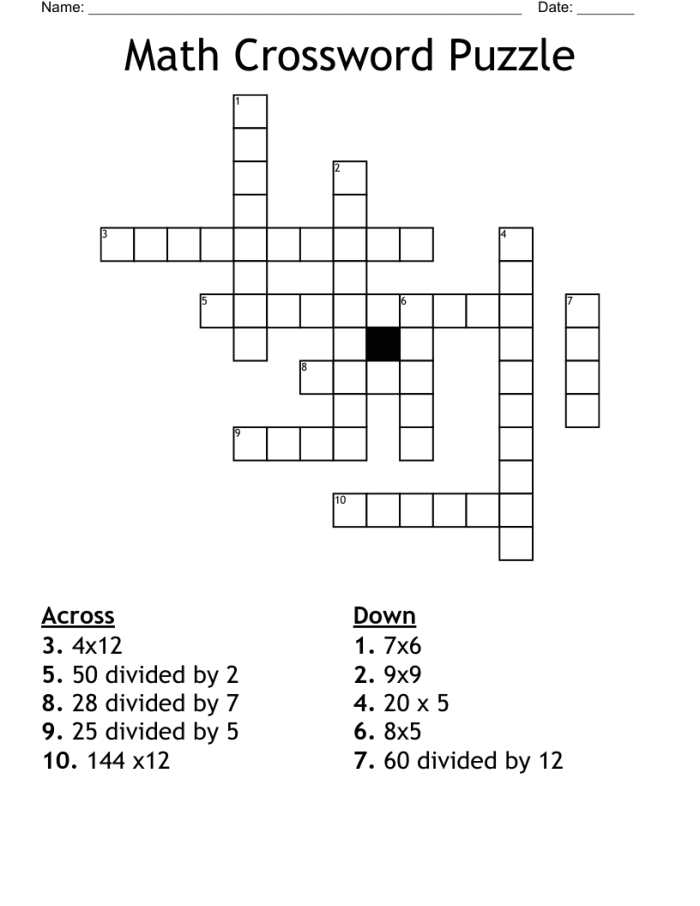
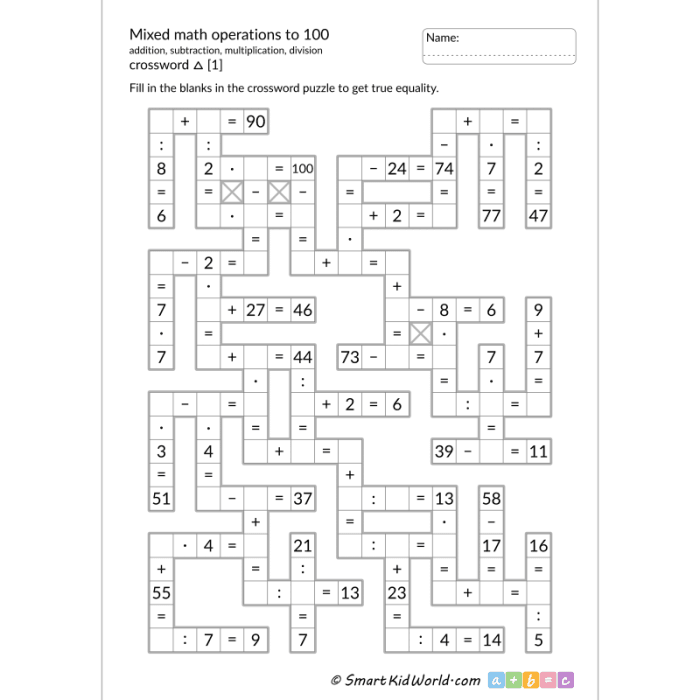
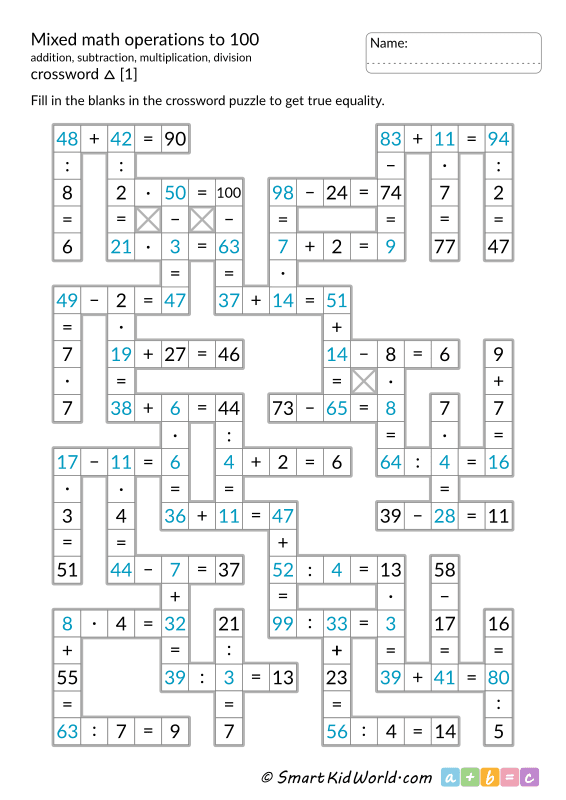
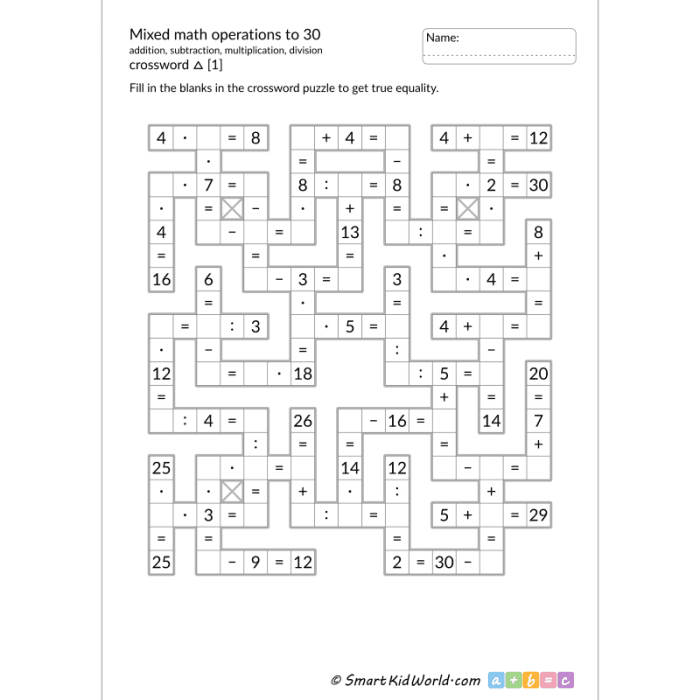
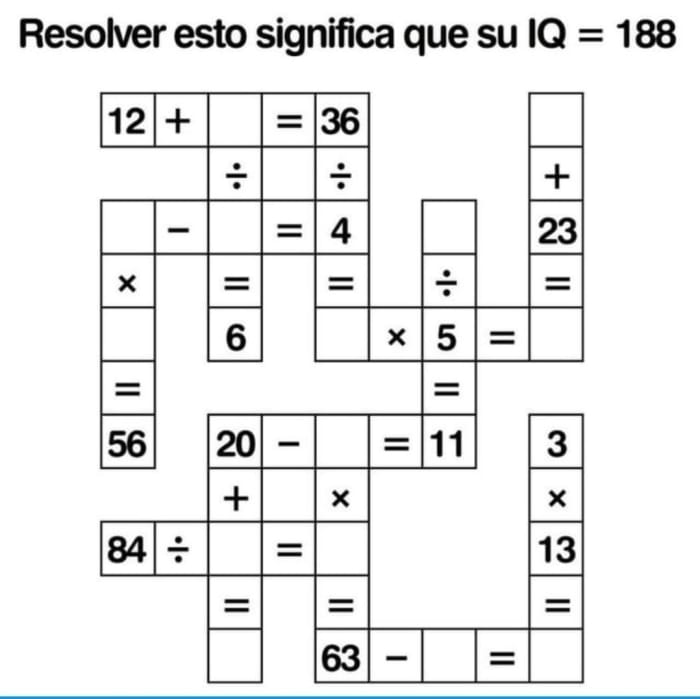
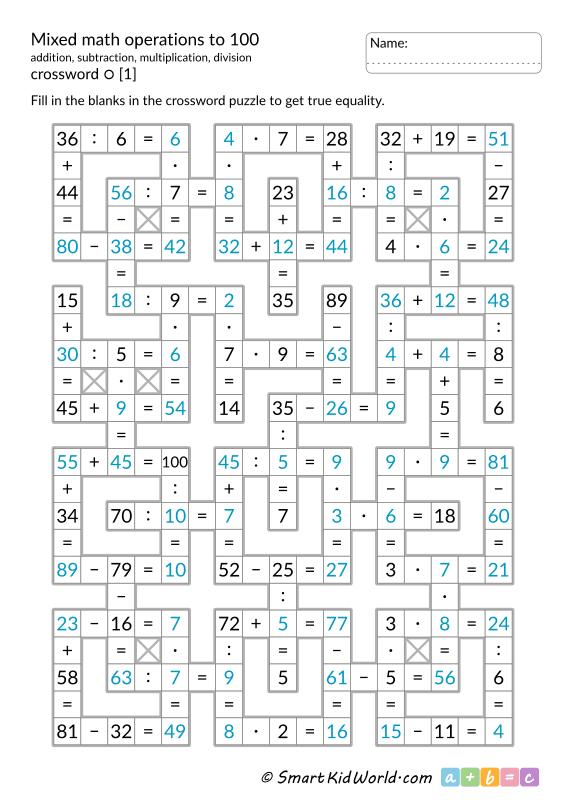
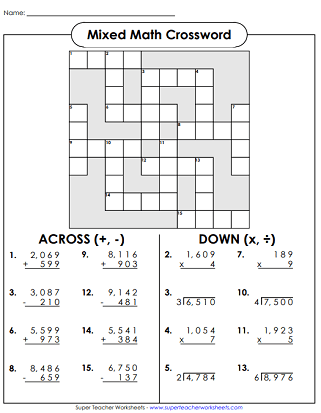
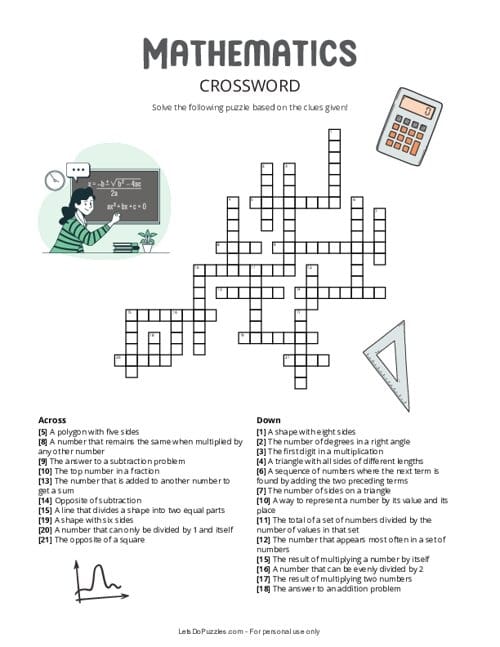
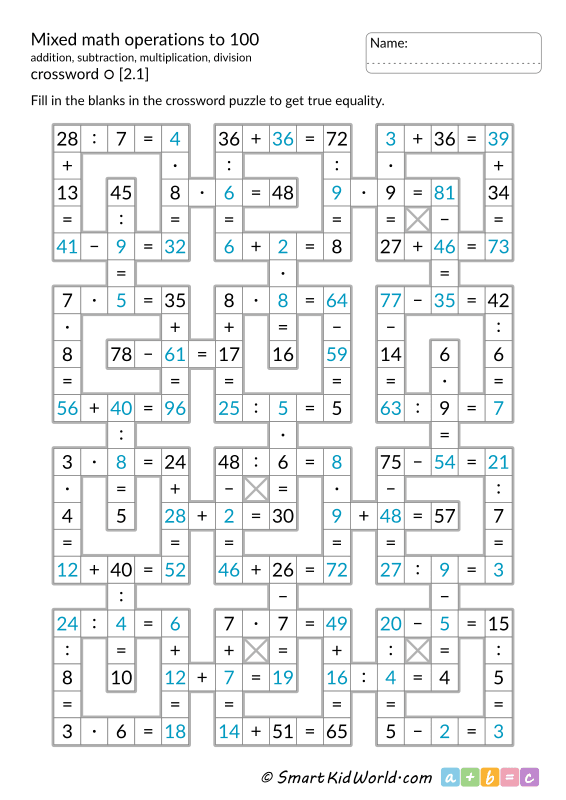
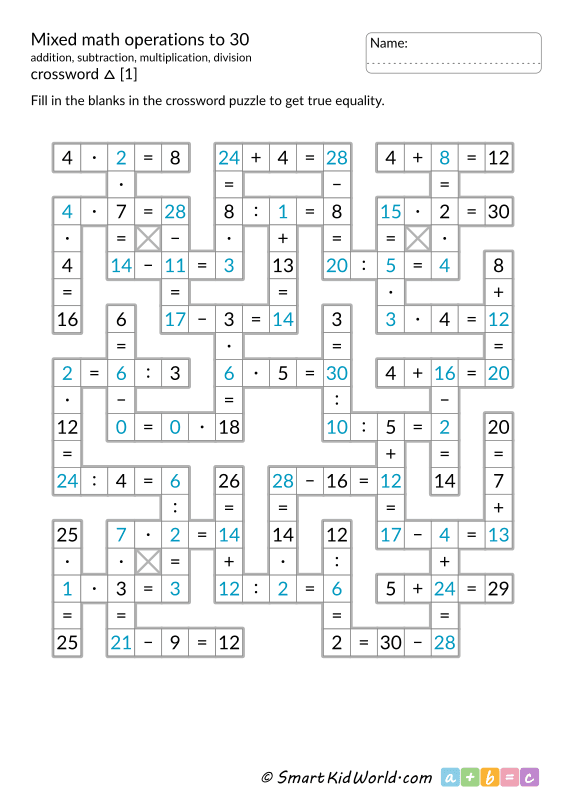
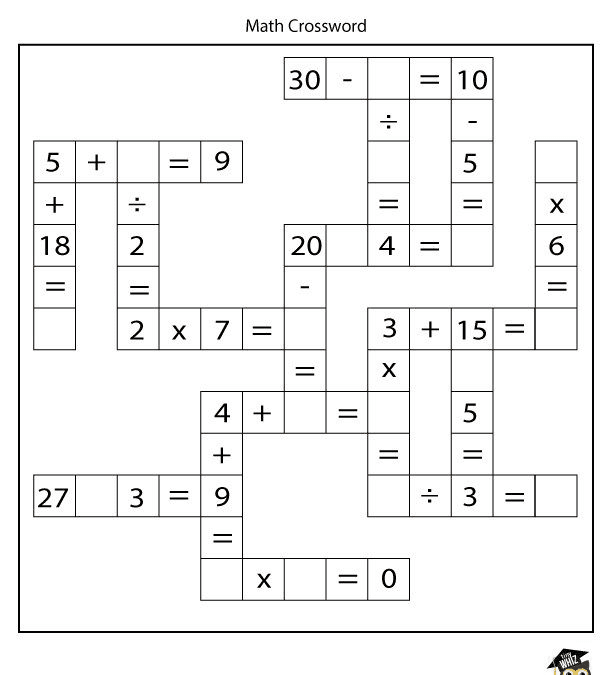
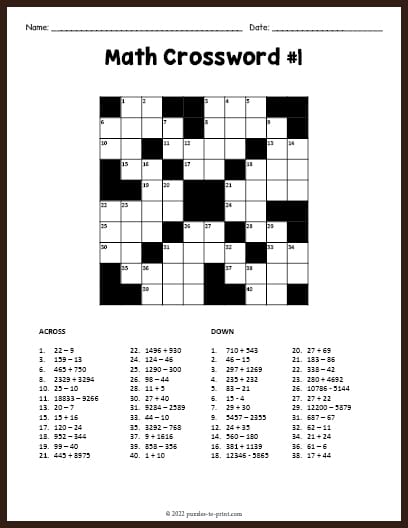
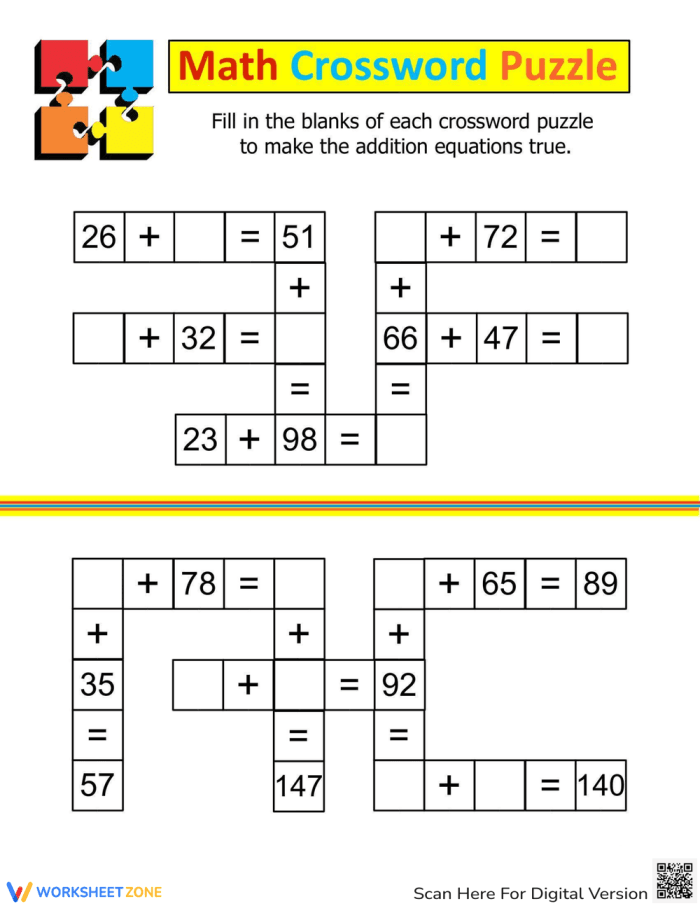
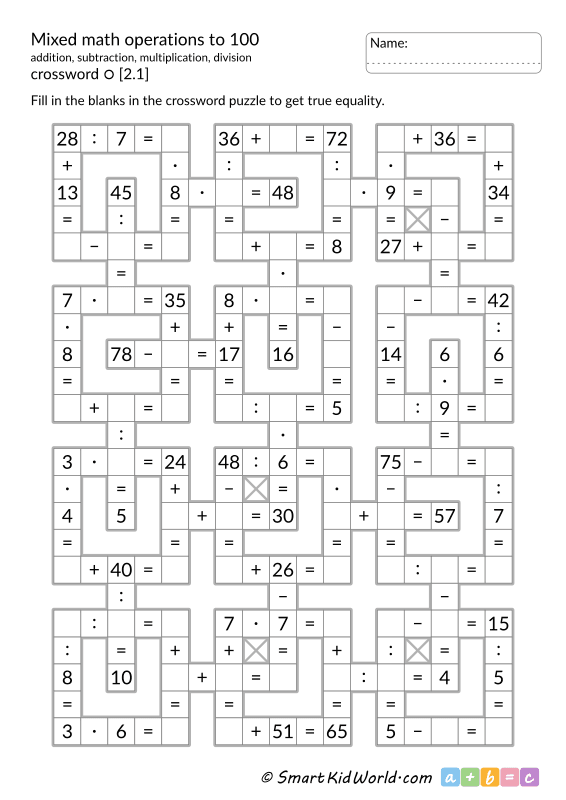
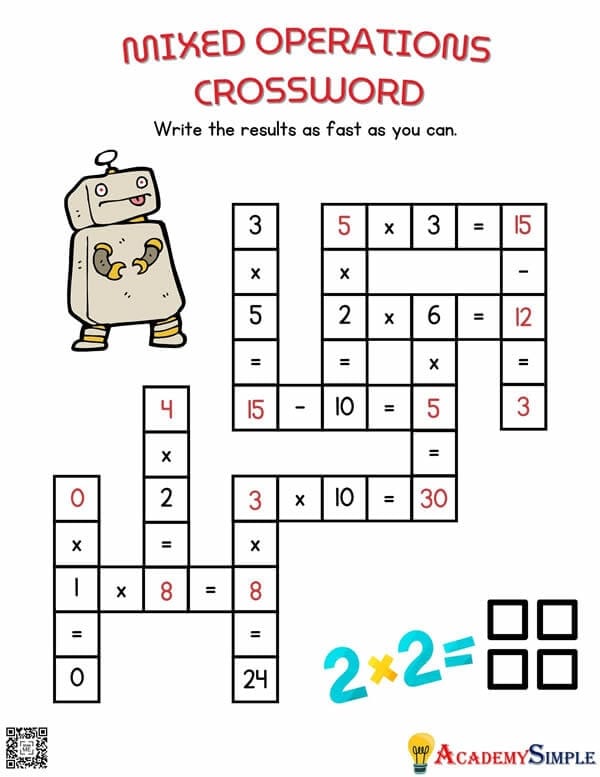
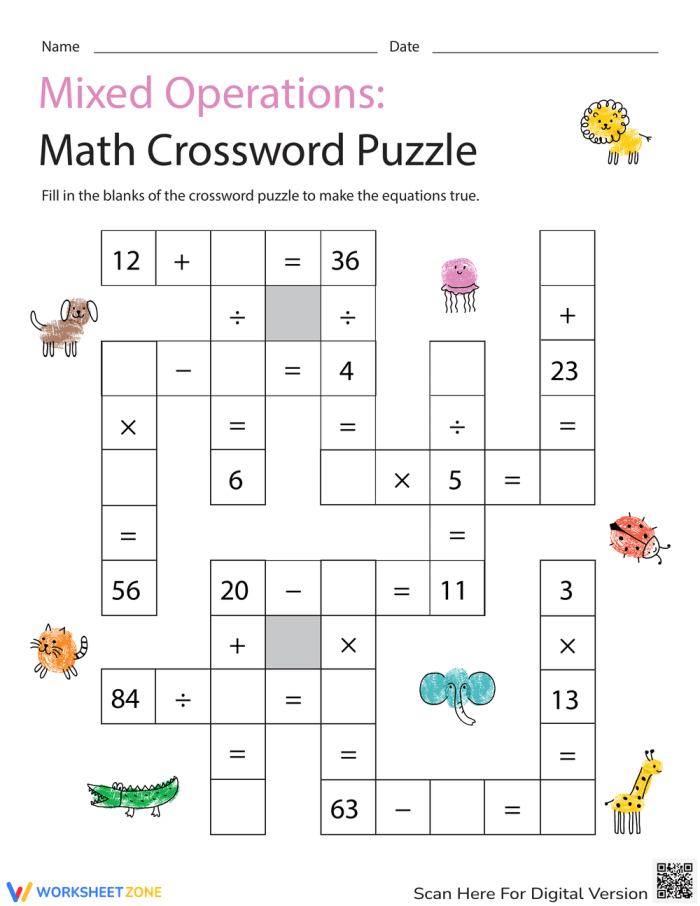
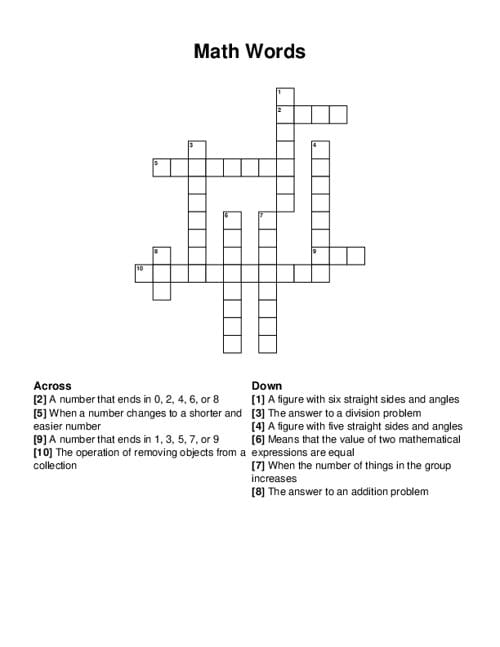
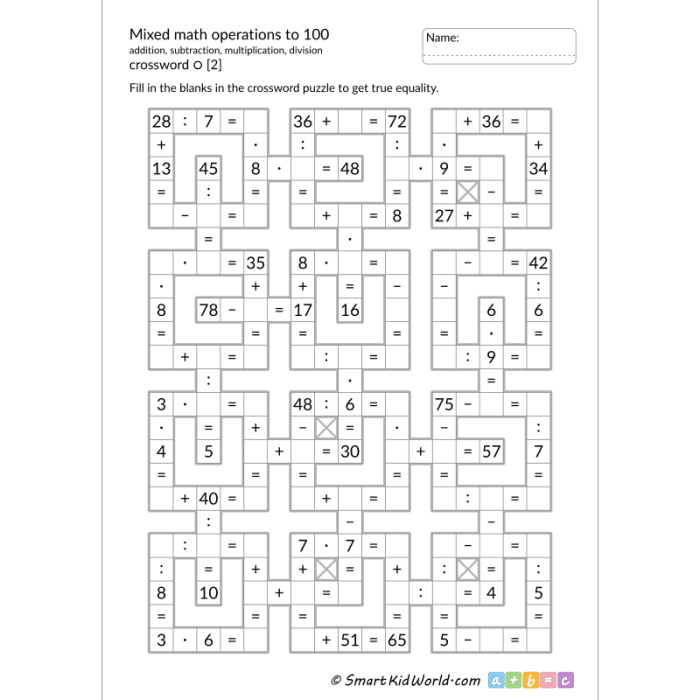
If you’re looking for structured practice, addition word problems work well as a foundation before jumping into full mixed operations. Once students have that base, you can introduce puzzles that weave together different operations. Some teachers find that math crossword puzzle formats keep students motivated better than traditional worksheets because the puzzle structure itself creates natural checking mechanisms.
For variety, combining these with other practice types helps. You might pair mixed operations puzzles with multiplication drills to strengthen fact fluency, then bring it all together in puzzle form. The repetition builds automaticity while the puzzle keeps the practice interesting.
Hands-On Worksheet Activities