Fossils are windows into Earth’s past, and middle school students often find them fascinating once they understand how scientists actually use them. The fossil record tells a story of how organisms changed over millions of years, and learning to read that story is a core skill in sixth grade science.
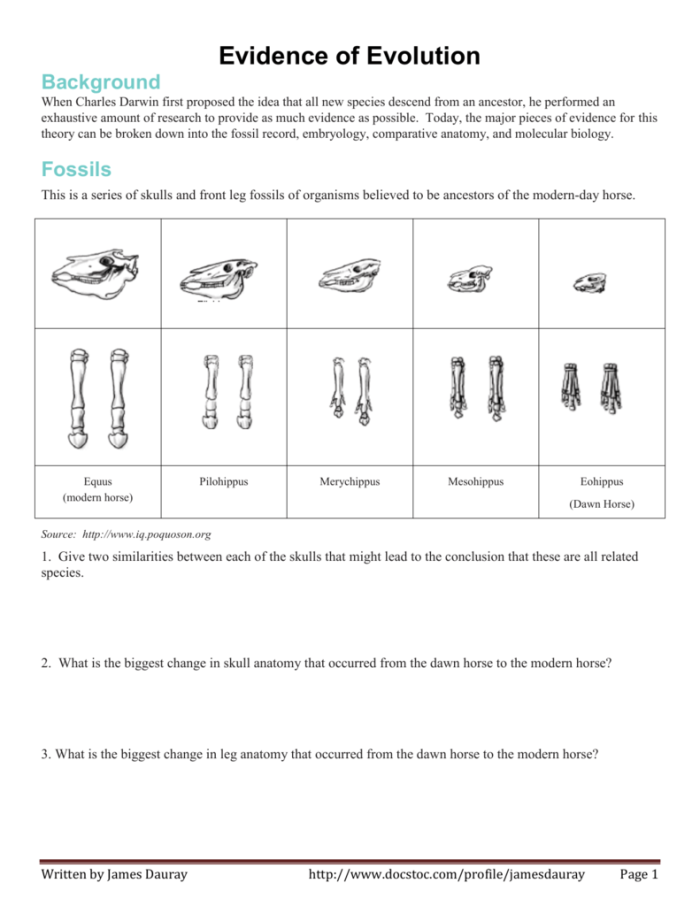
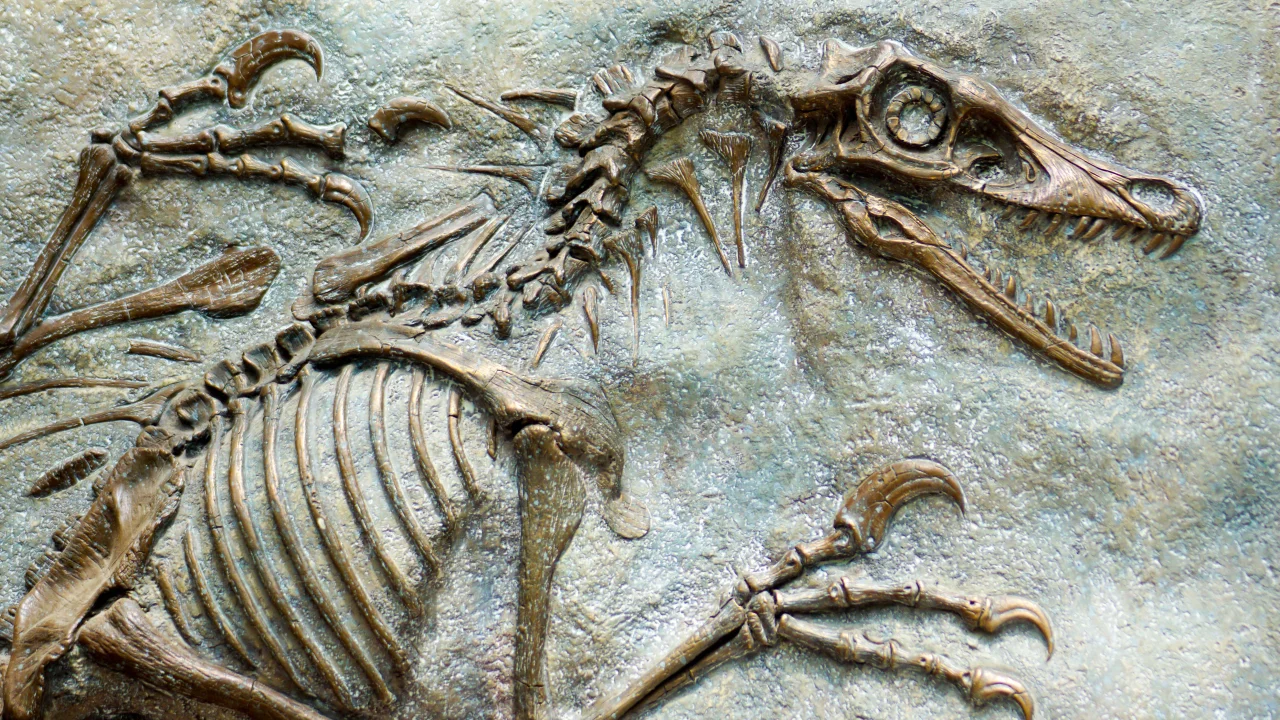
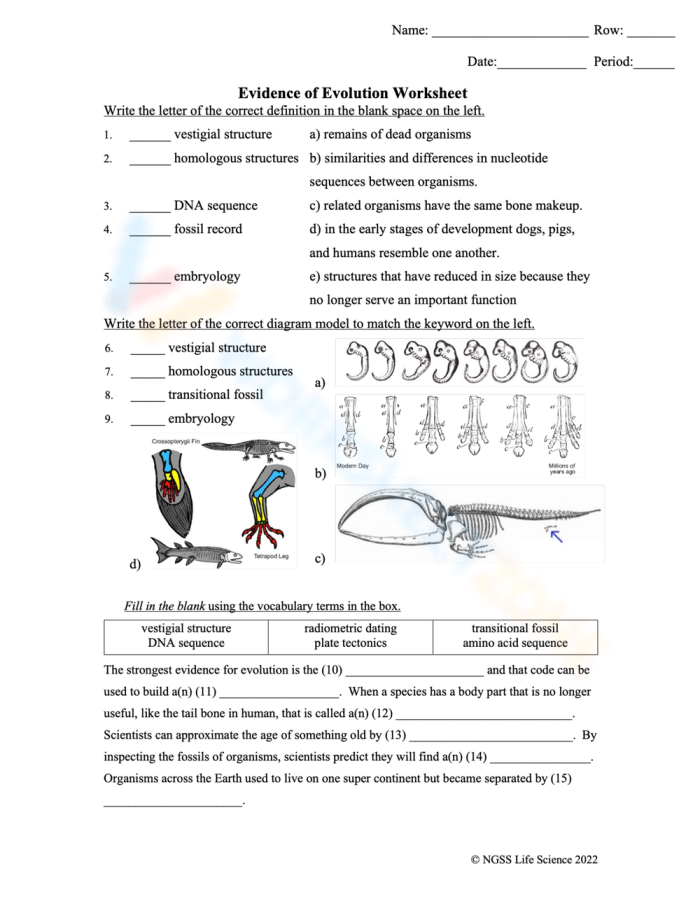
When paleontologists examine fossils, they’re not just looking at old bones or shells. They’re comparing structures across different time periods to spot patterns. For example, the bones in a whale’s flipper share the same basic arrangement as bones in a human arm or a bat’s wing, even though these animals use their limbs very differently today. This similarity, called homologous structure, reveals that these creatures descended from a common ancestor. Students learn to recognize these clues by studying actual fossil sequences and making observations themselves.
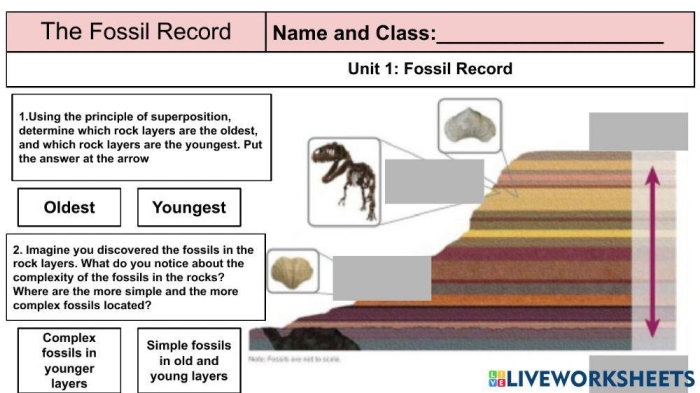
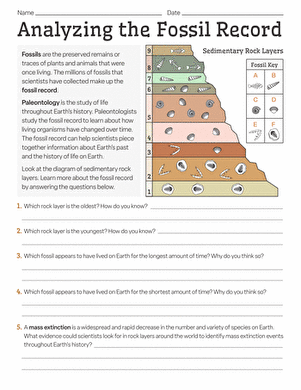
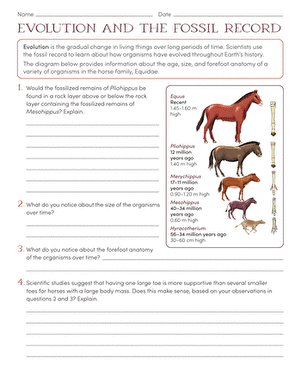
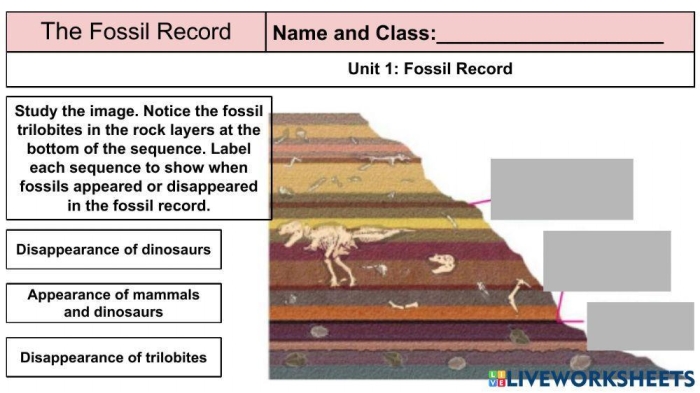
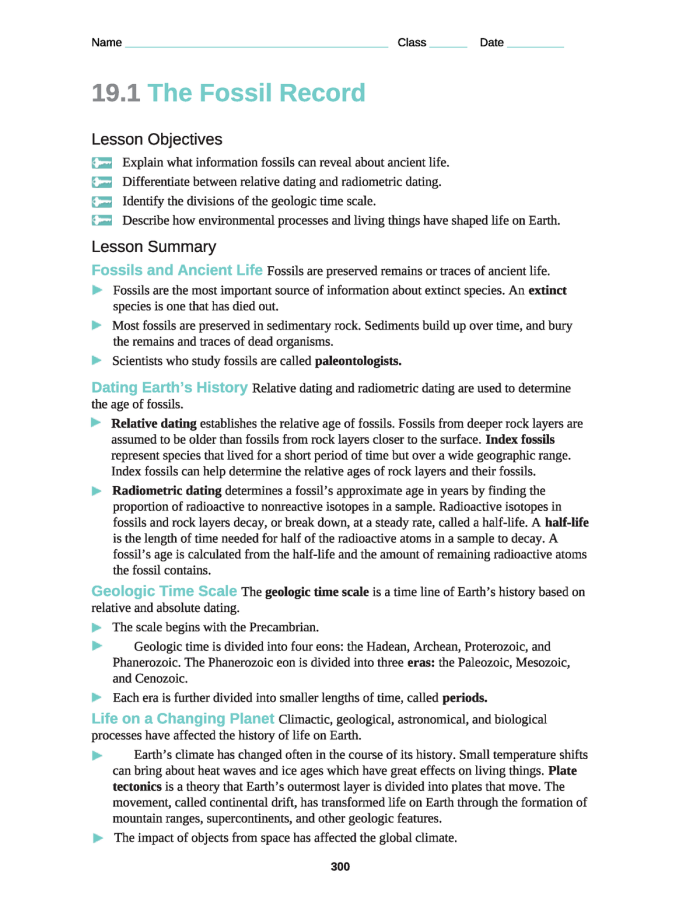
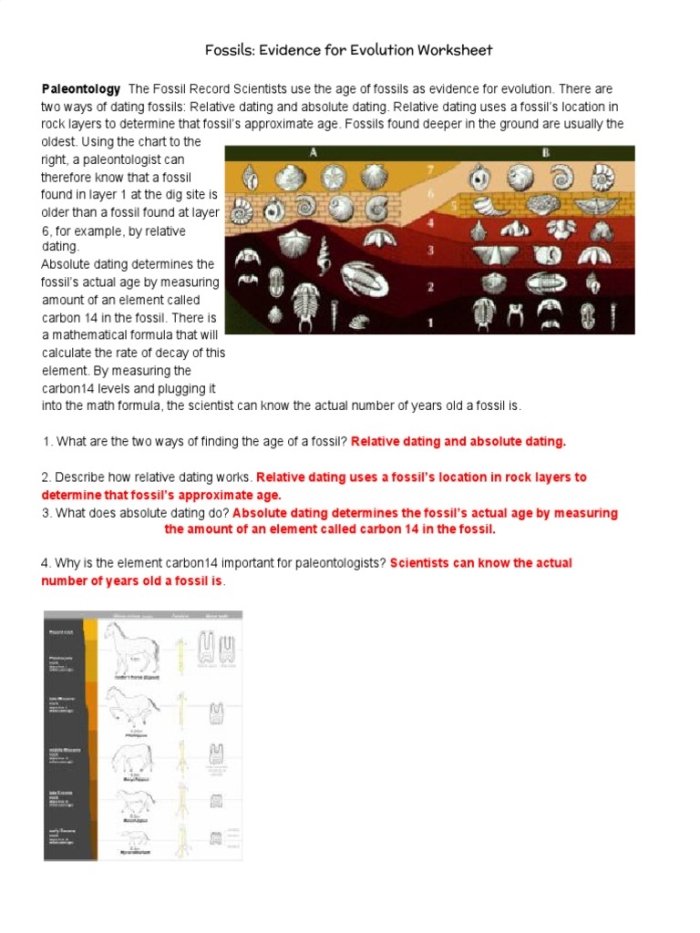
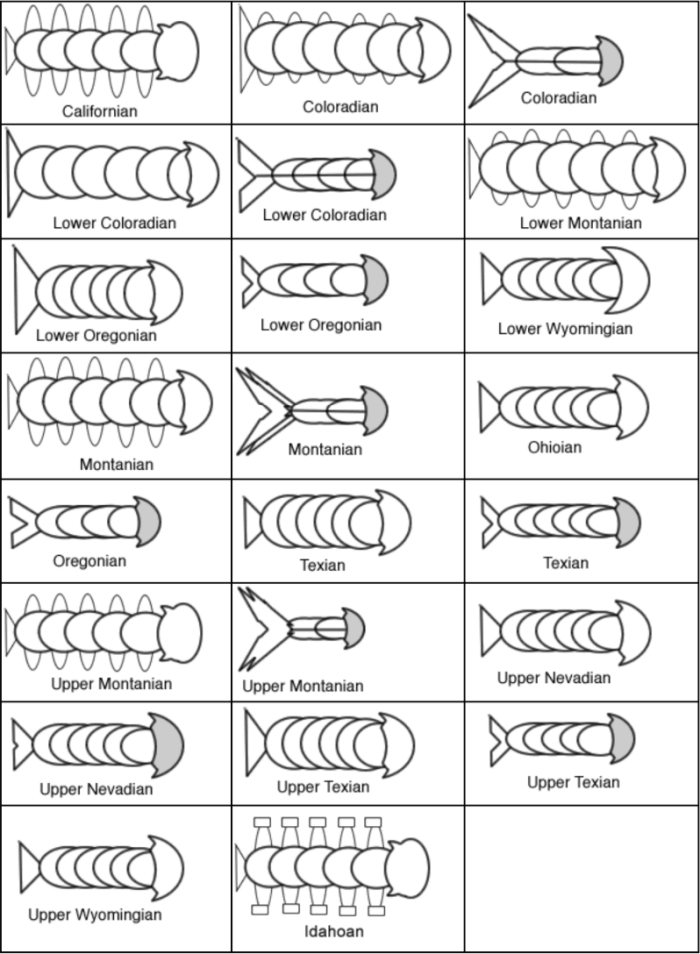
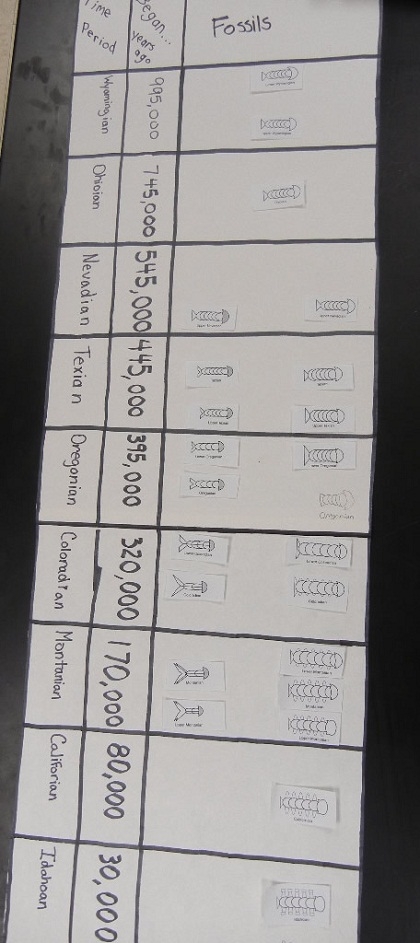
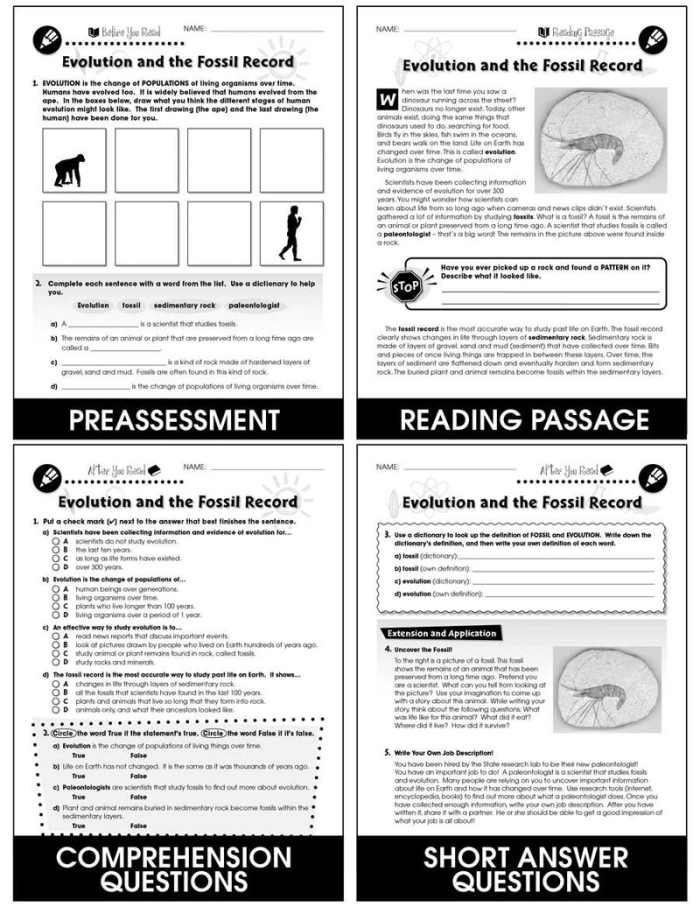
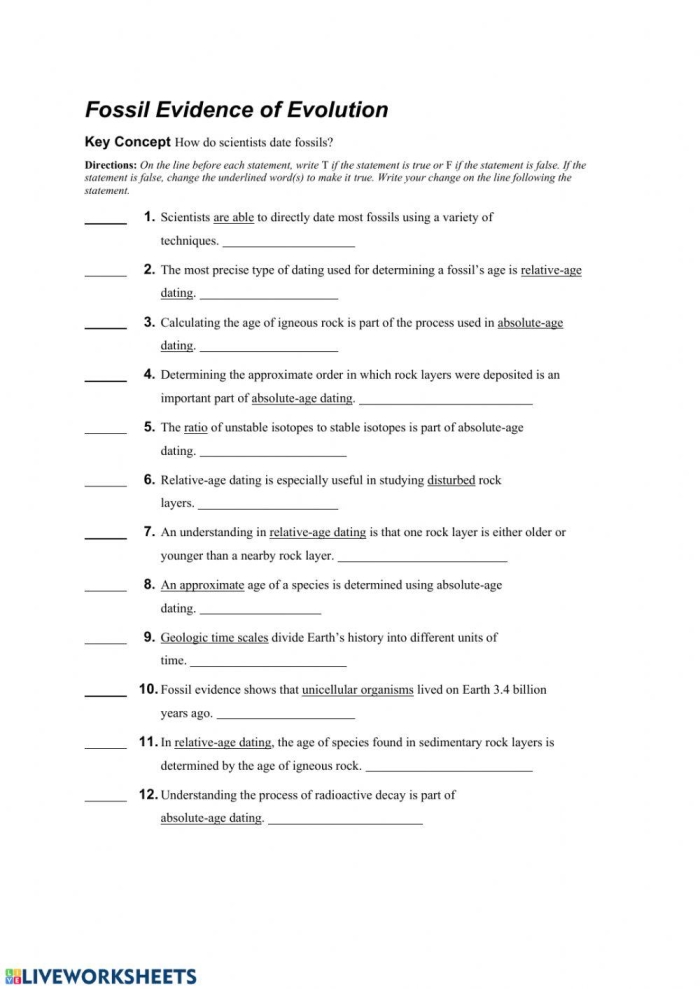
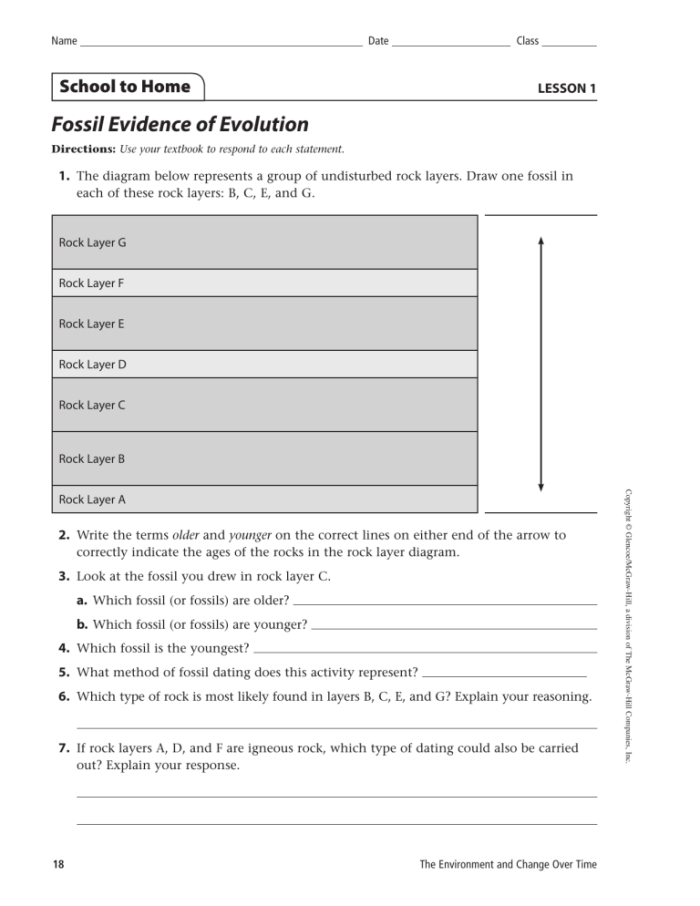
The age of fossils matters too. Rock layers stack on top of each other over time, so older fossils appear deeper underground. By examining which fossils appear in which layers, scientists can create a timeline of life on Earth. A printable worksheet on evolution and the fossil record helps students practice this layering concept and understand how evidence accumulates.
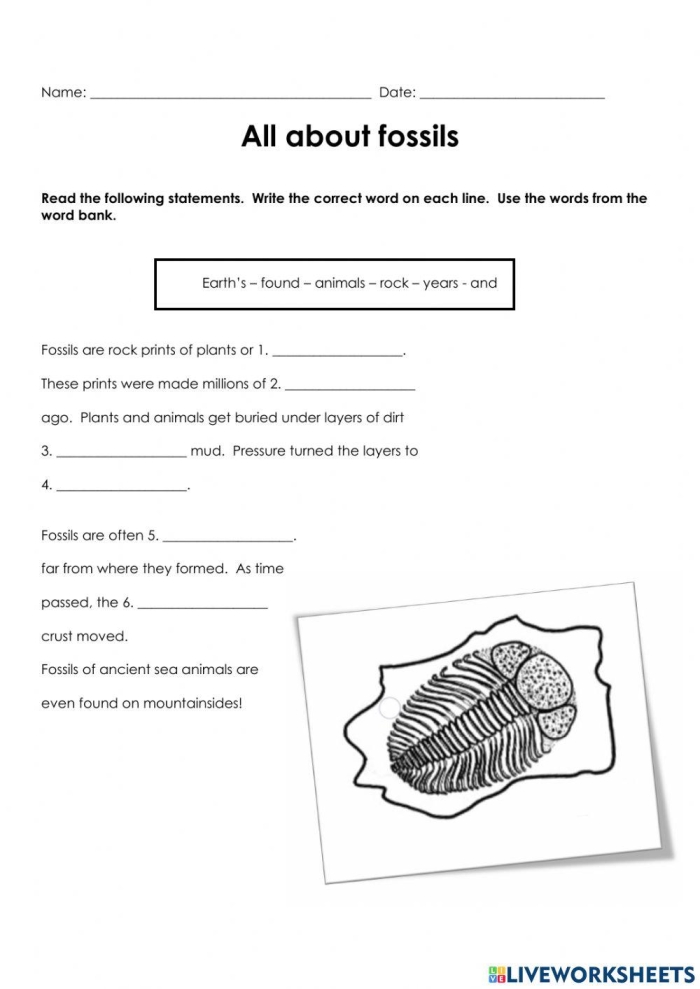
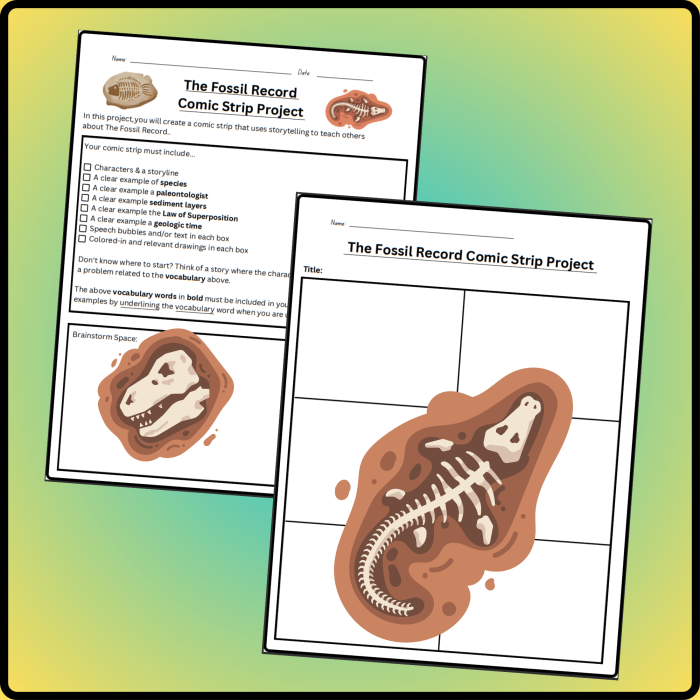
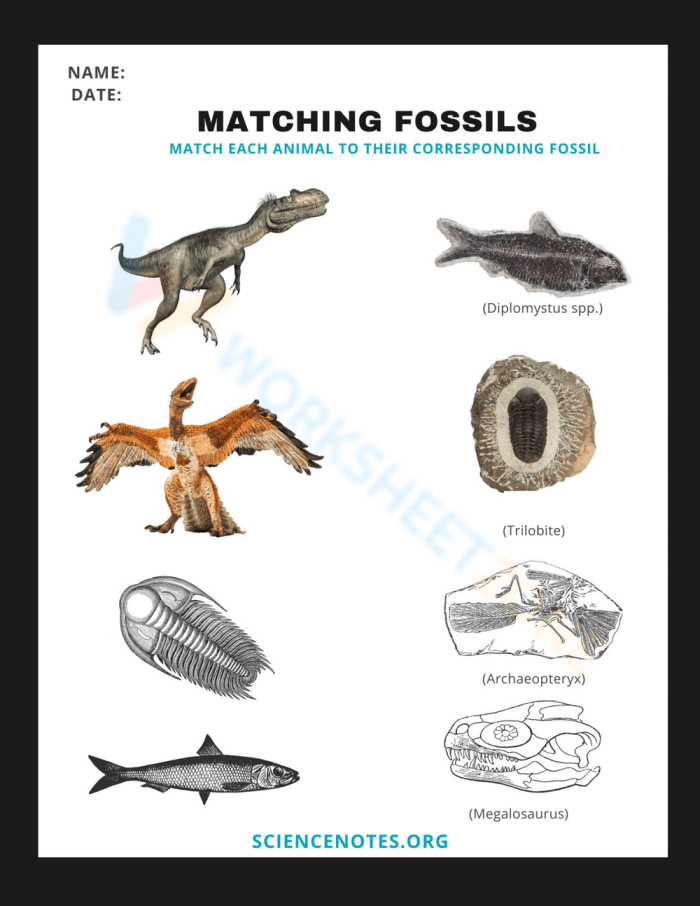
Engaging worksheets make this abstract concept concrete. Rather than simply reading about fossils, students analyze diagrams, compare skeletal structures, and interpret data about when different species appeared. This hands-on approach works especially well when worksheets include sight words appropriate for sixth grade readers, making the material accessible without oversimplifying the science.
Understanding the fossil record builds critical thinking skills beyond biology. Students learn to evaluate evidence, recognize patterns, and construct explanations based on data. These same analytical skills apply to other subjects like comparing and contrasting in nonfiction texts or developing arguments with supporting evidence.
Boost Skills with These Worksheets