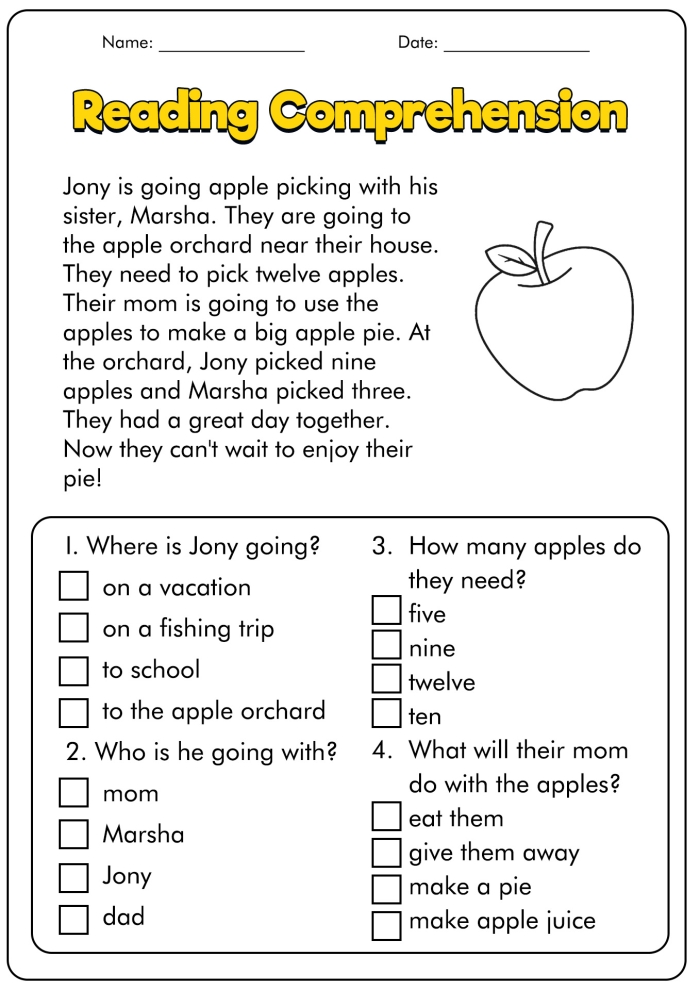
Fiction stories work differently in a classroom setting than they do on a bookshelf. When you place a well-crafted narrative in front of seventh grade students, something shifts. Suddenly, reading becomes an investigation rather than a passive activity. Students start asking questions about why characters make certain choices, what details matter, and what words mean based on how they’re used.
Using original fiction stories as teaching tools taps into three critical reading skills at once. First, learners practice identifying story elements: character motivation, plot structure, conflict, and resolution. A character who loses something valuable teaches different lessons than one who finds it unexpectedly. This distinction matters because it shapes how students understand cause and effect in narrative.
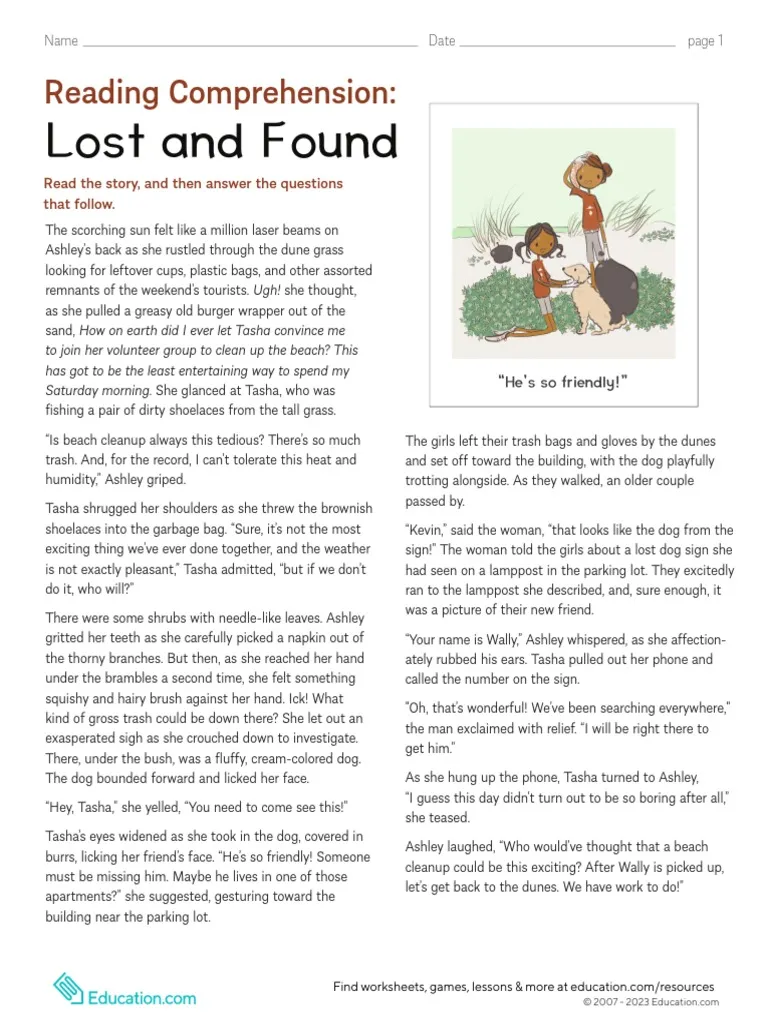
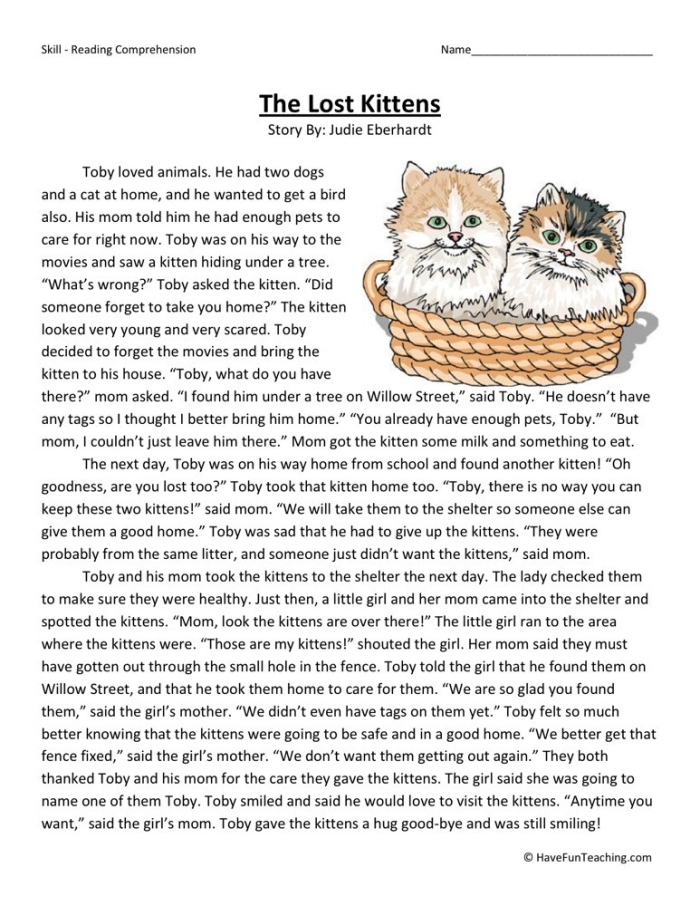
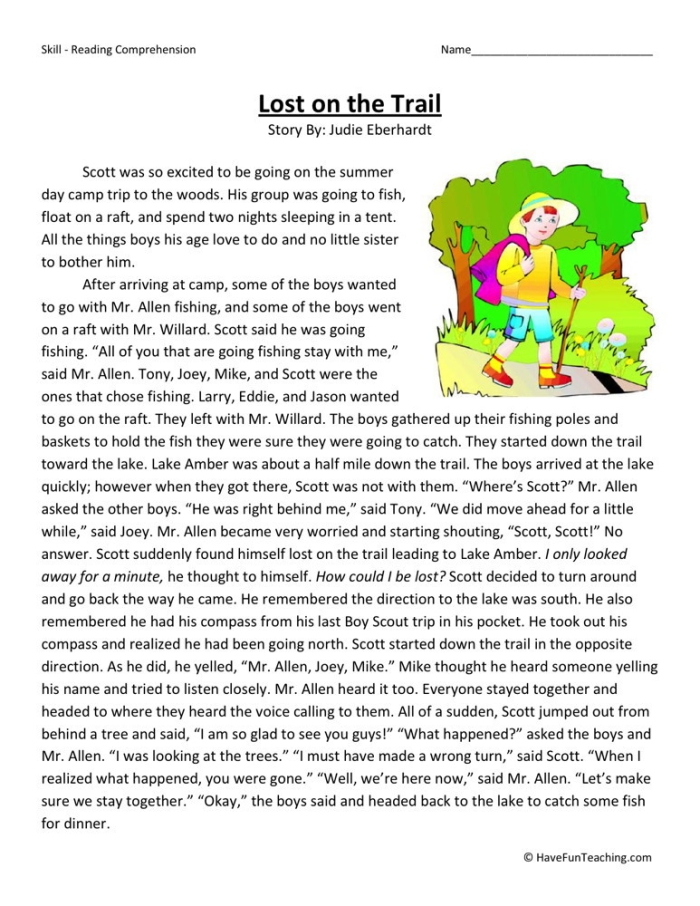
Second, inference work becomes natural when embedded in an engaging story. Rather than answering isolated comprehension questions, students make educated guesses about what happens next, why a character feels a certain way, or what an event means for the larger plot. A reading comprehension activity centered on lost and found scenarios encourages this kind of thinking because students must bridge gaps between what’s stated and what’s implied.
Third, vocabulary acquisition happens organically through context. When a word appears in a story seventh grade students actually care about, they naturally work to understand it. They notice how surrounding sentences reveal meaning. This approach beats isolated vocabulary lists because students see words functioning in real communication.
Pairing fiction study with targeted exercises amplifies these benefits. worksheets that help students express ideas precisely and concisely reinforce what they discover through close reading. Similarly, analogy practice strengthens word relationships that emerge naturally from story text.
The combination creates a complete learning experience where reading comprehension, critical thinking, and language growth support each other rather than existing as separate lessons.
Try These Printable Worksheets