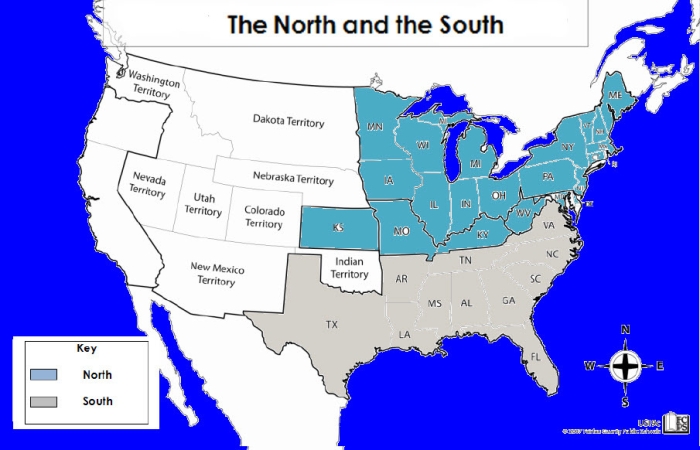
When sixth grade students begin studying the American Civil War, they quickly discover that the conflict was far more complicated than a simple matchup between a stronger and weaker opponent. Both the North and South possessed genuine advantages that made victory possible for each side, yet both also faced serious obstacles that prevented either from achieving a quick or decisive win.
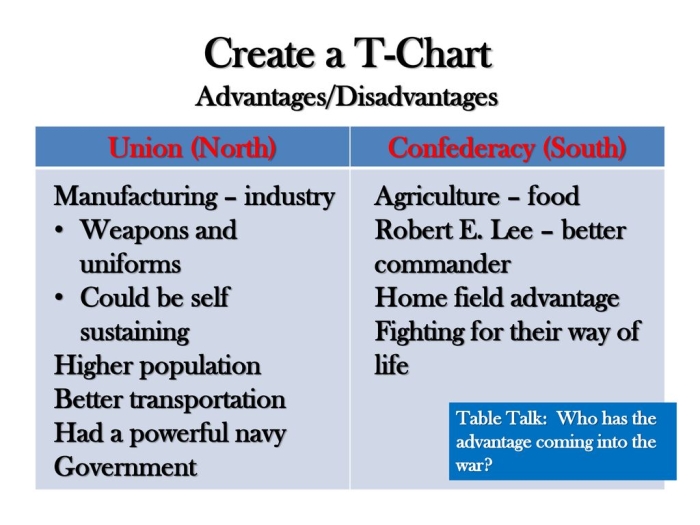
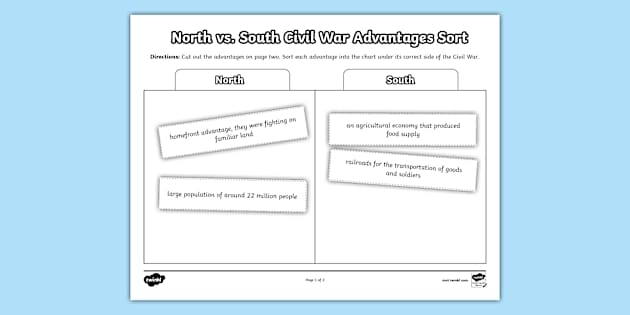
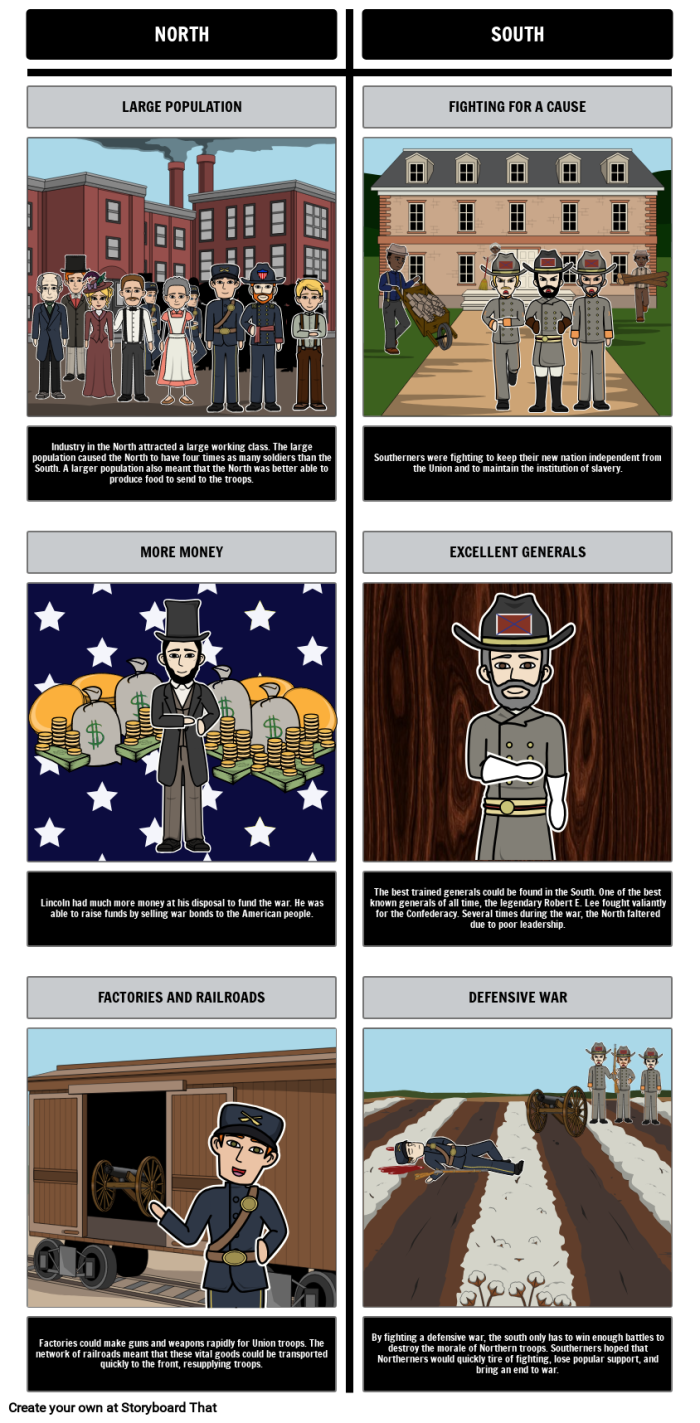
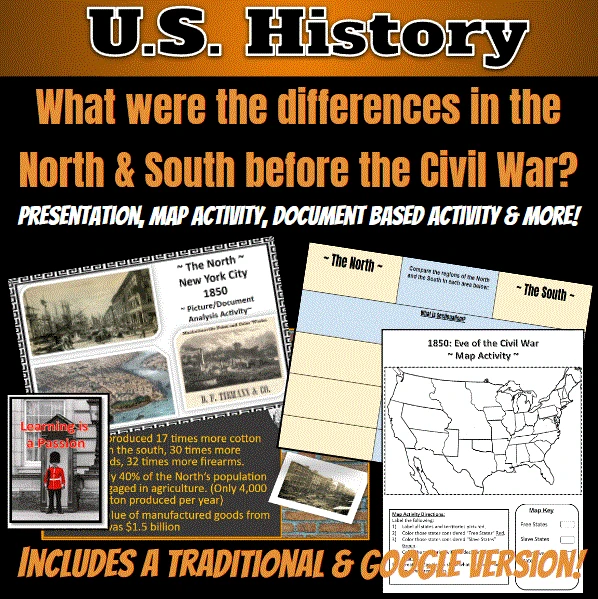
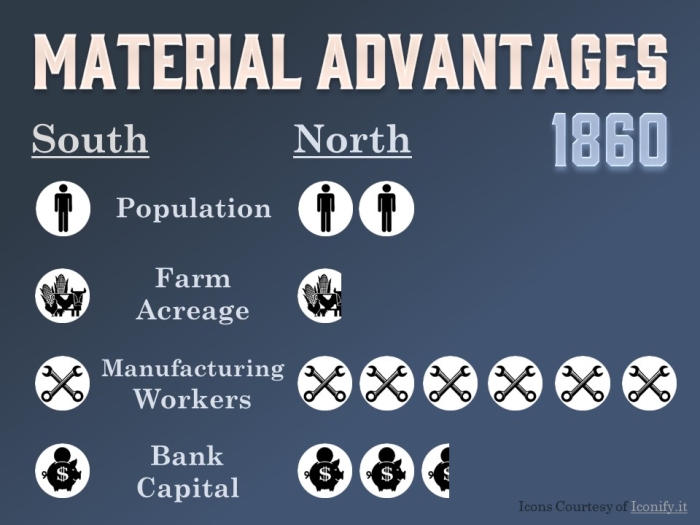
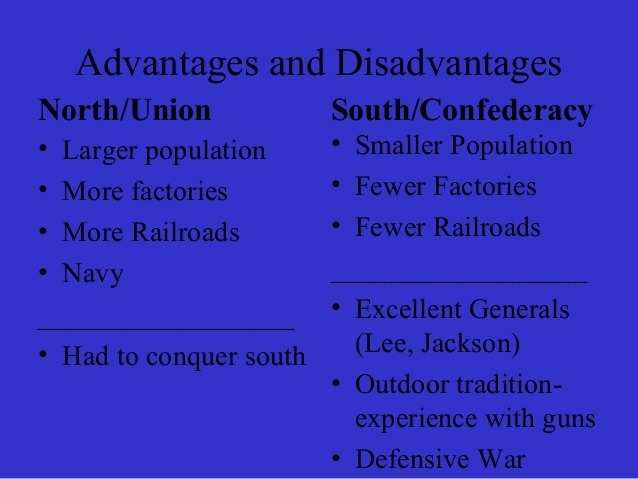
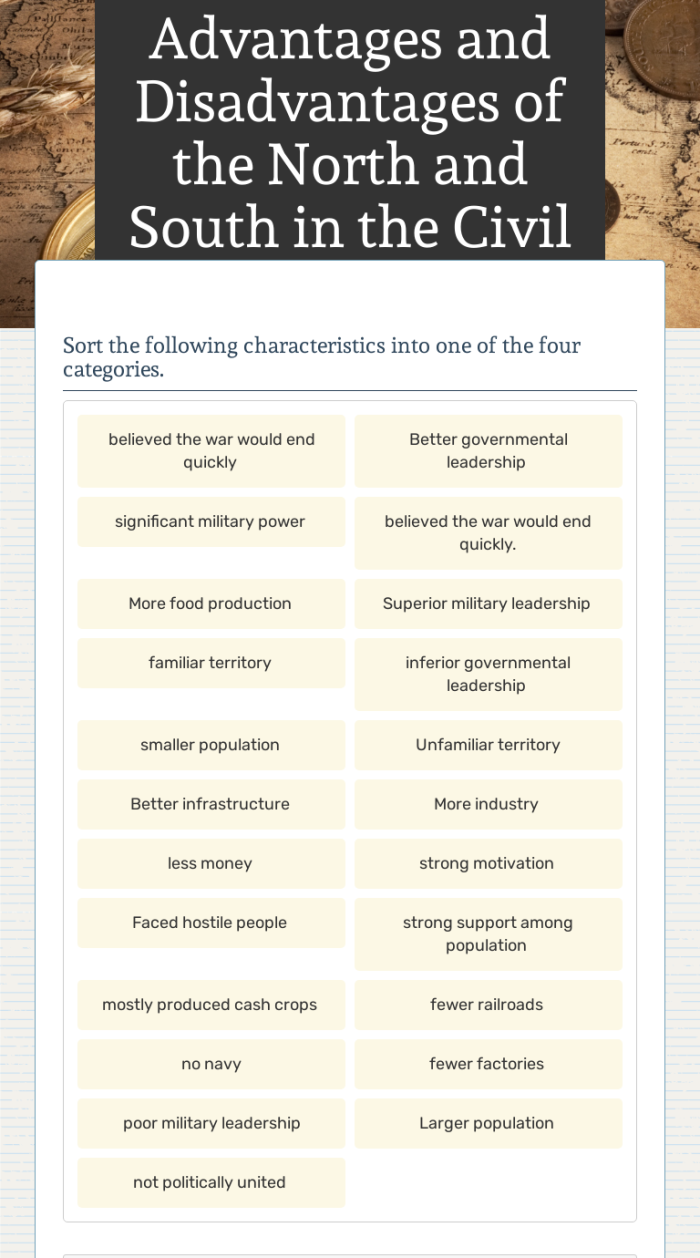
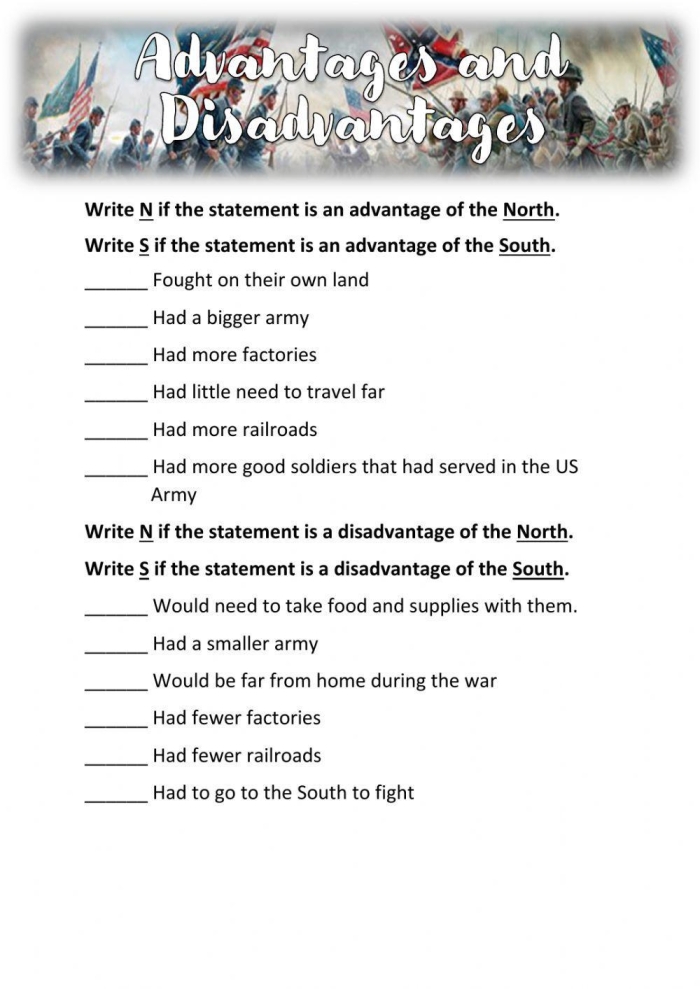
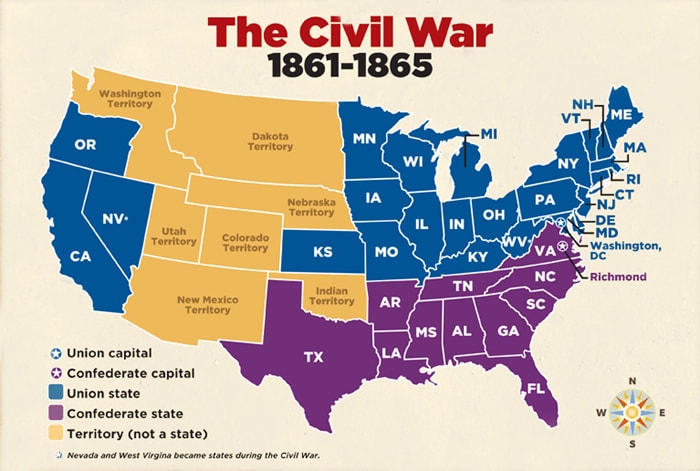
The North entered the war with clear economic superiority. Northern factories produced weapons, ammunition, and supplies at rates the South could never match. The North also controlled most of the nation’s railroad networks, which meant moving troops and equipment across long distances was faster and more reliable. Additionally, the North had a larger population, which provided more soldiers for the Union Army. Understanding these resource differences helps students recognize how comparing Civil War advantages between North and South reveals the war’s strategic complexity.
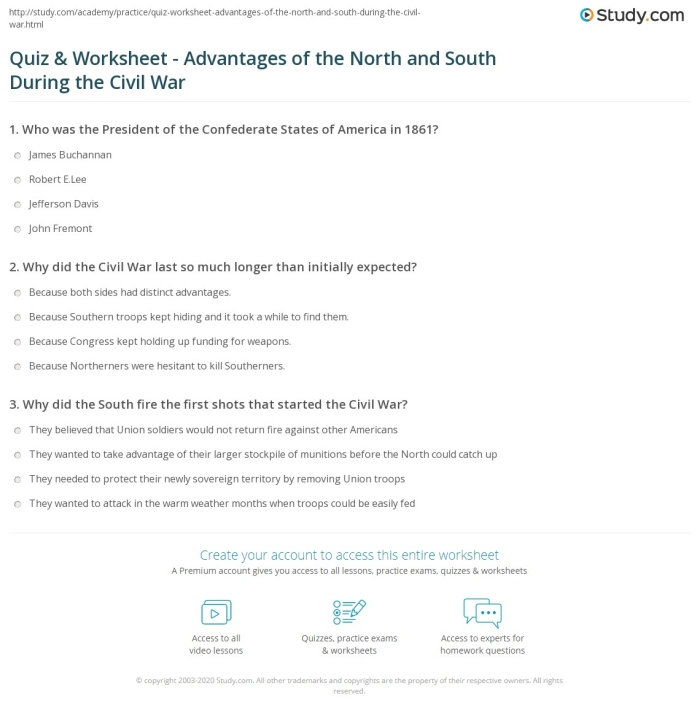
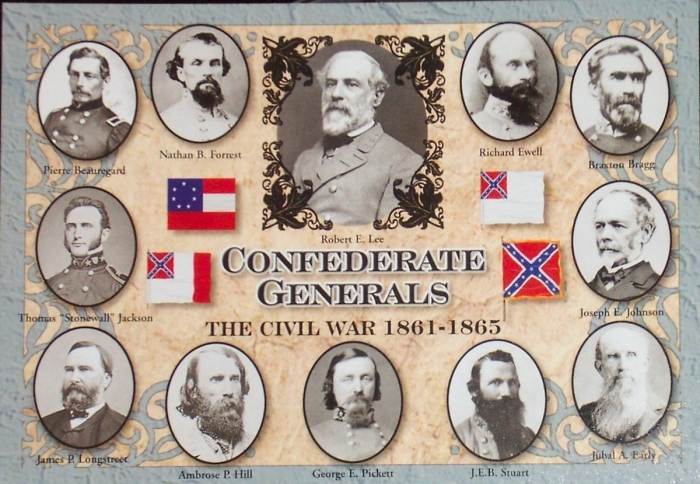
The South, however, possessed advantages of its own. Southern soldiers fought on familiar terrain, defending their homes and communities. The South also had superior military leadership in the early years, with generals like Robert E. Lee demonstrating tactical brilliance. Perhaps most importantly, the South only needed to defend itself and avoid defeat, while the North faced the much harder task of invading and conquering a vast territory.
This balance of competing strengths meant neither side could simply overpower the other. The North’s industrial capacity meant little if Union armies couldn’t actually defeat Confederate forces in battle. The South’s defensive advantages and skilled commanders couldn’t overcome the North’s ability to replace lost soldiers and equipment indefinitely. When students examine these factors through worksheets covering topics like supply and demand, they see how economic principles directly shaped military outcomes.
The war ultimately lasted four years because both sides possessed enough strength to survive. Understanding this reality transforms how students think about historical conflicts, showing that victory depends on far more than simply having more resources.
Printable Worksheets for Practice