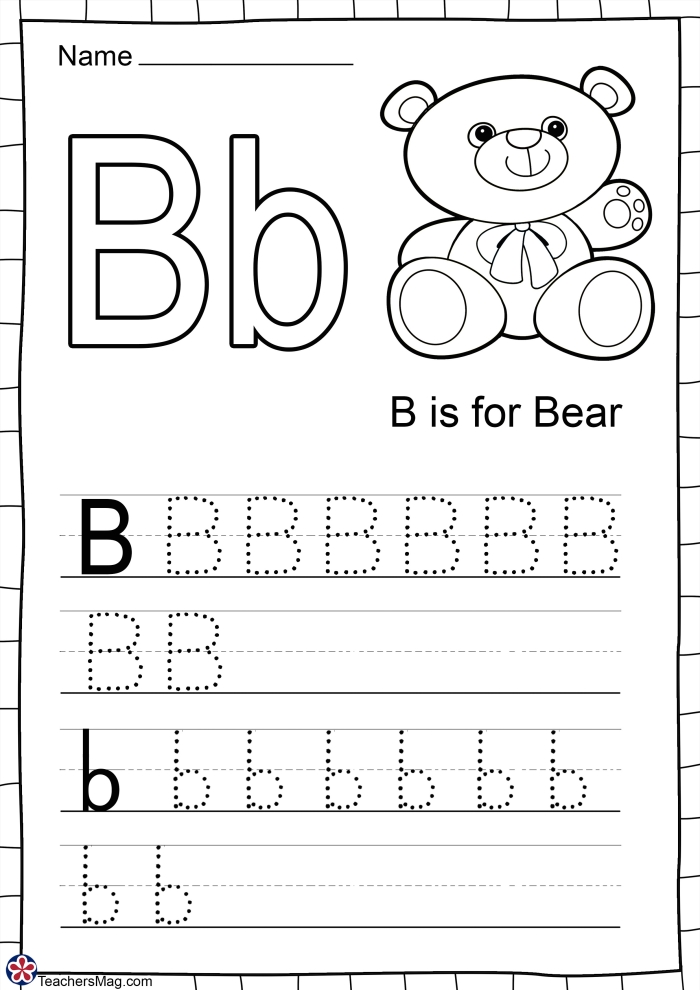
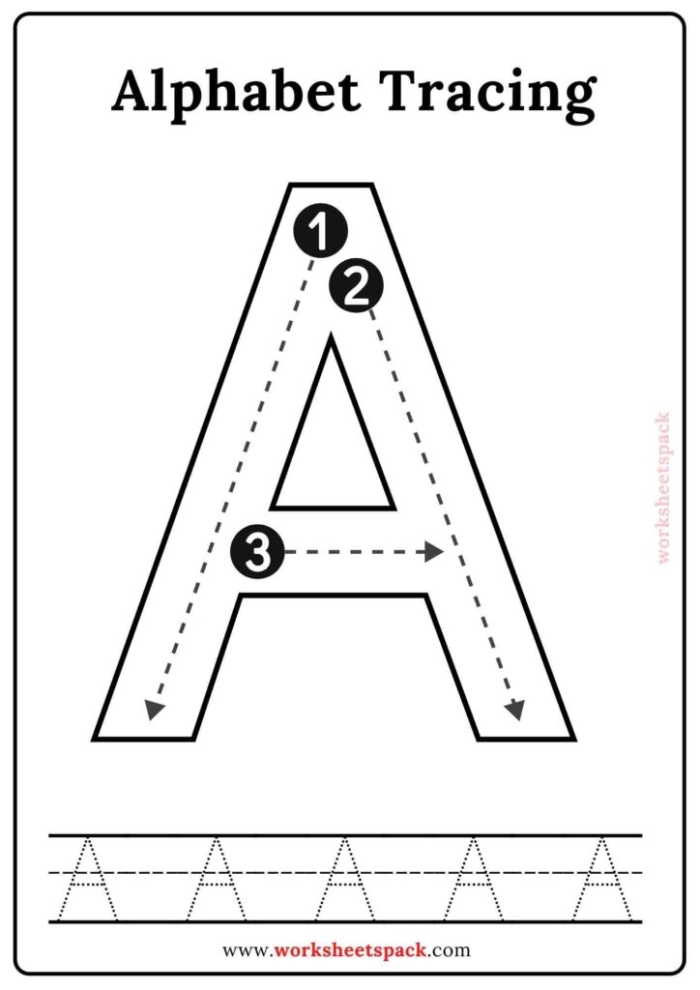
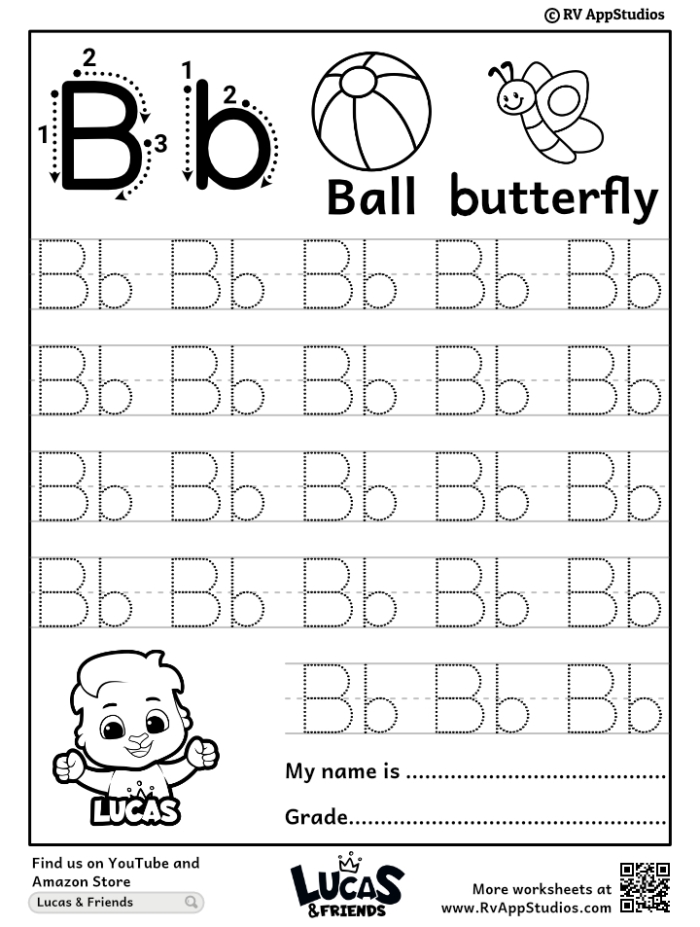
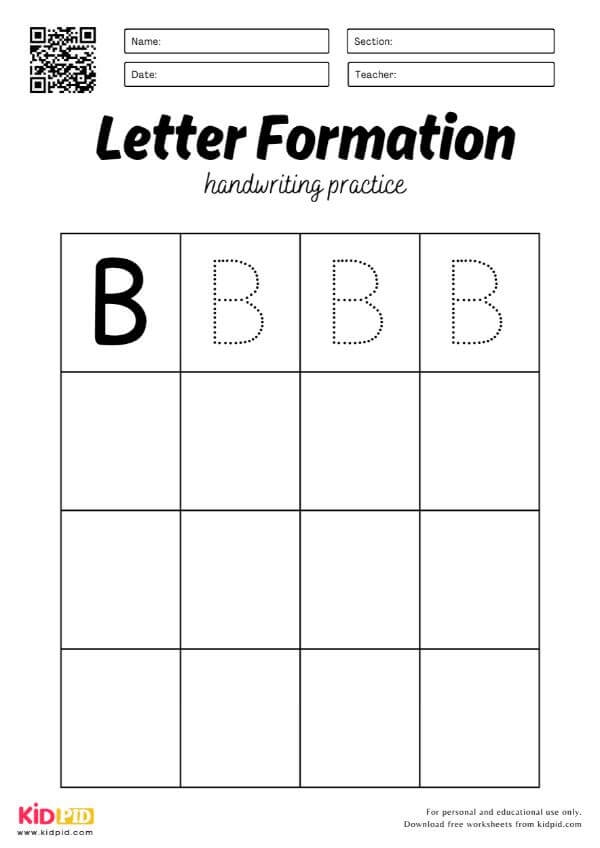
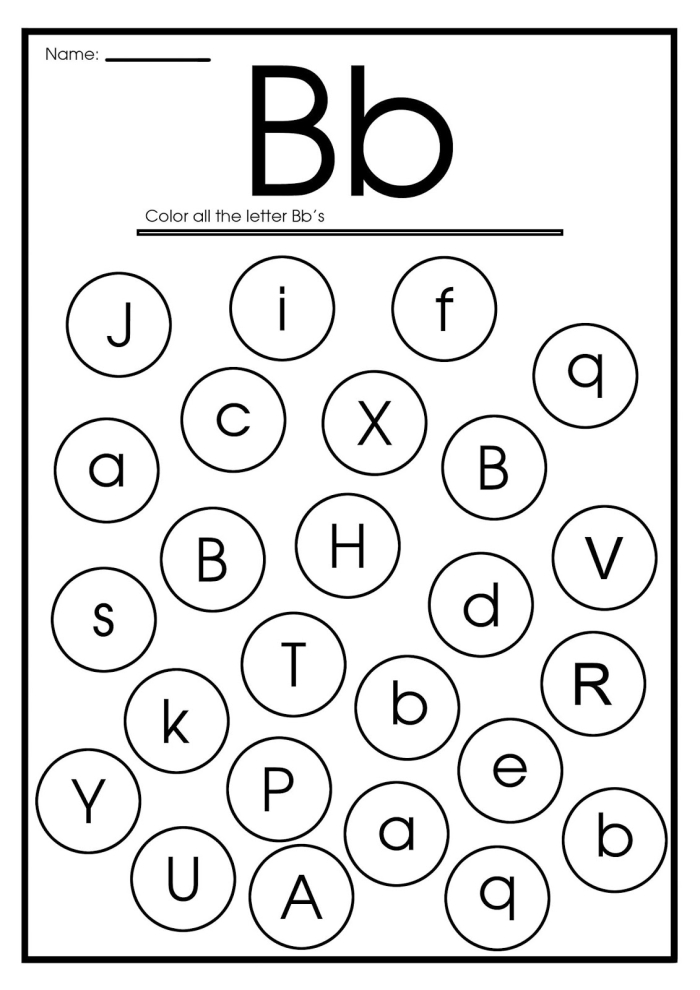
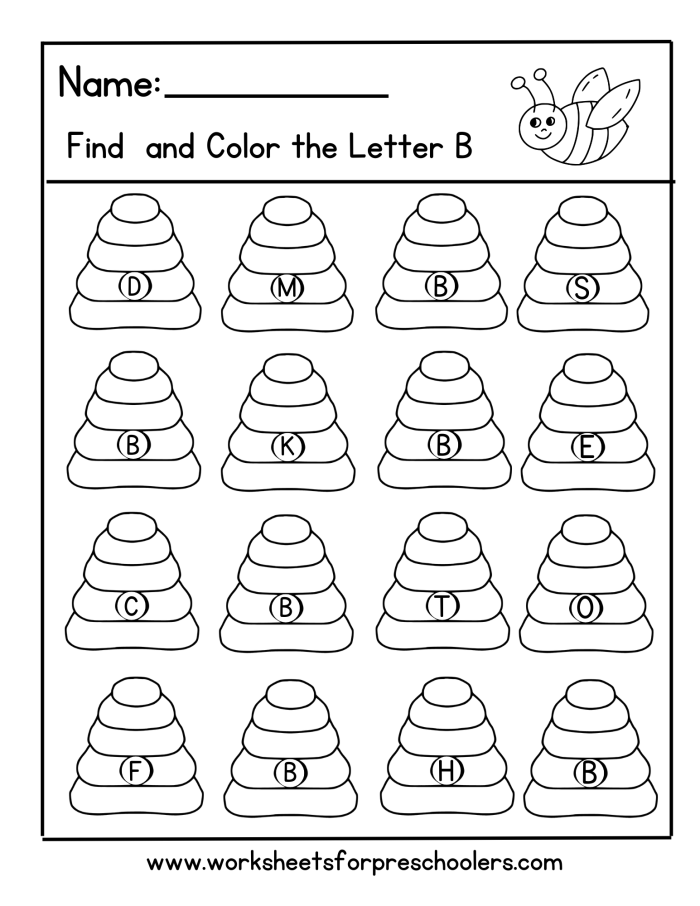
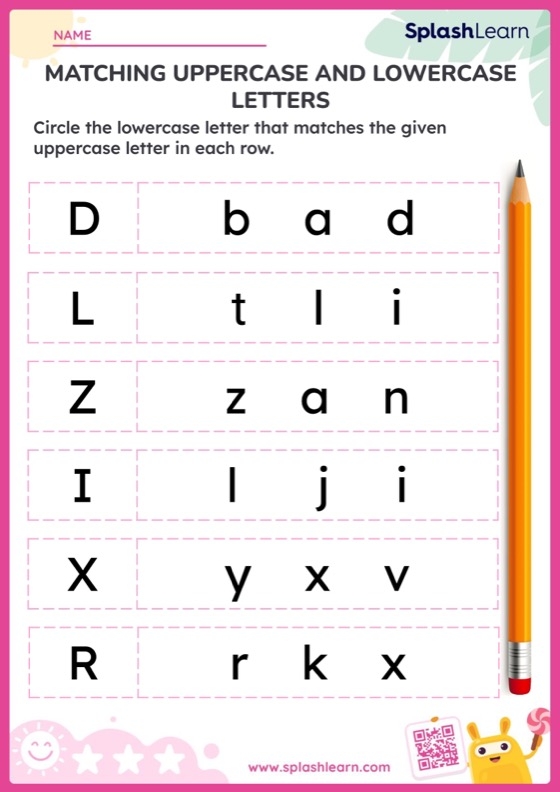
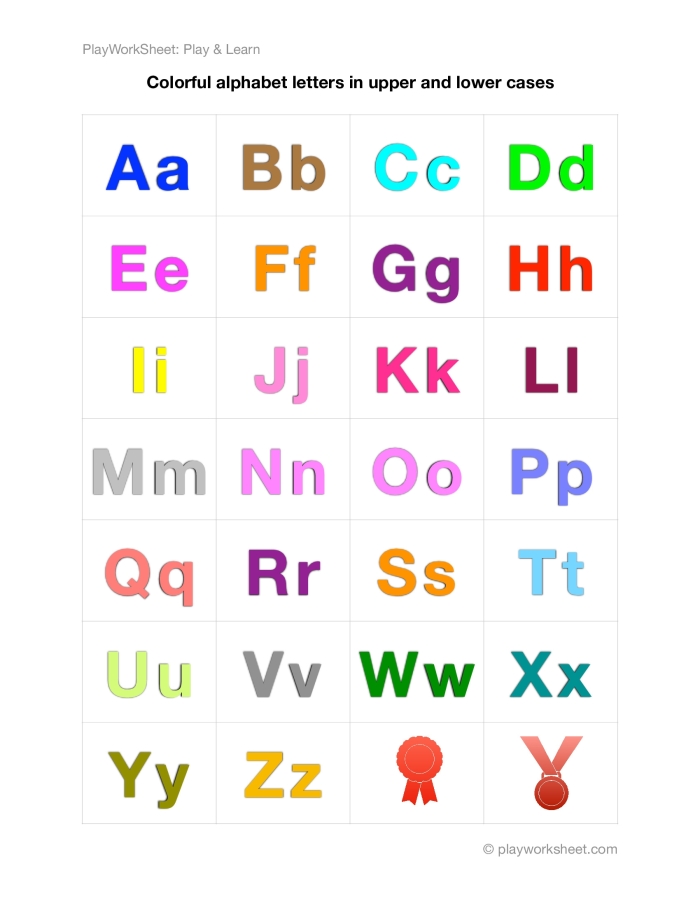
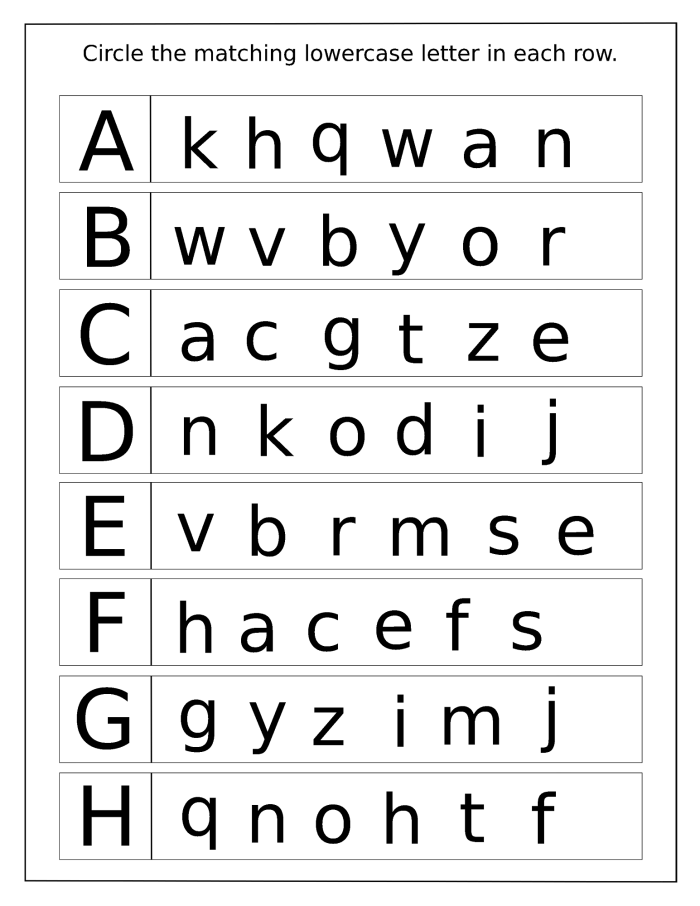
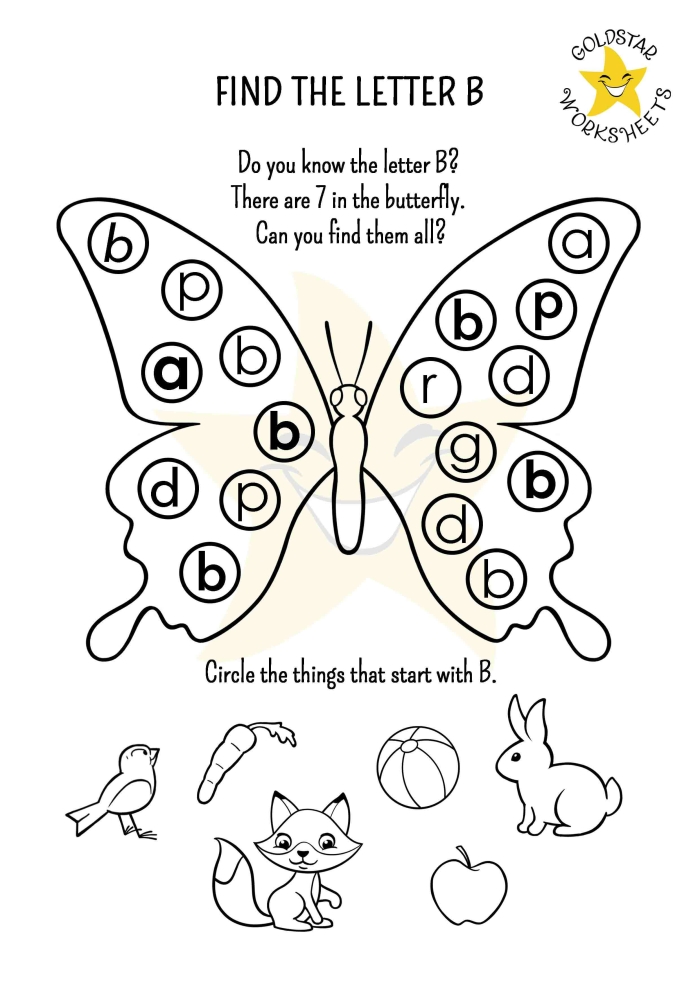
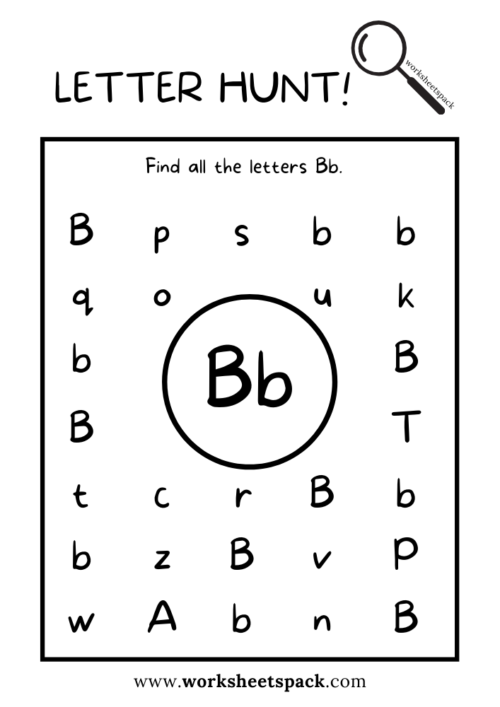
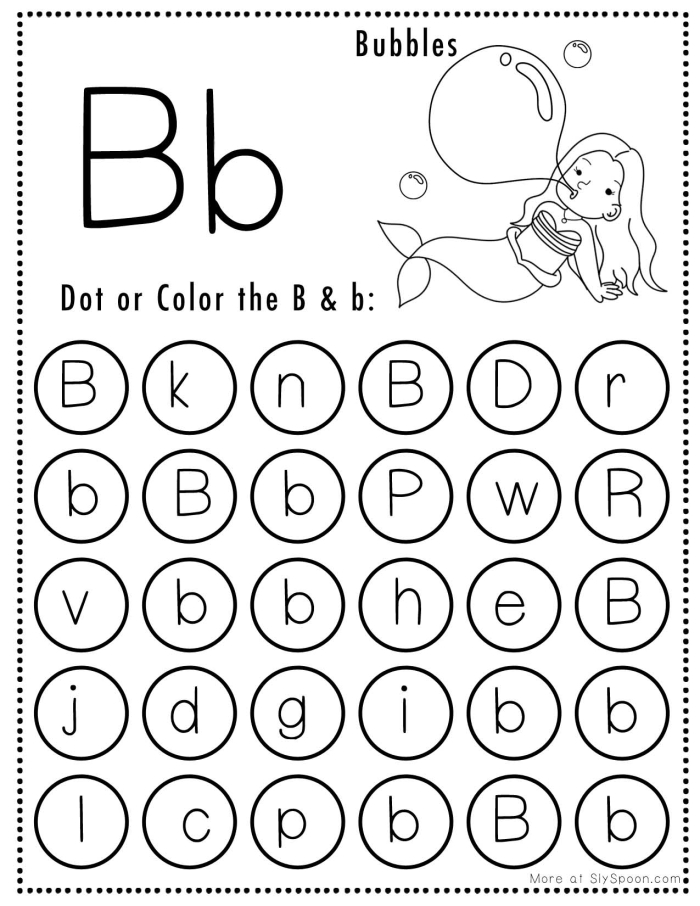
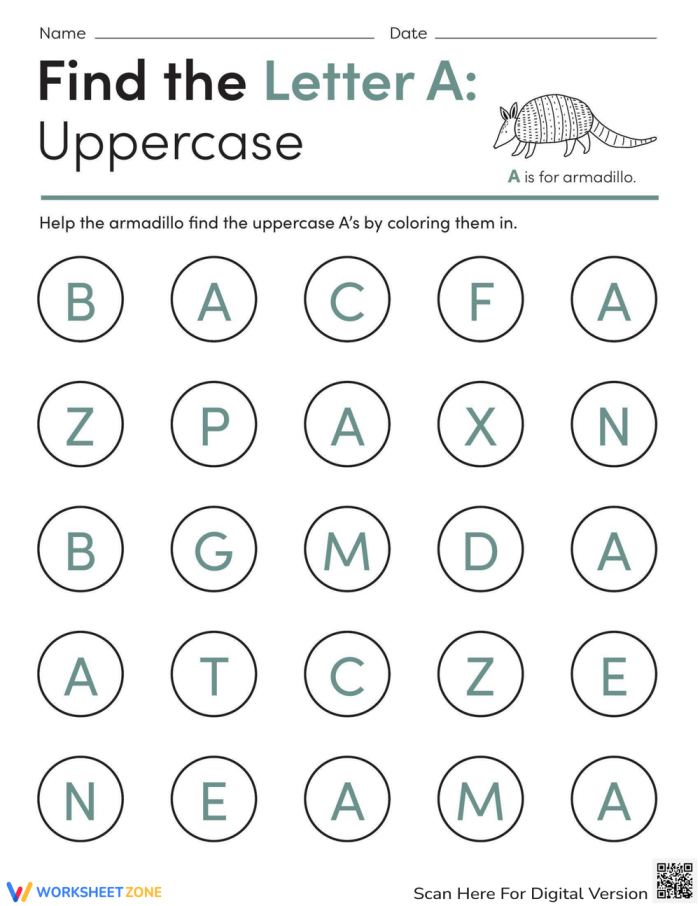
Letter recognition forms the foundation of early reading development, and one of the most effective ways to build this skill is through focused visual scanning activities. When a child searches for a specific letter like uppercase B, they’re training their eyes to distinguish shapes and patterns, a critical step before phonetic understanding takes hold.
A bear-themed letter hunt transforms what could be a tedious drill into an engaging adventure. Pre-K children respond well to familiar characters and gentle gamification. The bear becomes a companion in the learning process rather than the worksheet feeling like work. As the child guides the bear to find each B, they’re actively reinforcing letter shape memory through repetition without monotony.
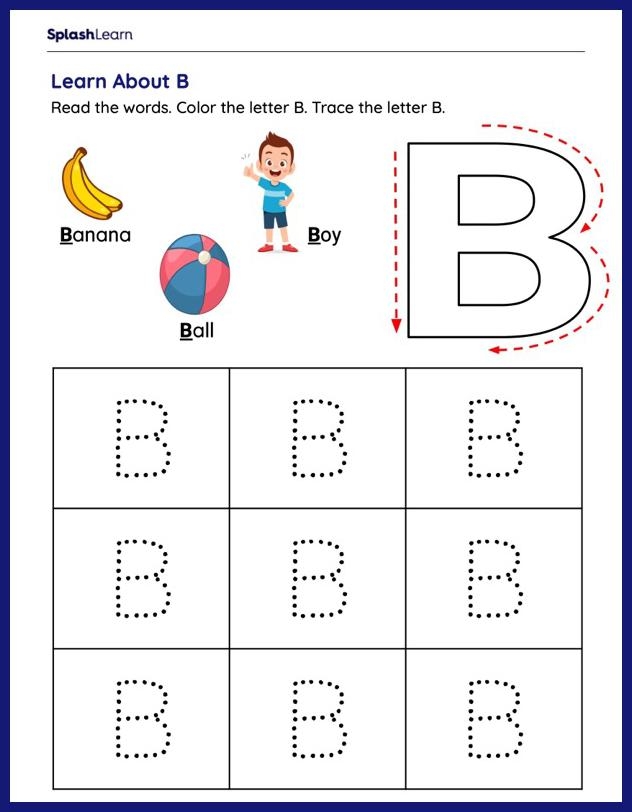
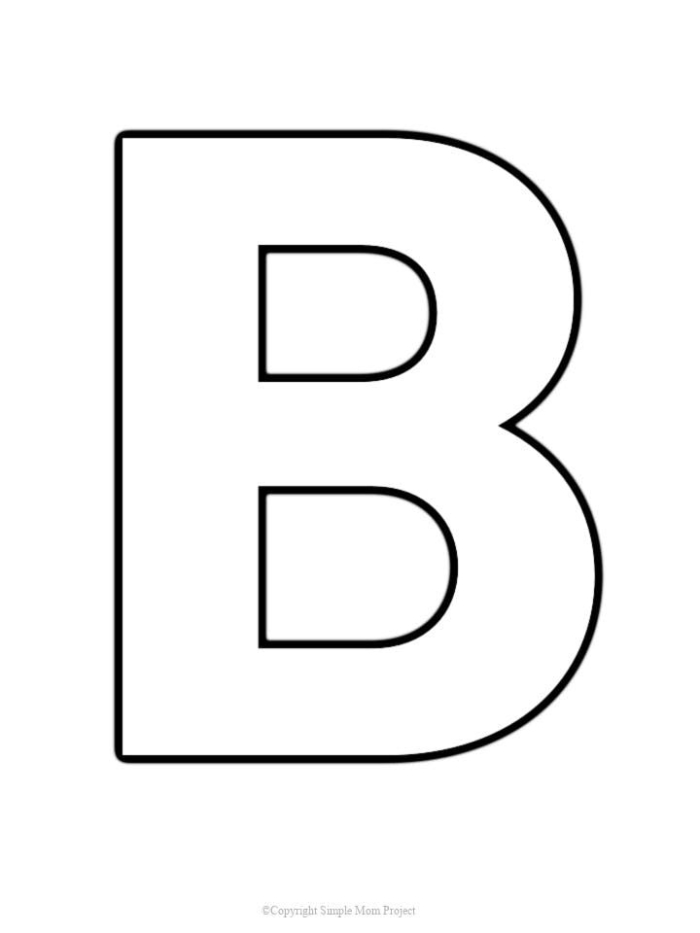
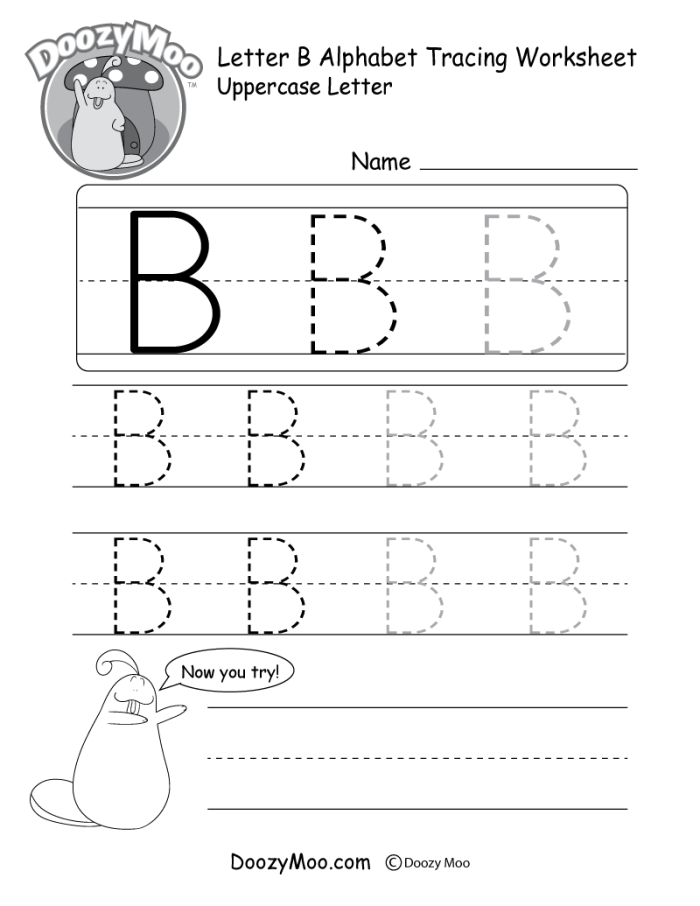
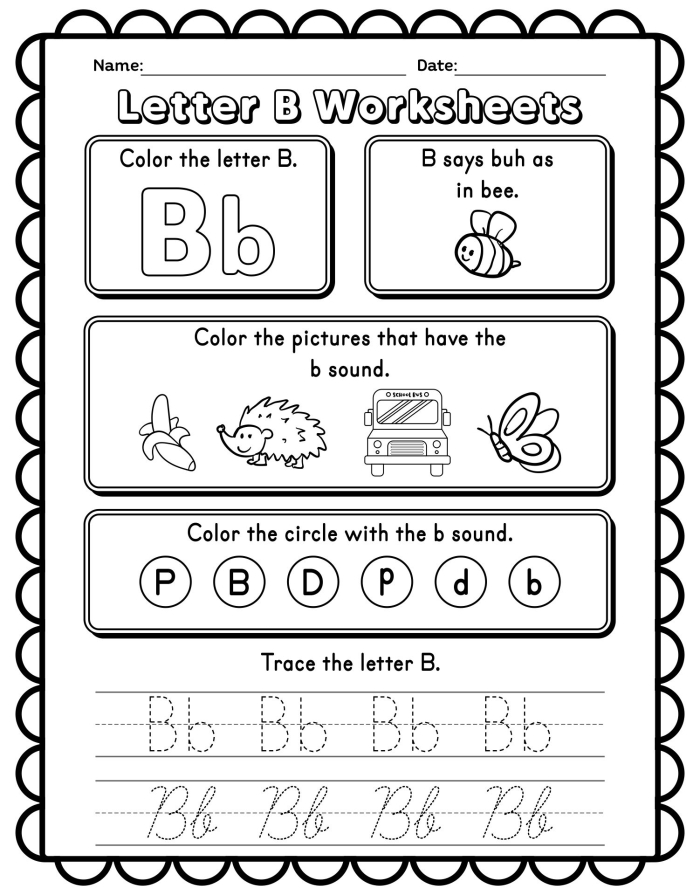
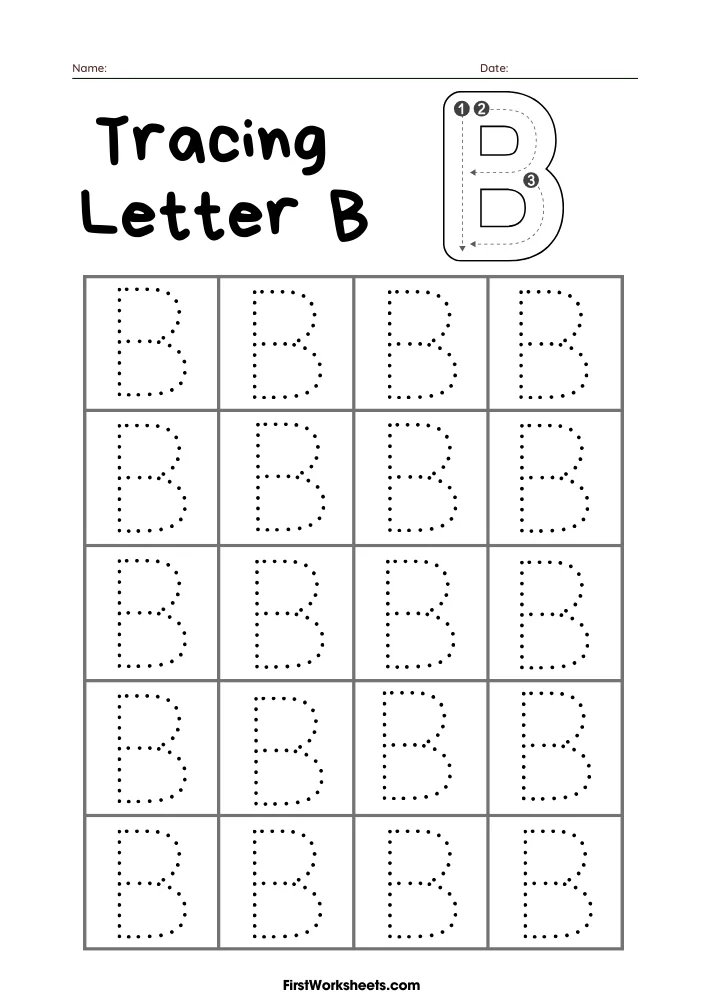
The uppercase B presents a particular learning opportunity. Unlike some letters, B has a clear vertical line with two bumps on the right side, making it visually distinct once children know what to look for. Repeated exposure to this specific letter shape builds automatic recognition, which later supports reading fluency.
Research in early literacy shows that letter identification speed at the Pre-K level correlates with later reading success. Activities like finding uppercase B in a worksheet provide measurable progress. Teachers and parents can track which letters a child identifies quickly and which ones need more practice.
The statistics behind these exercises matter too. Studies tracking Pre-K development show that children who engage in regular letter recognition activities demonstrate stronger alphabet knowledge by kindergarten entry. This isn’t about pressure or testing, but rather consistent, playful exposure to letter forms.
To extend the learning beyond a single worksheet, you might pair letter hunts with related activities. For instance, comparing this focused letter work with other Pre-K statistics activities helps develop broader observational skills. Each type of visual task strengthens the neural pathways supporting pattern recognition and attention to detail.
Worksheet Practice Section