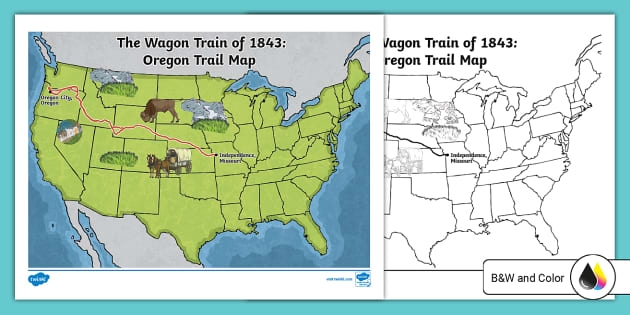
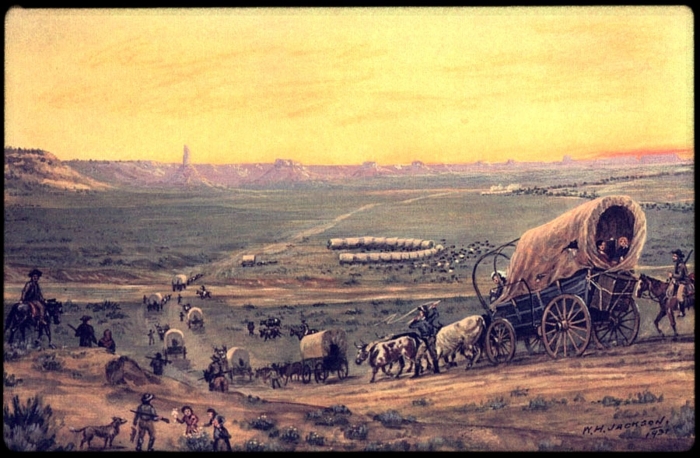
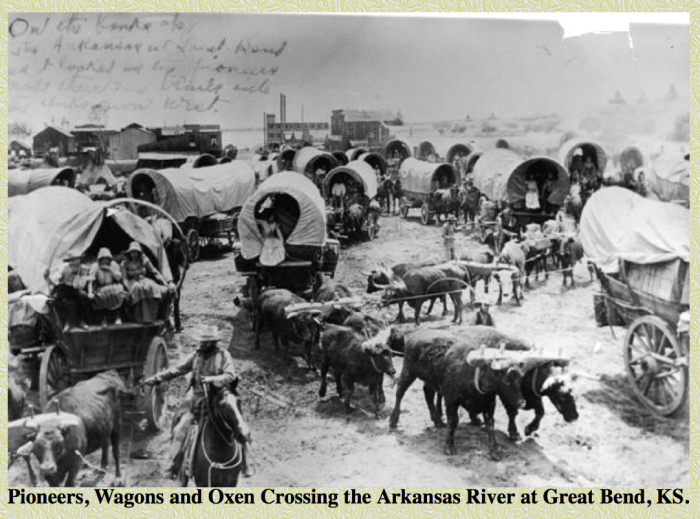
The Oregon Trail represents one of the most significant migration routes in American history, and the Wagon Train of 1843 marked a turning point in westward expansion. This particular journey carried nearly 1,000 settlers across nearly 2,000 miles of rugged terrain, establishing a practical route that thousands would follow in the decades to come. Understanding this migration through maps and historical records gives us insight into how ordinary families made extraordinary decisions to reshape their lives.
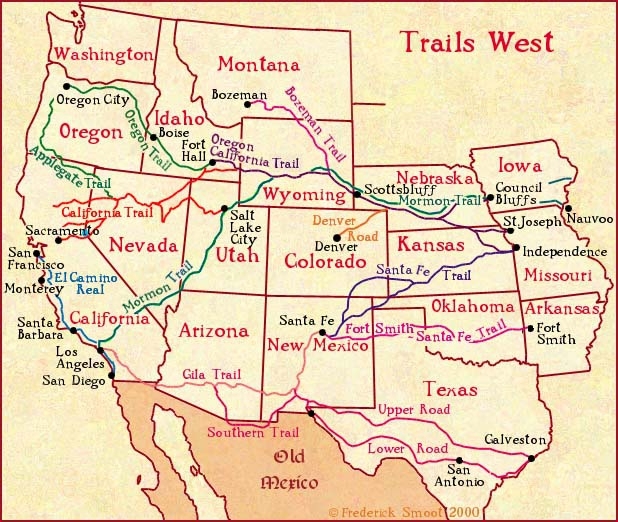
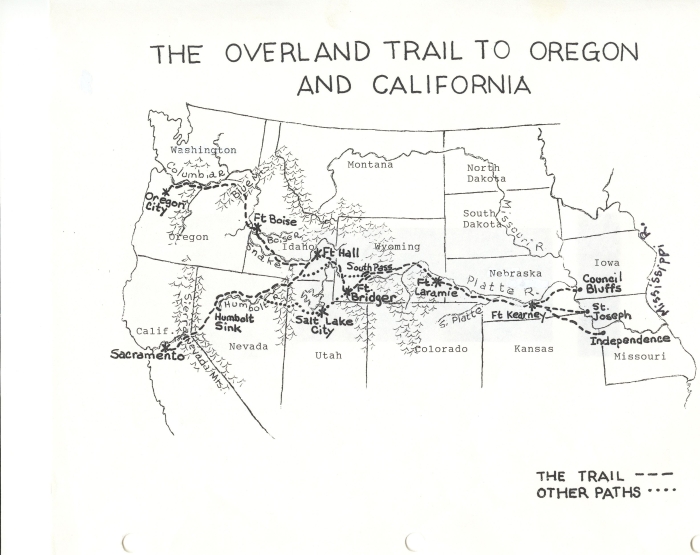
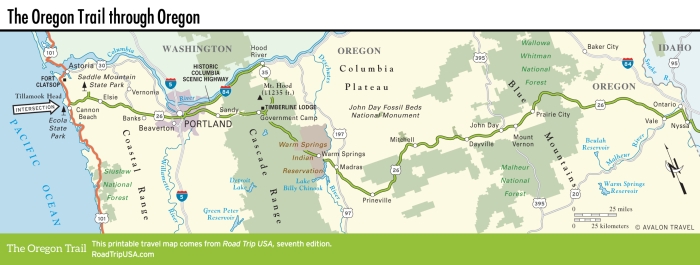
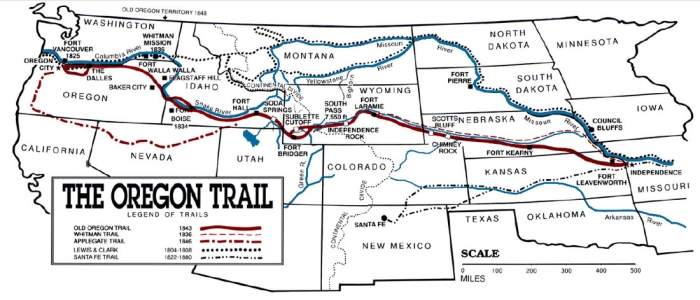
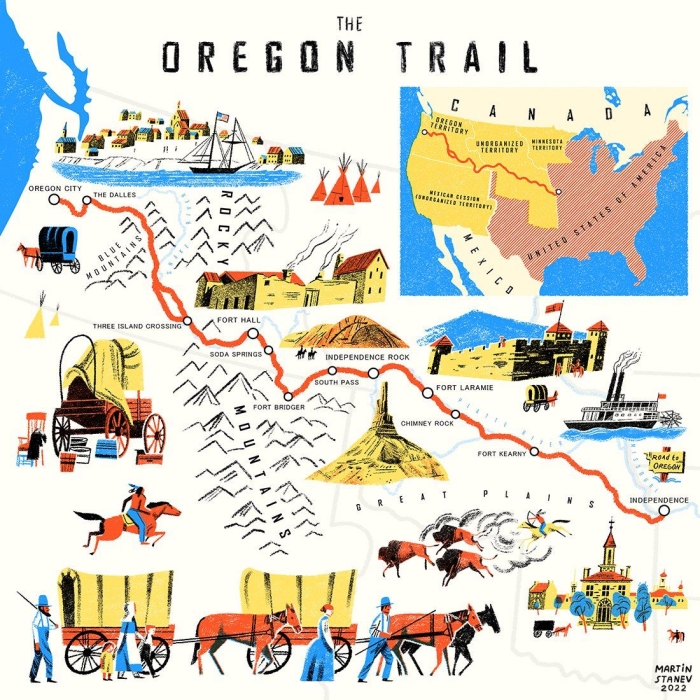
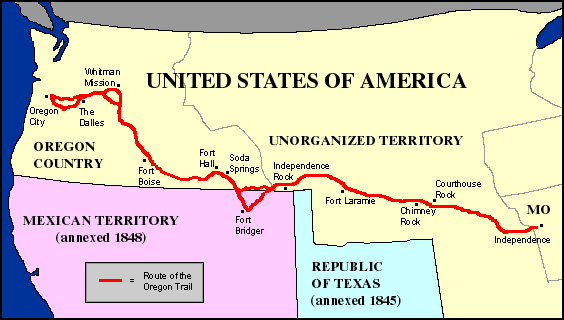
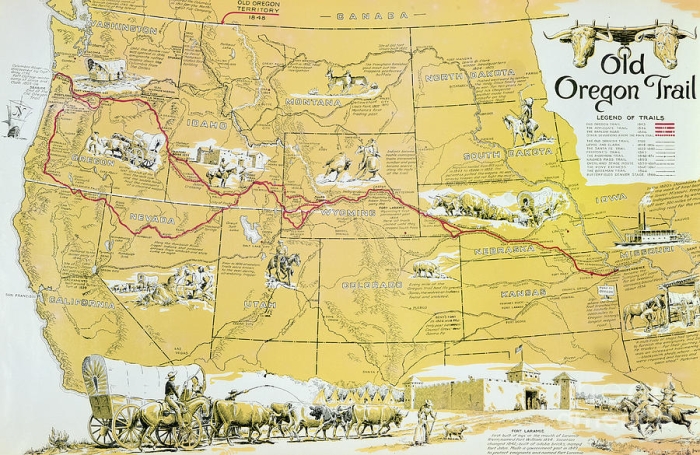
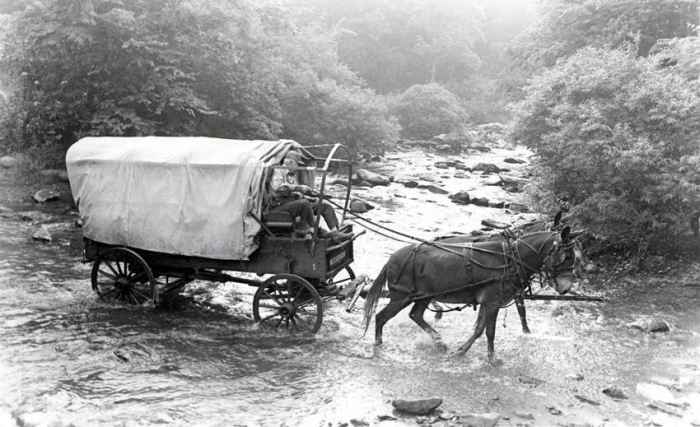
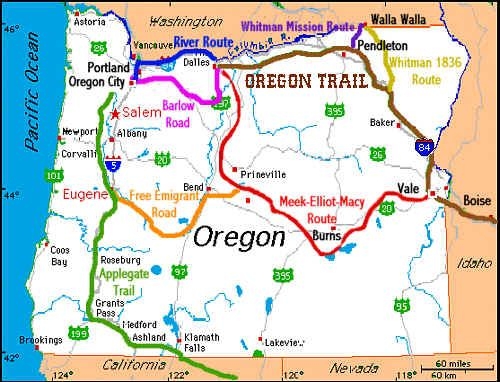
The 1843 wagon train departed from Missouri in May and arrived in Oregon’s Willamette Valley by October, completing the journey in roughly five months. Travelers faced challenges that modern students can barely imagine: river crossings, mountain passes, disease, and limited supplies. Maps from this era show the route’s major waypoints, including Fort Laramie in present-day Wyoming and the Blue Mountains of Oregon. These geographical markers weren’t just reference points, they were survival checkpoints where families rested, resupplied, and regrouped before continuing west.
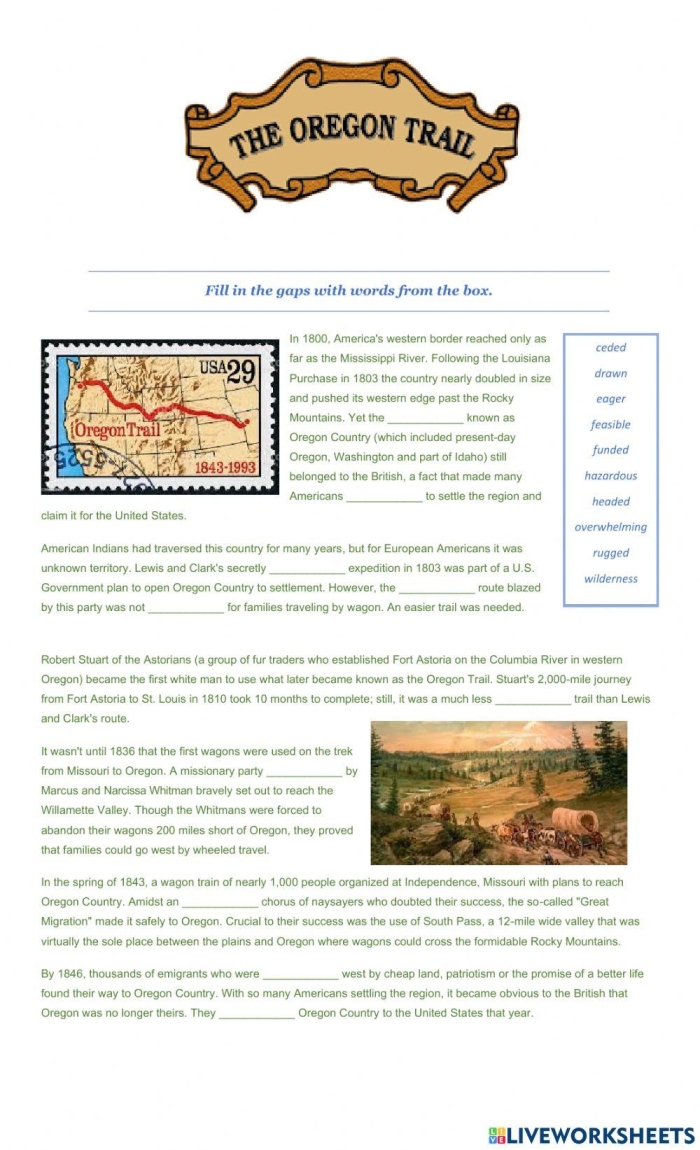
For fourth grade students studying grammar and mechanics, examining primary source accounts from wagon train diaries provides excellent material. These firsthand accounts demonstrate how punctuation and sentence structure help convey emotion and urgency. When you read entries from travelers describing a river crossing or a child’s illness, you notice how writers used dashes, commas, and varied sentence length to create impact. Learning about historical events like this one connects language skills to real human experiences.
Maps of the Oregon Trail also help students understand directional language and spatial relationships. By tracing the route from Missouri westward, young learners practice reading coordinates and understanding how geography shaped historical decisions. Activities involving word analysis of trail-related vocabulary can strengthen comprehension of historical terminology.
The Wagon Train of 1843 remains a powerful example of determination and community cooperation. Its legacy shaped the American West and continues to fascinate students exploring how ordinary people navigated extraordinary circumstances.
Boost Skills with These Worksheets