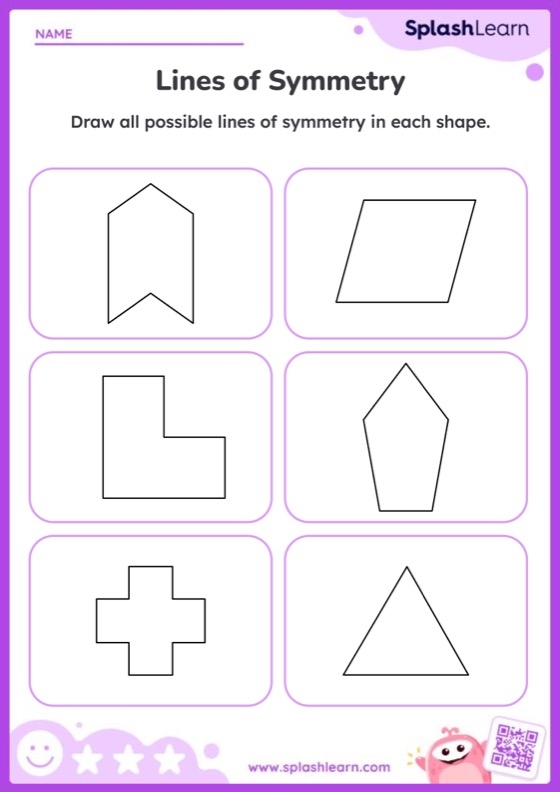
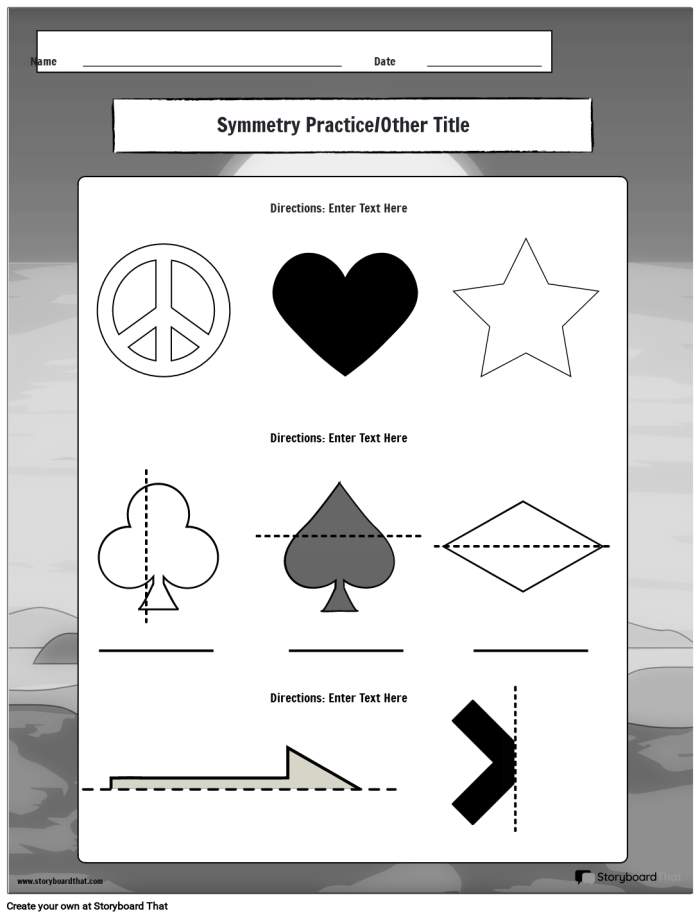
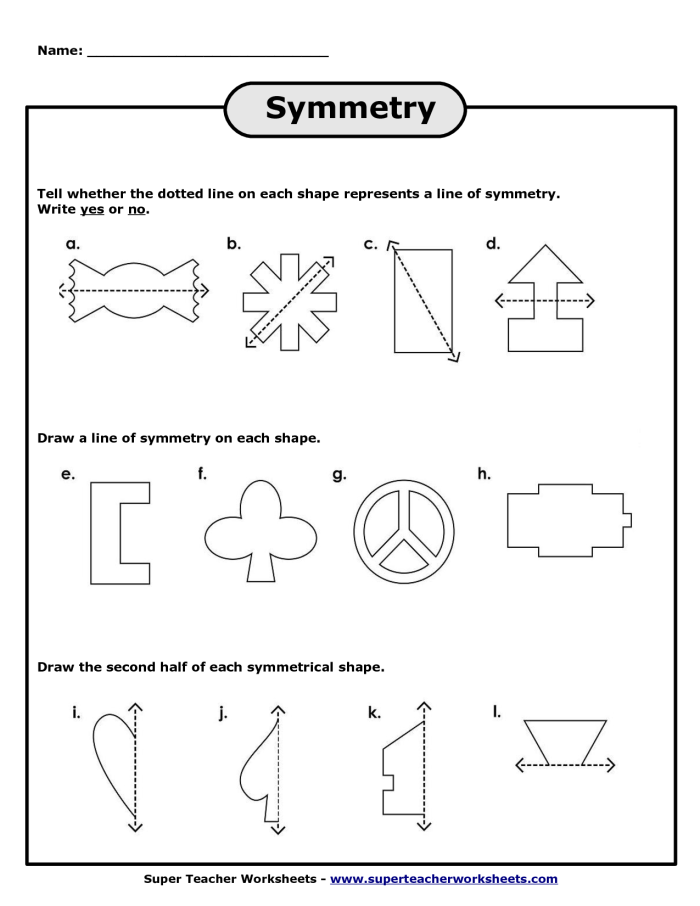
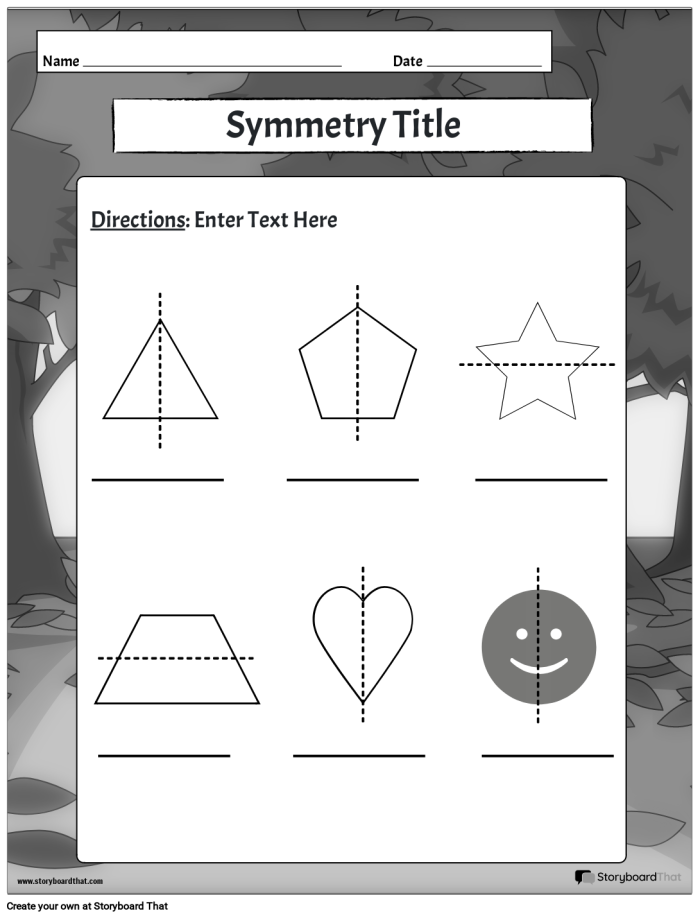
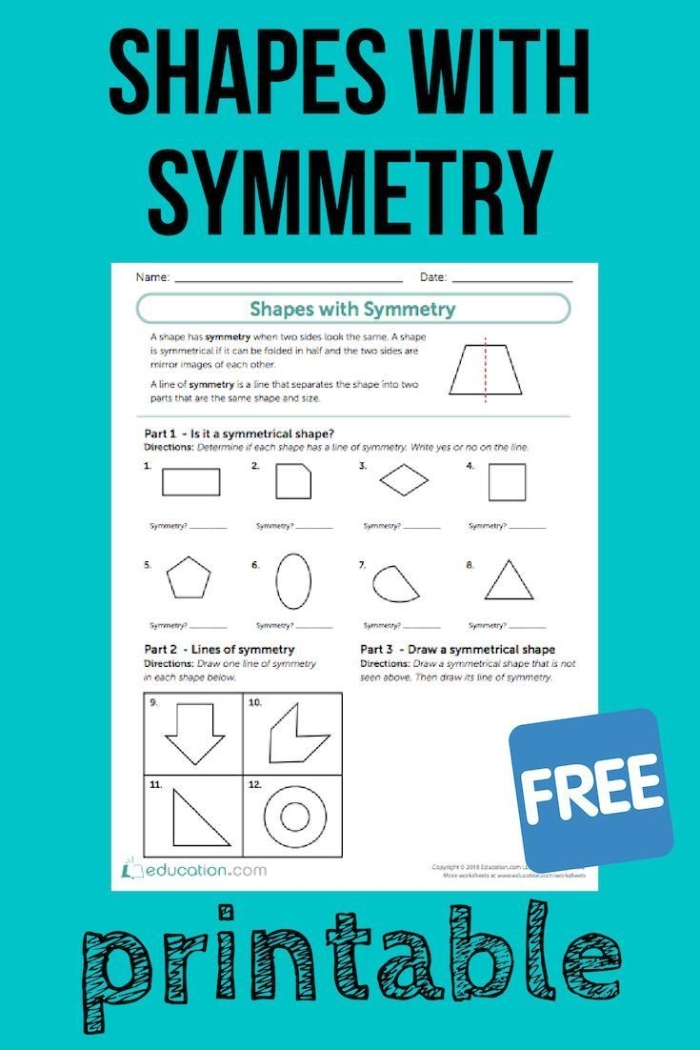
Can you see the symmetry? This question becomes the starting point for a meaningful math lesson when you introduce your third grade students to the concept of balanced shapes. Symmetry is one of those geometric ideas that clicks for students once they recognize it in the world around them, from butterfly wings to building facades.
When you work with your students on identifying shapes with symmetry, you’re building their visual reasoning skills in a concrete way. Third grade is the ideal time to introduce this concept because students have developed enough spatial awareness to spot patterns, yet they still benefit from hands-on practice. The key is moving beyond simply telling them what symmetry looks like and instead guiding them to discover it themselves.
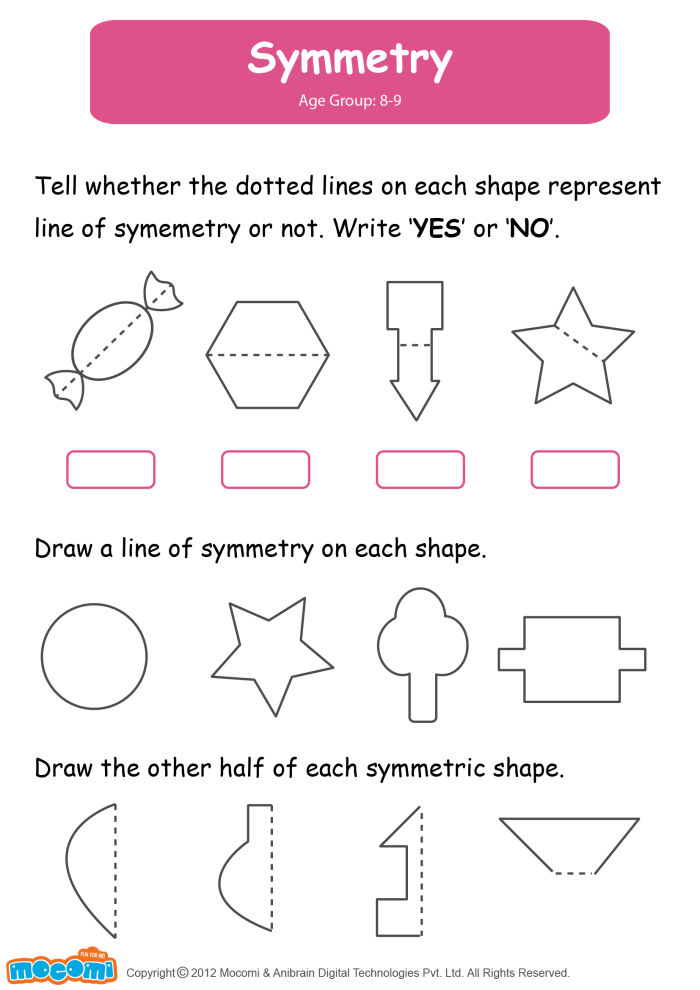
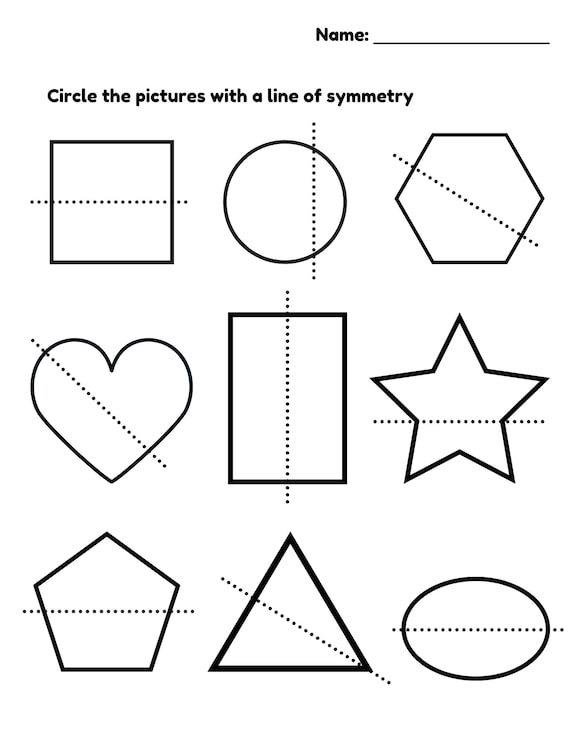
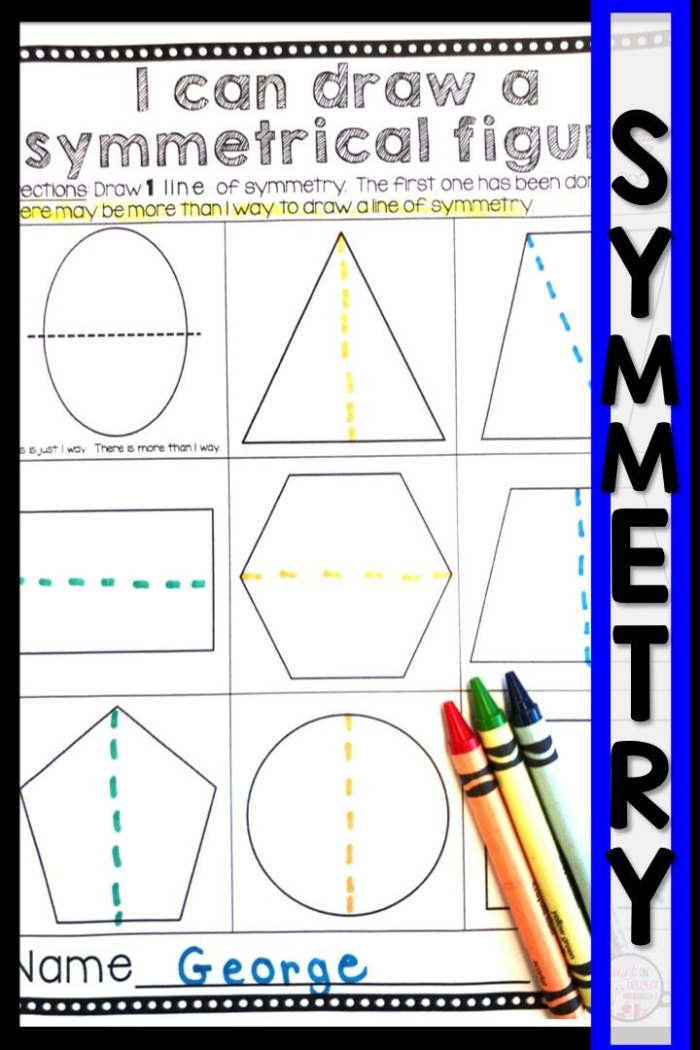
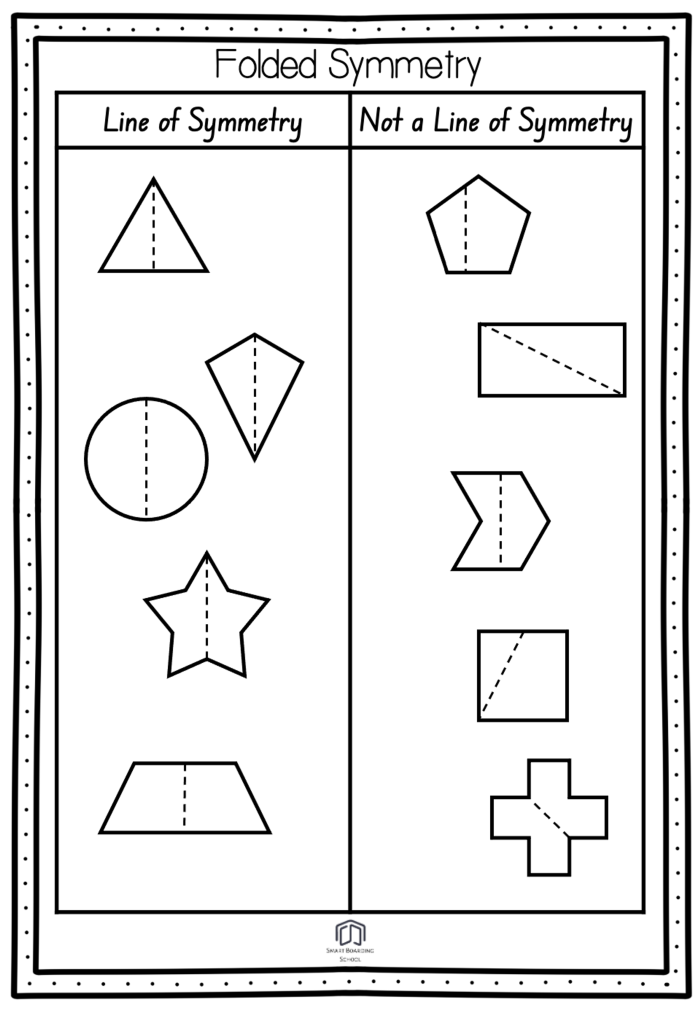
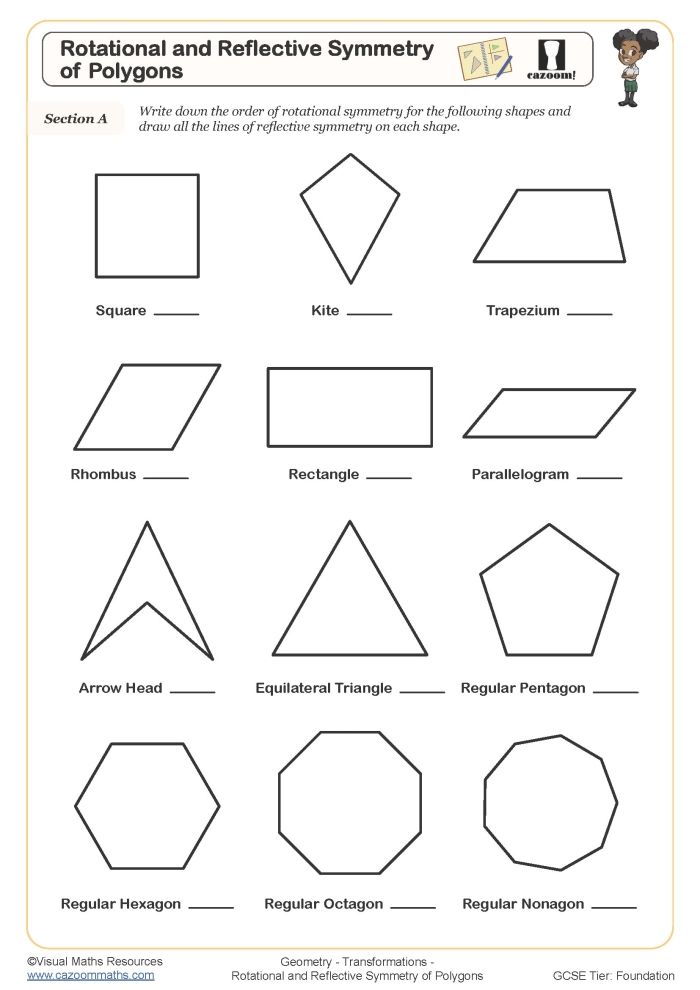
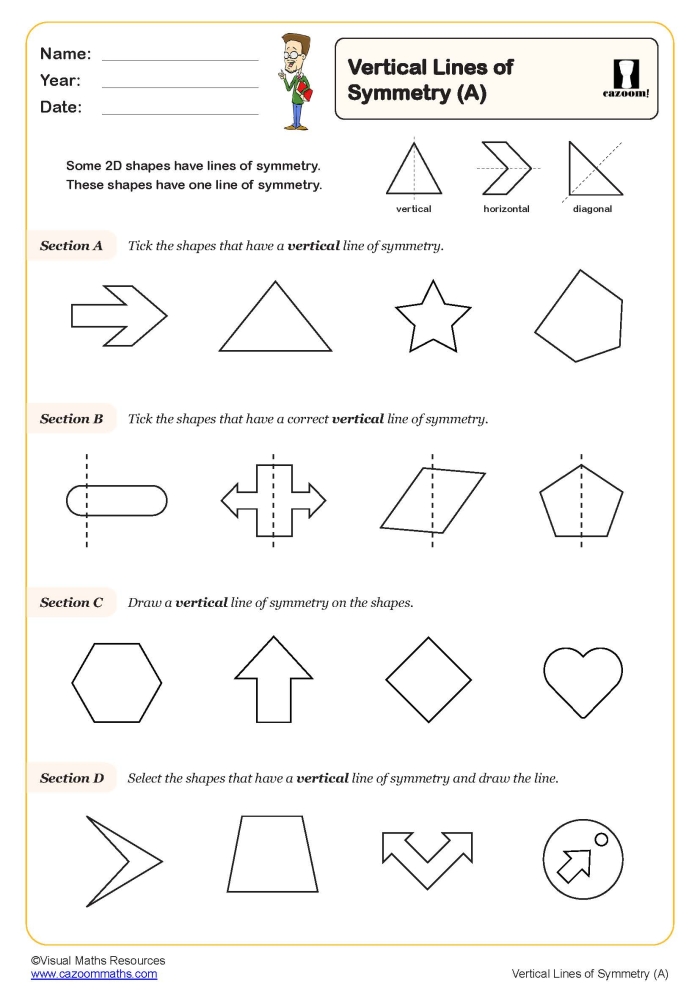
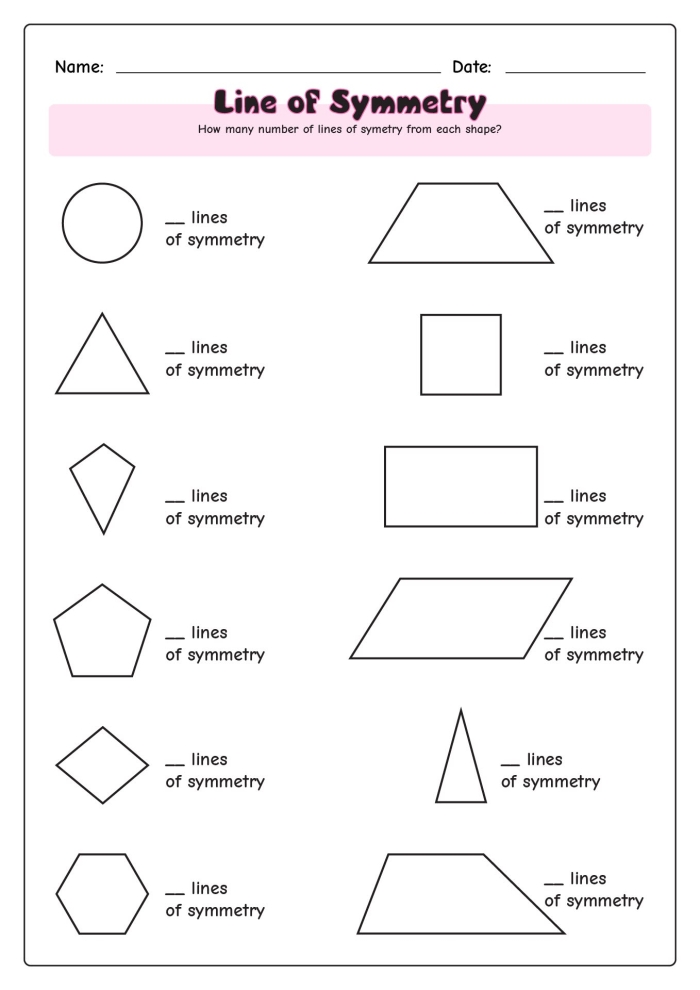
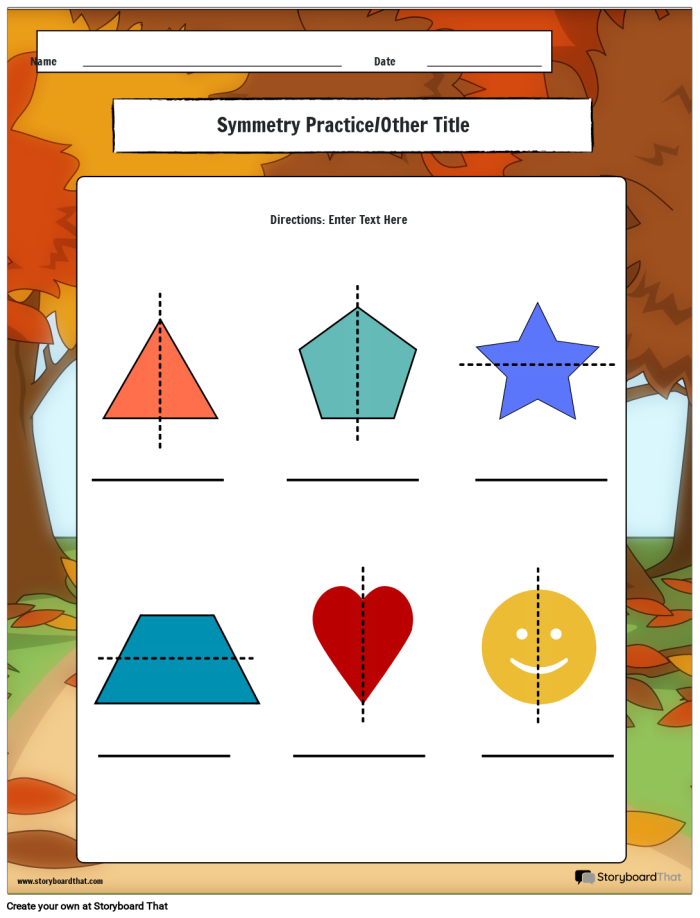
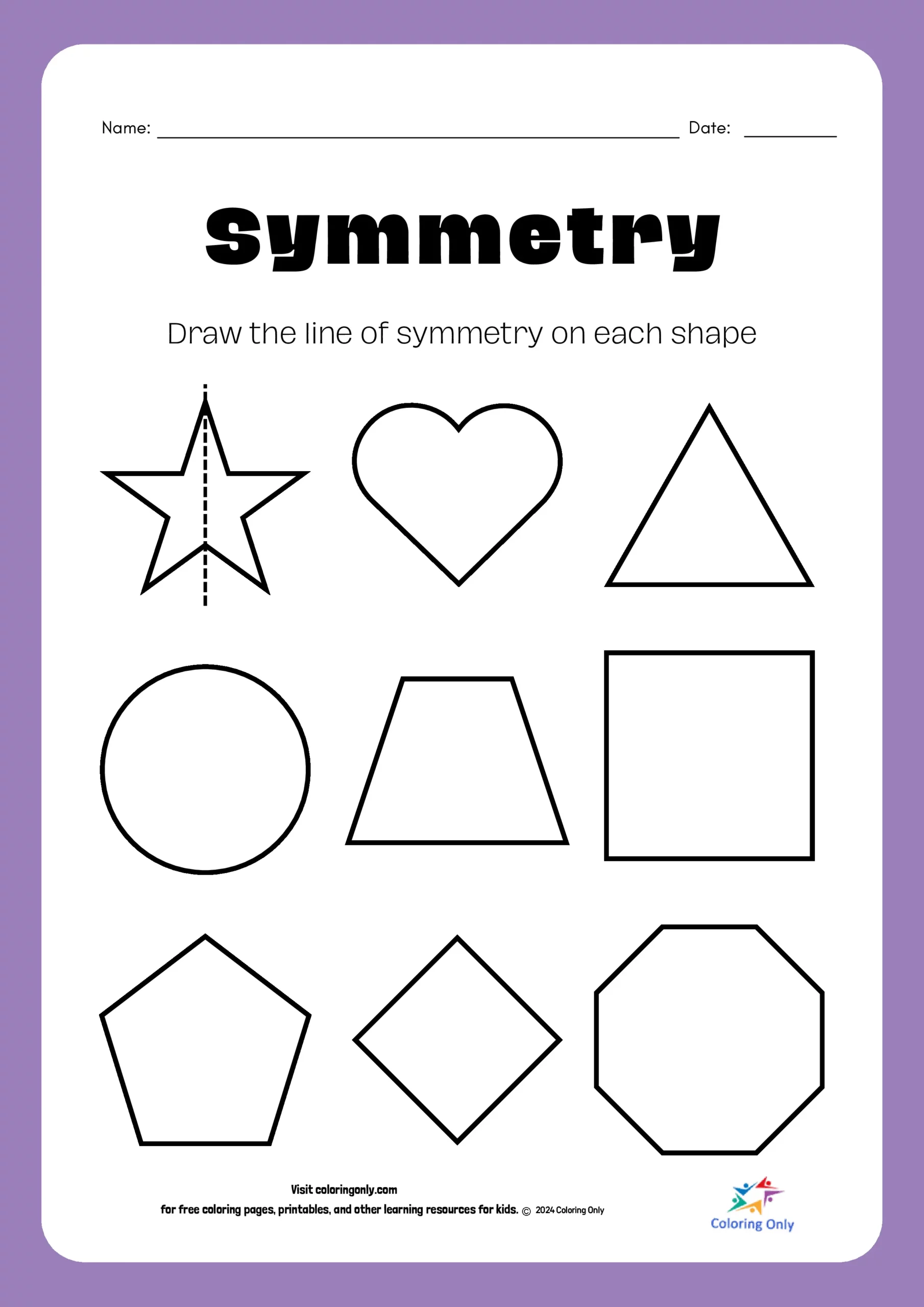
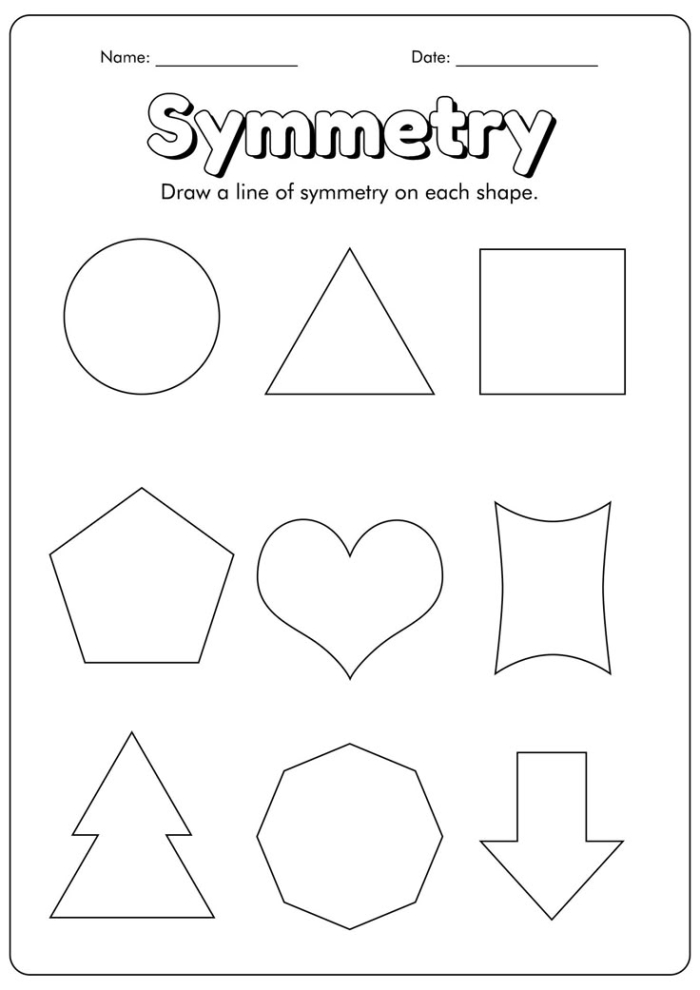
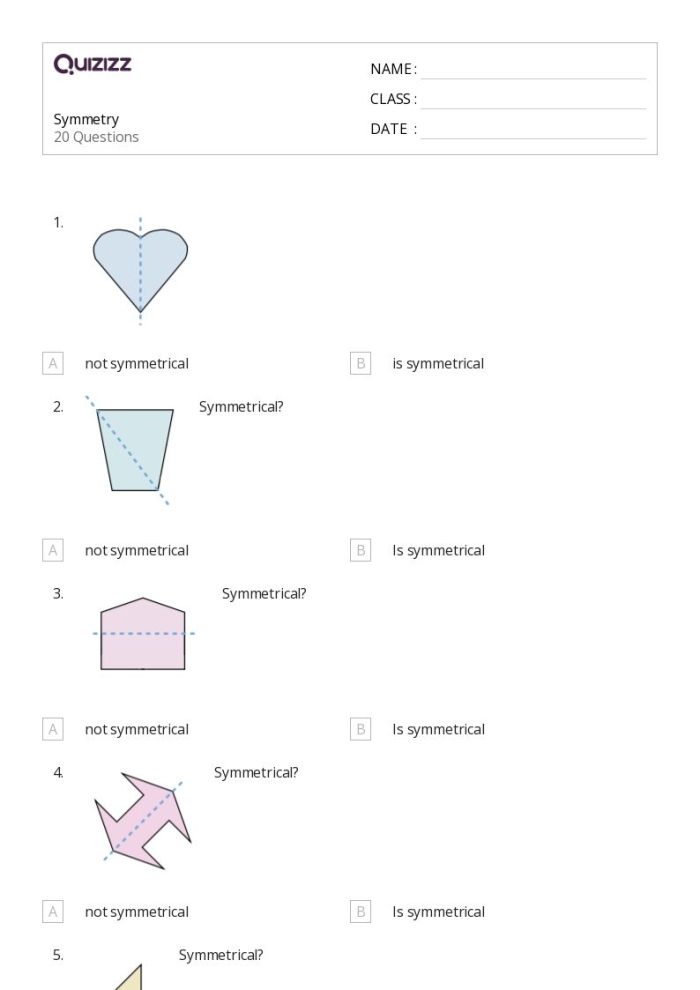
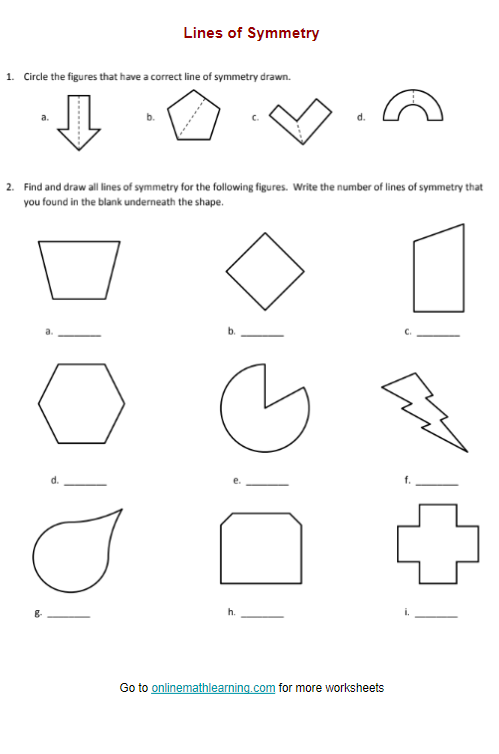
Start by showing various shapes and asking students which ones appear balanced or mirror-like. Squares, rectangles, circles, and many triangles all contain symmetry, but not all shapes do. Once students identify the symmetrical shapes, the next step is crucial: they draw a line of symmetry. This line represents where a shape could fold perfectly in half, with both sides matching exactly.
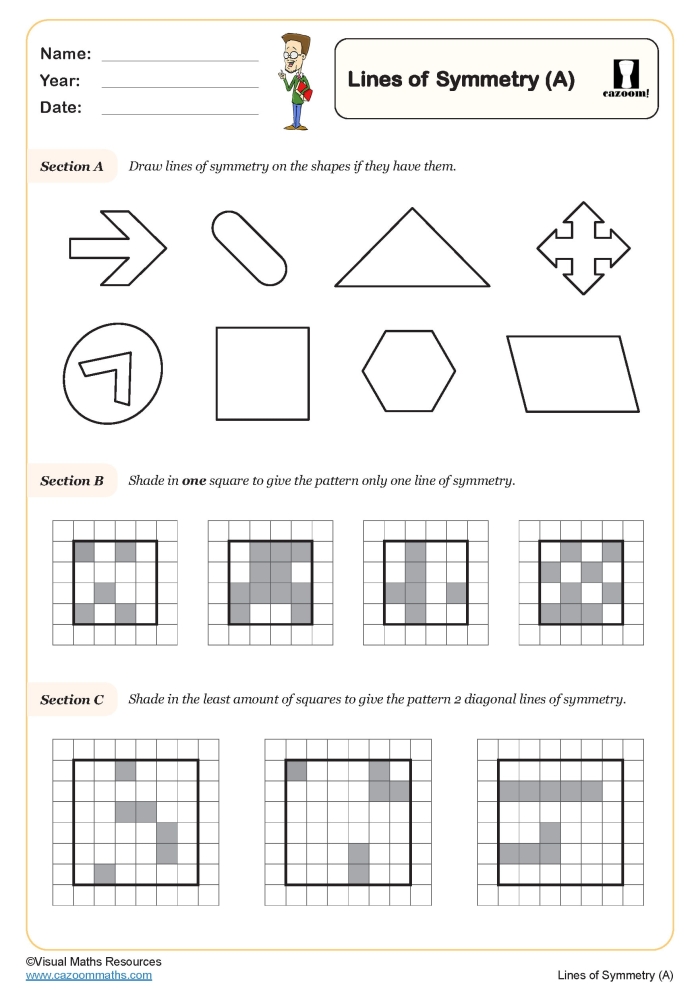
Drawing the line of symmetry helps solidify understanding because it transforms an abstract concept into something visible and measurable. Students see that a square has four possible lines of symmetry, while a rectangle has only two. This discovery-based approach works better than memorization.
You can pair this activity with other third grade math resources. For example, combining symmetry practice with types of angles work helps students understand how shapes are constructed. Similarly, incorporating measurement activities reinforces that symmetrical shapes have equal dimensions on each side of the line.
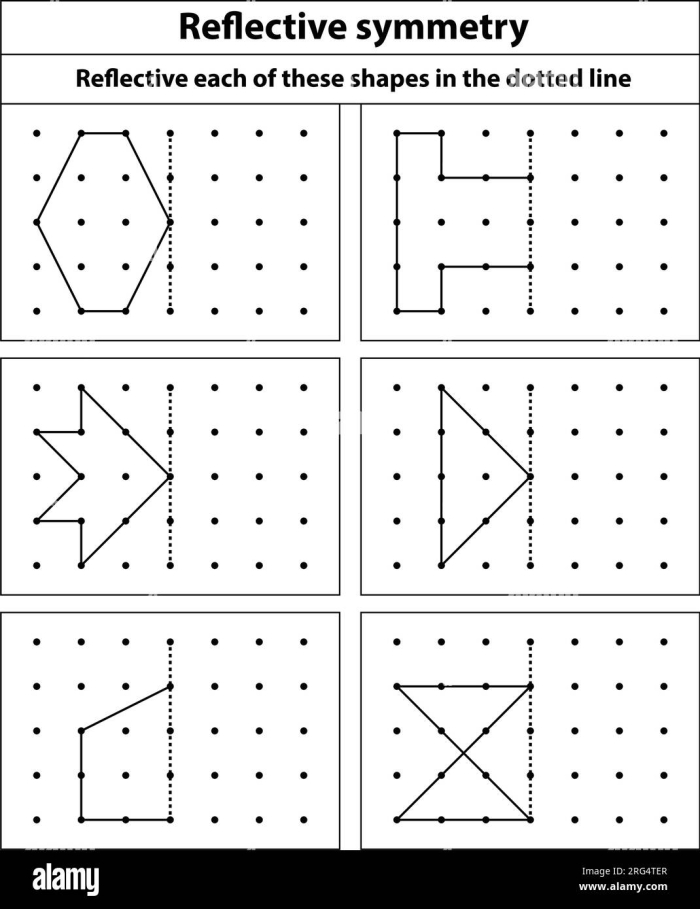
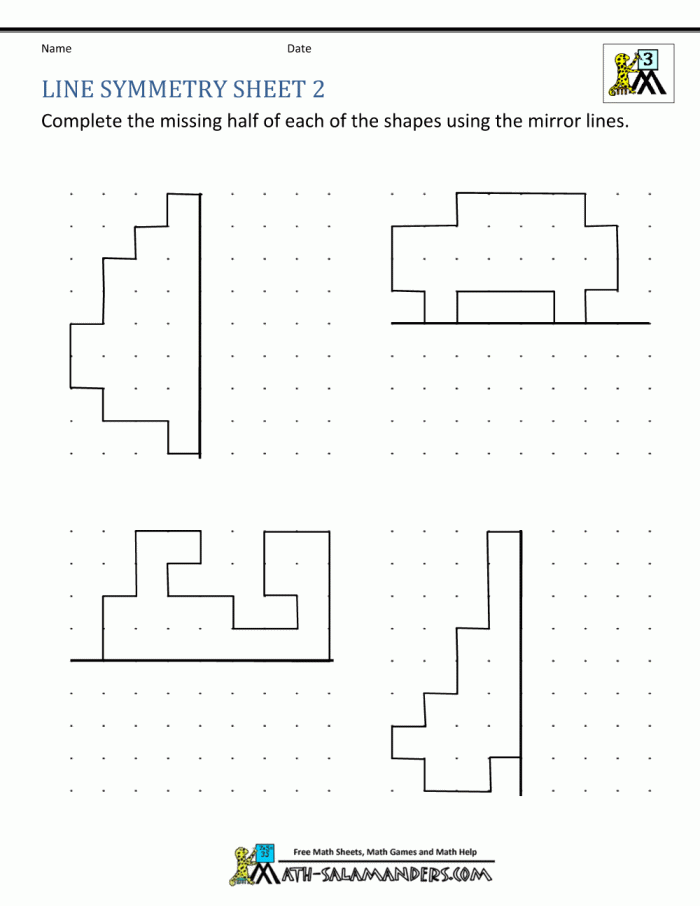
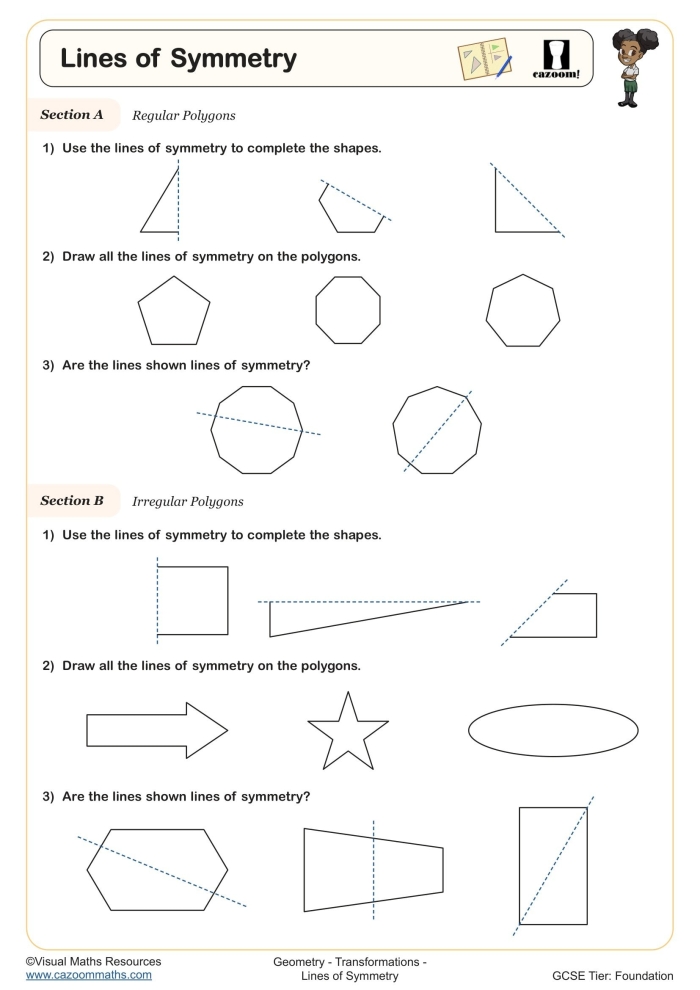
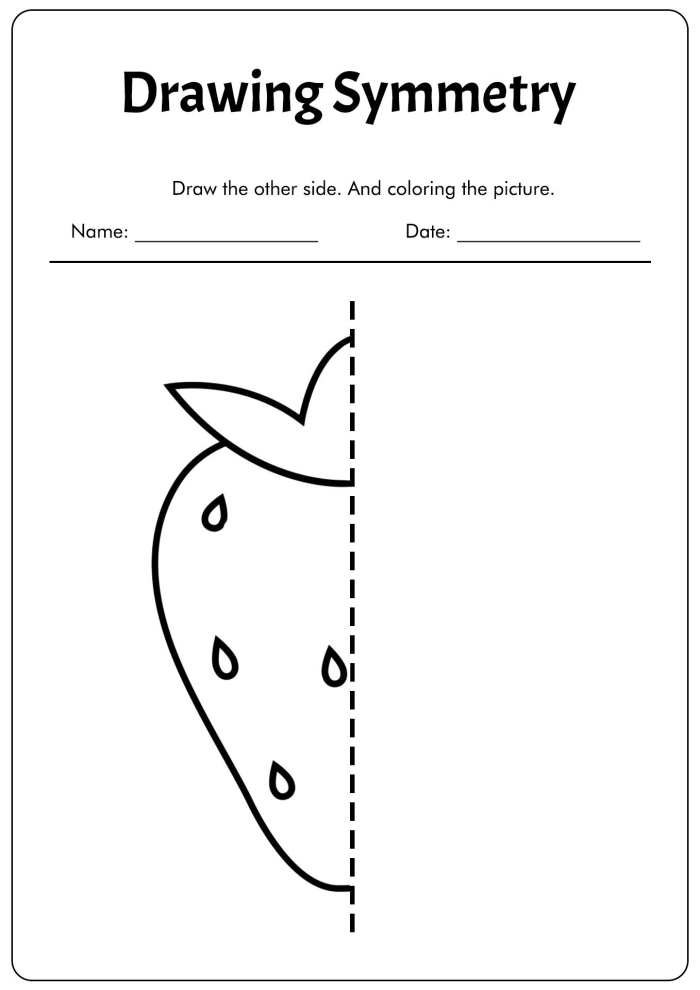
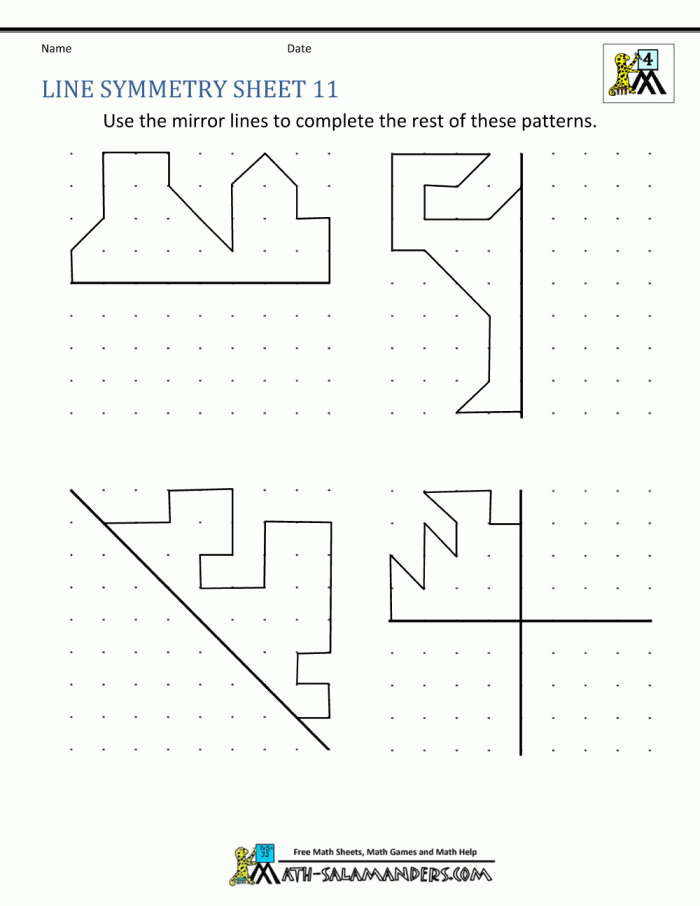
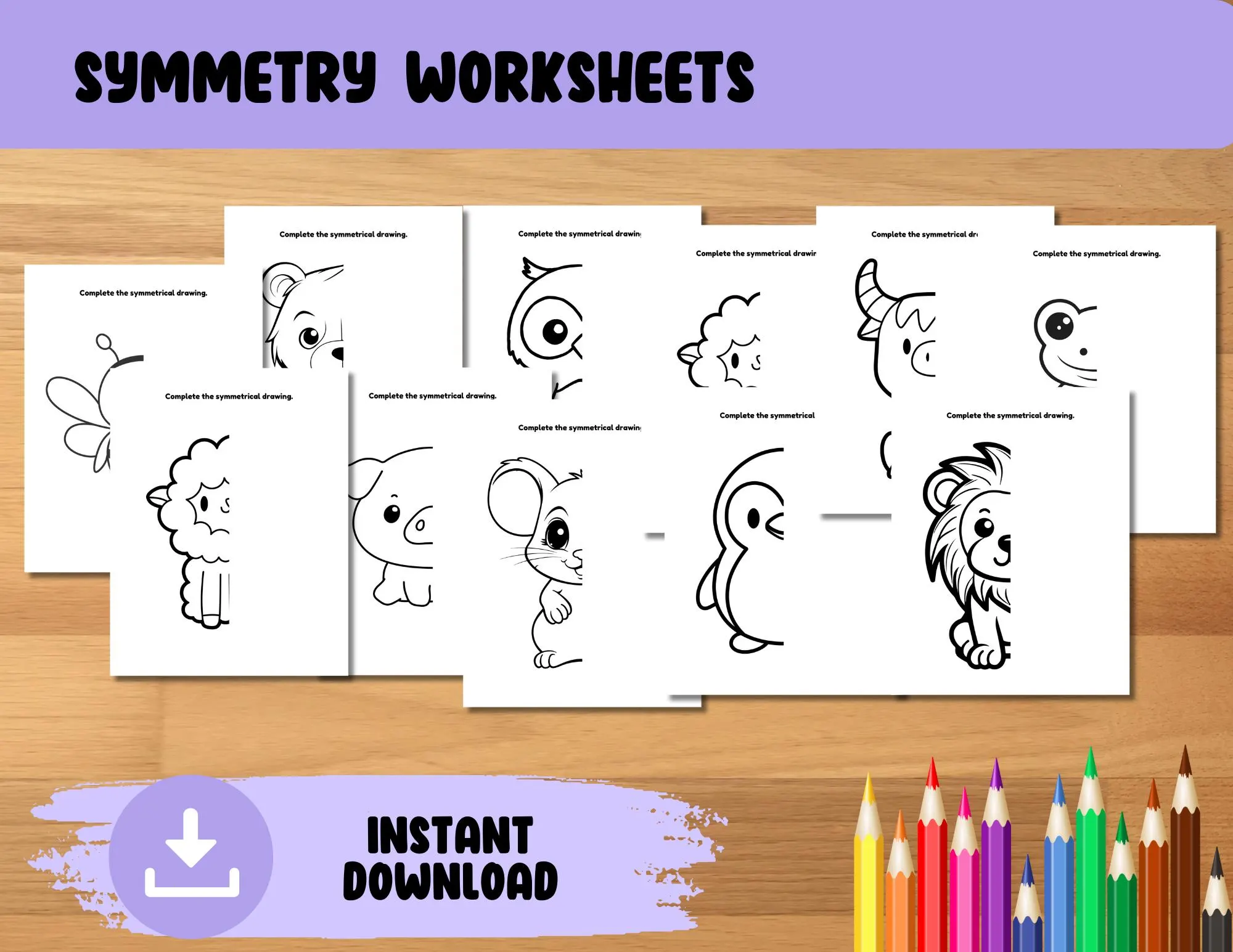
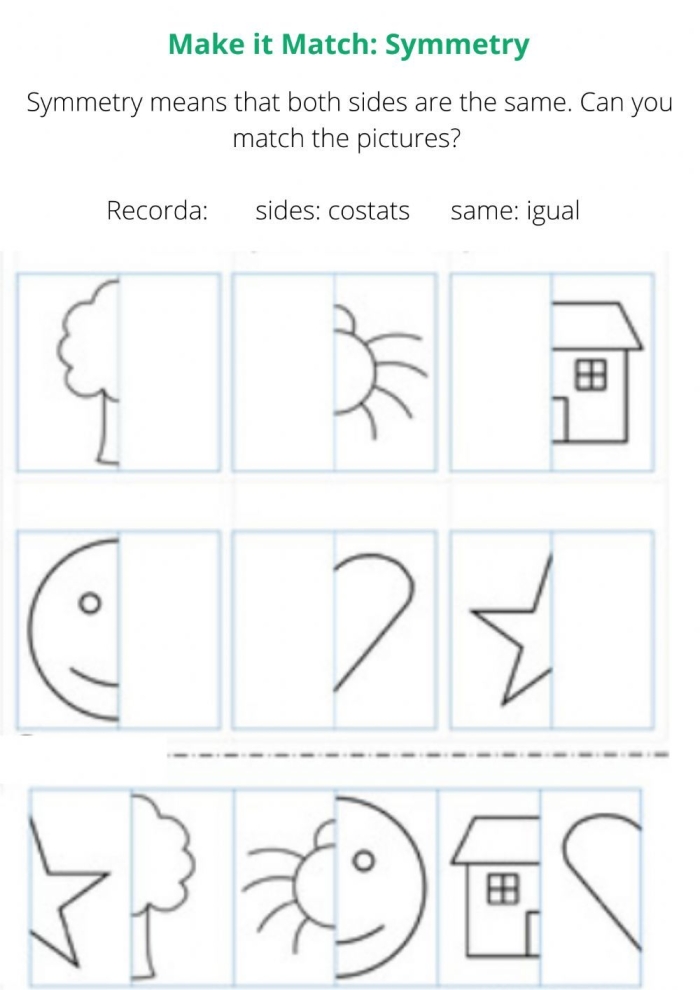
Printable shapes with symmetry worksheets make this practice accessible and repeatable. Your students benefit from multiple exposures to the concept, and the worksheets provide the structured practice that builds confidence and competence in recognizing and drawing lines of symmetry.
Printable Worksheets for Practice