When a coffee shop runs out of their popular seasonal drink, they often raise the price. When a grocery store overstocks tomatoes before they spoil, prices drop. These real-world pricing decisions stem from one of the most fundamental concepts in economics: how supply and demand shape what we pay.
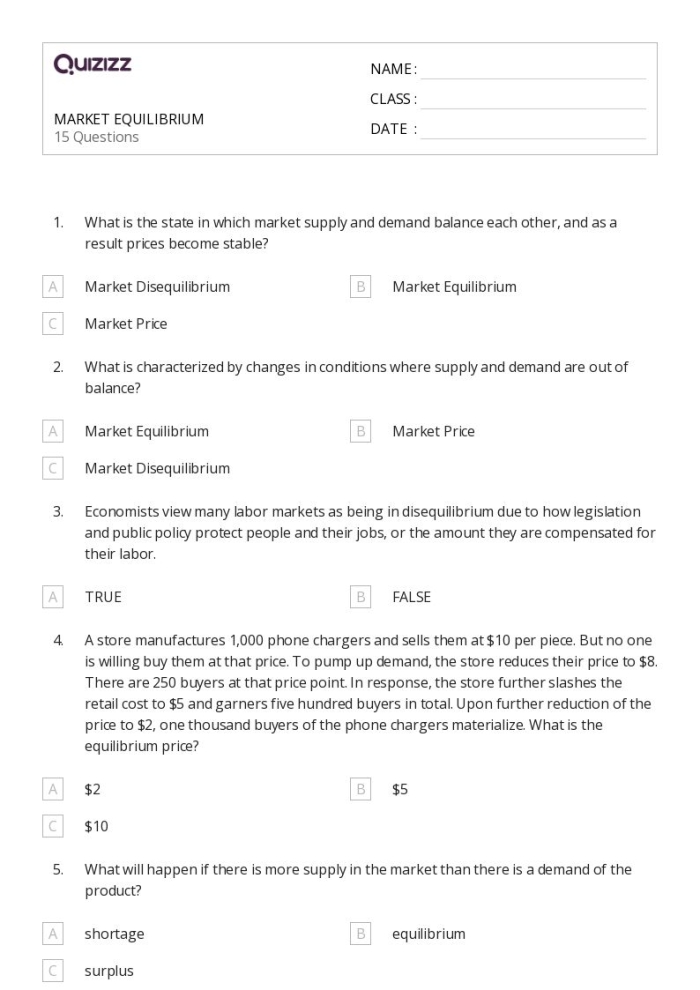
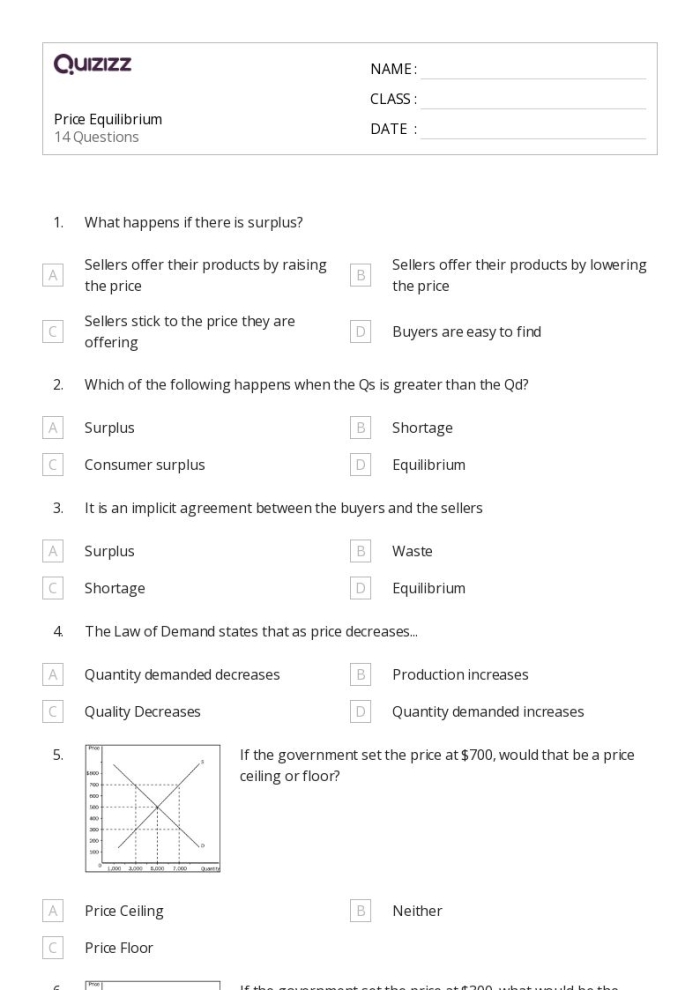
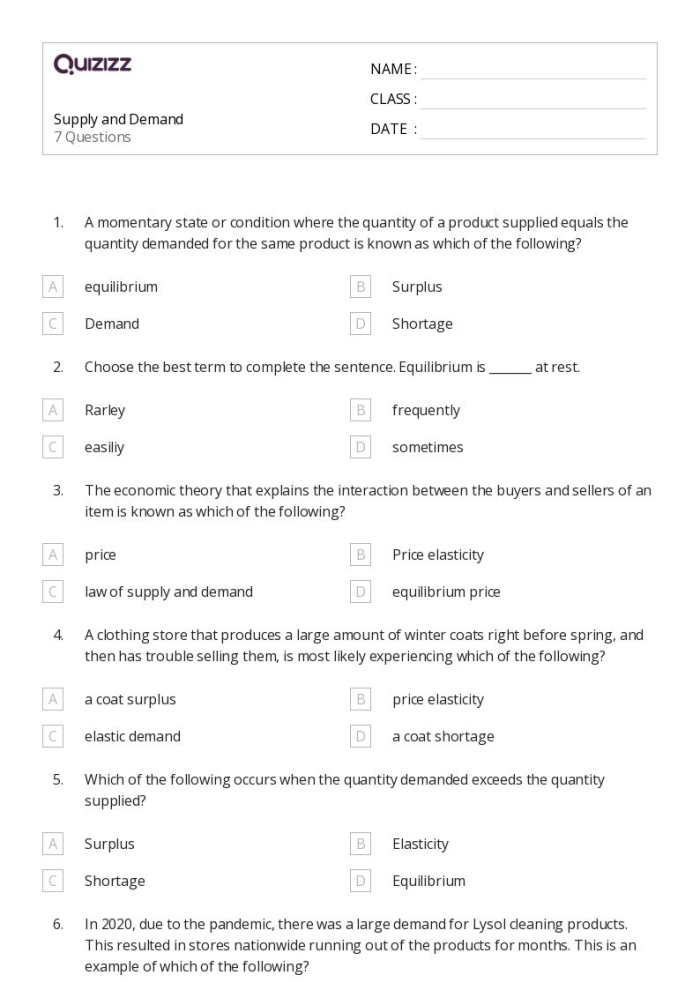
Teaching sixth grade students about shortage, surplus, and prices requires more than lectures. A well-designed worksheet transforms abstract economic principles into tangible scenarios that students can understand and apply. Rather than memorizing definitions, students work through realistic situations where they must calculate price adjustments, analyze market conditions, and predict business responses.
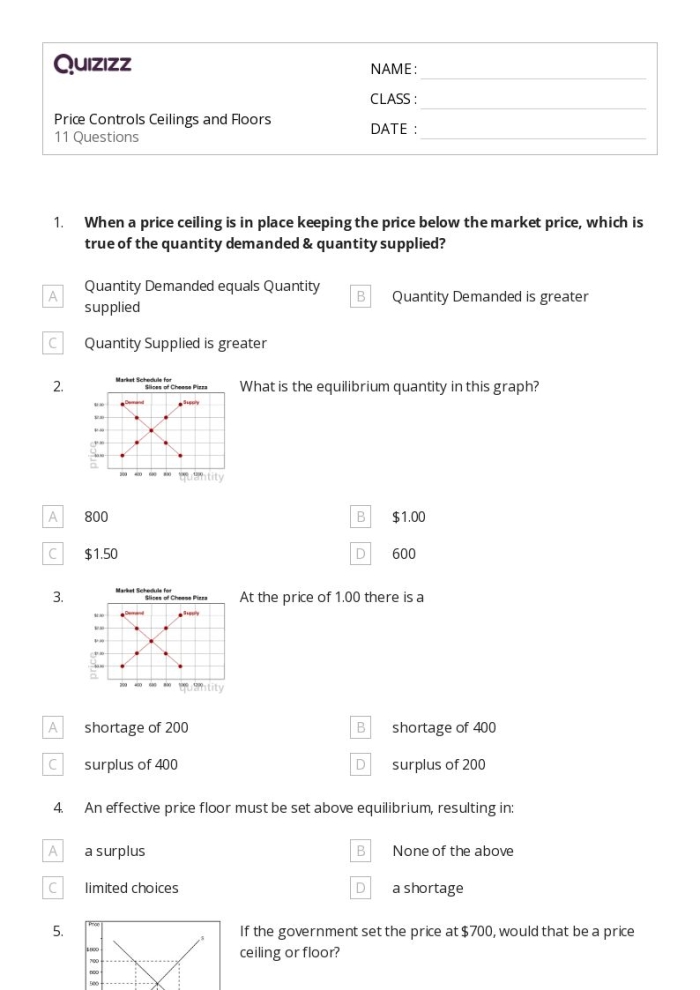
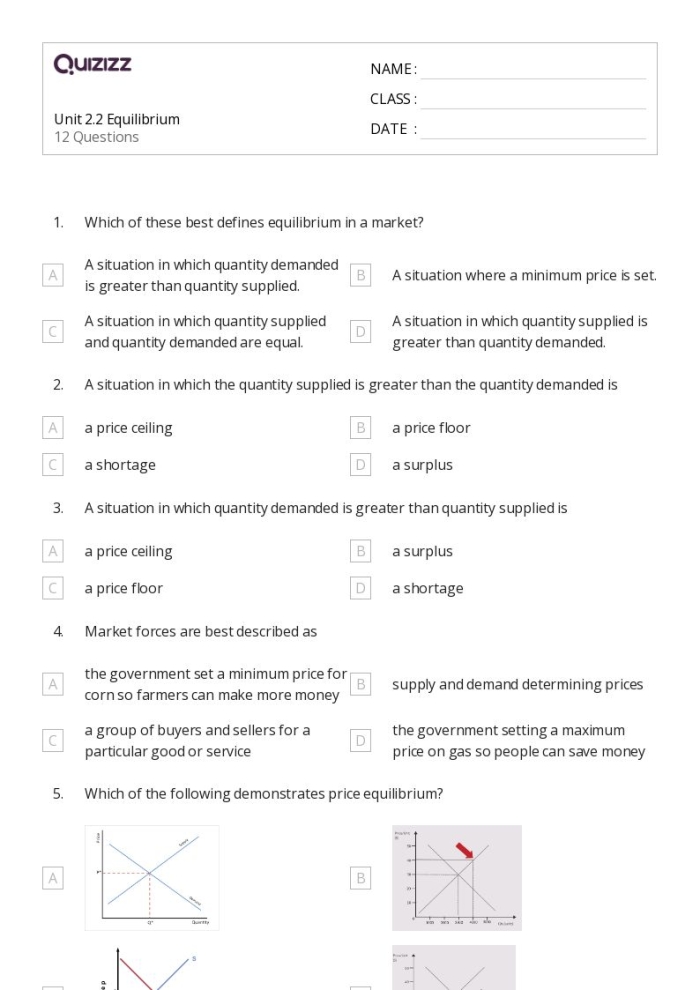
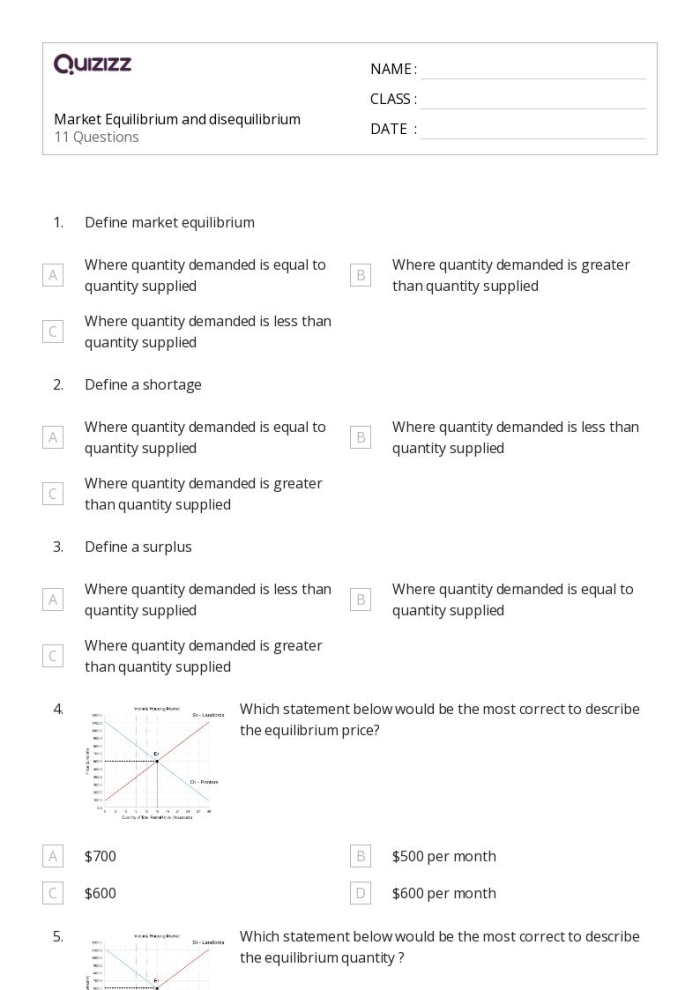
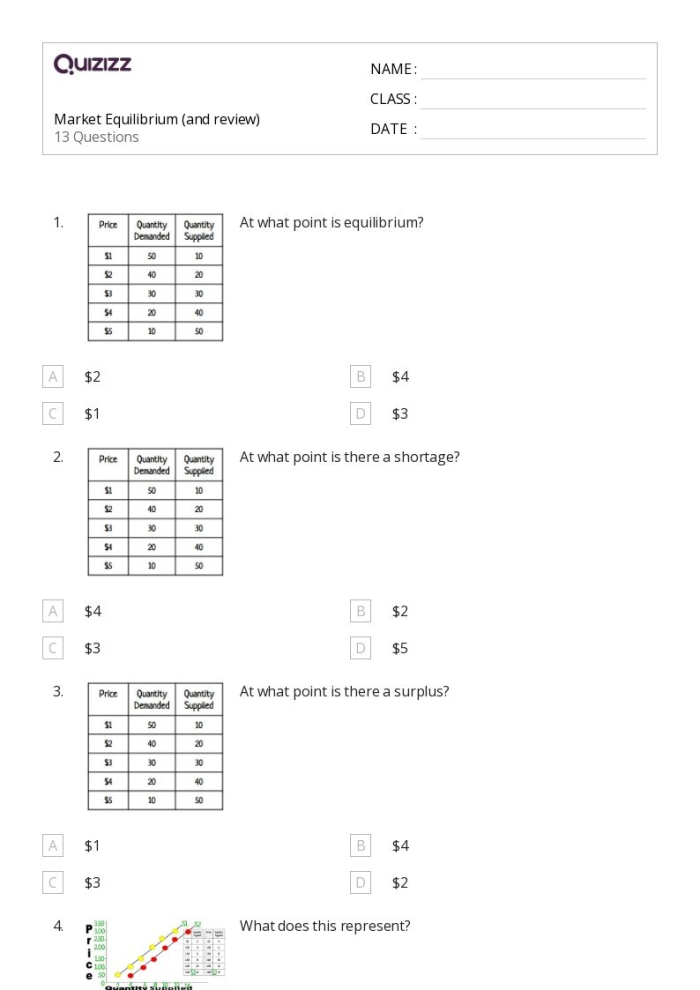
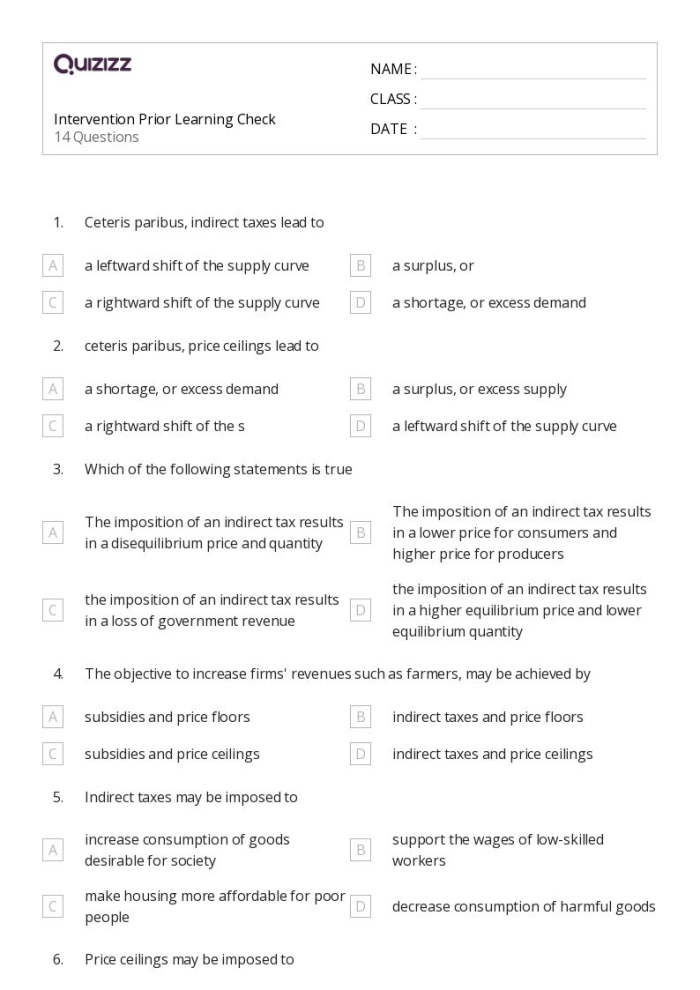
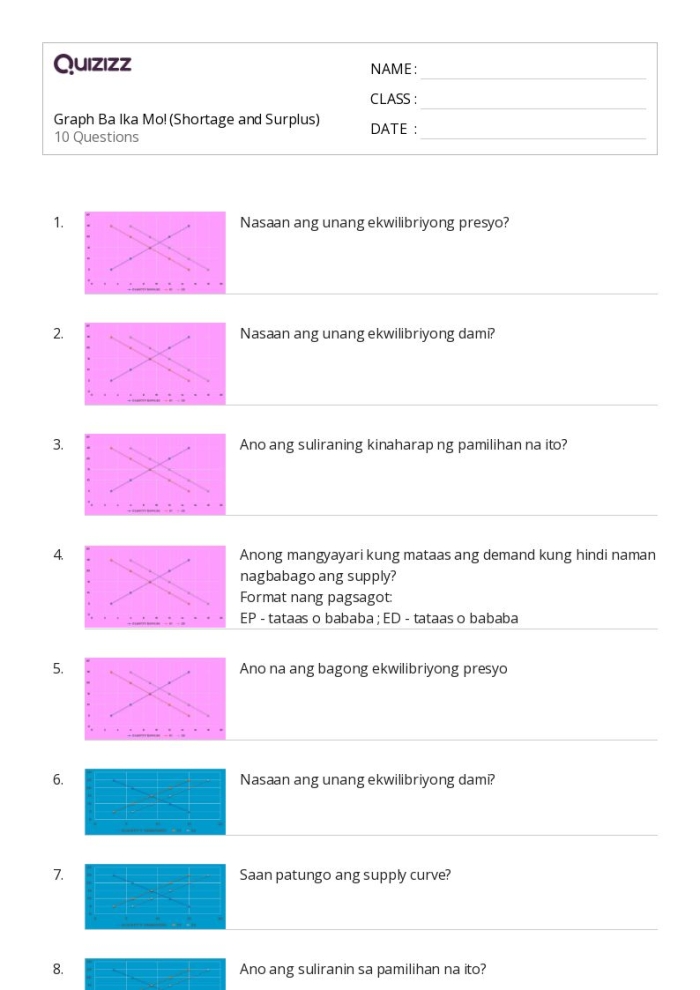
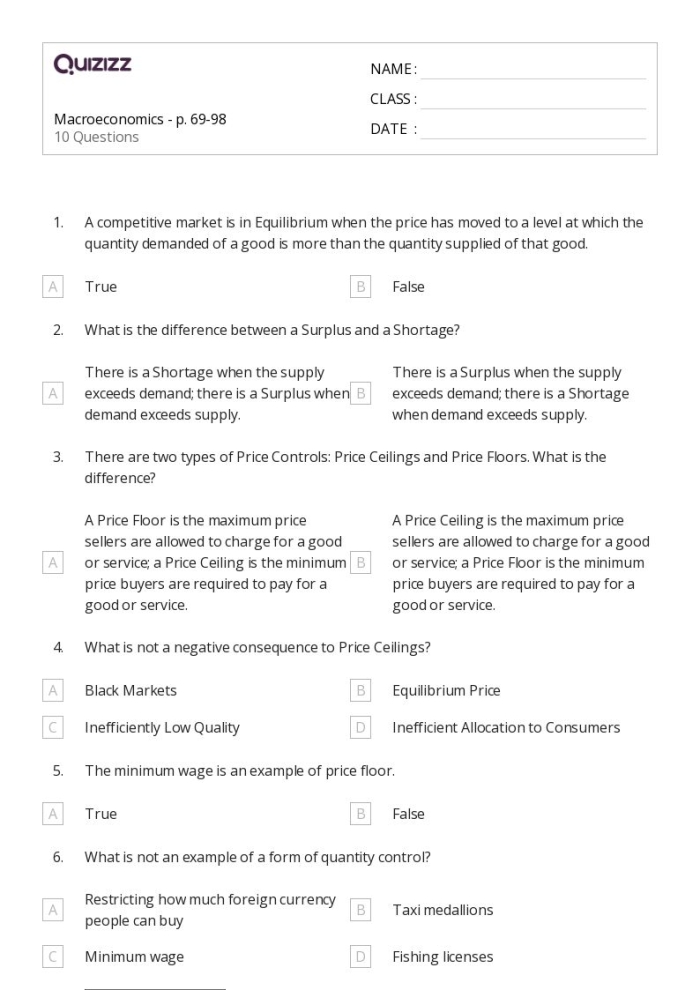
The mechanics of supply and demand pricing work like this: when a product becomes scarce (shortage), businesses typically increase prices to manage limited inventory and maximize revenue. When they have too much inventory (surplus), they lower prices to encourage sales and prevent waste. Students benefit from seeing these cause-and-effect relationships spelled out in structured exercises.
A strong economics worksheet for this age group includes scenarios that mirror situations students encounter daily. Perhaps a toy store has too many action figures before the holiday season ends, or a bakery suddenly can’t keep fresh bread on shelves because of unexpected demand. These concrete examples stick better than abstract theory.
When designing sixth grade writing assignments around economics topics, consider pairing pricing worksheets with related skill-building activities. Students can strengthen their analytical writing by explaining pricing decisions, much like how they develop other competencies through targeted practice. Just as understanding sequence of events helps with comprehension, understanding economic cause-and-effect strengthens critical thinking.
Printable shortage, surplus, and prices worksheets give students hands-on practice with concepts they’ll encounter throughout their academic careers. The key is choosing materials that ask students to think, not just fill in blanks.
Practice with These Worksheets